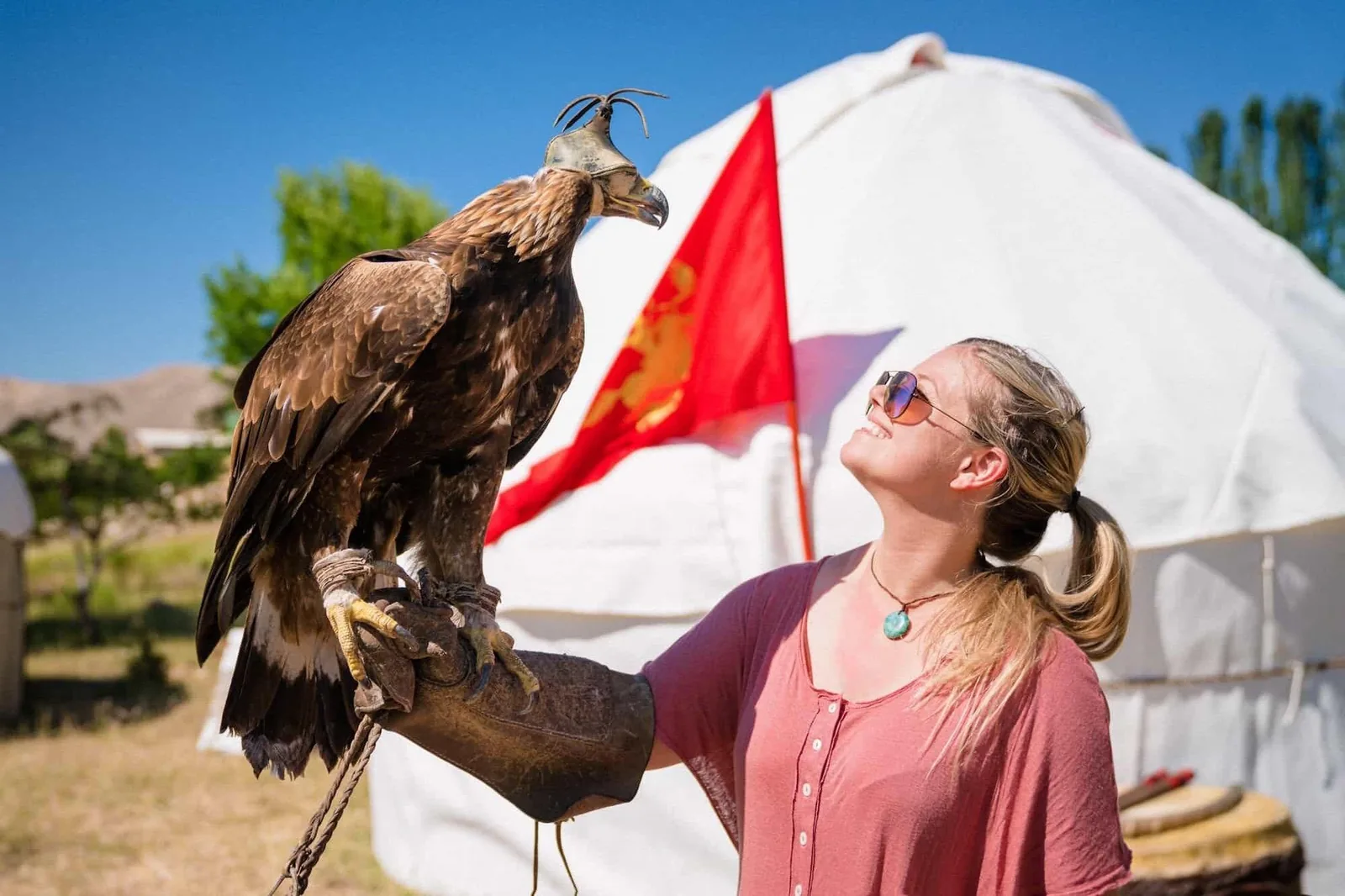
Yurt Stays in Kyrgyzstan
A night in a felt yurt on the summer pasture is the signature Kyrgyz experience. Here's where to do it, area by area — what each place is like, what it costs, and how to book.
Yurt stays are Kyrgyzstan's defining experience — a felt tent on a treeless high pasture, a dung stove, horses at the door and a family who feed you. Almost all of them run only in the short summer, and the character changes a lot by area, so the honest way to choose is by where you want to be.
Song-Köl is the one most people picture and the easiest to add to a trip. If you want hot springs, head for Altyn-Arashan; for Silk Road atmosphere, Tash Rabat; for quiet trails and a community-run setup, Jyrgalan. Pick an area below, then book a bed — or enquire and we'll help you place it in a wider route.
Where to stay, by area
 10
10The flagship jailoo: dozens of family camps rim the lake at 3,016 m, July–September.
 3
3Hot-spring valley above Karakol — soak after the walk in, simple guesthouse yurts.
 3
3Yurt camps beside the stone caravanserai at 3,200 m in remote Naryn.
 4
4Community-run camps in a quiet alpine valley east of Issyk-Köl.
 8
8Yurts near Bokonbayevo and the canyons — eagle hunters and lakeside pitches.
 4
4Remote yurt camps at the trailhead for the border-zone canyon lake (permit needed).
Browse the camps
33 yurt camps — tap one for photos, what it's like, prices and how to book.
comfortSong-Köl
The big one on the lake — 44 yurts, hot showers and Starlink at 3,016 m
 comfort
Song-Köl
A European toilet in every yurt, and the showers run four til seven
glampingIssyk-Köl south shore
A 48-yurt lakeside resort with en-suite bathrooms and Starlink
 basic
basicSong-Köl
Six yurts, shashlyk off the grill and tea from the samovar
 comfort
Song-Köl
Detached private bathrooms, a firepit and a telescope by the lake
 basic
basicSong-Köl
Venera's camp on the Tuz-Ashuu side, and her mother's cooking
 basic
basicSong-Köl
Eight yurts, coal stoves and a sit-down outhouse, 200 m from the water
 comfort
Issyk-Köl south shore
Yurts in a Bokonbayevo garden, with the eagle hunters next door
basicTash Rabat
The self-taught linguist's camp, and the best-loved at Tash Rabat
 basic
basicSong-Köl
1,000 som a night, full board — the cheapest bed on Song-Köl
Issyk-Köl south shore
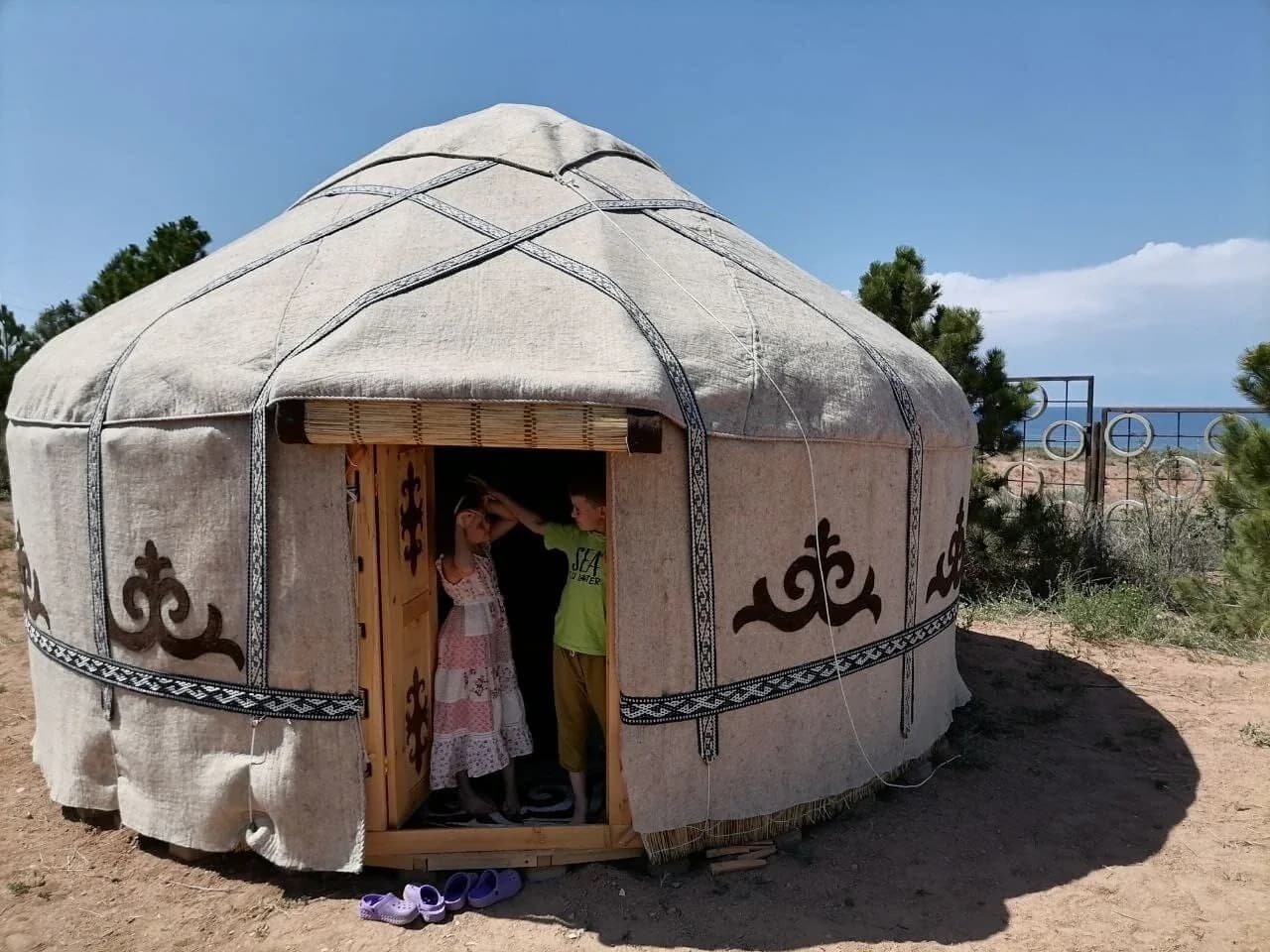
Kyzyl-Tuu-made yurts, 150 m from a Kaji-Say sand beach
 comfort
Issyk-Köl south shore
German-speaking south-shore camp with wood stoves and a sauna
 basic
basicIssyk-Köl south shore
Eight-yurt camp 200 m from the beach — power runs 20:00 to 22:00
 comfort
Issyk-Köl south shore
Ten-yurt family camp inland from the lake, under the snow line
Issyk-Köl south shore
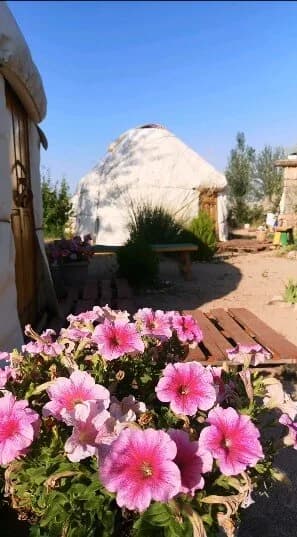
Beachside yurts at the foot of the Tosor pass road to Song-Köl
comfortAltyn-Arashan
Hot springs, a bar, and the only year-round yurt camp in the valley
 glamping
Tash Rabat
En-suite yurts and Starlink beside a 15th-century caravanserai
comfortJyrgalan
A yurt in the village for 900 som, with wi-fi and a sauna at the door
basicKel-Suu
The cheap bed at Kel-Suu — dorms, cash only, no front desk
 comfort
Kel-Suu
The largest Kel-Suu camp, with a shower and a fireplace
 basic
basicAlay
The Lenin Peak view, and a hard bed to see it from
 basic
basicAltyn-Arashan
A trekker's link in the chain, open April to mid-October
 basic
basicTash Rabat
Eleven yurts, thirty guests, and the family's own herds around you
 basic
basicJyrgalan
Bermet and Azamat's yurt, and the horses to go with it
 comfort
Issyk-Köl south shore
Lakeshore comfort camp with hot showers and an eagle-hunter evening
 basic
basicAltyn-Arashan
Ten yurts sized from two beds to five — the flexible one in the gorge
 basic
basicJyrgalan
The lakes camp — and a ski-touring base when the snow comes
 basic
basicKel-Suu
First camp into the valley, with the widest view south
 basic
basicKel-Suu
The camp with no sign — ask for Meder the yak herder
 basic
basicSong-Köl
Five guest yurts, twenty beds, and the milking to watch at dawn
 comfort
Song-Köl
Southern-shore camp with heating, power and a hot shower
 basic
basicSong-Köl
Fifteen years in the north-west corner, and the only camp offering kayaking
 basic
basicJyrgalan
First camp on the Ak-Suu Transverse — 14 km in, on foot or by horse
Yurt stays you can book
2-Day Issyk Kul Small Group Tour with Yurt Stay and Eagle Show
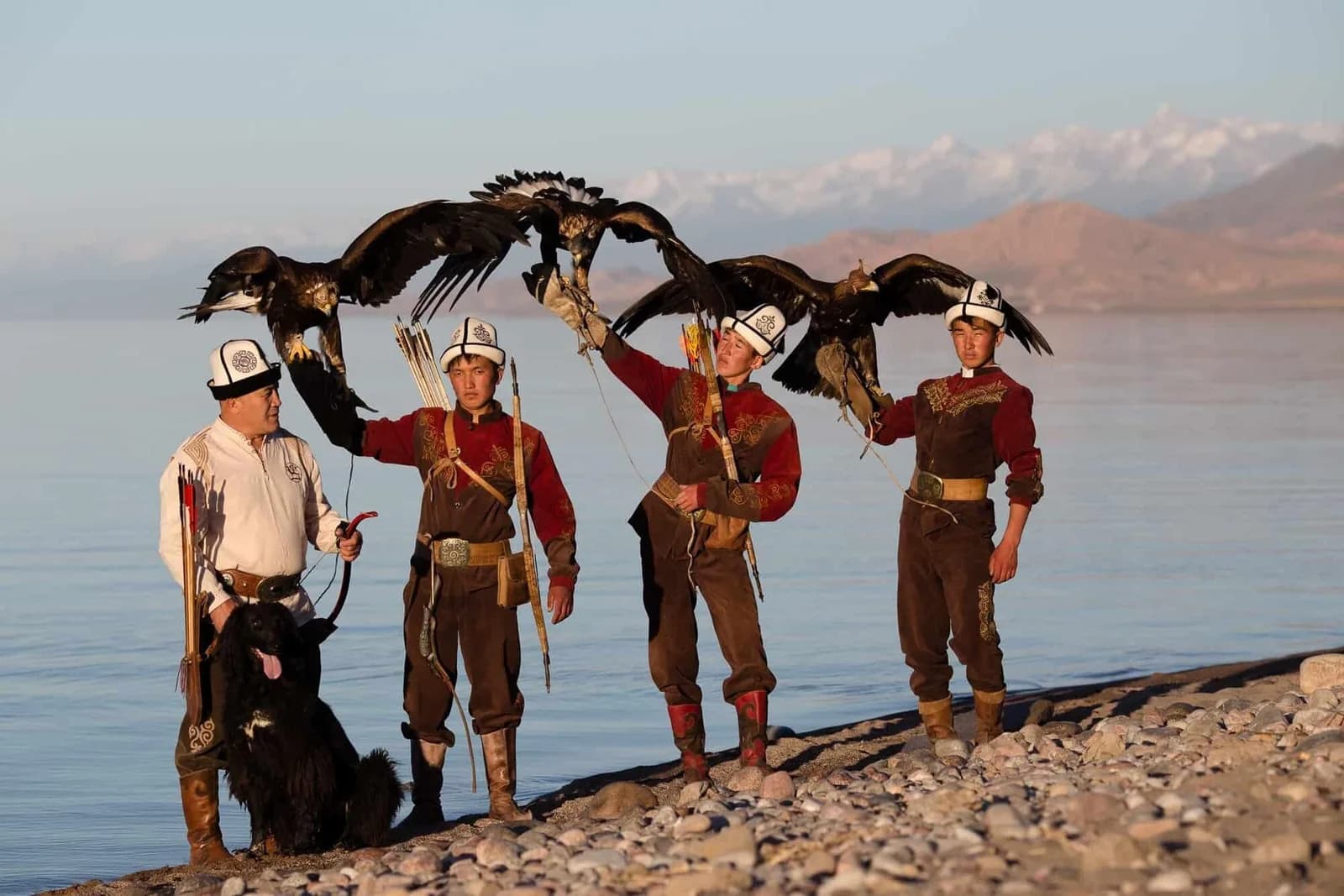
3-Day tour around Issyk Kul Lake with Yurt stay and Eagle hunting show
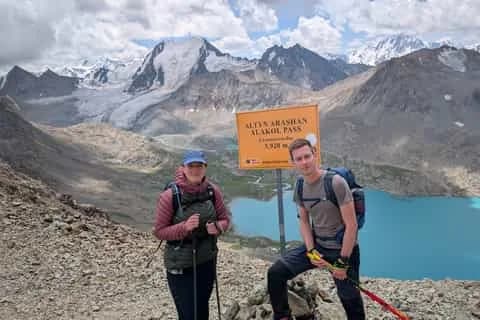
7-Day Kyrgyzstan Grand Tour: Lakes, Yurts & the Tian Shan
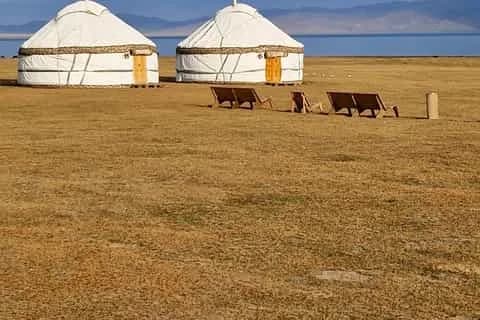
From Bishkek: Son-Kul Lake 2-Day Tour with Yurt Stay & Meals
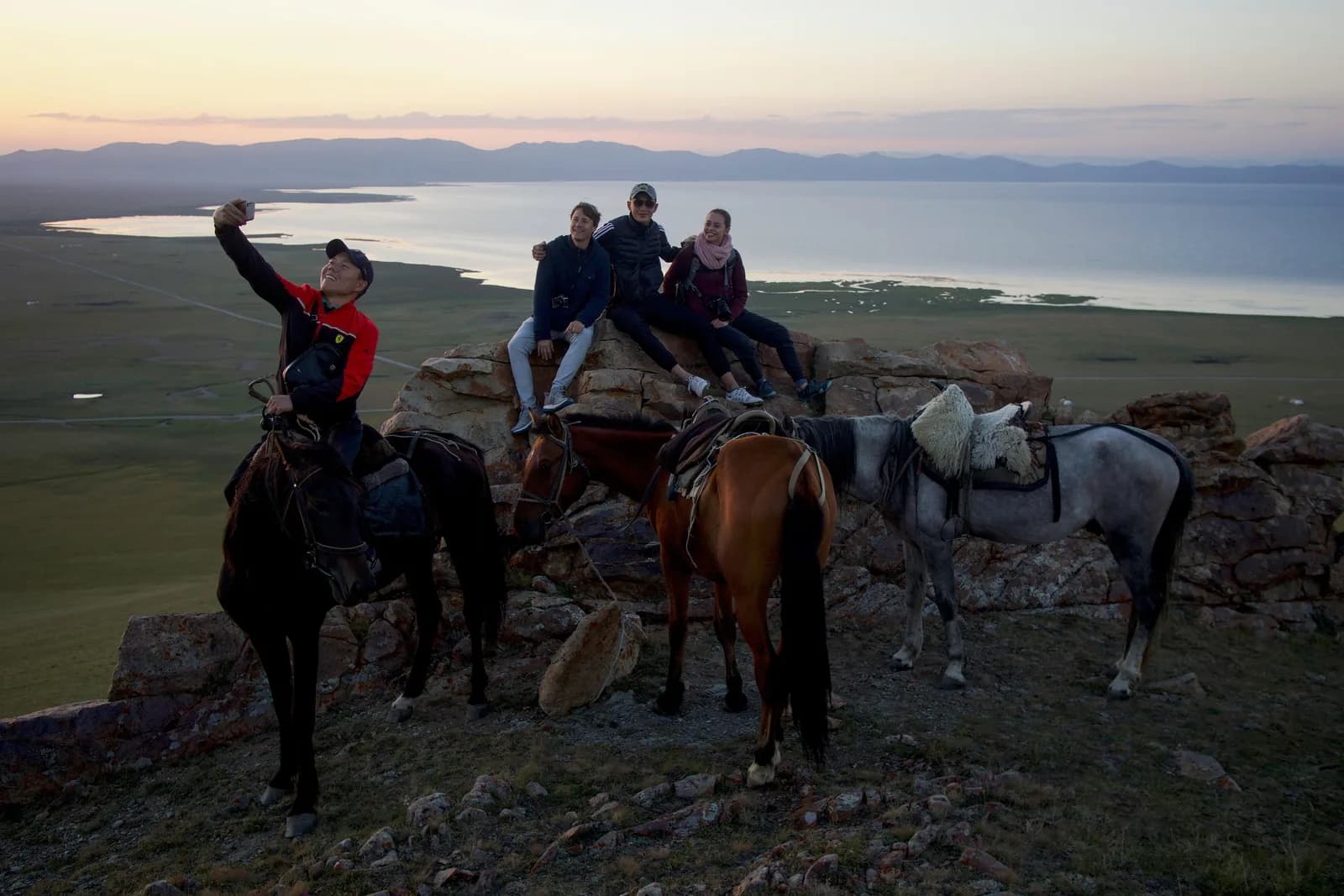
2-Days in Song Kul Lake as Nomad - horseback riding & Yurt stay
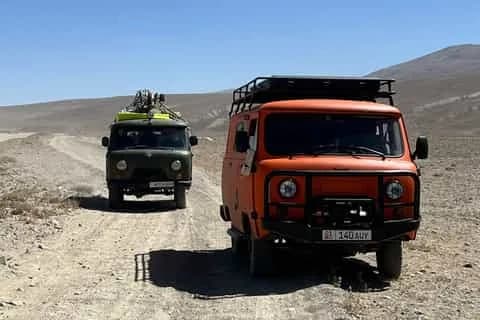
Best of Kyrgyzstan: 9-Day Small-Group Tour
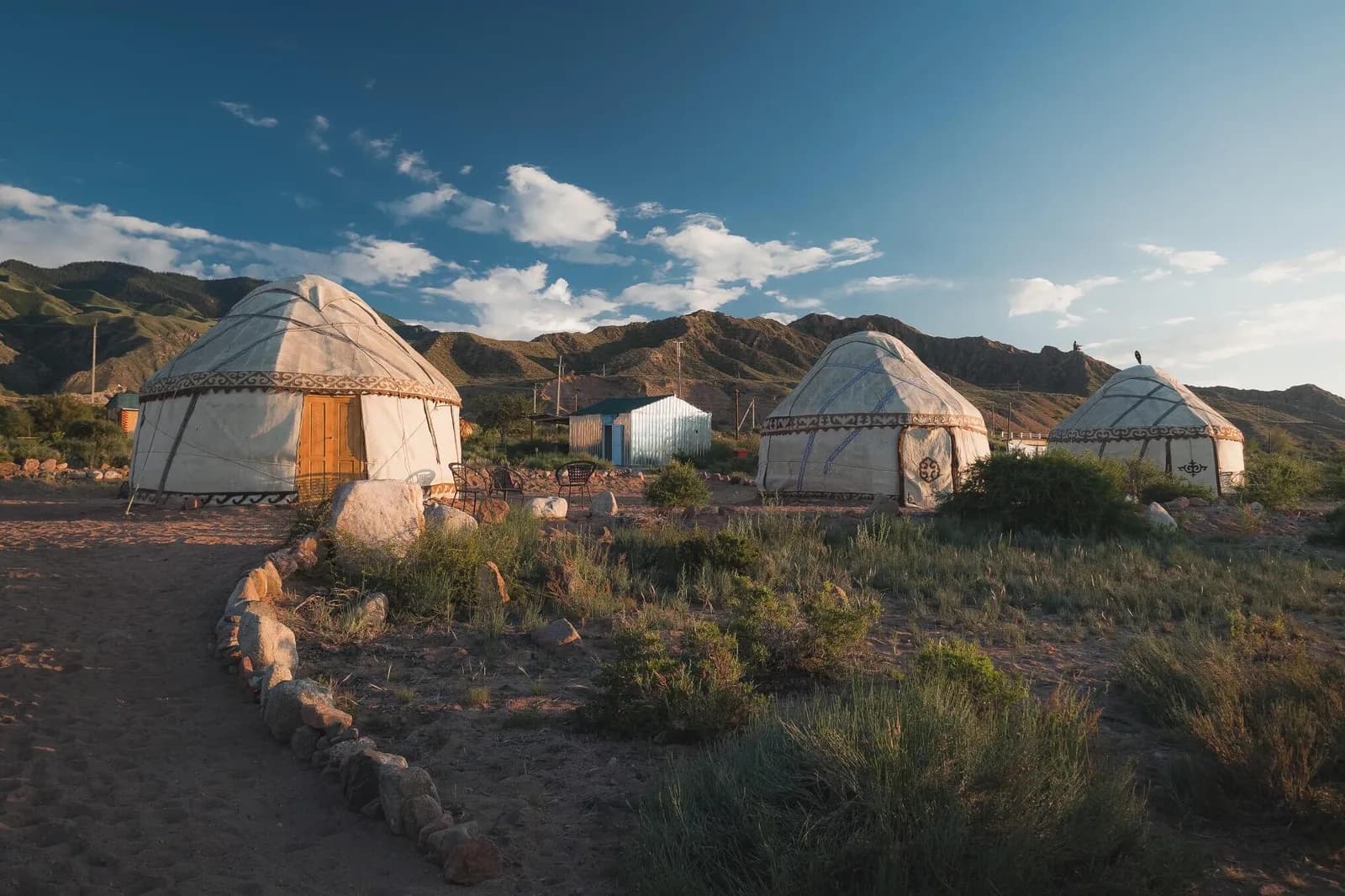
2 Days Issyk Kul Lake Canyons Horse Riding and Yurt Stay
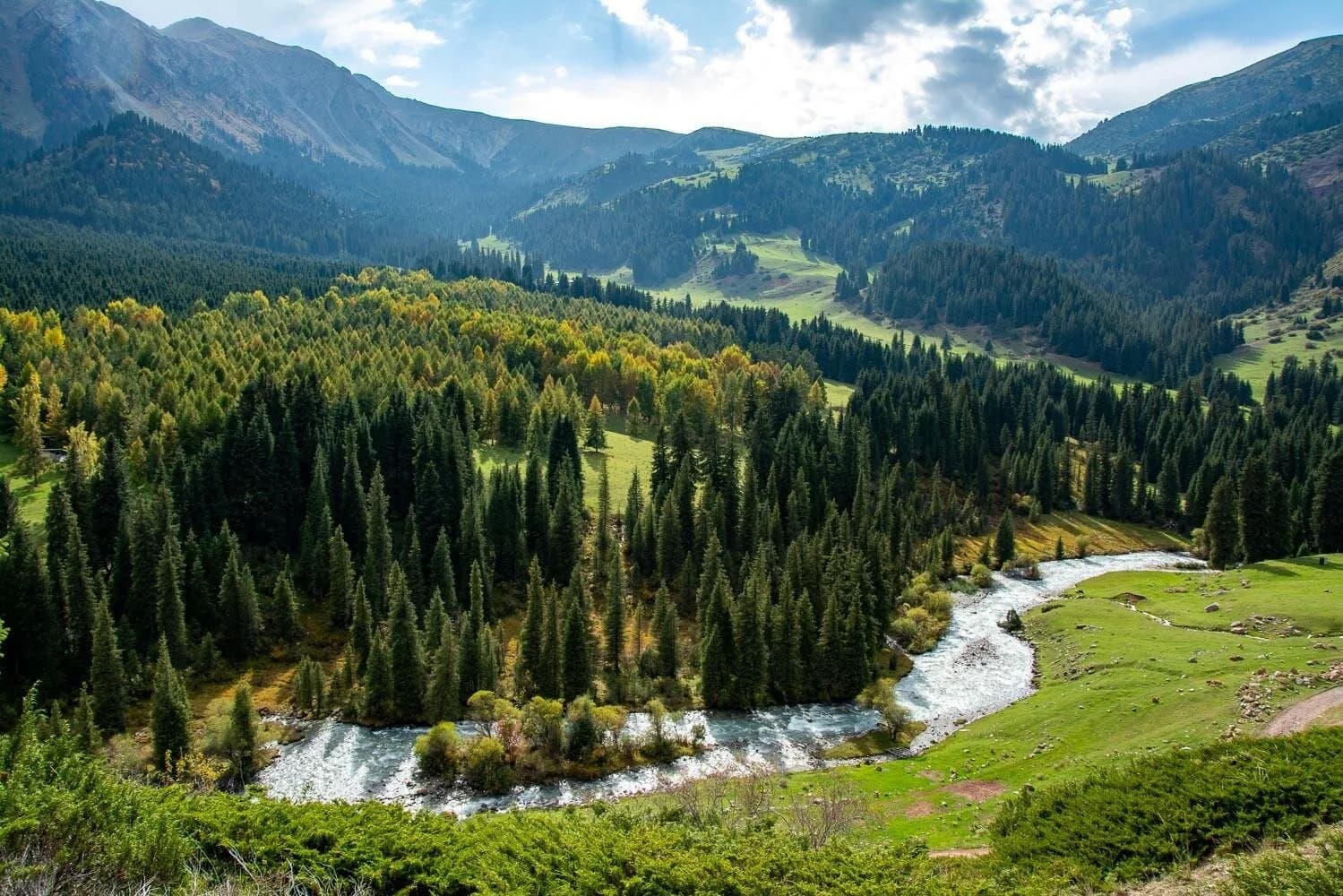
Kyrgyzstan Highland Lakes and Yurt Camps Adventure Trip
Kyrgyzstan Cultural & Silk Road Heritage (8 Days)
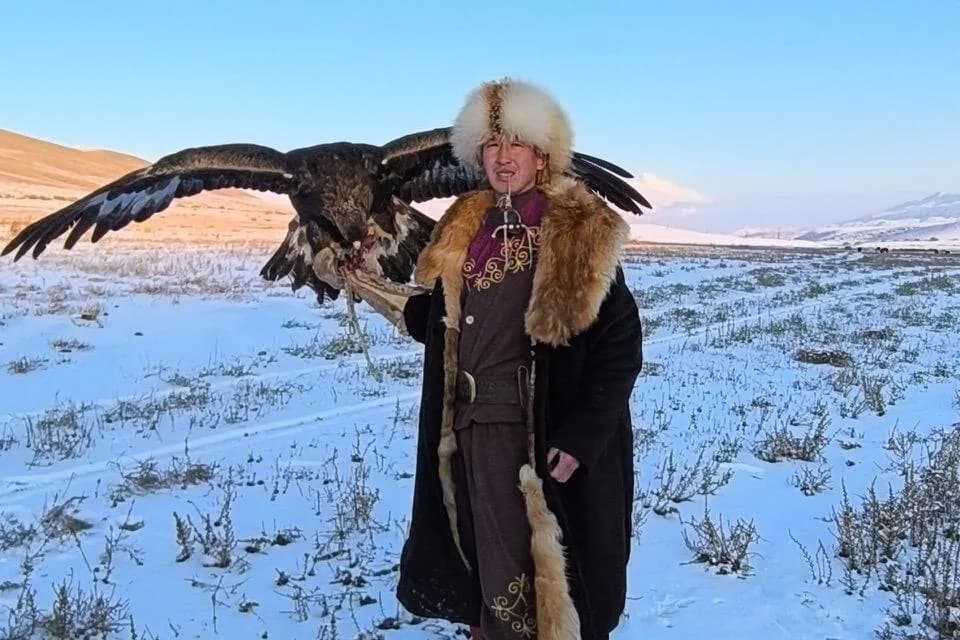
2 Days tour to Issyk Kul lake with Yurt Stay
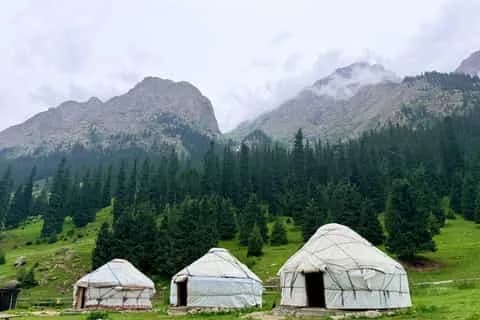
2-Day Issyk-Kul: Canyons, Eagle Show, Yurt Stay & All Meals
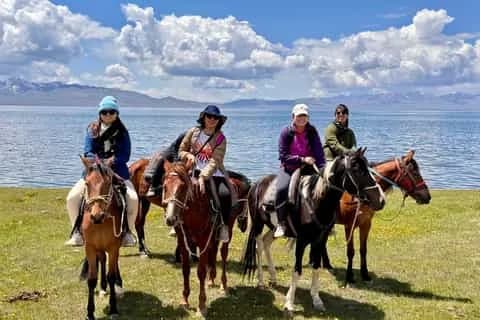
Song-Köl Lake 3-Day Horse Trek & Yurt Stay
Not sure which camp?
Tell us your dates, area and how much comfort you want, and we'll match you to a yurt stay — and slot it into a horse trek or lake loop if you like.
Chat with a real person — free
Seif and the team reply on WhatsApp 24/7 — trip questions, custom plans and booking help.
Ask Seif on WhatsAppPlan your yurt stay
Frequently asked questions
What is a yurt stay in Kyrgyzstan like?
You sleep in a felt-covered nomad tent (a boz-üy) on a summer pasture, usually with floor mats or simple beds, thick quilts and a dung stove that's lit in the evening. Meals are shared with the host family. Most camps are basic — pit toilets, a shared wash area, no wifi and often no phone signal — which is the point. A few 'comfort' camps add beds, hot showers and a banya.
When can you stay in a yurt in Kyrgyzstan?
Roughly mid-June to mid-September, when herding families move up to the jailoo (summer pastures) and set the camps up. Song-Köl and the high camps pack down by early October. Outside summer, yurt stays are limited to a few permanent guesthouse yurts at lower altitude.
How much does a yurt stay cost?
Community and family camps typically run about 1,500–3,000 som (roughly $17–35) per person per night, usually including dinner and breakfast. Prices vary by area and comfort level, and remote spots like Kel-Suu cost more once transport is added. Confirm on the day, as rates change.
Where is the best place for a yurt stay?
Song-Köl is the classic — a vast treeless lake ringed by camps, best reached with a horse trek or jeep from Kochkor. For hot springs pick Altyn-Arashan; for Silk Road atmosphere, Tash Rabat; for quiet trails, Jyrgalan. Each area has its own character; see the area guides linked above.
Do you need to book a yurt stay in advance?
In peak season (July–August) it's wise to arrange Song-Köl camps a day or two ahead through a Kochkor CBT office or your driver, because there's no phone signal at the lake to sort it on arrival. Elsewhere you can often turn up, but booking ahead guarantees a bed and a meal.
How cold does it get in a yurt at night?
Cold, even in July. At 3,000 m the stove roars in the evening then dies before dawn, so nights are the chilly part. Bring a warm layer and something waterproof in any month, and ask whether your camp has beds rather than floor mats — beds are markedly warmer.