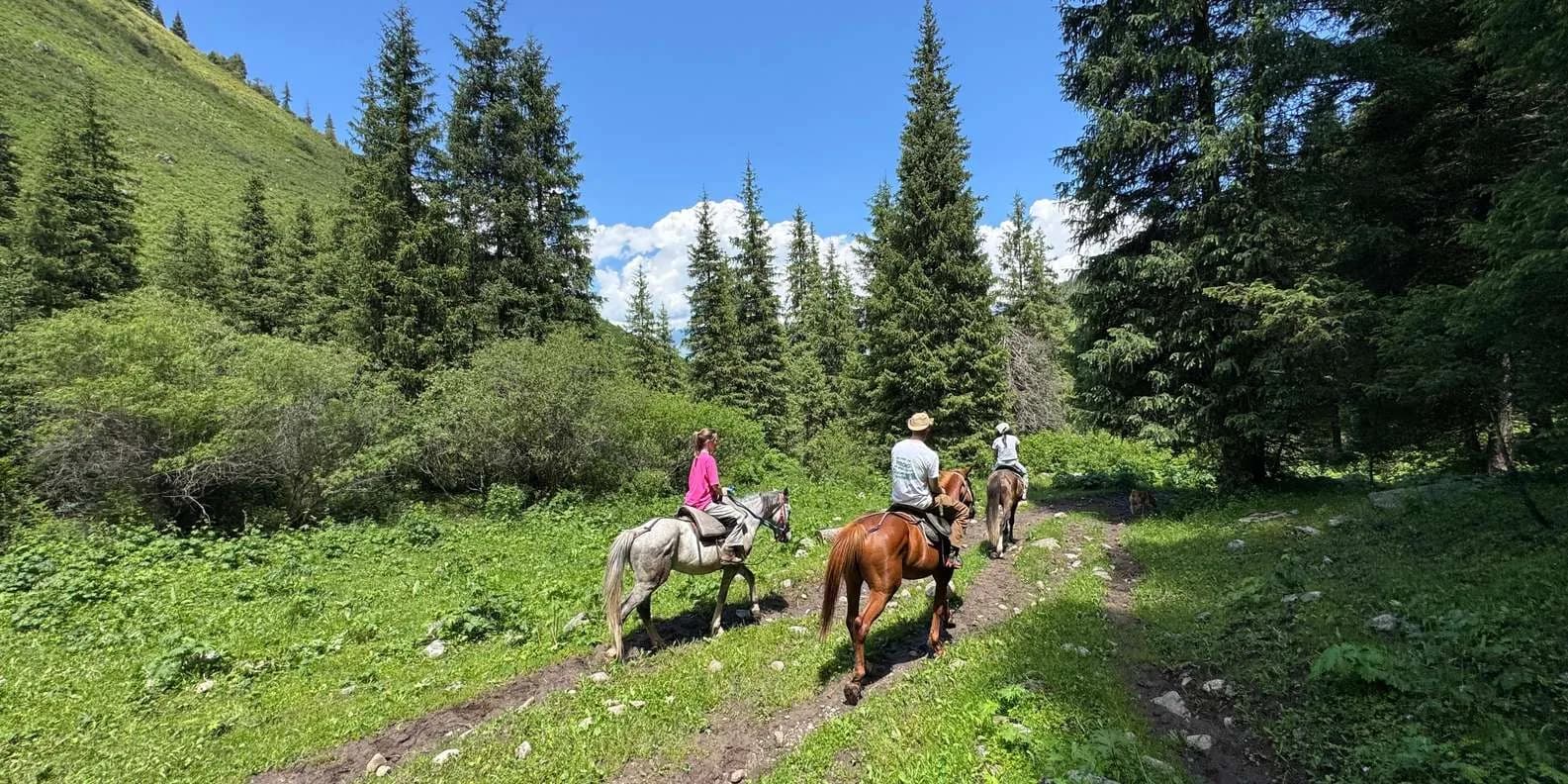
 Image via GetYourGuide
Best Time to Visit Kyrgyzstan (2026 Guide)
When to visit Kyrgyzstan, month by month and season by activity: trekking, yurt stays, Issyk-Köl swimming, autumn colour and skiing, with a clear verdict.
Book it on This is Kyrgyzstan
Turn this guide into a trip
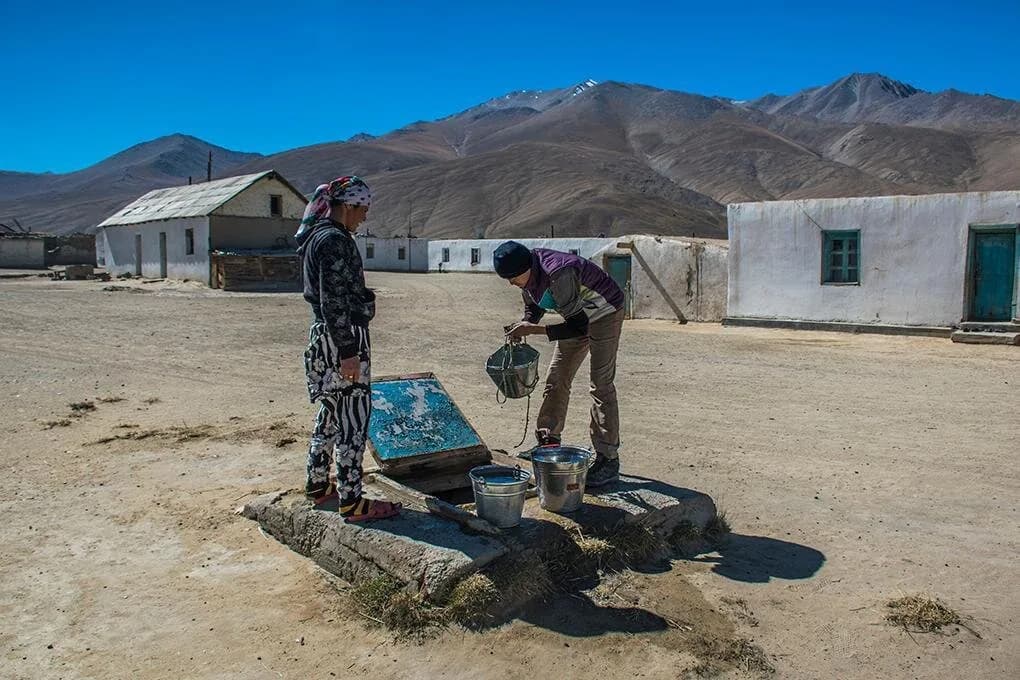
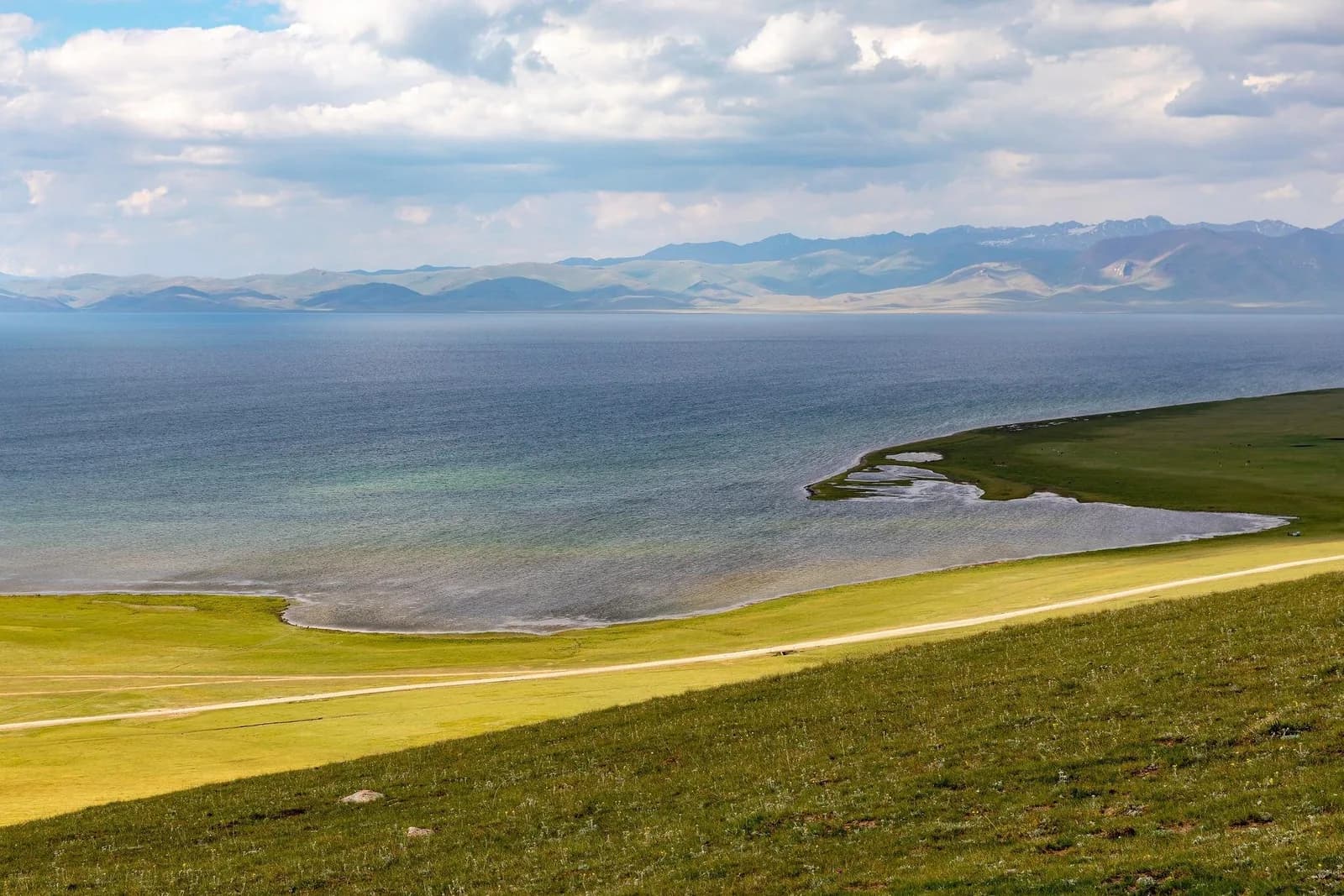
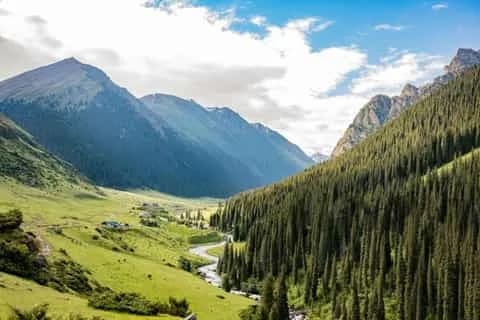
For most travellers the best time to visit Kyrgyzstan is late June to early September, when the high passes are clear, the yurt camps are open and the country is at its greenest. If your trip is built around trekking, Song-Köl or lake swimming, aim squarely at July and August. Come for skiing instead and the window flips to December through March. The one thing that decides almost everything here is altitude: over 90% of the country sits above 1,500 metres, so the calendar that matters is the mountain calendar, not the one on your wall.
The short answer
Go in July or August if you want the widest possible access with the least chance of a washed-out plan. Every jailoo (summer pasture) yurt camp is running, the Ala-Kul pass and other high crossings are snow-free, and Issyk-Köl is warm enough to swim. The trade-off is that these are also the busiest and priciest weeks, though "busy" in Kyrgyzstan still means empty by European standards.
If you can be flexible, the first half of September is the connoisseur's choice: warm days, cold nights, thinning crowds, golden light and autumn colour beginning in the walnut forests. Snow can return to the highest passes by late September, so treat the back half of the month as a gamble.
Month by month
The table below reads the country as a whole. Because altitude drives the weather, the same date can be beach season on the Issyk-Köl shore and sub-zero at a Song-Köl yurt on the same night. Temperatures are indicative daytime ranges; confirm forecasts close to your trip.
| Month | Weather (by region) | What's open | Crowds & price | Verdict |
|---|---|---|---|---|
| Jan | Bishkek −5 to +3°C; Karakol −14 to −5°C; mountains deep-frozen | Ski resorts in full swing; cities year-round | Quiet, cheap (except ski towns) | Best powder month; high country shut |
| Feb | Similar to January; peak snow base 2–4 m | Skiing at its peak; Nooruz prep | Quiet | Prime skiing; still no trekking |
| Mar | Bishkek thawing; muddy foothills; Osh mild | Late-season skiing early on; Nooruz (21 Mar) | Low | Culture and Nooruz, not mountains |
| Apr | Green foothills, blossom; passes snowbound | Cities, low valleys; ski season ending | Low | Mud season — half the country is shut |
| May | Warm valleys 15–25°C; high passes still closed | Lowland sights; a few yurts open late May | Low–moderate | Shoulder value; skip anything above 3,000 m |
| Jun | Wildflowers; passes clearing late in month | Yurt camps opening; treks below 3,000 m | Moderate | Green and gorgeous; highest passes iffy early |
| Jul | Bishkek 32°C+; Song-Köl 12–22°C day, frost at night | Everything open; all high passes clear | Peak, prices up | Peak season, maximum access |
| Aug | Hot lowlands; lake water 18–22°C | Everything open; festivals; Nomad Games late Aug | Peak, prices up | Peak season; book ahead |
| Sep | Warm days, cold nights; walnut colour begins | Yurt camps winding down mid-month; treks fine early | Thinning | Best all-round if you go early |
| Oct | Karakol and Jeti-Ögüz autumn colour; first snows high | Lowlands and towns; Arslanbob walnut harvest | Low | Shoulder gem for low-altitude travel |
| Nov | Cold, grey, first ski snow late month | Cities; ski season starting late | Low | Quiet transition month |
| Dec | Cold and clear at altitude; Bishkek smoggy | Ski resorts opening; cities | Moderate (ski) | Ski season begins |
Two regional notes worth pinning down. Bishkek in July and August is genuinely hot and dusty, with 35°C spells that are the main reason locals flee to the lake. And Bishkek in November to February carries a real air-quality downside from winter coal heating, which asthmatic visitors should factor in; the mountains are unaffected.
The best season for each activity
Kyrgyzstan is really several destinations stacked on top of each other by elevation, and each has its own window.
Trekking and high passes: mid-June to mid-September
The classic Tien Shan treks sit between roughly 3,200 and 3,900 metres, and that puts them firmly in high summer. Below about 2,000 metres you can walk from May, but above 3,000 metres June to August is the reliable band, and above 3,500 metres summer is the only time the temperature dependably climbs above freezing.
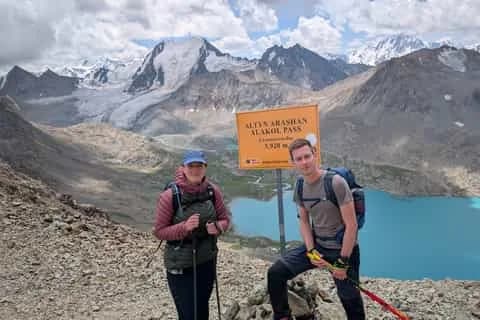
The signature route, the Ala-Kul trek above Karakol, crosses a pass at roughly 3,860–3,900 metres (sources differ, so treat it as a range). That pass is usually snow-free by late July and holds its most reliable window from mid-July to mid-September. June crossings are mountaineering, not hiking — you need an ice axe and the judgement to read a snow slope, and fresh snow can fall on the pass in any month. September brings colour but an earlier snow risk. Always check conditions in Karakol the day before you start. See the wider picture in our trekking in Kyrgyzstan guide.
Whatever month you pick, altitude is the underrated hazard. The standard itinerary drops trekkers at 3,900 metres within 48 hours of leaving an 800-metre capital, which is exactly the profile that triggers acute mountain sickness. Build in acclimatisation nights and never schedule the pass for the day after a Bishkek bus.
Song-Köl and Tash Rabat yurt stays: June to September
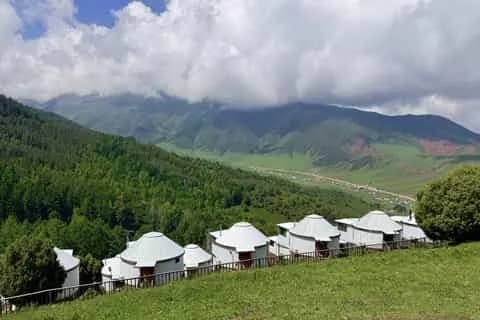
The jailoo yurt season opens and closes with the grass and the passes, roughly mid-June to early or mid-September, widest and most reliable in July and August. Song-Köl, the shallow alpine lake at 3,016 metres, is reached over 4WD-only passes such as Kalmak-Ashuu (3,447 m); sedans cannot make it, and one source flatly calls the lake inaccessible from October to May. A few camps open in late May and a handful linger into early October, but you are gambling on the road either side of the core season.
Pack for cold whichever week you choose. Frost and even snow are possible at Song-Köl on any summer night, the yurt stove goes out around midnight, and camps do not supply a sleeping bag. Tash Rabat, the stone caravanserai at around 3,000–3,200 metres in Naryn province, follows the same seasonal rhythm.
Issyk-Köl swimming: July and August
Issyk-Köl (Issyk-Kul) is slightly saline and famously never fully freezes, but swimming is really a late-June to late-August pursuit, peaking in the last two weeks of July and the first two of August. Water sits around 18–22°C in that window and is cold outside it. The north shore around Cholpon-Ata is the resort strip — lively with domestic and Kazakh holidaymakers in high summer, and prices roughly double. The quieter, drier south shore is better for scenery and culture. Our Lake Issyk-Köl guide covers both shores.
Wildflowers and green pasture: June
June is the month the meadows explode. The herders begin their summer migration up to the jailoo, the lower valleys are lush, and the light is soft. The catch is that the very highest passes may still hold snow early in the month, so June suits mid-altitude trekking, horse trips and photography more than the top crossings.
Autumn colour and the walnut harvest: September to October
For a completely different Kyrgyzstan, head south. Arslanbob shelters one of the world's largest walnut forests, and its signature season is the harvest and autumn colour of roughly September to October, when whole families camp out under the trees to gather nuts. Further north, the Karakol and Jeti-Ögüz valleys turn gold in October. This is low-to-mid-altitude travel — the high country is closing down — but it is the most atmospheric time of year at these elevations. See the Arslanbob guide for detail.
Skiing: December to March
Do not write off winter. The ski season runs from late November to late March, with January the best powder month and February peak, when the base reaches two to four metres. The Karakol Ski Base (1,800–3,040 m, 20-plus marked runs, 7 km from town) is the country's best-known resort; a weekday lift pass runs around 1,400 som (about US$15–20) and gear hire 600–1,300 som a day. Jyrgalan, 60 km east, is backcountry ski-touring with no lifts, and ZiL near Bishkek is the beginners' hill. It is cold, the days are short and mountain roads demand care, but the slopes are uncrowded and prices are low. Winter is not the time for yurt life or high trekking — those are shut.
Festivals and the World Nomad Games: late summer
Kyrgyzstan's cultural calendar clusters in summer. Small CBT-run jailoo festivals — horse games, felt-making, eagle demonstrations — dot July and August around Issyk-Köl and Song-Köl. The headline event is the 6th World Nomad Games, held 31 August to 6 September 2026, opening in Bishkek on Independence Day (the 35th anniversary of independence) with the main competition around Cholpon-Ata and the Kyrchyn jailoo. If you are reading this after that edition, note the Games are biennial and Kyrgyzstan has reasserted ownership of the brand; watch for future editions. The other fixed highlight is Nooruz on 21 March, the spring new-year festival, best seen on Ala-Too Square in Bishkek.
Altitude and seasonal access, honestly
The single most important planning fact is that most high passes are snowbound from October to May. Song-Köl's approaches, Kel-Suu, Tosor and the unpaved crossings such as Kegeti (3,785 m) and Tosor (3,893 m) are only reliably open in July and August, and can be blocked by snow or rockslide at any time of year. Even the paved Bishkek–Osh highway is subject to avalanche closures at Töö-Ashuu.
That has a blunt consequence for shoulder-season trips: in May and October, half of a "classic" itinerary can be shut. May reads as spring in the valleys but winter above 3,000 metres; October is golden in the foothills but closing at the lake. Plan those months around lower-altitude sights — cities, the lake shore, southern valleys — and you will have a fine trip. Plan them around a high pass and you may be turned back. Pass openings, road washouts and border hours are living facts, not last year's blog dates, so confirm locally.
Shoulder-season value
If crowds and cost matter more than ticking off the highest routes, May and late September into October are the sweet spots. Guesthouse and yurt rates ease off their July–August peak, the lakeshore resort towns are calm rather than heaving, and the light is better for photography. A typical CBT-style yurt with all meals runs about 2,250 som (roughly US$25) per person, against upgraded camps at US$90 or more; shoulder season is when you are most likely to have a host to yourself. Just match your ambitions to the altitude that is actually open. For a full costed picture, see our cost and budget guide.
So when should you go?
- First-timers who want the full experience: July to early September.
- Photographers and crowd-avoiders: the first half of September.
- Trekkers targeting the Ala-Kul pass: mid-July to mid-September.
- Skiers: January and February around Karakol.
- Culture, cities and budget: May or October, kept low-altitude.
Whatever month you land on, treat the weather as the boss. Pack layers, keep your schedule loose, and let the mountains decide the details. When you are ready to shape the trip around your dates, browse our trekking tours or the wider Issyk-Köl region.
Chat with a real person — free
Seif and the team reply on WhatsApp 24/7 — trip questions, custom plans and booking help.
Ask Seif on WhatsAppCommon questions
What is the overall best time to visit Kyrgyzstan?
Late June to early September is best for most travellers, and July and August give the widest access of all. That is when the high passes are snow-free, every jailoo yurt camp is open, Issyk-Köl is warm enough to swim, and the country is at its greenest. The trade-off is peak crowds and prices, though both stay modest by European standards. The first half of September is a quieter, golden-light alternative.
When can you trek the high passes like Ala-Kul?
The reliable high-pass window is mid-July to mid-September. The Ala-Kul pass, at roughly 3,860–3,900 metres, is usually snow-free by late July but can hold snow into the month and be snowed on again in any month. June crossings need an ice axe and snow-slope judgement, not just hiking boots. Always check conditions in Karakol the day before you start, and build in acclimatisation nights to avoid altitude sickness.
When are the Song-Köl yurt camps open?
Song-Köl's yurt camps run roughly mid-June to early or mid-September, with July and August the most reliable. The lake sits at 3,016 metres and is reached over 4WD-only passes; one source calls it inaccessible from October to May. A few camps open in late May and a handful linger into early October, but the access road is a gamble either side of core season. Pack a proper sleeping bag — nights are sub-zero even in summer.
When can you swim in Lake Issyk-Köl?
Swimming season is late June to late August, peaking in the last two weeks of July and first two of August, when the water is around 18–22°C. Issyk-Köl is slightly saline and rarely freezes, but it is cold outside that window. The north shore around Cholpon-Ata is the busy resort strip in high summer; the south shore is quieter and more scenic. Strong winds and cold water mean drownings happen every summer, so take care.
Is Kyrgyzstan worth visiting in winter?
Yes, if you ski. The season runs late November to late March, with January the best powder and February peak, when the base reaches two to four metres. Karakol Ski Base is the main resort, with weekday lift passes around 1,400 som (about US$15–20). Jyrgalan offers backcountry touring. Winter is not for yurt stays or high trekking, which are shut, and Bishkek's winter air quality is poor, but the slopes are cheap and uncrowded.
What are the shoulder months like in Kyrgyzstan?
May and October are the shoulder months and they are a genuine trade-off between quiet and access. Valleys, foothills and cities are lovely — spring blossom in May, autumn colour in October — and prices ease off the summer peak. But high passes and Song-Köl are usually still closed or snowbound, and many yurt camps are shut. Plan these months around lower-altitude sights and you will do well; plan them around a high pass and you may be turned back.
When is the walnut harvest and autumn colour at Arslanbob?
Roughly September to October. Arslanbob, in the south, shelters one of the world's largest walnut forests, and the harvest is its signature season, when families camp under the trees to gather nuts and the slopes turn gold. It is low-to-mid-altitude travel, so it works even as the high country closes for winter. The Karakol and Jeti-Ögüz valleys further north also colour up beautifully in October.
When are the World Nomad Games in Kyrgyzstan?
The 6th World Nomad Games run 31 August to 6 September 2026, opening in Bishkek on Independence Day and holding the main competition around Cholpon-Ata and the Kyrchyn jailoo on the Issyk-Köl north shore. Expect kok-boru, eagle-hunting demonstrations, horse racing and a huge yurt ethno-village. The Games are biennial, so if you have missed the 2026 edition, watch for future ones. Book Issyk-Köl and Bishkek accommodation early, as the region fills.
Which month has the fewest crowds but still good access?
Early September is the best balance. The high passes and yurt camps are typically still open through the first half of the month, the lakeshore resort towns have emptied after the August peak, days are warm and nights cool, and the light turns golden. Book the first half before autumn weather arrives, since snow can return to the highest passes by late September. June is the other quiet option, though the very highest passes may still hold snow early on.
Book it on This is Kyrgyzstan
Turn this guide into a trip
Kyrgyzstan's bestsellers
The experiences travelers book most, across the country
Keep reading
Kyrgyzstan Visa Requirements 2026: 30 Days, Not 60
Kyrgyzstan cut its visa-free stay to 30 days in a rolling 60-day window on 31 December 2025. E-visa, registration, overstay and border rules, verified for 2026.
By TiK Editors12 min read
Kyrgyzstan Travel Cost: Real 2026 Budgets in Som & USD
What Kyrgyzstan actually costs in 2026: three daily budgets in som and dollars, real marshrutka and yurt prices, and why transport — not beds — decides your total.
By TiK Editors11 min read
Kyrgyz Food Guide: What to Eat in Kyrgyzstan (2026)
Kyrgyzstan eats three cuisines at once — nomad, Ferghana and Dungan. What beshbarmak, lagman and ashlyamfu really are, what they cost, and how to order.
By TiK Editors13 min read