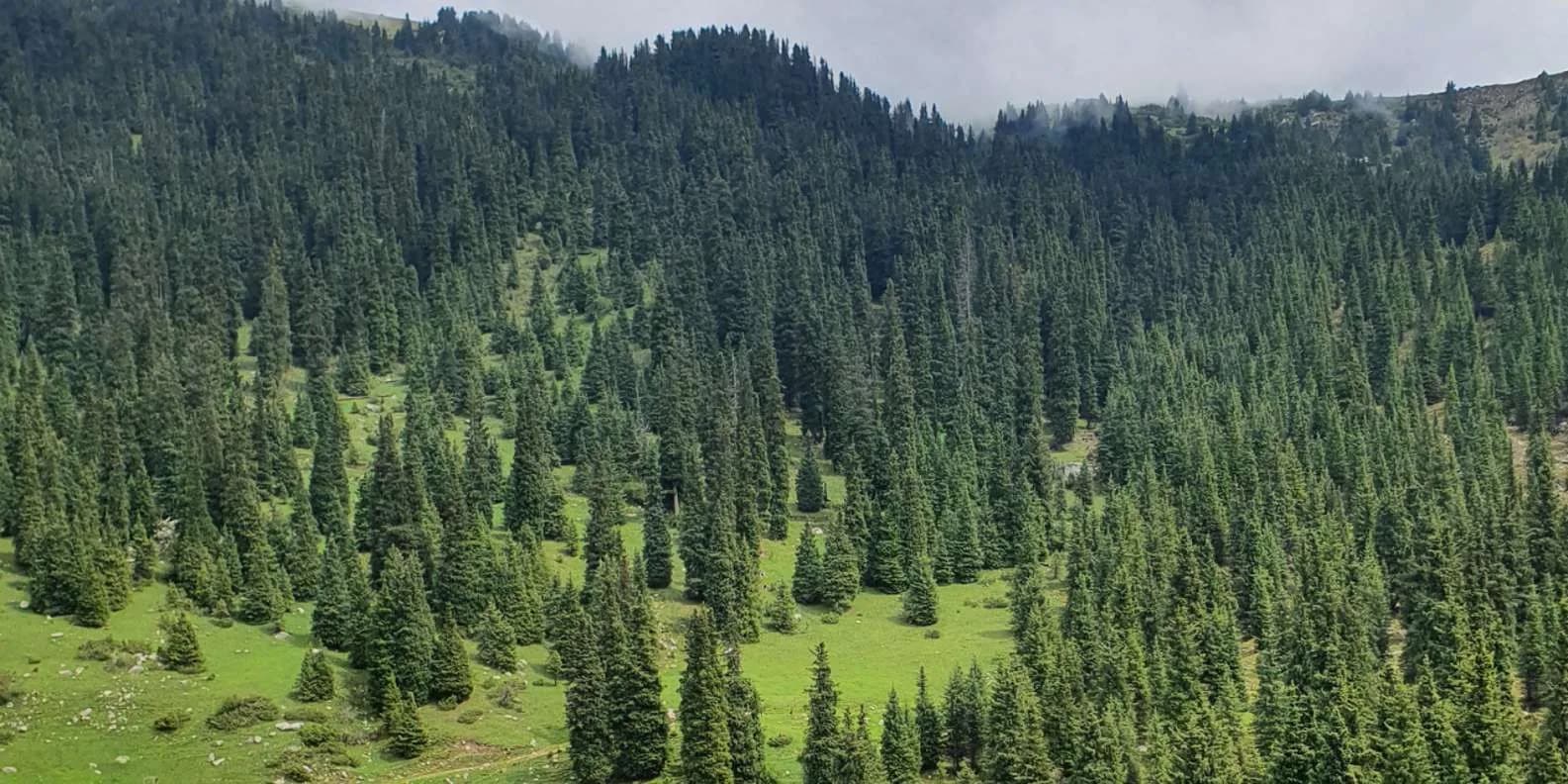
 Image via GetYourGuide
Getting Around Kyrgyzstan: Transport Guide (2026)
Marshrutkas, shared taxis, drivers and the Bishkek–Osh flight — a route table of real distances, honest durations and fares, because map apps under-estimate here.
Book it on This is Kyrgyzstan
Turn this guide into a trip
Quick answer: Marshrutkas (shared minibuses) and shared taxis connect the main towns cheaply, but there's effectively no passenger rail and domestic flights really only serve Bishkek–Osh (~45 minutes). For the mountains — Song-Köl, Kel-Suu, remote trailheads — there's no public transport at all, so you hire a driver or share a 4WD. Ride-hailing (Yandex Go, inDrive) works only in Bishkek, Osh and Karakol.
Kyrgyzstan runs on marshrutkas (shared minivans that leave when full, not to a timetable), shared taxis at roughly double the fare for an hour or two saved, and hired drivers for everywhere those don't reach — which is most of the mountains. There is no useful passenger rail, one domestic flight that matters (Bishkek–Osh, 45 minutes), and no motorway anywhere. Before you plan anything: map apps under-estimate driving times here by 25–60%. Bishkek to Osh is about 600 km — sources give 600–670 km depending on routing — and your phone says 7 hours. It takes 10–12 hours' driving, 11–13 in a shared taxi with stops.
Real distances, real durations, real fares
The "realistic" column comes from operator and traveller reporting, not a routing engine; the gap between the columns is the whole problem. Fares are per seat unless noted, at roughly 87–88 som to the dollar (National Bank rate, 30 August 2026).
| Route | Road km | Map app says | Realistic | Mode | Typical fare |
|---|---|---|---|---|---|
| Bishkek – Cholpon-Ata | ~260 | 4.1 h | 3.5–5 h | Marshrutka | 350–700 som ($4–8) |
| Bishkek – Karakol | 407 | 6.3 h | 5 h taxi, 6–7 h marshrutka | Marshrutka / GoBus / shared taxi | From 500 som; 1,000–1,500 som taxi |
| Bishkek – Kochkor | 201 | 3.0 h | ~4 h | Minivan / shared taxi | From ~500 som ($6) |
| Kochkor – Song-Köl | 106 | 2.2 h | 2.5–3.5 h | Hired vehicle only | 5,000–7,000 som ($57–80) per car |
| Song-Köl – Naryn | 143 | 2.7 h | 3–4 h | Hired vehicle only | Negotiated, similar band |
| Naryn – Tash Rabat | 113 | 1.8 h | 2–2.5 h each way | Taxi only | From ~3,000 som per car |
| Karakol – Jyrgalan | 75 | 1.6 h | ~1–1.5 h | Marshrutka 08:30 / 13:30 / 17:30 | From 100 som; taxi 1,500 som/car |
| Bishkek – Osh | ~600 (600–670) | 7.3 h (505 km routing-engine figure) | 10–12 h driving, 11–13 h shared taxi | Shared taxi or sleeper bus | 1,500–2,500 som ($17–29) |
| Osh – Arslanbob | 130 | 2.3 h | 3–5 h | Daily direct marshrutka ~13:30 | ~200 som ($2.30) |
| Osh – Sary-Mogol | 219 | 2.6 h | 4–5 h | One marshrutka, 14:00, old bus station | 300 som; taxi 400 som/seat |
| Jalal-Abad – Arslanbob | 78 | 1.4 h | 2–2.5 h | Shared taxi, or via Bazar-Korgon | ~200 som direct |
Two more where the gap is severe: Naryn–Bishkek, 4.7 h on paper and about 7 in a real minivan; Osh–Sary-Chelek, 3.7 h on paper and 6 in life. Pace your days against the 10-day itinerary and cost them with the budget guide, not against a phone.
Arriving: Bishkek (BSZ) and Osh (OSS)
Manas International, 25 km from Bishkek, changed its IATA code from FRU to BSZ in August 2025. Many booking sites still show FRU — if a search returns nothing under one code, try the other. There are no direct flights from Western Europe, the UK or North America; you connect via Istanbul, Dubai, Almaty or a CIS hub. The terminal was rebuilt through 2025–26, so follow signage, not an old blog, for pick-up points.
To the centre: Yandex Go about 700–1,200 som, the 153 express bus roughly 120–140 som in 45–75 minutes, marshrutka 380 about 60 som but daylight-only and hopeless with a big pack. Touts inside arrivals ask 800–1,500+. Buy a SIM before leaving the terminal and order through the app — that is the entire defence.
Osh (OSS, unchanged) is 9–11 km out, its own new terminal under construction. Taxi 250–400 som, Yandex around 170, city marshrutka 107 for 15 som. More in the Osh guide.
Marshrutkas: how they actually work
A privately owned 12–20 seat minivan with its number and destination on the windscreen, almost always in Cyrillic only. Learning to read your destination in Cyrillic is the most useful hour of preparation you can do.
They leave when full — no timetable to miss, and none to rely on. Early morning at a bus station and you go quickly; 3pm on a minor route and you may wait hours or not travel at all. Pay cash on entry in small notes. Luggage rides on your lap, in the aisle or on the roof; there is no hold, and a big pack may cost a little extra. Long runs stop once at a roadside stolovaya.
Bishkek's departure points have shifted. Long-distance services historically ran from the Western (Zapadny) station on Jibek Jolu and older guides still say so, but Caravanistan reports it closed in 2024 in favour of the New Bus Station; the Eastern station serves suburbs only, and the shared-taxi rank at Osh Bazaar — Bishkek's own market, confusingly named after the city — has largely migrated to Telegram. Ask your guesthouse which station currently serves your route.
Bishkek–Karakol and Bishkek–Cholpon-Ata are easy; Karakol–Osh, Sary-Chelek and the Alay are sparse. On Bishkek–Osh there is now effectively no scheduled marshrutka at all.
Shared taxis
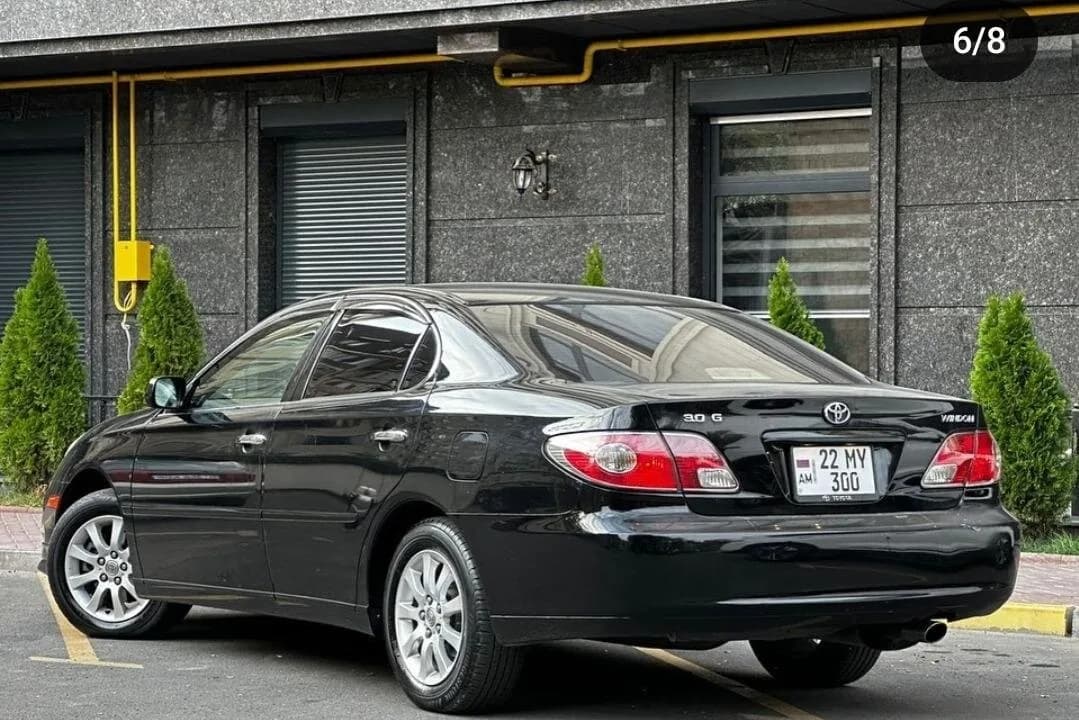
Old sedans or minivans, four passengers plus driver, three across the back. They gather at bus stations and named bazaars and leave when full, at roughly double the marshrutka fare — Bishkek–Karakol is the clean illustration: 500 som versus 1,000–1,500, for about an hour saved.
Agree the price before you get in, and confirm whether it is per seat or per car; that ambiguity causes almost every fare dispute foreigners have. Buying out extra seats, or the whole car, to leave sooner is normal. Payment is cash on arrival, and seat fares are fixed, not haggled.
On Bishkek–Osh the cars run overnight. Think hard about that: two 3,000 m-plus passes and a long unlit tunnel in the dark, a driver paid by the trip who may have driven all day, on a road the FCDO singles out for poor maintenance and lighting. Road traffic is the number one risk to visitors here. Take the daytime run — you actually see the Suusamyr — or the sleeper bus, which beats a night car.
Flying Bishkek–Osh
About six flights a day each way, 37–45 minutes, on Avia Traffic, Asman, Aero Nomad and TezJet. Fares run roughly 2,800–6,000 som ($32–68); economy fares are commonly quoted at 4,265–5,801 som, usually cheaper direct with the airline. It turns a 12-hour road day into breakfast in one city and lunch in the other, and it is what makes a north-and-south two-week itinerary work. The caveat is reliability: weather and winter fog cause delays, the aircraft are older regional jets, and no punctuality data is published. Never connect a same-day international departure onto a domestic flight, and book ahead around Nooruz, Eid and late August.
Taxi apps and city transport
Yandex Go and Namba Taxi are the two that matter. Yandex's own Kyrgyzstan page lists Bishkek and Osh only; Destination Karakol says it works in Karakol too. Sources genuinely differ — install it, carry cash. Beyond those cities there is no app coverage at all. A cross-town Bishkek ride is 150–300 som.
Two Bishkek changes make most guides wrong. The trolleybus network was abolished on 8 November 2024. And from 1 July 2026 municipal buses are cashless only: a Tulpar card (60 som from the driver, including one trip), a bank card, a QR code or the app. Fares are 17 som on a bus, 20 on small-class vehicles, with up to four free transfers within 60 minutes. Whether foreign contactless cards work is unconfirmed — buy the Tulpar card. Osh has no trolleybus or metro, just 15-som buses and marshrutkas; Karakol's city marshrutkas are 20 som. Use 2GIS, not Google Maps.
The Bishkek–Osh road
In daylight this is a genuine set piece. Across the Chuy plain to Kara-Balta, then the climb to Töö-Ashuu. The road does not cross Töö-Ashuu — it bores under it, through a 2.8 km tunnel from the 1960s at about 3,120 m beneath a pass of about 3,586 m. Most travel copy quotes the tunnel height as the pass height. The tunnel itself is unlit, poorly ventilated, potholed and slow.
Beyond the tunnel the road drops into the Suusamyr valley, high summer jailoo with roadside yurts selling kymyz. Then Ala-Bel, then the long descent to the Toktogul reservoir and Kara-Köl town — not Karakol on Issyk-Köl (Issyk-Kul), 700 km away, a name collision that trips up a lot of travel writing.
The road is nominally open year-round but closes at short notice for avalanche control, snow and rockfall — hours, occasionally days, with reports as early as September. Heavy vehicles are restricted first at Töö-Ashuu. Break the journey at Toktogul, which splits it evenly, or at Suusamyr or Kyzyl-Oi for a shorter, prettier first day and the western approach to Song-Köl.
Hiring a car, or hiring a driver
Bring an International Driving Permit; a notarised Russian translation of your licence is the usual fallback, but confirm with the rental firm. Expect $50–80 a day for a decent jeep, $100–120 for a Land Cruiser, deposit around $500. Book the vehicle before the beds — accommodation is always available here, hire cars sell out in summer. Petrol is roughly 85–110 som a litre; carry a jerrycan for the Alay, Torugart and Kazarman.
4WD is needed less often than outfitters suggest. The M41, the Issyk-Köl ring, Bishkek–Naryn–Torugart and Osh–Sary-Tash are sealed. Song-Köl does not need 4WD — it needs clearance; locals drive up in old saloons. Genuine 4WD territory is Tosor, Kegeti, the Kel-Suu track, Kazarman and the road above Sary-Mogol. Driving norms are the real hazard: blind-bend overtaking, summer livestock, unlit pedestrians at night, frequent police stops, effectively a zero alcohol limit, and unsigned limits of 60 in settlements and 90 outside — the village name-board marks the zone.
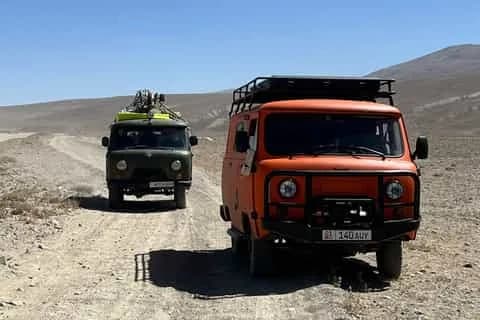
For anything mountainous, hiring a driver is often the better answer, not a luxury. About $100 a day plus his meals and bed buys someone who knows which fords are running high. For Song-Köl, Kel-Suu, Tash Rabat and the jailoo, this or a shared jeep is what most independent travellers do — see the Naryn guide.
Border-zone permits
A paper propusk, separate from your visa, is required for Kel-Suu, Chatyr-Köl and the Ak-Sai valley; Inylchek and Khan Tengri; the upper Chon-Kemin border strip; Karavshin; and officially Peak Lenin above Tulpar-Köl. Carry the original with your passport. Costs are tiered by group size — roughly US$45 for one person, about $35 each for two, $30 each for three or four and $25 each in a group of five — and quoted lead times range from three working days to twelve — apply two weeks ahead, a month for Kel-Suu. CBT Naryn and licensed operators arrange them, some now with collection in Osh and Karakol as well as Bishkek. Song-Köl, Tash Rabat, Ala-Köl, Altyn-Arashan, Jyrgalan, Arslanbob and the Issyk-Köl shore need nothing.
Trailheads without a car
Destination Karakol, Destination Jyrgalan and Visit Alay are the working local operators, alongside CBT offices in Kochkor, Naryn, At-Bashy, Arslanbob and Sary-Mogol. They match you with drivers at published rates, fill shared jeeps and process permits. In the Alay they are the only transport: Sary-Tash to Sary-Mogol has no scheduled service, and a community taxi at $10–15 is how you move.
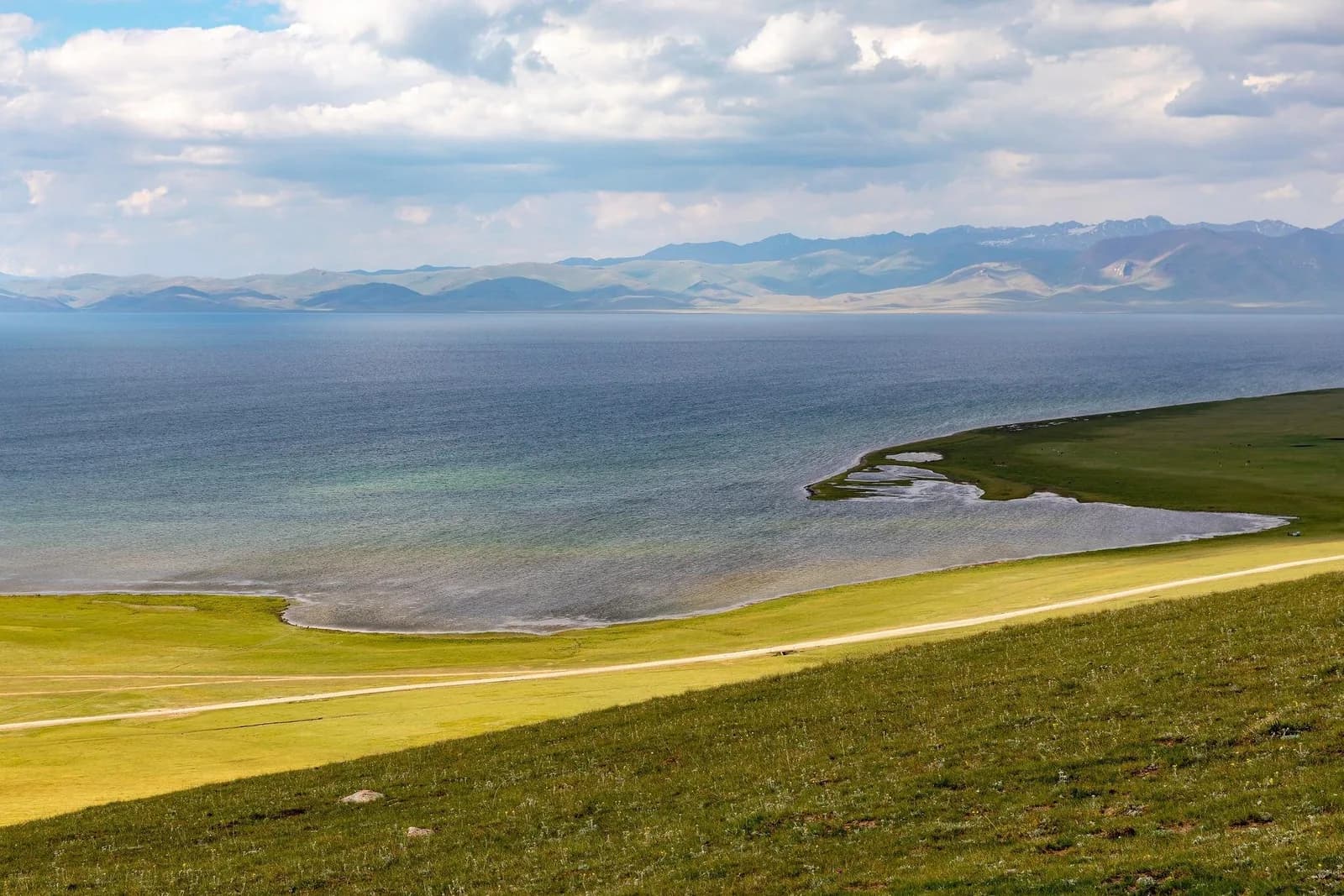
No public transport of any kind reaches Song-Köl. Buy a seat in a filling jeep in Kochkor or Naryn, or ride in over two or three days from Kyzart. Arrange your ride back before your driver leaves — there is no signal, no ATM and no shop at the lake. An organised Song-Köl trip from Bishkek removes that problem entirely.
Hitchhiking is normal, waits on trunk roads are minutes, and it is widely practised including by solo women — but most drivers expect payment at about marshrutka rates, roughly 5 som a kilometre. Ask "bez akcha?" ("without money?") before boarding. On remote tracks with three vehicles a day it is a lottery, not a plan.
Seasonality
Roughly mid-June to mid-September is when the mountain half of the country is open, with July and August the only two certain months. Song-Köl and Tash Rabat yurt camps go up and come down with the grass; nobody publishes fixed dates. Tosor runs mid-June to early October, and the Song-Köl and Naryn–Jalal-Abad roads are inaccessible in winter. May and October are the awkward months — no yurts, snowed-in passes, not enough snow to ski. The lake shore, Bishkek, Cholpon-Ata, Osh, Arslanbob and the Bishkek–Osh road still work; high altitude does not.
How to choose
| Option | Cost | Hassle | Best for |
|---|---|---|---|
| Marshrutka | Cheapest by far | High — Cyrillic, waits, cramped | Trunk routes: Bishkek–Karakol, Cholpon-Ata, Osh–Arslanbob |
| Shared taxi | ~2× marshrutka | Medium — agree per seat or per car | Speed, odd hours, sparse routes |
| Private driver | ~$100/day plus expenses | Low | Song-Köl, Kel-Suu, Tash Rabat, the jailoo |
| Hire car | $50–120/day plus fuel | Medium — driving norms, book early | Issyk-Köl ring, the M41, flexible trips |
| Organised tour | Highest | Lowest | Permit zones, tight schedules, no Russian |
Most good trips mix all of them: marshrutka to the lake, a hired jeep for two nights at altitude, a flight home from Osh. That is the sensible shape, not a compromise. To hand the logistics over for a leg or two, browse guided day trips and transfers.
Chat with a real person — free
Seif and the team reply on WhatsApp 24/7 — trip questions, custom plans and booking help.
Ask Seif on WhatsAppCommon questions
How long does Bishkek to Osh really take by road?
Budget 10–12 hours' driving and 11–13 in a shared taxi with stops, up to 14 on the overnight sleeper bus. The road is about 600 km (sources give 600–670 km depending on routing). Routing engines say about 7.3 hours for a 505 km routed distance, understating both the length and the time: long solid-white-line stretches make overtaking trucks nearly impossible, and police checks, livestock and the Töö-Ashuu tunnel all cost time. The 45-minute flight costs roughly 2,800–6,000 som ($32–68).
Is Bishkek airport FRU or BSZ?
Use BSZ, and try FRU if a booking site draws a blank. Manas International kept the airport and changed the label in August 2025, so the two codes point at the same runway 25 km north-west of the city. Airline systems, printed tickets and older guides lag behind. Our visa and entry guide sets out the change and the arrival paperwork that goes with it.
How much is a marshrutka in Kyrgyzstan?
City rides are 17 som on a Bishkek bus and 20 on a marshrutka (about $0.20–0.23). Intercity, expect from 500 som for Bishkek–Karakol (6–7 hours), 350–700 som to Cholpon-Ata and around 200 som Osh–Arslanbob. Pay the driver cash on entry with small notes — no cards, and no luggage hold.
Do I need a 4WD to visit Song-Köl?
No. You need high clearance, not four-wheel drive; locals reach the lake in old Soviet saloons and all four access roads are decent gravel. A low sedan will struggle with loose rock and small stream crossings. There is no public transport at all, so a shared jeep from Kochkor at 5,000–7,000 som per car is the usual method.
Can I use Yandex Go outside Bishkek?
Yandex Go officially lists Bishkek and Osh, though Destination Karakol reports it working in Karakol too — sources differ, so install it but carry cash. Namba Taxi is the Kyrgyz alternative. Beyond those cities there is effectively no app coverage; you negotiate directly or arrange cars through your guesthouse.
Which places in Kyrgyzstan need a border-zone permit?
Kel-Suu, Chatyr-Köl and the Ak-Sai valley, the Inylchek glacier and Khan Tengri area, the upper Chon-Kemin border strip, the Karavshin gorge, and officially Peak Lenin above Tulpar-Köl. Apply at least two weeks ahead, a month for Kel-Suu, through CBT Naryn or a licensed operator. Song-Köl, Tash Rabat, Ala-Köl and Altyn-Arashan need none.
Are Bishkek's buses still cash?
No. Municipal and electric buses went fully cashless on 1 July 2026. Pay with a Tulpar transport card (60 som from the driver, including one trip), a bank card, a QR code or the Tulpar app. The fare is 17 som on a standard bus, with up to four free transfers within 60 minutes. The trolleybus network closed on 8 November 2024.
Is the Bishkek–Osh road open in winter?
Nominally year-round, but it closes at short notice for avalanche control, snow clearance and rockfall — sometimes hours, occasionally days, with reports as early as September. Heavy vehicles are restricted first at Töö-Ashuu. Never plan a same-day international connection off this road between October and May.
Marshrutka or shared taxi — which should I take?
Marshrutka if you are counting money and have time; shared taxi if you want to move. A shared taxi costs roughly double for about an hour saved on a six-hour route. Always confirm whether the quoted price is per seat or per car before getting in — that ambiguity causes almost every fare dispute foreigners have here.
Book it on This is Kyrgyzstan
Turn this guide into a trip

Kyrgyzstan's bestsellers
The experiences travelers book most, across the country
Keep reading
Kyrgyzstan Visa Requirements 2026: 30 Days, Not 60
Kyrgyzstan cut its visa-free stay to 30 days in a rolling 60-day window on 31 December 2025. E-visa, registration, overstay and border rules, verified for 2026.
By TiK Editors12 min read
Kyrgyzstan Travel Cost: Real 2026 Budgets in Som & USD
What Kyrgyzstan actually costs in 2026: three daily budgets in som and dollars, real marshrutka and yurt prices, and why transport — not beds — decides your total.
By TiK Editors11 min read
Kyrgyz Food Guide: What to Eat in Kyrgyzstan (2026)
Kyrgyzstan eats three cuisines at once — nomad, Ferghana and Dungan. What beshbarmak, lagman and ashlyamfu really are, what they cost, and how to order.
By TiK Editors13 min read