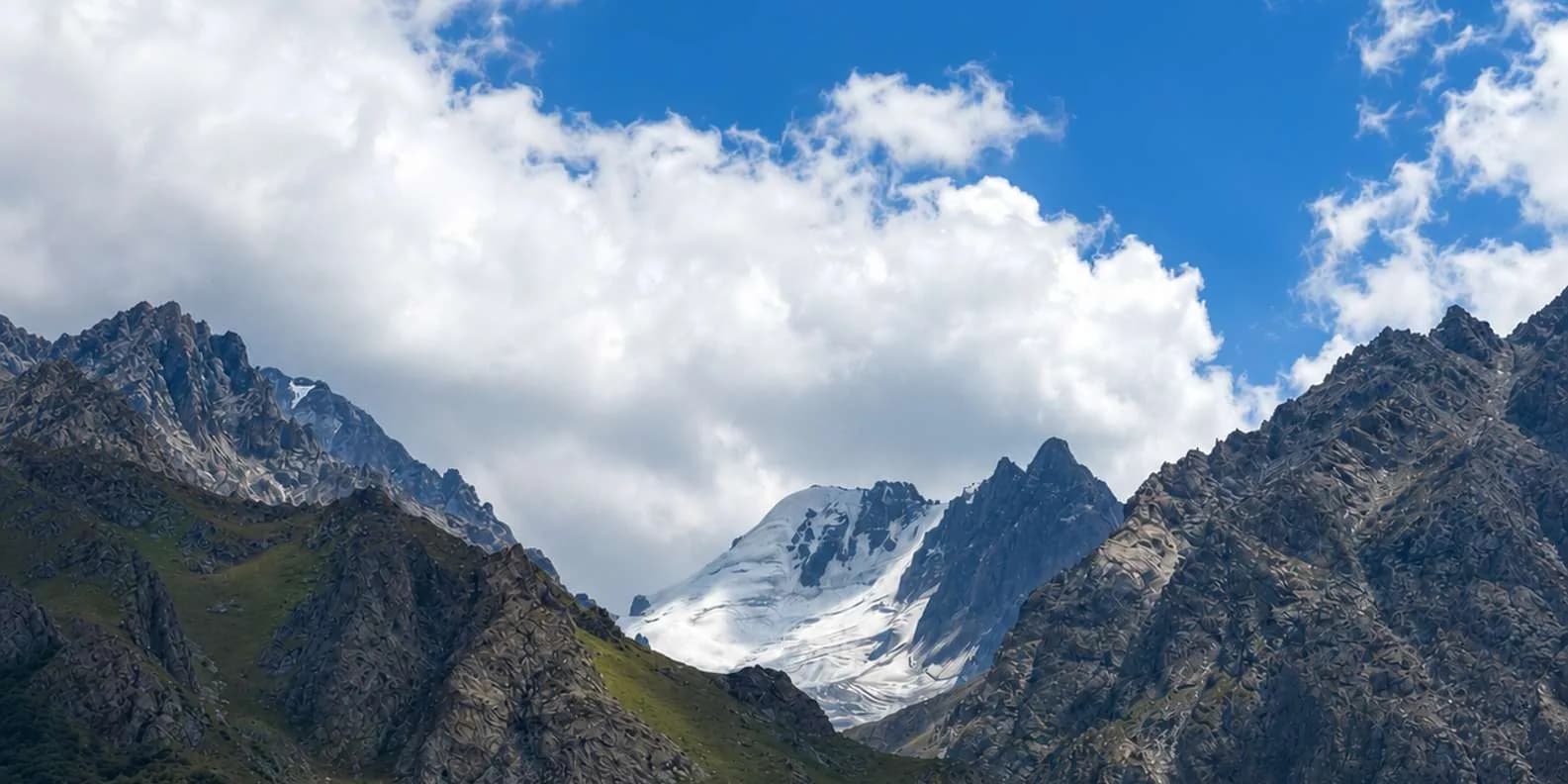
 Image via GetYourGuide
Kyrgyzstan 10-Day Itinerary: The Classic Loop
The exact 10-day northern loop we'd send a first-timer on, with honest drive times, where to sleep each night, and two nights at Song-Köl done right.
Book it on This is Kyrgyzstan
Bishkek · Turn this guide into a trip
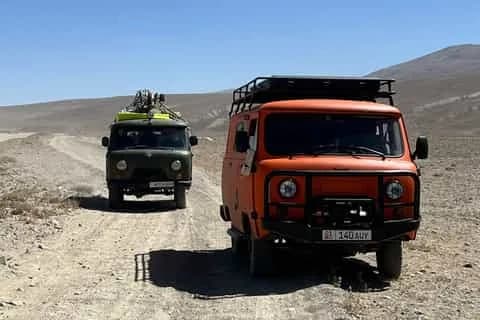
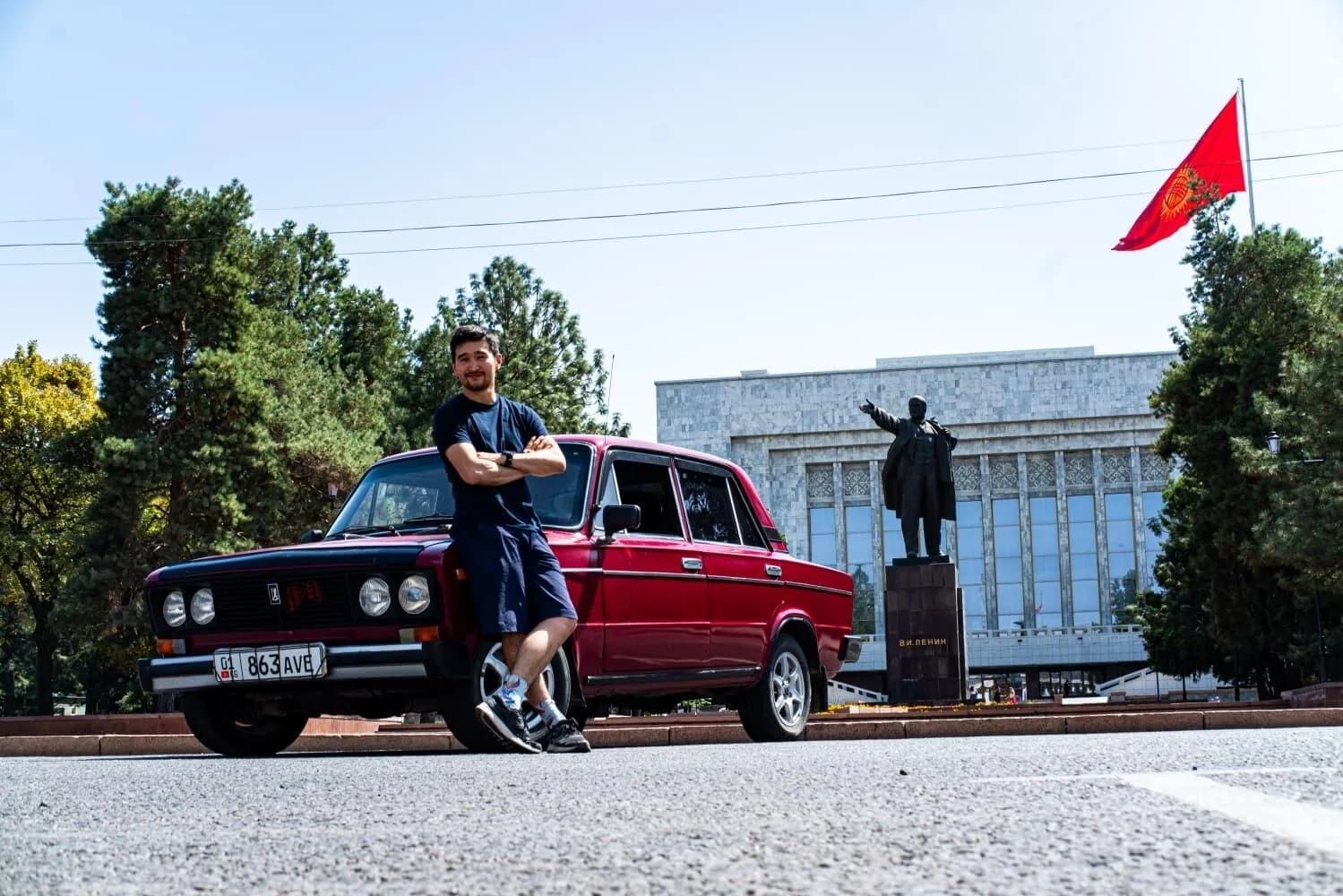
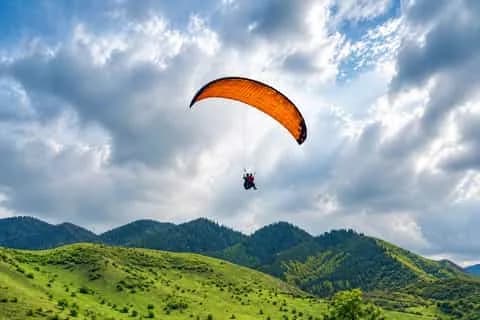
Ten days is the right length for the classic northern loop: Bishkek, a Silk Road tower, the north shore of Issyk-Köl, the trekking town of Karakol, the red canyons of the south shore, two nights in a yurt at Song-Köl, and the caravanserai at Tash Rabat before the run home. Total driving runs to roughly 1,300–1,500 km and you never repeat a road except the last leg. It only works from about mid-June to mid-September, when the passes and the jailoo yurt camps are open.
Run the loop anticlockwise (Chon-Kemin, then the north shore to Karakol, then south to Song-Köl). That order puts the beach and the easy days first and saves the high, cold nights for when your body has had a few days at altitude. Song-Köl sits at 3,016 m and Tash Rabat at about 3,000–3,200 m; you don't want those on night one.
The 10-day route at a glance
Distances here use realistic, real-world driving times, not what a map app promises. On Kyrgyzstan's gravel mountain roads, add 40–60% to any routing-engine estimate. Livestock, police checks, unlit tunnels and long no-overtaking stretches behind trucks all eat time.
| Day | Route | Drive (real-world) | Overnight | Highlight |
|---|---|---|---|---|
| 1 | Arrive Bishkek | — | Bishkek (~800 m) | Ala-Too Square, Osh Bazaar, SIM + cash |
| 2 | Bishkek → Burana → Chon-Kemin | ~110 km, 2–3 h with the stop | Chon-Kemin | Burana Tower and its balbals |
| 3 | Chon-Kemin → north shore → Karakol | ~250 km, 4–5 h with stops | Karakol (~1,750 m) | Cholpon-Ata petroglyph field |
| 4 | Karakol day: Altyn-Arashan or town | ~35 km 4x4 (Altyn-Arashan) | Karakol | Hot springs, Holy Trinity Cathedral |
| 5 | Karakol: Jyrgalan or a valley hike | ~75 km each way | Karakol | Jyrgalan meadows, easiest add-on |
| 6 | Karakol → south shore → Kochkor | ~230 km, full day with stops | Kochkor (~1,800 m) | Jeti-Ögüz, Skazka Canyon, Barskoon |
| 7 | Kochkor → Song-Köl | ~106 km, 2.5–3.5 h gravel | Song-Köl yurt (3,016 m) | Arriving on the jailoo |
| 8 | Song-Köl (second night) | short local rides | Song-Köl yurt | Horse ride, the ridge panorama |
| 9 | Song-Köl → Naryn → Tash Rabat | ~145 km + 113 km, 5–6 h | Tash Rabat yurt (~3,000–3,200 m) | The "38 parrots" road, caravanserai |
| 10 | Tash Rabat → Bishkek | ~380 km, 6–7 h | Depart | Last hairpins before the plain |
If you only have a week, cut Jyrgalan and one Song-Köl night; the seven-day version still reaches the lake and yurt. For the full breakdown of what does and doesn't fit, see our Kyrgyzstan travel guide.
Day 1 — Bishkek
Don't drive on arrival day. Kyrgyzstan's flat, leafy capital is a gentle warm-up: walk Ala-Too Square, wander Osh Bazaar for a first taste of laghman and plov, and get the practical jobs done. Buy a local SIM (O!, Beeline or MegaCom), draw a solid stack of som, and pick up anything you'll want in the mountains. City buses went fully cashless in July 2026, so grab a Tulpar card or just use a bank card or QR. A day is plenty. Two if you're jet-lagged. More on the city in our Bishkek guide.
Day 2 — Burana Tower and Chon-Kemin
Leave around midday. An hour east near Tokmok stands the Burana Tower, the stump of an 11th-century minaret from Balasagun, the old Karakhanid capital and part of the UNESCO Silk Roads corridor. Climb the steep interior stair for valley views and walk the field of balbals, the carved stone grave-markers, out front. Then turn up into the Chon-Kemin valley, a green arc running toward 3,000 m passes on the Kazakh border. It's a proper first night rather than filler: a guesthouse dinner, cool mountain air, and a slower gear before the real distances start.
Day 3 — North shore to Karakol
The long scenic day. You skirt the north shore of Issyk-Köl (Issyk-Kul), the world's second-largest alpine lake, at about 1,600 m and 170 km end to end. Be selective here. The resort strip at Cholpon-Ata and Bosteri is sanatoriums, private beaches and late discos, and both towns carry a reputation for theft against foreigners; skip the beach and stop instead at the Cholpon-Ata petroglyph field, a huge open-air scatter of Bronze Age carvings that suits a culture-led trip far better. Push on to Karakol at the lake's eastern tip. Note that the north shore has heavy police presence, so keep your speed honest.
Days 4–5 — Karakol
Karakol is the country's best outdoor base, and it isn't a beach town: the lake is 15 km away. Almost everything worth trekking radiates from here. Give it two nights.
In town, see the wooden Holy Trinity Cathedral (1869, onion domes) and the Dungan Mosque, built in 1910 by a Beijing architect and 20 Chinese carvers entirely without nails. If any day of your trip is a Sunday, get up early for the livestock bazaar — a genuine, chaotic morning of horse-trading, not a show put on for tourists.
For day four, take the bumpy 4x4 track up to Altyn-Arashan (roughly 2,400–2,600 m; sources differ), a hot-spring valley under snow peaks where you can soak after the drive. Day five is your flex day: the easiest add-on in the whole country is Jyrgalan, 75 km of rolling meadow and old mining village that's become a walking and freeride hub. Karakol has the best guesthouses, guides and gear in the region, so it's where you firm up any onward mountain plans. Full detail in our Karakol guide.
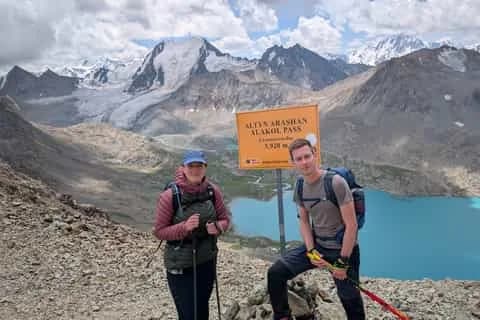
Serious walkers sometimes want the Ala-Köl trek from here. Be honest with yourself: the lake sits at about 3,532 m and the pass above it near 3,900 m (sources differ), climbed from Karakol at ~1,750 m. That's a big gain for a short trek and it needs acclimatisation and two to three days you don't really have on a 10-day loop. Save it for a fortnight, or read the Ala-Köl trek guide and slot it in properly.
Day 6 — South shore to Kochkor
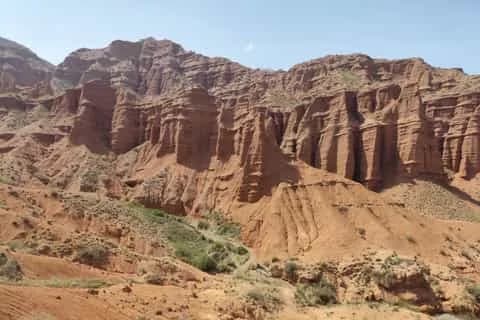
Cross to the quieter southern shore, sightseeing as you go. First stop is Jeti-Ögüz, the "Seven Bulls" — a wall of red sandstone cliffs with the Broken Heart rock beside it, best in morning light. Further west, Skazka (Fairy Tale) Canyon is a small badlands of wind-carved orange rock right by the lake, worth an hour on foot; then the Barskoon gorge and waterfalls. It's a full day of short walks and dusty road, ending at Kochkor, a workaday market town that exists, for you, as the gateway to Song-Köl. Its women's cooperatives are the place to watch shyrdak felt carpets being stitched.
Days 7–8 — Song-Köl yurt stay
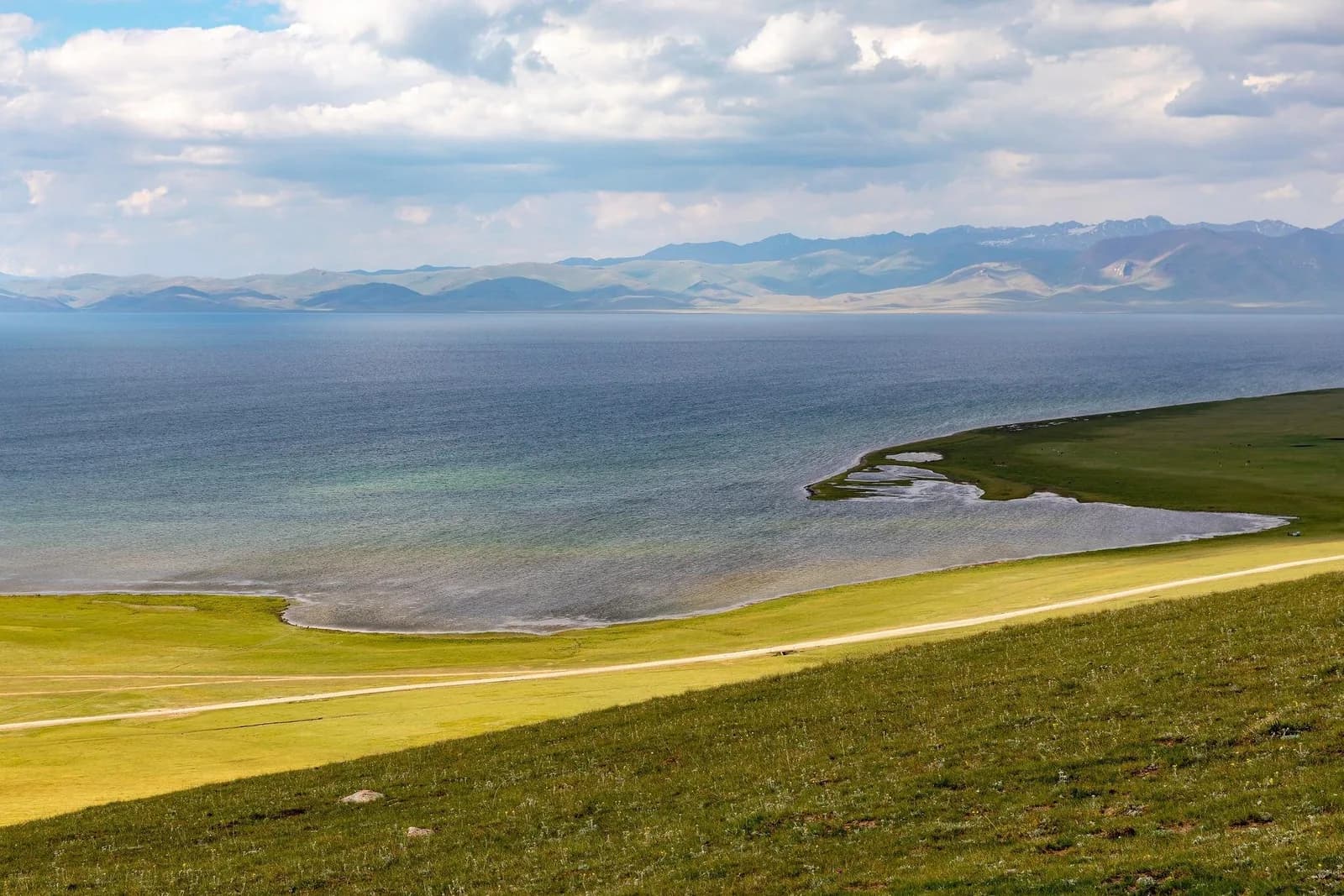
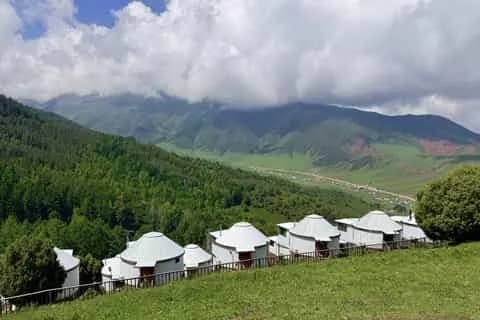
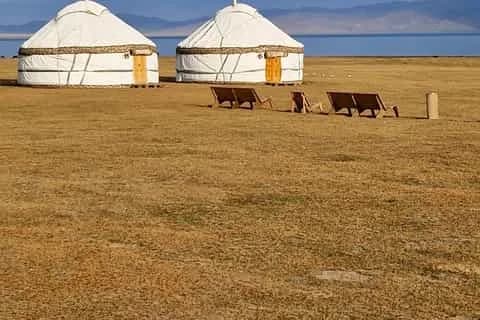
This is the heart of the trip. From Kochkor it's about 106 km and 2.5–3.5 h of gravel over a pass to Song-Köl (Song-Kul), a huge shallow lake at 3,016 m ringed by summer pasture. You sleep in a yurt camp, where a night normally includes dinner, breakfast and endless bowls of tea, and often the chance to ride out with a herder. There's no phone signal, no shop and no ATM.
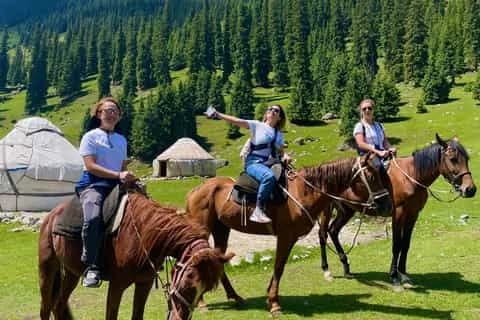
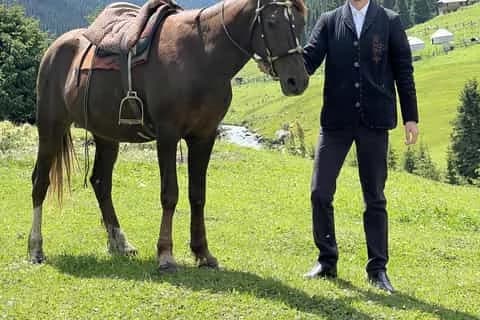
Stay two nights, not one. With a single night you arrive cold in the afternoon, the dung stove dies before dawn, and you leave after breakfast having merely seen a lake. The second day is the trip: a horse ride across the jailoo, a walk up to the ridge for the full panorama, and real time with the family. One caveat that trips people up — you can hike to and from the lake, but not really at it; the mountain passes are a day's walk from the flat shore, which is for ambling. Bring a hat, a warm jacket and something waterproof; rain or even snow is possible any month up here. Our Song-Köl yurt stay guide covers what to pack and how to book.
Day 9 — Naryn and Tash Rabat
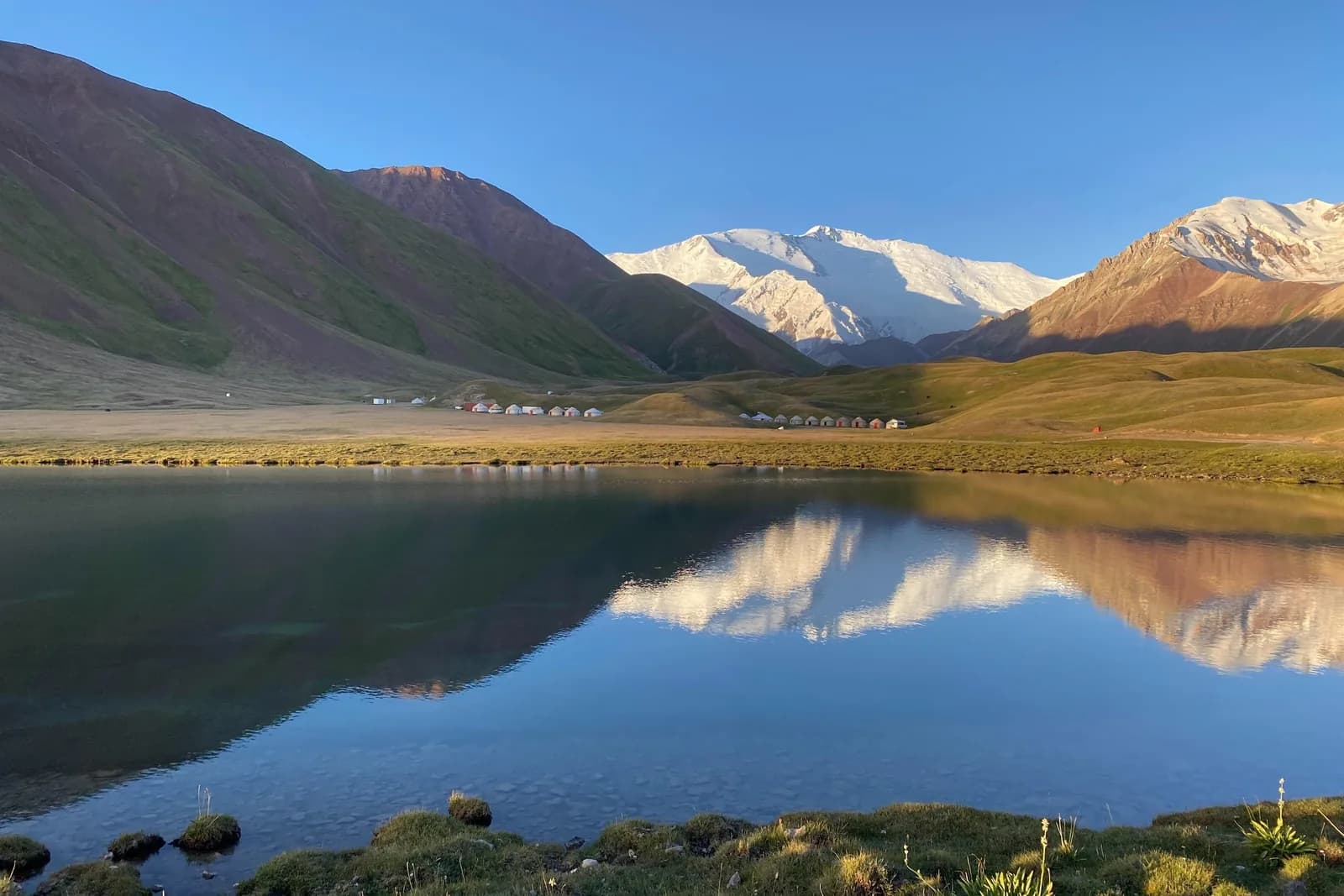
Drop off the plateau on the "38 parrots" road, a beautiful run of compacted-gravel hairpins, to Naryn (about 145 km, 3–4 h). Naryn itself is a long strip town most travellers pass through rather than linger in. Continue on smooth tarmac up the At-Bashy valley to Tash Rabat, a squat stone caravanserai at around 3,000–3,200 m. Be clear-eyed: the building is modest and now has a car park and fence out front, so the setting — a silent side valley under bare ridges — is the real draw. It's colder than Song-Köl, so pile on the layers in the yurt.
Day 10 — Back to Bishkek
The last long day, roughly 380 km and 6–7 h, back down through the Boom Gorge to the capital. If your flight is late, you've time for last shopping — felt goods, honey, dried apricots — before the airport. And you'll already be plotting a return for the south.
Three ways to run this loop
Driver-guide (easiest). Hiring a car with a local driver removes almost all the friction: no bus timetables, no negotiating the Song-Köl jeep, and someone who knows which pass is open. It's the standard way people do this route and it's what we'd suggest for a first trip. Expect to confirm a day rate that covers the driver's fuel, food and lodging.
Self-drive. Doable and rewarding if you're confident on gravel. A decent jeep runs from about US$50/day, a Land Cruiser US$80–120/day, with a deposit around US$500; pre-book in summer, because vehicles sell out even when beds don't. Bring an International Driving Permit, carry a jerrycan for the Song-Köl leg (rural pumps are thin), and know that Song-Köl needs high clearance, not full 4WD — locals drive up in old saloons. Roads are unsigned, tunnels unlit, and livestock is constant. See getting around Kyrgyzstan before you commit.
Public transport. You can reach Karakol (shared taxi ~1,000–1,500 som / US$11–17, or a marshrutka from ~500 som), Kochkor and Naryn cheaply and easily. The wall is Song-Köl: there is no public transport of any kind to the lake. Arrange a shared jeep in Kochkor, and — this matters — book your ride back before your driver leaves, because with no signal up there, an unbooked return means waiting for a stranger with a spare seat.
Variations and a 14-day option
Want Song-Köl earlier? Run the loop clockwise (Kochkor and Song-Köl first, Karakol last), but you'll hit 3,000 m on day two or three with less acclimatisation — we'd still choose anticlockwise. Trade a Karakol town day for a 3-day Ala-Köl or Altyn-Arashan trek only if you can add days; it doesn't fit a true 10.
The big question is the south. Can you add Osh, Sulaiman-Too and the Arslanbob walnut forest? Yes, but only if you fly one leg. Bishkek–Osh is 600 km of road that takes 10–12 hours each way; driving it both ways in two weeks leaves your holiday as mostly windscreen. The sweet spot is the 10-day loop, then a 45-minute flight (about US$35–50) to Osh for three or four days in the south. That's exactly what our Kyrgyzstan 2-week itinerary lays out. On timing, if autumn is your window, the Arslanbob walnut harvest in late September is reason enough to include the south — check our best time to visit notes first.
Whatever shape you give it, the arc from capital to Silk Road to lake to yurt is what makes northern Kyrgyzstan stick. Ready to price the pieces? Browse lakes and nature tours or start planning around Naryn and central Kyrgyzstan.
Chat with a real person — free
Seif and the team reply on WhatsApp 24/7 — trip questions, custom plans and booking help.
Ask Seif on WhatsAppCommon questions
Is 10 days enough for Kyrgyzstan?
Yes, for the northern half. Ten days comfortably covers Bishkek, Issyk-Köl, Karakol, two nights at Song-Köl and Tash Rabat on one clean loop of roughly 1,300–1,500 km. It is not enough to add the south — Osh, Sulaiman-Too and Arslanbob — by road as well. For that you need a fortnight and a one-way flight, or you accept most of your trip being spent driving.
What is the best time of year for this itinerary?
Mid-June to mid-September. The high passes and the Song-Köl and Tash Rabat yurt camps only open with the summer grass, and July and August are the two months you can count on. May and October are the worst times: half the itinerary is shut, with too much snow to trek and no yurts up. If you can only travel in the shoulder months, redesign the trip around lower ground.
Should I run the loop clockwise or anticlockwise?
Anticlockwise — Chon-Kemin and the north shore first, Song-Köl and Tash Rabat last. That puts the easy, low days at the start and the highest, coldest nights at the end, once you've spent a few days gaining altitude. Running it clockwise gets you to Song-Köl faster but with less acclimatisation. Both cover the same places; the order is about how your body handles 3,000 m.
How many nights should I spend at Song-Köl?
Two. With one night you arrive cold in the afternoon, sleep badly as the stove dies, and leave after breakfast having only glimpsed the lake. The second day is the whole point: a horse ride across the pasture, a walk up to the ridge for the panorama, and real time with the herding family. At 3,016 m with no signal and no shop, one night is a transit, not an experience.
Do I need a 4WD for this route?
Not necessarily. The Issyk-Köl ring road and the main highways are sealed and fine for any car. Song-Köl's access roads are gravel but need only high clearance, not full four-wheel drive — locals drive up in old saloons. A hired driver removes the question entirely. If you self-drive, prioritise clearance and pre-book in summer, because rental vehicles sell out even when accommodation is available.
Can I do this trip by public transport?
Mostly, with one big exception. Shared taxis and marshrutkas reach Karakol (around 1,000–1,500 som by shared taxi), Kochkor and Naryn cheaply. But no public transport of any kind reaches Song-Köl. You arrange a shared jeep from Kochkor and must book your return before the driver leaves, because there is no phone signal at the lake. Doing the loop this way is possible but slow and needs flexibility.
How long is the drive from Bishkek to Karakol?
About 5 hours by fast shared taxi over roughly 400 km on the north-shore road, or 6–7 hours by marshrutka with stops. On this itinerary you break the journey overnight in Chon-Kemin and stop at Cholpon-Ata's petroglyphs, so it becomes two shorter, more scenic days rather than one long haul. Drivers default to the faster north shore; ask for Bokonbaevo if you want the south.
Is Tash Rabat worth the detour?
For most people on a 10-day loop, yes — but manage expectations. The 10th–15th-century stone caravanserai itself is small and now has a fence and car park out front. What you go for is the setting: a silent high valley at about 3,200 m under bare ridges. It's colder than Song-Köl, so bring serious layers for the yurt. If you're short on days, skipping it to return via Naryn is a fair call.
Can I add Osh and the south to a 10-day trip?
Not by road within ten days. Bishkek to Osh is 600 km and 10–12 hours each way, so adding it means either two very long driving days or a fortnight. The realistic add is to fly Bishkek–Osh (45 minutes, about US$35–50) and give the south three or four days. That's a 14-day trip, not a 10-day one — our two-week itinerary sets it out.
Book it on This is Kyrgyzstan
Turn this guide into a trip


Kyrgyzstan's bestsellers
The experiences travelers book most, across the country
Keep reading
Kyrgyzstan 7-Day Itinerary: One Week in the North
A concrete, honest 7-day Kyrgyzstan route: Burana, Issyk-Köl, Karakol and a Song-Köl yurt night, with a day-by-day table and costs.
By TiK Editors8 min read
Kyrgyzstan 2-Week Itinerary: Two Routes That Work
Two realistic 14-day Kyrgyzstan itineraries — the northern loop done properly, or north plus Osh and Arslanbob — with honest driving times and what will not fit.
By TiK Editors11 min read
Self-Guided Treks in Kyrgyzstan: Routes & How-To
Yes, you can trek Kyrgyzstan without a guide. The best self-guided routes, the ones to skip, and the maps, water and safety logistics that make it work.
By TiK Editors12 min read