 Image via GetYourGuide
Kyrgyzstan Travel Guide: Plan Your First Trip (2026)
A first-timer's overview of Kyrgyzstan: why go, when to visit, the regions, money and safety, plus how to shape your first trip through the mountains.
Book it on This is Kyrgyzstan
Turn this guide into a trip
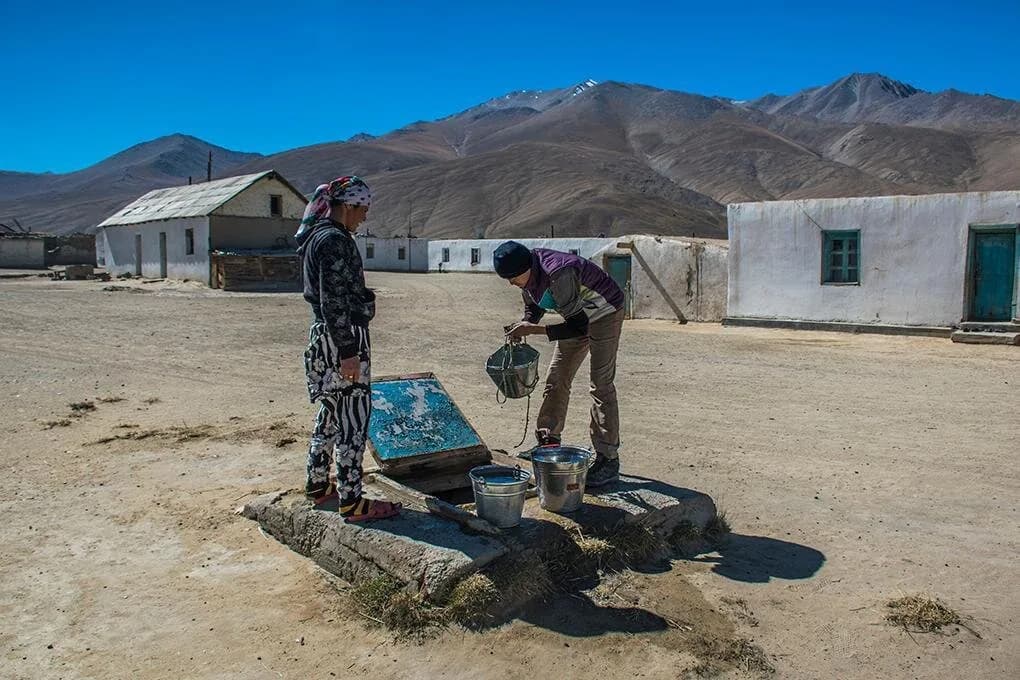
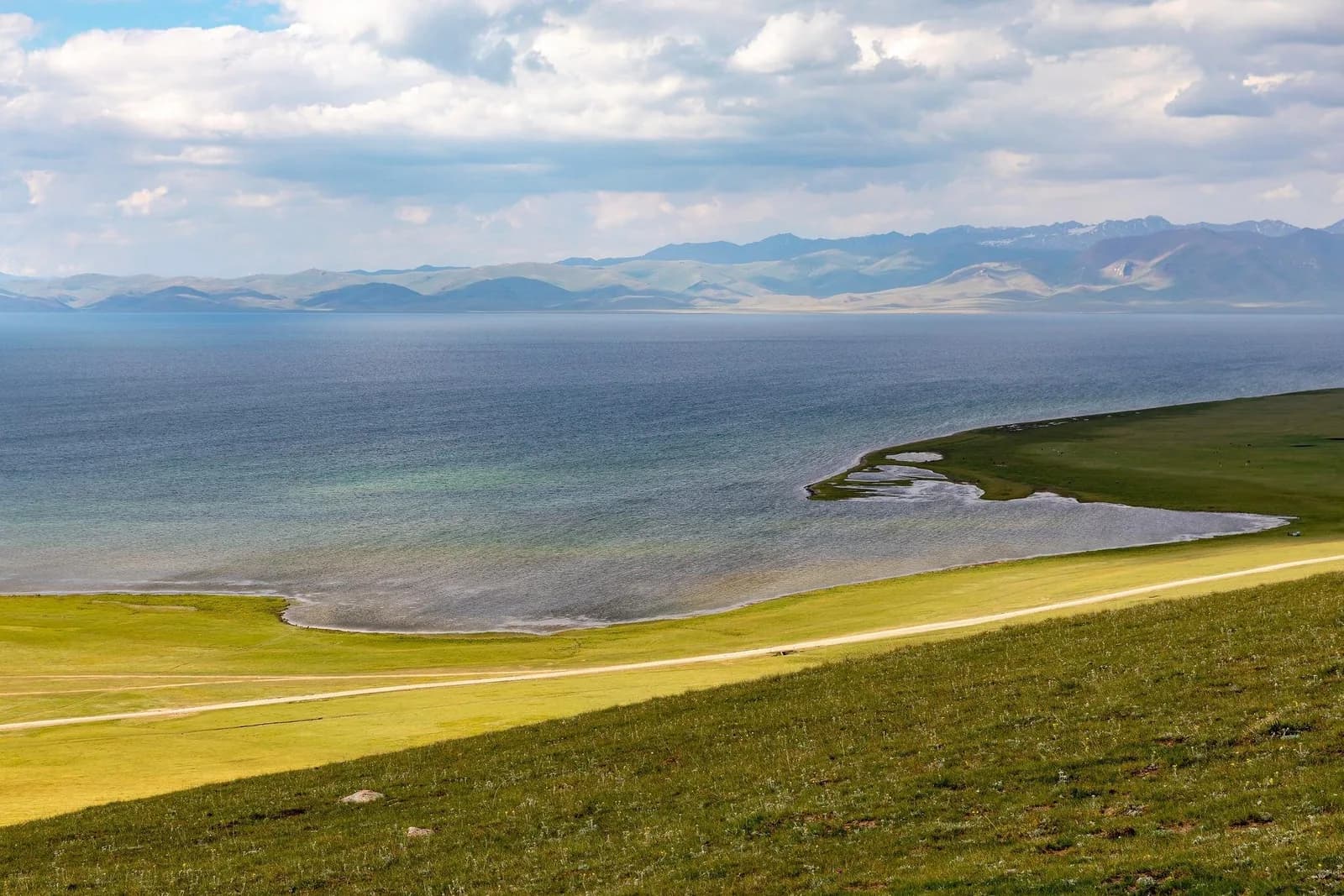
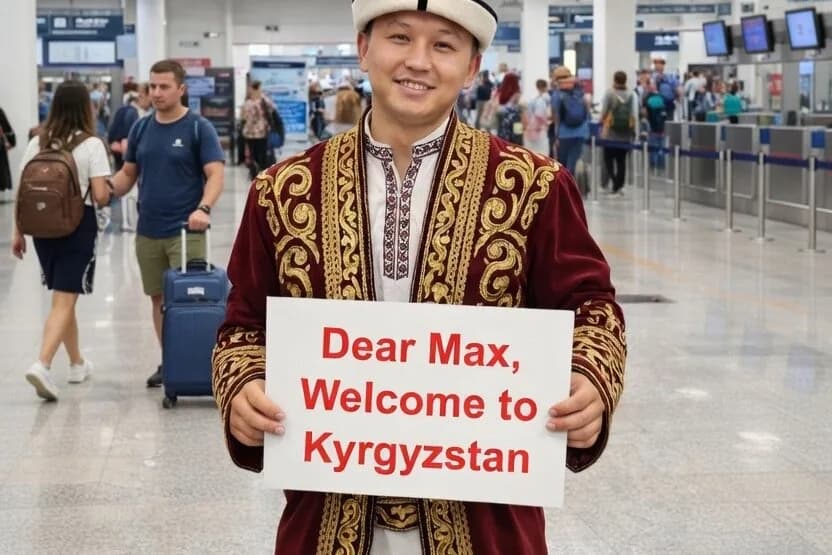
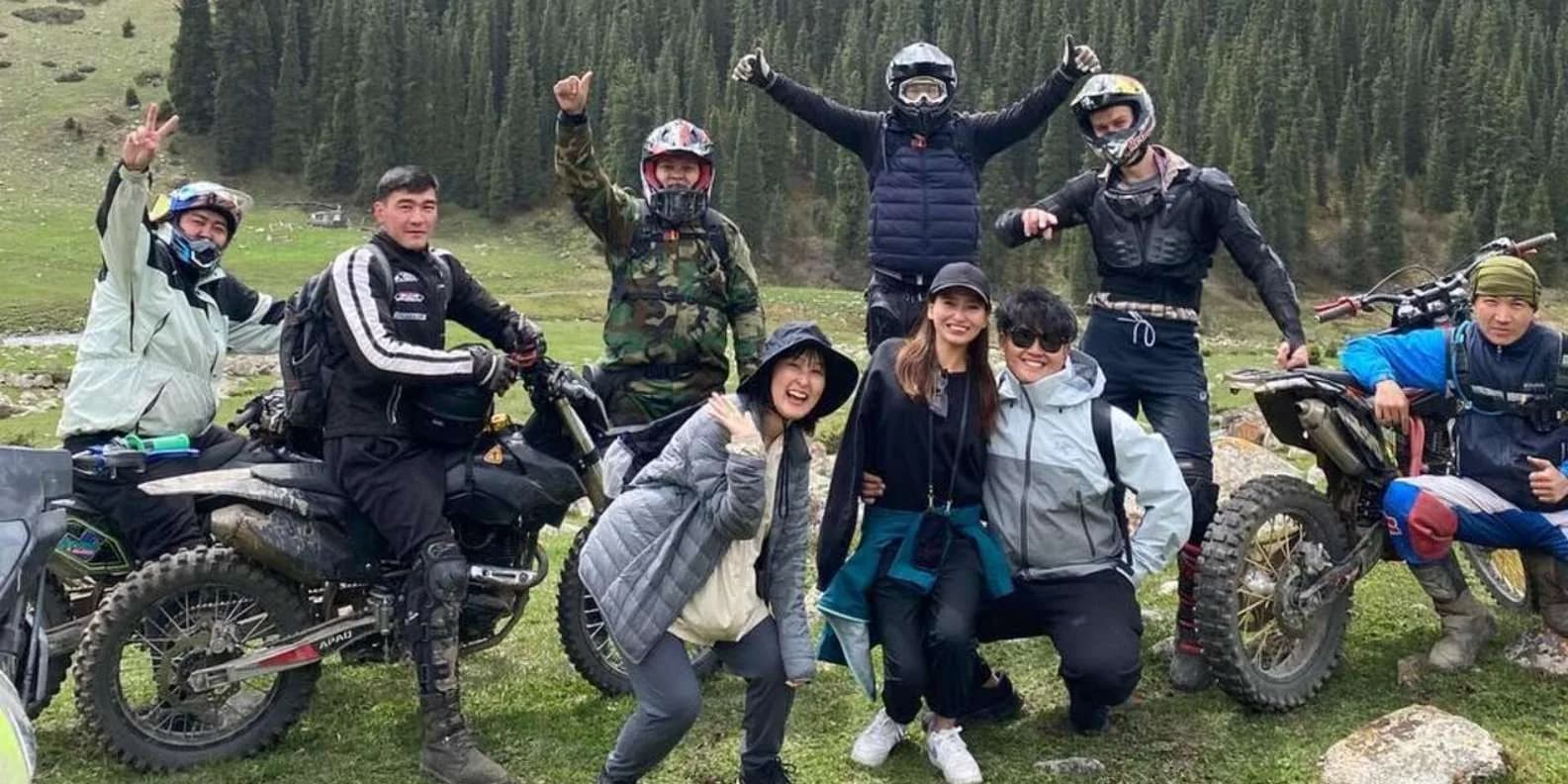
Kyrgyzstan is one of the easiest great mountain trips left in Asia. Most travellers from the UK, EU, US, Canada, Australia and Japan enter visa-free for up to 30 days, the country is genuinely safe, prices are low, and within a day of landing in Bishkek you can be sleeping in a felt yurt beside a lake at 3,000 metres. This guide gives you the whole picture in one place: why it is worth the long flight, when to come, how the regions fit together, what it costs, and a sensible shape for a first visit. It is a hub, so each section points you to a deeper guide when you want the detail.
Why go
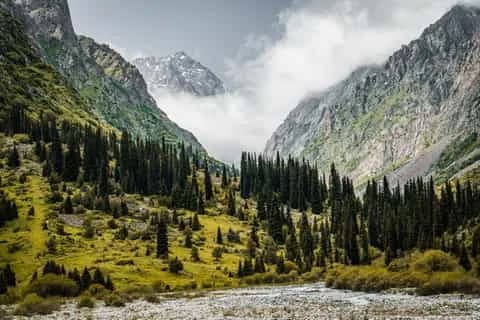
Around 90% of Kyrgyzstan is mountains, and a lot of it sits above 3,000 metres. The Tian Shan and Pamir-Alay ranges give you glacier-fed lakes, high passes and green summer pastures that stand comparison with the Alps, at a fraction of the crowds and the cost. That is the scenery case.
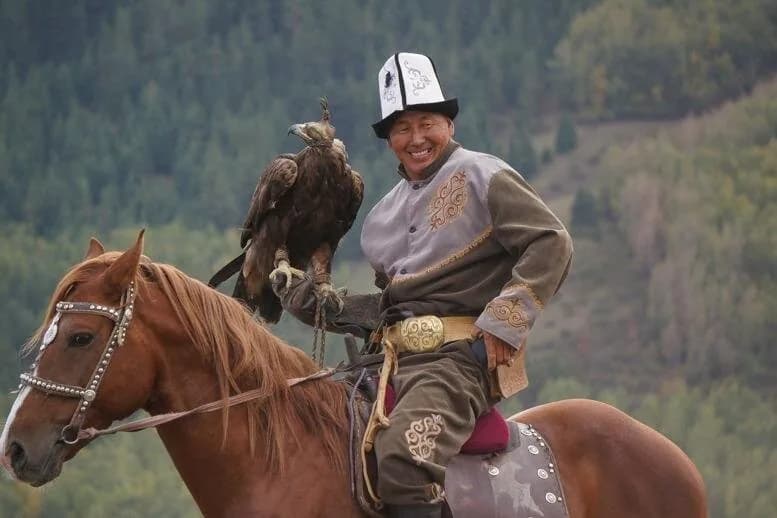
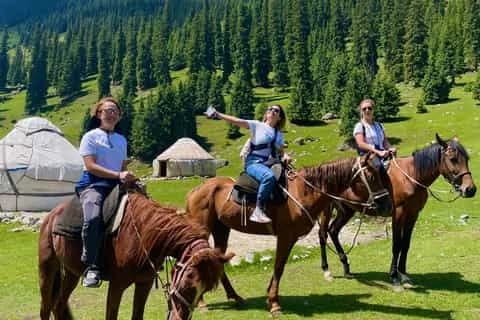
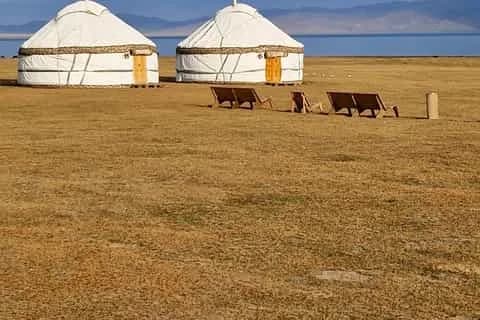
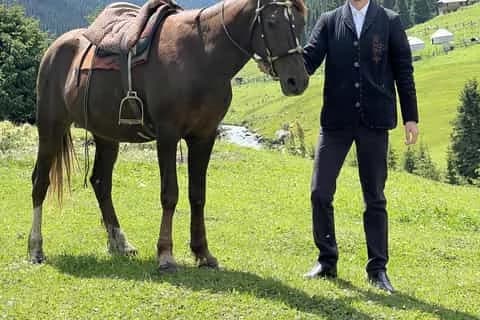
The culture case is stronger. Kyrgyzstan holds onto a living nomadic tradition that most of Central Asia has lost. Each summer, herding families move their animals up to the jailoo (high pasture) and live in yurts, and through community-based tourism you can stay with them, ride, and drink kymyz (fermented mare's milk) poured from the household's own churn. Hospitality here is an obligation rather than a performance: a guest is an honour to the house, and you will be fed whether you planned to stop or not.
Layered under all of it is the Silk Road. The Burana Tower near Tokmok is the surviving 11th-century minaret of Balasagun; Tash Rabat is a stone caravanserai on the old road to China; Osh has been a trading town for well over a thousand years. And 2026 is a landmark year, with the 6th World Nomad Games opening in Bishkek on 31 August and running to 6 September, with events at Cholpon-Ata and the Kyrchyn jailoo. If you miss it, the Games run on a roughly two-year cycle, so a future edition is never far off.
Is Kyrgyzstan safe?
Yes. On the published evidence it is one of the safer countries in Central Asia for visitors. As of 2026 the UK FCDO has no "advise against travel" zone anywhere in the country, following the March 2025 Khujand border settlement with Tajikistan; the US rates it Level 1 overall, with a Level 2 caution band only within 30 km of the Tajik border in Batken, which is nowhere near any normal tourist route.
The real risks are not crime or politics. In order, they are road traffic, mountain and altitude accidents, and petty overcharging. Kyrgyzstan's road-death rate runs several times the Western European level, and 40% of those deaths are pedestrians, so treat crossing the road and travelling by night shared taxi as your genuine hazards. Use the Yandex Go app rather than flagging street cars, favour daytime travel on long routes, and wear the seatbelt even if the driver laughs. In the mountains, the dangers are altitude, fast-changing weather and glacier-fed river crossings, not people. Our full is Kyrgyzstan safe guide covers solo and women travellers, road safety and health in depth.
When to go
The short answer for a first trip: come between mid-June and mid-September, and aim for July and August if the high mountains and yurt stays are the point. Those are the only two months when every high pass, jailoo camp and trekking route is reliably open.
Spring and autumn are trickier than the calendar suggests. May and early October look tempting on paper, but the shepherd yurts are not yet up (or already gone), the high passes are snowbound, and half a classic itinerary is simply shut. The honest exception is Arslanbob's walnut forest, whose harvest and autumn colour peak from late September into October, and which is the single best reason to travel south in autumn. Winter (December to March) is a real season too, but a specialist one: Karakol has a growing ski scene, and there is even a dedicated winter yurt camp at Song-Köl.
| Month | High mountains & yurts | Lake & city | Notes |
|---|---|---|---|
| May | Mostly closed | Open | Passes snowbound; yurts not up yet |
| June | Opening | Good | Green meadows; some passes still hold snow |
| Jul–Aug | Fully open | Peak (hot, busy) | Best for Song-Köl, trekking, Nomad Games |
| September | Closing | Good | Golden light; early snow risk high up |
| October | Closed up high | Arslanbob peak | Walnut harvest; yurt camps gone |
| Dec–Mar | Ski & winter yurts | Cities only | Karakol skiing; Issyk-Köl shuttered |
The golden rule is that pass openings and yurt-camp dates are living facts, not last year's blog dates, so confirm before you lock anything in. Our best time to visit Kyrgyzstan guide breaks it down region by region.
How long you need
Distances are short on a map and long on the ground, because almost every interesting road is a mountain road. A week lets you do the north properly and nothing else. Ten days is the sweet spot for the classic northern loop at a humane pace. Two weeks can add the south, but only if you fly one leg rather than driving the country end to end.
- 7 days: the north only. Bishkek, Issyk-Köl, Karakol, one night at Song-Köl. Do not try to bolt on Osh.
- 10 days: the full northern loop with a second Song-Köl night and Tash Rabat, unhurried. This is the trip most people should take first.
- 14 days: the northern loop plus a flown-in taste of the south (Osh, Arslanbob), or the north in real depth with a three-day Ala-Köl trek.
- 21 days: the full circuit driven, including Sary-Chelek and the Alay valley.
The most common planning mistake is too much driving. Bishkek to Osh is around 600 km and takes 10 to 12 hours by road, not the 7 a map app promises, so build in fewer stops rather than faster days. Our 10-day Kyrgyzstan itinerary is the natural starting point.
The regions at a glance
Think of Kyrgyzstan as five travel zones radiating from the capital.
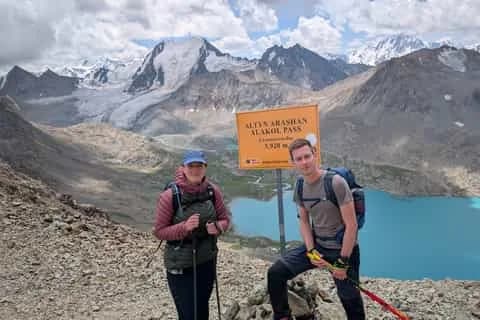
Bishkek and Chuy is your arrival point: a low, leafy, Soviet-planned capital at about 800 m, hot in summer, with the Burana Tower and Ala-Archa National Park within a day trip. Issyk-Köl is the vast, slightly saline lake at about 1,600 m that never freezes; the north shore is the resort strip and the petroglyphs, the south shore is quieter with canyons and eagle-hunters. Karakol, at the east end of the lake, is the country's best outdoor base, the launch pad for the Ala-Köl and Altyn-Arashan treks, Jeti-Ögüz and Jyrgalan, and a proper ski town in winter. Naryn and central Kyrgyzstan is the high, empty heart: Song-Köl's yurt camps, the Tash Rabat caravanserai and, with a permit, Kel-Suu. Osh and the south is the warm, lowland, Ferghana-fringe half of the country, older and more Uzbek in character, with Sulaiman-Too and Arslanbob's walnut forest.
| Region | Base town | Known for | Best for | From Bishkek |
|---|---|---|---|---|
| Chuy | Bishkek | Burana, Ala-Archa | Arrival, day trips | — |
| Issyk-Köl | Cholpon-Ata | The lake, petroglyphs | Beaches, easy days | ~4 h |
| East lake | Karakol | Treks, ski, mosque | Hiking base | ~5–7 h |
| Central | Naryn / Kochkor | Song-Köl, Tash Rabat | Yurts, high steppe | ~4–7 h |
| South | Osh | Sulaiman-Too, Arslanbob | Culture, autumn | 40-min flight |
Start with our hubs for Bishkek, Issyk-Köl, Karakol, Naryn and Osh, or read the Lake Issyk-Köl guide for the region most first-timers build a trip around.
Getting in and getting around
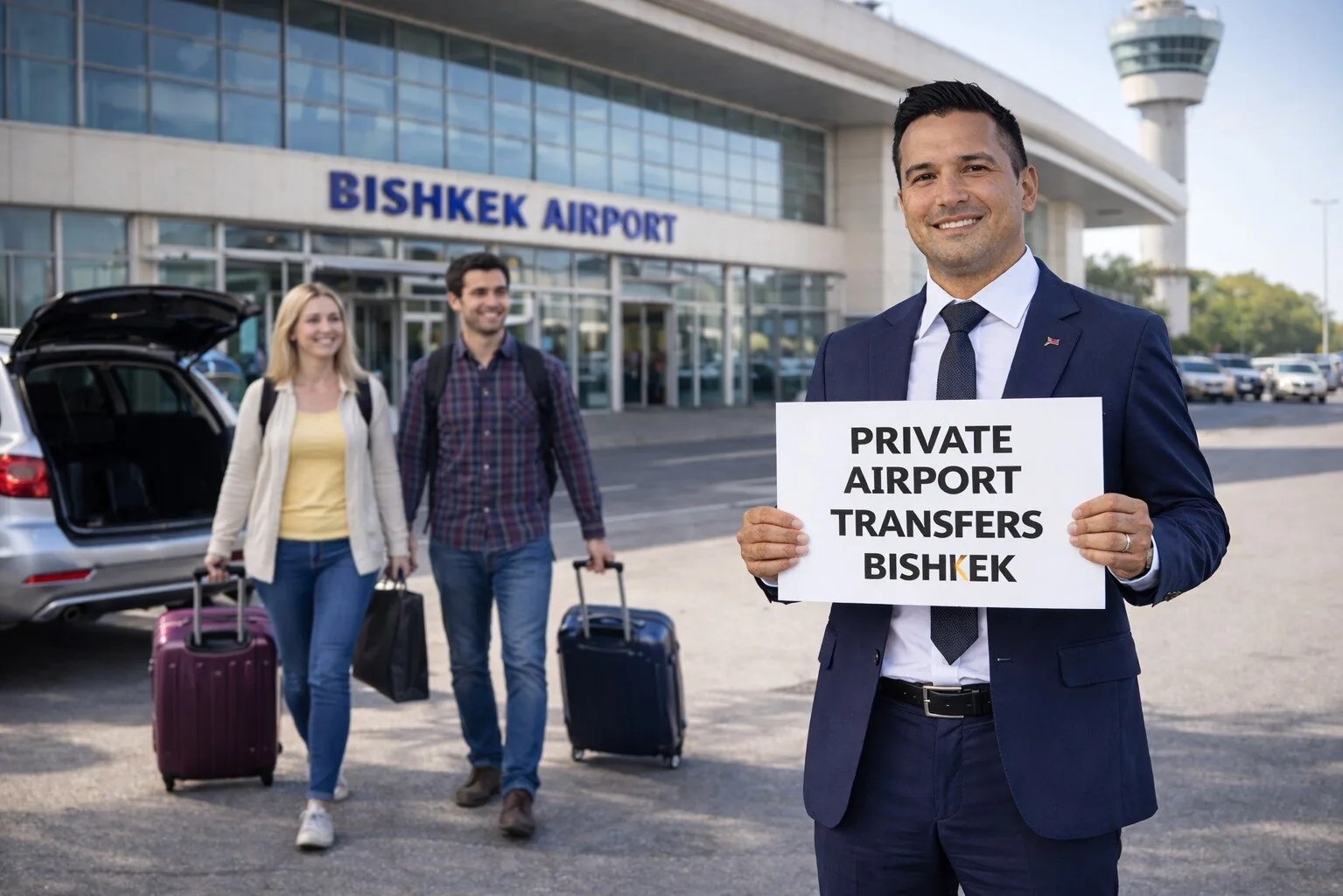
Almost everyone flies into Manas International in Bishkek. Note the airport code changed from FRU to BSZ in August 2025, and many booking sites still show the old one. There are no direct flights from Western Europe or North America; you connect through Istanbul, Dubai or a CIS hub. Osh (OSS) is the southern gateway. Once you land, get a local SIM at the airport (O!, Beeline or MegaCom, passport required to register) so your taxi and map apps work.
On the ground, transport is cheap, social and improvised:
- Marshrutkas (shared minibuses) link almost every town, leave when full rather than on a timetable, and cost a few dollars. Learn to read your destination in Cyrillic on the windscreen.
- Shared taxis gather at bazaars and bus stations, take four passengers, and cost roughly double the marshrutka for a faster ride. Agree the price and whether it is per seat or per car before you get in.
- Domestic flights matter for one route: Bishkek to Osh in about 40 minutes for roughly US$40–57, versus 10–12 hours by road.
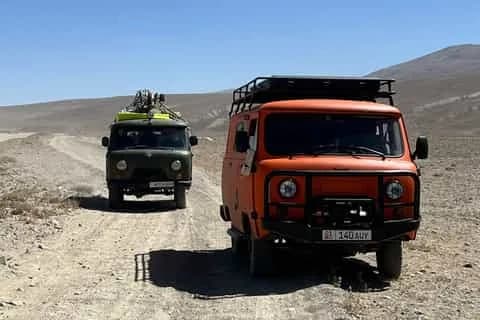
- Hired drivers and 4x4s are how you reach places with no public transport at all, above all Song-Köl, Tash Rabat and Kel-Suu. Splitting a jeep between a few travellers keeps it affordable.
App taxis (Yandex Go, Namba) work in Bishkek and Osh. Outside the big towns you are back to negotiated cars and community drivers. Roads are rough and passes close on weather, so keep the plan flexible and never connect a same-day international flight onto a long mountain drive. The getting around Kyrgyzstan guide has the route-by-route detail.
On entry rules: the visa-free allowance is 30 days within any rolling 60-day period (not the 60 days many older guides still quote), and a quick border hop no longer resets the clock. Longer stays need registration, usually handled by your hotel. Check your own nationality on the official portal before booking, and see our Kyrgyzstan visa and entry guide for the specifics.
Money and budget
The currency is the Kyrgyz som, running at roughly 87–88 to the US dollar in 2026. Kyrgyzstan is excellent value, but it is a cash country for travellers: locals pay by phone app, and those apps are closed to short-stay foreigners, so the country looks cashless while being cash-only to you. Draw a healthy float in Bishkek, Osh or Karakol before any mountain leg, because ATMs vanish once you leave the towns and yurt camps, homestays, marshrutkas and park gates take only cash. Visa is the most reliably accepted card; carry two from different banks.
| What | Cost (som) | Approx USD |
|---|---|---|
| Hostel dorm, Bishkek | 950–1,600 | $11–18 |
| Guesthouse / homestay | 1,750–4,800 | $20–55 |
| Yurt night with all meals | 2,000–4,400 | $25–50 |
| Plate of lagman or plov | 250–500 | $3–5.50 |
| Marshrutka, ~3 h | ~500 | ~$5 |
| Ala-Archa park entry | 250 | ~$3 |
A budget traveller can live on well under US$40 a day, with private transport to trailheads and any guided trekking the biggest single costs. Community and CBT rates usually sit below the marketplace tour price. For the full breakdown, including horse hire, guides and permits, see the Kyrgyzstan cost and budget guide.
Food
Kyrgyz food is hearty, meat-forward and built for a cold climate. The staples you will meet everywhere are beshbarmak (boiled meat over wide noodles, the national dish), lagman (hand-pulled noodles in a spiced broth), manty (steamed dumplings), plov (rice pilaf), samsa baked in a tandoor, and shashlik off the grill. Bread is close to sacred: the first thing a guest is offered in a home is a piece of it, and you never put it upside down. At a jailoo the food is dairy and mutton straight from the animals around you, washed down with endless tea and kymyz.
A fair warning for vegetarians: options exist in Bishkek but thin out fast in the villages, and "no meat" in Russian is often heard as "no red meat", so spell out no chicken and no fish too. Our Kyrgyz food guide runs dish by dish, with etiquette and prices.
Your first trip, shaped
If this is your first time, keep it simple and northern. Land in Bishkek and do not drive on arrival day. Spend a day on the Chuy valley Silk Road sites and settle into the mountain rhythm, then work anticlockwise around Issyk-Köl so the easy lake days come first and the altitude comes last, which helps you acclimatise. Base two nights in Karakol for the treks and the town's wooden Orthodox cathedral and pagoda-form Dungan mosque, then cross the steppe to Song-Köl for two yurt nights, not one. The second night is when you ride, walk the ridge and actually talk to the family; a single night is just a cold transit.
Budget more time than the map says you need, carry cash and warm layers even in July, and say yes to invitations. Kyrgyzstan rewards travellers who slow down and let the mountains set the pace. When you are ready to turn this overview into a day-by-day plan, browse our trekking guide and the full range of Kyrgyzstan tours to build the trip around what you actually want to see.
Chat with a real person — free
Seif and the team reply on WhatsApp 24/7 — trip questions, custom plans and booking help.
Ask Seif on WhatsAppCommon questions
Do I need a visa to visit Kyrgyzstan?
Most Western travellers do not. Citizens of around 55 countries, including the UK, EU, US, Canada, Australia, New Zealand and Japan, enter visa-free for up to 30 days within any rolling 60-day period. Other nationalities apply for a straightforward e-visa. Stays beyond the visa-free window need registration, usually handled by your hotel. Rules change, so confirm your own nationality on the official e-visa portal before booking.
Is Kyrgyzstan safe for tourists?
Yes. It is one of the safer countries in Central Asia, with no UK FCDO advise-against-travel zone anywhere in 2026 and a US Level 1 rating overall. Crime against visitors is mostly petty overcharging. The genuine risks are road traffic, altitude and mountain weather rather than people. Use app taxis instead of street cars, travel by day on long routes, and buy insurance covering high-altitude trekking.
When is the best time to visit Kyrgyzstan?
Mid-June to mid-September for mountains and yurts, with July and August the only months when every high pass and jailoo camp is reliably open. June and September are quieter and beautiful but chancy up high. May and October see closed passes and no yurts, apart from Arslanbob's walnut harvest in autumn. Winter suits skiers, with Karakol the main base.
How many days do I need in Kyrgyzstan?
Ten days is ideal for a first trip, enough for the classic northern loop through Issyk-Köl, Karakol, Song-Köl and Tash Rabat at a humane pace. A week covers the north only. Two weeks can add the southern region around Osh, but fly one leg rather than driving the country end to end, since Bishkek to Osh is a 10 to 12 hour road day each way.
How do I get around Kyrgyzstan?
Marshrutkas (shared minibuses) and shared taxis connect the towns cheaply, leaving when full rather than on a timetable. For remote spots like Song-Köl and Tash Rabat there is no public transport, so you hire a driver or 4x4 and split the cost. The one useful flight is Bishkek to Osh, about 40 minutes versus 10 to 12 hours by road. App taxis work only in Bishkek and Osh.
How much does a trip to Kyrgyzstan cost?
It is excellent value. Budget travellers manage on well under US$40 a day, with hostel dorms around US$11 to 18, guesthouses US$20 to 55, and a yurt night with all meals about US$25 to 50. Meals cost a few dollars. Your biggest expenses are private transport to trailheads and any guided trekking. Carry cash, as cards fail outside the main towns.
Should I worry about altitude in Kyrgyzstan?
It is the thing most people underestimate. Kyrgyzstan puts you above 3,000 metres faster than almost anywhere, with Song-Köl at about 3,016 m reachable in a day from Bishkek at 800 m. Mild altitude sickness (headache, poor sleep) is common. Build in a night at Kochkor or Naryn first, avoid climbing the Ala-Köl pass straight off a Bishkek arrival, and descend if symptoms worsen.
Do I need cash or will cards work in Kyrgyzstan?
Bring cash. Bishkek hotels, better restaurants and supermarkets take Visa cards, and acceptance is growing in Osh and Karakol, but bazaars, homestays, yurt camps, marshrutkas and park gates are cash only. Local mobile payment apps are closed to short-stay foreigners. Draw a large float in a town before any mountain trip, ask for smaller notes, and carry two cards from different banks.
What language do people speak in Kyrgyzstan?
Kyrgyz is the state language and Russian has official status; both are in daily use. Russian gets you furthest in Bishkek, Karakol and any transport or restaurant setting, while Kyrgyz is more useful in villages and the south, and a Kyrgyz greeting always lands well. English is limited but rising among guesthouse staff, guides and students. A translation app and a few learned phrases go a long way.
Book it on This is Kyrgyzstan
Turn this guide into a trip
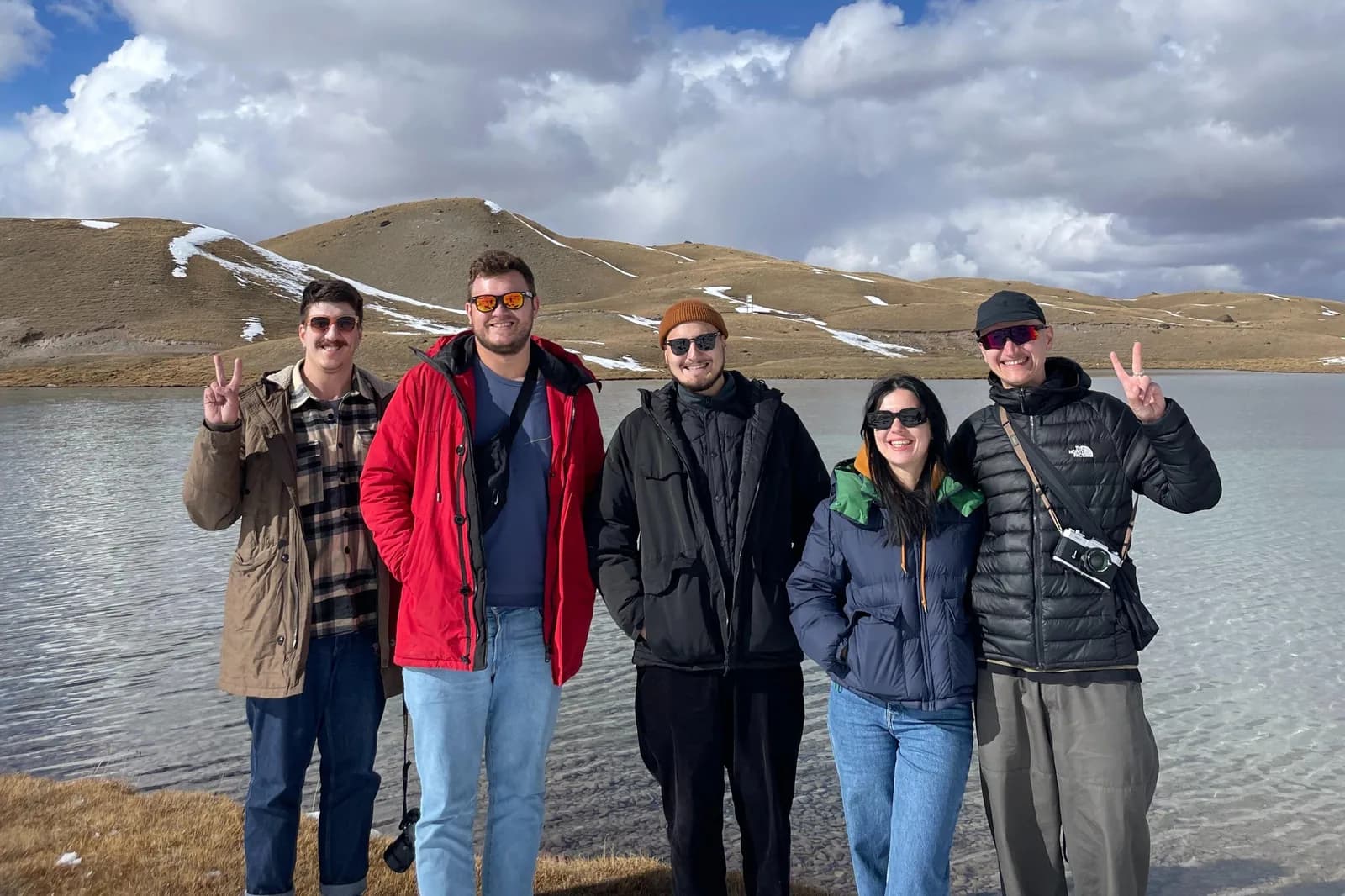
Kyrgyzstan's bestsellers
The experiences travelers book most, across the country
Keep reading
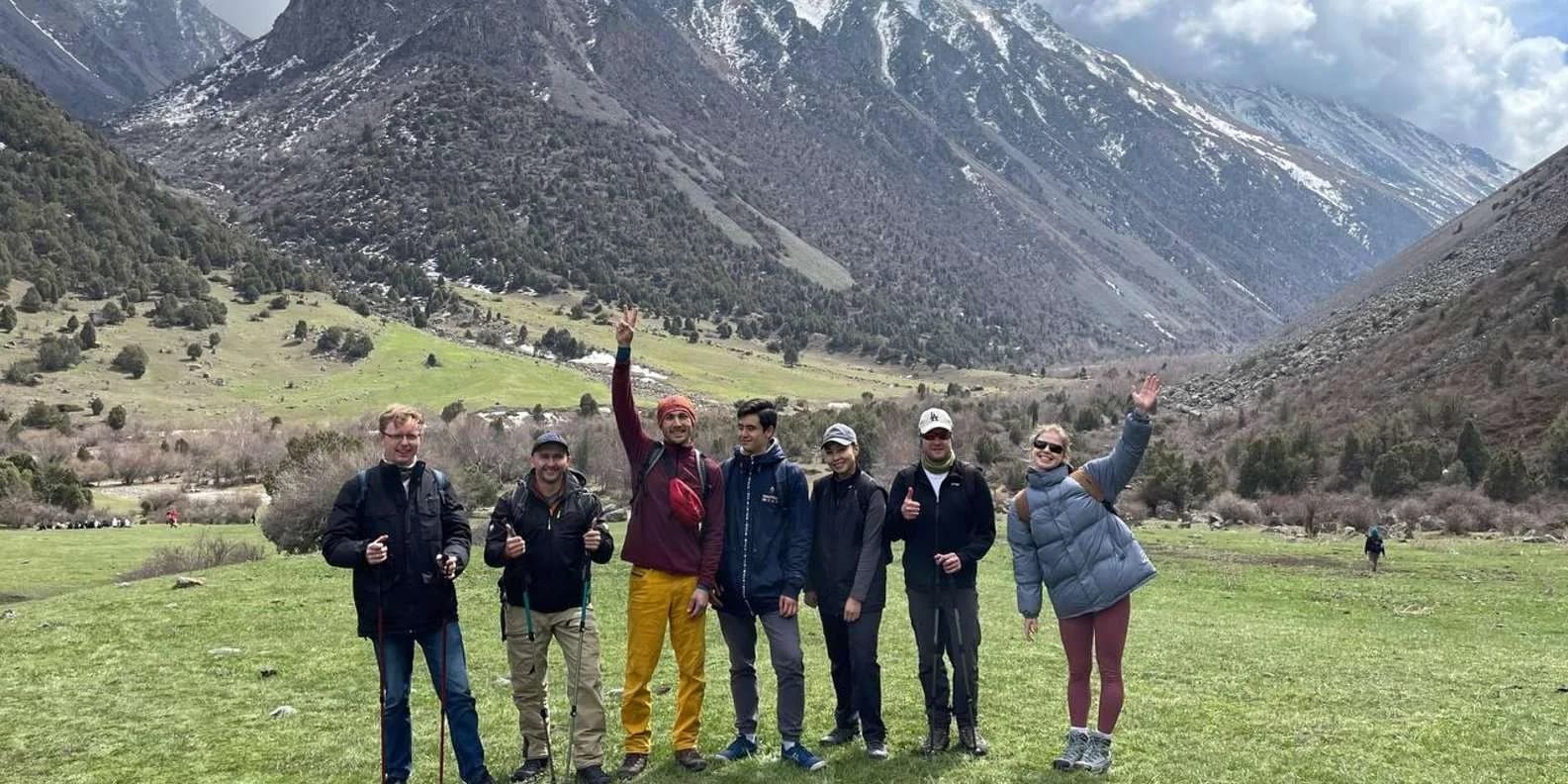
Self-Guided Treks in Kyrgyzstan: Routes & How-To
Yes, you can trek Kyrgyzstan without a guide. The best self-guided routes, the ones to skip, and the maps, water and safety logistics that make it work.
By TiK Editors12 min read
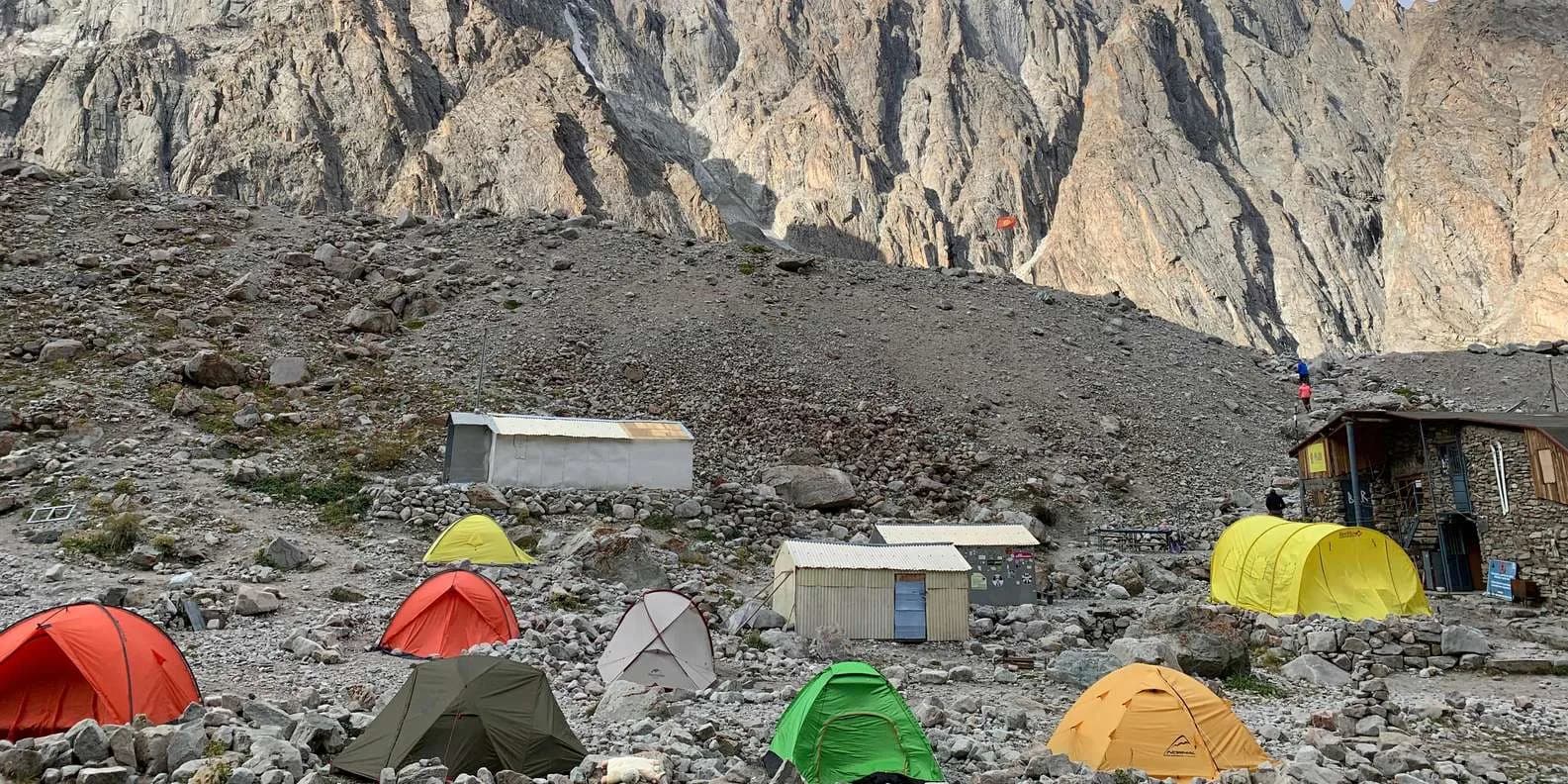
Uchitel Peak: Your First 4,000m Climb (2026)
Pik Uchitel (~4,400-4,600 m) in Ala-Archa is the classic first summit for fit hikers new to mountaineering: route, gear, season and acclimatisation.
By TiK Editors8 min read
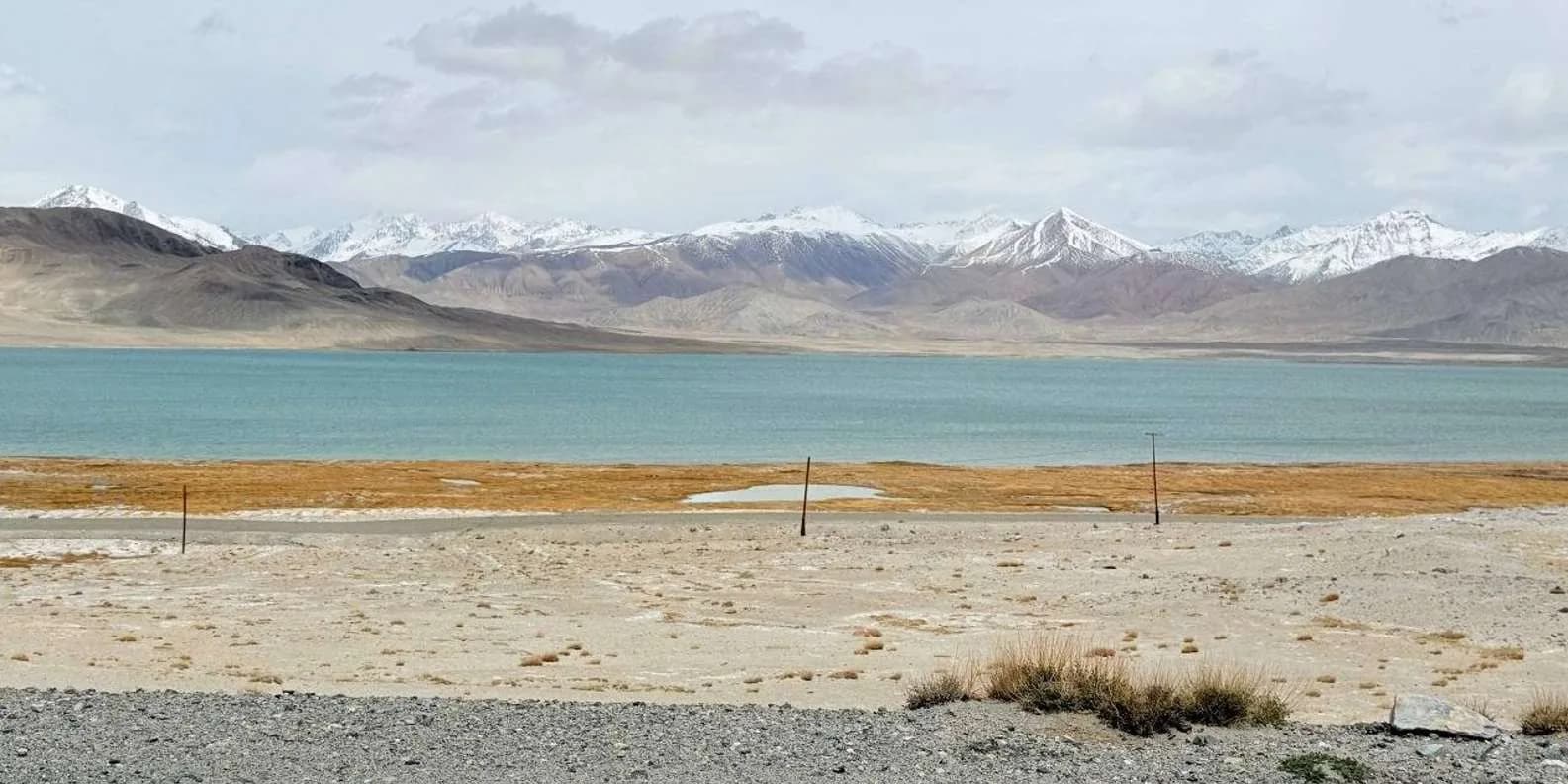
Tian Shan Traverse: Bikepacking Kyrgyzstan
The Tian Shan Traverse is a self-supported, mostly off-road bikepacking route of about 1,000 km across the high Kyrgyz mountains. Here's how to plan it.
By TiK Editors9 min read