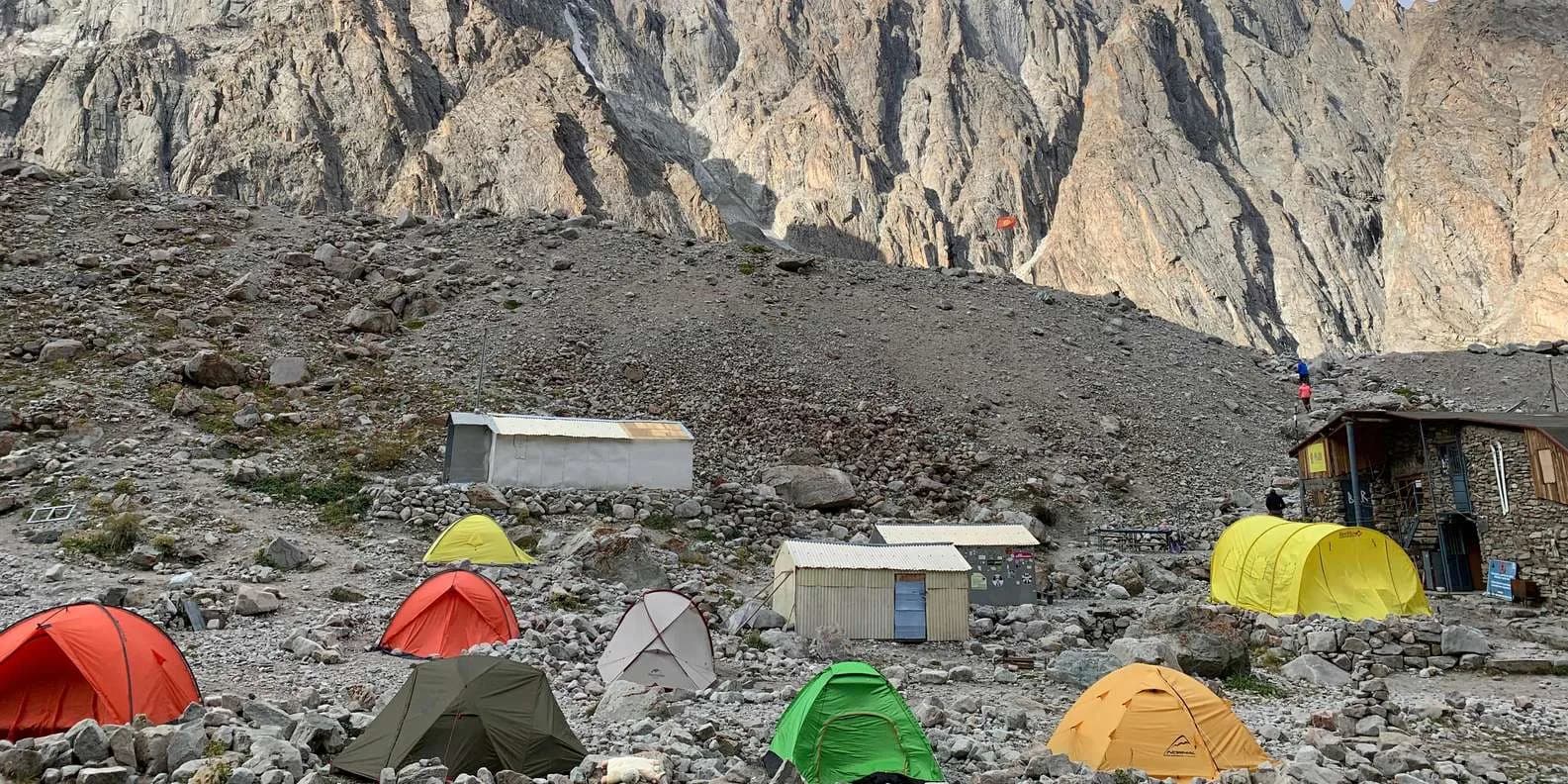
 Image via GetYourGuide
Uchitel Peak: Your First 4,000m Climb (2026)
Pik Uchitel (~4,400-4,600 m) in Ala-Archa is the classic first summit for fit hikers new to mountaineering: route, gear, season and acclimatisation.
Book it on This is Kyrgyzstan
Bishkek · Turn this guide into a trip
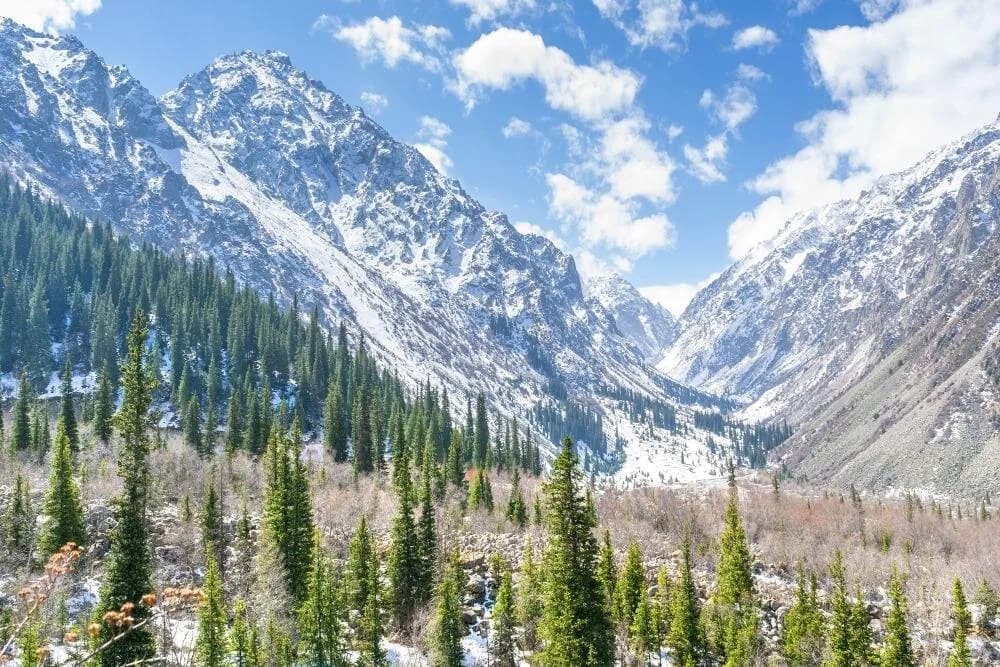
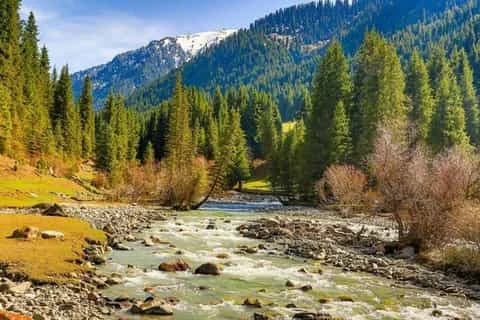
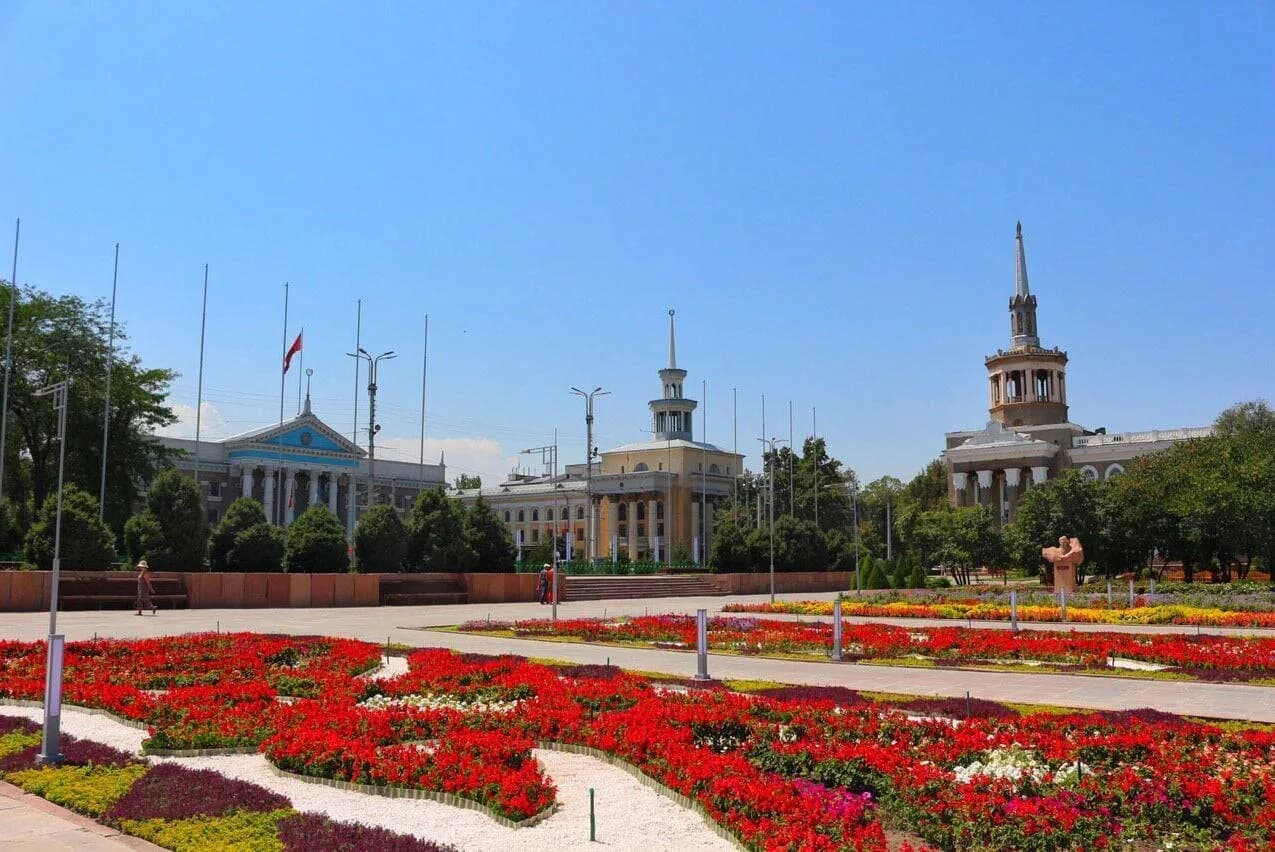
Uchitel Peak (Pik Uchitel, "the teacher's peak") is the summit fit hikers use to find out whether they like mountaineering. It rises to roughly 4,400-4,600 m (sources differ, so treat any single figure with suspicion) above the Ak-Sai gorge in Ala-Archa National Park, about 40 minutes' drive south of Bishkek. It is non-technical in good summer conditions, but it is not a walk: you gain serious altitude fast from the alpine camp, usually sleeping at the Ratsek hut first and going for the top on a second, acclimatised day. Most people climb it with a guide as a two-day outing, and that is the sensible way to do it.
Think of Uchitel as a bridge. It sits a rung above the popular Ala-Archa day hikes and a long way below the Tian Shan's big glaciated peaks, which is exactly why guides and clubs use it as an introduction to ice axe, crampons and moving on a summit slope. If you have hiked in the Alps or done hut-to-hut walking and want to try a real ascent without ropes and crevasses, this is the peak. If your longest walk to date is a flat day hike, come back after a season of hills first.
At a glance
| Peak | Pik Uchitel, Ala-Archa (Kyrgyz Ala-Too range) |
| Altitude | ~4,400-4,600 m (sources differ) |
| Base | Ratsek hut, ~3,300-3,350 m, in the Ak-Sai gorge |
| Trailhead | Alplager / upper car park, ~2,100 m |
| Duration | Usually 2 days (night at the hut), climb-and-return on day two |
| Difficulty | Strenuous; entry-level mountaineering, not a hike |
| Technical grade | Non-technical in summer; snow slopes, no roped climbing on the normal line |
| Gear | Boots, ice axe, crampons (season-dependent), poles, layers |
| Best months | July to September |
| Guide | Recommended, especially for a first ascent |
Altitudes here are approximate on purpose. Ala-Archa takes you from an 800 m capital to a hut above 3,300 m in a morning, and every metre above that is where altitude, not fitness, decides your day.
Where it sits, and how it differs from the day hike
Ala-Archa is the mountain playground on Bishkek's doorstep, and our Ala-Archa National Park guide covers the valley walks, the Ak-Sai waterfall and the drive in. This page is about the summit, which is a different proposition. The park's day hikers turn round at the waterfall or the Ratsek hut; climbers use the hut as a launch pad and keep going up onto the glacier and the peaks above.
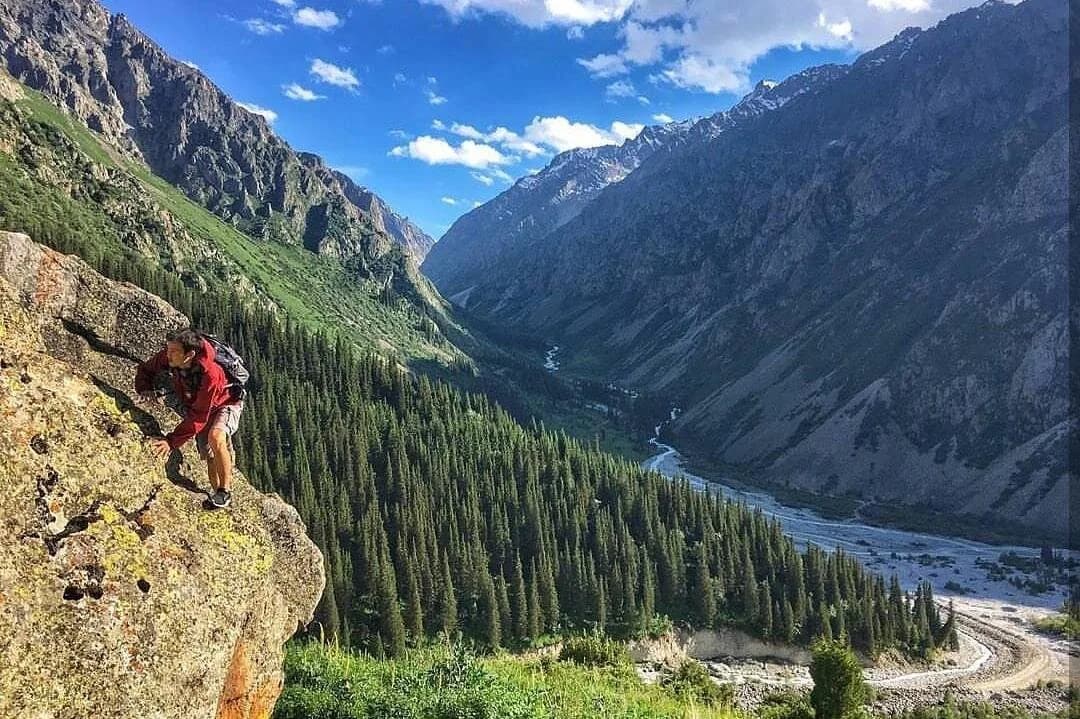
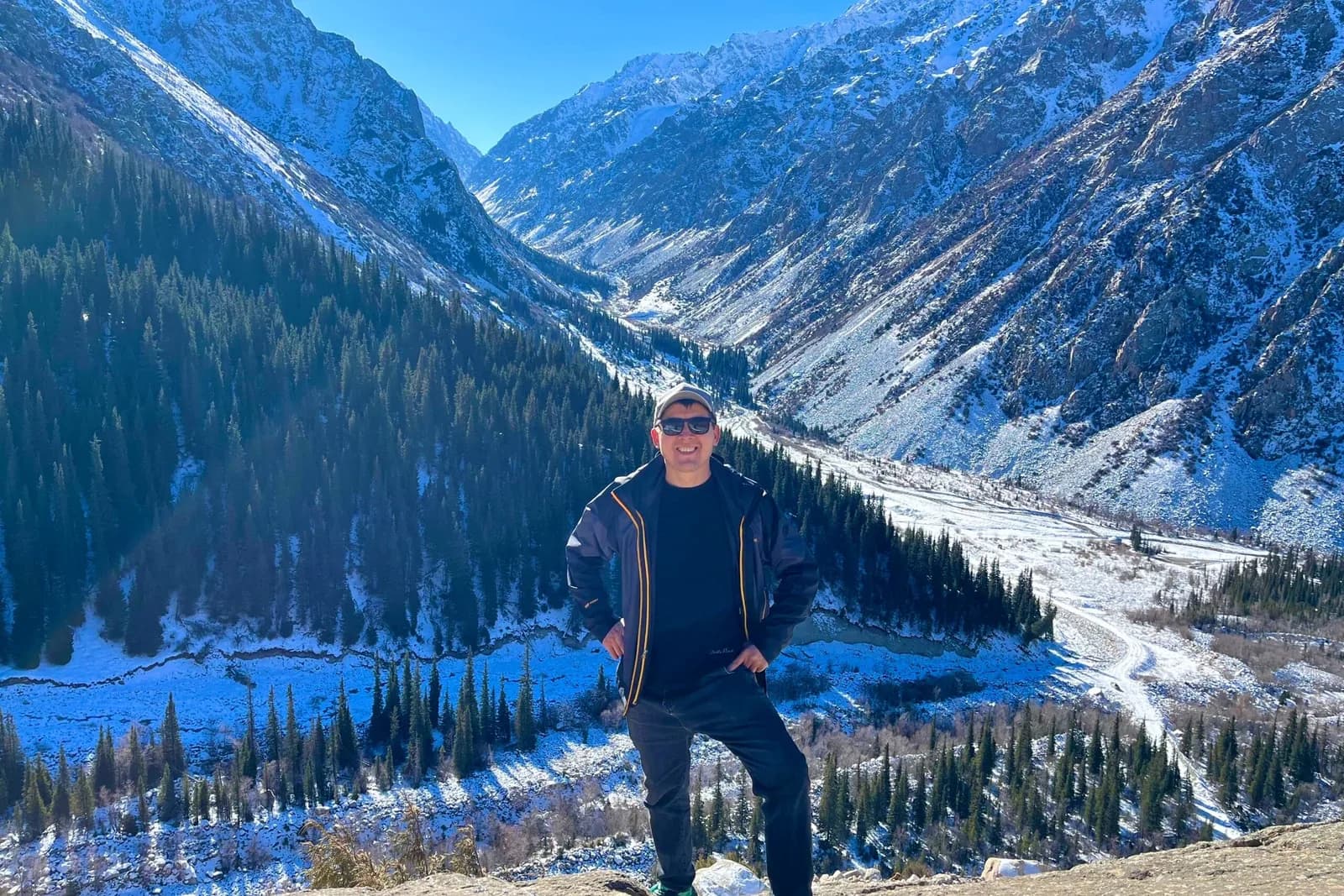
The mountaineering heart of the park is the Ak-Sai gorge, branching south-east off the main valley. Above it hang the Ak-Sai and Uchitel glaciers and a ring of serious rock and mixed peaks: Korona, Free Korea, Box, Semenov-Tian-Shansky. Those need real skill and ropes. Uchitel is the friendly one in the cirque, an ascent of scree, moraine and snow slopes that a competent, acclimatised party can climb without technical difficulty when the mountain is in condition. That single distinction is the whole reason it exists on so many "first peak" lists.
The approach: gate to Ratsek hut to the summit
The standard outing runs in three stages.
Bishkek to the trailhead. It is around 40 km and 40 minutes by car from the city to the park gate, then on to the Alplager alpine camp and upper car park at roughly 2,100 m. There is a per-person park entrance fee and a vehicle charge, collected at the gate in cash. City buses run to Kashka-Suu near the entrance, but for a climb you will almost always have transport arranged through your operator. If you are stringing it into a wider trip, it is one of the best day trips from Bishkek in its own right.
Up to the Ratsek hut. From Alplager the trail climbs the Ak-Sai gorge, passing the waterfall, to the Ratsek hut (Khizhina Ratseka) at about 3,300-3,350 m, tucked beneath Korona and Free Korea. Reckon on 14 km return to the hut with roughly 1,200-1,500 m of ascent, or 5-8 hours one way loaded. The hut is a working alpine base with bunk space and a basic kitchen; it is busy at weekends and cannot be relied on for a walk-in bed in peak season, so a guided trip books it or carries tents.
Summit day. From the hut you start early, climb onto the moraine and the flanks below the peak, and follow the snow and scree slopes to the top. Turn-around discipline matters more than speed: Tian Shan weather is clear at dawn, clouds build from late morning, and thunderstorms and graupel are common from early afternoon. Aim to be off the summit and back onto safe ground well before the weather turns, then descend to the hut or all the way out.
Acclimatisation: do not rush from the city
This is the part people underestimate, and it is why the peak wants two days rather than one. Acute mountain sickness rarely bites below 2,500 m, but the hut is already high and the summit is well into "very high altitude" territory. Going straight from a Bishkek bed at 800 m to a summit push near 4,500 m in a single day is the exact profile that produces headaches, nausea and worse. Our altitude sickness in Kyrgyzstan guide has the full picture, but the short version: sleep at the hut, gain sleeping altitude gradually, and treat a night at the Ratsek before the climb as non-negotiable.
The medical guidance is blunt. Above 3,000 m, raise your sleeping height by no more than about 500 m a day. Physical fitness offers no protection against altitude. A headache that eases after a night's rest is common and usually fine; confusion, loss of coordination or breathlessness at rest mean you descend, now. Some parties take acetazolamide, started a day or two before going high, but that is a supplement to gradual ascent, not a substitute. If you can spend a night higher in the valley or do a warm-up hike first, your summit odds improve markedly.
Season and snow
The reliable window is July to September. Above roughly 3,800 m, snow lingers into June and returns from late September, so an ambitious early- or late-season attempt turns a non-technical scramble into a proper snow climb that needs the skills and kit to match. July and August are the most stable months; September brings colder nights, quieter slopes and better light, with fresh snow possible on the tops in any month. Fresh overnight snow changes everything about the summit slope, which is why season dictates whether crampons and ice axe are optional or essential.
Skills and kit you need
On the normal summer line Uchitel involves no roped climbing, but you should be comfortable moving on steep scree and firm snow, using an ice axe to self-arrest, and walking in crampons if the slope is frozen or snow-covered. If those words are unfamiliar, that is the strongest argument for a guide, who will teach the basics on the mountain.
| Kit | Why it matters |
|---|---|
| Stiff, broken-in mountain boots | Crampon-compatible; worn soles are the commonest cause of falls |
| Ice axe | Self-arrest on the summit snow slopes |
| Crampons | Season-dependent; essential on frozen or snowed-up ground |
| Trekking poles | The moraine and scree punish knees on descent |
| Warm layers + windproof shell | Sub-zero and windy near the top even in July |
| 3-season sleeping bag | The Ratsek hut and any high camp are cold |
| Sun hat, category 3-4 glasses, high-factor cream | UV and snow-glare above 3,000 m are fierce |
| Headtorch, water filter, first-aid | Early starts; livestock graze the lower valley |
Carry all your trek cash from the city; there is no card payment at the gate or the hut. A proper packing list is worth a read before you shop.
Guides, the alpine camp and logistics
Bishkek and Ala-Archa mountaineering operators run Uchitel as a set piece, often as a two- or three-day "intro to alpinism" course combining a skills day, the hut night and the summit. That structure is genuinely useful for a first peak: you get taught crampon technique and self-arrest, the group carries hut logistics, and someone experienced makes the weather and turn-around calls. Independent climbing is possible for those with the skills, but you handle your own acclimatisation, gear, hut booking and risk.
One thing to sort before you go up: rescue is not guaranteed and not free. Kyrgyzstan has only a basic, volunteer-staffed mountain rescue service with limited equipment, and commercial helicopter evacuation is expensive, weather-dependent and typically needs a payment guarantee before it launches. Mobile signal is patchy to absent above the valley floor. Buy travel insurance that explicitly covers mountaineering to your maximum altitude and helicopter evacuation, carry the policy number where a companion can find it, and consider a satellite messenger. The FCDO's 24-hour mountain rescue number is +996 312 651 404.
A stepping stone to bigger peaks
Uchitel earns its place because of what comes after it. Climb it well and you have a realistic sense of whether you enjoy altitude, cold starts and moving on snow, all learned within sight of Bishkek. From here the natural progressions are longer and higher: the non-technical base-camp treks under the 7,000ers, and eventually the glaciated giants of the eastern Tian Shan. If the summit bug bites, read up on the Peak Lenin base camp trek and the Khan Tengri guide to see where the ladder leads, and browse wider trekking in Kyrgyzstan for the routes in between. Ala-Archa is where a lot of Central Asian mountaineering careers quietly begin.
When you are ready to arrange it, our trekking and mountaineering tours list guided Ala-Archa options with the hut night and skills day built in, and Bishkek makes an easy, comfortable base either side of the climb; the Bishkek city guide covers where to stay and stock up first.
Chat with a real person — free
Seif and the team reply on WhatsApp 24/7 — trip questions, custom plans and booking help.
Ask Seif on WhatsAppCommon questions
How high is Uchitel Peak?
Pik Uchitel is usually given as roughly 4,400 to 4,600 m, and sources genuinely differ, so treat any single precise figure with caution. It stands above the Ak-Sai gorge in Ala-Archa National Park, well above the Ratsek hut at about 3,300 to 3,350 m. It is one of the highest points a fit newcomer to mountaineering can reasonably reach near Bishkek in a two-day outing.
Is Uchitel Peak a technical climb?
On the normal summer route it is non-technical: no roped climbing and no glacier crossing, just steep scree, moraine and snow slopes. That still makes it entry-level mountaineering rather than a hike. You should be able to move on firm snow, use an ice axe to self-arrest and walk in crampons if the slope is frozen. Fresh snow or an early-season attempt raises the difficulty sharply.
Do I need a guide to climb Uchitel Peak?
A guide is strongly recommended for a first ascent. Bishkek and Ala-Archa operators run Uchitel as an intro-to-alpinism course, teaching crampon and axe technique, handling hut logistics and making the weather and turn-around calls. Experienced, self-sufficient mountaineers do climb it independently, but then you own your acclimatisation, kit, hut booking and risk on a mountain with no guaranteed rescue.
How long does it take?
Most people climb it over two days. Day one walks from the Alplager trailhead up the Ak-Sai gorge to the Ratsek hut at about 3,300 to 3,350 m, roughly 5 to 8 hours loaded. Day two is an early summit push and the descent, often continuing all the way back out. Some intro courses add a third day for a skills session before going high.
When is the best time to climb it?
July to September, with July and August the most stable. Above roughly 3,800 m snow lingers into June and returns from late September, which turns the non-technical summer scramble into a proper snow climb needing full winter skills and kit. September is colder and quieter with better light, but fresh snow can fall on the tops in any month, so check conditions before you commit.
How do I get to the start from Bishkek?
It is about 40 km and 40 minutes by road from Bishkek to the Ala-Archa gate, then on to the Alplager alpine camp and upper car park at around 2,100 m. There is a per-person entrance fee and a vehicle charge, paid in cash at the gate. City buses reach Kashka-Suu near the entrance, but for a climb your operator normally arranges transport to the trailhead.
What is the altitude risk on Uchitel?
It is real, because you go from an 800 m city to a summit near 4,500 m very fast. Sleeping at the Ratsek hut before the climb is essential; skipping acclimatisation is why people get sick. Above 3,000 m, gain sleeping height gradually. A headache that eases after rest is common, but confusion, loss of coordination or breathlessness at rest mean descend immediately.
How is Uchitel different from the Ala-Archa day hikes?
The park's day hikes stop at the Ak-Sai waterfall or the Ratsek hut and involve no summit or snow work. Uchitel uses the hut as a base and continues onto the glacier flanks and snow slopes to a real top, which needs mountaineering kit and altitude tolerance. In short, the hikes are strenuous walks; Uchitel is a beginner's climb.
Is Uchitel good preparation for bigger Tian Shan peaks?
Yes, that is its main appeal. Climbing it tells you whether you cope with altitude, cold starts and moving on snow, all within sight of Bishkek. It is a common first step before the non-technical base-camp treks under Peak Lenin and, much further along, the glaciated giants like Khan Tengri. A lot of Central Asian mountaineering starts in exactly this cirque.
Book it on This is Kyrgyzstan
Turn this guide into a trip
Kyrgyzstan's bestsellers
The experiences travelers book most, across the country
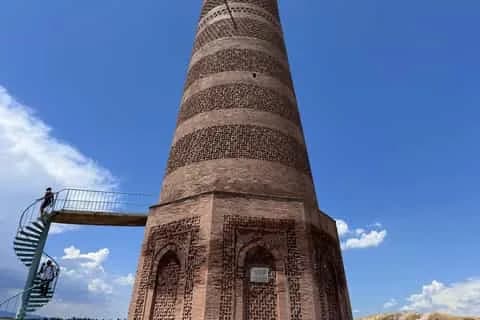
Keep reading
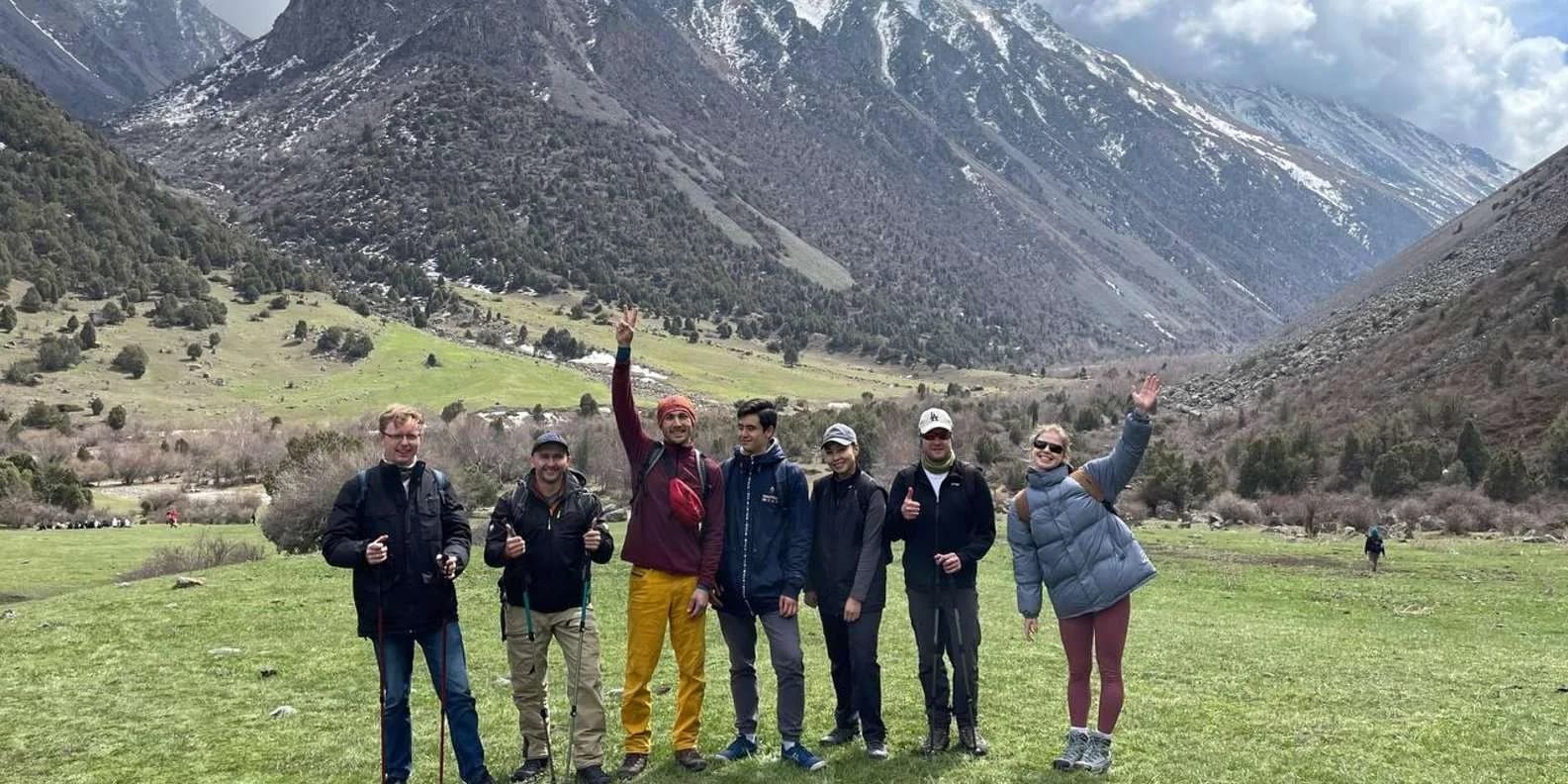
Self-Guided Treks in Kyrgyzstan: Routes & How-To
Yes, you can trek Kyrgyzstan without a guide. The best self-guided routes, the ones to skip, and the maps, water and safety logistics that make it work.
By TiK Editors12 min read
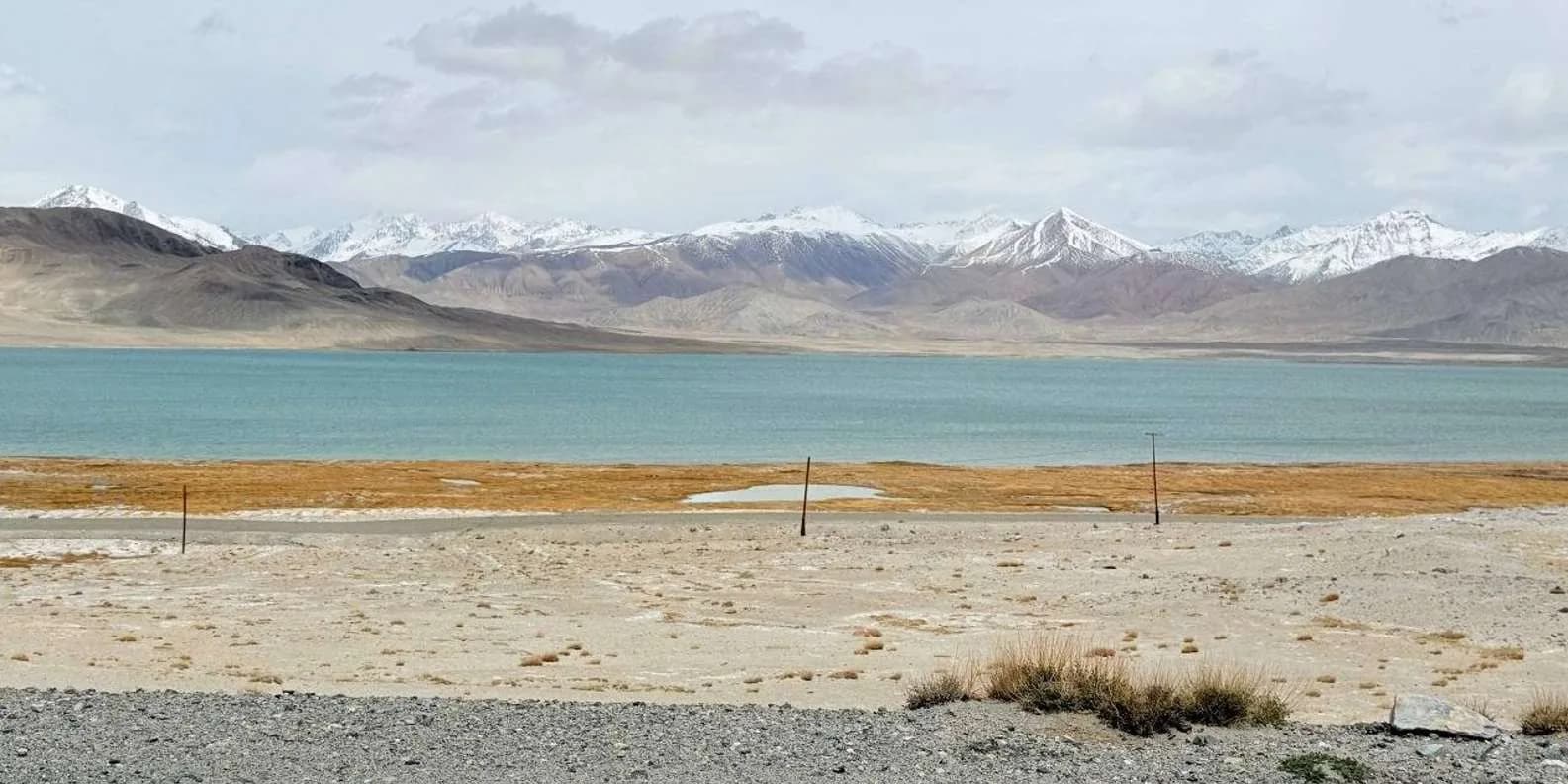
Tian Shan Traverse: Bikepacking Kyrgyzstan
The Tian Shan Traverse is a self-supported, mostly off-road bikepacking route of about 1,000 km across the high Kyrgyz mountains. Here's how to plan it.
By TiK Editors9 min read
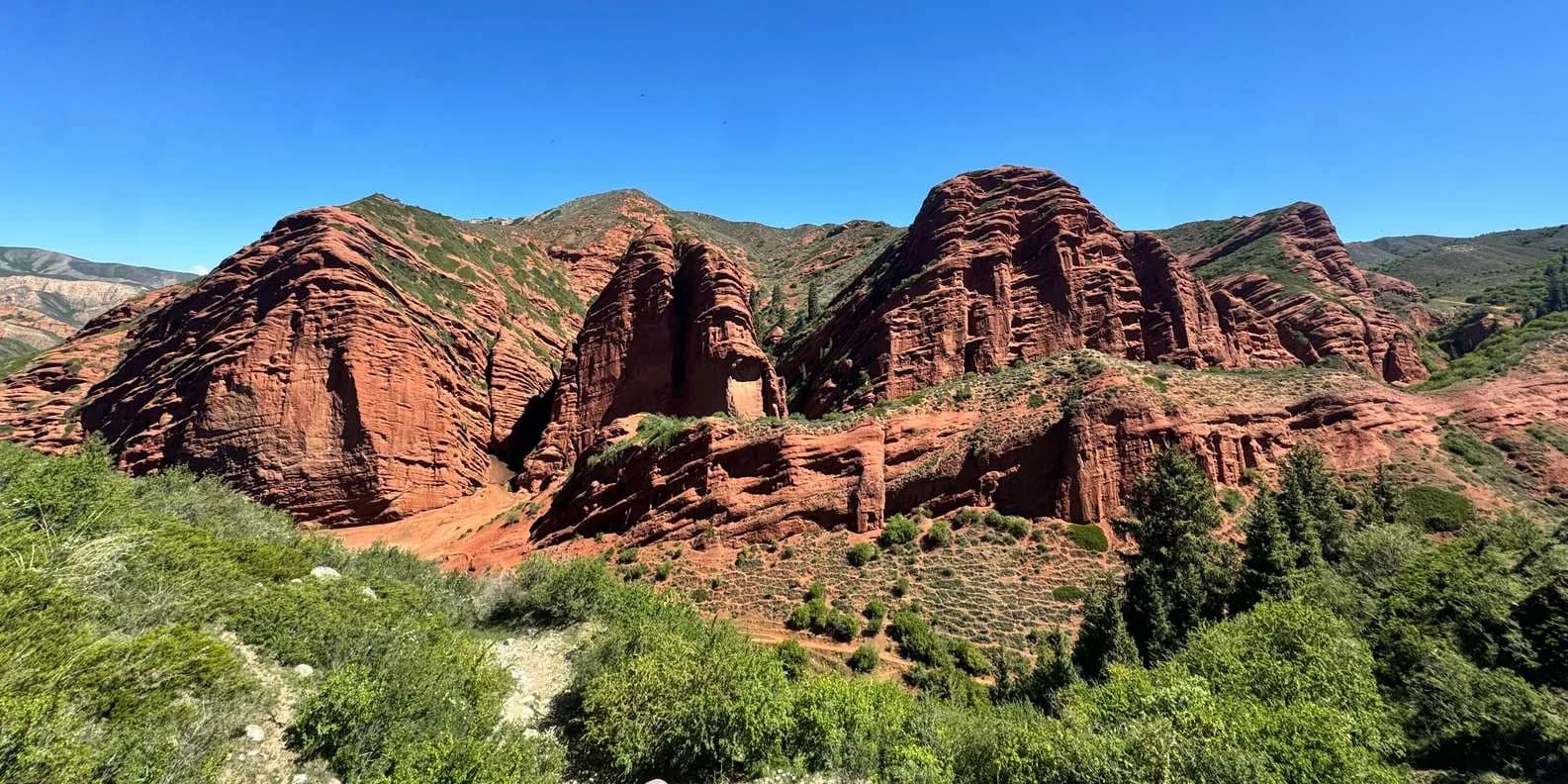
Boz-Uchuk Lakes Trek from Jyrgalan (2026)
A moderate 2–3 day trek to a string of alpine lakes above Jyrgalan — quieter than Karakol's classics, with community yurts, horses and clear DMO rates.
By TiK Editors8 min read