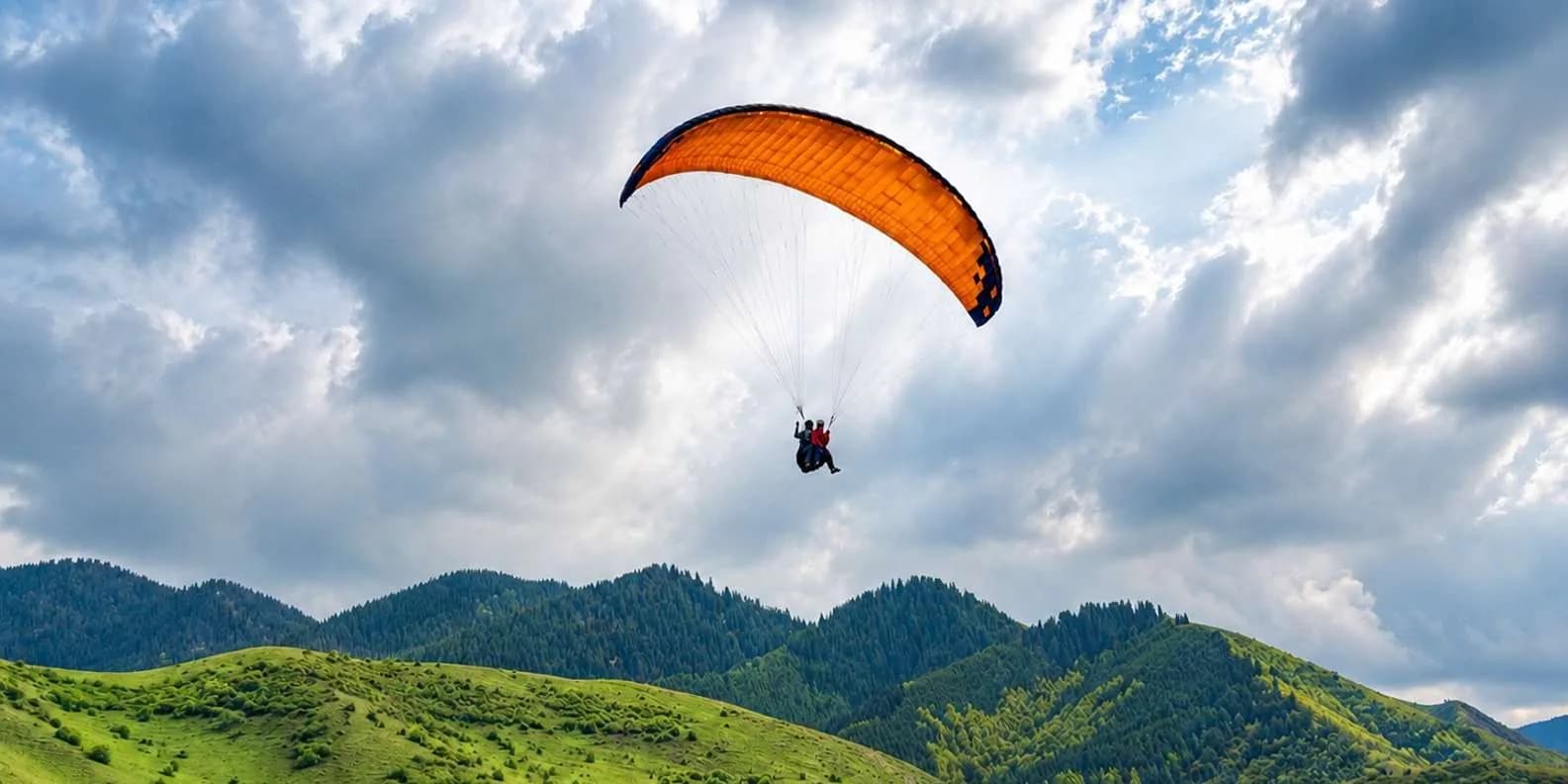
 Image via GetYourGuide
Altitude Sickness in Kyrgyzstan: A Trekker's Guide
Avoiding altitude sickness in Kyrgyzstan: elevations from Song-Köl to the 3,900 m Ala-Kul pass, symptoms, acclimatisation and the insurance clause that matters.
Book it on This is Kyrgyzstan
Turn this guide into a trip
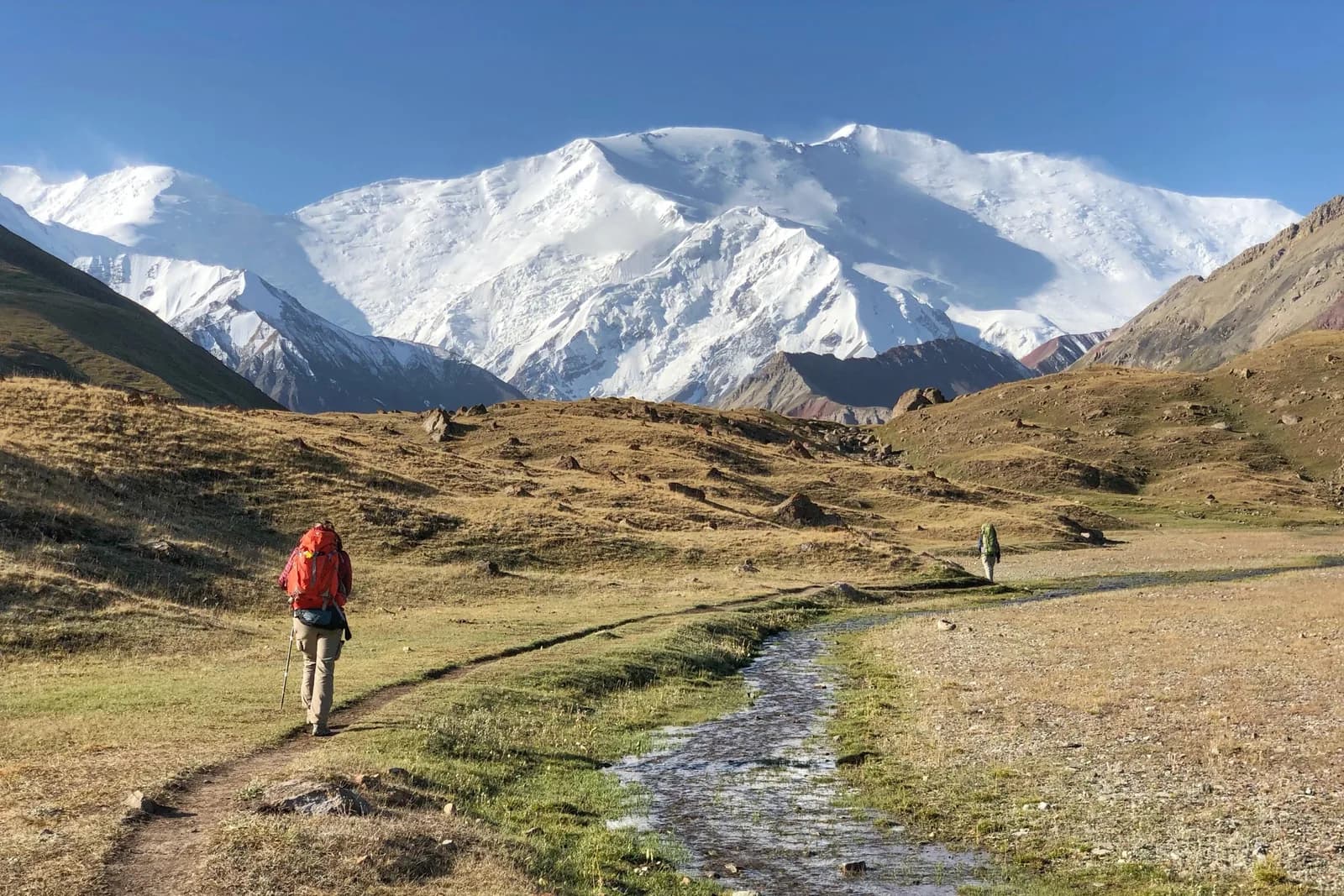
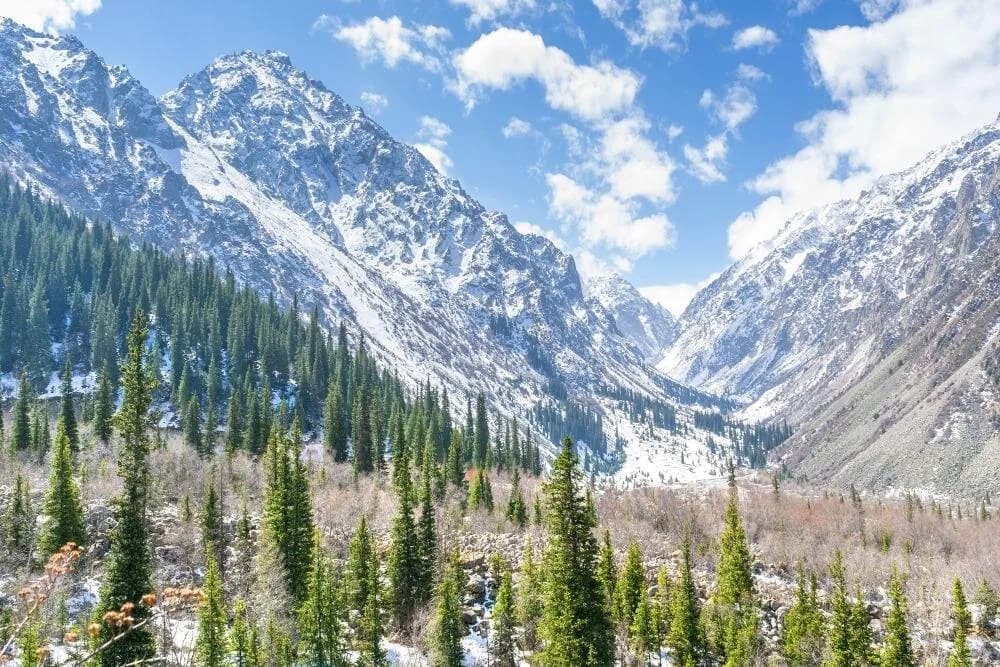
Kyrgyzstan puts ordinary travellers above 3,000 m faster, and with less warning, than almost any other budget destination. You can wake in Bishkek at about 800 m and sleep the same night beside Song-Köl at 3,016 m, or cross the Ala-Kul pass at roughly 3,860–3,900 m two days after stepping off a plane. That speed is exactly what causes acute mountain sickness (AMS). The good news: altitude illness is largely preventable if you climb gradually, watch for symptoms, and never push higher while you feel unwell.
This is general information, not medical advice. Altitude affects people unpredictably, and fitness offers no protection. If you have a heart or lung condition, are pregnant, or have had altitude illness before, talk to a doctor or a travel clinic well before you go.
Where you actually gain altitude in Kyrgyzstan
Most of Kyrgyzstan's headline sights sit high, and the classic itineraries lift you there quickly. Where sources disagree on an exact figure, the range below is the honest answer, so treat every number as approximate and confirm on the ground.
| Place | Elevation (approx.) | Why it matters |
|---|---|---|
| Bishkek | ~800 m | Your likely starting point; no altitude risk here |
| Issyk-Köl (lake shore) | ~1,607 m | Cholpon-Ata, Karakol base; comfortable |
| Altyn-Arashan springs | ~2,400–3,000 m | Sources differ; upper valley is higher |
| Song-Köl | ~3,016 m | Reached in a day from 800 m — the classic AMS trap |
| Tash Rabat | ~3,000–3,200 m | Overnight from Naryn (~2,000 m) |
| Kel-Suu | ~3,514 m | Day ascent from Naryn side |
| Ala-Köl (the lake) | ~3,530–3,560 m | Cold, exposed high camp |
| Bishkek–Osh road high point | ~3,120–3,180 m | Only an hour or two up top |
| Lenin Peak base camp (Achik-Tash) | ~3,600 m | Gateway to serious altitude |
| Ala-Kul pass | ~3,860–3,900 m | The trek's high point; where Kyrgyz AMS cases concentrate |
| Tosor / high jeep passes | ~3,890 m+ | Brief crossings, but real elevation |
Medical convention calls 1,500–3,500 m "high altitude", 3,500–5,500 m "very high", and anything above that "extreme". Altitude illness rarely develops below 2,500 m, which is why the lakeside towns are fine and the mountain passes are not.
What altitude sickness is: AMS, HACE and HAPE
At height, the air holds less oxygen, and your body needs time to adjust. When you ascend faster than it can cope, one of three related conditions can appear.
AMS (acute mountain sickness) is the common, mild form. It typically starts 6–10 hours after you climb above 2,500 m: a headache plus at least one of nausea, dizziness, fatigue or disturbed sleep. Left alone, and if you stop ascending, it usually settles within one to three days. A rough night and a headache at a Song-Köl yurt is the textbook Kyrgyz case.
HACE (high-altitude cerebral oedema) is swelling of the brain and it is an emergency. The warning signs are confusion, altered consciousness and loss of coordination — the classic test is being unable to walk a straight line (ataxia). It usually follows untreated AMS, often at least two days after reaching 3,000–4,000 m.
HAPE (high-altitude pulmonary oedema) is fluid in the lungs. It shows as breathlessness on exertion that progresses to breathlessness at rest, a cough, and sometimes blood-streaked spit. HAPE can be fatal without prompt action.
HACE and HAPE are rare compared with mild AMS, but both are life-threatening, and both demand immediate descent.
The golden rules of acclimatisation
The single most reliable prevention is a slow, staged ascent. The NHS-facing altitude guidance is blunt about it: gradual ascent with regular rest days is the key to avoiding illness.
- Ascend gradually. Once you are above 3,000 m, increase your sleeping altitude by no more than about 500 m per night, and build in a rest day every three or four days. It is the height you sleep at that counts, not the day's high point.
- Climb high, sleep low. Walking up to a pass or ridge and dropping back down to sleep helps you adjust. This is why a day hike to Ala-Kul lake and back can be gentler than camping at it.
- Hydrate and eat. Dehydration mimics and worsens AMS. Drink more than you think you need, go easy on alcohol, and keep eating even if your appetite fades.
- Don't push through symptoms. Never ascend further while you have symptoms of AMS. Rest, hydrate, and let them pass.
- Descend if you get worse. For worsening or severe symptoms, going down is the treatment. Everything else only buys time.
Fitness will not save you. Strong, young trekkers get AMS as readily as anyone; sometimes more, because they climb faster.
Acetazolamide (Diamox) and other drugs
Acetazolamide (brand name Diamox) can help you acclimatise and is worth discussing with a doctor for moderate-to-high-risk ascents such as the Ala-Kul pass or Lenin Peak base camp. It is prescription-only, and the standard preventive dose cited by travel-health services is 125 mg twice daily, started a day or two before you reach about 3,500 m. Trial it at home first, because it has side effects (tingling fingers, a metallic taste, more frequent urination) that you would rather discover before a trek. Crucially, it is not a substitute for gradual ascent.
Two other drugs, dexamethasone and nifedipine, are used to treat HACE and HAPE respectively. These are carried by expeditions and prescribed by doctors, not something trekkers should be self-medicating with in place of descending.
Who's most at risk
The biggest risk factors are the rate of ascent and the altitude you sleep at — both within your control through planning. On top of those, you are more susceptible if you have had altitude illness before, if you normally live below about 900 m (as most visitors do), if you exert yourself hard straight after arriving, or if you have certain heart conditions. Note what is not on the list: being fit and young is no shield. Anyone can be affected, and past success at altitude is no guarantee for the next trip.
Building acclimatisation into your itinerary
The cheapest insurance against AMS is a well-shaped route. The problem with Kyrgyzstan's most popular trips is that they are built for speed, not for your red blood cells. A few tweaks make a real difference:
- Before Song-Köl or Kel-Suu, spend a night at Kochkor (~1,800 m) or in Naryn (~2,000 m) rather than driving straight from Bishkek to a 3,000 m-plus camp in a single day.
- Before the Ala-Kul trek, give yourself two nights in Karakol (~1,700 m) first, and do not schedule the 3,900 m pass for the day after you arrive from Bishkek. This is the trek where Kyrgyzstan's AMS cases cluster, precisely because people cross the pass having slept low the night before.
- Add a valley day. A gentle acclimatisation walk from Altyn-Arashan or a night at the springs before the high country helps more than any pill.
- Sleep low where you can. Camping at Ala-Köl lake gives the best light but is the sleep-high option some people handle badly; if in doubt, visit the lake and descend to sleep.
If you are planning a longer route, our trekking in Kyrgyzstan guide covers the main trails and seasons, and a Song-Köl yurt stay is far more enjoyable when you have not arrived with a splitting head.
Insurance: the clause that can void your claim
This is the part travellers get wrong most often, and it can be the most expensive mistake of the trip. Buy a policy that explicitly covers trekking to your maximum altitude — that means at least 4,000 m to be safe for the Ala-Kul pass (3,860–3,900 m), and higher again for Lenin Peak. Many standard travel policies cap altitude cover at 2,500–3,000 m, which quietly excludes almost every headline Kyrgyz trek. A claim from the 3,900 m pass on a policy capped at 3,500 m can be refused outright.
Your policy must also cover helicopter evacuation and medical repatriation. Here is why that is not optional in Kyrgyzstan: there is no free, state-run mountain rescue on the Alpine or Nepali model. The volunteer mountain-rescue service is limited, and helicopter lifts are arranged commercially, are weather-dependent, and are expensive. The main rescue provider requires a payment guarantee — a valid insurance policy, a signed contract or a bank guarantee — before an operation will even start. No guarantee, no rescue.
Two practical points follow. First, mobile coverage is absent in most high valleys, so a satellite messenger (such as a Garmin inReach or a Zoleo) or a personal locator beacon is the realistic way to raise the alarm from Ala-Köl or Song-Köl. Second, carry your insurance policy number somewhere a companion can find it. For an overall picture of risks beyond altitude — roads, weather and more — see our guide to whether Kyrgyzstan is safe.
If symptoms hit: what to do
Stop. Do not go higher while you have symptoms. Rest, drink, and eat. Mild AMS usually eases within a day or two if you hold your altitude. If a headache, nausea and a bad night are all you have, you are probably fine to wait it out where you are — but if symptoms worsen, or if you see confusion, stumbling, or breathlessness at rest, go down immediately and get help. Descent, often just a few hundred metres, is what reverses the dangerous forms. The unified emergency number is 112; ambulance is 103; the 24-hour mountain rescue line is +996 312 651 404, though English is not guaranteed, so having a guesthouse owner, guide or driver call on your behalf is often faster.
Ready to plan a trek that acclimatises properly? Browse guided options on our trekking tours page and pick a route that gives your body the days it needs.
Chat with a real person — free
Seif and the team reply on WhatsApp 24/7 — trip questions, custom plans and booking help.
Ask Seif on WhatsAppCommon questions
How high does a normal Kyrgyzstan trip actually take you?
Higher than most people expect. Bishkek sits at about 800 m and the lakeside towns around Issyk-Köl at roughly 1,600 m, but the signature sights are high: Song-Köl at ~3,016 m, Tash Rabat and Kel-Suu around 3,200–3,500 m, and the Ala-Kul pass at roughly 3,860–3,900 m. Standard itineraries lift you from the capital to over 3,000 m in a single day, which is exactly the profile that triggers altitude sickness.
Will I get altitude sickness at Song-Köl?
You might feel mild symptoms, and many people do. Song-Köl sits at about 3,016 m and the classic route drives you there from 800 m Bishkek in roughly a day, which is the fast ascent that produces AMS. Expect a possible headache and a poor night's sleep. It is usually mild and settles, but break the journey with a night at Kochkor (~1,800 m) to reduce the odds, and descend if you feel genuinely unwell.
What are the first symptoms of altitude sickness?
A headache is the hallmark, usually starting 6–10 hours after climbing above 2,500 m, combined with at least one of nausea, dizziness, fatigue or disturbed sleep. That is mild AMS, and it normally settles within one to three days if you stop ascending. Warning signs that need immediate descent are confusion, an inability to walk a straight line, or breathlessness while resting — these point to the dangerous forms.
Should I take Diamox for trekking in Kyrgyzstan?
It's worth discussing with a doctor for higher trips like the Ala-Kul pass or Lenin Peak base camp. Acetazolamide (Diamox) is prescription-only; travel-health services cite 125 mg twice daily, started a day or two before reaching about 3,500 m. Trial it at home first, since side effects like tingling and frequent urination are common. It aids acclimatisation but is never a substitute for climbing gradually and descending if you get worse.
How do I acclimatise properly on a Kyrgyzstan itinerary?
Ascend slowly and sleep low. Above 3,000 m, raise your sleeping altitude by no more than about 500 m per night with a rest day every three or four days. In practice: add a night at Kochkor or Naryn before Song-Köl or Kel-Suu, spend two nights in Karakol before the Ala-Kul trek, and never cross the 3,900 m pass the day after arriving from Bishkek. Climbing high and sleeping low genuinely helps.
Does being fit protect me from altitude sickness?
No. Physical fitness offers no protection against altitude illness, and fit, young trekkers often struggle because they ascend too fast. The factors that matter most are how quickly you climb and the altitude you sleep at, both within your control. You are more susceptible if you have had altitude illness before, live near sea level, exert yourself hard on arrival, or have certain heart conditions. Treat everyone in your group as potentially at risk.
What insurance do I need for altitude trekking in Kyrgyzstan?
A policy that explicitly covers trekking to your maximum altitude plus helicopter evacuation and repatriation. Aim for cover to at least 4,000 m for the Ala-Kul pass, and higher for Lenin Peak. Many standard policies cap altitude at 2,500–3,000 m, so a claim from the 3,900 m pass can be voided. Kyrgyzstan has no free state mountain rescue, and rescuers require a payment guarantee before starting, so proper cover is essential.
Is there mountain rescue if something goes wrong at altitude?
Only in a limited, commercial form, so do not count on a quick lift. Kyrgyzstan has no free, state-funded helicopter rescue; the volunteer service has limited equipment, and helicopter evacuation is expensive, weather-dependent and requires a payment guarantee before it begins. Mobile signal is absent in most high valleys, so carry a satellite messenger or personal locator beacon. The 24-hour mountain rescue number is +996 312 651 404, and the emergency line is 112.
When is the best time to trek at altitude in Kyrgyzstan?
Roughly mid-June to mid-September, with July and August the most stable and all yurt camps open. The high passes hold snow into July in heavy years, and fresh snow can fall on the Ala-Kul pass in any month. May and October are shoulder months when half an itinerary may be closed. Later season means colder nights but clearer light. Whatever the month, altitude precautions still apply above 2,500 m.
Book it on This is Kyrgyzstan
Turn this guide into a trip
Kyrgyzstan's bestsellers
The experiences travelers book most, across the country
Keep reading
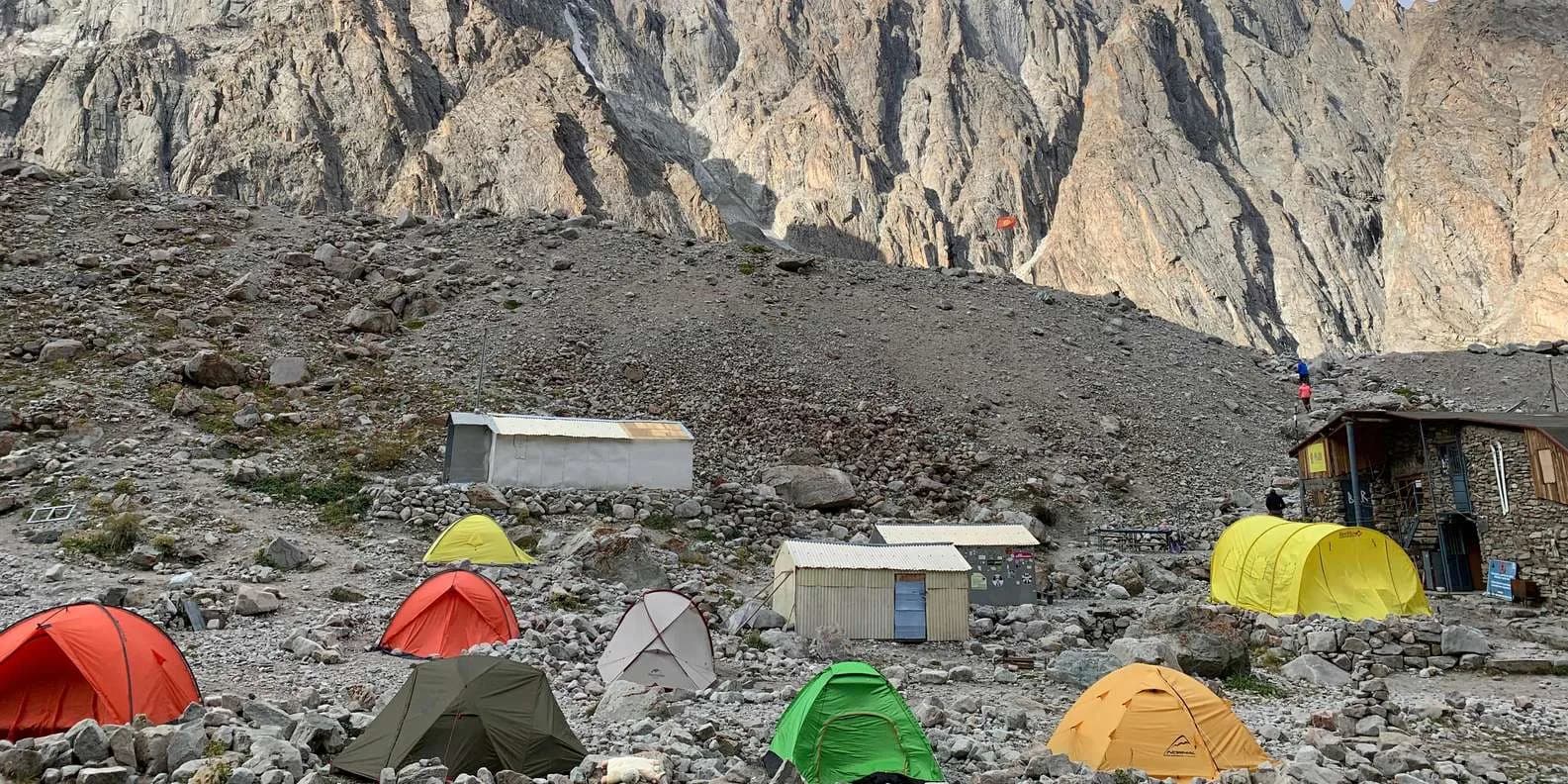
Uchitel Peak: Your First 4,000m Climb (2026)
Pik Uchitel (~4,400-4,600 m) in Ala-Archa is the classic first summit for fit hikers new to mountaineering: route, gear, season and acclimatisation.
By TiK Editors8 min read
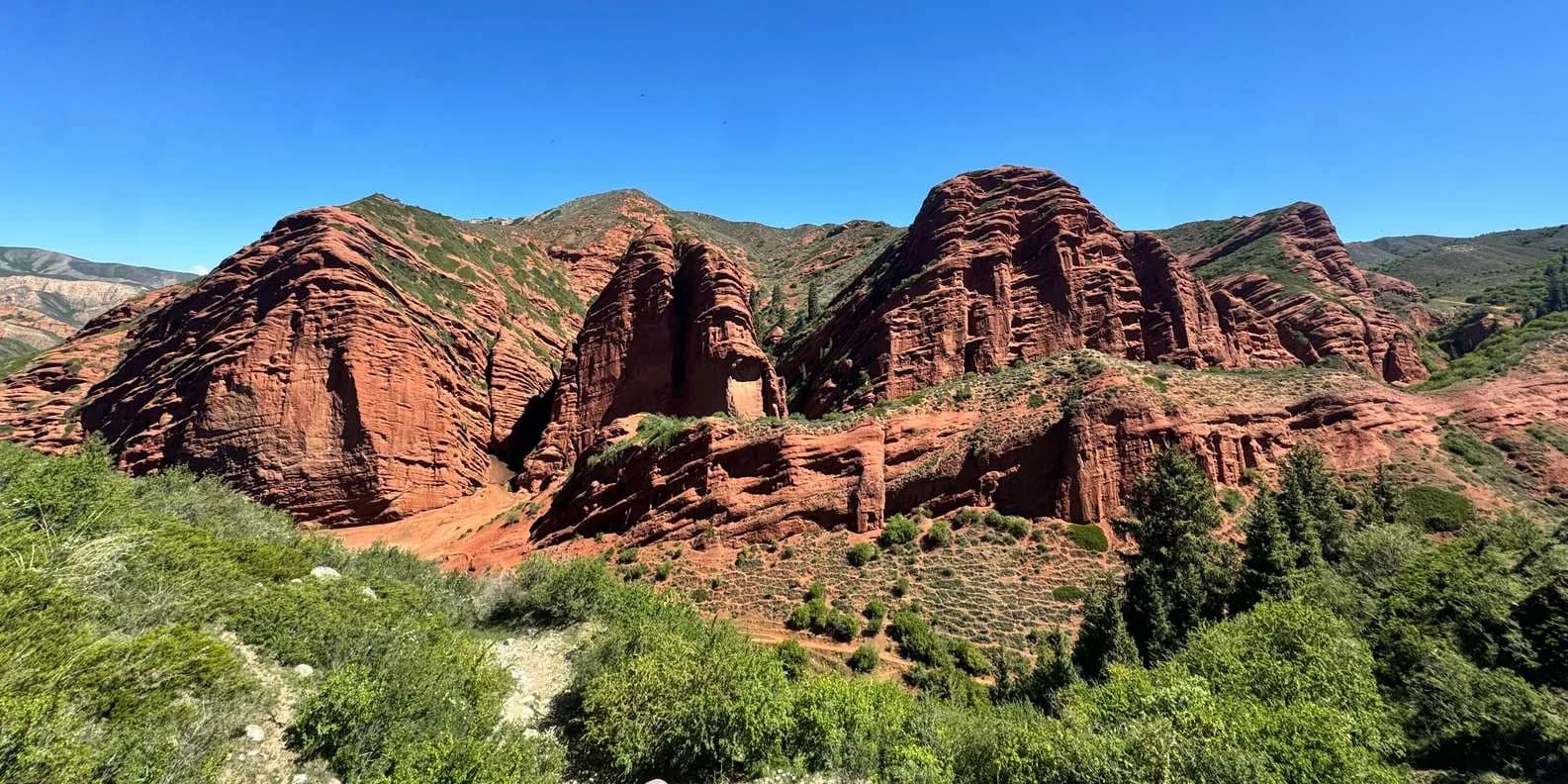
Boz-Uchuk Lakes Trek from Jyrgalan (2026)
A moderate 2–3 day trek to a string of alpine lakes above Jyrgalan — quieter than Karakol's classics, with community yurts, horses and clear DMO rates.
By TiK Editors8 min read
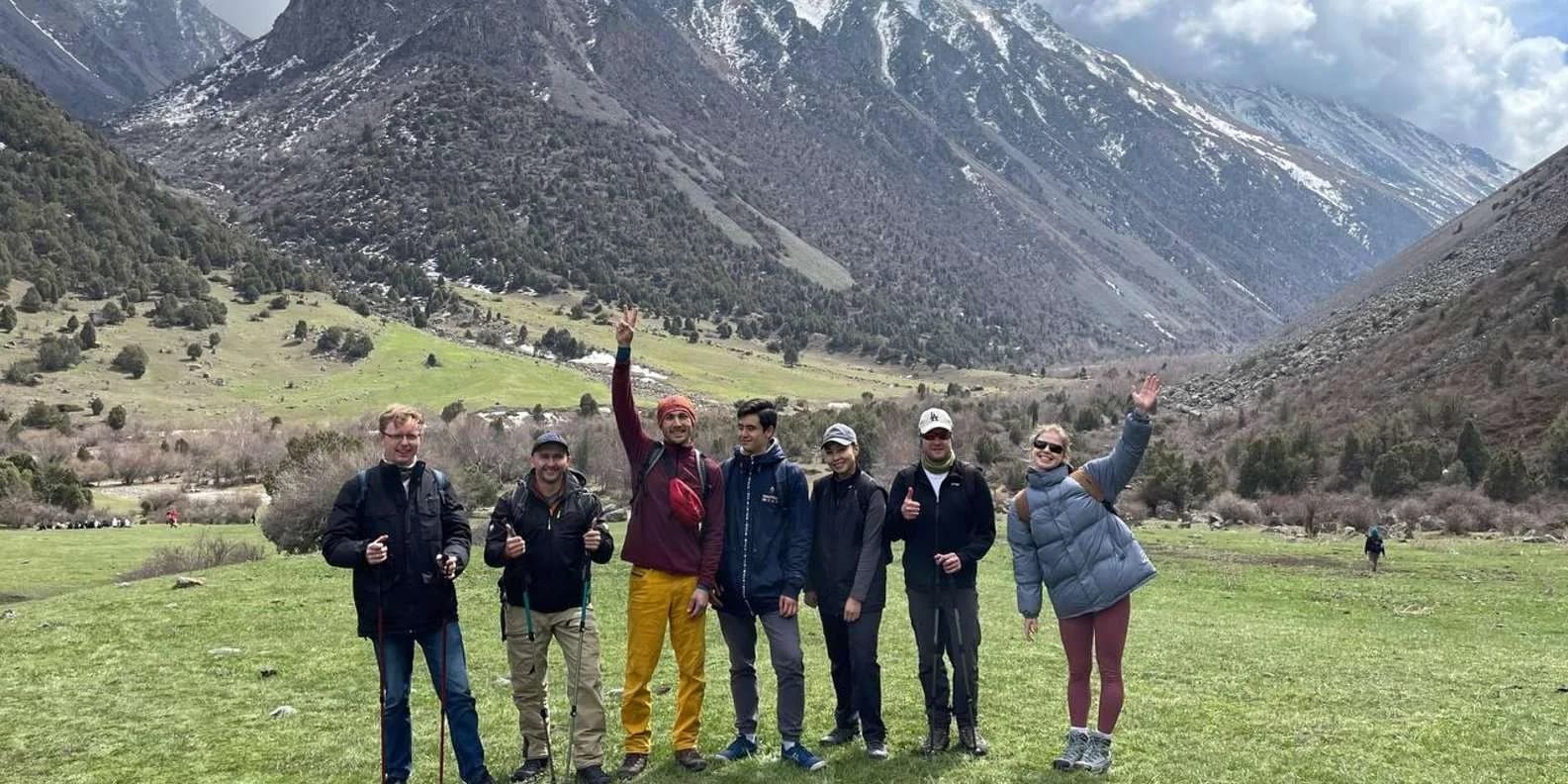
Self-Guided Treks in Kyrgyzstan: Routes & How-To
Yes, you can trek Kyrgyzstan without a guide. The best self-guided routes, the ones to skip, and the maps, water and safety logistics that make it work.
By TiK Editors12 min read