 Image via GetYourGuide
Cholpon-Ata Guide: Issyk-Köl's North Shore (2026)
Cholpon-Ata is a Soviet sanatorium town that becomes Central Asia's beach resort for six weeks a year. Petroglyphs, Ruh Ordo, Kyrchyn and an honest verdict.
Book it on This is Kyrgyzstan
Issyk-Kul · Turn this guide into a trip
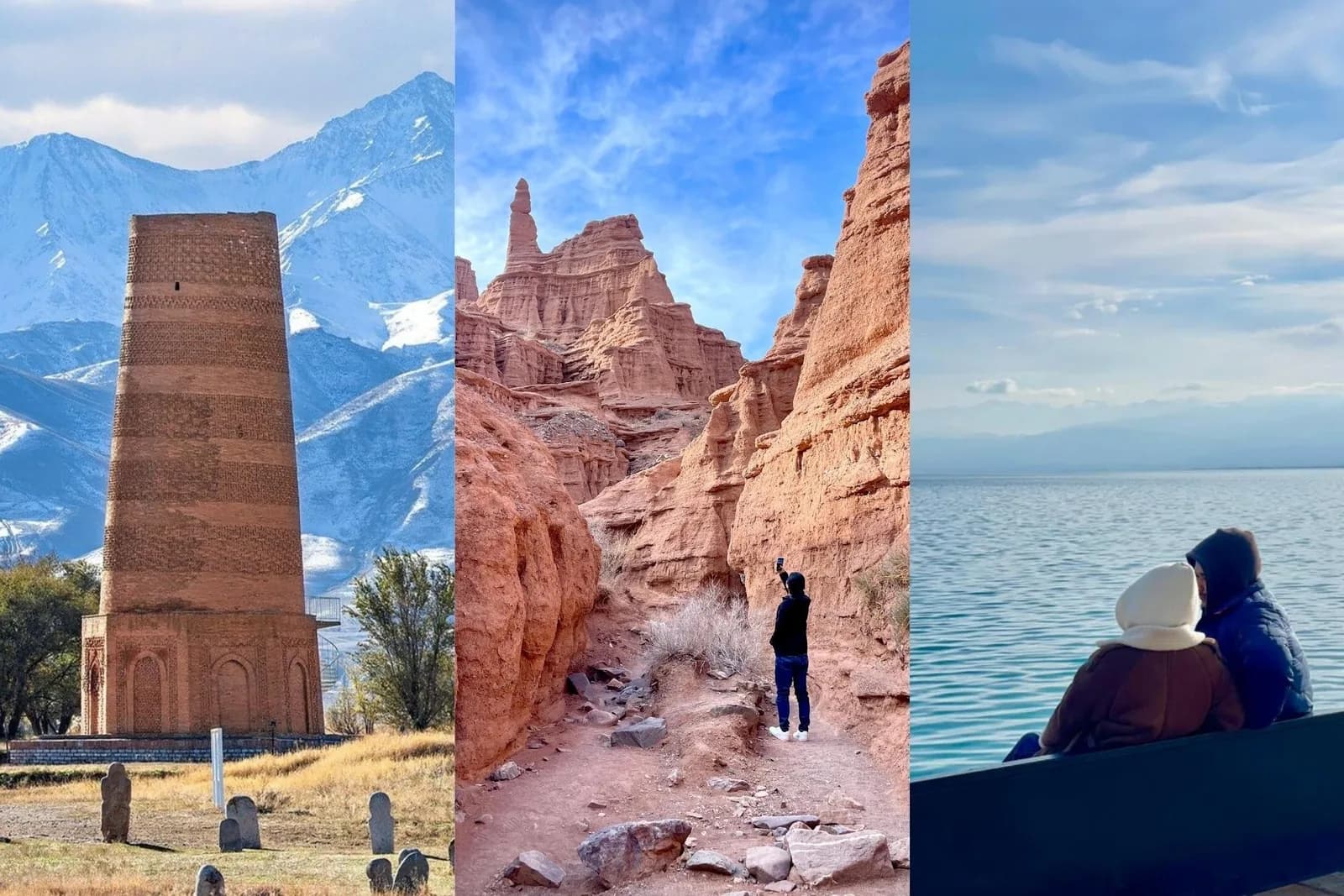
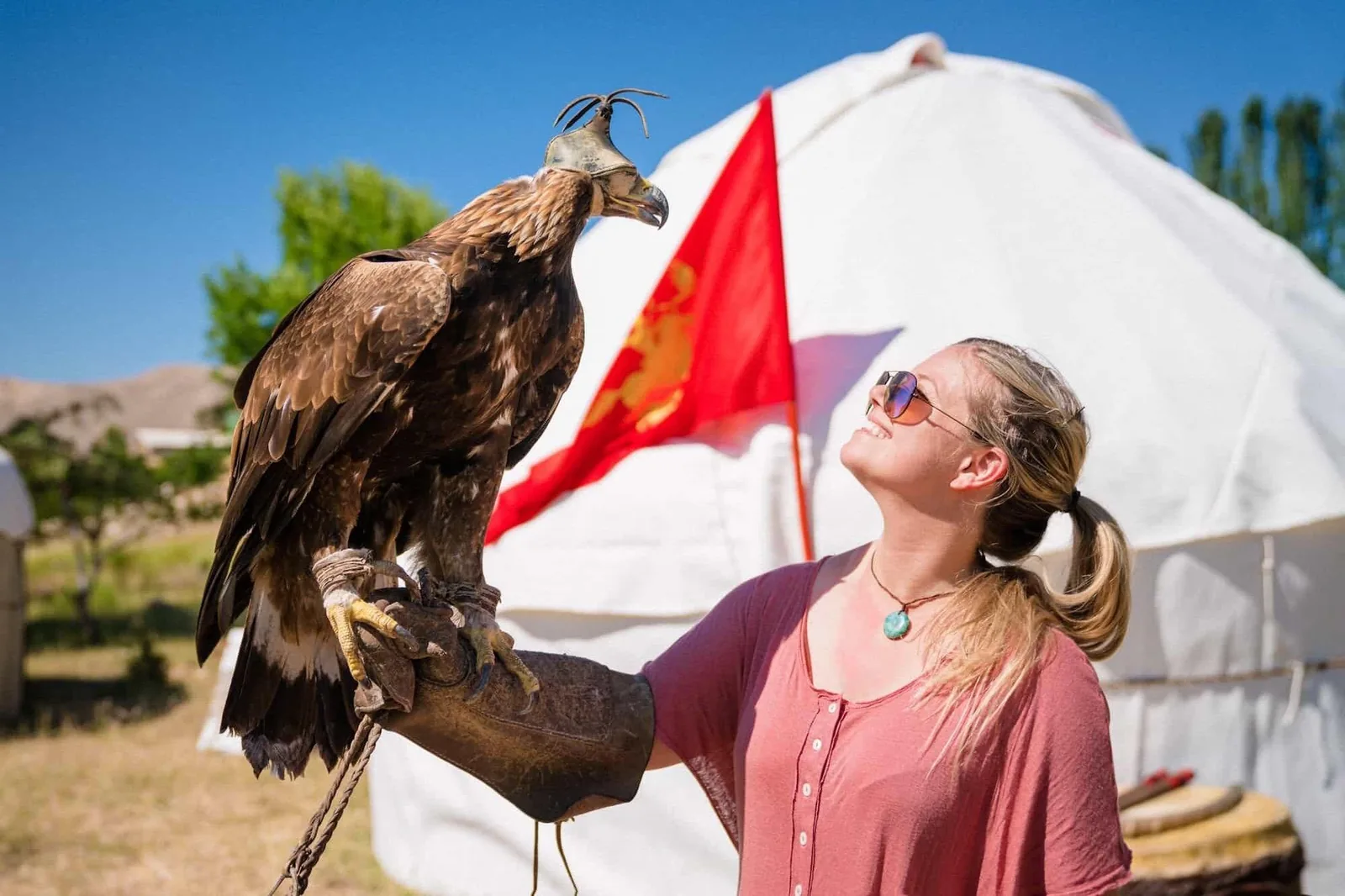
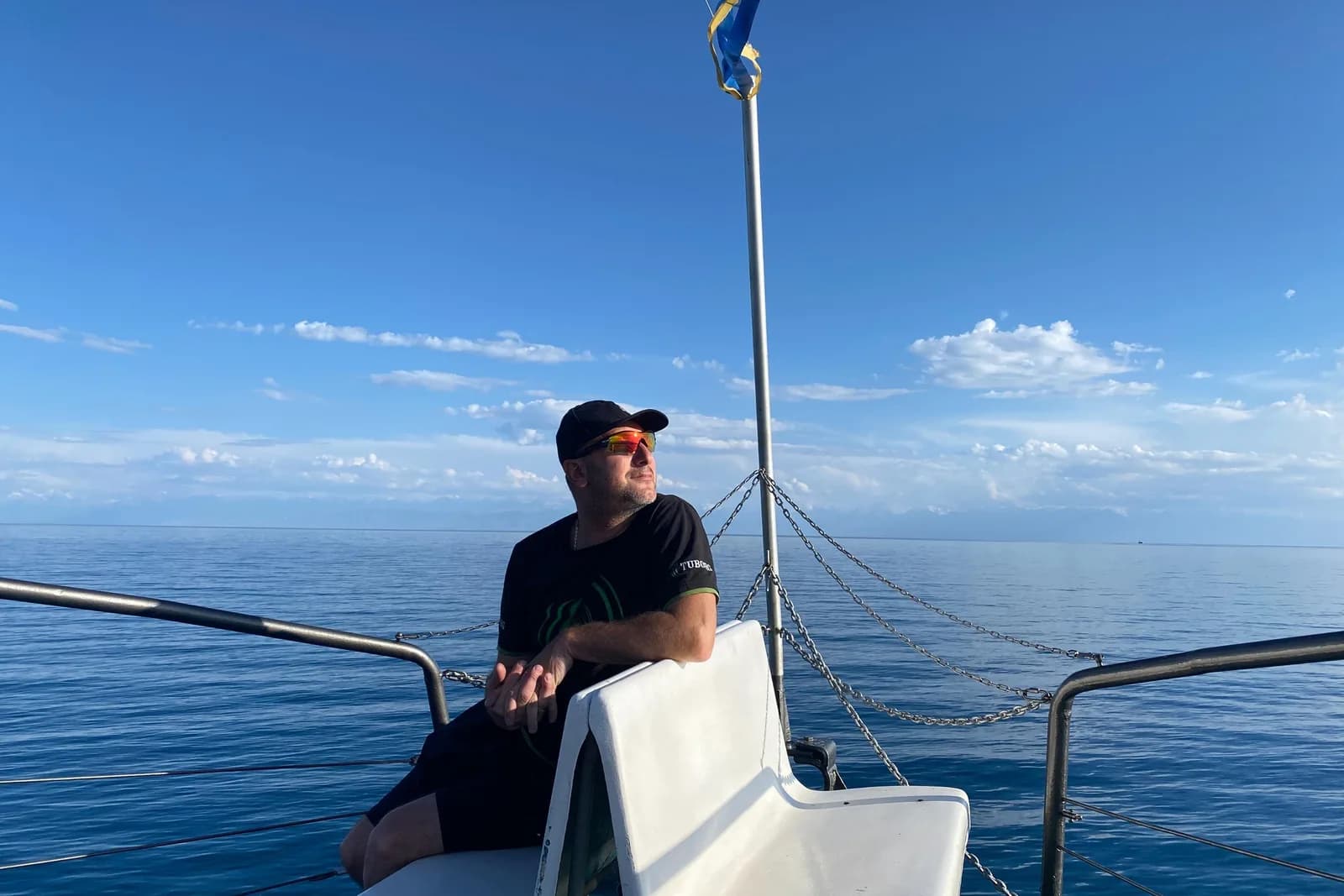
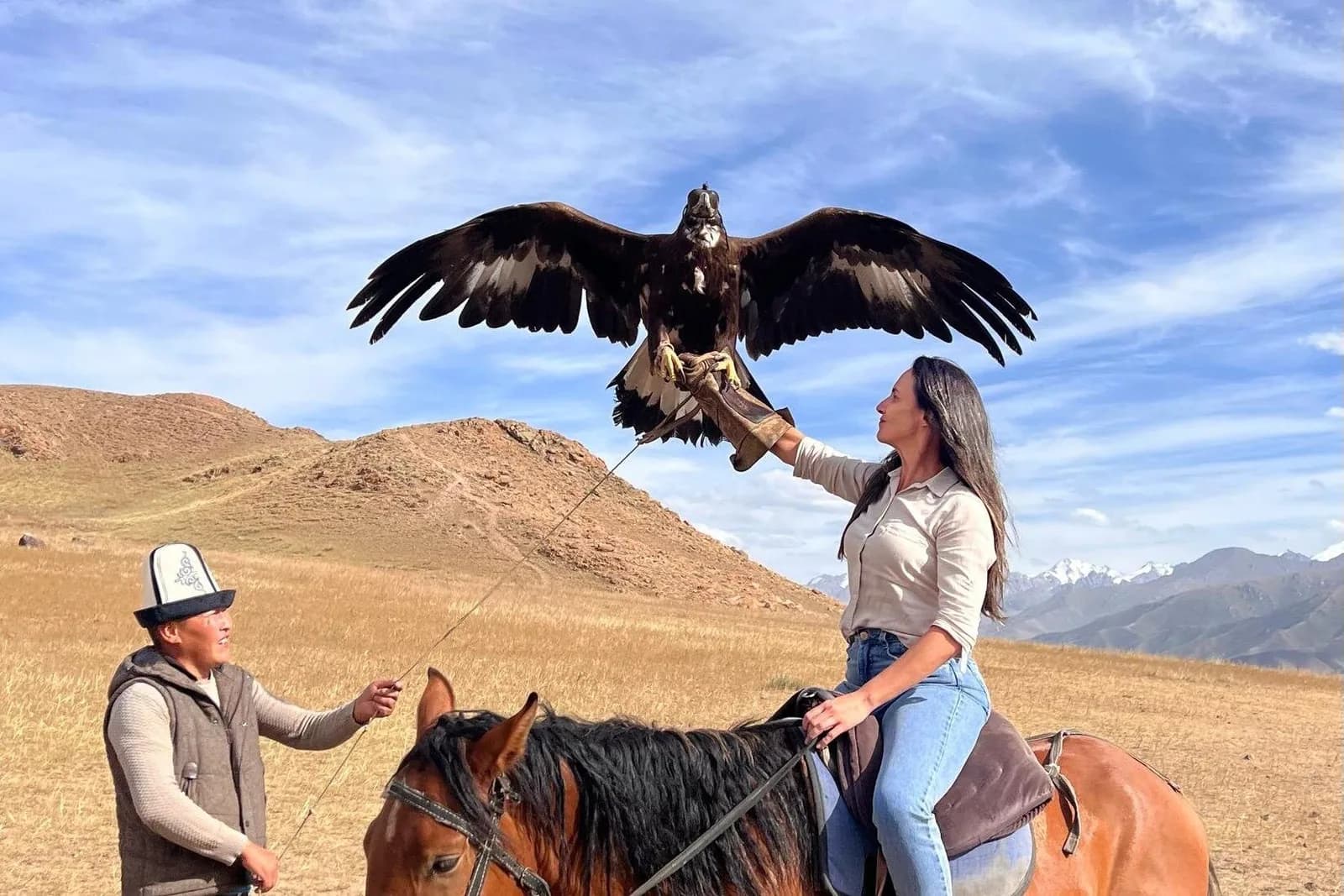
Cholpon-Ata is the main resort town on the north shore of Issyk-Köl (Issyk-Kul), about 260 km and three and a half to five hours east of Bishkek. Get one thing straight and you will enjoy it: this is a Soviet sanatorium town that turns into a Kyrgyz, Kazakh and Russian family beach holiday for roughly six weeks a year and is half-shuttered the rest of the time. Come for the petroglyph field, Ruh Ordo, the hippodrome and the jailoo above town — not for a Mediterranean resort, which it has never tried to be.
What Cholpon-Ata actually is
About 14,200 people live here (2021 census). In July and August that swells past 50,000. The town sits at roughly 1,650 m with the Kungey Ala-Too behind it and, on a clear morning, the snow of the Terskey range visible 60 km away across the water.
Its visual identity is not nomadic. It is late-Soviet concrete in pine-planted grounds. Issyk-Köl was one of the USSR's flagship holiday regions and Cholpon-Ata was its centre: trade-union sanatoriums where workers arrived on subsidised putyovka vouchers for a two-week course of mineral water, mud treatments, physiotherapy and full-board dining halls. Many still run. Some are renovated, some are peeling, and both are bookable.
The town runs straight into Bosteri to the east — the loudest, most built-up strip on the lake, with the waterpark, the ferris wheel and the biggest hotels. West of town, Chok-Tal and Tamchy are quieter and more village-like; Tamchy has a homestay tradition, pale gravel beaches and the seasonal airport. Two nights suits most people; three if you are heading up to Kyrchyn.
When to go, honestly
| Period | Daytime air | Lake water | What it feels like |
|---|---|---|---|
| Mid-July – mid-August | ~23 °C | 22–24 °C | Full season: packed beaches, heavy traffic, peak prices |
| June & September | ~19–21 °C | Cool to cold | Half the crowd, clearer mountains, swimming for the hardy |
| May & October | ~11–17 °C | Too cold | Empty, cheap, much of the strip closed |
| November – April | −6 to +4 °C | Not a thing | Shuttered. Go to Karakol for skiing instead |
Two climate providers disagree by 5–7 °C for Cholpon-Ata, so treat every figure above as a range and pack for both ends of it. Shoulder rates run 20–30% below peak; October to April most resorts simply close. See our best time to visit Kyrgyzstan guide for the wider picture.
The petroglyphs: Cholpon-Ata's best thing
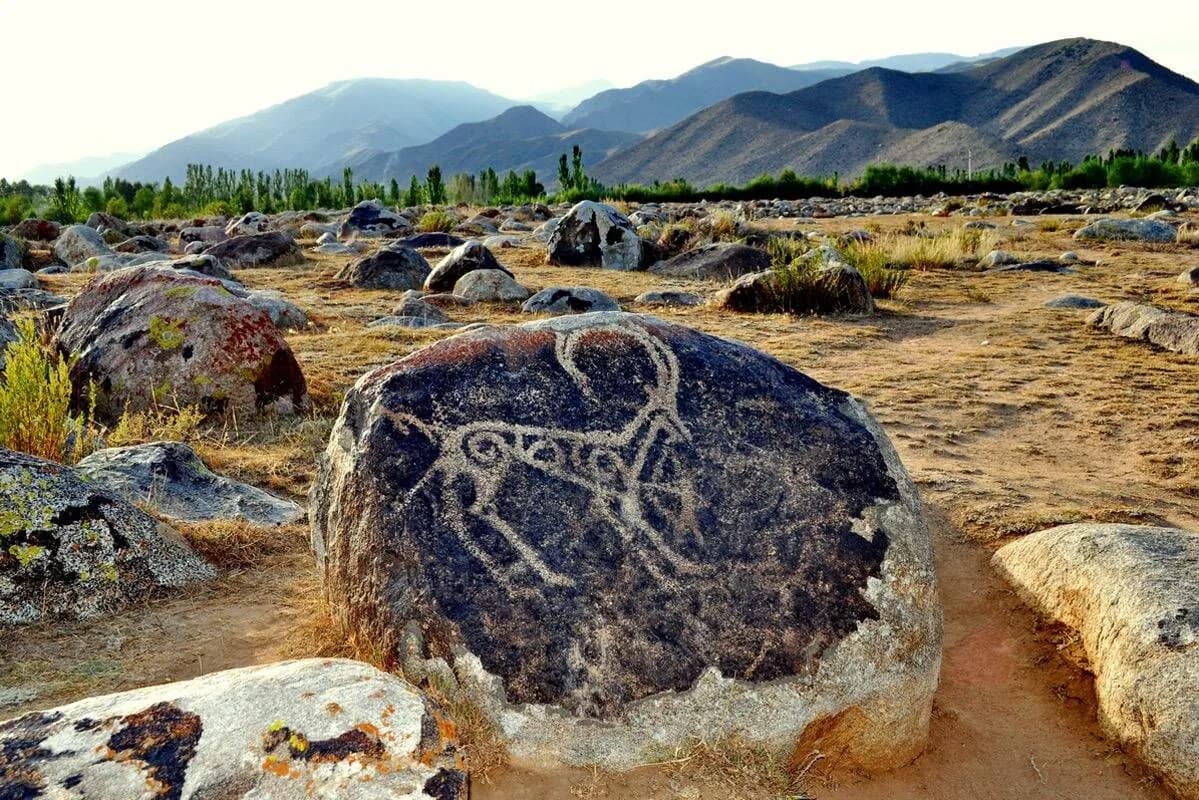
A ten-minute walk uphill from the main road puts you on a 42-hectare moraine terrace strewn with glacial boulders — the open-air museum locals call the stone garden. Around 2,000 carvings lie across it, along with stone circles, kurgan burials and balbal grave markers, all left where they fell. Entry is around 150–200 som (about US$2), paid at a kiosk; there are no reliably published hours.
Dating is genuinely contested. Some sources give 800 BC to AD 1200, others the 2nd millennium BC to the 4th century AD. The defensible reading: Bronze Age through to the medieval period, with the best-known animal-style images made by Saka-Scythian and Usun peoples from roughly the 8th century BC. Anyone quoting one confident range is over-claiming.
What you see is ibex and snow leopards with the curled bodies of Scythian animal style, hunting scenes in which leopards run down game, chariots, sun symbols. The same motifs still turn up in Kyrgyz shyrdak felt carpets. Be warned: the carvings are shallow, weathered and barely labelled, and the field has taken visitor wear. Go at sunrise or before 10:00 — low raking light is the difference between a great hour and a confusing one, and there is no shade at all.
Ruh Ordo, the museum and the hippodrome
Ruh Ordo, on the lakeshore, is the town's most-visited and most divisive attraction. Built in 2002 and named for the writer Chingiz Aitmatov, it sets five identical white chapels — Orthodox, Muslim, Jewish, Buddhist, Catholic — equidistant from one another, with a pyramid for Tengrism, the pre-Islamic sky religion. Around them sits a surreal sculpture collection: Aitmatov's characters, then Aphrodite, Aristotle, Copernicus. Entry 500 som; 09:00–19:00 in summer, 09:00–17:00 in winter, with free 90-minute walking tours in Russian from the gate. Read it as earnest interfaith monument or as theme park; either way the chapels against the water photograph beautifully. Budget two hours.
The town has one local museum, not the two some listings claim — usually called the Issyk-Köl Regional or Historical Museum, covering lake-basin archaeology, Scythian-era bronzes and the settlements now submerged offshore. It is modest; check hours on the day. The hippodrome hosts racing and festival days on a calendar that shifts year to year, so ask at your guesthouse rather than trusting a schedule online.
The World Nomad Games
Cholpon-Ata invented this event. The first three World Nomad Games — 2014, 2016 and 2018 — were all held here, sport at the hippodrome and the cultural half up at the Kyrchyn jailoo, a summer pasture 40–70 km inland via the Semenovka and Grigorievka valleys. Kyrchyn is where nearly every famous Games photograph comes from: hundreds of yurts, regional delegations cooking their own food, felt-making, komuz, Manas recitation.
After Turkey in 2022 and Kazakhstan in 2024 the sixth edition brings them home: 6th World Nomad Games, Kyrgyzstan, 31 August – 6 September 2026, opening in Bishkek on Independence Day — the 35th anniversary of independence — with competition at the Cholpon-Ata hippodrome and sports complex, Ruh Ordo and Kyrchyn. Kyrgyzstan took ownership of the Games trademark in December 2025, so more editions here are likely. Editions come round on a roughly two-year cycle, so if you are planning a trip outside that week, check whether dates and a host have been announced for the next one — neither had been as of late August 2026.
Outside Games years Kyrchyn is an ordinary jailoo with grazing families, a few day-trip yurt camps and smaller horse-game festivals through the summer. It is worth the drive. Hire a car — there is no useful public transport up the valley.
The lake, in brief
Issyk-Köl is the world's second-largest mountain lake by surface area after Titicaca, though at 668 m deep against Titicaca's ~281 m it holds far more water. It sits at 1,607 m, is about 0.6% saline and does not freeze, although shallow bays still ice up in a hard winter. Full detail is in our Lake Issyk-Köl guide and on the lake's attraction page.
For swimmers: 22–24 °C in July and August, cold either side. Cholpon-Ata's own sand is darker and greyish, Tamchy's pale and gravelly, Bosteri's the most equipped — free beach entry, loungers, water sports from about US$15 to well over US$100. No jellyfish, no sharks, no tides. The real hazards are cold deep water, sharp afternoon wind, the absence of lifeguards, and the sun: at 1,607 m the UV is materially stronger than at the coast, doubled by reflection. Air temperature is a terrible guide to burn time.
North shore or south shore?
| North shore (Cholpon-Ata) | South shore | |
|---|---|---|
| Road | ~220 km of proper paved highway | Patchy — paved in stretches, gravel in others |
| Beaches | Grey sand in town, gravel at Tamchy, facilities at Bosteri | Kaji-Say's golden sand and Tosor — the best on the lake, and quiet |
| Sights | Petroglyphs, Ruh Ordo, hippodrome, Kyrchyn | Skazka Canyon, Jeti-Ögüz, Barskoon waterfalls |
| Culture | Museums and resort nightlife | Bokonbaevo's eagle hunters, yurt-makers, CBT homestays |
| Beds | Sanatoriums, resort hotels, rented flats | Guesthouses, homestays, yurt camps |
| Transport | Frequent marshrutkas in season | Thin, and drying up after mid-afternoon |
| Onward | Karakol in about three hours | Tosor pass (3,893 m, 4x4, summer only) to Song-Köl |
Choose the north if you want a swim, a bed with a shower, food after dark and museums you can walk to. Choose the south if you want canyons, eagles, yurts and space. The standard fix is both — north shore out, south shore back — which is how most two-week Kyrgyzstan itineraries are built.
Getting there and moving on
Marshrutkas run through the day from Bishkek's long-distance bus stations — departure points shifted when the Western (Zapadny) station closed in 2024, so ask your guesthouse which station currently serves the lake. Reckon 350–700 som (US$4–8) and three and a half to five hours for the 260 km; a private car runs about 4,500–7,000 som (US$51–80). Onward to Karakol is from 300 som and two to three hours. Mechanics are in getting around Kyrgyzstan, and if you only have a day there is a day trip from Bishkek.
The ring road runs about 360 km. Cyclists ride it in four to seven days; the north half is fast and paved but traffic-heavy, the south half is the reason to come. Plan water and food carefully on the south shore and expect a hard afternoon headwind off the lake.
Beds, food and evenings
Sanatoriums are the cheap and characterful option at roughly US$30–50 a night, usually full board. Newer resort hotels pass US$100 in peak weeks. Rented flats work for families, guesthouses fill the middle, hostels barely exist. Shoulder months cut all of it by 20–30%. Book weeks ahead for August weekends, when Kazakh cars pour down from Almaty.
Evenings are shashlik, cold beer and loud music along the waterfront — cheerful rather than sophisticated, and mostly shut by early September. The bazaar is good for samsa, bread, apricots and honey. Smoked fish is sold all along the road, and it is worth knowing that four of Issyk-Köl's commercially fished endemic species, including Schmidt's dace and the naked osman, are now in Kyrgyzstan's Red Book after decades of overfishing and introduced predators. Farmed trout is the responsible order. Menus and signage are Russian and Kyrgyz; English is patchy.
One day, three days, and the verdict
One day: petroglyphs at sunrise, Ruh Ordo mid-morning, a swim and lunch at Bosteri, then drive on to Karakol in the afternoon.
Three days: add the local museum and a slow beach day, then a full day up to Kyrchyn — and a race at the hippodrome if the calendar cooperates.
Worth it? Yes, for two nights, treated as a cultural stop with a lake attached. If you came to Kyrgyzstan for mountains, do not spend a week here: sleep two nights, then push east to Karakol or round to the south shore.
Ready to plan? Browse everything on the lake at Issyk-Köl, or see guided options under lakes and nature tours.
Chat with a real person — free
Seif and the team reply on WhatsApp 24/7 — trip questions, custom plans and booking help.
Ask Seif on WhatsAppCommon questions
Is Cholpon-Ata worth visiting?
Yes, for about two nights, if you go for the culture rather than the beach. The petroglyph field above town, the Ruh Ordo complex and the Kyrchyn jailoo up the valley are all genuinely good. As a beach resort it is a busy, cheerful Central Asian family holiday, not a Mediterranean one — and it only works that way from mid-July to mid-August.
How do you get from Bishkek to Cholpon-Ata?
Marshrutkas run through the day from Bishkek's long-distance bus stations — the Western (Zapadny) station closed in 2024, so ask your guesthouse which one currently serves the lake. Reckon 350–700 som (US$4–8) and three and a half to five hours for the 260 km; a private car costs around 4,500–7,000 som (US$51–80). Book ahead on August weekends, when Kazakh holiday traffic peaks.
How much does it cost to visit the Cholpon-Ata petroglyphs?
Entry is around 150–200 som, roughly US$2, paid at a kiosk at the gate. There are no reliably published opening hours — it is an open field on a moraine terrace. Go at sunrise or before 10:00: the low light makes the shallow carvings readable, and there is no shade anywhere on the site.
How old are the Cholpon-Ata petroglyphs?
Sources genuinely disagree. Some give 800 BC to AD 1200, others the 2nd millennium BC to the 4th century AD. The safe answer is that the carvings span the Bronze Age to the medieval period, with the best-known animal-style images made by Saka-Scythian and Usun peoples from roughly the 8th century BC. Treat any single confident date range with suspicion.
When can you swim in Issyk-Köl at Cholpon-Ata?
Late June to early September, with mid-July to mid-August the reliable window. Surface water reaches about 22–24 °C in peak summer and measured 21–22 °C in late August 2026. It never gets genuinely warm — this is a 668-metre-deep lake at 1,607 m. Outside that window the water is a plunge, not a swim.
Should I stay in Cholpon-Ata or Karakol?
Cholpon-Ata if you want a swim, resort infrastructure and the petroglyphs; Karakol if you want mountains, treks to Ala-Köl and Altyn-Arashan, Dungan and Uyghur food, and a base that works year-round including winter skiing. Many travellers do two nights in Cholpon-Ata then three or more in Karakol, three hours further east.
Where were the World Nomad Games held in Cholpon-Ata?
Horse events, kok-boru and wrestling take place at the Cholpon-Ata hippodrome and sports complex, with archery, eagle hunting and the cultural programme at the Kyrchyn jailoo, 40–70 km inland. Cholpon-Ata hosted the first three editions in 2014, 2016 and 2018; the sixth is the 2026 edition, dated 31 August to 6 September, opening in Bishkek. Editions come round roughly every two years, so check the dates for the next one.
What does accommodation cost in Cholpon-Ata?
Converted Soviet sanatoriums run about US$30–50 a night, usually with full board in a dining hall. Newer resort hotels pass US$100 in peak weeks. Guesthouses and rented flats fill the middle, and hostels are scarce. Shoulder months — May, September, October — cut rates by roughly 20–30%, but much of the strip is closed.
Is Cholpon-Ata open in winter?
Barely. From October to April most sanatoriums and hotels close or run skeleton programmes, the waterfront stalls are shuttered and the beaches empty. The upside is clear mountain views and an empty petroglyph field. For a winter trip to this lake, base yourself in Karakol for the ski resort instead.
Book it on This is Kyrgyzstan
Turn this guide into a trip
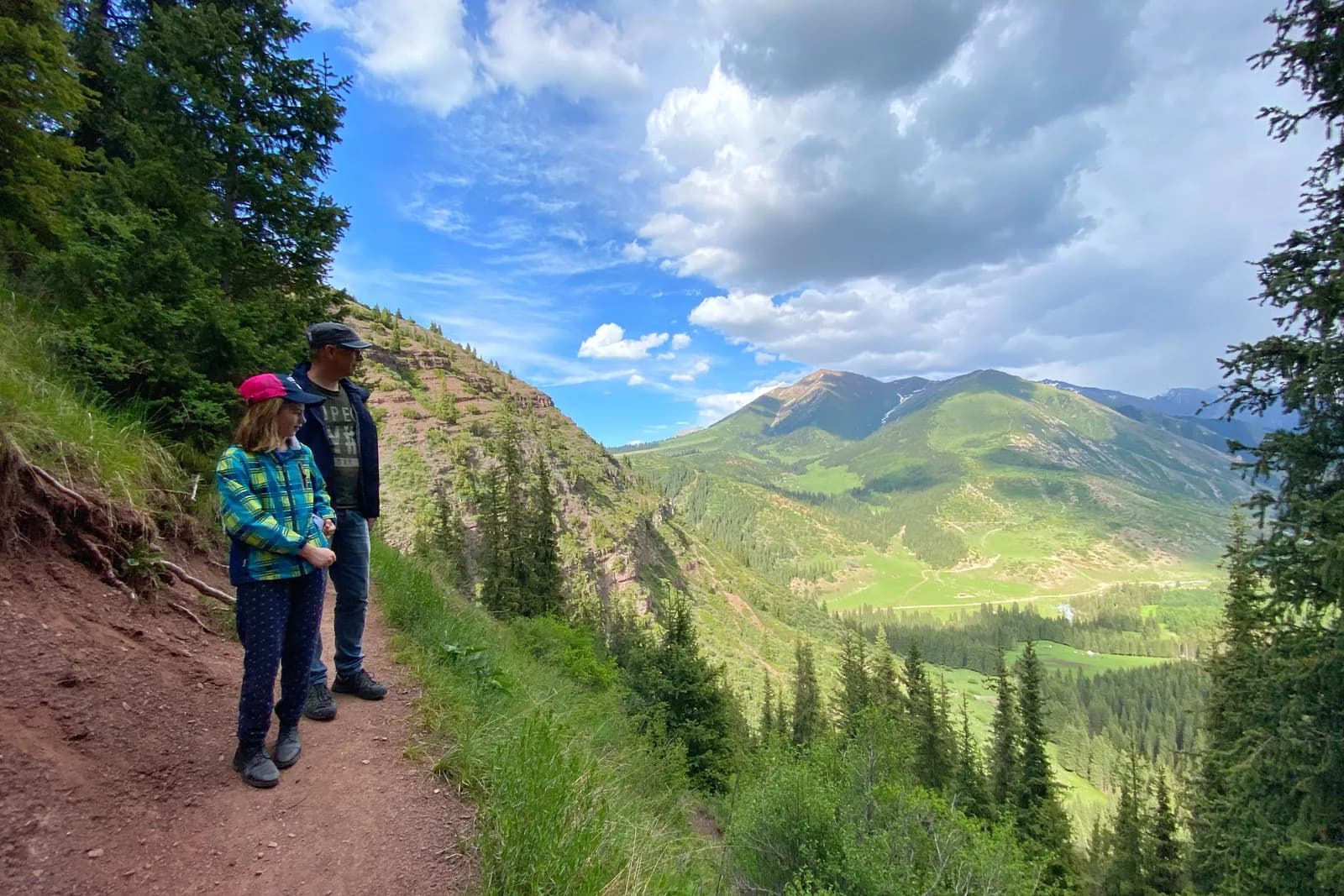
Kyrgyzstan's bestsellers
The experiences travelers book most, across the country
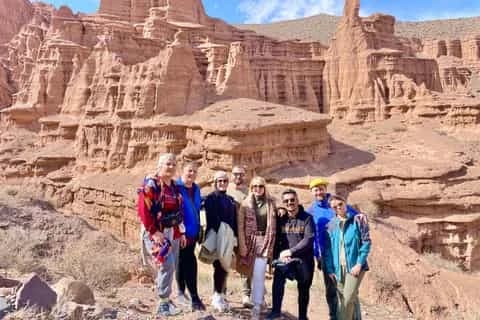
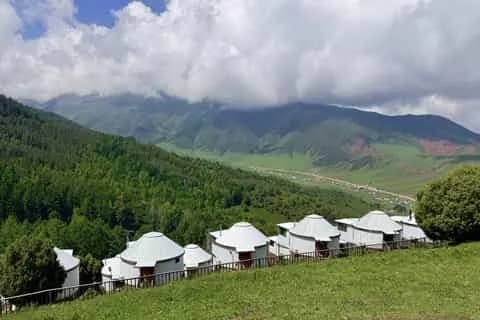
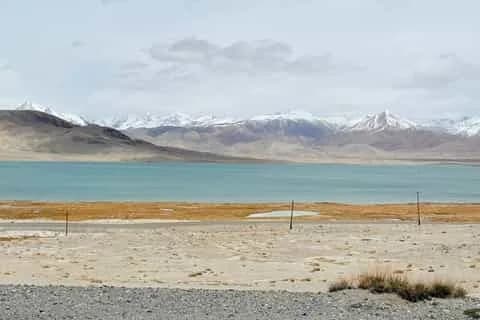
Keep reading
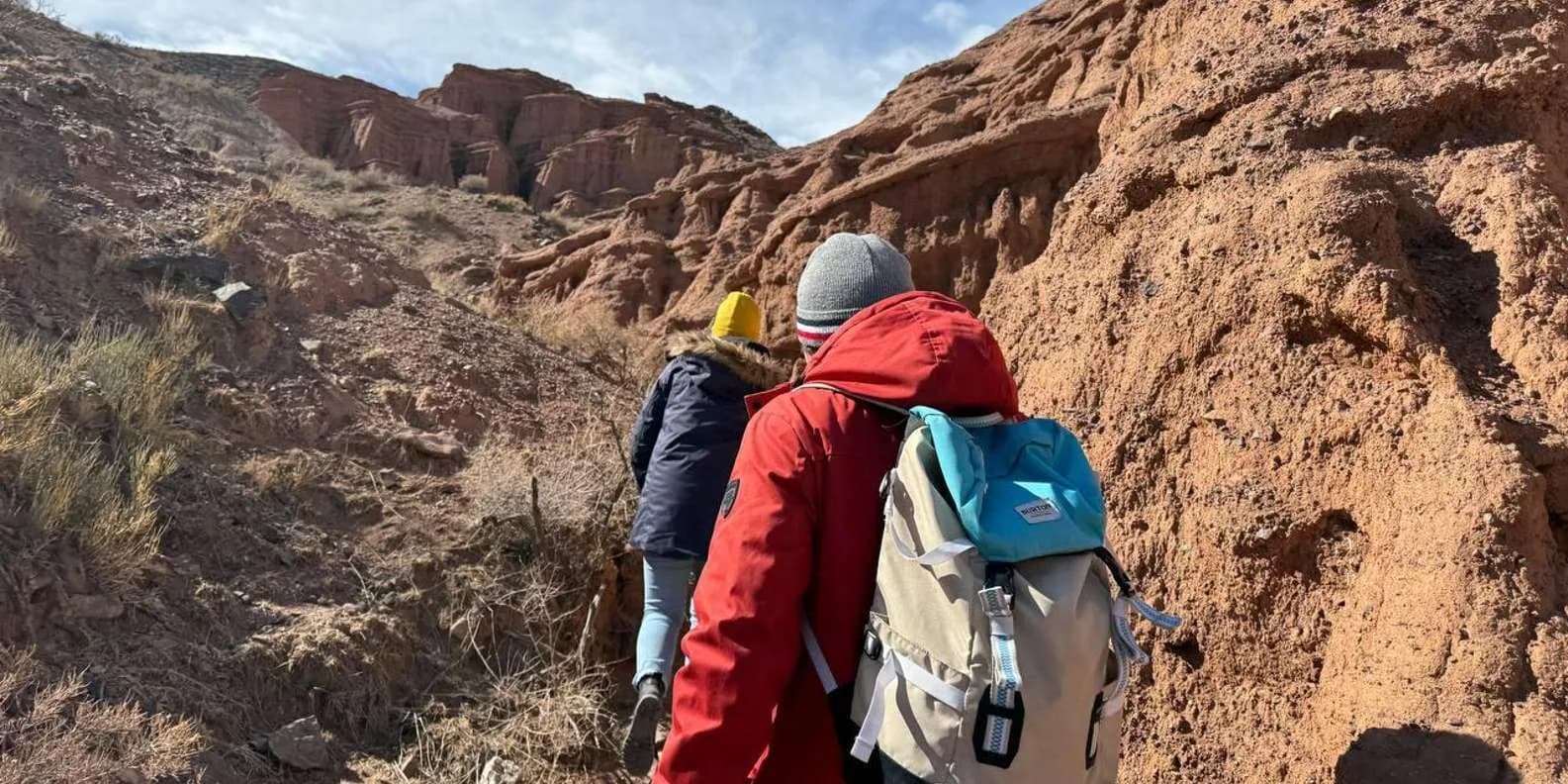
Issyk-Köl: North Shore vs South Shore
Which side of Lake Issyk-Köl to choose — the developed, beachy north shore around Cholpon-Ata, or the wild, scenic south with Skazka Canyon, Jeti-Ögüz and Barskoon.
By TiK Editors7 min read
Karakol Animal Market: Sunday Mal Bazaar Guide
Karakol's Sunday livestock market runs from dawn to about 10am on the town's northeast edge. What you'll see, how to get there and market etiquette.
By TiK Editors7 min read
Song-Köl vs Issyk-Köl: Which Lake to Visit?
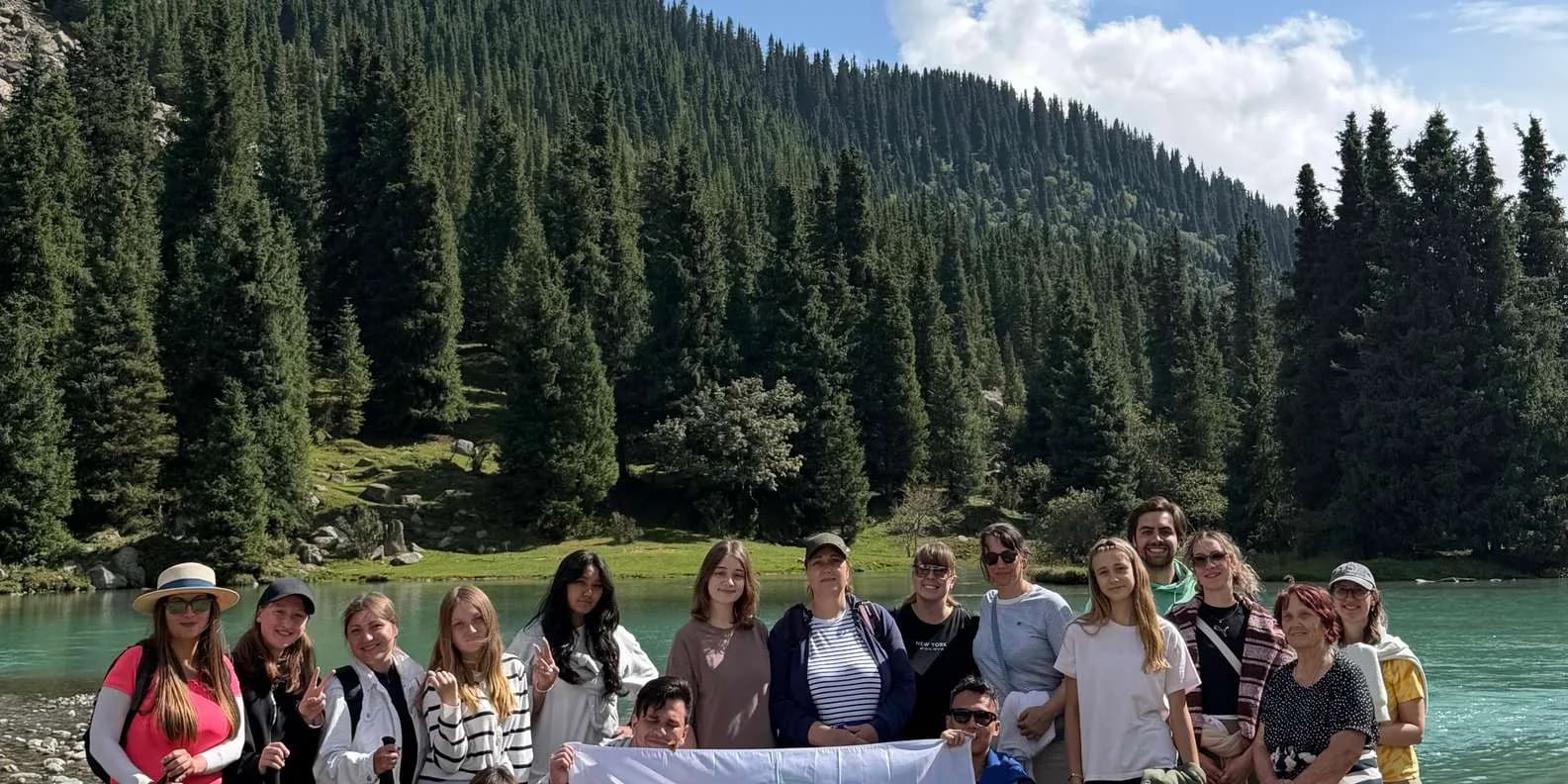
Song-Köl is a remote summer yurt lake at 3,016 m; Issyk-Köl a huge year-round resort lake. How they compare — and why you should do both.
By TiK Editors7 min read