 Image via GetYourGuide
Issyk-Köl: North Shore vs South Shore
Which side of Lake Issyk-Köl to choose — the developed, beachy north shore around Cholpon-Ata, or the wild, scenic south with Skazka Canyon, Jeti-Ögüz and Barskoon.
Book it on This is Kyrgyzstan
Issyk-Kul · Turn this guide into a trip
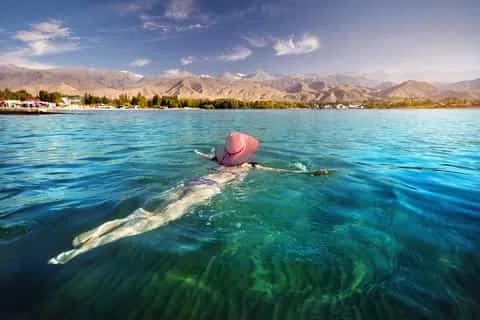
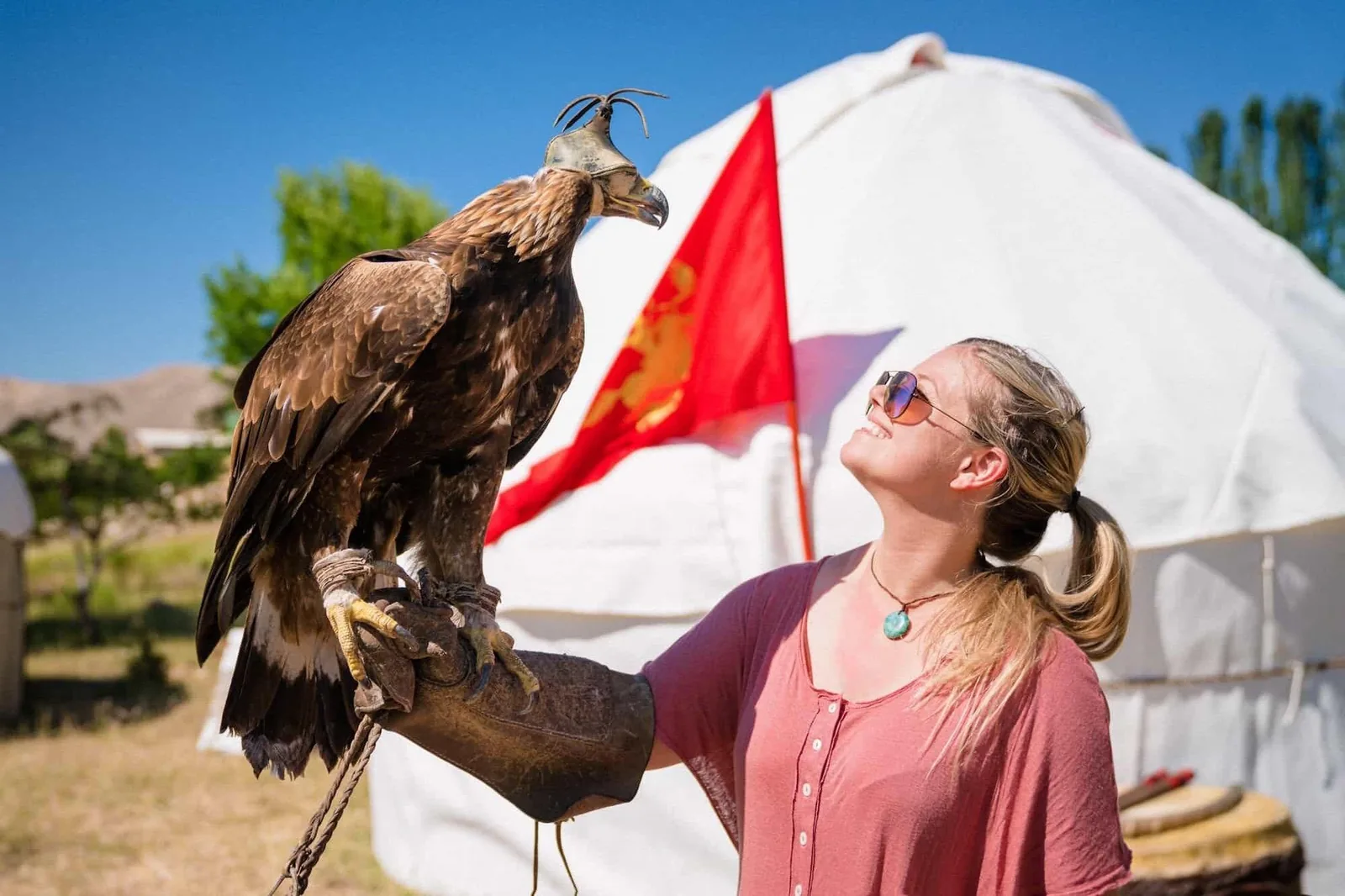
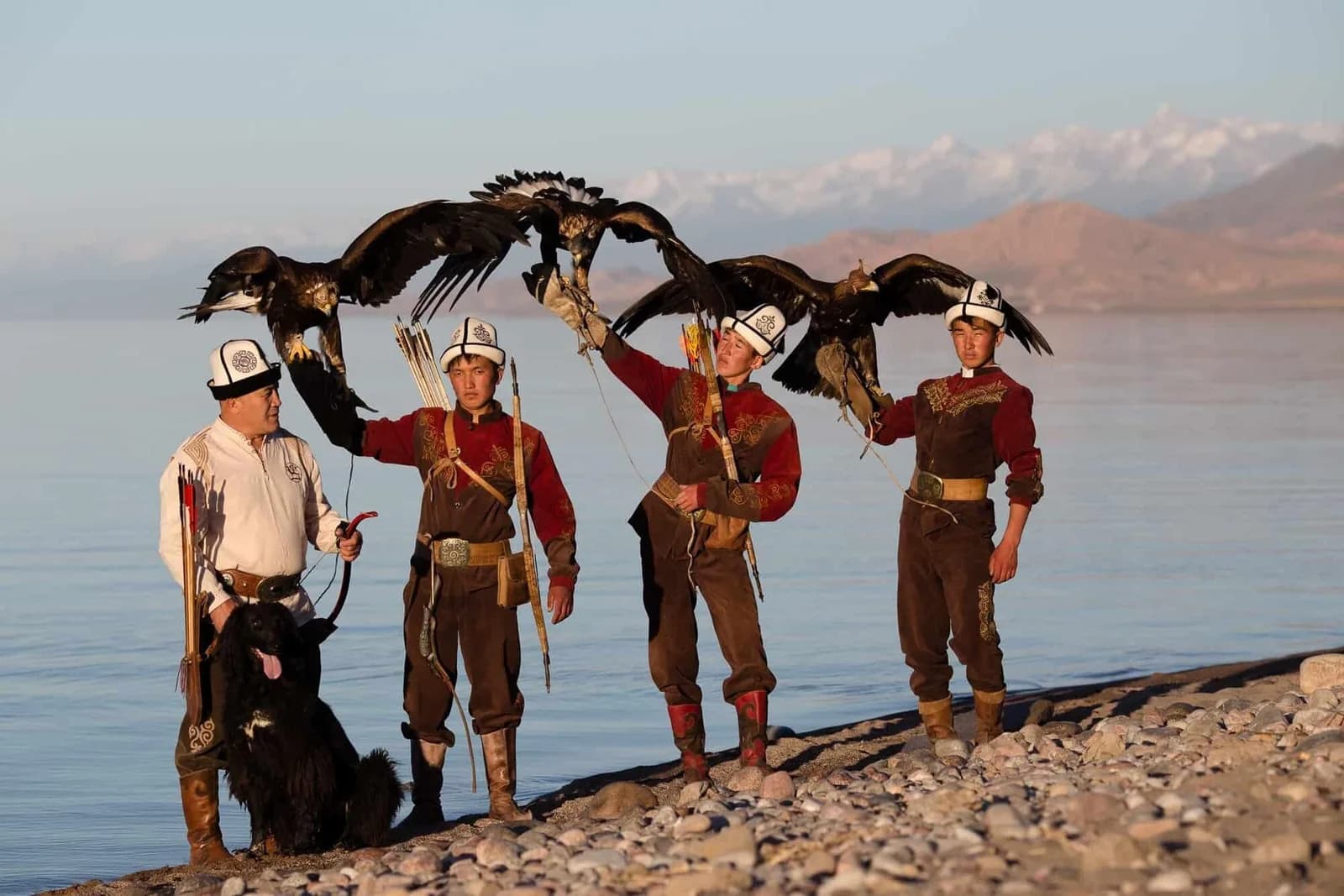
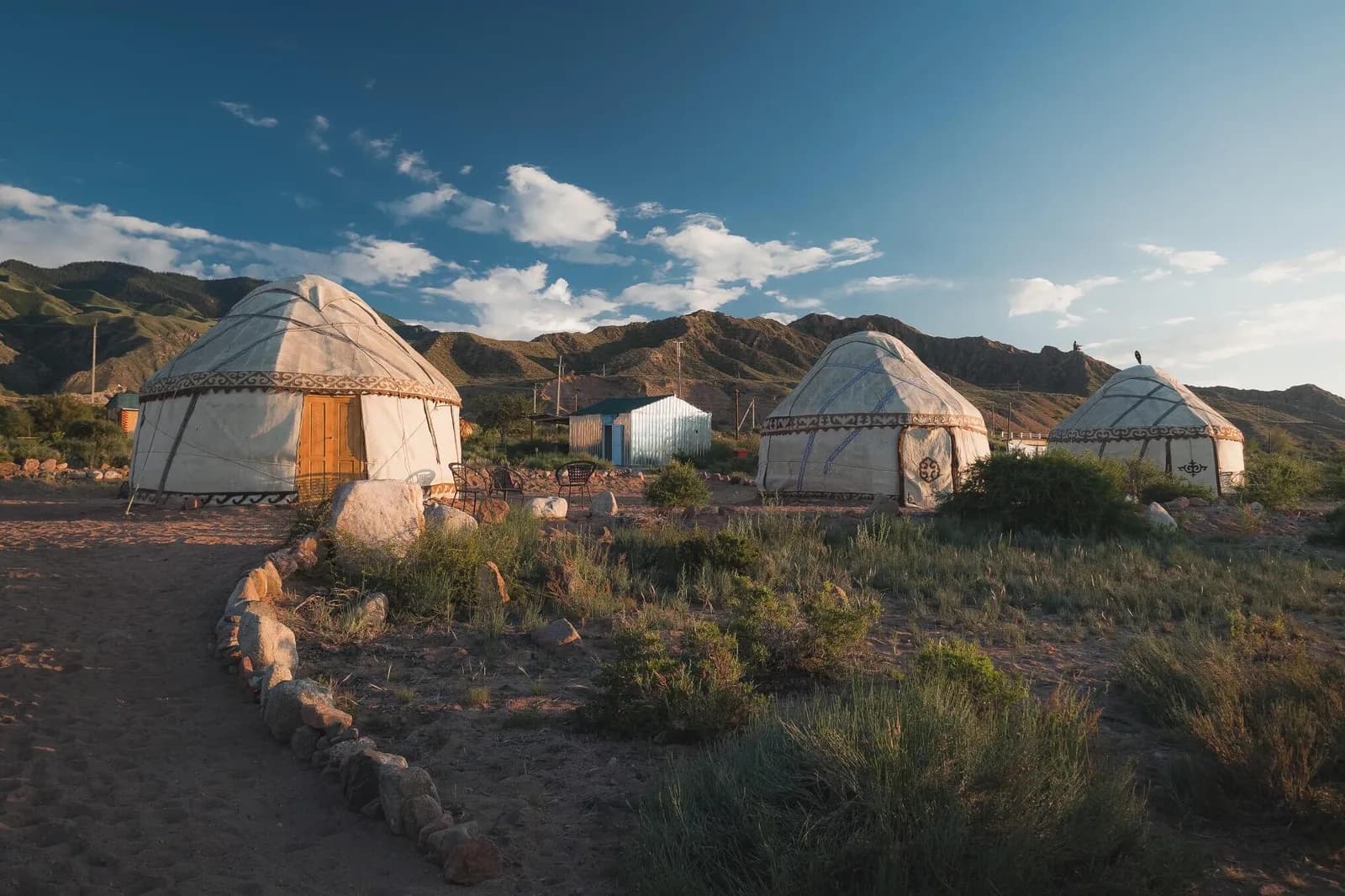
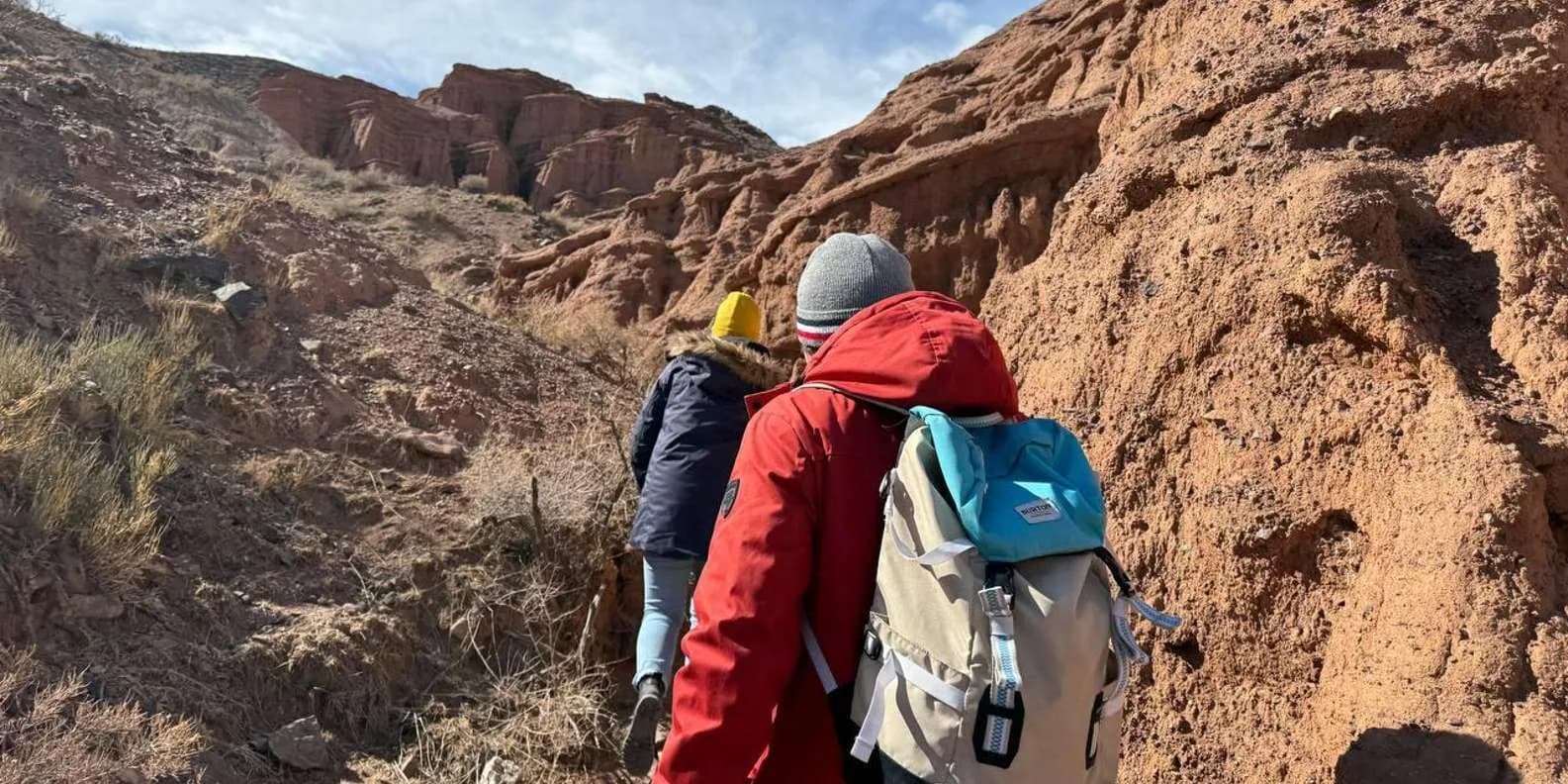
Lake Issyk-Köl has two very different coasts, and picking the wrong one for the trip you want is the classic Issyk-Köl mistake. The short answer: the north shore is developed, sandy and easy — resorts, beaches and buses, best if you want to swim and relax. The south shore is wild and scenic — canyons, gorges and red rock, fewer hotels, best if you came for landscape. If you have three days or more, you do not have to choose: loop the lake and take both.
Here is how the two sides compare, and how to build a trip around each.
North vs south at a glance
| North shore | South shore | |
|---|---|---|
| Vibe | resort strip, busy in summer | quiet, rural, wild |
| Beaches | many, sandy, developed | few, pebbly, undeveloped |
| Top sights | Cholpon-Ata, petroglyphs, Ruh Ordo | Skazka Canyon, Jeti-Ögüz, Barskoon |
| Getting around | frequent marshrutkas, easy | sparse transport, better with a car |
| Where to stay | hotels, sanatoria, guesthouses | guesthouses, yurt camps, homestays |
| Best for | swimming, families, nightlife | scenery, hiking, photography |
For the lake as a whole — how to get there, when to go and why the water is warm and slightly salty — start with the main Lake Issyk-Köl guide.
The north shore: beaches and resorts
The north shore is the developed side and has been since Soviet times, when it was the holiday coast for the whole region. Its capital is Cholpon-Ata, a low-key resort town that fills up in July and August and empties the rest of the year. This is where the sandy beaches, the water sports, the sanatoria and the summer nightlife are.
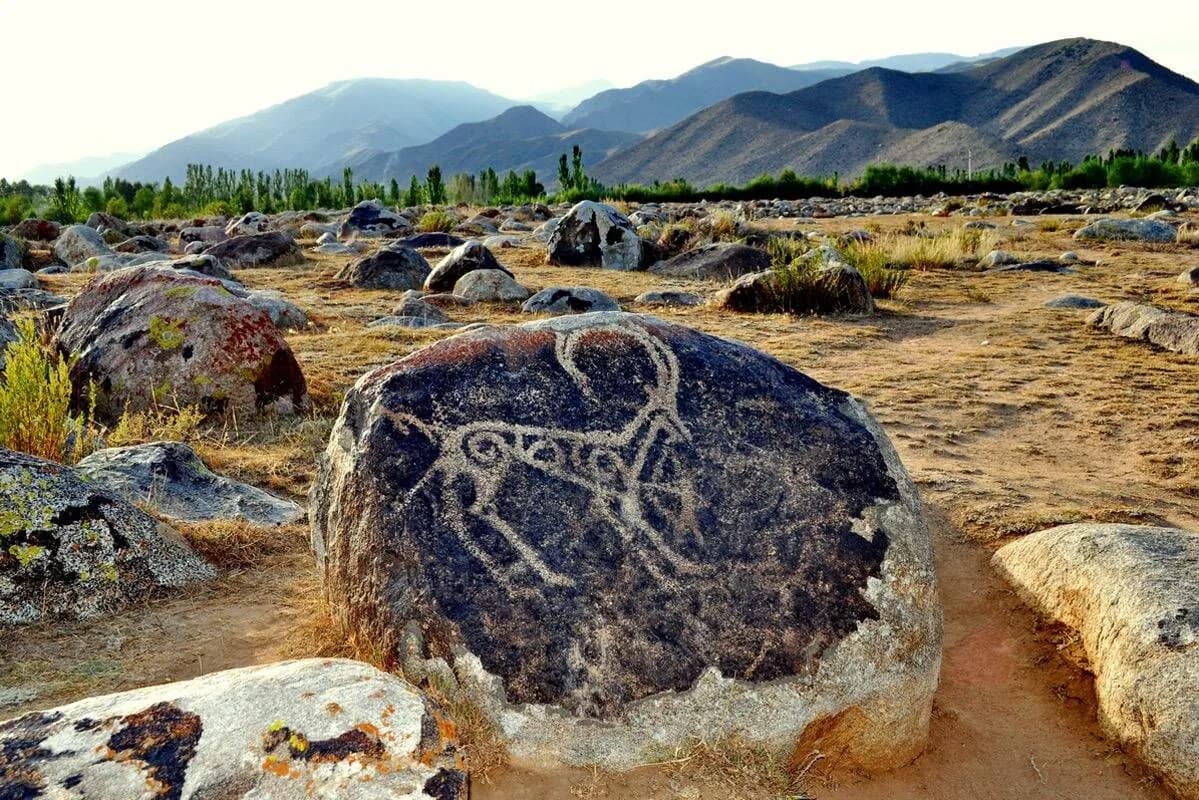
Beyond lying on the beach, the north's headline sight is the open-air field of Bronze-Age petroglyphs on the edge of Cholpon-Ata — hundreds of carvings scattered across a stony hillside with the mountains behind. Ruh Ordo, a lakeside cultural complex, and the town's small museums round out a day. Getting here is the easy part: frequent marshrutkas run along the north shore road from Bishkek and Balykchy, so you can do the north without a car.
The trade-off is that in peak summer the strip is busy and built-up, and out of season it can feel shuttered and bleak.
The south shore: canyons and gorges
The south shore is where the scenery lives. It is quieter, poorer and far less developed, and that is its charm. The road hugs the lake with the snow peaks of the Terskey Ala-Too rising straight off the water, and the detours inland are the reason to come:
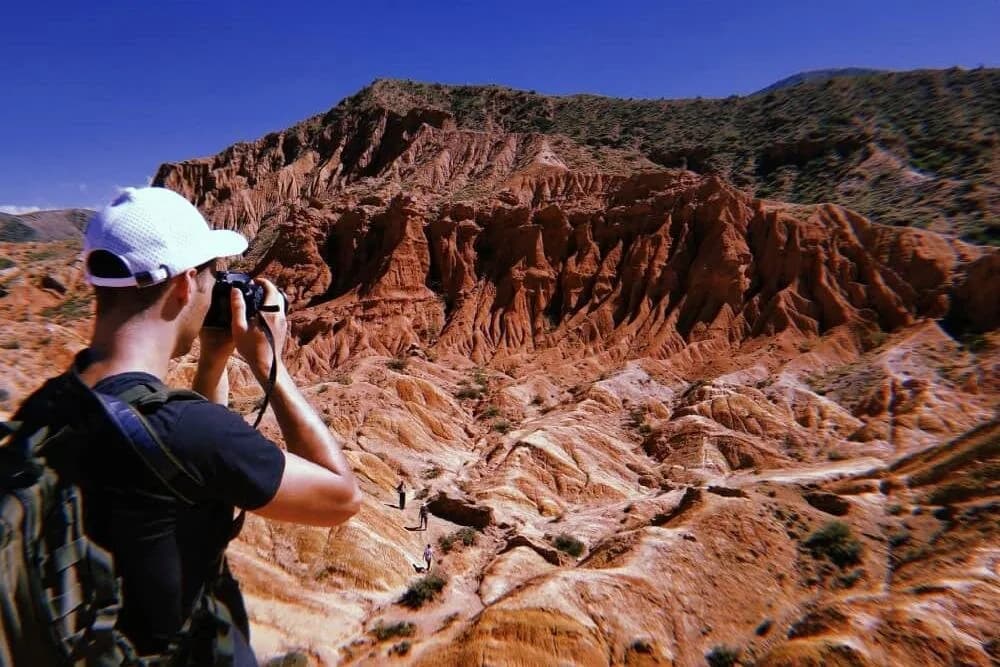
- Skazka (Fairytale) Canyon — eroded red and ochre rock formations a short walk off the lakeshore road, best in late afternoon light.
- Jeti-Ögüz — the "Seven Bulls" red sandstone cliffs and the Broken Heart rock, in a valley of the same name.
- Barskoon — a dramatic gorge of waterfalls with a Yuri Gagarin connection, climbing towards high pastures.
Beaches exist on the south too, but they are pebbly, wild and undeveloped — you swim off an empty shore rather than a resort strip. The catch is transport: marshrutkas are sparse and slow on the south side, so the south rewards having your own car, a driver, or a tour.
Getting around the lake
The lake is big — the shore road loops roughly 400 km all the way round — and the two shores are linked at the ends by Balykchy in the west and Karakol in the east. Karakol, at the lake's eastern tip, is the natural base for the south shore and the springboard for the mountains behind it. Public transport is frequent and cheap on the north, thin on the south; if you want to see the south's canyons and gorges properly, arrange a car or a driver for a day or two out of Karakol.
Distances add up more than the map suggests, because the good stops are strung out and the south-shore detours run inland off the lake road. Balykchy to Cholpon-Ata is a straightforward hour or so; Cholpon-Ata round to Karakol is a half-day with stops; and the south shore back to Balykchy is another half-day if you are dipping into Skazka, Jeti-Ögüz and Barskoon on the way. Do not try to ring the whole lake in a single day — you will spend it in the car and see the sights through the window.
Where to stay on each shore
The two shores offer different kinds of bed. On the north, Cholpon-Ata and the villages around it have the full range — Soviet-era sanatoria, modern resort hotels, and family guesthouses — and in peak summer it pays to book ahead. On the south, accommodation is simpler and more scattered: guesthouses and homestays in villages like Tamga, Bokonbayevo and Kaji-Say, plus yurt camps set up for the summer near the shore. Karakol at the eastern end has by far the widest choice of hotels, hostels and guesthouses, which is another reason to use it as your lake base if you are focused on the south and the mountains.
The best answer: do a loop
With three days or more, the smart move is to circle the lake rather than pick a side. A common clockwise loop runs Bishkek → north shore (Cholpon-Ata, petroglyphs, a swim) → Karakol at the eastern end → back along the south shore (Jeti-Ögüz, Barskoon, Skazka) → Bishkek. That gives you a beach day on the north and the scenery on the south in one trip, and Karakol in the middle as a base for day trips and treks into the mountains.
When each shore is at its best
The two coasts also peak at different times. The north shore is a summer creature: it lives for July and August, when the water is warm enough to swim, the beach clubs open and Cholpon-Ata buzzes — and it goes quiet and half-shuttered the rest of the year. The south shore is far less seasonal. Its draws are canyons, gorges and red rock rather than sunbathing, so late spring and early autumn are arguably better there — the light is kinder for photography at Skazka and Jeti-Ögüz, the walking is more comfortable, and you dodge the peak-season crowds entirely. If you are travelling in June or September, lean south; if you are here in the height of summer specifically to swim, the north is where the beach life actually happens. Whenever you come, mornings tend to be calmer on the water and afternoons windier, which is worth knowing if a lake swim is the point of your day.
Which should you choose?
If you have only a day or two and you want to swim, relax or bring young children, go north — Cholpon-Ata is easy to reach and set up for it. If you came for landscapes, hiking and photography and do not mind sorting transport, go south. And if you have the time, do both: the north for the water, the south for the wonder. Plan the wider trip from our Issyk-Köl destination page.
Chat with a real person — free
Seif and the team reply on WhatsApp 24/7 — trip questions, custom plans and booking help.
Ask Seif on WhatsAppCommon questions
Is the north or south shore of Issyk-Köl better?
It depends on what you want. The north shore around Cholpon-Ata is developed, sandy and easy to reach, best for swimming, families and a relaxed beach break. The south shore is wild and scenic, with Skazka Canyon, Jeti-Ögüz and Barskoon gorge, best for landscape and hiking. With three days or more, loop the lake and see both rather than choosing.
Which side of Issyk-Köl has the best beaches?
The north shore. Cholpon-Ata and the north coast have the sandy, developed beaches with resorts, water sports and facilities, and they get busy in July and August. The south shore has beaches too, but they are pebbly, wild and undeveloped — lovely for a quiet swim off an empty shore, but not set up with sunloungers and cafés.
How do you get around Lake Issyk-Köl?
The shore road loops roughly 400 km around the lake, linked at the ends by Balykchy in the west and Karakol in the east. Marshrutkas run frequently along the north shore, so you can do the north without a car. The south shore has sparse, slow transport, so a car, a driver or a tour is much better for reaching its canyons and gorges.
What is there to do on the south shore of Issyk-Köl?
The south shore is about scenery. The highlights are Skazka (Fairytale) Canyon's eroded red rock, the Jeti-Ögüz "Seven Bulls" cliffs and Broken Heart rock, and the Barskoon waterfalls and gorge. The road itself is spectacular, running below the snow peaks of the Terskey Ala-Too, and Karakol at the eastern end is the base for mountain treks.
What is there to do on the north shore of Issyk-Köl?
The north shore is the resort side. Cholpon-Ata has the sandy beaches, water sports and summer nightlife, plus the open-air field of Bronze-Age petroglyphs on the town's edge, the Ruh Ordo cultural complex and small museums. It is the easy side to reach from Bishkek and the place to come for a straightforward beach break.
Where should I base myself at Issyk-Köl?
For the north shore and a beach trip, base in Cholpon-Ata. For the south shore, its canyons and mountain treks, base in Karakol at the lake's eastern tip — it has the most accommodation and is the springboard for day trips to Jeti-Ögüz, Barskoon and the ranges behind. If you are looping the lake, use both in turn.
Can you drive around the whole of Issyk-Köl?
Yes. A paved road loops the entire lake, roughly 400 km, and driving the full circuit is a popular two-to-three-day trip. The clockwise loop from Bishkek takes in the north shore, Karakol at the east, then the scenic south shore on the way back. Having your own car or a driver makes the south shore, where public transport is thin, far easier.
When is the best time to visit Issyk-Köl?
July and August are the swimming months, when the water is warmest and the north-shore resorts are in full swing — but that is also when Cholpon-Ata is busiest. Late spring and early autumn are quieter and good for the south shore's canyons and gorges, with pleasant walking weather. Winter is cold and most of the north-shore resort life shuts down.
How many days do you need for Lake Issyk-Köl?
A day or two is enough for a single shore — a beach break on the north or a canyon-focused visit on the south. To do the lake justice and see both sides, allow three to four days for a full loop, which lets you fit in a north-shore swim, the south's scenery, and Karakol as a mountain base in between.
Book it on This is Kyrgyzstan
Turn this guide into a trip
Kyrgyzstan's bestsellers
The experiences travelers book most, across the country
Keep reading
Karakol Animal Market: Sunday Mal Bazaar Guide
Karakol's Sunday livestock market runs from dawn to about 10am on the town's northeast edge. What you'll see, how to get there and market etiquette.
By TiK Editors7 min read
Song-Köl vs Issyk-Köl: Which Lake to Visit?
Song-Köl is a remote summer yurt lake at 3,016 m; Issyk-Köl a huge year-round resort lake. How they compare — and why you should do both.
By TiK Editors7 min read
Cholpon-Ata Petroglyphs: A Visitor's Guide (2026)
A 42-hectare field of carved glacial boulders above Lake Issyk-Köl, with around 2,000 Bronze Age and Saka-Scythian rock carvings. What to see, fees and timing.
By TiK Editors8 min read