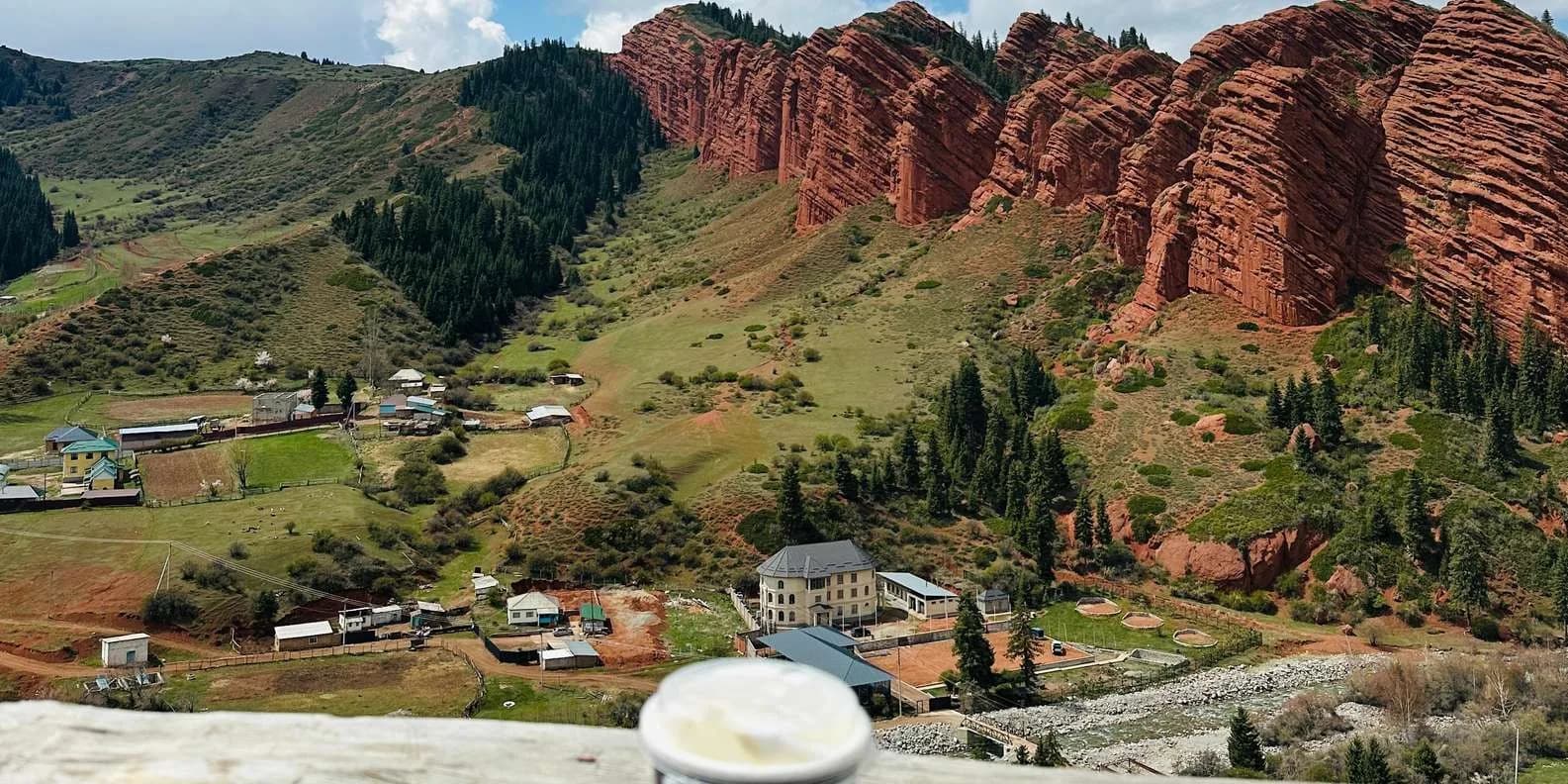
 Image via GetYourGuide
Barskoon Waterfalls & Gorge: A Visitor Guide
How to visit the Barskoon waterfalls and gorge on Issyk-Köl's south shore: getting there, the falls, the Gagarin monument, season and a south-shore day plan.
Book it on This is Kyrgyzstan
Issyk-Kul · Turn this guide into a trip
The Barskoon waterfalls are a cluster of cascades tucked up a steep gorge on the south shore of Issyk-Köl (Issyk-Kul), roughly 90 km and about 1.5 hours by road west of Karakol, in the Jeti-Ögüz district. You reach them from Barskoon village on the lake and drive south into the gorge, where the falls sit among spruce and red rock. It works as an easy half-day from a south-shore base like Tamga, or a full-day trip if you are staying in Karakol. Two things pull people up here: several named waterfalls, and a genuine slice of Soviet space history — Yuri Gagarin holidayed in this valley, and a monument to him still stands on the road above.
At a glance
| Location | Barskoon gorge, south shore of Issyk-Köl, Jeti-Ögüz district |
| Access | Own car, taxi or tour; south-shore marshrutka reaches Barskoon village, then no transport up the gorge |
| Best season | June to mid-September (fed by snowmelt, May–September); late August for autumn colour |
| Time needed | Half a day from a south-shore base; a full day from Karakol |
| Cost | No reliable fixed entry fee; your real cost is transport — confirm on the day |
Where Barskoon is and how to get there
Barskoon village sits on the paved south-shore road, west of Jeti-Ögüz and about 25–30 km east of Bokonbaevo. The waterfalls are not at the village; they are up the gorge that opens behind it, so you turn off the lake road and climb south into the mountains of the Terskey Ala-Too. From Karakol the whole run is around 90 km and takes about an hour and a half, since the south-shore road is slower and patchier than the north.
Getting to Barskoon village by public transport is easy enough — south-shore marshrutkas from Balykchy, Bokonbaevo or Karakol pass through — but there is no bus up the gorge itself. From the village to the falls you need your own wheels, a taxi, or a lift. Most travellers arrive with a car and driver, either as part of a lake loop or on a hired day trip. A private half-day taxi is worth negotiating: agree the fare, the route and the waiting time before you set off, and expect to pay somewhere in the low thousands of som (roughly $30–60) rather than a fixed posted price. Barskoon is also a known spot to arrange a horse ride, so a local guesthouse can often sort transport and a horse in one go.
Coming straight from Bishkek makes little sense as a day trip — it is a long way round the lake. Barskoon earns its place as a stop on a south-shore drive, not a standalone outing. For the wider picture of getting around the lake, see our Lake Issyk-Köl guide.
The waterfalls, one by one
The gorge holds several cascades strung along the river as it drops toward the lake, each with its own local name. The signature fall is usually called the Tears of the Snow Leopard — a clean vertical drop that reads as a single ribbon from the viewpoint, with a longer broken run of water stepping down the rock above and below it. Reported heights vary a good deal between sources, so treat any single figure with caution and judge it with your own eyes on the day; snowmelt volume changes how impressive it looks far more than the raw number does.
Other named falls include the White Beard (Ak-Sakal), broader and more diffuse, a narrow high spout sometimes called Splashes of Champagne, and the harder-to-reach Bowl of Manas further up. You will not see all of them in a quick stop. The lower, roadside falls are the easy wins; the ones higher in the gorge mean more walking, or more driving up a rougher track, and are best with a driver who knows the road.
A few honest expectations. This is a green mountain gorge with water, not a Niagara — the appeal is the setting, the spruce forest and the sound of the river, as much as any one drop. Paths are informal and can be slippery on the spray-wet rock, so wear proper shoes.
The Gagarin connection, honestly
Barskoon's unusual claim to fame is the first man in space. Yuri Gagarin came to this valley to rest at a nearby sanatorium — not straight after his 1961 flight, as a lot of travel copy implies, but in the spring and summer of 1965, several years later. Much repeated online, the "straight after the flight" version is simply wrong; write 1965 in your own notes.
Two monuments mark the link. There is a red granite stele near the road junction, and a full-figure bust of Gagarin raised on a tall concrete pillar along the access road up the gorge. They are modest, Soviet in style, and easy to miss if you are only chasing the water, but they are the reason the whole gorge carries a cosmonaut theme and why guides make so much of the space story. Stop for a photo; it is a genuinely odd and memorable pairing — an alpine waterfall and a Soviet space hero in the same afternoon.
Up the gorge: the Kumtor road, and how far to go
The road that climbs Barskoon gorge was not built for tourists. It is the service route to the Kumtor gold mine, high in the mountains behind the lake, and it keeps climbing past the falls toward the Arabel pass (around 3,600 m) and the broad Arabel plateau above it (roughly 3,800–4,000 m). That has two consequences. First, expect mine traffic — heavy trucks use this road, so drive defensibly and give them room. Second, the surface deteriorates: above the waterfalls it becomes 4x4-only territory, and this is not a drive to attempt in a low saloon or without a driver who knows it.
A word on access, kept honest. The waterfalls themselves are freely reached and need no permit. But this is an active industrial road into high, sensitive country, and the further you go toward the mine, the plateau and the border-zone passes beyond, the more that changes — some high areas near the frontier require permits, and mine security controls the top of the road. For most visitors the answer is simple: enjoy the falls and the lower gorge, and leave the high plateau to organised 4x4 trips that already have the access sorted. Do not talk your way past a barrier.
Best time to visit
Come between June and mid-September. The falls are fed by snowmelt, so they run fullest from roughly May into summer; by late August the water is lower but the gorge picks up autumn colour, which many people rate as the prettiest window. Outside that season the higher road can be snowbound and the south shore goes quiet. This tracks the wider Issyk-Köl north vs south shore pattern, where the south is the wild, seasonal side of the lake with far fewer facilities than the resort north.
Whatever the month, the sun at 1,600 m and up is fierce and the weather turns fast in a mountain gorge. Bring a layer and something waterproof even on a bright morning.
Making a south-shore day of it
Barskoon is best strung together with the other south-shore sights rather than visited alone. A natural loop pairs it with Skazka (Fairytale) Canyon, the eroded red-sandstone gorge west toward Tosor and Kaji-Say, where entry is a token 50 som and a visit takes an hour or two — see the Skazka Canyon guide. Heading the other way toward Karakol you can fold in Jeti-Ögüz, the Seven Bulls cliffs and Broken Heart rock, covered in the Jeti-Ögüz guide.
A sensible full day from Karakol: Jeti-Ögüz in the morning, Barskoon and its falls around the middle of the day, and Skazka on the way back if the light holds. If you are based on the south shore at Tamga, you can do Barskoon in a relaxed half-day and keep the rest for the beach or a canyon. For where Barskoon fits among the country's other cascades, see our roundup of waterfalls in Kyrgyzstan.
Planning a south-shore drive around all of this? Start with the Issyk-Köl destination hub to line up bases, tours and transport.
FAQ
Chat with a real person — free
Seif and the team reply on WhatsApp 24/7 — trip questions, custom plans and booking help.
Ask Seif on WhatsAppCommon questions
Where are the Barskoon waterfalls?
The Barskoon waterfalls sit up the Barskoon gorge on the south shore of Issyk-Köl, in the Jeti-Ögüz district. The gorge opens behind Barskoon village, which lies on the paved south-shore road roughly 90 km — about 1.5 hours by car — west of Karakol and around 25–30 km east of Bokonbaevo. The falls are up the valley, not at the village itself, so you drive south off the lake road into the mountains.
How do you get to Barskoon gorge without your own car?
South-shore marshrutkas from Karakol, Bokonbaevo or Balykchy pass through Barskoon village, but no public transport runs up the gorge to the falls. From the village you need a taxi, a lift, or your own vehicle for the climb. Most visitors come with a car and driver, either on a lake-loop tour or a hired day trip; a local guesthouse can usually arrange transport and a horse.
What is the Gagarin connection to Barskoon?
Yuri Gagarin, the first person in space, rested at a sanatorium near Barskoon in the spring and summer of 1965 — several years after his 1961 flight, not immediately after it, despite what much travel writing claims. Two monuments mark the visit: a red granite stele near the road junction and a full-figure bust of Gagarin on a tall concrete pillar along the gorge road. The space theme runs through the whole valley.
How tall are the Barskoon waterfalls?
Reported heights vary widely between sources, so it is best not to fix on one figure. The signature fall, often called the Tears of the Snow Leopard, is a clean vertical drop with a longer stepped run of water above and below. In practice the snowmelt volume, which changes through the season, affects how impressive the falls look far more than the exact metre count does.
When is the best time to visit the Barskoon waterfalls?
Aim for June to mid-September. The falls are fed by snowmelt, so they run fullest from around May into summer, then drop off; by late August the water is lower but the gorge takes on autumn colour that many people prefer. Outside that window the higher road can be snowbound and the south shore falls quiet, so the shoulder months and winter are much less rewarding.
Can you drive up the gorge past the waterfalls?
The road up Barskoon gorge is the service route to the Kumtor gold mine and keeps climbing toward the Arabel pass and plateau above 3,600 m. Expect heavy mine traffic. Above the waterfalls the surface becomes 4x4-only, and the higher country near the mine and the border zone has access controls and permit requirements. Most visitors stop at the falls and leave the high plateau to organised 4x4 trips.
Do you need a permit or ticket for the Barskoon waterfalls?
The waterfalls themselves are freely reached and there is no reliable published entrance fee, so budget small change for any local charge and confirm on the day. Your real cost is transport up the gorge. Permits only become relevant much higher up, toward the mine road, the Arabel plateau and the border-zone passes beyond — areas most visitors do not attempt independently.
What can you combine with Barskoon on a south-shore day?
Barskoon pairs well with the other south-shore sights. West toward Tosor lies Skazka (Fairytale) Canyon, a red-sandstone gorge with a token 50 som entry. East toward Karakol are the Jeti-Ögüz cliffs. A good full day from Karakol runs Jeti-Ögüz in the morning, Barskoon at midday and Skazka on the way back, light permitting. From a Tamga base you can do Barskoon in a half-day.
Is Barskoon worth visiting?
Yes, if you set your expectations right. This is a green mountain gorge with cascades, spruce forest and a river, plus the curiosity of the Gagarin monuments — not a single thundering waterfall. It shines as part of a south-shore drive rather than a standalone trip. If you only have time for one dramatic south-shore stop, Skazka Canyon or Jeti-Ögüz may impress more, but Barskoon adds forest, water and the space-history hook.
Book it on This is Kyrgyzstan
Turn this guide into a trip
Kyrgyzstan's bestsellers
The experiences travelers book most, across the country
Keep reading
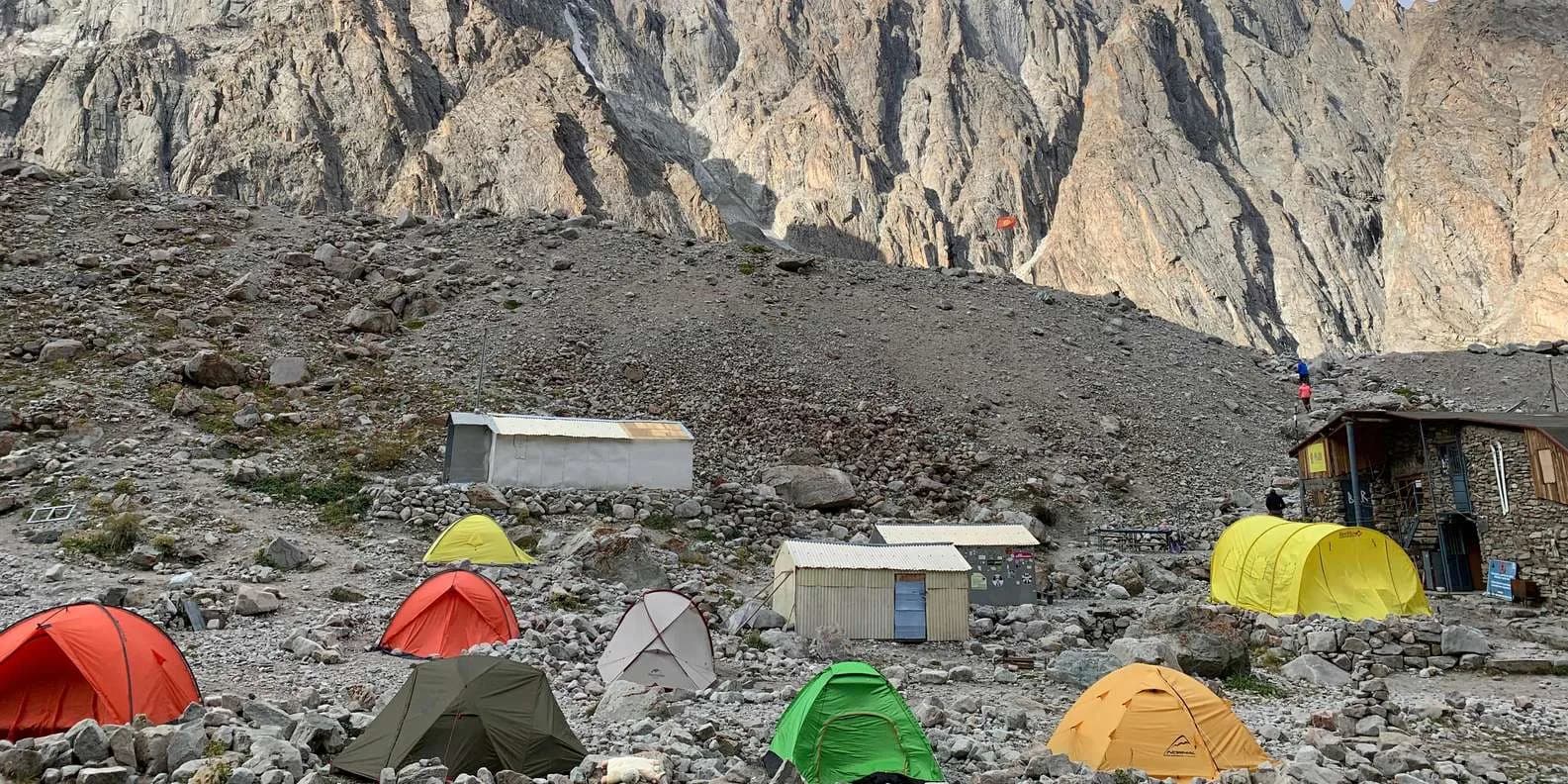
Uchitel Peak: Your First 4,000m Climb (2026)
Pik Uchitel (~4,400-4,600 m) in Ala-Archa is the classic first summit for fit hikers new to mountaineering: route, gear, season and acclimatisation.
By TiK Editors8 min read
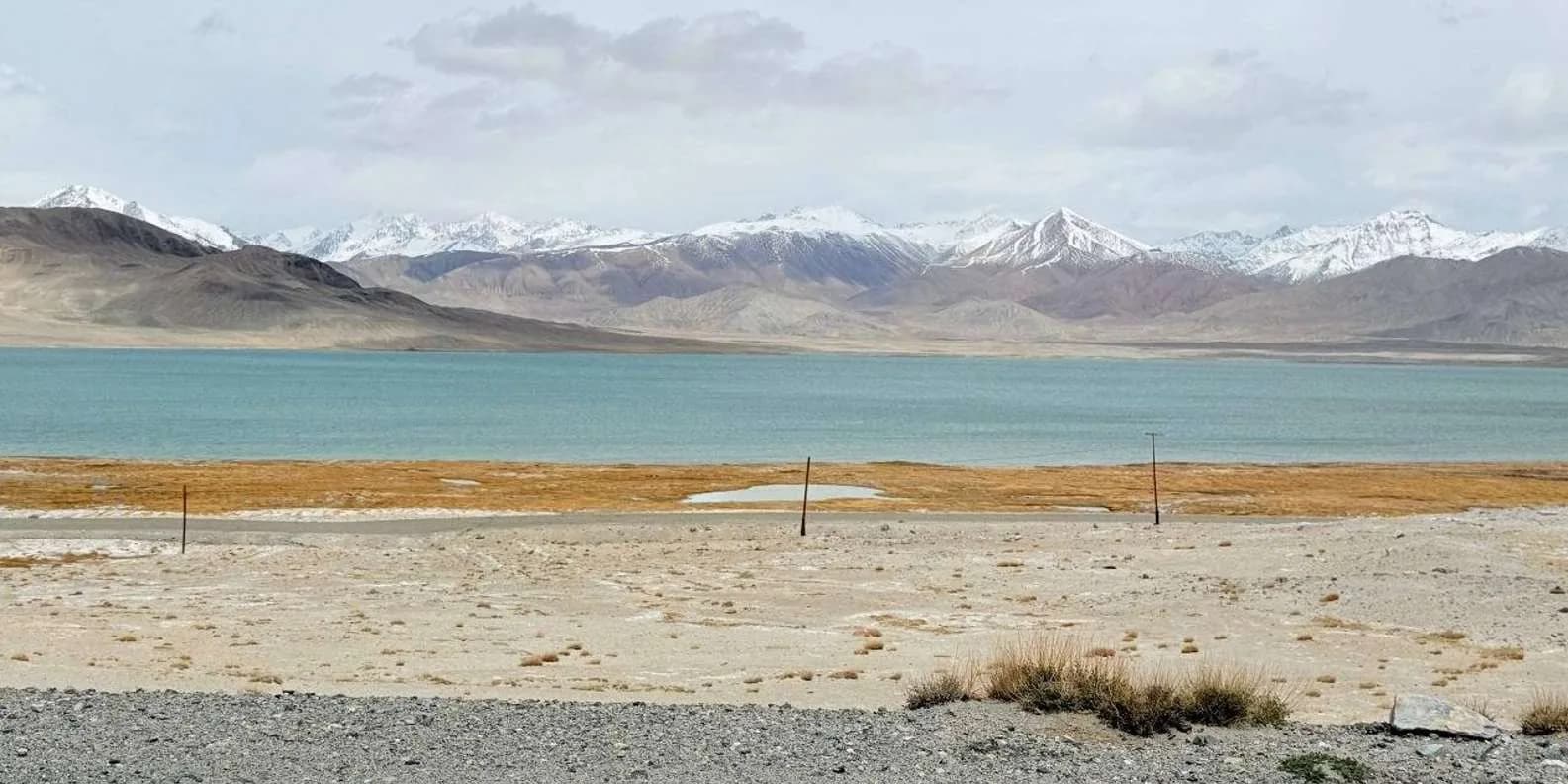
Tian Shan Traverse: Bikepacking Kyrgyzstan
The Tian Shan Traverse is a self-supported, mostly off-road bikepacking route of about 1,000 km across the high Kyrgyz mountains. Here's how to plan it.
By TiK Editors9 min read
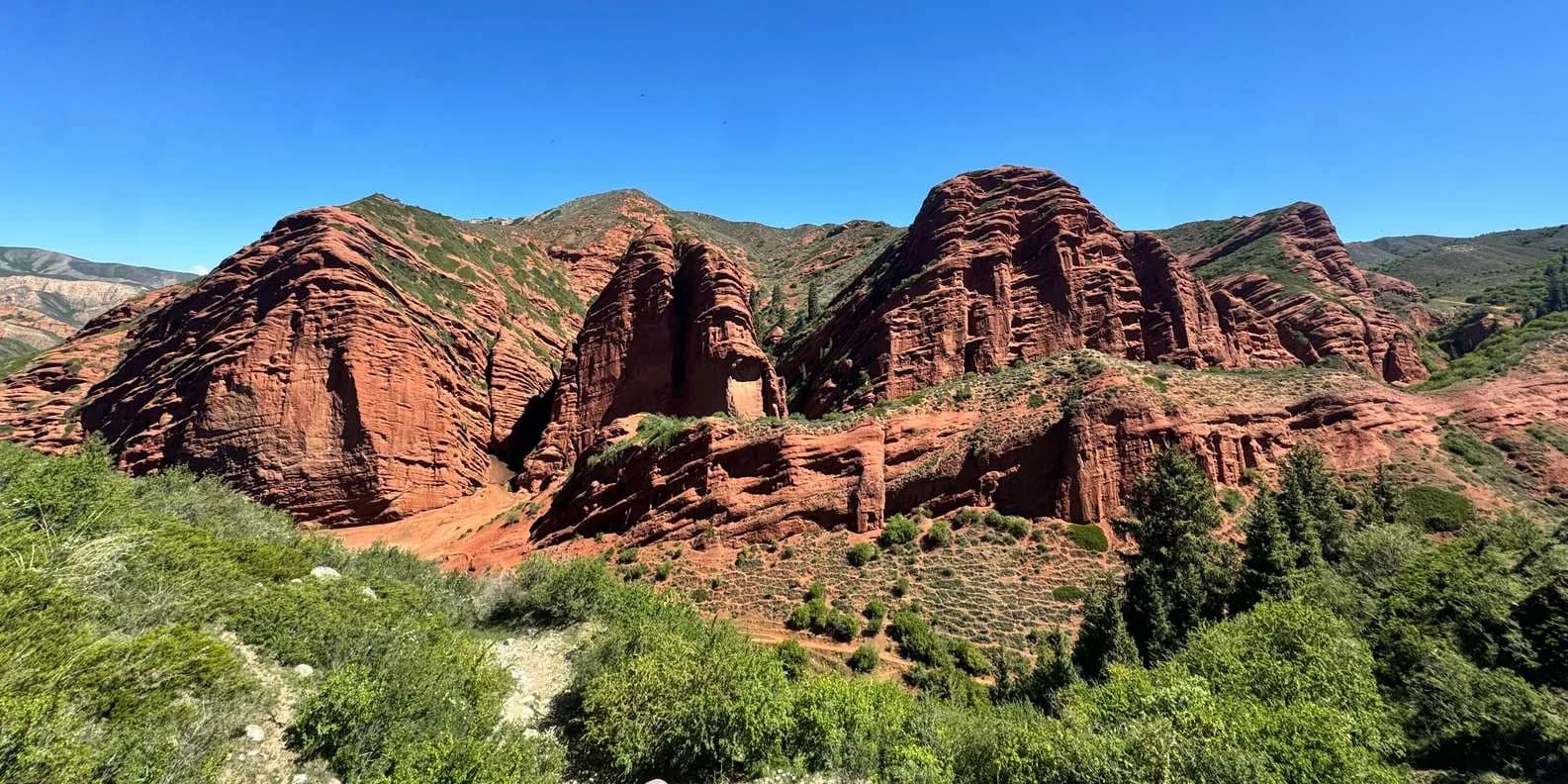
Boz-Uchuk Lakes Trek from Jyrgalan (2026)
A moderate 2–3 day trek to a string of alpine lakes above Jyrgalan — quieter than Karakol's classics, with community yurts, horses and clear DMO rates.
By TiK Editors8 min read