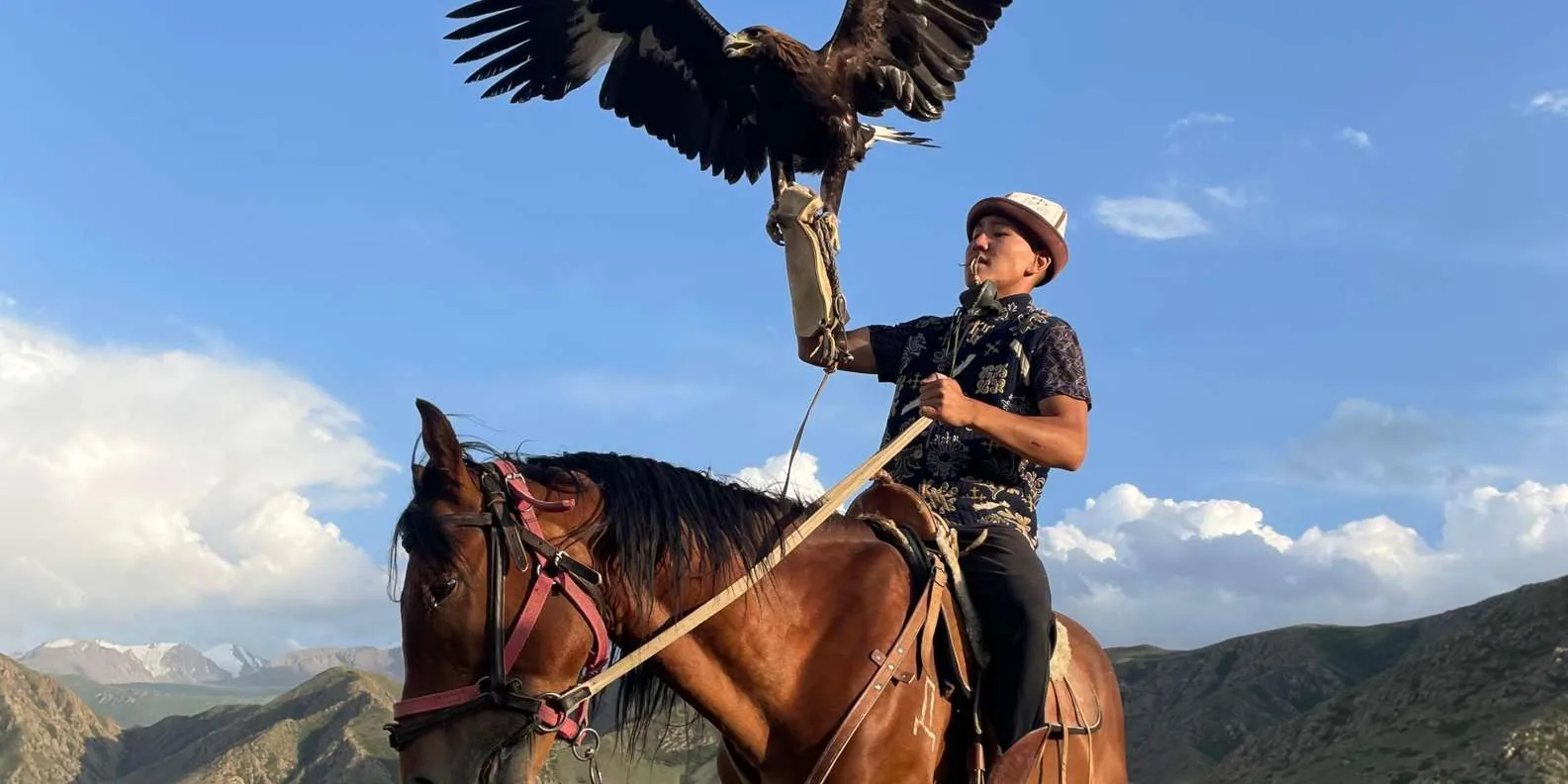
 Image via GetYourGuide
The Best Waterfalls in Kyrgyzstan
Kyrgyzstan's best waterfalls, from the Barskoon cascades on Issyk-Köl to Arslanbob's 80-metre falls: where each one is, how hard it is, and when to go.
Book it on This is Kyrgyzstan
Turn this guide into a trip
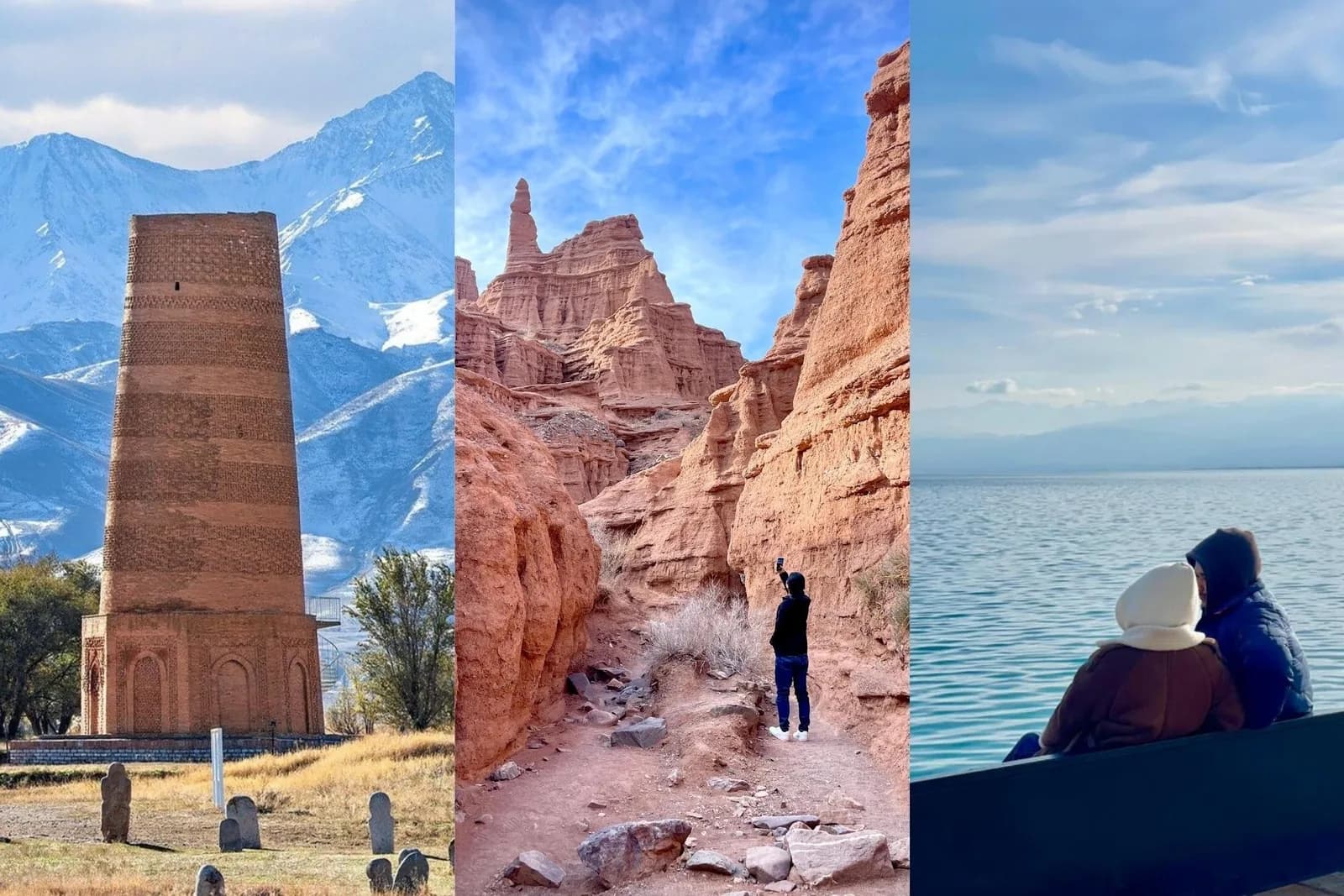
Kyrgyzstan's mountains are stitched with snowmelt, and a handful of waterfalls are genuinely worth planning a day around. The Barskoon falls on the south shore of Issyk-Köl (Issyk-Kul) are the most rewarding of the lot: several cascades strung up one glacial valley, wrapped in cosmonaut history. Arslanbob's big fall in the far south is the tallest you'll easily reach at around 80 metres, and the Ak-Sai cascade in Ala-Archa is the one to bag if you're short on time from Bishkek. Almost all of them run hardest from late May to September, when the high snow is melting; come October many drop to a trickle.
A quick honesty note before you build a trip around any of these. Kyrgyzstan does not really do the roadside, car-park-and-a-viewing-platform waterfall. Most of these take a short-to-moderate walk on rough ground, a few need a 4x4 to get near, and one or two are more of a local pilgrimage spot than a photo stop. That's the appeal — you tend to have them to yourself — but plan for walking shoes and a flexible schedule rather than a lay-by.
Kyrgyzstan's waterfalls at a glance
| Waterfall | Region | Access | Best season |
|---|---|---|---|
| Barskoon falls | South Issyk-Köl (Jeti-Ögüz district) | Roadside pull-ins + short climbs; 4x4 for the upper valley | Jun–mid-Sep |
| Ak-Sai (Ala-Archa) | Chuy, ~40 km from Bishkek | Steep half-to-full-day hike | Jun–Oct |
| Kegety waterfall | Chuy, Kegety gorge | Moderate walk on rough ground | Jul–Sep |
| Arslanbob big & small | Jalal-Abad region | Easy 30–45 min (small); steep 1.5–2 h (big) | May–Oct; walnut harvest Sep–Oct |
| Maiden's Braids (Jeti-Ögüz) | South Issyk-Köl, near Karakol | 30–45 min walk each way | Late Jun–Sep |
| Abshyr-Ata | Osh region | Drive plus short walk | ~May–Sep |
The waterfalls, one by one
1. Barskoon Waterfalls, the cosmonaut valley
Barskoon is the south shore's showpiece, about 90 km west of Karakol (roughly 1.5 hours by car) in the Jeti-Ögüz district. Four named falls climb the same glacial valley: Tears of the Snow Leopard — the signature cascade, a free fall of around 24 metres that reads far taller over its broken steps — plus Ak-Sakal ("White Beard"), the narrower Splashes of Champagne higher up, and the harder-to-reach Bowl of Manas. The road was cut to serve the Kumtor gold mine and climbs to the Arabel plateau (3,600–4,000 m), so expect mine traffic and keep to a 4x4 above the falls. Best June to mid-September; late August brings autumn colour. See our Barskoon waterfalls guide and the wider Lake Issyk-Köl guide.
2. Ala-Archa gorge cascades
The closest real mountains to Bishkek — around 40 km south — hold the easiest cascades to reach from the capital. The Ak-Sai waterfall is passed on the climb from the ~2,100 m car park up towards the Ratsek hut, a serious day out with fast altitude gain. If you don't want the full slog, there's a gentler waterfall walk up the main Ala-Archa river valley. The park is walkable roughly June to October, with an entrance fee per person and per car. "Close to Bishkek" does not mean casual here, so treat it as a hike. More in the Ala-Archa National Park guide.
3. Kegety Waterfall
East of Bishkek in Chuy province, the Kegety (Kegeti) gorge is a longer day trip than Ala-Archa and far quieter. The waterfall sits well up the valley on rough ground; the same gorge holds the milky lake of Kol-Tor (about 2,700–2,800 m) and, higher still, the Kegety pass (roughly 3,800 m, a 4x4 route open only in high summer). Reaching the fall is a moderate walk rather than a stroll — steep and rooty in the forest section. Best July to September, once the snow has cleared the approach. Full detail in the Kegety gorge guide.
4. Arslanbob's Big and Small falls
Deep in the south, inside the world's largest natural walnut forest, Arslanbob has two waterfalls of very different character. The small fall (about 23–25 metres) is an easy 30–45 minute walk from the village and is where domestic pilgrims and picnickers head. The big fall — a verified 80 metres — is the better photograph, reached up a steep, slippery scree climb of 1.5 to 2 hours north of the village. Arslanbob is a conservative, mostly Uzbek village, so dress modestly. Time it with the September–October walnut harvest and the whole valley comes alive. See the Arslanbob guide and, for the wider south, the Osh travel guide.
5. Jeti-Ögüz and the Maiden's Braids
The red-sandstone Jeti-Ögüz valley, 25–30 km from Karakol, is better known for its rock formations — the row of "Seven Bulls" fins and the split Broken Heart outcrop — but it also hides the Maiden's Braids waterfall, a 30–45 minute walk each way from the Kok-Jaiyk "Valley of Flowers". One planning trap: Jeti-Ögüz village and Jeti-Ögüz Kurort are different places, so confirm your driver is going up to the Kurort and the trailheads, not stopping at the lower village. Budget a half-day. Best late June to September. More in the Jeti-Ögüz guide and the Karakol guide.
6. Abshyr-Ata (Osh region)
Southeast of Osh, in the Abshyr-Say valley, water spills from a hole in a limestone cliff at a spot that has long drawn Kyrgyz families for pilgrimage and weekend picnics rather than tour buses. Reliable English documentation is thin, so I won't quote you a height: go with a driver from Osh, confirm the road condition and any fee on the day, and treat it as a warm-season outing, roughly May to September. It pairs well with a couple of days seeing Sulaiman-Too and the city — see the Osh travel guide.
7. Shar waterfall
Shar turns up on Kyrgyz-language lists more often than in English guidebooks, and solid details — an agreed height, the exact access — are hard to pin down. Rather than repeat numbers I can't stand behind, treat it as a local ask: any operator in Osh or Bishkek putting together a gorge day can tell you whether it's flowing and worth the detour. Like the country's other high cascades, it runs hardest on June-to-August snowmelt and thins out by autumn.
When to go
Waterfalls here are snowmelt machines. Flow peaks from late May through July as the high snowfields let go, holds up through August, and tails off in September. By mid-autumn several of these are a shadow of their July selves, and the high approaches — Kegety, the upper Barskoon valley, anything near a 3,000 m-plus pass — start closing with the first snows. If a waterfall is the whole reason for your day, aim for June to August. For the bigger picture of shoulder seasons and what's open when, read the best time to visit Kyrgyzstan.
The flip side is heat. Osh and the Fergana rim push past 35°C in July, which is exactly when Abshyr-Ata and the Arslanbob falls are busiest with locals escaping the valley floor. Up at Barskoon or in Ala-Archa the air stays cool even at the height of summer, and the sun at altitude burns fast, so carry a hat and high-factor cream whatever the thermometer says.
How to fit them into a trip
Group them by base and you'll waste far less time on the road. From Bishkek, Ala-Archa and Kegety are both day trips into the Kyrgyz Ala-Too — pick one for a half-day, the other for a full one. On Issyk-Köl's south shore, Barskoon and the Jeti-Ögüz valley sit within an easy drive of Karakol and slot neatly into a lake loop alongside the best lakes in Kyrgyzstan. In the deep south, Arslanbob and Abshyr-Ata work off an Osh or Jalal-Abad base, best combined with the walnut harvest.
Getting between them is the usual Kyrgyz mix of marshrutkas, shared taxis and hired 4x4s; our getting around Kyrgyzstan guide covers the practicalities, and several of these valleys double as national parks with entry fees and, at Jeti-Ögüz and Altyn-Arashan nearby, hot springs to soak in afterwards. To see the cascades bundled into ready-made lake-and-mountain days, browse our lakes and nature tours or start from the destinations hub.
Chat with a real person — free
Seif and the team reply on WhatsApp 24/7 — trip questions, custom plans and booking help.
Ask Seif on WhatsAppCommon questions
What is the best waterfall in Kyrgyzstan?
The Barskoon waterfalls on the south shore of Issyk-Köl are the most rewarding, because you get several named cascades in one glacial valley rather than a single drop, plus the Yuri Gagarin monuments and big high-altitude scenery. Arslanbob's 80-metre big fall in the south is the tallest you'll easily reach, and Ala-Archa's Ak-Sai cascade is the easiest to visit from Bishkek. Which "best" you pick depends on your base.
How tall is the Barskoon waterfall?
Barskoon is not one waterfall but four named cascades in the same valley. The signature one, "Tears of the Snow Leopard," has a free fall of around 24 metres but reads far taller because it descends in broken steps that some sources put closer to 100 metres overall. The others — Ak-Sakal, Splashes of Champagne and the Bowl of Manas — vary in height and difficulty. Treat any single figure with caution and enjoy the sequence.
Where is the Arslanbob waterfall?
Arslanbob is in the Jalal-Abad region of southern Kyrgyzstan, set in the world's largest natural walnut forest above a mostly Uzbek village. There are two falls: a small one of about 23–25 metres, an easy 30–45 minute walk from the village, and a big one of roughly 80 metres reached up a steep, slippery 1.5–2 hour climb. Most travellers reach Arslanbob via Jalal-Abad or Osh, changing transport at Bazar-Korgon.
Are there waterfalls near Bishkek?
Yes. The easiest is the Ak-Sai cascade in Ala-Archa National Park, about 40 km south of the city, passed on the hike up towards the Ratsek hut; there's also a gentler waterfall walk in the main Ala-Archa valley. The Kegety (Kegeti) waterfall, east of Bishkek in Chuy province, is a longer and quieter day trip up a rough gorge. Both are proper mountain walks rather than roadside stops, and both are best in summer.
What is the connection between Barskoon and Yuri Gagarin?
The first cosmonaut, Yuri Gagarin, recuperated at a sanatorium in the Barskoon area, and two monuments in the valley mark his visit: a red granite stele near the road junction and a full-figure bust on a tall pillar along the access road. Note the common error in travel copy — Gagarin came in 1965, several years after his 1961 spaceflight, not straight after it. The setting, not the history, is the real reason to visit.
When is the best time to see waterfalls in Kyrgyzstan?
June to August, at the height of the snowmelt. Flow builds from late May as the high snowfields melt, peaks through midsummer and holds into August, then drops noticeably through September. By mid-autumn many falls are much reduced and the higher approaches start closing with fresh snow. If the waterfall is the whole point of your day, avoid the May and October shoulder months when half the high country is either still frozen or shutting down.
Do you need a 4x4 to reach Barskoon waterfalls?
Not for the main lower falls. The waterfalls closest to the road can be reached in an ordinary car with short walks from pull-ins, though the surface is rough. Above the falls the valley road climbs steeply towards the Arabel plateau at 3,600–4,000 metres and genuinely requires a high-clearance 4x4; it was built for the Kumtor gold mine, so expect heavy mine traffic. Confirm road conditions locally and don't attempt the upper section in a saloon.
Is there a waterfall near Osh?
Yes — Abshyr-Ata, in the Abshyr-Say valley southeast of Osh, where water spills from a limestone cliff at a long-standing local pilgrimage and picnic spot. It's more of a domestic weekend outing than a set-piece tourist attraction, and reliable published details are thin, so hire a driver from Osh and confirm the road and any entry fee on the day. Go in the warm season, roughly May to September, ideally combined with the city and Sulaiman-Too.
Are Kyrgyzstan's waterfalls easy to reach?
Mostly no, and that's part of their charm. Kyrgyzstan rarely does the car-park-and-platform waterfall; nearly all of these need a short-to-moderate walk on rough ground, a few need a 4x4 to get close, and one or two are more pilgrimage site than photo stop. The upside is that you'll often have them to yourself. Bring proper footwear, carry small som notes for park and gorge fees, and keep your day flexible for weather.
Book it on This is Kyrgyzstan
Turn this guide into a trip
Kyrgyzstan's bestsellers
The experiences travelers book most, across the country


Keep reading
Self-Guided Treks in Kyrgyzstan: Routes & How-To
Yes, you can trek Kyrgyzstan without a guide. The best self-guided routes, the ones to skip, and the maps, water and safety logistics that make it work.
By TiK Editors12 min read
Uchitel Peak: Your First 4,000m Climb (2026)
Pik Uchitel (~4,400-4,600 m) in Ala-Archa is the classic first summit for fit hikers new to mountaineering: route, gear, season and acclimatisation.
By TiK Editors8 min read
Tian Shan Traverse: Bikepacking Kyrgyzstan
The Tian Shan Traverse is a self-supported, mostly off-road bikepacking route of about 1,000 km across the high Kyrgyz mountains. Here's how to plan it.
By TiK Editors9 min read