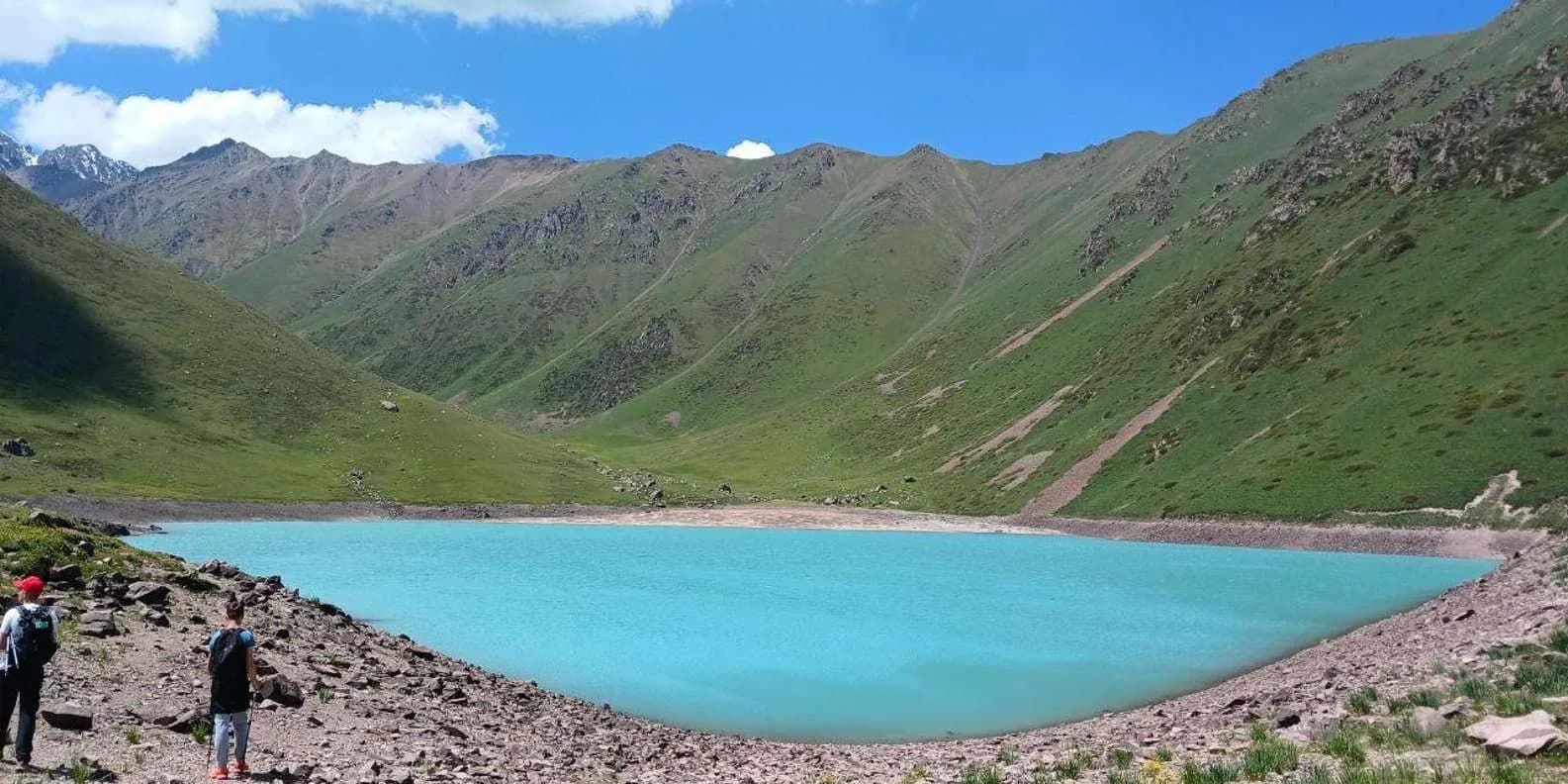
 Image via GetYourGuide
Kegety Gorge: Waterfall, Kol-Tor & the Pass
Kegety Gorge east of Bishkek: an easy waterfall walk, the turquoise Kol-Tor lake higher up, and the tough 3,800 m Kegety Pass. Getting there, season and camping.
Book it on This is Kyrgyzstan
Bishkek · Turn this guide into a trip
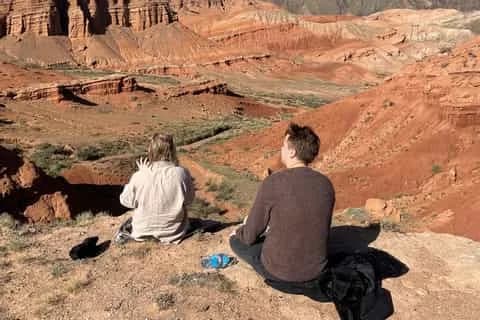
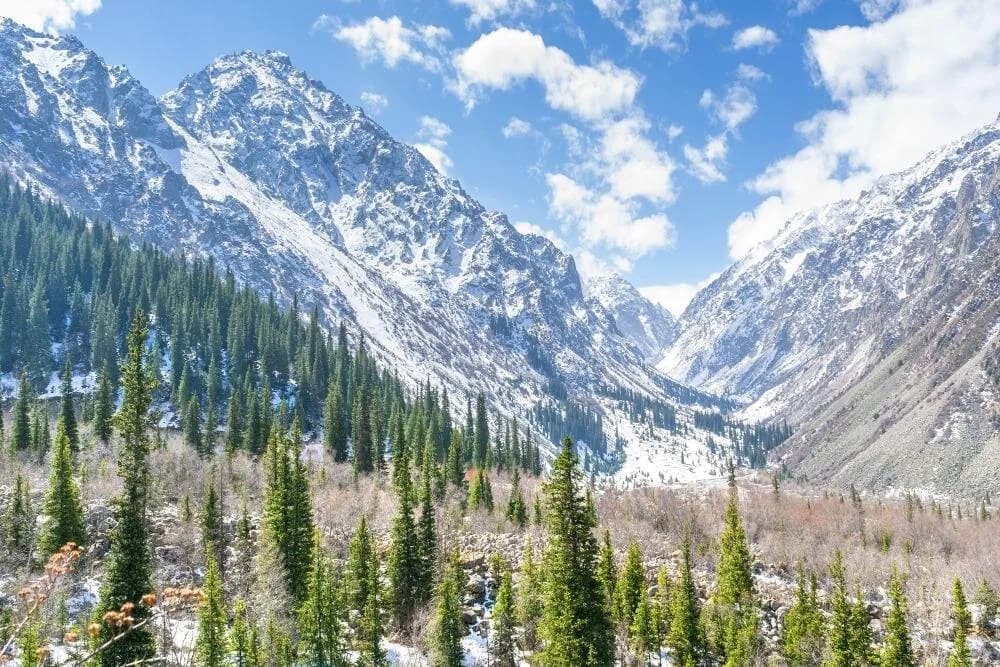
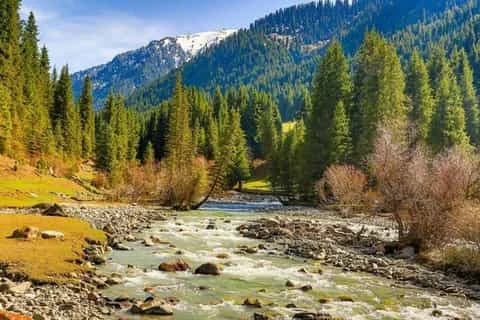
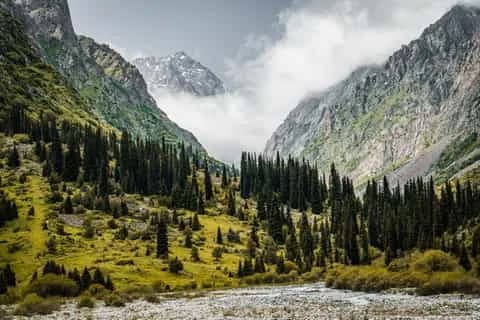
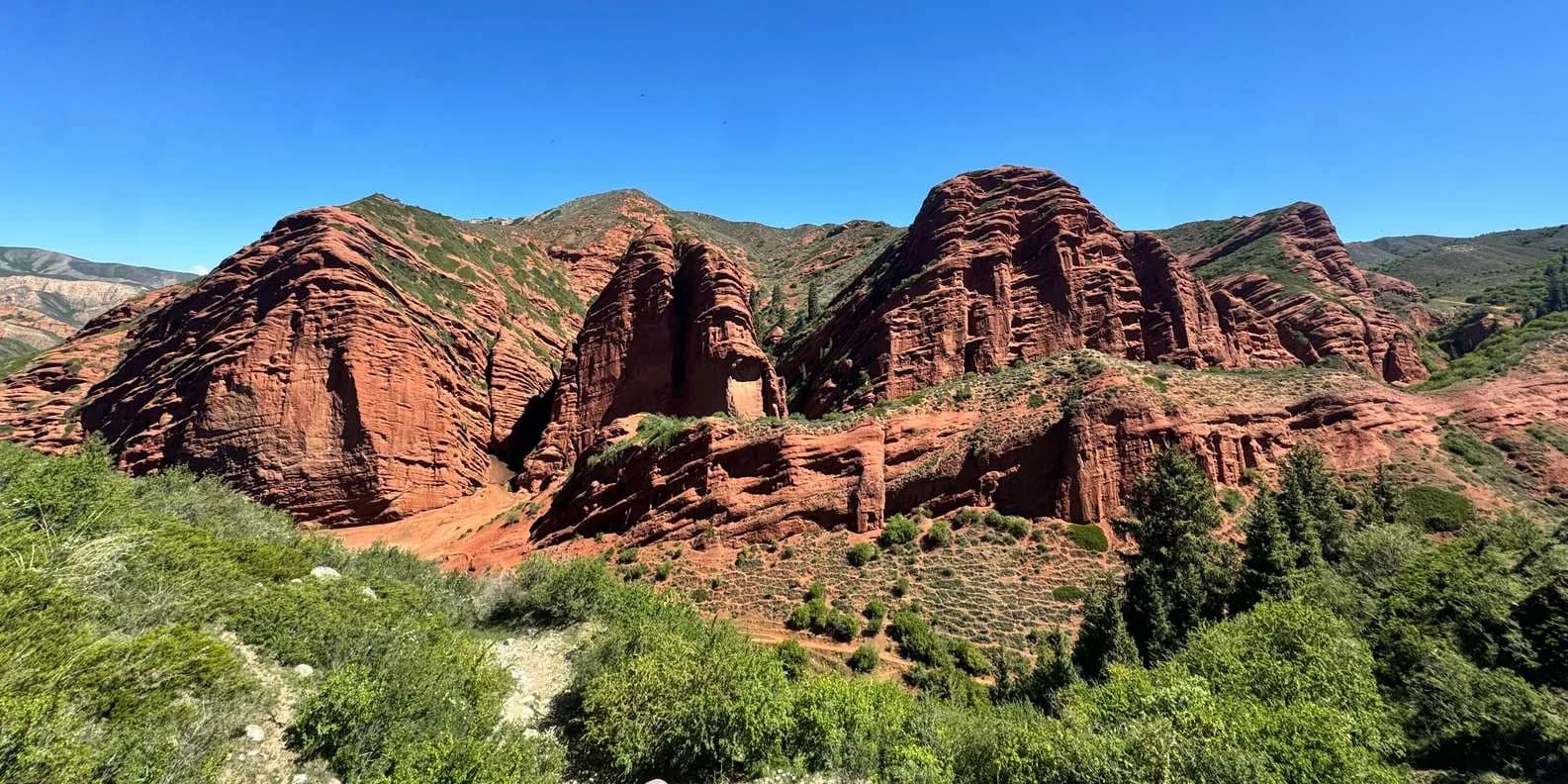
Kegety Gorge (also spelt Kegeti) cuts south into the Kyrgyz Ala-Too roughly 100 km east of Bishkek, about two to three hours by car. The easy target is the Kegety waterfall, a short walk from the top of the driveable track. The bigger objectives sit far higher: the milky-turquoise lake Kol-Tor, and above it the Kegety Pass at around 3,800 m, a rough 4WD-and-hiking route that only opens in high summer. You can bag the waterfall on a day trip from the capital; Kol-Tor and the pass want an early start or, better, a night in the valley.
It is one of the wilder day-trip valleys within reach of Bishkek, less developed than Ala-Archa and quieter than Chunkurchak, with a rare combination of an easy waterfall, a proper alpine lake and a high pass all in one gorge.
At a glance
| Distance from Bishkek | ~90–110 km; roughly 2–3 h by car |
| Waterfall | Short walk from the road head; family-friendly |
| Kol-Tor lake | ~14 km return, 700–900 m gain, 5–7 h; lake ~2,700–2,800 m |
| Kegety Pass | ~3,800 m; 4WD/experienced route, high summer only |
| Best season | Late June to September (pass reliable July–August) |
| Transport | Own car, hired driver or tour; no bus up the gorge |
| Sleep | Wild camping; seasonal yurts/homestays lower down |
Getting there
The gorge runs south off the Chüy plain, reached via the Tokmok road and then the village of Kegety. From the village a rough track climbs into the valley; the lower section is manageable in an ordinary car in dry weather, but the final stretch toward the waterfall and road head really wants high clearance, and after rain it wants proper 4WD. Budget two to three hours from Bishkek and treat any single figure you see online as optimistic — confirm the road state locally before you commit, especially early or late in the season.
This is the honest catch: Kegety is hard to reach without your own transport. There is no marshrutka up the gorge, and public services only get you as far as the plain-side villages, leaving a long, dull road walk or a hitched lift on a farm truck. Most people come with a hired car and driver, join a day tour, or drive themselves. If you are basing yourself in the capital, our best day trips from Bishkek guide sets Kegety against the easier options, and the Bishkek city guide covers arranging a driver. The Bishkek destination hub lists operators who run this valley.
The Kegety waterfall — the easy win
The waterfall is why most day-trippers come. From the road head it is a short, straightforward walk up to a tall cascade tumbling off a rock step, and on summer weekends it draws Bishkek families out for a picnic. It is a genuinely lovely spot and a fair target in its own right if you have small children, limited time or no appetite for altitude.
In deep winter the fall freezes into a blue ice column and becomes a local ice-climbing venue, though the road in is a different proposition then and you would come with people who know it. For most visitors the waterfall is a warm-weather half-day: drive up, walk in, picnic, drive back. If waterfalls are your thing, we round up the country's best in the Kyrgyzstan waterfalls guide.
Up to Kol-Tor lake
The serious walking objective is Kol-Tor ("lake valley"), a small glacial lake of the same milky turquoise you find on the bigger Tien Shan treks. Sources put it at roughly 2,700–2,800 m. Reckon on about 14 km there and back from the road head, 700–900 m of ascent, and five to seven hours on the move depending on your pace and how far you managed to drive in.
The route is steep and rooty through the forest section, then eases into a moraine climb before the lake reveals itself in a high bowl. It is a strong, sustained day hike rather than a technical one, but the altitude and the gradient make it real work — this is not a stroll. Carry layers, a water filter (the whole valley is grazed by livestock all summer, so treat everything), and enough food, because there are no shops past the villages. Full route detail, GPS notes and where to camp near the lake are in the dedicated Kol-Tor lake guide.
The Kegety Pass — know what you are taking on
High above the lake, the Kegety Pass crosses the Kyrgyz Ala-Too at around 3,800 m, dropping south toward the Kochkor and Suusamyr side of the range. Be honest with yourself about this one. It is a rough 4WD track in high summer and a committing hike the rest of the time, snow-blocked for much of the year and only reliably open in July and August. Fresh snow can fall on it in any month.
Crossing it is a proper mountain undertaking, not a day-tripper's add-on: no phone signal up high, no quick rescue, and weather that builds into afternoon storms as it does across the whole Tien Shan. If you are driving it, you want a capable high-clearance vehicle, a driver who knows the track, and an early start to be over the top before the cloud builds. If you are on foot, treat it like any 3,000 m-plus crossing — acclimatise first, carry the gear, and turn back if the weather turns. Read up on altitude on Kyrgyz treks before you go high here.
Camping and where to sleep
Kegety rewards an overnight. The meadows lower in the gorge make good wild camping, and camping near Kol-Tor lets you catch the lake in early light and split the ascent over two easier days rather than one long push. There is no permanent building at the lake, so you carry everything — a tent that can take wind, a bag rated to at least freezing even in July, and all your food and fuel from Bishkek.
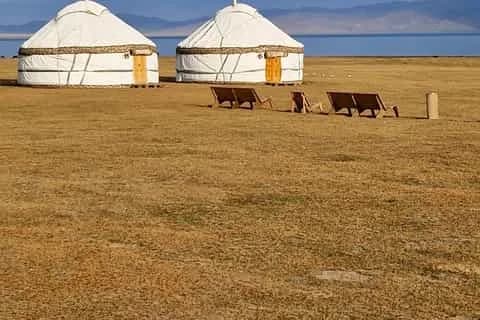
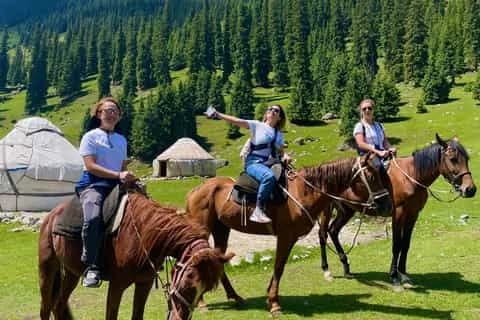
Lower down, a few families run seasonal yurts and homestays in and around the valley in summer, but stock is thin and unadvertised; do not count on a walk-in bed. If you would rather sleep under felt than nylon, our yurt stays guide explains how these community camps work and how to book ahead.
When to go
The gorge and the lake come into season roughly late June to September, with July and August the most reliable months for the higher ground. The waterfall is accessible for longer at each end of summer, since it sits lower than the lake and the pass. The pass itself is the limiting factor — count on July and August only unless you have local, current information.
Spring and autumn are awkward: snow lingers on the tops into June, returns from late September, and the shoulder months can leave half your plan shut. Winter turns the valley over to ice climbers and ski-tourers, but the access road becomes a serious consideration and is not for a casual visit.
Kegety vs Ala-Archa vs Chunkurchak
Three valleys south of the Chüy plain get muddled in travel copy, and they are genuinely different places. Ala-Archa is the closest, about 40 km south of Bishkek, a well-organised national park with a trailhead around 2,100 m, a waterfall, a glacier and the Ratsek climbers' hut — the standard Bishkek day hike, and the busiest; see the Ala-Archa national park guide. Chunkurchak is a gentler, more pastoral valley nearer the city, good for easy walks and family days out, covered in the Chunkurchak valley guide.
Kegety sits further east and feels wilder and less trodden than either. What sets it apart is the three-in-one draw — an easy waterfall, a proper alpine lake and a high pass — in a valley without the crowds or the park infrastructure. It asks more of you to reach, and gives more back.
Whether you come for a picnic by the falls or an overnight up to Kol-Tor, Kegety is one of the most rewarding valleys within a day of the capital. Line it up alongside the other options in our best day trips from Bishkek guide and pick the one that fits your legs and your timetable.
Chat with a real person — free
Seif and the team reply on WhatsApp 24/7 — trip questions, custom plans and booking help.
Ask Seif on WhatsAppCommon questions
How far is Kegety Gorge from Bishkek?
Kegety Gorge lies roughly 90–110 km east of Bishkek, about two to three hours by car via the Tokmok road and Kegety village. The lower gorge is passable in an ordinary car in dry weather, but the final track to the road head wants high clearance, and after rain it needs 4WD. Any single drive-time figure online is usually optimistic, so confirm the road state locally before setting out.
Can you get to Kegety without your own car?
It is difficult. No marshrutka runs up the gorge, and public transport only reaches the villages on the plain, leaving a long road walk or a hitched farm-truck lift. Almost everyone visits with a hired car and driver, on an organised day tour from Bishkek, or in their own vehicle. If you have no transport, Kegety is one of the harder Bishkek day trips to reach independently.
How long is the hike to Kol-Tor lake?
Kol-Tor is about 14 km there and back from the road head, with 700–900 m of ascent and roughly five to seven hours of walking, depending on your pace and how far you drove in. The forest section is steep and rooty, then it eases onto moraine before the lake. It is a demanding day hike rather than a technical climb, but the gradient and altitude make it real work.
How high is the Kegety Pass?
The Kegety Pass crosses the Kyrgyz Ala-Too at around 3,800 m, dropping south toward the Kochkor and Suusamyr side of the range. It is a rough 4WD route in high summer and a committing hike otherwise. Expect it to be snow-blocked for much of the year and reliably open only in July and August, with fresh snow possible on the top in any month.
Is the Kegety Pass suitable for a normal day trip?
No. The pass is a serious mountain undertaking, not a casual add-on. Driving it needs a capable high-clearance vehicle and a driver who knows the track; hiking it means acclimatising, carrying full gear and being ready to turn back. There is no phone signal up high and no quick rescue. Day-trippers should stick to the waterfall and, if fit, Kol-Tor lake.
When is the best time to visit Kegety Gorge?
Late June to September is the window, with July and August the most reliable for the lake and the pass. The waterfall, sitting lower, is accessible a little longer at each end of summer. Spring and autumn are awkward, with snow on the tops and services shut. Winter brings ice climbers and ski-tourers, but the access road then becomes a serious consideration.
Can you camp in Kegety Gorge?
Yes. The meadows lower in the gorge make good wild camping, and camping near Kol-Tor lets you catch the lake in early light and split the climb over two days. There is no permanent building at the lake, so carry everything: a wind-worthy tent, a sleeping bag rated to freezing even in July, and all your food and fuel. A few seasonal yurts and homestays exist lower down, but do not rely on a walk-in bed.
How is Kegety different from Ala-Archa and Chunkurchak?
They are separate valleys. Ala-Archa, about 40 km south of Bishkek, is an organised national park and the standard, busy day hike. Chunkurchak is a gentler, more pastoral valley nearer the city, good for easy walks. Kegety sits further east and feels wilder, with an unusual three-in-one draw of waterfall, alpine lake and high pass, but less infrastructure and no crowds.
Is there a waterfall you can reach easily at Kegety?
Yes. The Kegety waterfall is a short walk from the top of the driveable track, making it the easiest target in the gorge and a popular summer picnic spot for Bishkek families. It suits visitors with children, limited time or no interest in altitude. In deep winter it freezes into an ice column used by local climbers, though the road in is far harder then.
Book it on This is Kyrgyzstan
Turn this guide into a trip
Kyrgyzstan's bestsellers
The experiences travelers book most, across the country



Keep reading
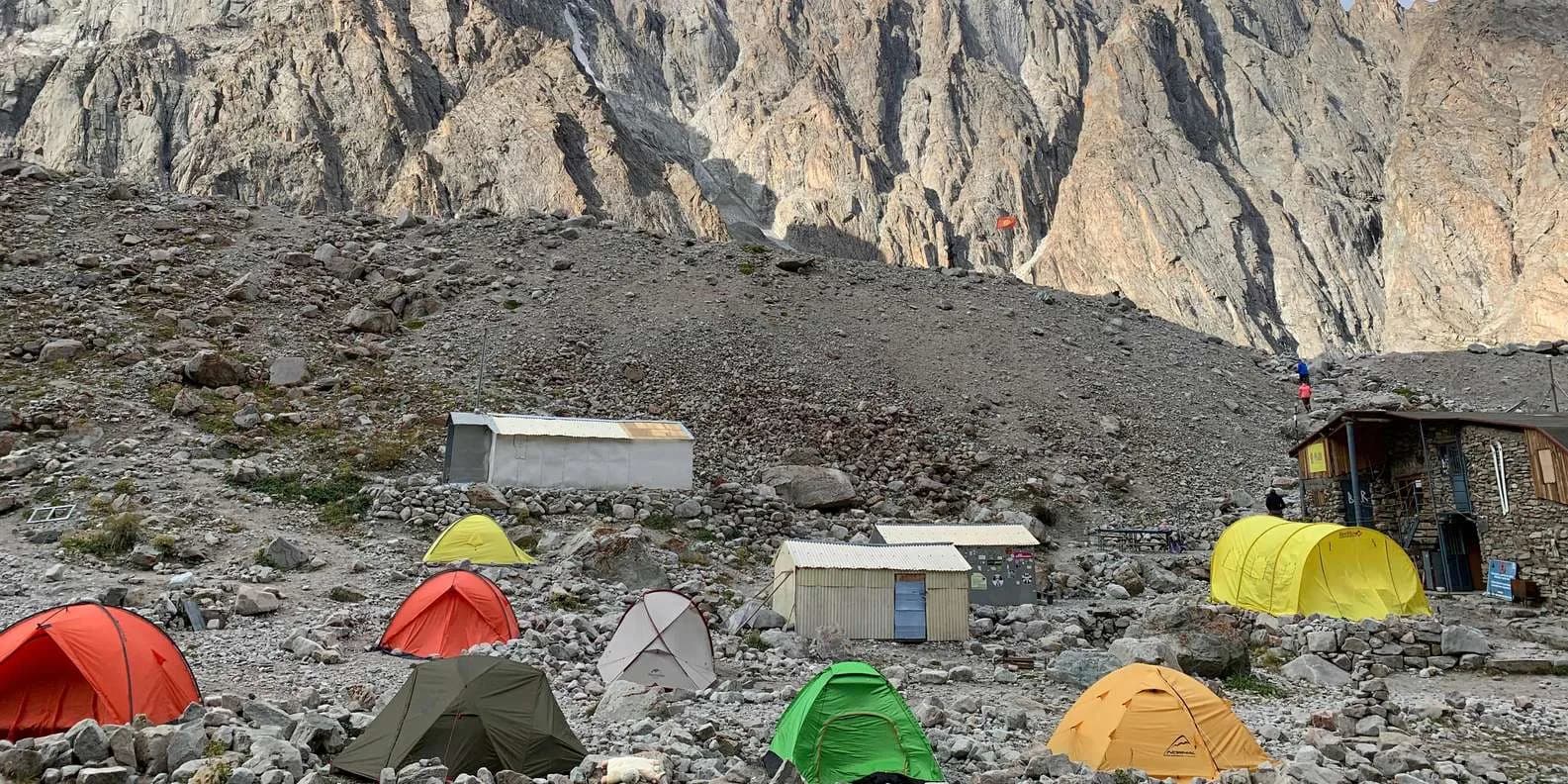
Uchitel Peak: Your First 4,000m Climb (2026)
Pik Uchitel (~4,400-4,600 m) in Ala-Archa is the classic first summit for fit hikers new to mountaineering: route, gear, season and acclimatisation.
By TiK Editors8 min read
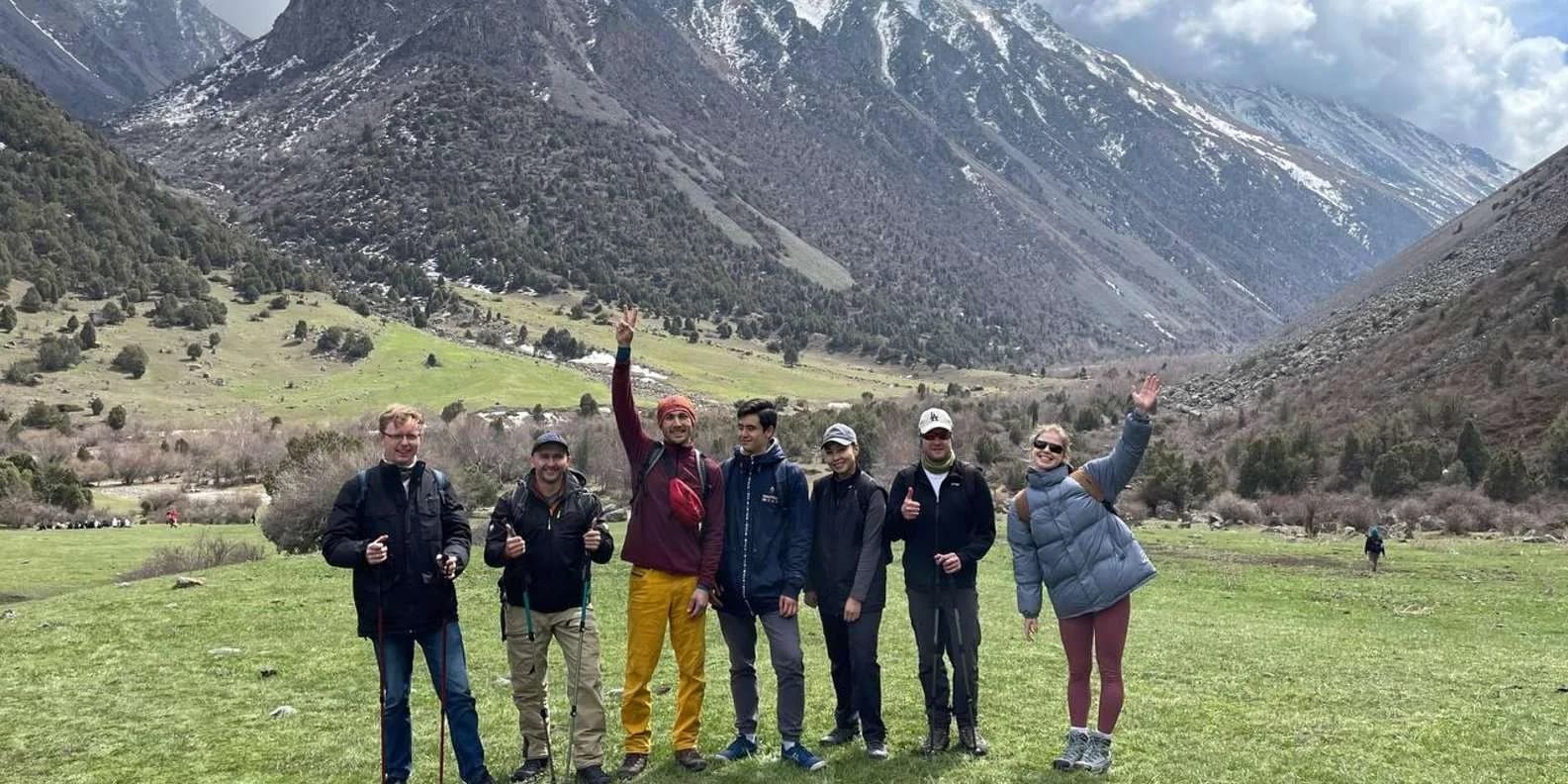
Self-Guided Treks in Kyrgyzstan: Routes & How-To
Yes, you can trek Kyrgyzstan without a guide. The best self-guided routes, the ones to skip, and the maps, water and safety logistics that make it work.
By TiK Editors12 min read
Boz-Uchuk Lakes Trek from Jyrgalan (2026)
A moderate 2–3 day trek to a string of alpine lakes above Jyrgalan — quieter than Karakol's classics, with community yurts, horses and clear DMO rates.
By TiK Editors8 min read