 Image via GetYourGuide
Hot Springs in Kyrgyzstan: Where to Soak
From rustic trekkers' pools at Altyn-Arashan to grand Soviet sanatoria on Issyk-Köl — the best hot springs in Kyrgyzstan, how to reach them and when to go.
Book it on This is Kyrgyzstan
Turn this guide into a trip
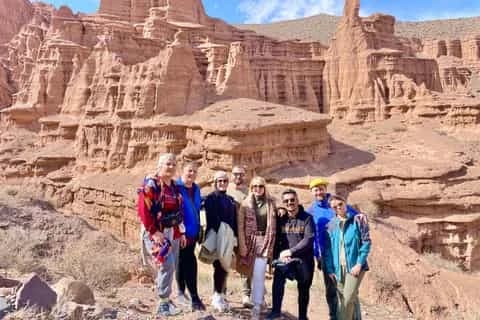
Kyrgyzstan's hot springs come in two very different forms. High in the mountains you'll find rustic trekkers' pools — sometimes no more than a wooden shed with a tub filled from a scalding spring — while around Lake Issyk-Köl and the Chuy valley sit grand Soviet-era sanatoria built around mineral water as a health cure. The country's most famous soak is Altyn-Arashan, the "Golden Spa" in a valley above Karakol. Most springs are at their best from June to September, though a handful stay open all year.
Below are the springs worth knowing, what kind of experience each one is, and how to reach them.
Rustic pools vs sanatorium spa culture
The gap between the two flavours is large, and it pays to know which you're signing up for.
The rustic trekkers' springs are mountain affairs. Water surfaces hot — sometimes too hot — and gets piped into a concrete or wooden tub inside a bath house, often needing a bucket of cold river water to make it bearable. There's no spa, no treatment menu, and usually no phone signal. You soak after a long walk, sleep in a yurt or a family guesthouse, and pay a few hundred som. Altyn-Arashan is the archetype.
The Soviet sanatoria are a different world. Issyk-Köl was one of the USSR's flagship holiday coasts, and its shore is still lined with health resorts where guests once booked a two-week "course" on a subsidised voucher. Expect full-board dining halls, mineral-water and mud treatments, physiotherapy and a doctor on staff, all in late-Soviet concrete set among pines. Some are renovated, some peeling. This spa culture, not anything nomadic, is the real identity of towns like Cholpon-Ata.
Kyrgyzstan hot springs at a glance
| Spring | Region | Type | Access | Season |
|---|---|---|---|---|
| Altyn-Arashan | Ak-Suu, above Karakol | Rustic trekkers' pools | 4WD track or 5–6 h walk from Ak-Suu | Year-round highlight; road 4WD/winter-hard |
| Jyrgalan area | East of Karakol | Rustic / undeveloped | Car to Jyrgalan, then on foot | Jun–Sep (winter is ski season) |
| Jeti-Ögüz Kurort | South Issyk-Köl | Sanatorium mineral springs | Marshrutka 372 from Karakol | May–Sep best; resort runs year-round |
| Issyk-Ata | Chuy, near Bishkek | Sanatorium / thermal pool | Day trip east of Bishkek | Year-round |
| Keremet-Suu / Ak-Suu | Ak-Suu, near Karakol | Developed roadside thermal | Car from Karakol | Year-round (confirm) |
| Issyk-Köl sanatoria | Lake shore (Cholpon-Ata etc.) | Soviet health resorts | North & south shore towns | Jul–Aug peak; many close Oct–Apr |
The springs, one by one
1. Altyn-Arashan — the trekkers' Golden Spa
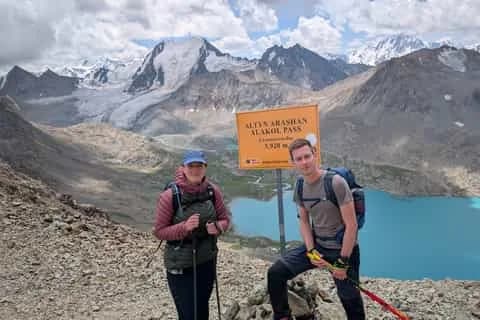
Altyn-Arashan means "golden spa" in Kyrgyz, and it's the country's best-loved soak. The springs sit at roughly 2,400–2,600 m (sources differ) in the Arashan State Nature Reserve, about 20 km southeast of Karakol, under the 5,020 m fang of Palatka Peak. Three groups of nitric, sulphurous thermal springs feed bath houses attached to the valley's guesthouses: concrete or wooden tubs in sheds, plus a few open-air pools with valley views. The built baths run around 35–45°C, and the mineral smell is strong. Non-guests can usually pay about 200 som ($2) to use a bath. It's the highlight of the Altyn-Arashan trek.
2. Jyrgalan-area springs
Jyrgalan, an ex-coal-mining village 60 km east of Karakol, is now one of Kyrgyzstan's best-run trekking and ski hubs, and there are undeveloped warm springs in the wider valley. Be realistic here: this is not a sanatorium and the soaking is incidental — people come for the well-marked hikes and the winter ski-touring, not a spa. If a spring soak matters to you, ask the Jyrgalan DMO or your guesthouse what's currently accessible and passable before you set out. See the Jyrgalan trekking guide for how to base yourself there.
3. Jeti-Ögüz sanatorium springs
At Jeti-Ögüz, the red-sandstone valley of the Seven Bulls and Broken Heart rocks south of the lake, a Soviet-era sanatorium sits on mineral springs about 32 km from Karakol. It's the classic kurort model: health-resort buildings, mineral water and treatment programmes rather than a casual public bath, so check whether day visitors can use the facilities before counting on a soak. Crucially, Jeti-Ögüz village and Jeti-Ögüz Kurort are different places several kilometres apart — make sure your marshrutka (route 372 from Karakol, roughly 80–120 som) goes to the Kurort. More in the Jeti-Ögüz guide.
4. Issyk-Ata (Chuy, near Bishkek)
Issyk-Ata is the easiest soak to reach from the capital, a balneological sanatorium in the Chuy valley within a day trip east of Bishkek. Warm mineral water feeds a large open-air thermal pool below the mountains, and the grounds hold a small Buddha figure carved into a boulder. Like most Kyrgyz kurorts it's a health resort first and a leisure pool second, busy with local families at weekends. Facilities, opening hours and day-use fees shift, so confirm on the day rather than trusting older write-ups. This is a soak, not a wilderness experience.
5. Keremet-Suu / Ak-Suu
The Ak-Suu area east of Karakol — the same valley that leads up to Altyn-Arashan — has more developed roadside thermal bathing, sometimes signposted as Keremet-Suu. Think a built pool and bath house you can drive to, rather than a hut at the end of a trek: an easy option if you want warm water without the 4WD slog up the Arashan track. It's far less storied than its famous neighbour, and details, ownership and prices change often, so confirm it's open and what a soak costs before making a special trip out from town.
6. Issyk-Köl's Soviet sanatoria
Around Lake Issyk-Köl the sanatoria are the hot-spring experience for most Kyrgyz and Kazakh visitors. The older trade-union resorts run roughly $30–50 a night, newer builds push past $100 in the July–August peak, and many close from October to April. Their appeal is the full health-resort package — mineral water, mud treatments, physiotherapy and dining halls — more than any single spring. On the south shore, Kaji-Say has its own hot springs alongside the best sand on the lake. Come off-peak and you'll have the shore and the treatments nearly to yourself.
Etiquette and health: how to soak
Norms depend on where you are. At sanatorium and tourist pools, swimwear is expected and mixed bathing is normal. At traditional local bathhouses and simple village springs the custom is banya-style: single-sex and nude. Bring flip-flops either way — floors are wet and shared — and a quick-dry towel, since few places supply one.
Then watch the altitude. Altyn-Arashan sits above 2,400 m, and a very hot soak widens your blood vessels, dehydrates you and can leave you light-headed just when your body is already working hard on thin air. Keep soaks short, drink plenty of water, and don't pair a scalding bath with alcohol or a punishing trekking day. If you've gained height fast — say straight off a Bishkek bus toward the Ala-Kul pass — read up on altitude sickness first; a spring is no place to shrug off a worsening headache.
Plan your soak
The springs pair naturally with the country's best hiking. Base yourself in Karakol, walk up to Altyn-Arashan, and aim for the mid-June to mid-September window when the passes and yurt camps are open — the best-time-to-visit guide has the month-by-month picture. Ready to build it into a trip? Browse tours and guesthouses around Karakol, the springboard for almost every soak in this guide.
Chat with a real person — free
Seif and the team reply on WhatsApp 24/7 — trip questions, custom plans and booking help.
Ask Seif on WhatsAppCommon questions
What are the best hot springs in Kyrgyzstan?
Altyn-Arashan, in a valley above Karakol, is the best-known and most rewarding — rustic thermal pools reached by a 4WD track or a day's walk. For an easy, developed soak, Issyk-Ata near Bishkek and the Jeti-Ögüz sanatorium spring on the south shore of Issyk-Köl are the usual picks, along with the Soviet-era sanatoria dotted around the lake.
How hot is the water at Altyn-Arashan?
The built bath houses at Altyn-Arashan sit at roughly 35–45°C, though the springs surface hotter and are often mixed with cold river water to make them bearable. The three spring groups are nitric and sulphurous, so the mineral smell is noticeable. Temperatures vary between guesthouses and tubs, so treat any figure as approximate and test the water before you climb in.
How do you get to Altyn-Arashan?
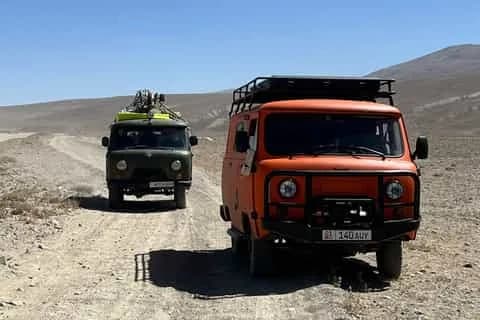
From Karakol, take marshrutka 350 to Ak-Suu (Teploklyuchenka) for about 25 som, then a 4WD up the rough jeep track — an old UAZ or GAZ-66, since ordinary cars can't manage it. The ~14 km drive takes 1.5–2 hours; a shared seat is commonly 1,000–2,000 som. You can also walk the track in around 5–6 hours.
Are Kyrgyzstan's hot springs open in winter?
Some are. Altyn-Arashan stays inhabited year-round and a few families keep guesthouses and baths running, but the road turns 4WD-hard or impassable and most lodging is seasonal (May–October). Issyk-Ata near Bishkek runs year-round. The Issyk-Köl sanatoria are the opposite: many shut from October to April, since the lake shore is a summer resort. Always confirm winter access before travelling.
Do you wear a swimsuit in Kyrgyz hot springs?
At sanatorium and tourist pools, yes — swimwear is expected and bathing is mixed. At traditional local bathhouses and basic village springs the custom is banya-style: single-sex and nude. Bring flip-flops in all cases, since floors are wet and shared, and pack your own quick-dry towel, as many simpler places don't provide one.
Are there hot springs near Bishkek?
Yes. Issyk-Ata, a balneological sanatorium in the Chuy valley, is an easy day trip east of the capital and has a large open-air thermal pool fed by warm mineral water, plus a small Buddha carved into a nearby boulder. It's a health resort rather than a wild spring, popular with local families at weekends. Check current opening hours and day-use fees before you go.
How much do the hot springs cost?
A soak at Altyn-Arashan runs about 200 som (roughly $2) for non-guests, on top of the Karakol National Park gate fee of around 250 som. Sanatorium stays around Issyk-Köl are typically $30–50 a night for older resorts and $100-plus for newer ones in peak season. Prices creep up yearly and vary by place, so carry small som notes and confirm on the day.
Are the Issyk-Köl sanatoriums worth it?
They're worth it if you want the full Soviet health-resort experience — mineral water, mud treatments, physiotherapy and full-board dining in pine-shaded grounds — rather than a quick dip. The architecture is late-Soviet concrete, some renovated, some faded, and the atmosphere is family holiday, not spa retreat. Come in the shoulder season for lower rates and near-empty shores; many close entirely from October to April.
Is it safe to use hot springs at altitude?
Generally yes, with sense. A very hot soak dehydrates you and dilates blood vessels, which can add to altitude strain at places like Altyn-Arashan (above 2,400 m). Keep sessions short, drink water, avoid alcohol before bathing, and don't soak the same day you've climbed fast. If you have a worsening headache, nausea or breathlessness, skip the bath and rest or descend.
Book it on This is Kyrgyzstan
Turn this guide into a trip
Kyrgyzstan's bestsellers
The experiences travelers book most, across the country
Keep reading
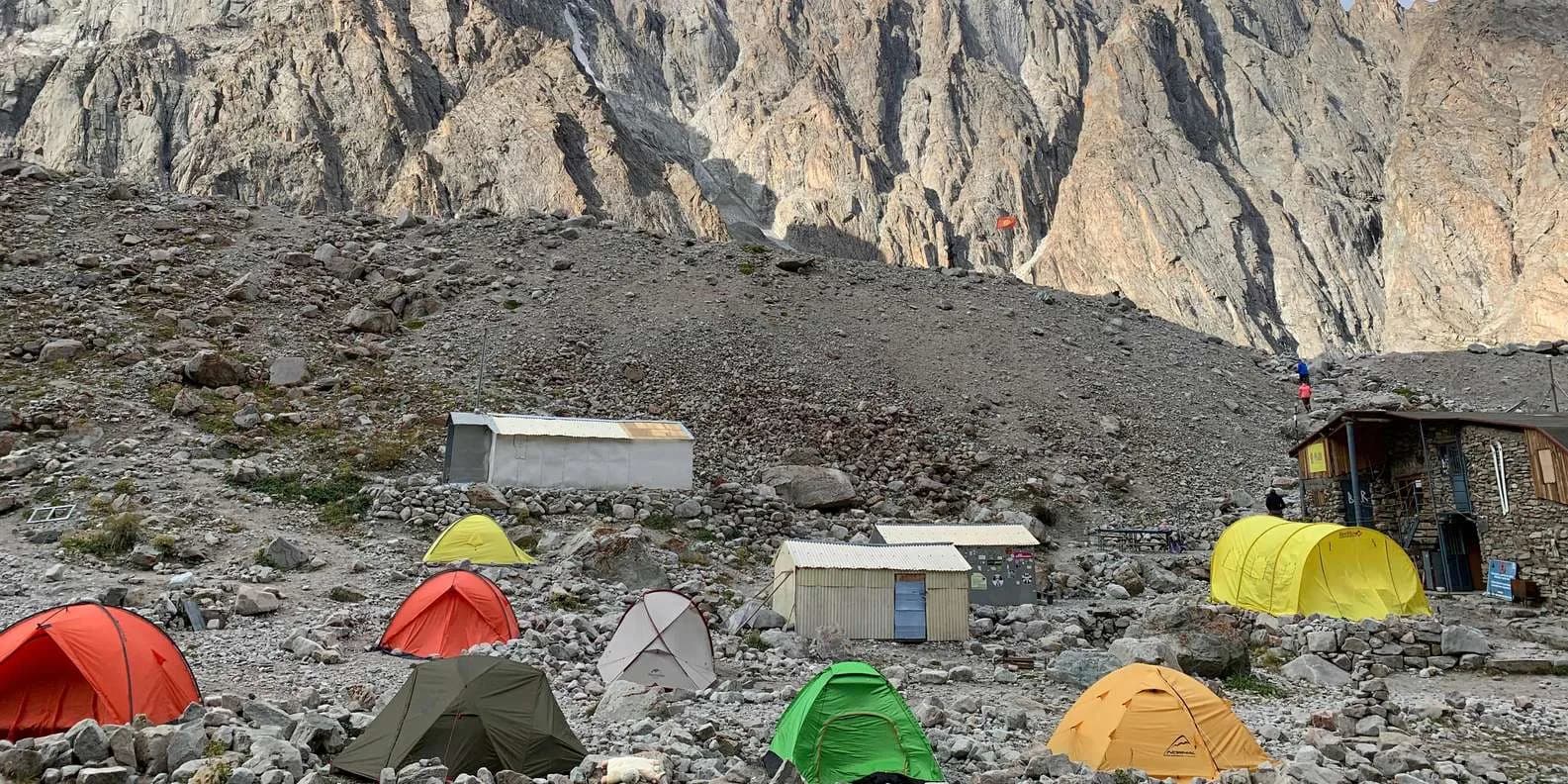
Uchitel Peak: Your First 4,000m Climb (2026)
Pik Uchitel (~4,400-4,600 m) in Ala-Archa is the classic first summit for fit hikers new to mountaineering: route, gear, season and acclimatisation.
By TiK Editors8 min read
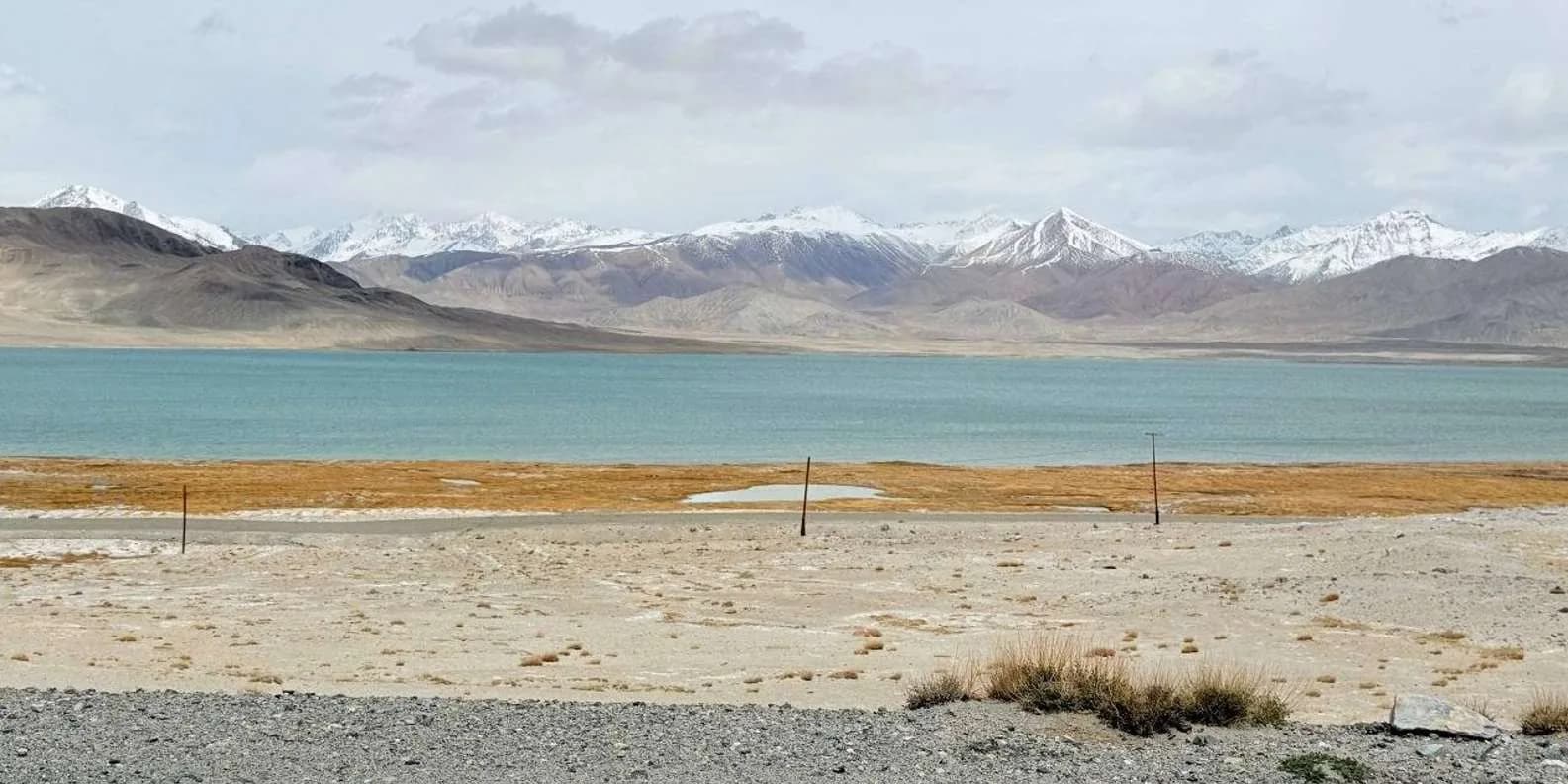
Tian Shan Traverse: Bikepacking Kyrgyzstan
The Tian Shan Traverse is a self-supported, mostly off-road bikepacking route of about 1,000 km across the high Kyrgyz mountains. Here's how to plan it.
By TiK Editors9 min read
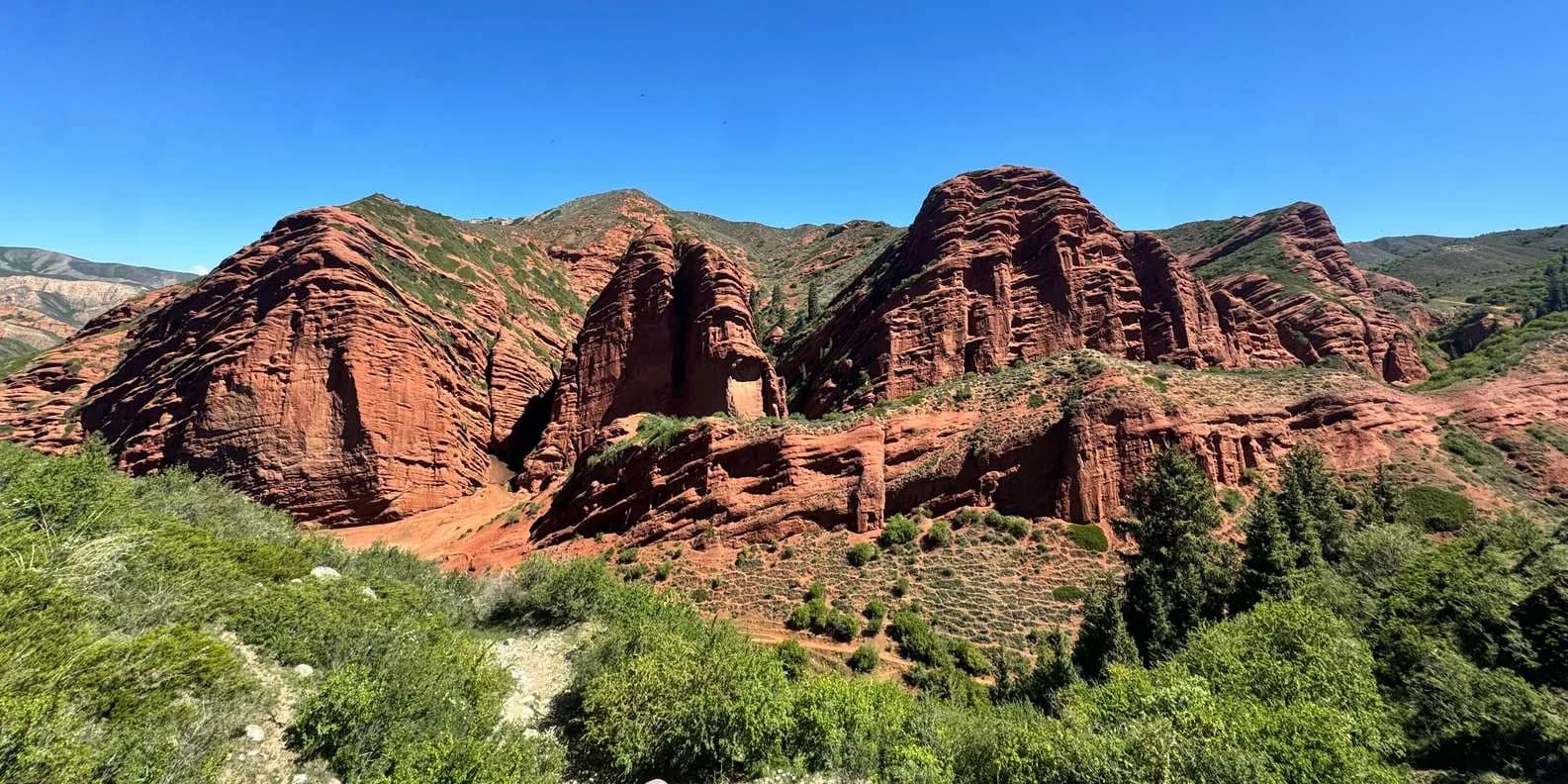
Boz-Uchuk Lakes Trek from Jyrgalan (2026)
A moderate 2–3 day trek to a string of alpine lakes above Jyrgalan — quieter than Karakol's classics, with community yurts, horses and clear DMO rates.
By TiK Editors8 min read