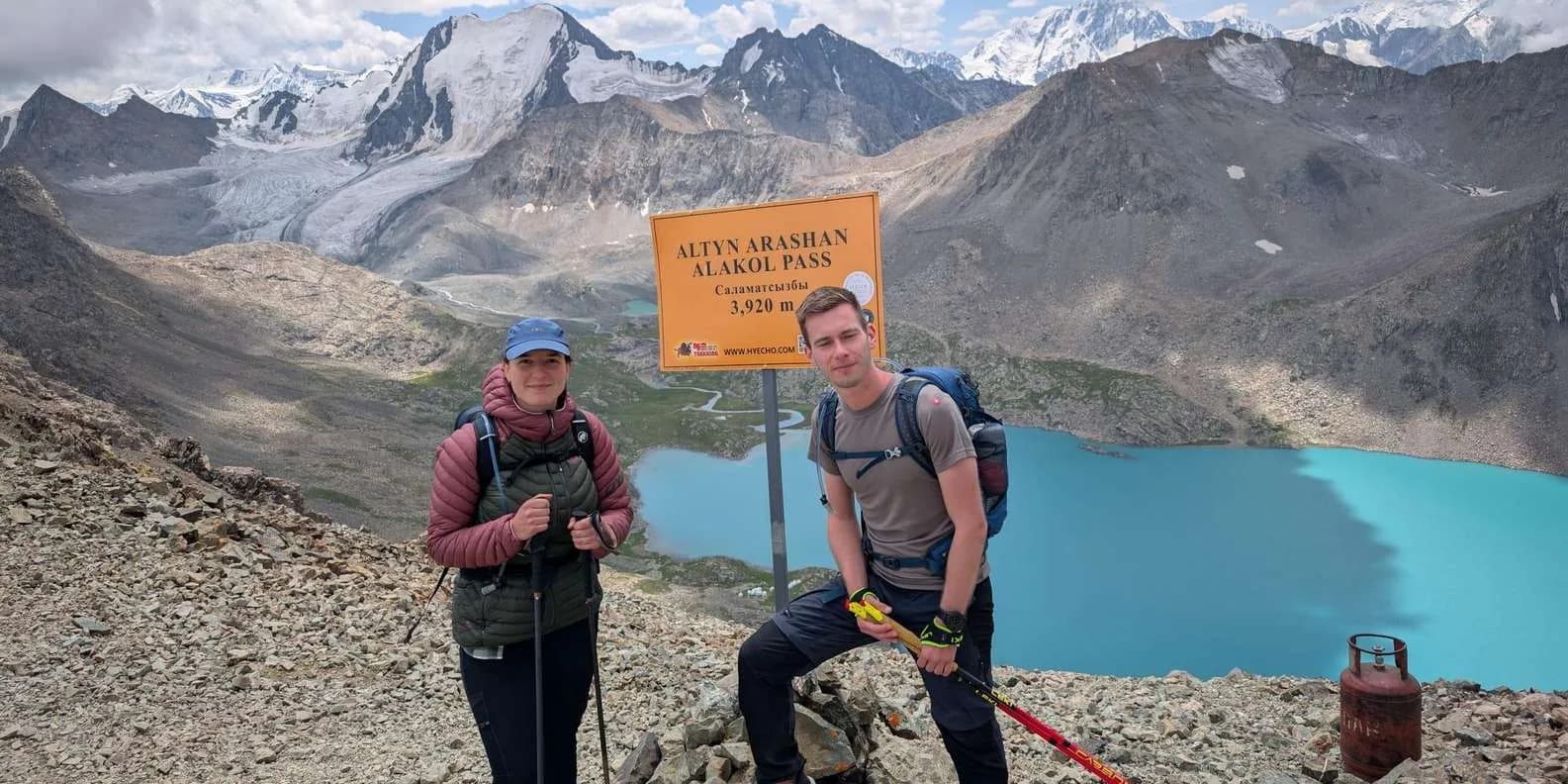
 Image via GetYourGuide
Jyrgalan Valley Trekking Guide (2026)
A former Soviet coal village 60 km east of Karakol, now Kyrgyzstan's quietest, best-marked community trekking and ski-touring hub. Routes, seasons, how to book.
Book it on This is Kyrgyzstan
Karakol · Turn this guide into a trip

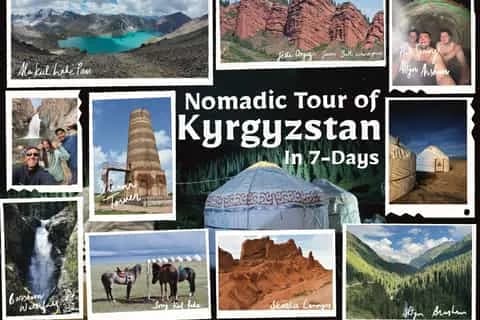
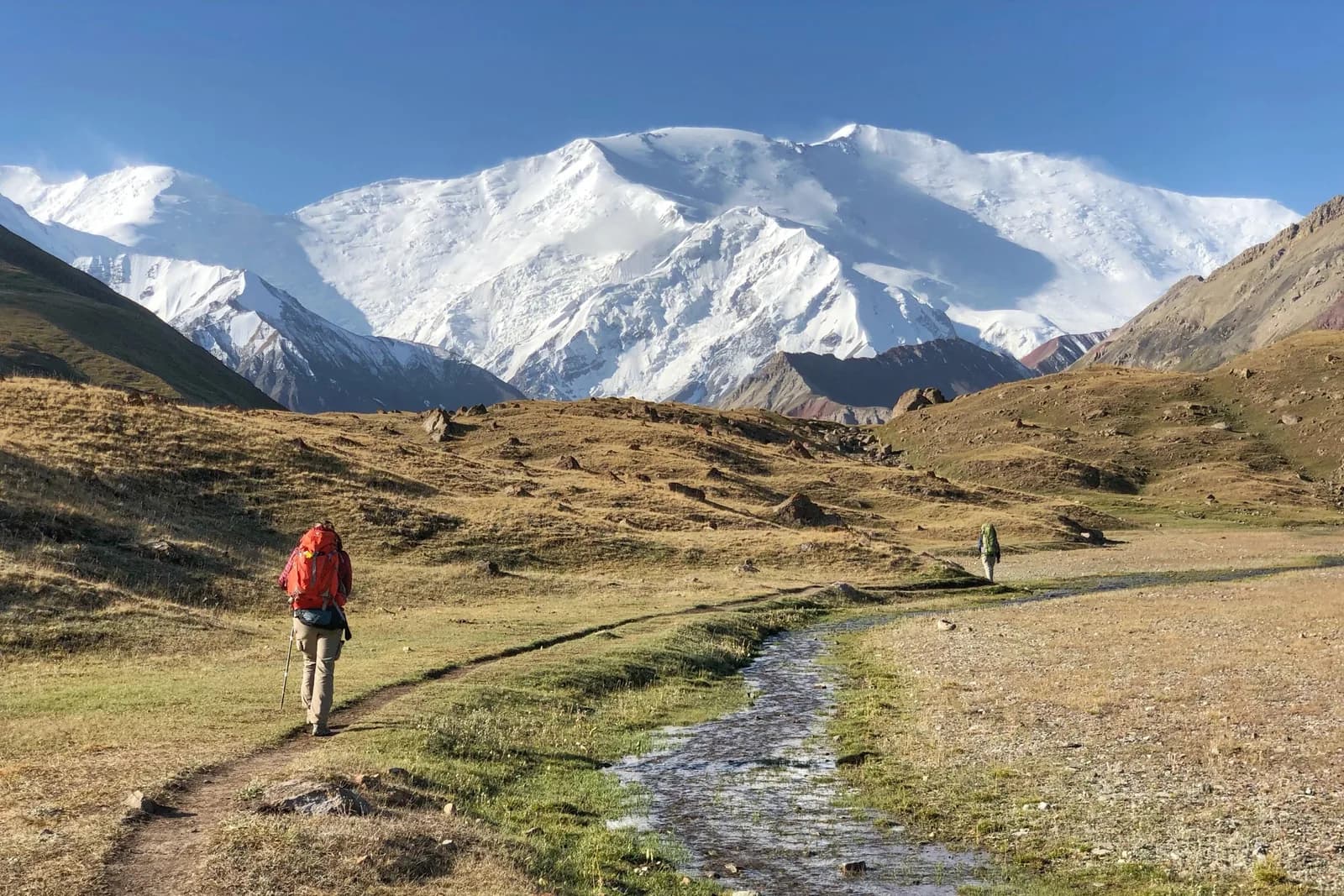
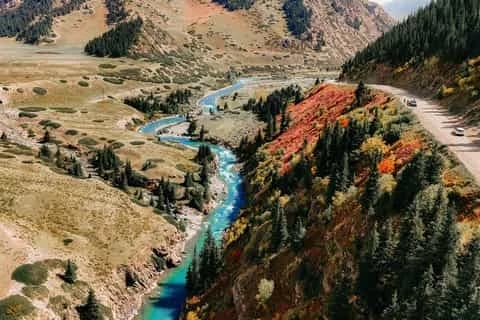
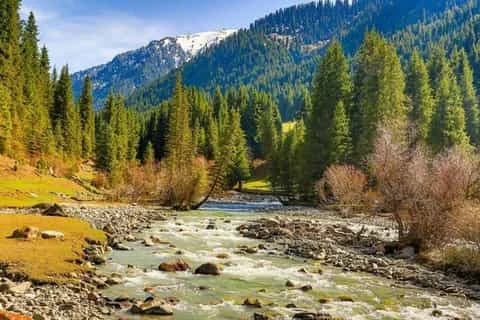
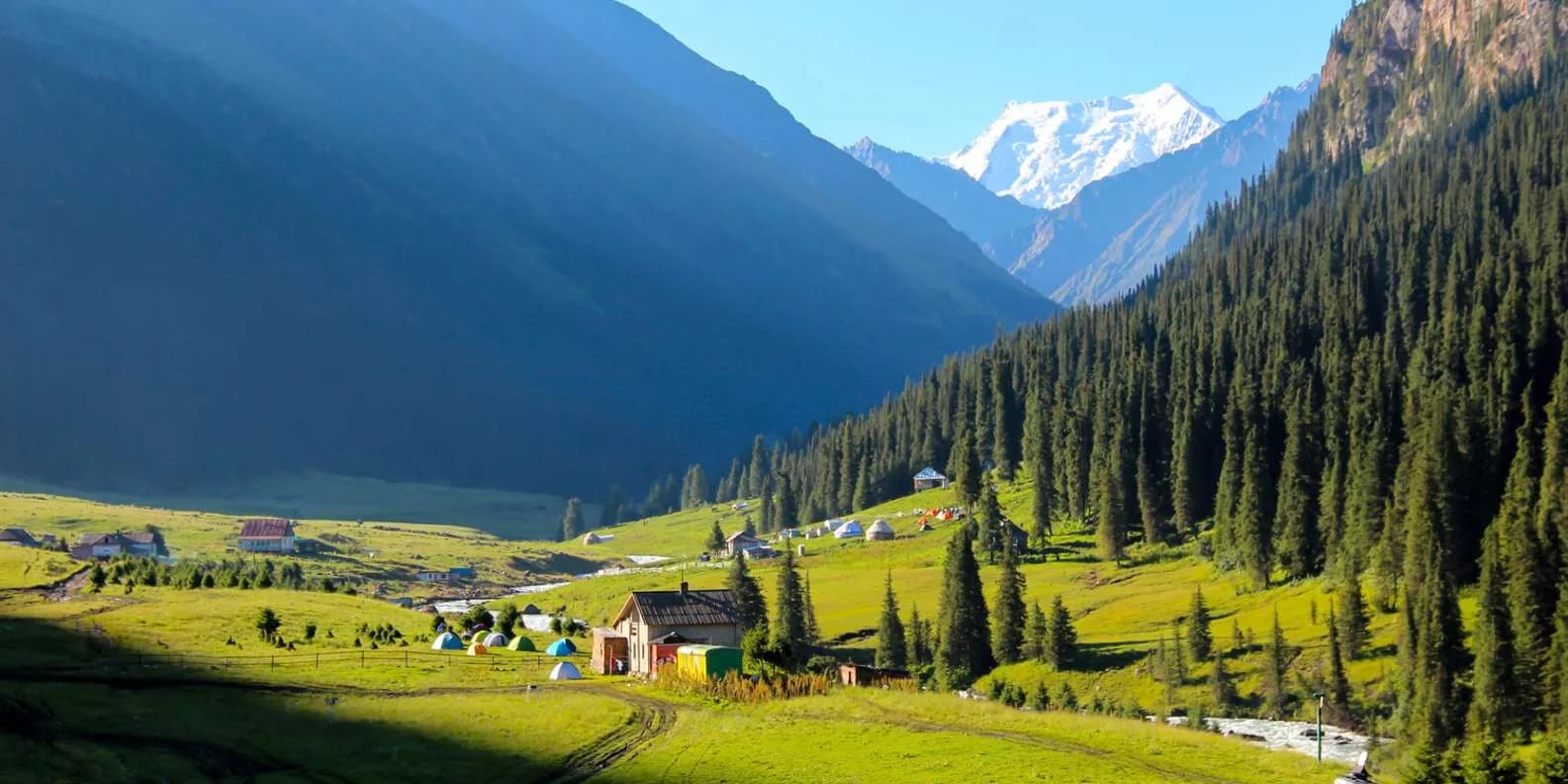
Jyrgalan (Jyrgalan Valley, sometimes Jergalan) is a former Soviet coal-mining village of about 1,000 people, roughly 60 km east of Karakol, that has turned itself into one of the best community trekking and ski-touring bases in Kyrgyzstan. The draw is simple: well-marked trails, strong family homestays, a proper community-run booking system, and a fraction of the foot traffic you get on the famous Ala-Kul trek. If you want the Terskey Ala-Too's alpine lakes and passes without the August queues, this is where to come.
The local DMO, Destination Jyrgalan, was set up in late 2016 by six village families, with USAID backing for its first eighteen months. It has since done the thing almost no other Kyrgyz community operator manages: physically waymarked and GPX-tracked its routes, so the signage here is the best in the country. The DMO also publishes its revenue split, which is rare honesty in Kyrgyz tourism: it takes 20% of equipment and rental income and 10% of guesthouse bookings, with the rest going to the provider and the DMO's share funding community projects.
Why Jyrgalan is different
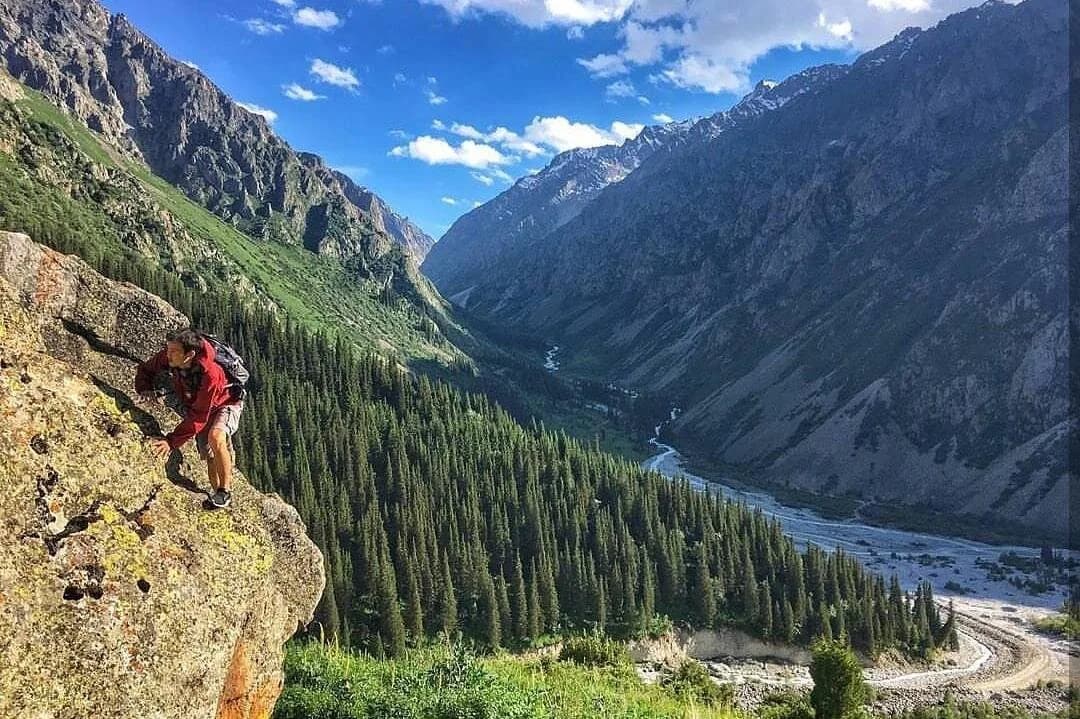
Most trekkers pour into Karakol, walk the Ala-Kul loop over its 3,860–3,900 m pass, and leave. Jyrgalan sits at the quieter end of the same mountains. The valley floor is around 2,100 m and the treks top out between roughly 3,300 m and 3,700 m, so the altitude is more forgiving than Ala-Kul, where people arrive off a Bishkek bus and are at nearly 3,900 m within 48 hours. Nights in a Jyrgalan homestay let you acclimatise properly before you go high.
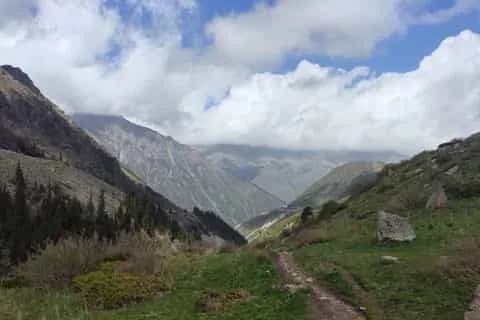
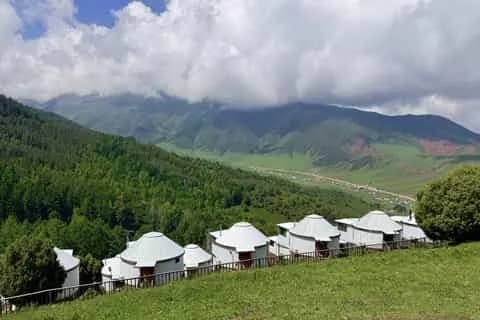
The trails are also genuinely signed and mapped. Off the main Ala-Kul line, waymarking across Kyrgyzstan is thin to non-existent; Jyrgalan's DMO routes are the exception. Add family homestays in the village, herder yurt camps up on the jailoo, and winter ski touring, and you have a year-round destination rather than a two-month one. For the wider context, see our guide to trekking in Kyrgyzstan.
The signature treks
These are Destination Jyrgalan's own graded routes. Distances and altitudes come from the DMO; where an independent measurement differs (the Keskenkija Loop, in particular) both figures are given. Treat the day counts as the standard supported versions.
| Trek | Days / nights | Distance | Difficulty | Altitude range | Best months |
|---|---|---|---|---|---|
| Boz-Uchuk Lakes | 3 / 2 | ~46 km | Medium | 2,124–3,471 m | Jun–Sep (into Oct) |
| Turnaly / Turnaluu-Kol & Chaar-Jon Peak | 1 day | ~20 km | Medium | 2,260–3,023 m | Jun–Sep |
| Eki-Chat (Alakol Eki-Chat) | 1 day, or overnight | 14–19 km | Easy–Medium | ~2,265–2,650 m | Jun–Sep |
| Terim-Tor pass (on the Boz-Uchuk route) | part of 3-day | — | Medium–Hard | up to ~3,467 m | Jul–Sep |
| Keskenkija Loop | 4 / 3 | 53 km (DMO); ~64 km measured | Medium | 2,239–3,375 m | Jun–Sep |
| Keskenkija Super Loop | 7 / 6 | ~92 km | Hard | 2,247–3,719 m | Jul–Sep |
| Ailampa Glacier Loop | 3 / 2 | ~41 km | Medium–Hard | 2,251–3,530 m | Jul–Sep |
| Kok-Bel Waterfall | 1 day | ~12 km | Easy | 2,265–2,750 m | Jun–Oct |
Boz-Uchuk Lakes
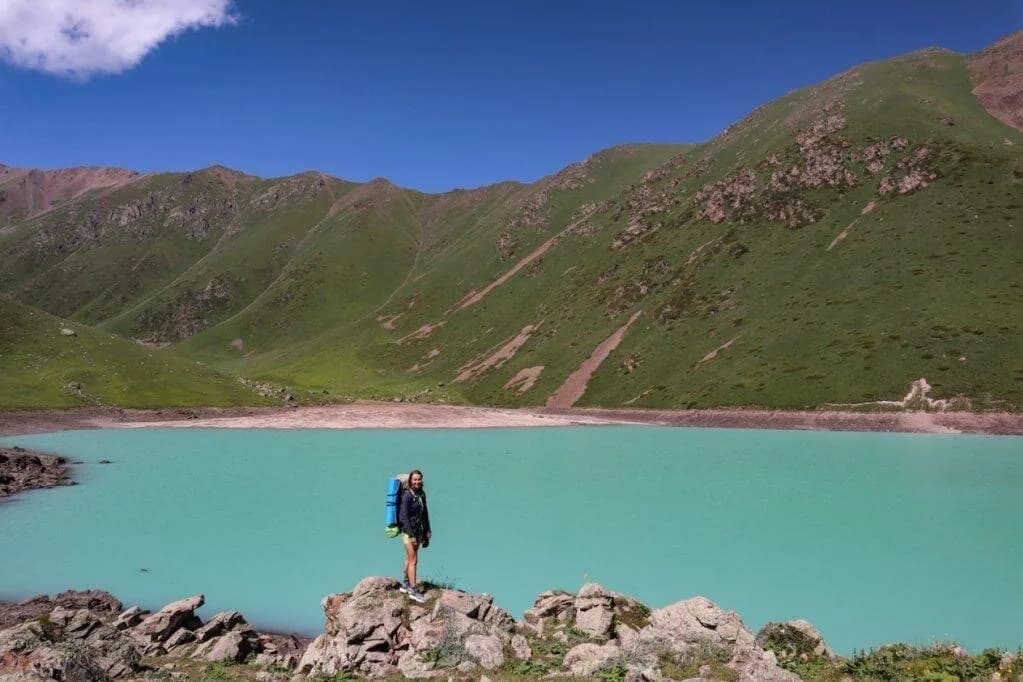
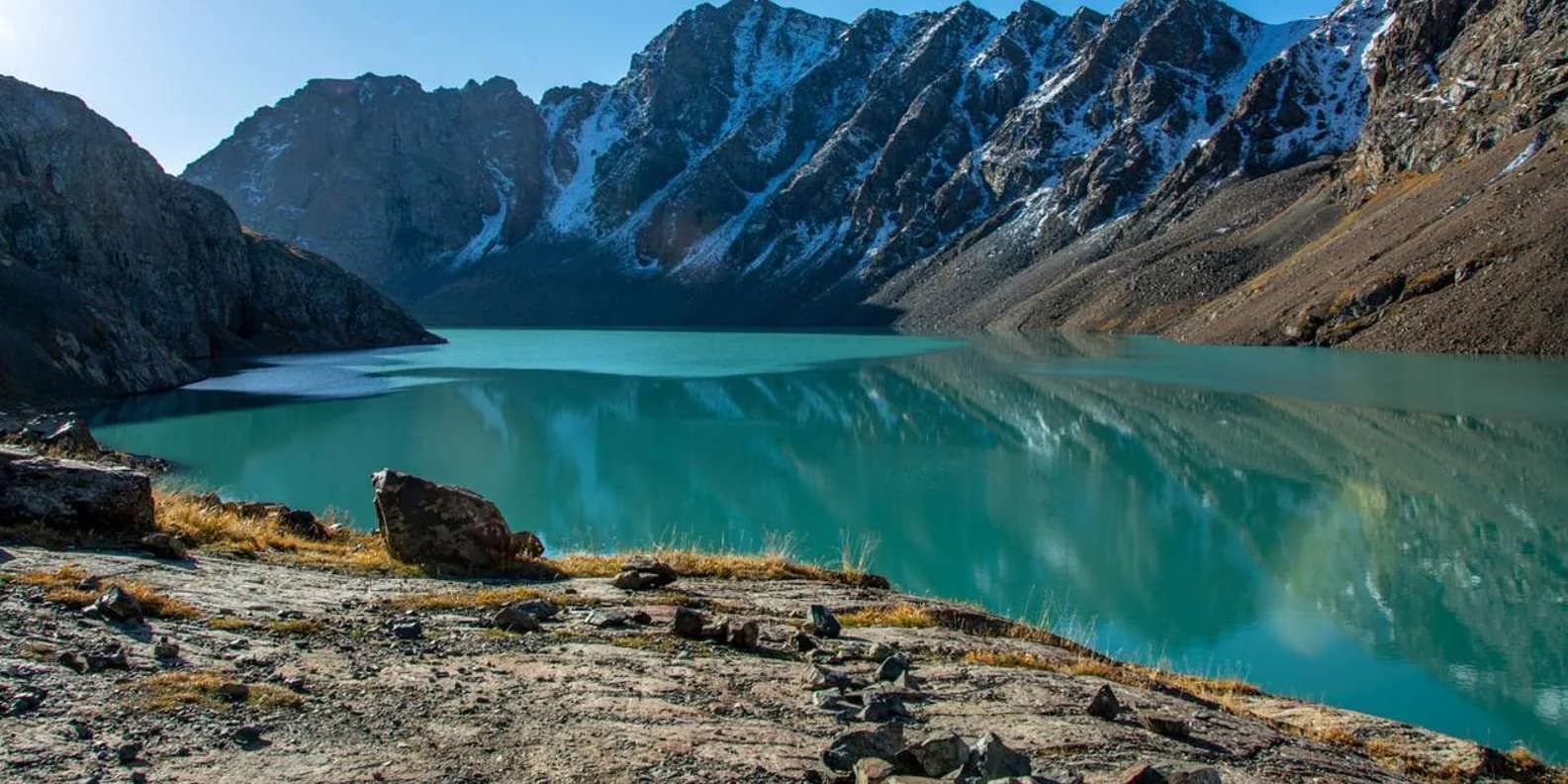
The valley's signature multi-day walk. Three days and two nights of camping take you to a cluster of alpine lakes that were once a single glacier — turquoise and best in early-morning light — then over the Terim-Tor pass (about 3,467 m) and down into the Turgen-Ak-Suu valley, which fills with temporary yurt camps and grazing livestock in summer. It runs to roughly 46 km and stays medium in grade, which makes it a sensible first Kyrgyz trek for anyone with hill fitness.
Turnaly and Eki-Chat
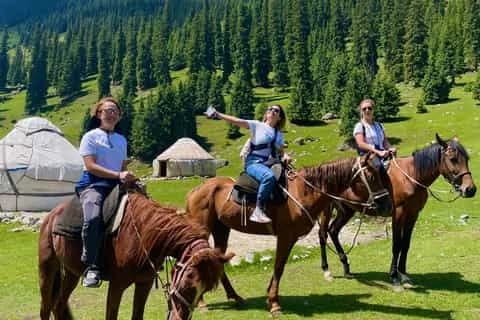
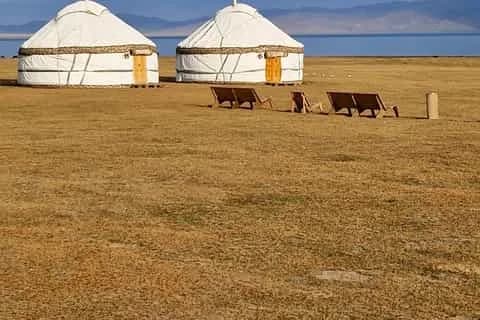
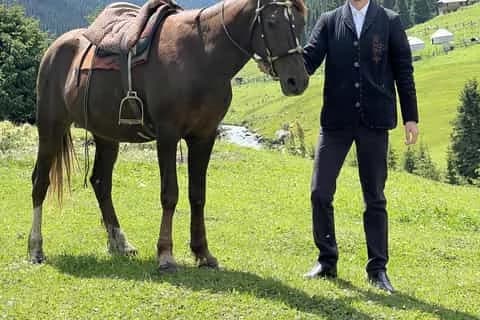
For a taste without committing to a multi-day camp, two shorter routes stand out. The Turnaluu-Kol Lake and Chaar-Jon Peak day hike is about 20 km up to a small lake that hosts cranes and ducks in summer, with a panorama ridge (locals call Chaar-Jon the "Kyrgyz Fujiyama") looking over the border into Kazakhstan. Eki-Chat — the name means "two valleys" — is a jailoo crossroads about 9 km up from the village where the herder Danik and his family keep the Alakol Eki-Chat yurt camp. You can ride or walk in for the day, or stay the night in a working yurt. Eki-Chat also serves as the first-night stop on the Keskenkija circuit.
The Keskenkija Loop and the Jyrgalan-to-Karakol traverse
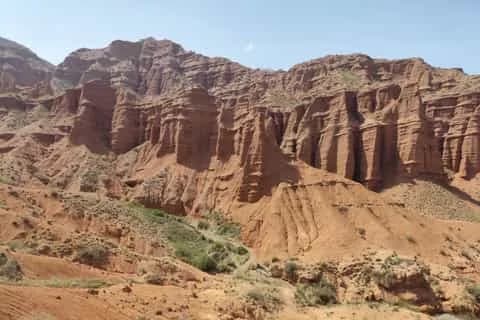
The Keskenkija Loop is the classic four-day circuit, crossing the Jyrgalan Pass (Ak-Kiya, 3,332 m) and neighbouring passes through carved canyons and shepherd valleys. The DMO calls it 53 km; an independent GPS measurement put it nearer 64 km over four days, so pack for the longer figure. Stronger walkers extend it to the seven-day Keskenkija Super Loop (~92 km, topping out around 3,719 m).
Jyrgalan's biggest walk links it right across the range: a multi-day traverse from Jyrgalan over to Altyn-Arashan and on to Jeti-Ögüz, sold by Destination Karakol. It is a serious undertaking that stitches the quiet eastern valleys to the famous Karakol side. If Altyn-Arashan is your target, read our dedicated Altyn-Arashan trek guide before you commit.
Ski touring and freeride in winter
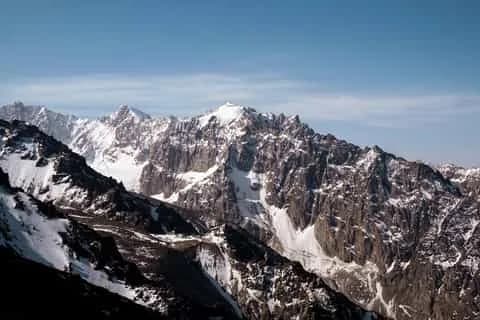
Winter is a genuine second season here, not an afterthought. The seven peaks ringing the valley shelter it from the worst winter winds, and the north-facing slopes hold cold, dry snow. Destination Jyrgalan runs guided ski touring and freeride, snowshoeing, and winter horse riding roughly from December to March, using local guides who know the avalanche terrain. This is backcountry skiing — you earn your turns on skins, there are no lifts — so you need touring kit, avalanche gear and the judgement to use it. It has quietly become one of Central Asia's better-known freeride spots. Note that the high summer passes, and the Ala-Kul pass in particular, are mountaineering-grade in winter and not part of the ski offering.
Getting there from Karakol
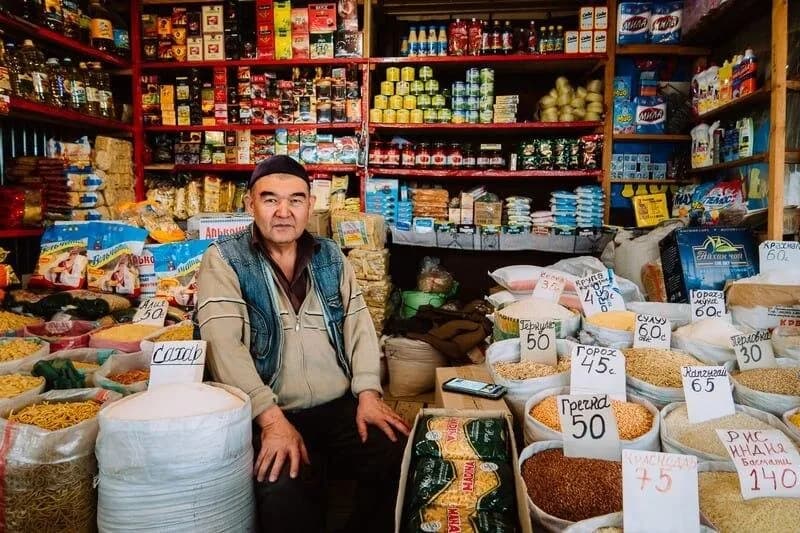
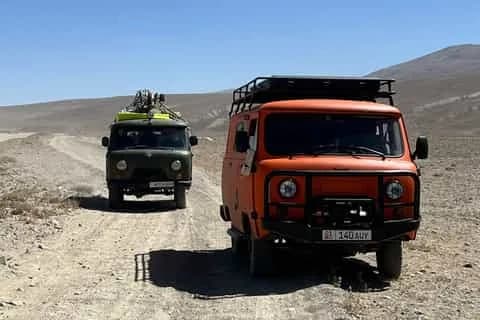
Jyrgalan is about 60 km east of Karakol, up the valley past Ak-Suu. A marshrutka runs the route from Karakol most days and is the cheap option; a private taxi is faster and more flexible but costs several times more. Confirm departure times and the current fare in Karakol on the day, as the schedule thins outside summer. Coming from the lake shore or Bishkek, get yourself to Karakol first — our Karakol guide covers transport, beds and the bazaar where you should buy any trekking food, because there is no proper resupply in Jyrgalan beyond a couple of tiny village shops.
Homestays and booking through the DMO
You sleep in family guesthouses in the village or in yurt camps on the jailoo. Named guesthouses include Salamat Guest House and the Alakol-Jyrgalan Guest House, and sign-ups for tours are handled at participating guesthouses as well as through the DMO. Destination Jyrgalan is the one Kyrgyz community operator with a real online booking basket on jyrgalan.com; you can also reach them on WhatsApp (+996 551 916 924) or by email (destination.jyrgalan@gmail.com). Booking through the DMO rather than a Bishkek agency keeps the money in the valley.
Guide, horse and support rates in this area run roughly: a trekking guide 2,000–2,500 som a day (about $23–29), a pack horse 1,300 som ($15), a horse handler 2,000 som ($23), a cook 1,500 som ($17) and meals around 350 som (~$4) each. A night in a jailoo yurt camp with a herder family is inexpensive and often includes breakfast. Rates move year to year, so confirm the current figure when you book. For the full picture of what you'll spend on the ground, see our Karakol destination hub.
How it compares to the Ala-Kul and Karakol routes
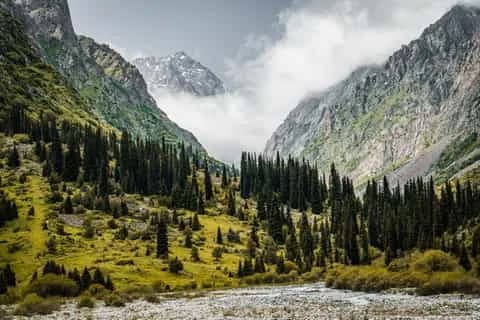
Ala-Kul is the headline trek out of Karakol, and it is spectacular, but it is also crowded in July and August, higher, harder, and confusingly unmarked on the pass and the moraine. Jyrgalan gives you similar Terskey Ala-Too scenery — alpine lakes, high passes, spruce forest and jailoo — at gentler altitude, on properly signed trails, with far fewer people and a stronger community model. Choose Ala-Kul if the iconic turquoise lake and the 3,900 m pass are the point. Choose Jyrgalan if you want quieter walking, a softer acclimatisation curve, winter options, and the confidence of a route you can actually follow in cloud.
A fair caveat: Jyrgalan's lakes are lovely but none is quite the showstopper that Ala-Kol's is, and the village is small, so bring what you need. What you get in return is space, silence and a place where your money visibly stays local.
Season at a glance
Hiking runs roughly June to September, with some lower routes open into October; the high passes are reliably clear from about mid-July. Ski touring and freeride run December to March. May and late October are shoulder weeks when yurt camps are shut and half the high ground is under snow. Whenever you go, carry small som notes, download offline maps and a GPX track before you leave phone signal, and treat every stream as needing a filter — the valleys are grazed all summer.
Ready to plan the walking? Browse Terskey Ala-Too routes on our trekking tours page and pair Jyrgalan with a day or two in Karakol.
Browse Jyrgalan and other yurt stays by area, and its horse treks by route.
Book it: the Keskenkija loop or Boz-Uchuk Lakes ride, with a Jyrgalan yurt camp.
Chat with a real person — free
Seif and the team reply on WhatsApp 24/7 — trip questions, custom plans and booking help.
Ask Seif on WhatsAppCommon questions
Where is Jyrgalan and how do I get there?
Jyrgalan is a village about 60 km east of Karakol, up the valley beyond Ak-Suu in the Terskey Ala-Too. Get to Karakol first, then take a marshrutka (the cheap option, running most days in summer) or a private taxi (faster, several times the price). Schedules thin outside the June–September season, so confirm departure times and the current fare in Karakol on the day.
Is Jyrgalan easier than the Ala-Kul trek?
Generally yes. Jyrgalan's treks sit between about 2,100 m and 3,700 m, lower than Ala-Kul's 3,860–3,900 m pass, and the trails are properly waymarked rather than confusing on the high ground. Nights in a village homestay also let you acclimatise first. The walking is still real mountain trekking with long days and passes, but the altitude and navigation are more forgiving than Ala-Kul.
What is the best trek in Jyrgalan?
For a multi-day walk, the Boz-Uchuk Lakes trek (3 days, ~46 km, medium) is the signature route, taking in turquoise glacial lakes and the Terim-Tor pass at about 3,467 m. The 4-day Keskenkija Loop is the other classic. For a day, do the Turnaluu-Kol Lake and Chaar-Jon Peak hike (~20 km) or ride to the Eki-Chat yurt camp. Distances come from the Destination Jyrgalan DMO.
When is the trekking season in Jyrgalan?
Hiking runs roughly June to September, with some lower routes such as Boz-Uchuk and Kok-Bel Waterfall open into October. The high passes are reliably snow-free from about mid-July. May and late October are shoulder periods when yurt camps close and much of the high ground is under snow. For skiing, the winter touring and freeride season runs roughly December to March.
Can you ski in Jyrgalan?
Yes. Jyrgalan is one of Central Asia's better-known freeride and ski-touring bases. The surrounding peaks shelter the valley from winter winds and hold cold, dry snow, and Destination Jyrgalan runs guided ski touring, freeride, snowshoeing and winter horse riding from about December to March. This is lift-free backcountry skiing, so you need touring equipment, avalanche gear and a guide who knows the terrain.
How do I book treks and homestays in Jyrgalan?
Book through Destination Jyrgalan, the community DMO. It is the one Kyrgyz community operator with a real online booking cart at jyrgalan.com; you can also use WhatsApp (+996 551 916 924) or email (destination.jyrgalan@gmail.com), and sign up at participating village guesthouses like Salamat Guest House and Alakol-Jyrgalan Guest House. Booking through the DMO keeps your money in the valley rather than with a Bishkek agency.
Do I need a guide or permit for Jyrgalan treks?
No special permits are required for the standard Jyrgalan routes, which sit well away from the sensitive border zones. A guide is not legally mandatory, but the DMO's guided and supported trips are good value and the money stays local. Guide rates run roughly 2,000–2,500 som a day (about $23–29), with pack horses and cooks extra. Confirm current rates when you book, as they change year to year.
Is Jyrgalan better than Karakol for trekking?
It depends what you want. Karakol is the gateway to the famous Ala-Kul lake and its high pass, but those routes are busy in summer, higher and less well-marked. Jyrgalan offers quieter, gentler, better-signed walking with a stronger community model and winter skiing. Many trekkers do both: acclimatise and walk in Jyrgalan, then take on Ala-Kul or Altyn-Arashan from Karakol.
Where do I buy food and supplies for a Jyrgalan trek?
Buy everything in Karakol before you go. Jyrgalan village has only a couple of tiny shops and no proper resupply, and there are no stores on the trails. Karakol has a large bazaar and supermarkets, and it is your last reliable ATM, so carry all your trek cash in small som notes. Gas canisters are sold in Karakol outdoor shops but stock is unreliable, so buy on arrival.
Book it on This is Kyrgyzstan
Turn this guide into a trip

Kyrgyzstan's bestsellers
The experiences travelers book most, across the country
Keep reading
Altyn-Arashan: Hot Springs Trek Above Karakol (2026)
Walk in or take the 4WD? A guide to the Altyn-Arashan valley above Karakol — the hot springs, guesthouses, costs, winter access and how long to stay.
By TiK Editors9 min read
Ala-Kul Trek Kyrgyzstan: The Complete 3-Day Guide
How hard the Ala-Kul trek really is, how many days it takes, whether you need a guide, and when the 3,860–3,900 m pass is actually clear of snow.
By TiK Editors9 min read
Trekking in Kyrgyzstan: Routes, Seasons & Costs
The complete trekking overview for Kyrgyzstan: the classic routes compared, when to go, altitude and AMS safety, permits, gear and real costs in som and USD.
By TiK Editors12 min read