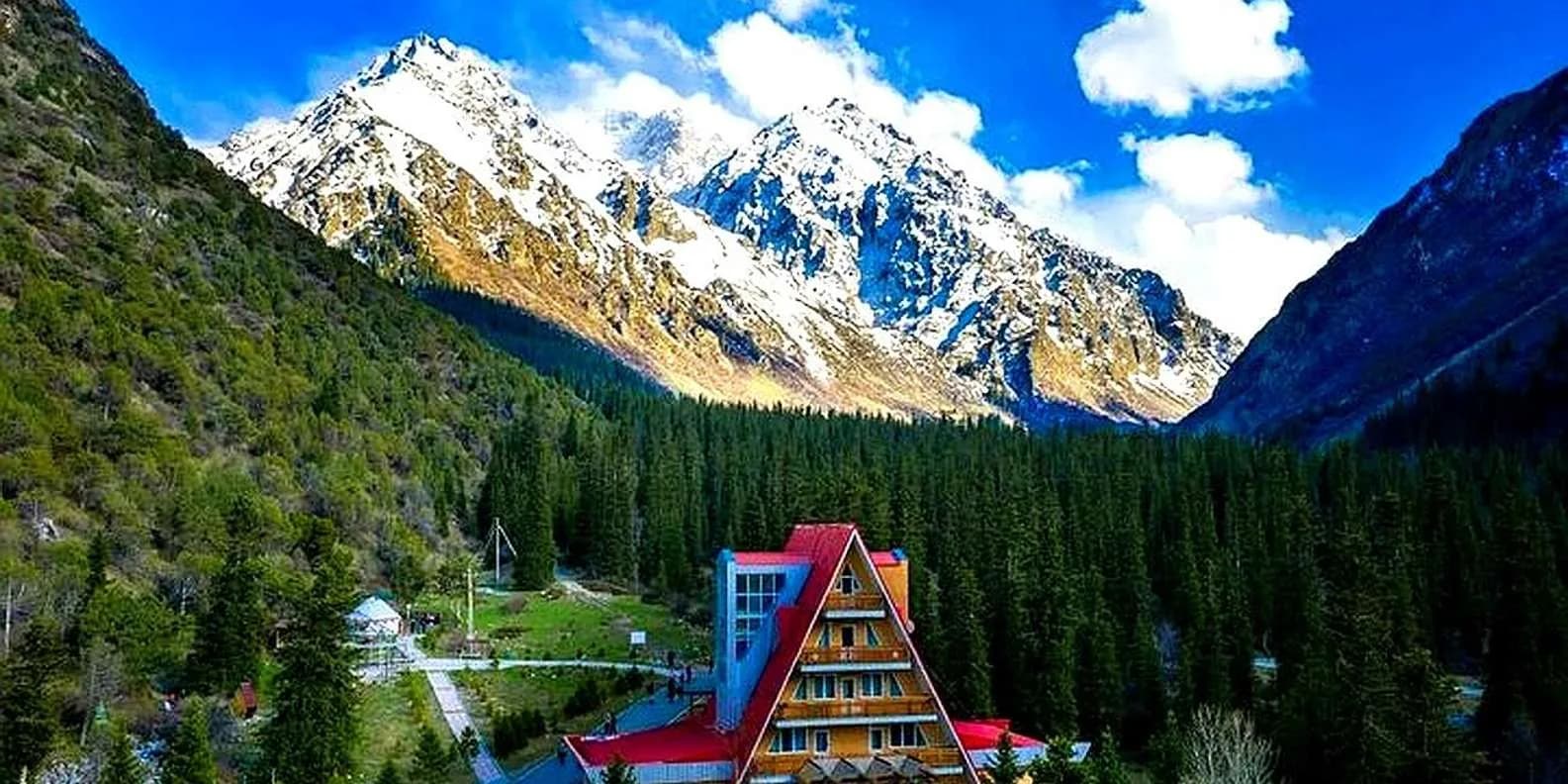
 Image via GetYourGuide
Kyrgyzstan's National Parks & Nature Reserves
A practical roundup of Kyrgyzstan's national parks, biosphere and strict reserves — which you can actually visit, entry fees in som and USD, and when to go.
Book it on This is Kyrgyzstan
Turn this guide into a trip
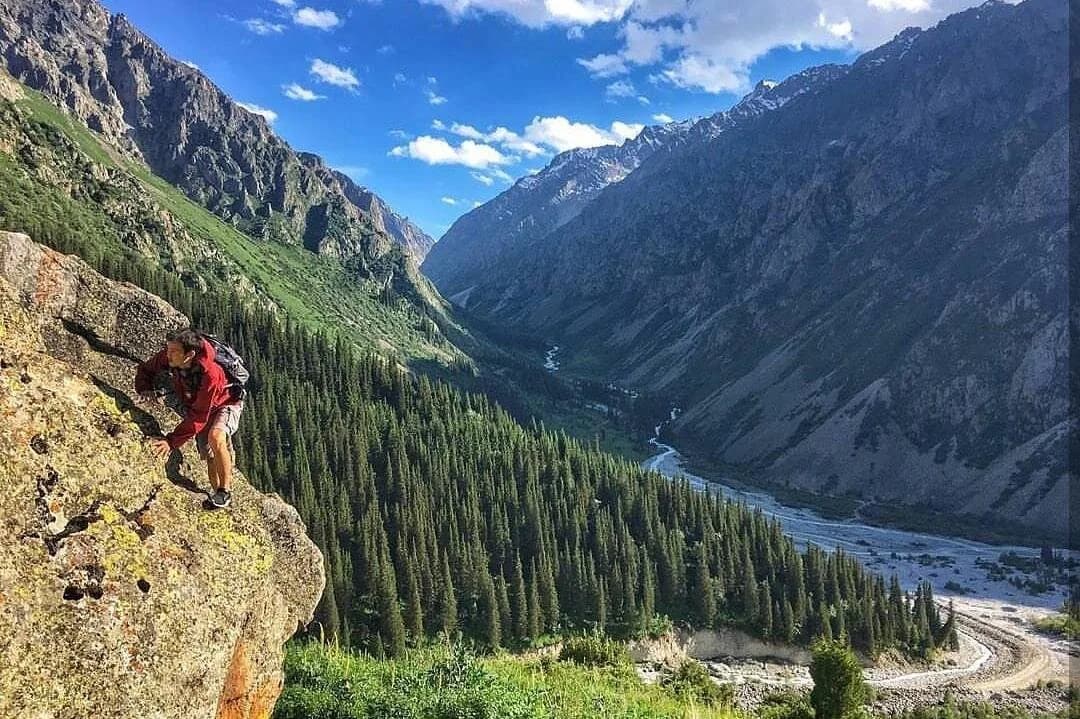
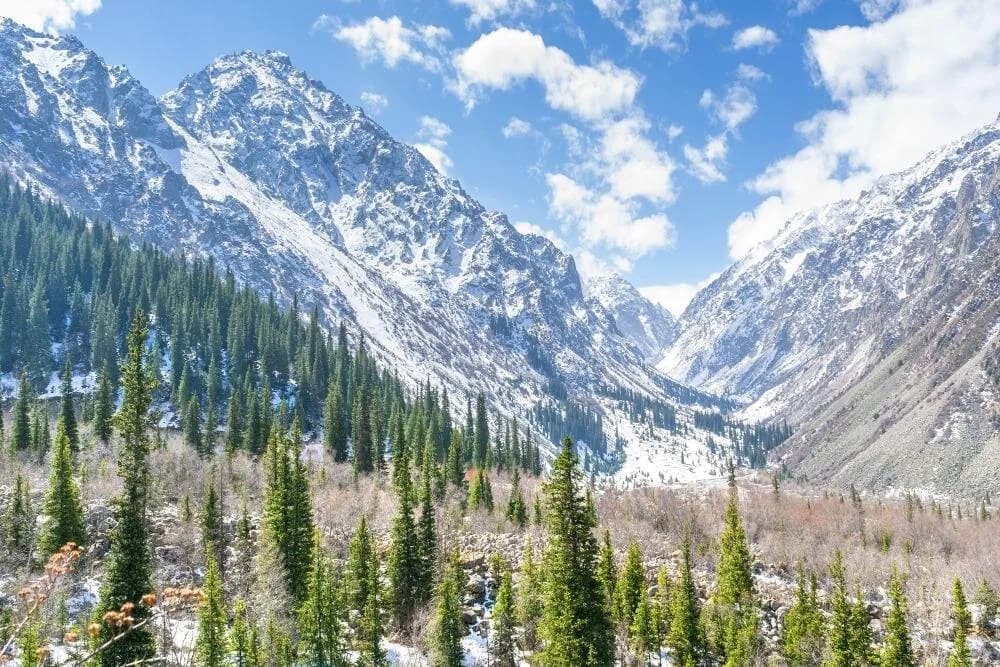
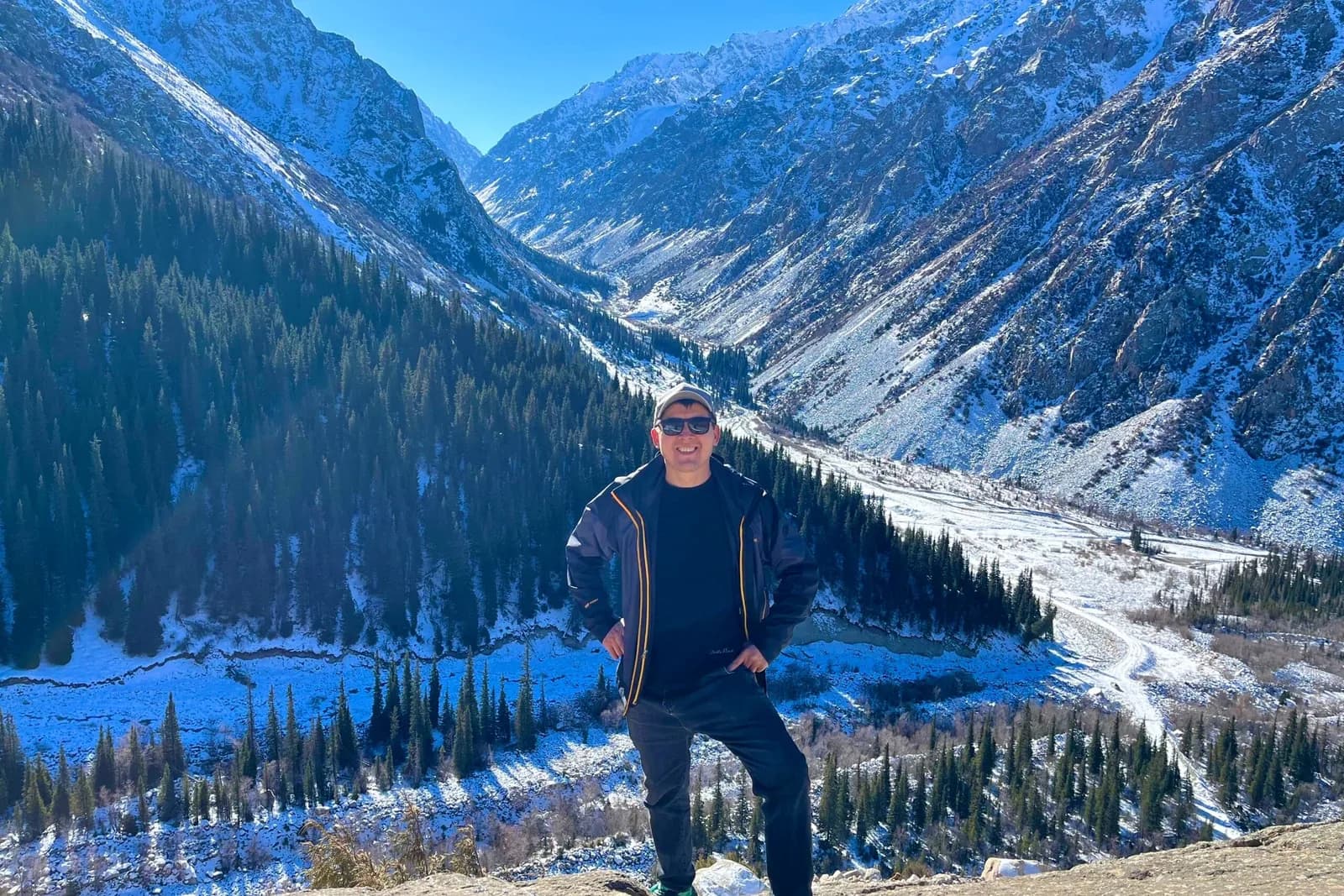
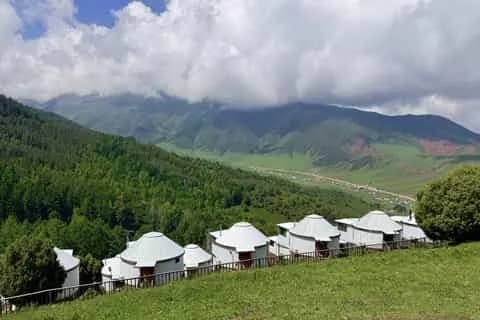
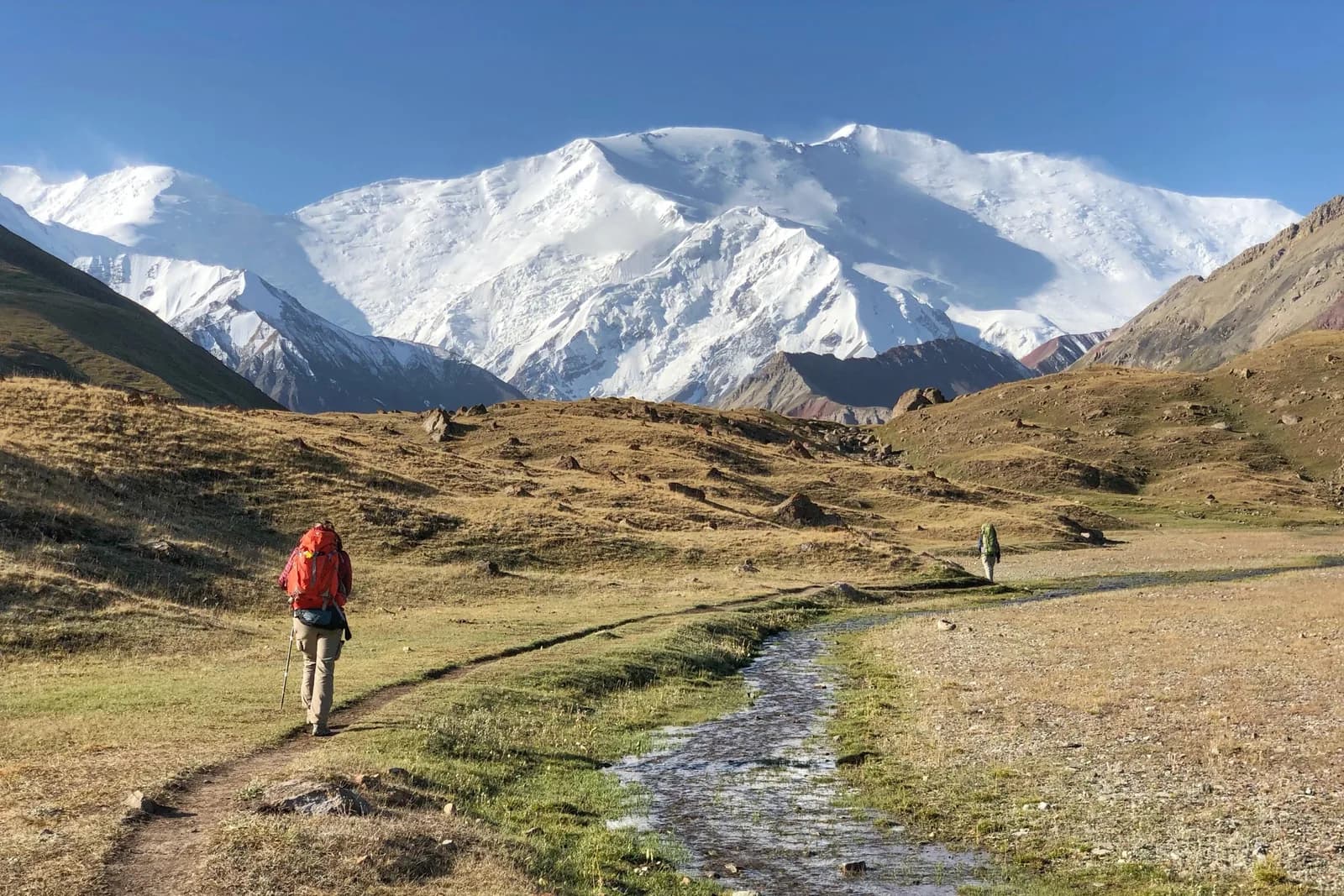
About 6% of Kyrgyzstan is protected land, and the country markets a lot of it as "national parks". In practice the two you should build a trip around are Ala-Archa, the alpine gorge 40 km from Bishkek that works as a half-day escape, and the Karakol / Ala-Köl area in the Terskey Ala-Too, home to the country's most-walked trek. Add Sary-Chelek in the south-west if you have time and it is genuinely a biosphere reserve, not a national park. The rest — Chon-Kemin, Besh-Tash, Salkyn-Tor and the strict reserves like Sarychat-Ertash — range from easy add-ons to places you effectively cannot enter without a permit. Here is how the system actually works and which parks are worth your days.
Three legal categories, and why the difference matters
Kyrgyzstan's protected areas fall into three types, and travel copy blurs them constantly. Getting the category right tells you whether you can just turn up.
- State nature parks ("national parks"). These are set up for people as well as conservation: marked trails, a gate, a modest entry fee, and often yurt camps or guesthouses nearby. Ala-Archa, Karakol, Chon-Kemin, Besh-Tash and Salkyn-Tor are all in this group. This is where you hike.
- Zapovedniks (strict state nature reserves). These exist for science and wildlife, not tourism. Access is restricted, sometimes closed entirely, and where it is allowed you usually need a permit arranged in advance. Sarychat-Ertash, Naryn and Besh-Aral are zapovedniks. Do not plan around wandering into one.
- Biosphere reserve. Kyrgyzstan has exactly one — Sary-Chelek — a UNESCO Man-and-the-Biosphere site with a strictly protected core you cannot enter and a buffer zone that visitors reach on a small fee. It is not a national park, whatever the brochures say.
Official counts disagree. The tourism ministry lists 9 national parks, 10 zapovedniks, 1 biosphere reserve and 68 wildlife sanctuaries; a widely used secondary register counts 13 state nature parks. Treat the exact number as unsettled and judge each park on what it offers.
At a glance
| Park / reserve | Region | Highlight | Entry (approx.) | Best season |
|---|---|---|---|---|
| Ala-Archa | Chüy (near Bishkek) | Alpine gorge, Ratsek hut, Ak-Sai glacier | 250 som (~$2.85) + vehicle | Jun–Oct hiking |
| Karakol State Nature Park | Issyk-Köl (Terskey) | Ala-Köl lake, Karakol gorge | 250 som + 100 som/tent (~$3–4) | Jul–mid-Sep |
| Sary-Chelek (biosphere) | Jalal-Abad | Landslide-dammed forest lake | Small gate fee, confirm | Jul–Aug |
| Chon-Kemin | Chüy | Green valley, treks to Issyk-Köl | Small fee; permit for border strip | Jun–Sep |
| Salkyn-Tor | Naryn | Spruce forest by Naryn town | Small local fee, confirm | Jun–Sep |
| Besh-Tash | Talas | Remote alpine valley and lake | Small local fee, confirm | Jul–Aug |
| Sarychat-Ertash (zapovednik) | Issyk-Köl (east) | Snow-leopard country, permit-only | Permit / not casual | — |
Quoted fees are 2025–26 reported figures and have crept up almost yearly. Carry small som notes — gates take cash only — and confirm on the day.
The parks, ranked by how worth it they are
1. Ala-Archa National Park — the Bishkek classic
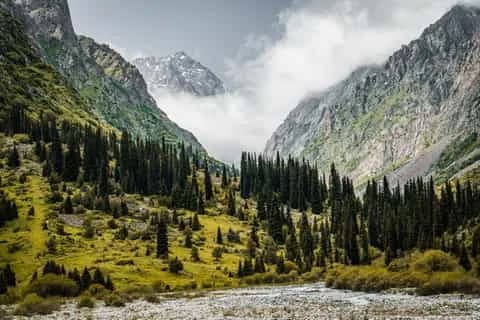
The oldest park in the country (established 1976) and the one nearly every visitor sees. It cuts into the Kyrgyz Ala-Too just 40 km south of Bishkek, so you can leave the city after breakfast and be walking in pine and glacier country by mid-morning. From the Alplager trailhead at around 2,100 m, the two standard objectives are the Ak-Sai waterfall and the Ratsek climbers' hut at roughly 3,300–3,350 m — a stiff 14 km return with 1,200–1,500 m of gain. City buses 160, 169 and 177 run toward the entrance. Full details are in our Ala-Archa National Park guide.
2. Karakol State Nature Park — Ala-Köl and the Terskey range
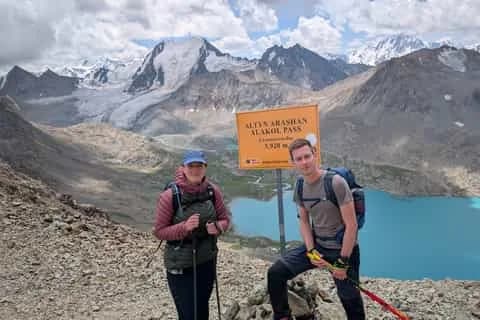
The park most people walk without knowing its name. It wraps the Karakol gorge above Karakol town in the Terskey Ala-Too, and it is the gateway to the Ala-Köl trek — the milky-turquoise lake at about 3,530–3,560 m, reached over a pass of roughly 3,860–3,900 m. The gate on the road into the gorge charges 250 som per person plus about 100 som per tent, with a second collection point on the Altyn-Arashan (Arashan reserve) side if you trek through. It is a hard walk, not a casual one, and altitude catches people out. See the Ala-Köl trek guide before you commit.
3. Sary-Chelek Biosphere Reserve — the forest lake
The visual odd-one-out: a long, deep lake dammed by an ancient landslide, ringed by steep walnut-fruit forest — more Balkan than Central Asian. Sary-Chelek is a biosphere reserve, not a national park, and its strict core is off-limits; you visit the lake and buffer zone from the village of Arkyt, where homestays cluster and a small entry fee applies. It is a serious detour — roughly 6 hours from Osh, 9 from Bishkek with your own vehicle — and camping is the only way to sleep close to the water. Snow-free from mid-May, best in July and August, cold at night. Our Sary-Chelek guide covers the approach.
4. Chon-Kemin National Park — the accessible valley
The largest of the readily visited parks (over 123,000 ha) and a genuine first-night stop rather than filler, about 110 km and 1.5 hours east of Bishkek. The valley is broad, green and pastoral, rising to 3,000 m-plus passes on the Kazakh border; 3–6 day treks run from here over to the Issyk-Köl shore via the Chon Ak-Suu pass, and in winter it becomes backcountry ski terrain. One catch: the upper valley touches a 2 km-wide border strip that needs a permit. See the Chon-Kemin valley guide.
5. Salkyn-Tor State Nature Park — Naryn's green escape
A small forested park (roughly 10,400 ha, established 2001) right beside Naryn town, and the easiest patch of nature to reach in the central highlands. Tien Shan spruce, short walks and picnic ground make it a half-day breather rather than a destination in itself — useful if you are staging in Naryn for Tash Rabat, Kel-Suu or Song-Köl and want to stretch your legs. Combine it with the town on a rest day; more on the base in our Naryn travel guide.
6. Besh-Tash — Talas province's quiet corner
A little-visited alpine park (established 1996) in Talas province, in the country's far north-west, well off the standard northern and southern loops. It rewards travellers who are already in Talas — a region best known as the heartland of the Manas epic — with a remote valley, an alpine lake and almost no other tourists. There is no developed visitor machinery here: arrange transport and any guide locally, expect a modest fee at most, and treat July and August as the only reliable months. Confirm access before committing a day to it.
7. Kyrgyz Ala-Too — a range, not a park
Worth clearing up because search results muddle it: the Kyrgyz Ala-Too (Kyrgyz Range) is the mountain wall south of Bishkek, not a single national park. Several protected gorges sit within it — Ala-Archa is the famous one, with Chunkurchak, Alamedin and Kegety nearby — each a separate day trip from the capital. If a tour sells you "Kyrgyz Ala-Too National Park", ask which gorge they actually mean.
8. Sarychat-Ertash — the one you probably can't enter
A strict state reserve (zapovednik) in the high country of eastern Issyk-Köl province, and some of the best snow-leopard, argali and ibex habitat in the Tien Shan. That protection is the point: it is not a place you drive into on a whim. Access is permit-controlled and geared to research and monitoring rather than sightseeing, so any visit has to be arranged in advance through the reserve authorities or a specialist operator. Include it in a park roundup for honesty, not as a stop you can casually add.
Fees, permits and the honest fine print
Entry to the visitable parks is cheap — usually 100–250 som (roughly $1.15–2.85) per person, with vehicles and tents charged on top. Gates are cash-only, there are no ATMs past the last town, and the fees have risen most years, so treat any figure here as indicative and confirm on the day.
Permits are a separate matter and catch people out. A national-park ticket is not a border permit. The upper Chon-Kemin strip, the Chinese-border zones around Kel-Suu and Chatyr-Köl, and Inylchek/Khan-Tengri all sit in restricted frontier areas that need a border permit arranged days to weeks ahead — see our Kyrgyzstan border permit guide for who needs one and how to apply. Strict reserves like Sarychat-Ertash need their own access arrangement entirely. The Ala-Köl and Altyn-Arashan treks, by contrast, need no permit at all — just the park gate fee.
Season is the other filter. High-mountain parks are reliably open only from about July to mid-September; June and late September are a gamble on the passes, and everything above 3,000 m is snowed shut the rest of the year. Lower, forested parks — Ala-Archa's valley trails, Chon-Kemin, Salkyn-Tor — stretch the window a little either side.
If you are still shaping the trip, start from the regions rather than the park list: browse destinations to see which parks fall naturally into your route, then match them to the season you are travelling in.
Chat with a real person — free
Seif and the team reply on WhatsApp 24/7 — trip questions, custom plans and booking help.
Ask Seif on WhatsAppCommon questions
Does Kyrgyzstan have national parks, and how many?
Yes. Roughly 6% of the country is protected land, including national (state) nature parks, strict reserves (zapovedniks), one UNESCO biosphere reserve and dozens of wildlife sanctuaries. Official counts vary: the tourism ministry lists 9 national parks, while a common secondary register counts 13 state nature parks. Either way, the ones most visitors actually walk are Ala-Archa, Karakol, Chon-Kemin and Sary-Chelek.
Which national park is easiest to visit from Bishkek?
Ala-Archa, hands down. It sits about 40 km south of the city in the Kyrgyz Ala-Too, so you can visit as a half-day or full-day trip. City buses 160, 169 and 177 run toward the entrance, and a taxi or tour takes under an hour. From the trailhead you can do a short valley walk or push up to the Ak-Sai waterfall and the Ratsek hut at around 3,300 m.
What's the difference between a national park, a zapovednik and a biosphere reserve?
A national (state nature) park is set up for visitors: trails, a gate and a small fee. A zapovednik is a strict scientific reserve where access is restricted or permit-only, so you often cannot freely enter. A biosphere reserve, like Sary-Chelek, has a protected core you cannot enter plus a buffer zone visitors can reach. The category decides whether you can simply turn up.
How much are national park entry fees in Kyrgyzstan?
Expect roughly 100–250 som per person (about $1.15–2.85), with vehicles and tents charged separately. Ala-Archa is 250 som plus a vehicle charge; the Karakol gorge for Ala-Köl is 250 som plus around 100 som per tent. Gates take cash only, and fees have risen most years, so carry small som notes and confirm the current price on the day.
Is Sary-Chelek a national park?
No. Sary-Chelek is Kyrgyzstan's only UNESCO Man-and-the-Biosphere reserve, a stricter category than a national park. Its core zone is closed to visitors; you see the landslide-dammed lake and forest from the buffer area, based at Arkyt village, on a small entry fee. It is a long detour in the south-west — about 6 hours from Osh — and best in July and August, with camping the only way to sleep near the lake.
Do you need a permit to visit Kyrgyzstan's parks?
Most visitable parks need only the gate fee, not a permit. But border zones do: the upper Chon-Kemin strip, Kel-Suu, Chatyr-Köl and the Inylchek/Khan-Tengri area sit near the Chinese frontier and require a border permit arranged days to weeks ahead. Strict reserves such as Sarychat-Ertash need their own access arrangement. The popular Ala-Köl and Altyn-Arashan treks need no permit at all.
Can you see snow leopards in Kyrgyzstan's parks?
Realistically, no. Snow leopards live in high reserves like Sarychat-Ertash and the Arashan area above Karakol, but they are elusive and effectively never seen by ordinary trekkers — even researchers rely on camera traps. What you will see on the high trails is marmots, pika, ibex on distant ridges, and golden eagles or lammergeiers overhead. Treat a snow-leopard sighting as a lottery win, not a plan.
When is the best time to visit Kyrgyzstan's national parks?
For high-mountain parks and treks, July to mid-September is the only reliable window; June and late September are a gamble on snow-covered passes. Lower, forested parks such as Ala-Archa's valley, Chon-Kemin and Salkyn-Tor open a little earlier and later. Sary-Chelek is snow-free from mid-May but best in high summer. Winter turns Ala-Archa and Chon-Kemin into ski-touring terrain rather than hiking parks.
Which park is the Ala-Köl trek in?
The Ala-Köl trek runs through Karakol State Nature Park, in the Terskey Ala-Too above Karakol town on Issyk-Köl's south-east shore. You pay the park fee at the gate on the road into the Karakol gorge, and again on the Altyn-Arashan side if you trek through. No separate trekking or border permit is required for Ala-Köl — just the gate fee and enough acclimatisation for the 3,860–3,900 m pass.
Book it on This is Kyrgyzstan
Turn this guide into a trip
Kyrgyzstan's bestsellers
The experiences travelers book most, across the country
Keep reading
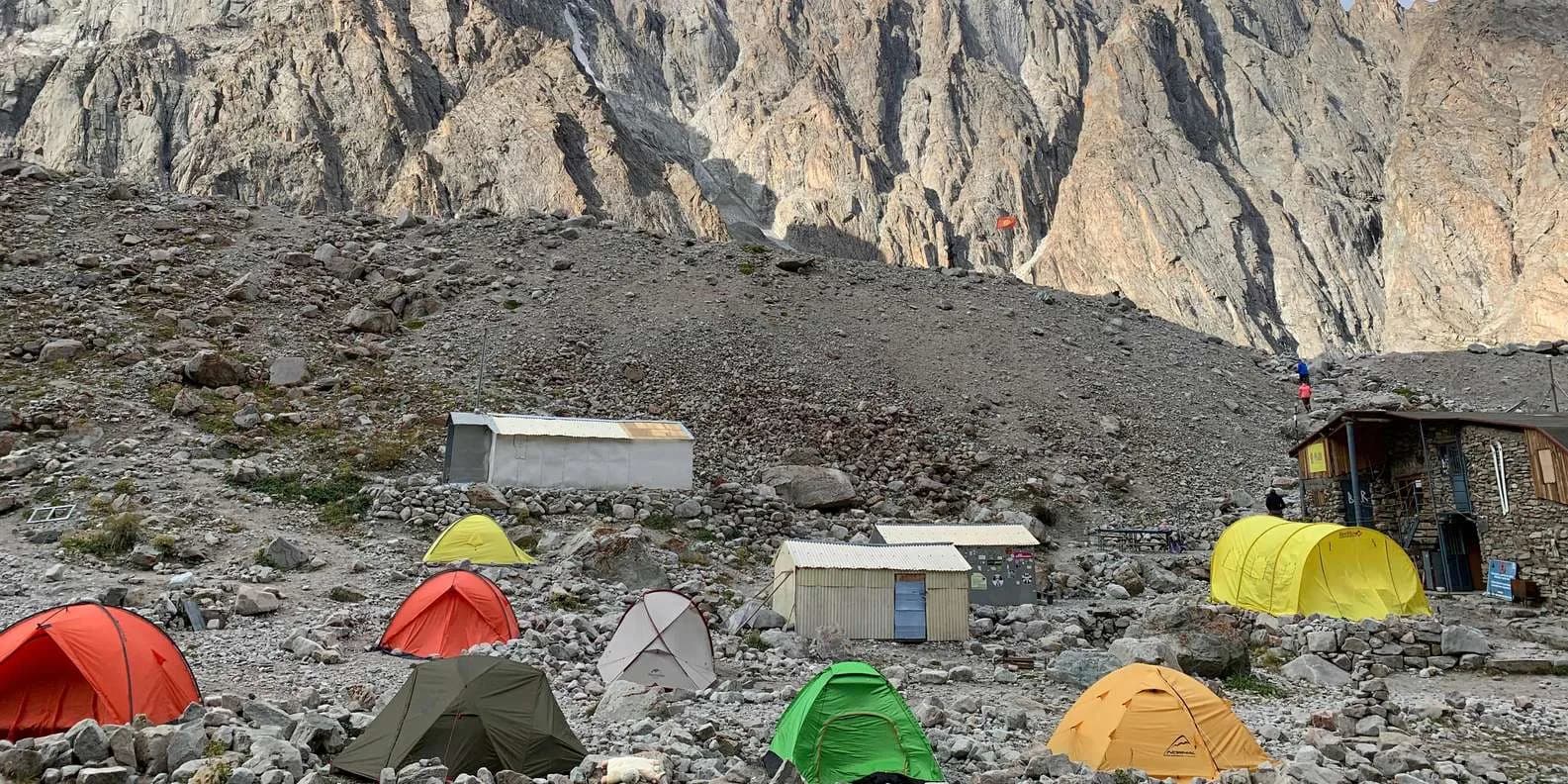
Uchitel Peak: Your First 4,000m Climb (2026)
Pik Uchitel (~4,400-4,600 m) in Ala-Archa is the classic first summit for fit hikers new to mountaineering: route, gear, season and acclimatisation.
By TiK Editors8 min read
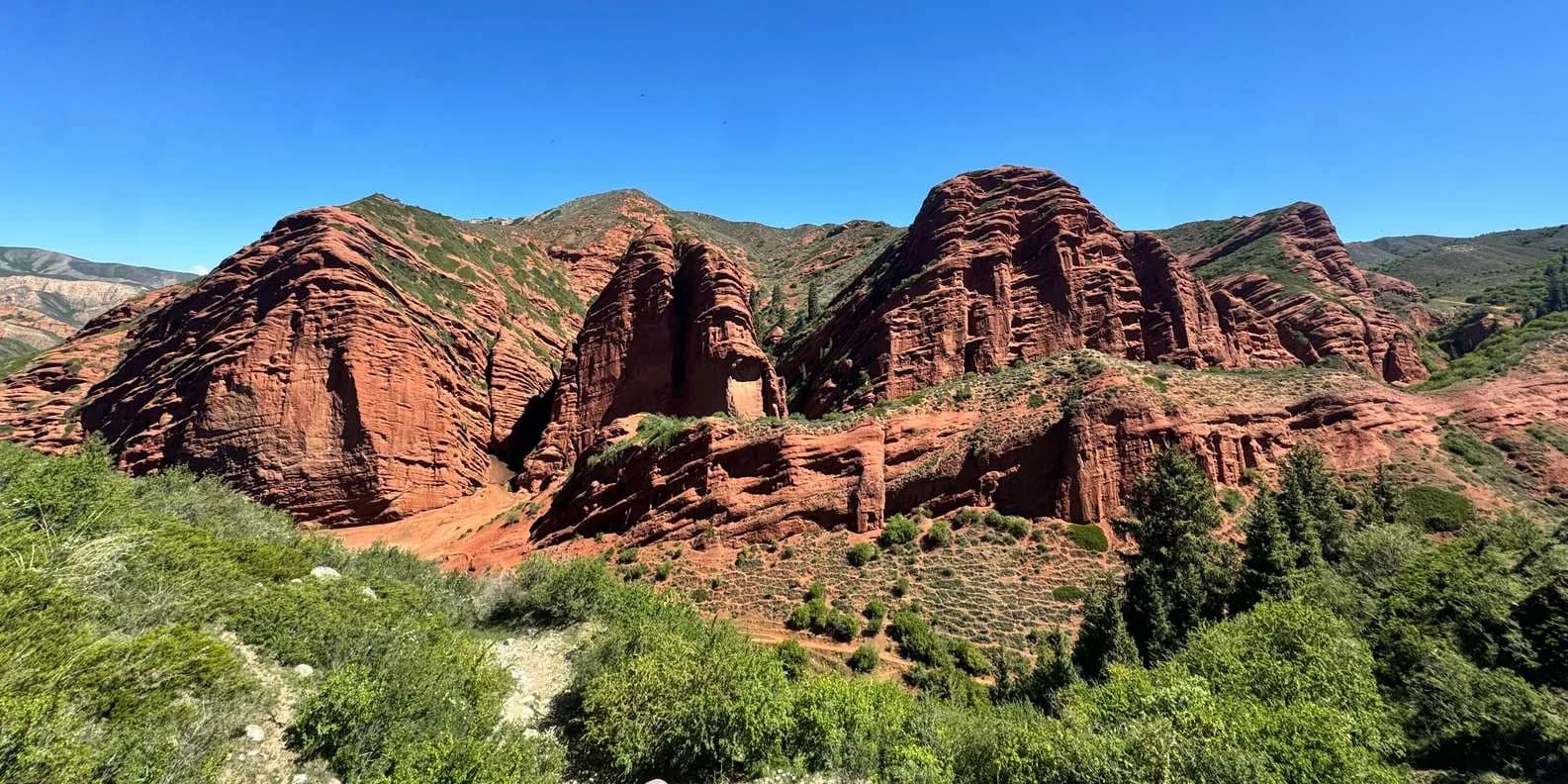
Boz-Uchuk Lakes Trek from Jyrgalan (2026)
A moderate 2–3 day trek to a string of alpine lakes above Jyrgalan — quieter than Karakol's classics, with community yurts, horses and clear DMO rates.
By TiK Editors8 min read
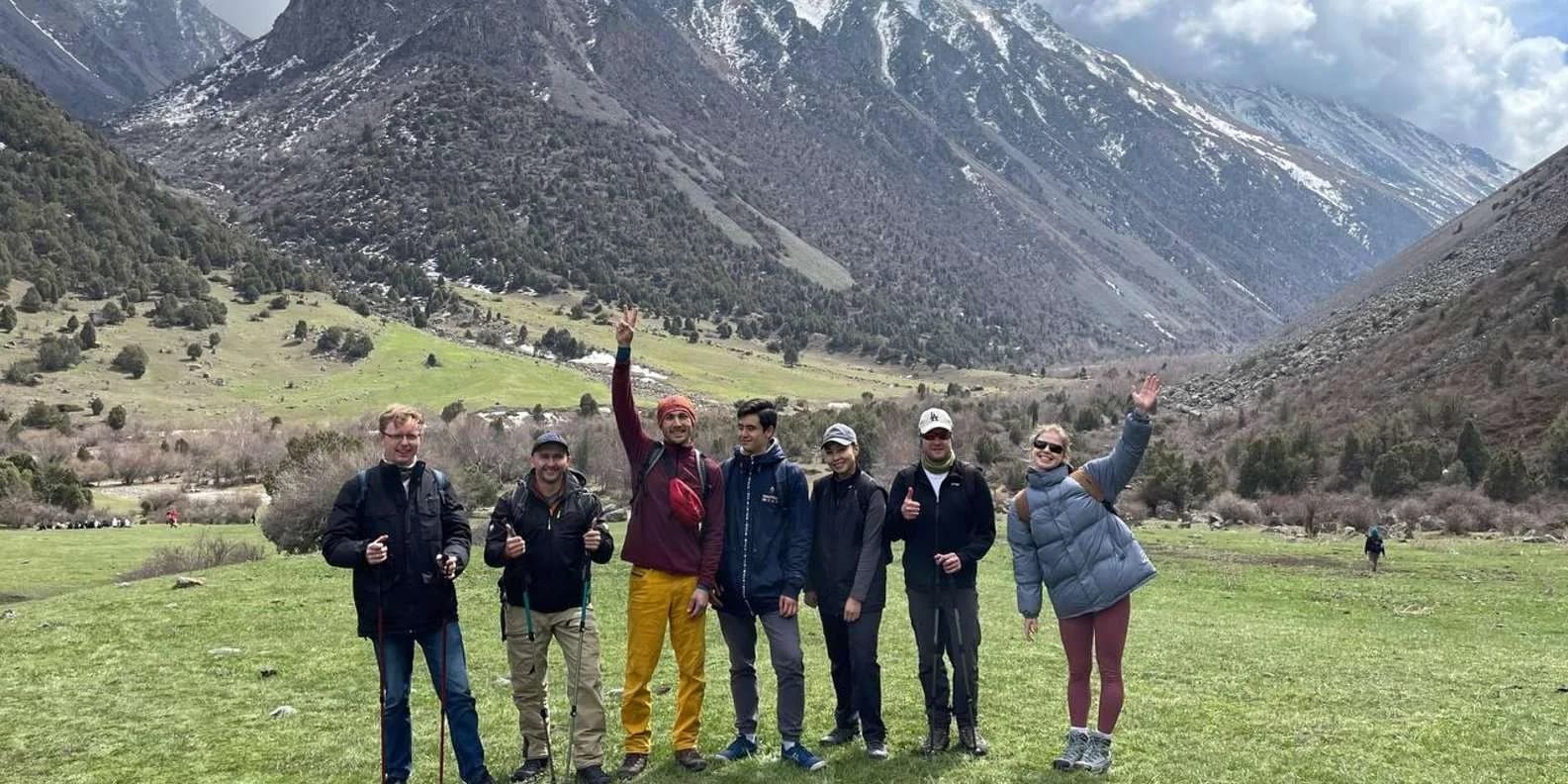
Self-Guided Treks in Kyrgyzstan: Routes & How-To
Yes, you can trek Kyrgyzstan without a guide. The best self-guided routes, the ones to skip, and the maps, water and safety logistics that make it work.
By TiK Editors12 min read