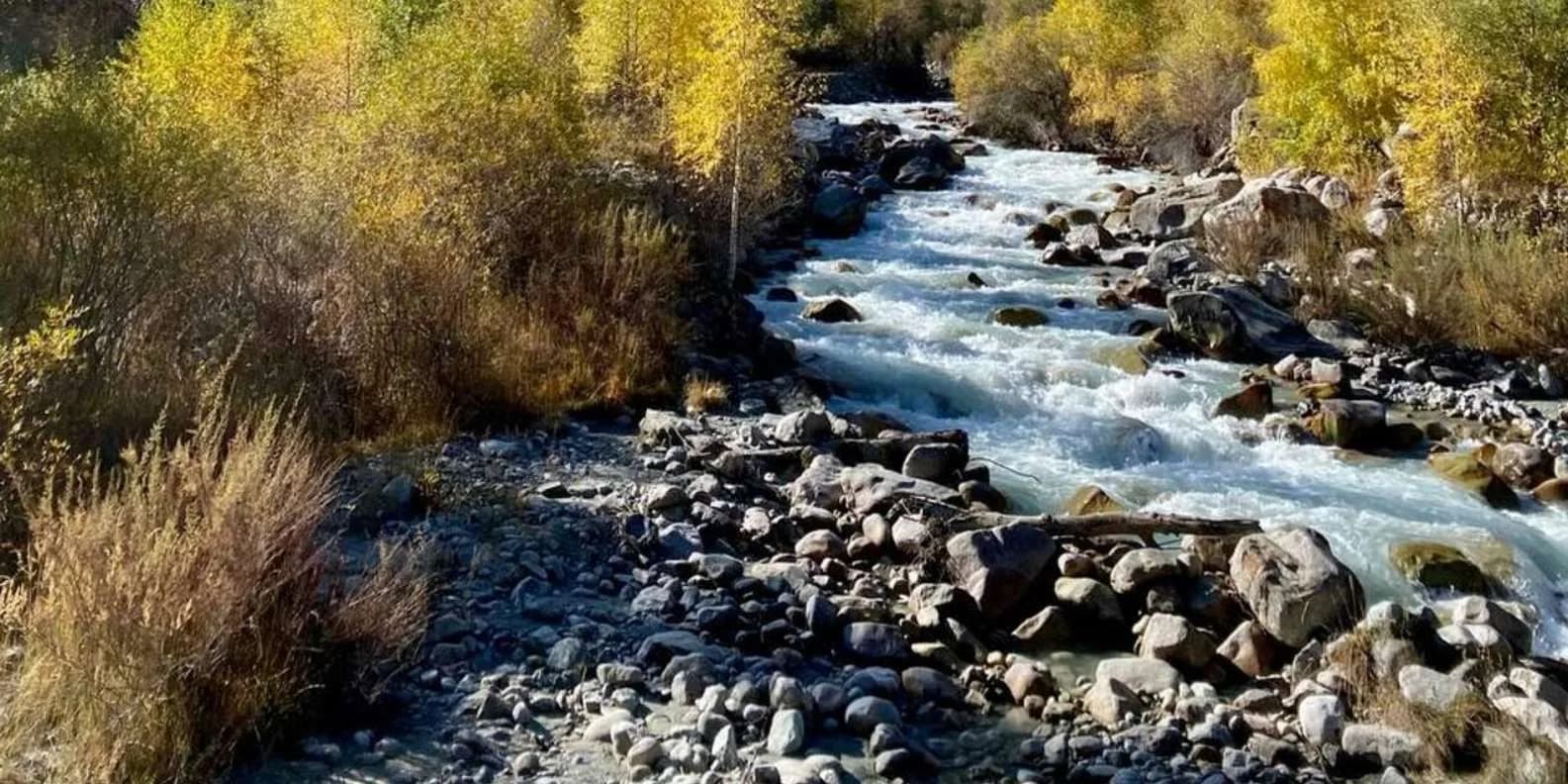
 Image via GetYourGuide
Kyrgyzstan Border-Zone Permit: The How-To (2026)
Kel-Suu, Chatyr-Köl and the frontier zones need a separate border permit you arrange days ahead through an agency. Who needs it, where, cost and lead time.
Book it on This is Kyrgyzstan
Turn this guide into a trip
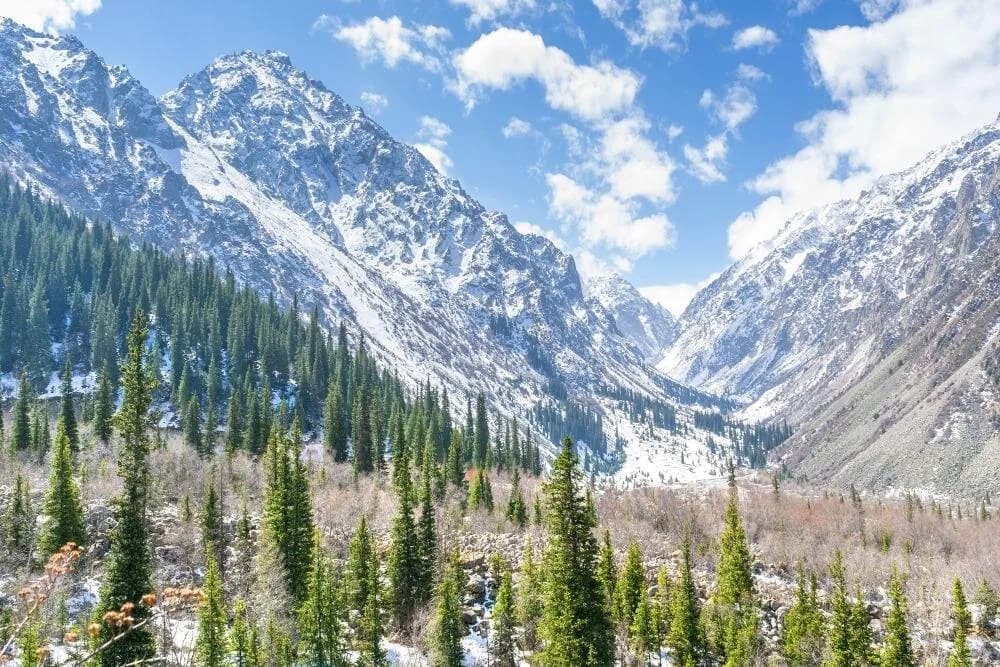
Yes, Kyrgyzstan makes you carry a separate border-zone permit to enter several areas near its frontiers with China, Tajikistan, Kazakhstan and Uzbekistan, and it is a document you almost always arrange in advance through a local agency or community-tourism office rather than pick up on the spot. It is issued by the state border service, it needs your passport details and route submitted ahead of time, and it takes lead time to process. The famous case is Kel-Suu, but the same rule catches Chatyr-Köl, the Torugart and Irkeshtam approaches, the Enylchek and Inylchek glacier country below Khan-Tengri, the Karkara valley, and the Kyzyl-Art crossing on the Pamir Highway. Reach the checkpoint without the paper and you are turned back, which on some of these roads means losing a whole day.
This is not the same thing as your visa, and confusing the two is one of the most common ways people wreck a Naryn trip. Your visa lets you into the country; the border-zone permit lets you into a controlled strip inside it. You can hold a perfectly valid 30-day stamp and still be stopped at a border-service post because you never sorted the permit.
What the border-zone permit actually is
Kyrgyzstan keeps a security cordon along stretches of its international borders, and entering that cordon requires written permission from the border service, whether or not you plan to cross into the next country. The permit is a single stamped document. One application typically covers all the listed zones, so if your trip strings together Kel-Suu and the Torugart area you do not need one piece of paper per lake.
Two things about the document matter more than anything else. First, only a registered Kyrgyz company can submit the application on your behalf, which is why a local agency or CBT office is almost always in the loop. Second, you must carry the original stamped permit in the field. Checkpoints routinely reject photocopies and phone screenshots, so a scan in your inbox is not enough.
Who needs one, and where it applies
You need a permit if your route enters a marked border zone. You do not need one for the mainstream lakes and treks that sit away from the frontier. Here is the practical split, with the zones that actually catch travellers:
Needs a permit:
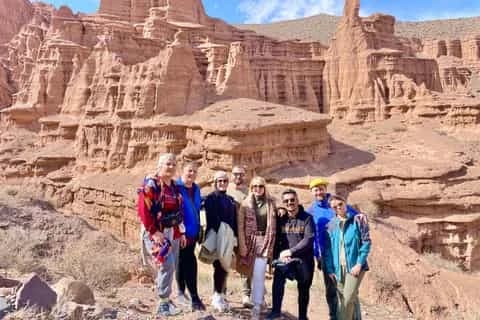
- Kel-Suu lake (Naryn region) — the headline case, a slot-canyon lake pressed right against the Chinese border. Non-negotiable, even for a day trip.
- Chatyr-Köl lake and the Torugart pass approach (Naryn region) — the whole high basin near the China crossing sits inside the zone.
- Enylchek (Enilchek) town and the Inylchek glacier (Issyk-Köl region) — the approach to Khan-Tengri and Pobeda base-camp country.
- The Karkara valley (Issyk-Köl region, towards the Kazakh border), often the staging point for Enylchek helicopter flights.
- The Kyzyl-Art / Bor-Döbö crossing on the Pamir Highway in the Alay, required in both directions.
- The immediate approaches to the Torugart and Irkeshtam checkpoints, plus further strips along the Chinese, Kazakh and Tajik frontiers.
Does not need one: Song-Köl, Issyk-Köl, the Ala-Köl trek, Altyn-Arashan, Jyrgalan, Arslanbob, Sary-Chelek and Tash Rabat itself. The caravanserai sits below the zone, so you can visit it freely. The catch at Tash Rabat is that the popular onward horse ride over the pass to Chatyr-Köl does cross into the controlled area, and that leg needs a permit. Do not let a guide tell you otherwise.
| Place / zone | Permit needed? | Who arranges it | Lead time |
|---|---|---|---|
| Kel-Suu lake | Yes | CBT Naryn or a Bishkek agency | 1–2 weeks |
| Chatyr-Köl / Torugart approach | Yes | Naryn or Bishkek agency | 1–2 weeks |
| Enylchek / Inylchek / Khan-Tengri base | Yes | Specialist mountaineering operator | 2–4 weeks |
| Karkara valley | Yes | Operator | 2–4 weeks |
| Kyzyl-Art (Pamir Highway) | Yes, both ways | Registered Kyrgyz company | Min. 3 working days; allow 1–2 weeks |
| Tash Rabat caravanserai | No | — | — |
| Ride onward Tash Rabat → Chatyr-Köl | Yes | Agency in Naryn | 1–2 weeks |
| Song-Köl, Issyk-Köl, Ala-Köl, Altyn-Arashan | No | — | — |
Rules and the exact list of zones do shift, so treat this as the shape of the system rather than a guarantee for your dates, and confirm your specific route with your operator.
How to arrange it
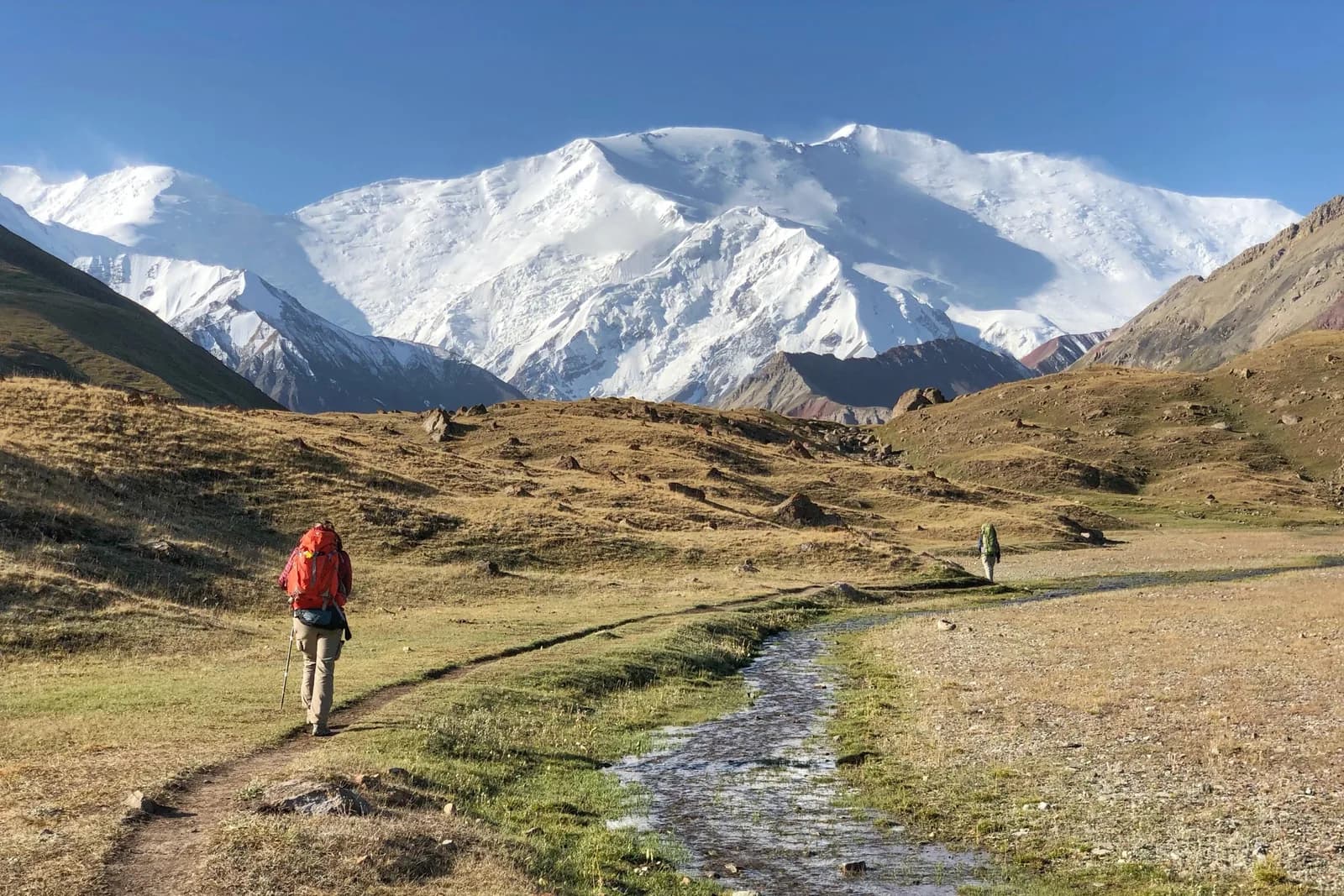
The reliable route is to hand the job to whoever is organising the rest of that leg. For Kel-Suu, Chatyr-Köl and the Torugart basin, the standard local contact is CBT Naryn, which handles both the permit and your 4WD, driver and yurt-camp booking. Many travellers reach them on WhatsApp (+996 559 567 685) or by email. If you are already booked with a Bishkek-based tour company, they will apply for you instead, and any community-based tourism office in the region can point you to a licensed operator. For Enylchek, Khan-Tengri and the Karkara valley, you go through a specialist mountaineering operator, because those trips are heli-supported and permit-heavy by nature. For the Kyzyl-Art crossing on the way to the Peak Lenin base camp trek or on into Tajikistan, a registered Kyrgyz company must file it, and you will also need a separate vehicle permit if you are driving your own car.
What the agency needs from you is straightforward: a clear passport copy (photo page), your exact travel dates, and your route or the specific zones you want covered. Send it early.
On timing, sources give different windows for different products. A Kel-Suu permit through CBT Naryn is often quoted at around five to seven working days, while the general multi-zone permit is put at eight to twelve business days. The Kyzyl-Art border permit is sometimes done in as little as three working days. Rather than gamble on the fast end, apply two to four weeks before you travel. The permit is valid for up to 30 days, so there is no harm in getting it early, and remote high-country logistics leave no room to chase paperwork on the day.
Because only companies can submit, there is no genuine do-it-yourself option for most travellers. Turning up in Naryn and asking to sort it that morning is the classic mistake, and it does not work.
What it costs
Budget roughly US$25 to US$45 per person, which is about 2,000 to 4,000 som, for the general border-zone permit. The price is tiered by group size, so it drops per head the more of you there are: one traveller pays the top of the band, while a group of five or more pays the least each. Kel-Suu-specific quotes through local offices tend to land at the lower end, around 2,000 to 3,000 som per person. These are indicative figures, agency fees vary, and prices move, so confirm the exact cost with your operator when you book. Set the permit against the bigger spend on these trips anyway: a round-trip 4WD to Kel-Suu alone runs roughly US$150 to US$230 for the vehicle, which is the real cost of getting there.
What happens if you turn up without one
You are turned back at the checkpoint, full stop. The border service does not issue permits at the post and does not make exceptions for tourists who did not know. On the Kel-Suu road that means a five-to-eight-hour round trip for nothing, having already paid for the vehicle. The people who get caught out are almost always independent travellers who assumed the permit was either automatic with a visa or something a driver could arrange en route. Neither is true. If you are building any of the frontier destinations into your trekking plans, treat the permit as the first thing you organise, before the driver and before the yurt camp.
Torugart and the China crossings
The Torugart pass to Kashgar is a special case, and the current rules are genuinely muddled. Some sources report that since 2024 the Kyrgyz side no longer demands a guide or a crossing permit at Torugart, while others insist the crossing stays restricted, with pre-arranged transport mandatory and agencies charging US$100 to US$200 per person. The most likely reconciliation is that the Kyrgyz crossing formalities eased, but the Chinese side still bars public transport over the pass and effectively requires a pre-booked vehicle to meet you at the line. Either way, the border-zone permit for simply being in the Chatyr-Köl and Torugart basin still applies, separately from any crossing paperwork. If China is your goal and you want to go independently, Irkeshtam from Osh is the easier crossing and does not need a special permit. Confirm Torugart's status with a Naryn or Kashgar agency a few days before you travel, because this border's rules change often.
Rules change, so check
Everything on this page is current to 2026, but border-zone regulations are exactly the sort of thing that shifts quietly. Zones get added, fees are revised, and processing times stretch in peak season. Confirm the current position two ways: ask the licensed operator or CBT office arranging your trip, and cross-check the official tourism body at tourism.gov.kg. Ignore the old discoverkyrgyzstan.org address, which is dead and no longer official. If you are still planning the wider trip, our Naryn travel guide covers the town you will stage from, and the visa and entry guide explains the separate 30-day rule that trips people up alongside this one.
Sort the permit early, carry the original, and the frontier lakes that most visitors never reach open up. Ready to plan the route? Start with a licensed operator through our trekking tours or a Naryn-based trip, and let them file the paperwork while you pack.
Chat with a real person — free
Seif and the team reply on WhatsApp 24/7 — trip questions, custom plans and booking help.
Ask Seif on WhatsAppCommon questions
Do I need a border permit for Kel-Suu?
Yes. Kel-Suu sits inside a restricted border zone against the Chinese frontier, and a permit is mandatory even for a day visit. You arrange it in advance through CBT Naryn or a tour agency by sending a passport copy and your travel dates, allow one to two weeks, and carry the original stamped document. Photocopies and phone screenshots are refused at the checkpoint, and there is no way to buy one on arrival.
How far ahead should I arrange a Kyrgyzstan border permit?
Apply two to four weeks before you travel. Different permits quote different windows: a Kel-Suu permit is often five to seven working days, the general multi-zone permit eight to twelve business days, and the Kyzyl-Art crossing sometimes just three. Because processing slows in peak summer and the permit stays valid for up to 30 days, getting it early costs nothing and removes the biggest risk to the trip.
How much does the border-zone permit cost?
Budget roughly US$25 to US$45 per person, about 2,000 to 4,000 som, for the general border-zone permit. The price is tiered by group size, so it falls per head in a larger party. Kel-Suu quotes through local offices tend to sit at the lower end. Agency fees vary and prices move, so confirm the exact figure with your operator when you book, and pay in cash where asked.
Can I get the permit when I arrive in Naryn?
No. Only registered Kyrgyz companies can submit the application, and processing takes days, so turning up in Naryn and asking that morning does not work. This is the single most common mistake independent travellers make. Arrange it before you leave home, or at least a couple of weeks ahead through a Bishkek or Naryn agency, and have the original in hand before you set off for the checkpoint.
What happens if I reach the checkpoint without one?
You are turned back, with no exceptions and no on-the-spot issuing. On the Kel-Suu road that means a five-to-eight-hour round trip wasted, after you have already paid for the 4WD. The border service treats the permit as compulsory regardless of whether you knew about it. Treat sorting the permit as the first task of any frontier trip, ahead of booking the driver or the yurt camp.
Does Tash Rabat need a border permit?
No. The Tash Rabat caravanserai itself sits below the border zone, so you can visit and stay in the valley freely. The catch is the popular horse ride from Tash Rabat over the pass towards Chatyr-Köl, which crosses into the controlled area and does require a permit arranged in Naryn. If a guide offers that ride, confirm the permit is included rather than assuming the site's open access extends to it.
Do I need a permit to cross Torugart into China?
The rules are contested. Some sources say the Kyrgyz side dropped its crossing permit and guide requirement in 2024; others say pre-arranged transport is still mandatory, with agencies charging US$100 to US$200. The border-zone permit for the Chatyr-Köl and Torugart basin applies either way. If you want an independent China crossing, Irkeshtam from Osh is easier. Confirm Torugart's current status with a Naryn or Kashgar agency days before you go.
Which places do NOT need a border permit?
The mainstream destinations are all permit-free: Song-Köl, Issyk-Köl, the Ala-Köl trek, Altyn-Arashan, Jyrgalan, Arslanbob, Sary-Chelek and Tash Rabat itself. Permits only apply to marked strips near the frontiers, chiefly Kel-Suu, Chatyr-Köl, the Torugart and Irkeshtam approaches, the Enylchek and Inylchek glacier area, the Karkara valley and the Kyzyl-Art crossing. If your route stays clear of those, you need only your visa.
Who issues the permit and can I apply myself?
The state border service issues it, but only a registered Kyrgyz company can submit the application, so there is no practical do-it-yourself route. In practice your tour agency or a CBT office files it for you using a passport copy, your dates and your route. For Enylchek and Khan-Tengri you go through a specialist mountaineering operator; for Kyzyl-Art you also need a vehicle permit if driving your own car.
Book it on This is Kyrgyzstan
Turn this guide into a trip
Kyrgyzstan's bestsellers
The experiences travelers book most, across the country
Keep reading
Uchitel Peak: Your First 4,000m Climb (2026)
Pik Uchitel (~4,400-4,600 m) in Ala-Archa is the classic first summit for fit hikers new to mountaineering: route, gear, season and acclimatisation.
By TiK Editors8 min read
Boz-Uchuk Lakes Trek from Jyrgalan (2026)
A moderate 2–3 day trek to a string of alpine lakes above Jyrgalan — quieter than Karakol's classics, with community yurts, horses and clear DMO rates.
By TiK Editors8 min read
Self-Guided Treks in Kyrgyzstan: Routes & How-To
Yes, you can trek Kyrgyzstan without a guide. The best self-guided routes, the ones to skip, and the maps, water and safety logistics that make it work.
By TiK Editors12 min read