 Image via GetYourGuide
Naryn Travel Guide: Kyrgyzstan's Best Mountain Base
Naryn town is no beauty, but it is the staging post for Tash Rabat, Kel-Suu and Song-Köl — with the permits, drivers and cash you need before heading up.
Book it on This is Kyrgyzstan
Naryn · Turn this guide into a trip
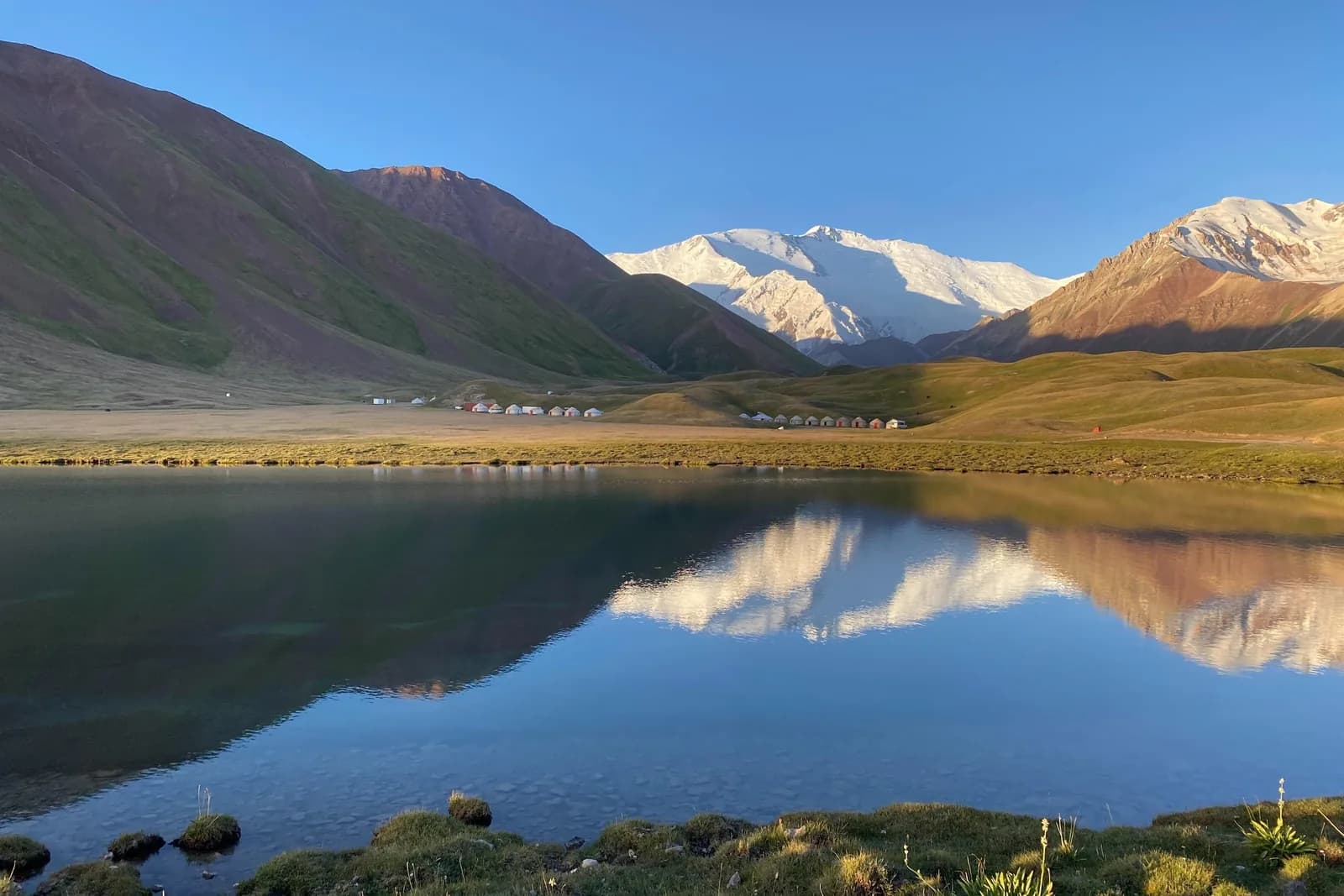

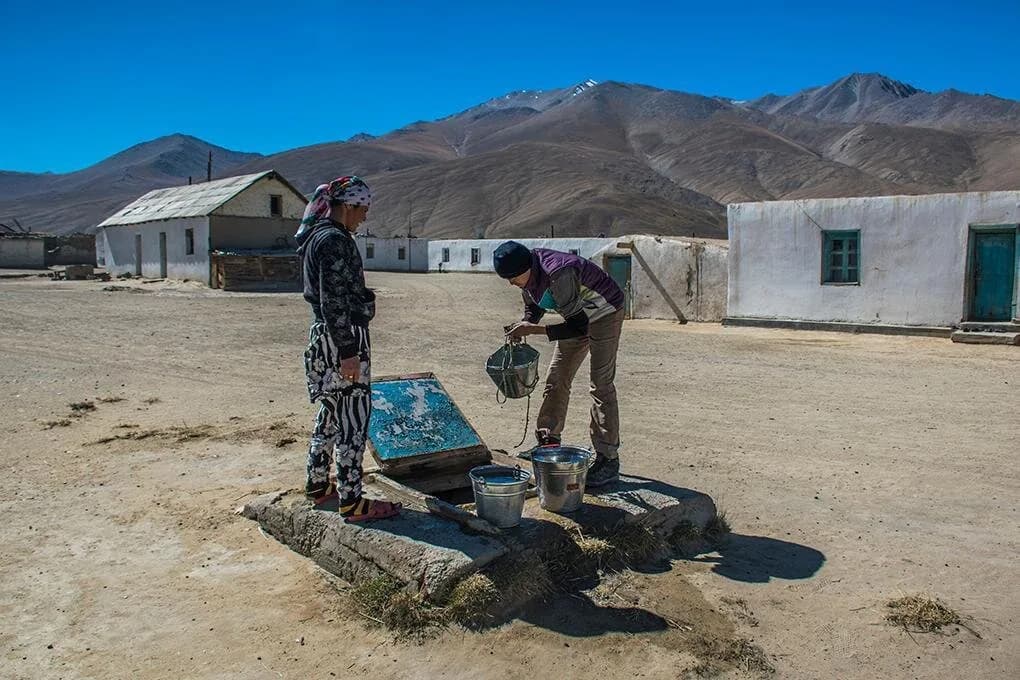
Naryn is not a town you come to look at. It is a Soviet strip settlement at roughly 2,000 m, strung about 20 km along the gorge the Naryn river has cut and only a few streets wide, with no centre in the usual sense. Guides that sell it as charming waste your time. What Naryn actually is: the best base in Kyrgyzstan. Song-Köl, Tash Rabat, Kel-Suu, the At-Bashy range, Chatyr-Köl and the Torugart road to China all sit within a day's drive, and nearly every one of them has to be organised from here.
Naryn town: what it is, honestly
About 42,000 people live strung along the canyon. The river running past your guesthouse is the main headwater of the Syr Darya, feeding the Toktogul chain of Soviet hydro dams downstream.
Naryn Region is the country's largest and most mountainous province, and the one most consistently called the most traditionally Kyrgyz. That is reputation rather than statistic, but it holds up: the smallest Russian and Uzbek minorities of any province, Russian far less current on the street than in Bishkek, herding and the summer migration to the jailoo still economically central, and heartland country for the Manas epic and horse culture. Up here the jailoo is an economy, not a performance staged for visitors.
The surprise in town is the University of Central Asia. Founded in 2000 by treaty between Kyrgyzstan, Kazakhstan, Tajikistan and the Aga Khan, its Naryn campus was the first of three to open — undergraduate classes began on 5 September 2016 — and it has brought international students, cafés, English signage and better wifi to a small mountain town.
Otherwise: a bazaar for supplies, a few cafés doing lagman and plov for roughly 250–500 som (US$3–6), and guesthouses and homestays rather than hotels. CBT Naryn (Lenin St 8/33) coordinates beds at published rates and arranges permits, drivers and horses. Budget roughly 600–2,000 som (US$7–23) per person with breakfast, cash only.
Read the cash paragraph twice. Naryn has reliable ATMs. Beyond it — Song-Köl, Tash Rabat, Kel-Suu, any jailoo — there are effectively none, and cards are refused by guesthouses, yurt camps, CBT, drivers and horse owners alike. Expect a ceiling of about 20,000–25,000 som per withdrawal and fees of 150–800 som, most often 500. Draw everything here. Fill the tank here too.
Winter is brutal: January's mean daily minimum is about −19.4 °C, the record low −38 °C, and −40 °C is reached in the region. Summer is mild, roughly 10–25 °C in July, and a relief from the Chuy and Fergana heat.
Getting to Naryn and onward
| Route | Distance | Realistic time |
|---|---|---|
| Bishkek – Naryn | ~316 km | ~7 h by shared taxi (routing apps claim 4.7 h — ignore them) |
| Naryn – Kochkor | 119 km | ~2 h |
| Naryn – Tash Rabat | ~113 km | 2–2.5 h |
| Naryn – Song-Köl | ~143 km | 3–4 h |
| Naryn – Kel-Suu | under 100 km | 5–8 h, 4WD only |
| Naryn – Kazarman (for Osh) | 211 km | 4–5 h, rough, summer only |
Marshrutkas and shared taxis run Bishkek–Kochkor–Naryn several times daily for a few hundred som, on good Chinese-built tarmac; the length of the day goes on stops, not surface. Beyond Naryn, everything needs a hired vehicle — there is no public transport at all to Song-Köl, Tash Rabat or Kel-Suu. The Kazarman road on to Osh is beautiful and rough, and the Naryn–Jalal-Abad route is one of only two main roads in the country that close in winter (the other is the road to Song-Köl). Our guide to getting around Kyrgyzstan covers shared taxis and the Telegram groups that now run them.
Tash Rabat: the stone building nobody can date
Two hours south-west via At-Bashy, up a grassy side valley of the At-Bashy range, stands a squat, thick-walled stone caravanserai at about 3,000–3,200 m — sources differ. It is not a ruin — 31 domed rooms around a central hall, rubble stone laid in clay mortar, restored in the 1970s, lit only through the openings in the domes.
The dating is genuinely unsettled, and anyone giving you one confident century is guessing. It is usually placed in the 15th century, possibly over an older foundation; other sources argue for a 10th-century origin outright. Kyrgyz Academy of Sciences research around 1980 concluded it began as a Nestorian Christian monastery, though no Christian artefacts were found to support that; later analysis of inscriptions and finds argued Buddhist instead. All three readings stay live, and the plan — a domed hall ringed by cells — is what keeps the monastic ones alive.
Admission is around 150 som and there are no real opening hours; if the door is locked, knock at the yurt camp. Camps in the valley charge roughly 1,500–2,000 som per person including dinner and breakfast, summer only. Sleep there: the day-trippers clear out by late afternoon and the valley at dusk is the actual experience. It is colder than Song-Köl. Tash Rabat needs no permit — but the two-day ride on to Chatyr-Köl crosses the border zone and does. Our Tash Rabat guide has the horse routes, including the 6–8 hour ride over the pass above the valley.
Kel-Suu, and the permit that ruins trips
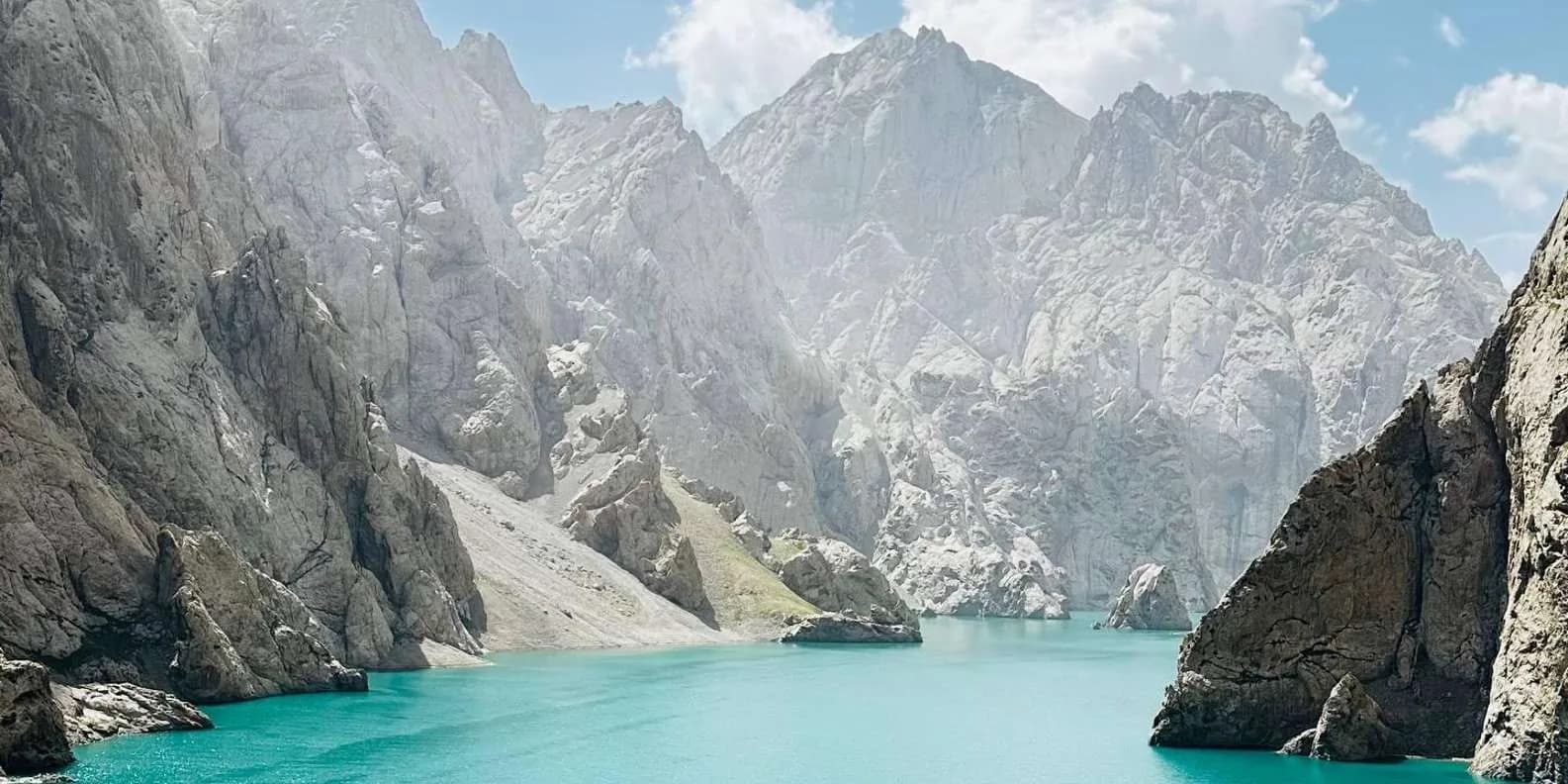
Kel-Suu is a long, narrow lake flooding a slot canyon at about 3,500 m in the Kok-Kiya valley, hard against the Chinese border. It is the most spectacular thing in the province and the most easily botched.
Three things go wrong. The permit: Kel-Suu sits inside the restricted border zone and you need an original paper permit — photocopies and phone photos are refused at the checkpoint. The drive: under 100 km from Naryn, but 5–8 hours each way on rough track with river fords, so turning back for missing paperwork costs two days. The lake: fed by snowmelt and said to drain through underground channels, its level swings dramatically between years and even within a season. People have arrived to find it nearly empty. Do not book on the strength of a photograph.
The permit and logistics checklist
| What | Detail |
|---|---|
| Needs a border permit | Kel-Suu, the Ak-Sai valley, Chatyr-Köl, the Torugart post |
| Does not need one | Naryn town, Tash Rabat, At-Bashy, Song-Köl |
| Who arranges it | CBT Naryn or a licensed Naryn agency; send passport scans and dates |
| Lead time | Processing quoted at 5–7 working days; apply 2 weeks ahead minimum, a month in peak season |
| Cost | Kel-Suu is quoted at roughly EUR 20–30 (about 2,000–3,000 som) per person; the general border-zone permit is tiered — about US$45 for one person down to US$25 each in a group of five. Costs vary by issuer and zone |
| Form | Original paper, carried with your passport; groups get one shared hard copy |
| Vehicle | 13,000–20,000+ som (US$150–230) round trip for a 4WD seating four — split it |
| At the lake | Camps are 2–3 hours' walk (8–12 km) from the water; horses from about 2,500 som |
| Beds | Yurt camps 1,500–2,500+ som per person with meals; nights hit 0 to −5 °C in midsummer |
| Season | Late June to early or mid-September, and no longer |
Song-Köl from the Naryn side
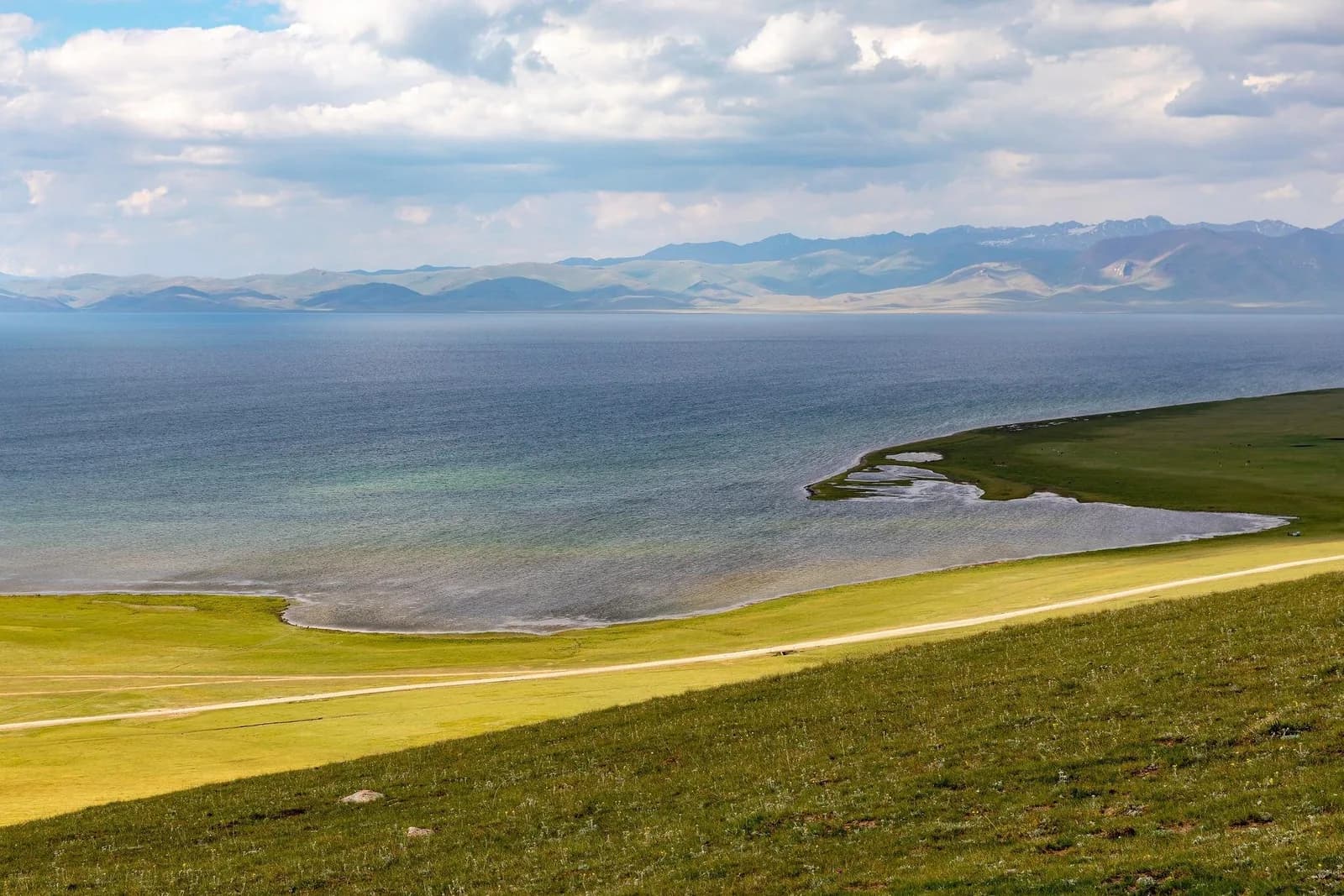
Most people reach Song-Köl (Song-Kul) from Kochkor. From Naryn you climb in over Moldo-Ashuu, the southern pass; the main Kochkor route uses Kalmak-Ashuu, the eastern serpentine is Teskey-Torpok (the "33 parrots" road), and Kyzart is the standard start for horse treks rather than a driving route. The lake sits at 3,016 m, covers 270 km² and is barely 13 m deep — which is why it warms, freezes solid and is fringed by wide grazing marsh.
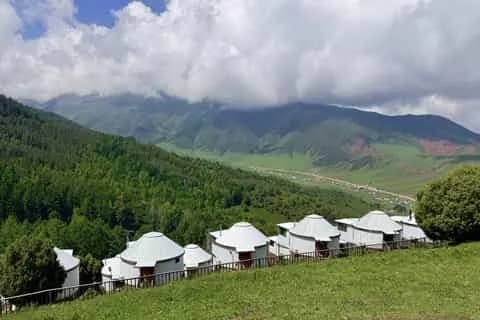
Nobody lives there year-round: families bring herds up around June and take the yurts down by late September, so camps track the grass. Two nights beat one by a distance. One night buys you an arrival and a departure; the second buys a full day of riding, an evening on the ridge and a real conversation with the family feeding you. High clearance matters more than four-wheel drive, and arrange your ride out before your driver leaves, because there is no phone signal at the lake. See our Song-Köl yurt stay guide, the Song-Köl lake page and, to ride in rather than drive, horse trekking in Kyrgyzstan.
Torugart, Chatyr-Köl and the road to China
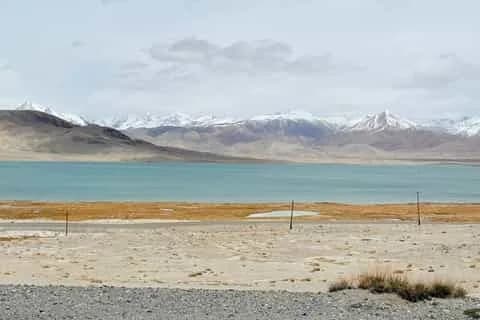
Chatyr-Köl is Kyrgyzstan's third-largest lake — 3,530 m, 181 km², no outflow at all, water leaving only by evaporation. A game reserve since 1972 and a Ramsar wetland since November 2005, it protects waterfowl including the bar-headed goose. It is inside the border zone: same permit as Kel-Suu.
The Torugart pass above it, at about 3,750 m (some sources say 3,504 m), is one of two road crossings into China and a hard border for independent travellers. You cannot walk across and there is no public transport; you switch vehicles at the line, which means Chinese transport booked to meet you. Sources genuinely differ on whether that pre-arrangement is still mandatory — some 2024–25 reporting says the requirement was dropped, while the crossing guides most travellers use still call agency-arranged Chinese transport essential. Assume you need it and confirm before committing. It is reliably snow-free only from late May to the end of September. To reach China overland with less friction, use Irkeshtam from Osh instead.
When to go, and what a shoulder visit loses
July and August are the only two months that reliably deliver everything. Mid-June and early September usually work but need a phone call ahead. In May or October you can still reach Naryn and see Tash Rabat's building — but the yurt camps are down, Kel-Suu is out, and the high passes are snowed or closing. That is most of the reason to come.
Two, three and five days out of Naryn
- 2 days: arrive, sort cash and a driver, then Tash Rabat with a night at the yurt camps and a morning in the valley before driving back.
- 3 days: add Song-Köl over Moldo-Ashuu, a full day riding or walking the shore, then out to Kochkor. Or add Koshoy Korgon fortress and a horse day at At-Bashy.
- 5 days: the version that justifies the permit. Two nights at Tash Rabat and At-Bashy, then three days for Kel-Suu with a night in the Ak-Sai valley — enough for a full day at the lake and slack for the drive.
What it costs
The gap is stark. Independent travel here is cheap: a guesthouse bed for a few hundred som, a shared taxi from Bishkek for the price of a city lunch, a café meal for 300–700 som. What costs money is the vehicle and the guide — a 4WD day into Kel-Suu runs US$150–230 for the car, and multi-day Naryn-based trips on our catalogue sit at a median around US$565, because they bundle permits, drivers, camps and horses across several days in country where nothing runs to a timetable. Both are fair prices. Decide which you are buying before you arrive.
If you are stitching Naryn into a longer trip, our two-week Kyrgyzstan itinerary and yurt stays guide show where it fits. When you are ready to book a driver, a permit or a ride onto the jailoo, start on the Naryn destination page.
Chat with a real person — free
Seif and the team reply on WhatsApp 24/7 — trip questions, custom plans and booking help.
Ask Seif on WhatsAppCommon questions
Is Naryn worth visiting?
Not for the town, which is a long Soviet strip settlement in a river gorge with no real centre. It is worth visiting as a base: Tash Rabat, Song-Köl, Kel-Suu, Chatyr-Köl and the At-Bashy range all sit within a day's drive, and permits, drivers, cash and yurt bookings are arranged here rather than anywhere further in.
How long does Bishkek to Naryn take?
About seven hours by marshrutka or shared taxi over roughly 316 km, despite routing apps quoting under five. Minivans and shared taxis leave Bishkek's bus stations several times daily via Kochkor for a few hundred som. The road is good tarmac; the time goes on stops, loading and the climb.
Do you need a permit for Kel-Suu?
Yes. Kel-Suu is inside the restricted border zone near China and needs an original paper permit carried with your passport — screenshots and photocopies are refused at the checkpoint. Arrange it through CBT Naryn or a licensed Naryn agency, allow at least two weeks and a month in peak season, and expect roughly EUR 20–30 (about 2,000–3,000 som) per person; the general tiered border-zone permit runs about US$45 for one person down to US$25 each in a group of five.
How far is Tash Rabat from Naryn?
About 113 km south-west via At-Bashy, which takes two to two and a half hours: good tarmac on the Torugart road, then a rough side track up the valley. No public transport reaches the site. A taxi negotiated at Naryn bus station is the usual method, or take a marshrutka to At-Bashy and bargain onward.
How old is the Tash Rabat caravanserai?
Nobody has securely dated it, which is why every confident century you read is a guess. From Naryn the practical point is that the uncertainty is the attraction, not a gap in the signage: you are looking at a building that specialists have argued over for forty years. Our Tash Rabat guide lays out the three competing readings and the evidence behind each.
Can you get to Song-Köl from Naryn?
Yes, in three to four hours, climbing over the Moldo-Ashuu pass — the southern approach, as against Kalmak-Ashuu from Kochkor. There is no public transport, so you arrange a shared jeep in Naryn or Kochkor. Yurt camps run roughly June to late September and are certain only in July and August.
Can independent travellers cross the Torugart pass into China?
It is difficult. There is no public transport and no walking across; you change vehicles at the border line, which in practice means Chinese transport booked to meet you. Sources differ on whether that pre-arrangement is still compulsory, so confirm before committing. Irkeshtam, reached from Osh, is the easier crossing.
How cold does Naryn get?
Very. January's mean daily minimum is about −19.4 °C, the record low is −38 °C, and −40 °C occurs in the wider region — Naryn is among the coldest inhabited places in Kyrgyzstan. Summers are mild, roughly 10–25 °C in July, and a relief from the heat in Bishkek and the Fergana valley.
Where do you stay in Naryn?
Guesthouses and family homestays, not hotels. CBT Naryn on Lenin Street coordinates rooms and also arranges permits, drivers and horses. Expect roughly 600–2,000 som (US$7–23) per person with breakfast, cash only. Book ahead in July and August, when Naryn fills with people staging trips into the mountains.
Book it on This is Kyrgyzstan
Turn this guide into a trip

Kyrgyzstan's bestsellers
The experiences travelers book most, across the country
Keep reading
Self-Guided Treks in Kyrgyzstan: Routes & How-To
Yes, you can trek Kyrgyzstan without a guide. The best self-guided routes, the ones to skip, and the maps, water and safety logistics that make it work.
By TiK Editors12 min read
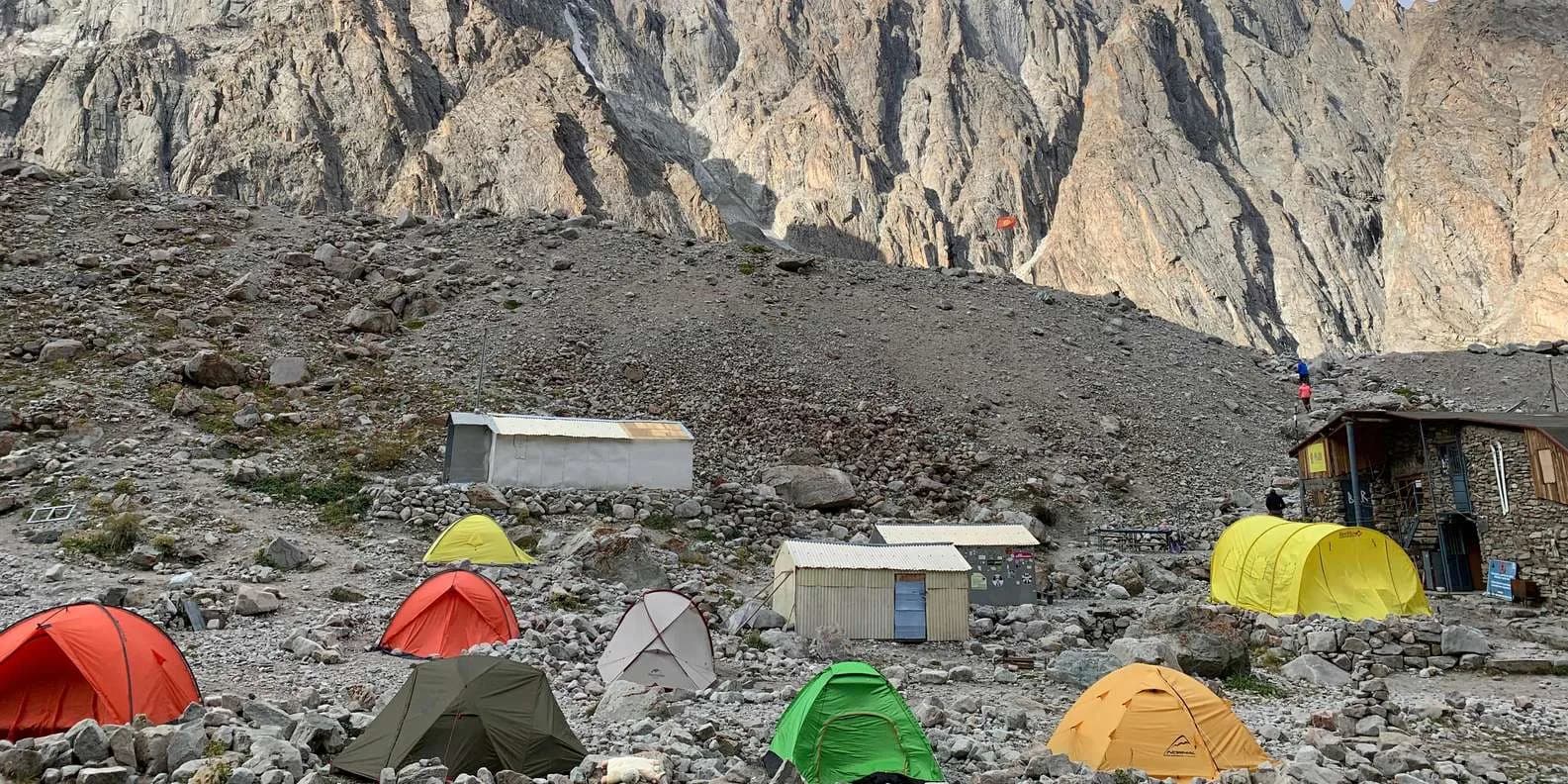
Uchitel Peak: Your First 4,000m Climb (2026)
Pik Uchitel (~4,400-4,600 m) in Ala-Archa is the classic first summit for fit hikers new to mountaineering: route, gear, season and acclimatisation.
By TiK Editors8 min read
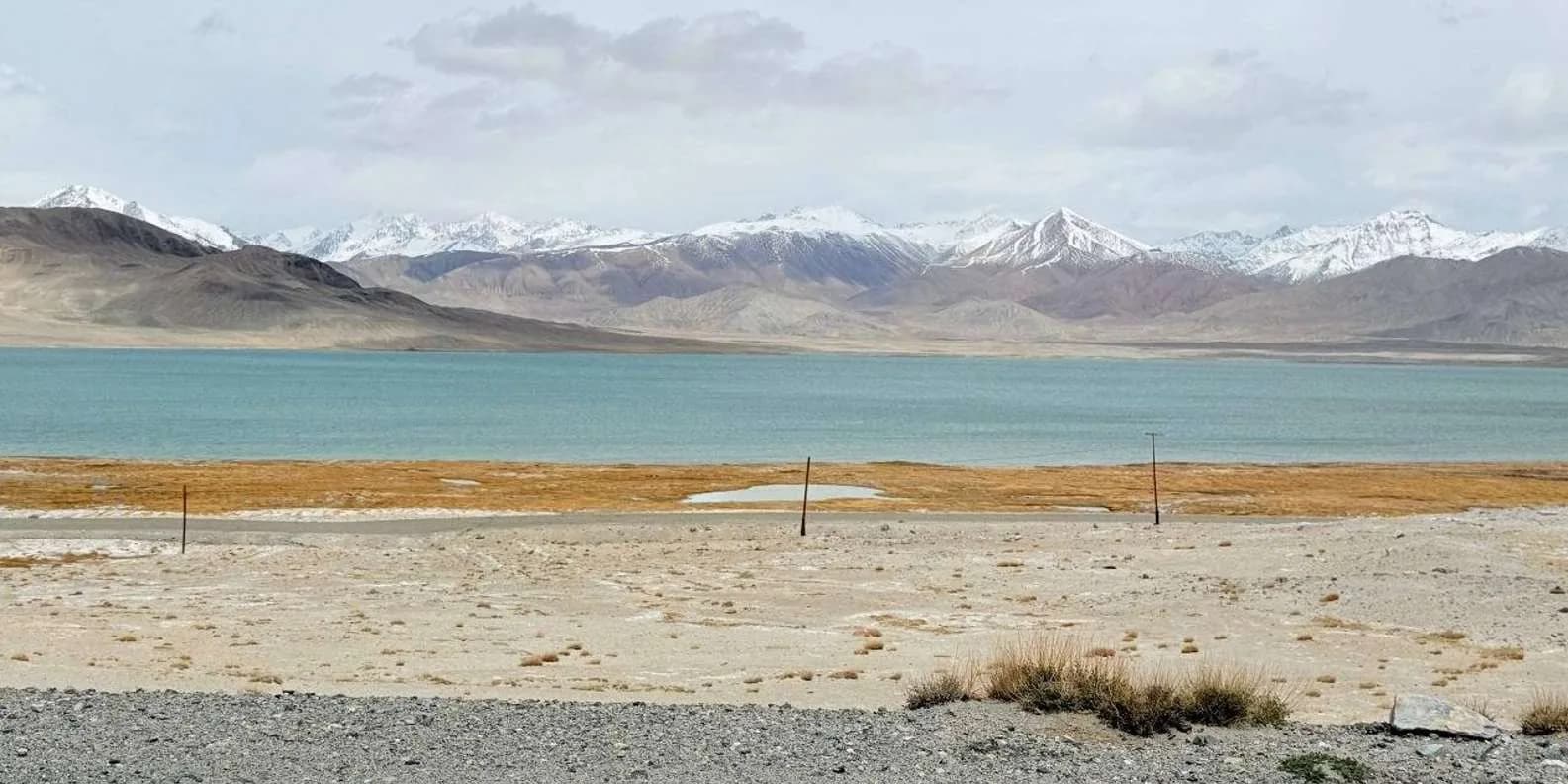
Tian Shan Traverse: Bikepacking Kyrgyzstan
The Tian Shan Traverse is a self-supported, mostly off-road bikepacking route of about 1,000 km across the high Kyrgyz mountains. Here's how to plan it.
By TiK Editors9 min read