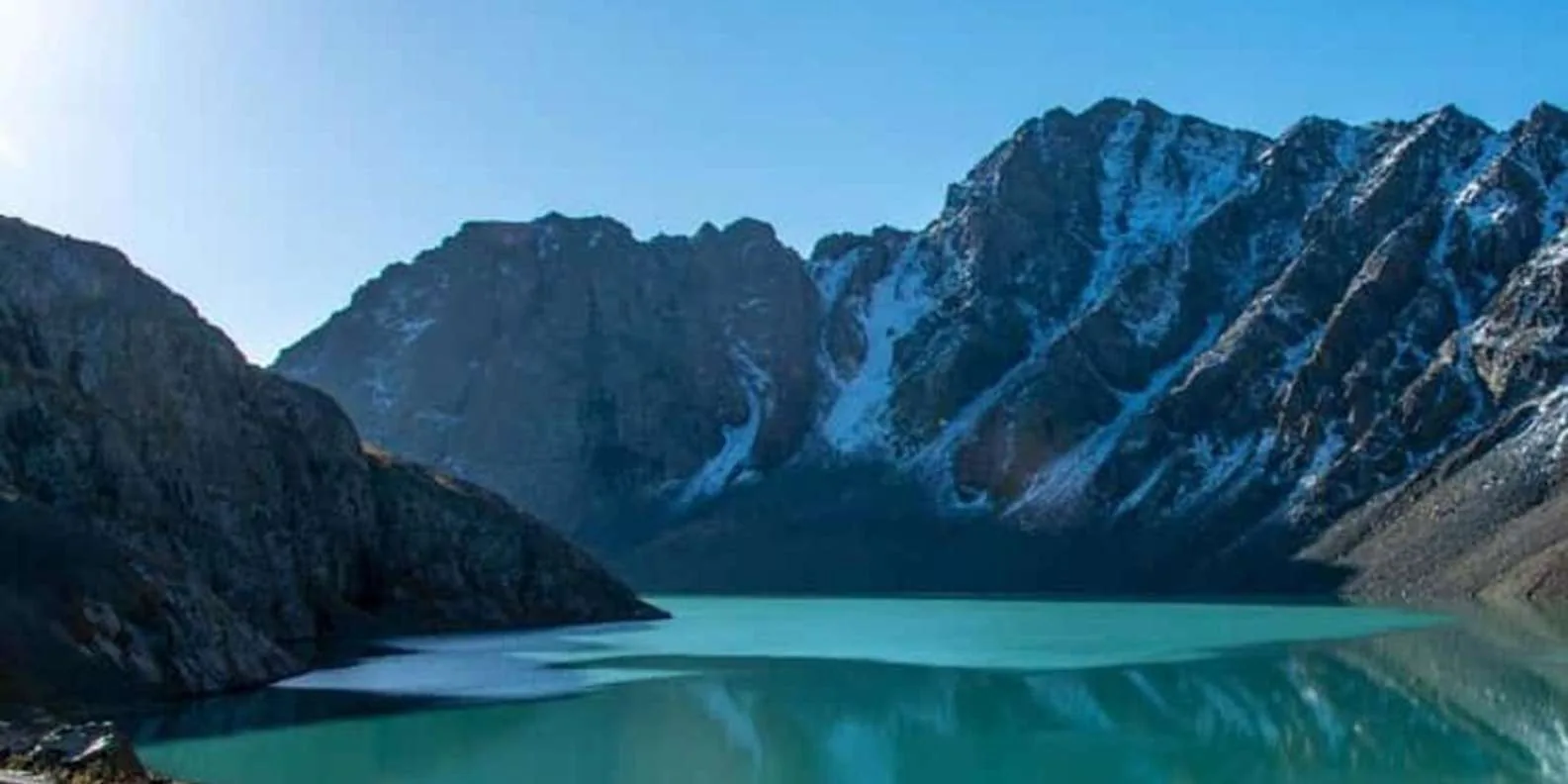
 Image via GetYourGuide
Community-Based Tourism in Kyrgyzstan (2026)
How community-based tourism works in Kyrgyzstan in 2026 — homestays, yurts, horses and guides at fair local rates, who to book with, what it costs.
Book it on This is Kyrgyzstan
Turn this guide into a trip
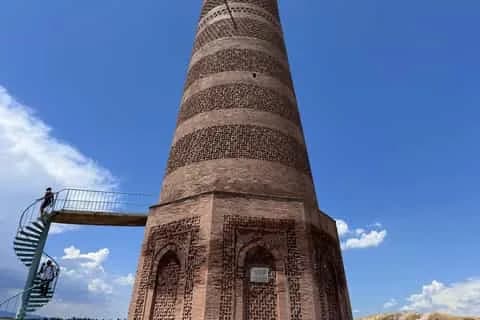
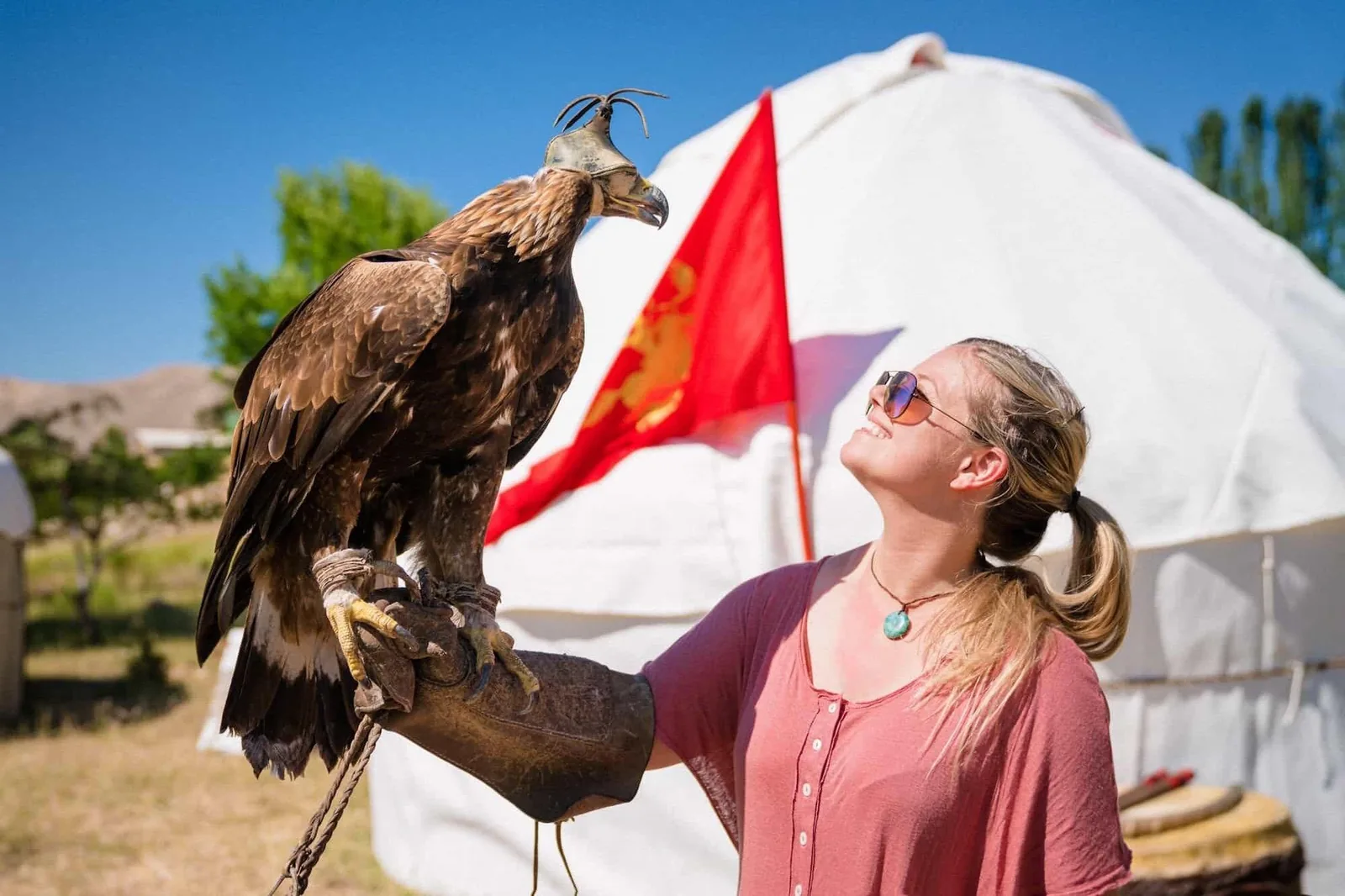
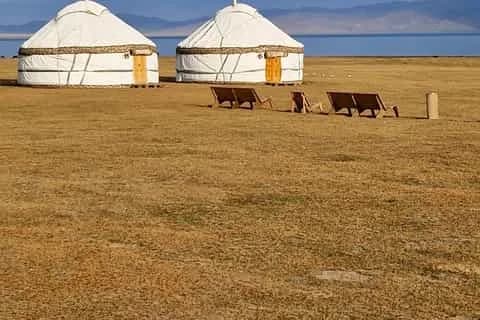
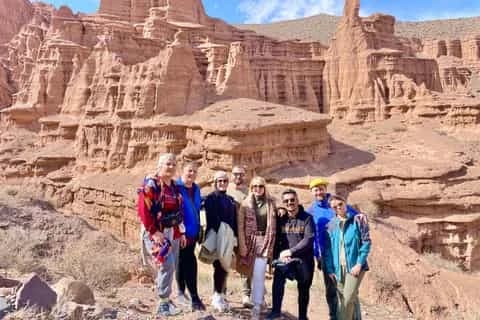
Community-based tourism (CBT) is the reason an independent traveller can sleep in a herder's yurt at Song-Köl, hire a horse and a guide for a few days in the mountains, and eat three home-cooked meals a day, all at fixed local rates with the money staying in the village. It grew out of a Swiss-funded scheme in the late 1990s and, for a decade, was the front door to travel here. In 2026 it still works, but the picture has changed: the old national network has faded, most of its town offices no longer have working websites, and a handful of newer destination organisations now do the job better. This guide explains what CBT actually gets you, who to deal with today, roughly what it costs, and whether it beats a private tour.
What community-based tourism actually is
CBT means locally run services sold at set, fair prices, with the earnings going to the families who provide them. In practice that is a homestay bed with meals, a night in a yurt on a summer pasture, a horse and its owner for the day, a trekking guide, a cook, a pack horse, or a driver to a trailhead. A village association takes the booking, keeps a small coordination fee, and pays the host, guide and horse owner directly. Bookings are usually rotated around member families so the income is shared rather than concentrated on the one house with the best English.
The appeal is not just ethics. It is access. Many of the best places in Kyrgyzstan — high jailoo (summer pasture) camps, walnut-forest villages, Pamir-facing valleys — had no hotels and needed real self-sufficiency to reach. CBT put a bed, a meal and a guide in exactly those places. You are also buying local knowledge: which pass is snow-free this week, whose horse is calm enough for a beginner, and where the shepherd's yurt is if the weather turns.
One honest caveat up front. These associations describe themselves as acting for the whole community, but many now operate much like ordinary for-profit operators, and homestays switch between networks or go independent when it pays better. That is fine — it still puts money into rural households — but do not romanticise it. And ignore the claim, repeated across the web, that CBT "returns 80% to families". The national body publishes no such figure. The only hard number anyone in Kyrgyz community tourism actually publishes is Destination Jyrgalan's: it keeps 20% on equipment hire and 10% on guesthouse bookings, with the rest going to the provider.
The networks, and who to actually deal with in 2026
The original umbrella body is the Kyrgyz Community Based Tourism Association (KCBTA), trading as CBT Kyrgyzstan. It was registered in January 2003 out of a Helvetas (Swiss development) project that had been seeding village tourism groups since the late 1990s. At its peak it coordinated offices in Kochkor, Naryn, Karakol, Arslanbob, Bokonbaevo, Alay and more — around 15 to 18 local groups, depending on which of its own pages you read.
That network has thinned. The national site is still live but visibly unmaintained (its footer still reads 2022), and — this is the practical part — every local CBT office domain is now dead. There is no working cbtkarakol.kg, cbtkochkor.kg, cbtnaryn.kg or cbtalay.kg any more. The local groups are reachable only through the national CBT WhatsApp line (+996 770 443331), in person at the town office, or via third-party listings. Don't send yourself to a dead cbt-something.kg address.
The centre of gravity has moved to independent, better-funded destination management organisations (DMOs) that are the ones you will actually deal with:
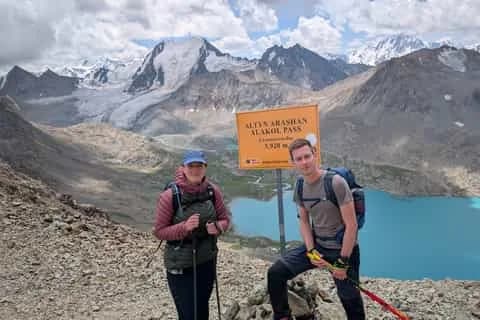
- Destination Karakol (destinationkarakol.com) — a well-run non-profit with a walk-in visitor centre in Karakol. It arranges trekking, homestays, 4x4 transfers to Altyn-Arashan, horses, cultural and food experiences and the winter ski scene. It quotes on request rather than listing prices, and is also the outfit third parties recommend for an Inylchek permit. It makes no mention of CBT — it has effectively replaced CBT Karakol as the town's front door.
- Destination Jyrgalan (jyrgalan.com) — founded in late 2016 by six families, USAID-supported at the start, and now the best-organised community operation in the country. It is the only Kyrgyz community operator with a genuine online booking cart, and it publishes route distances, altitudes and its revenue split. Forested valleys, marked trails, horse treks and freeride skiing, quieter than Song-Köl.
- Visit Alay (visitalay.com) — the front door for the Alay valley and Sary-Mogol, under Lenin Peak. Note it presents itself as a locally owned tour operator, not a donor-funded DMO, with offices in Bishkek and Osh.
- Shepherd's Life — a Helvetas-founded association based in Kochkor, specialising in Song-Köl yurt stays and horse treks. It is still trading but has no working website; book it in person in Kochkor or through an intermediary. Traveller reports are mixed, so treat it as a real option rather than a guaranteed standard.
What you actually get
Strip away the acronyms and CBT gives you four things: a bed, meals, transport by hoof or wheel, and a guide.
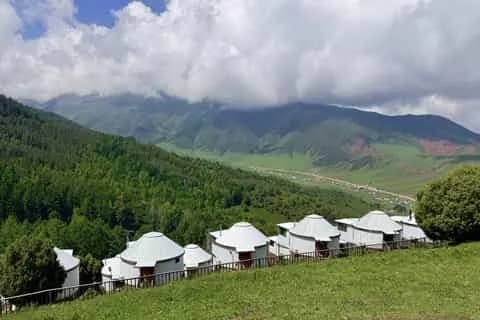
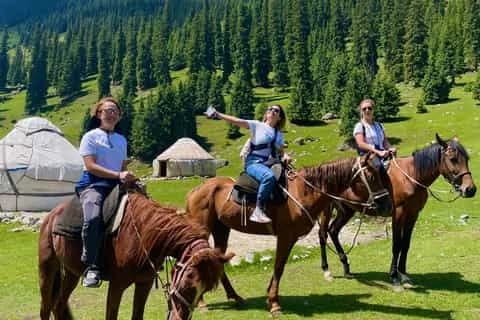
Homestays and guesthouses are family houses with a spare room or two, breakfast included and other meals on request. Yurt camps run from a working family's own boz-üy on the pasture (most authentic, least predictable) through CBT-coordinated camps with fixed prices and a complaints route, to larger commercial camps with generator power and a shower truck. A night at Song-Köl is the classic: you sleep on stacked cotton mattresses around a dung stove that dies by midnight, so bring a warm layer even in July. Horses come with their owner — you cannot rent one alone — and a supported horse trek adds a pack horse, a cook and full board. Guides range from a local horseman who knows the route to a certified mountain guide for a serious trek. CBT also arranges the practical grind: transfers, drivers, and — a genuinely useful service — border-zone permits for restricted areas like Kel-Suu and Inylchek, which you should apply for a month ahead.
What it costs
CBT does not publish a national price list, so treat everything below as a 2025–26 planning range and confirm on the day. Rates rise most years and are always cash, in som. The dollar figures use roughly 87–88 KGS = US$1.
| Service | Som | USD |
|---|---|---|
| Homestay / guesthouse bed, with breakfast | ~1,300–3,500 | $15–40 |
| Yurt night, all meals (budget / CBT) | ~1,300–2,250 | $15–25 |
| Yurt night, all meals (mid-range / premium) | ~3,000–7,000 | $35–80 |
| Extra meal | ~350 | ~$5 |
| Horse hire, per day | ~2,200–3,000 | $25–35 |
| Horseman / handler, per day | ~2,000 | ~$29 |
| Pack horse, per day | ~1,300 | ~$19 |
| Trekking guide, per day | ~2,000–2,500 | $29–36 |
| Cook, per day | ~1,500 | ~$21 |
| All-in guided horse trek (horse, guide, yurt, meals), per day | ~4,400–7,000 | $50–80 |
| Border-zone permit (via Naryn/CBT agency) | ~1,750 | ~$20 |
A useful rule of thumb: a fully guided horse trek with yurt nights and all meals runs about $50–80 per person per day. A complete 2–3 day Song-Köl trip, meals and yurts included, is roughly $100–150 per person if you arrange it in Kochkor rather than through a Bishkek agency. Independent travellers turning up at a family yurt still report paying around 1,500–2,250 som (about $17–25) for a bed and three meals. For the full picture, see the cost and budget guide.
How to book
Walk-in is still the norm and it still works. Kochkor — the booking hub for Song-Köl — has several competing companies clustered in the town centre, all selling much the same 2–3 day trips, and you can arrange one on the spot in summer. Karakol has the Destination Karakol visitor office. For accommodation you rarely need to book ahead; there is almost always space, even in peak season. The real exception is car and motorbike hire, which does sell out in July and August.
For booking from a distance, WhatsApp is the default — every live organisation publishes a number rather than a booking engine. Only Destination Jyrgalan has a working online cart. Everyone else works enquiry-then-quote. Bring cash: card acceptance is limited to Bishkek, Osh and Karakol, and there are no ATMs at Song-Köl, Tash Rabat, Arslanbob or on the jailoo. Draw a float in a city before any mountain leg and carry small notes — a 5,000-som note is hard to break in a village.
Where CBT is strongest
Four regions stand out. Song-Köl via Kochkor is the flagship: yurt camps ring the lake from June to September, and the Kyzart–Song-Köl route is the classic beginner horse trek. Karakol and Jyrgalan in the east are the best-organised, thanks to their DMOs, and combine trekking, horses and skiing. Arslanbob in the south offers gentle, low-altitude walnut-forest rides and one of the oldest CBT groups. Alay and Sary-Mogol, under Lenin Peak, are higher, drier and far less touristed, run through Visit Alay. Karakol, Naryn and Arslanbob all make good bases; see the Naryn and Arslanbob guides for the surrounding routes.
Etiquette that matters
A homestay is someone's home. Take your shoes off at the door and step over the threshold, never on it. Wait to be shown where to sit — the seat of honour (the tör) is opposite the door and may be offered to you. Treat bread as close to sacred: tear it by hand, never put it upside down or on the floor. Tea comes in small bowls only half-filled, which is courtesy, not meanness. When kymyz (fermented mare's milk) is offered with ceremony, take at least a sip. Declare any dietary needs when you book, not at the table. The real courtesy is paying the agreed price promptly in cash; a small practical gift lands better than a cash tip, which reframes hospitality as a transaction. The full etiquette guide has the rest.
CBT vs a private tour: the honest comparison
CBT wins on price, authenticity and putting money into rural households, and it is unbeatable for flexible, independent travel where you assemble the trip a leg at a time. A private tour wins on certainty: an English-speaking guide throughout, a fixed itinerary, vehicles that show up, insurance, and someone accountable if a horse goes lame or the weather closes a pass. If you are short on time, travelling with children or older parents, or simply want it handled, pay for the tour. If you have the time and want the country at close range for a fraction of the cost, CBT is the better way to travel here — and almost every visitor ends up staying with a community host at least once.
Ready to build it out? Browse community-run rides on the horse-trekking tours page, or start from Karakol, the most CBT-friendly base in the country.
Chat with a real person — free
Seif and the team reply on WhatsApp 24/7 — trip questions, custom plans and booking help.
Ask Seif on WhatsAppCommon questions
Is CBT Kyrgyzstan still operating in 2026?
Yes, but in reduced form. The national Kyrgyz Community Based Tourism Association still exists and its main website works, though it is visibly unmaintained and every local office domain is now dead. Book local groups through the national WhatsApp line (+996 770 443331) or in person. In practice the newer DMOs — Destination Karakol, Destination Jyrgalan and Visit Alay — are the well-run organisations most travellers now deal with.
How much does a CBT homestay or yurt stay cost?
A homestay bed with breakfast runs roughly 1,300–3,500 som ($15–40), and a yurt night with all meals is about 1,300–2,250 som ($15–25) at budget and CBT camps, rising to $35–80 at mid-range and premium ones. Rates are cash-only in som, rise most years, and are not published on a national list, so confirm on the day of booking.
How do I book community-based tourism in Kyrgyzstan?
Walk in at the town office or a Kochkor company, message the organisation on WhatsApp, or use Destination Jyrgalan's online cart — the only real booking engine in Kyrgyz community tourism. Most operators work enquiry-then-quote. You rarely need to book accommodation ahead, even in peak season, but car and motorbike hire sells out in July and August, so reserve those early.
What does a CBT horse trek include and cost?
A fully guided horse trek covers the horse and its owner, a pack horse, a cook, all meals and yurt nights, for roughly $50–80 per person per day. A complete 2–3 day Song-Köl trip arranged in Kochkor is about $100–150 per person. You cannot rent a horse without its owner, helmets are rarely provided, and insurance must specifically cover horse riding.
Which regions have the best community-based tourism?
Four stand out. Song-Köl via Kochkor is the flagship for yurt stays and beginner horse treks. Karakol and Jyrgalan in the east are the best-organised, thanks to their DMOs. Arslanbob in the south offers gentle walnut-forest rides. Alay and Sary-Mogol, under Lenin Peak, are higher, quieter and more demanding, run through Visit Alay.
Can I pay by card for CBT bookings?
No. Assume all CBT bookings, homestays, yurt camps, horse hire and rural transport are cash-only in som. Cards work only in Bishkek, Osh and Karakol, and there are no ATMs at Song-Köl, Tash Rabat, Arslanbob or on the jailoo. Draw a cash float in a city before any mountain leg and carry small notes, since a 5,000-som note is hard to break in a village.
When can I do a CBT yurt stay or horse trek?
The high-mountain season runs roughly mid-June to mid-September, with July and August the most reliable. Song-Köl yurt camps open and close with the grass and the passes — a few appear in late May and linger to early October. Outside that window the lake freezes and the passes shut, so a late-September traveller can arrive at an empty pasture.
Is CBT better than a private tour?
It depends on your priorities. CBT is cheaper, more authentic and better for flexible independent travel assembled leg by leg. A private tour gives certainty: a guide throughout, a fixed itinerary, reliable vehicles and someone accountable if something goes wrong. Choose a tour if you are short on time or travelling with children or older parents; choose CBT if you have time and want the country at close range.
Does CBT really keep money in the villages?
Largely, yes — the local group takes a small coordination fee and pays the host family, guide and horse owner directly, buying services from within the community. Ignore the widely repeated claim that it returns 80% to families; the national body publishes no such figure. Destination Jyrgalan is the only operator that publishes its split: 20% on equipment hire and 10% on guesthouse bookings, the rest to the provider.
Book it on This is Kyrgyzstan
Turn this guide into a trip
Kyrgyzstan's bestsellers
The experiences travelers book most, across the country
Keep reading
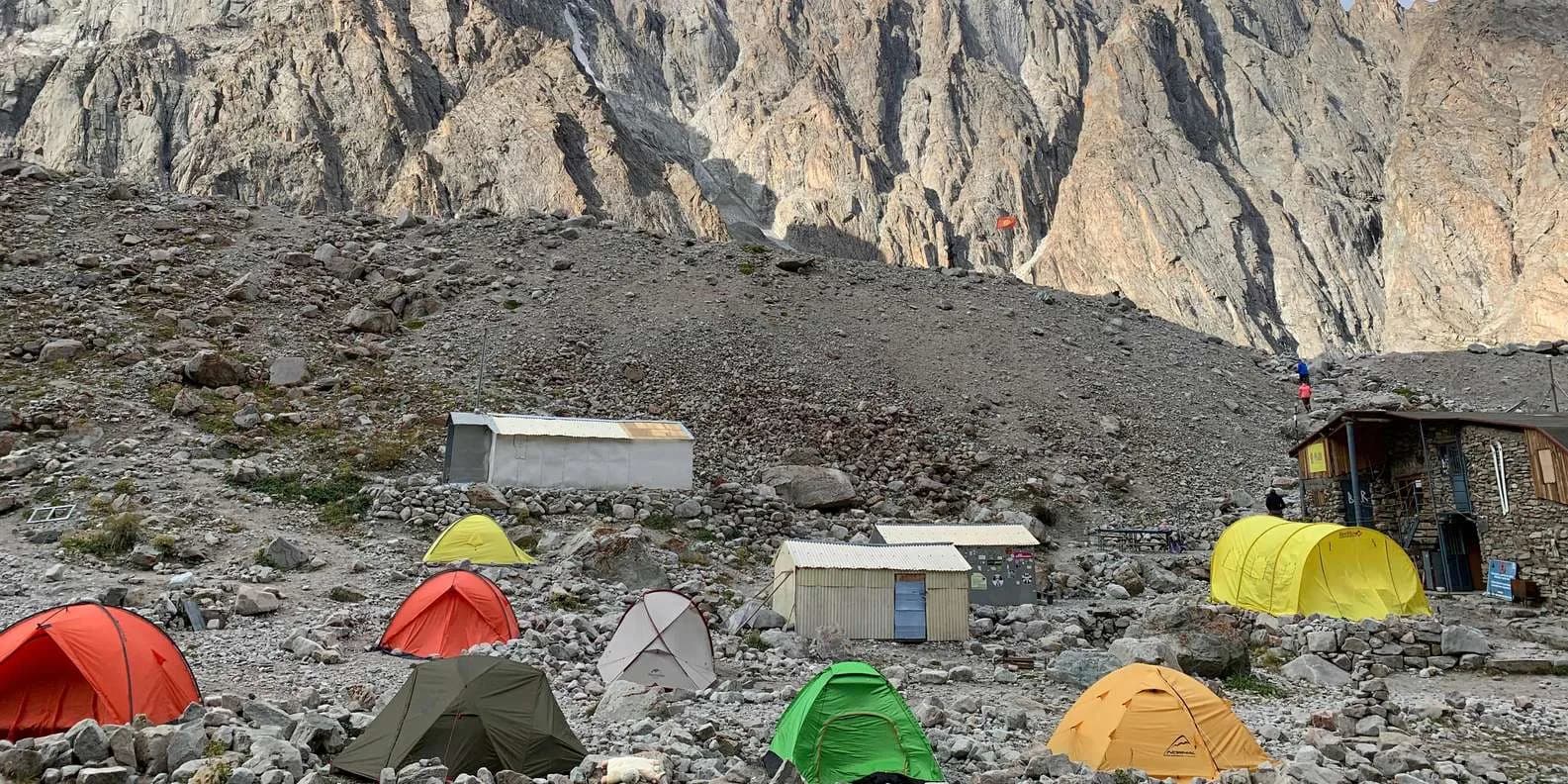
Uchitel Peak: Your First 4,000m Climb (2026)
Pik Uchitel (~4,400-4,600 m) in Ala-Archa is the classic first summit for fit hikers new to mountaineering: route, gear, season and acclimatisation.
By TiK Editors8 min read
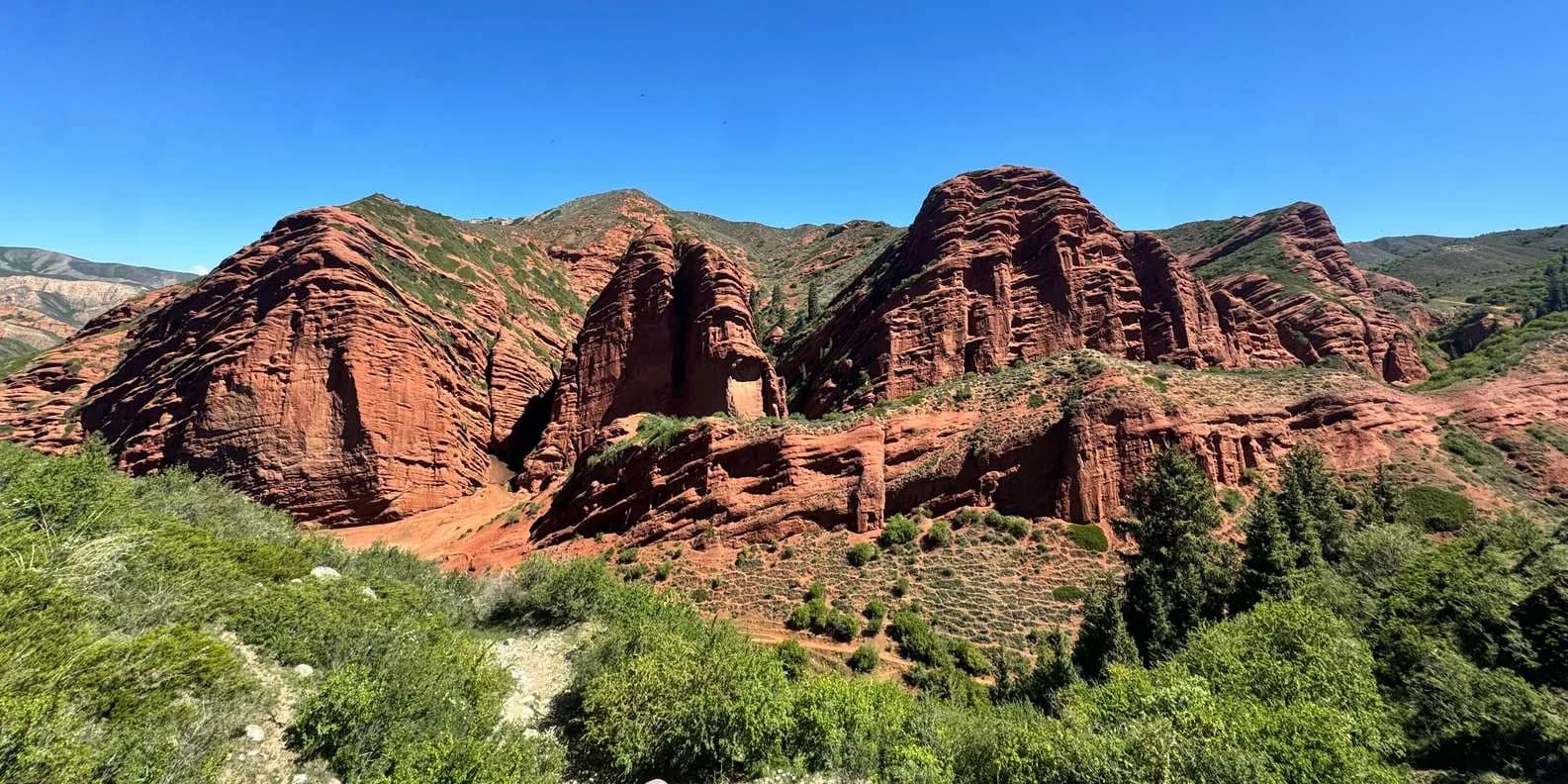
Boz-Uchuk Lakes Trek from Jyrgalan (2026)
A moderate 2–3 day trek to a string of alpine lakes above Jyrgalan — quieter than Karakol's classics, with community yurts, horses and clear DMO rates.
By TiK Editors8 min read
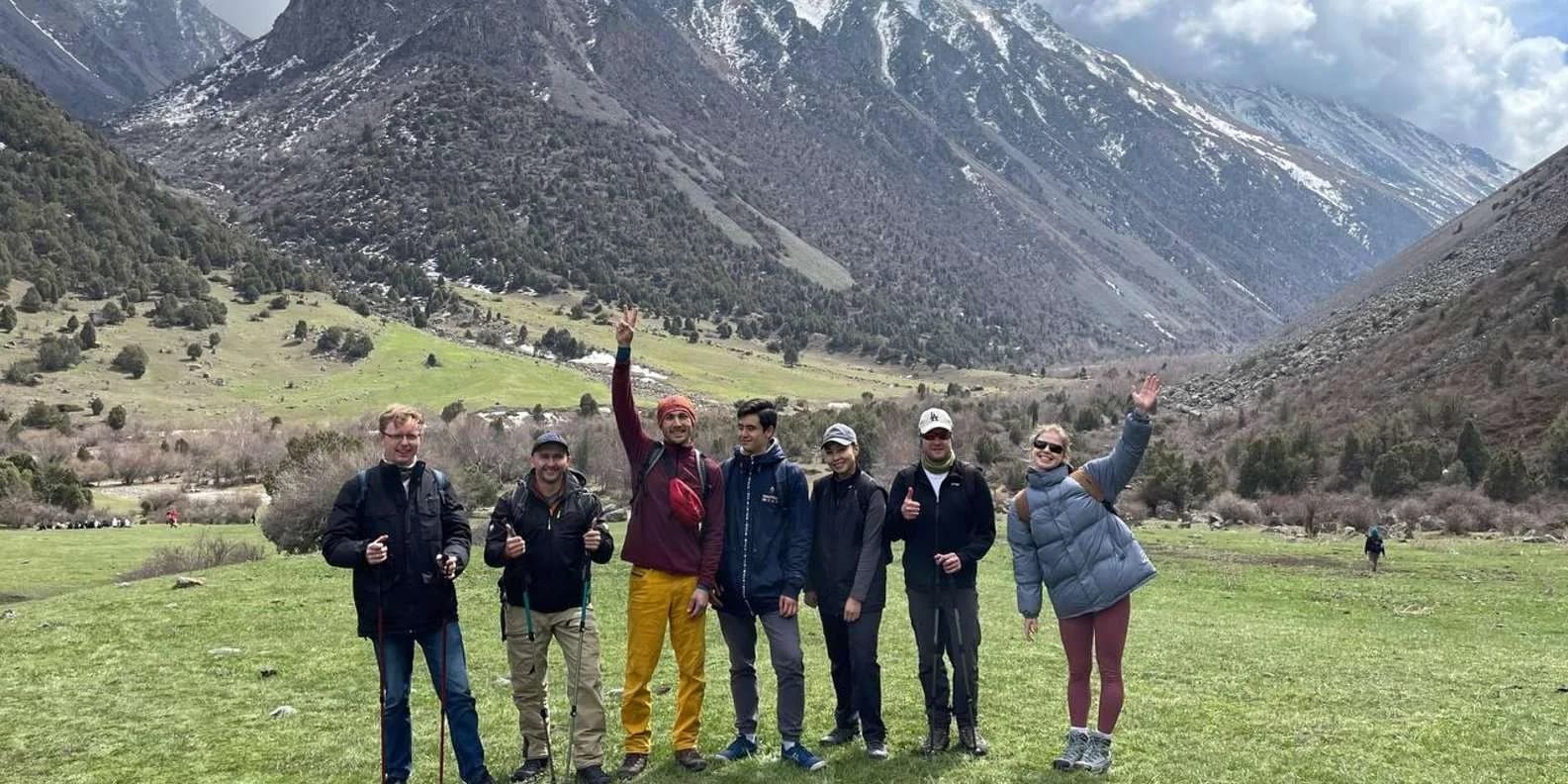
Self-Guided Treks in Kyrgyzstan: Routes & How-To
Yes, you can trek Kyrgyzstan without a guide. The best self-guided routes, the ones to skip, and the maps, water and safety logistics that make it work.
By TiK Editors12 min read