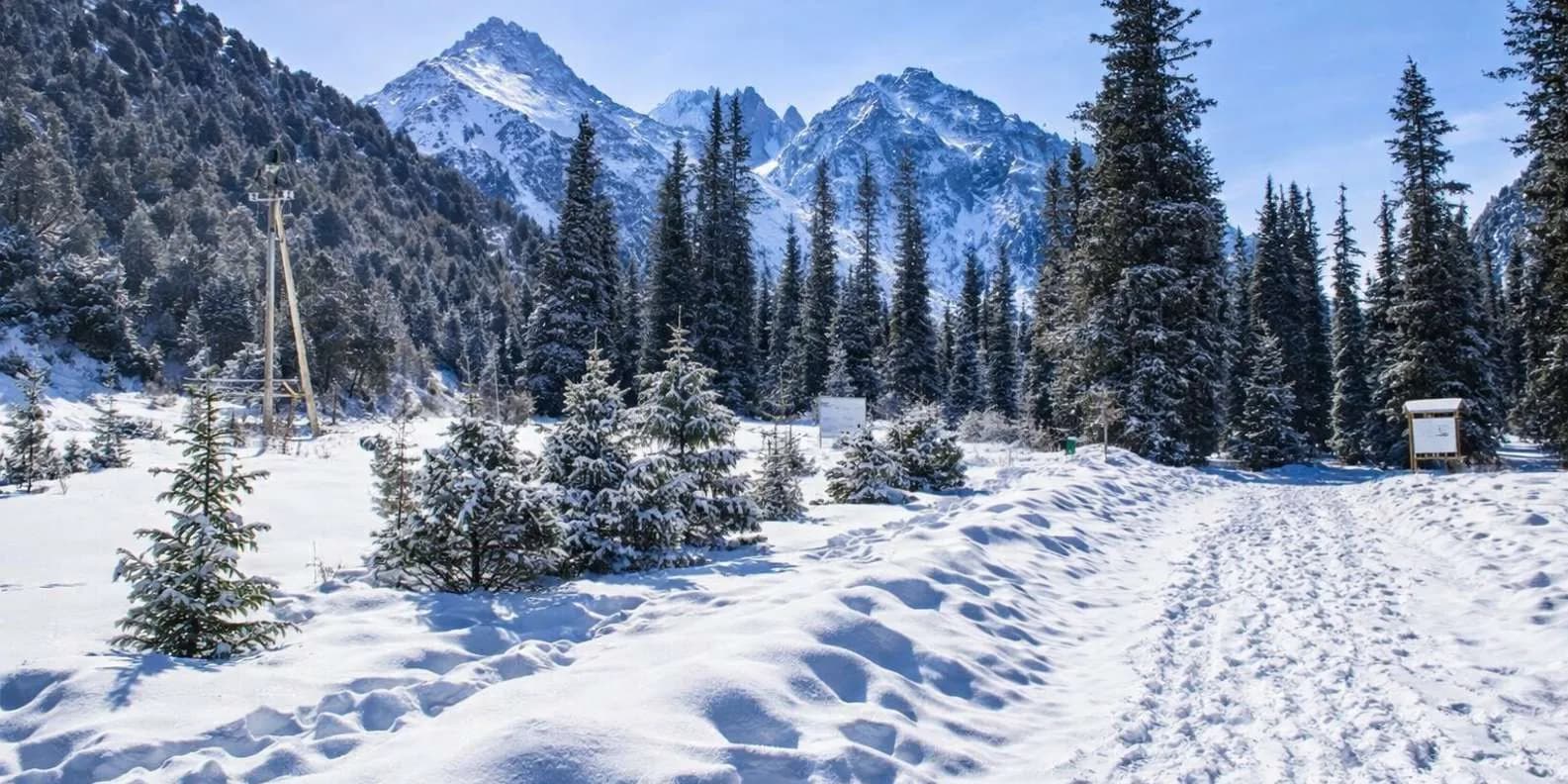
 Image via GetYourGuide
Kyrgyzstan Etiquette & Customs: A Guest's Guide
How to be a good guest in Kyrgyzstan: hospitality, yurt and bread rules, greetings, tea customs, sacred sites, gifts and photography etiquette.
Book it on This is Kyrgyzstan
Turn this guide into a trip
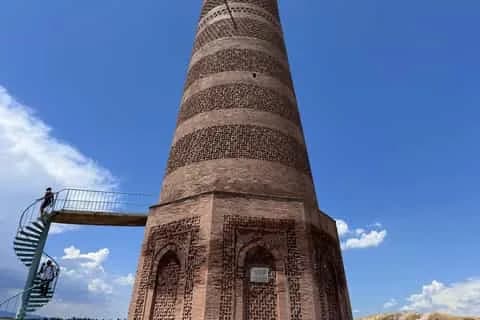
Kyrgyz culture treats a guest as an honour, not an inconvenience, so the etiquette that matters most is knowing how to accept generosity gracefully and how to decline it without giving offence. Learn a handful of things and you will be fine everywhere: take your shoes off indoors, never waste bread, give and take with your right hand, greet the oldest person first, and step over a threshold rather than on it. The rest is warmth and attention, both of which Kyrgyz hosts will return several times over.
This is a genuinely hospitable, low-hassle place to travel. The real risks here are mountain roads and altitude, not social minefields; see is Kyrgyzstan safe for that side of things. Nobody expects a foreigner to get every custom right. What they notice is whether you try.
Hospitality: you will be fed, and fed again
Kyrgyz hospitality is closer to an obligation than a favour. A household gains standing by feeding a guest well, and the old line holds that a guest will never leave a Kyrgyz table hungry. On the jailoo (summer pasture) this reaches full force: turn up at a herding family's yurt and tea, bread and kymyz appear within minutes, whether or not you asked.
The trap for visitors is the ritual refusal. Kyrgyz people habitually decline the first offer out of politeness, and the host is expected to insist. So a single "no" from you is not read as a real no, and a single "no" from them does not mean the food is not coming. If you genuinely cannot eat another bowl, decline softly and in stages: hand on your heart with a smile and "rakmat" (thank you); then "men jedim" (I'm full) with a hand over your bowl; then accept a token amount and simply leave it. A reason people accept, a stomach, a doctor's orders, works far better than a flat preference. A repeated "no thank you" is the least effective option and reads as coldness.
Dietary needs are much easier handled at booking than at the table. If you are vegetarian, say so when you reserve a yurt stay or homestay and gently again on arrival; expect a lot of potato, bread and dairy, and catering that is willing but repetitive. Announcing restrictions mid-meal, in front of a spread someone has prepared, lands badly.
Vodka deserves its own warning. Toasts come in rounds and refusing the fourth is much harder than refusing the first, so decline at the very start if you are not drinking, citing driving, medication or health. Women face noticeably less pressure to drink than men. If you do accept, toast properly and then nurse it.
Yurt etiquette: threshold, seat and hearth
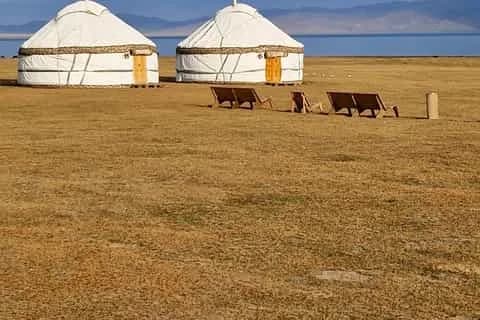
The boz-üy (yurt, literally "grey house") has its own geography of respect, and a night in one is one of the best things you can do in the country. A few rules carry you through.
Step over the threshold, never on it, when you enter or leave. Move clockwise inside once you are in. The seat of honour is the tör, the spot at the back directly opposite the door, farthest from the entrance; it is reserved for elders, the head of the household and honoured guests. The area by the door is the low-status, working position where younger people sit and serve. Do not seat yourself. Wait to be placed, and if you are shown to the tör, take it graciously; refusing an offered honour to seem modest just creates awkwardness.
Once seated on the floor, do not point the soles of your feet at the food, the hearth or other people. Sit cross-legged or kneel. The hearth and the crown above it carry real weight in a working yurt, so treat that central space with care rather than sprawling into it.
That crown is the tunduk, the wooden wheel of curved spokes at the apex that serves as smoke hole and skylight. It is the most loaded symbol in Kyrgyz culture: inherited down the male line, not casually replaced, and stamped at the centre of the national flag, where a 40-rayed golden sun (the 40 tribes Manas united) frames a tunduk seen from below. The door itself traditionally faces east or south-east, toward the sunrise and away from the wind, and a working family yurt often keeps a gendered layout, the right side as you enter for the women and kitchen, the left for men and guests. It is rarely enforced with tourists, but it is worth noticing. For the full picture of what a night on the pasture is actually like, see our yurt stays guide.
Bread and food: the dastorkon rules
Bread, nan or tokoch, is treated as sacred, and the rules around it are the ones locals notice most. Never place a loaf upside down. Never put bread on the ground or on a chair. Tear it with your hands rather than cutting a round loaf with a knife at the table. Never throw bread away in front of a host; leftovers go to animals, not the bin. When bread is set out at the start of a meal it is not decoration, it is an invitation, so break a piece.
The dastorkon is the cloth spread with food, laid on a low table or on the floor, and it anchors every gathering. Give and receive everything, a cup, a bowl, a piece of bread, money, a gift, with both hands, or the right hand supported by the left at the forearm. The left hand alone is avoided. You do not have to clear your plate; hosts serve generously and leaving a little is normal.
At a feast you may be offered the sheep's head, the highest honour at the table. The guest of honour is expected to carve it and distribute pieces, each with a small blessing, an ear to a child to "listen well", the eye or cheek to a respected guest. If it lands in front of you, ask the host to guide you. Being visibly willing matters far more than doing it perfectly. And when kymyz (fermented mare's milk) is poured, take at least a sip even if you set the bowl down after; it is offered with ceremony and refusing outright stings. It is sour, slightly fizzy and mildly alcoholic, an acquired taste, so start with a small bowl. Our Kyrgyz food guide covers the dishes themselves in detail.
Greetings: elders first, hand to heart
Greet the oldest person in the room first, always. Men shake hands with men, often adding a two-handed clasp or the left hand over the heart in the south, where greetings run longer. Men generally do not shake hands with women; offer a nod and a hand on your own heart, and let a woman extend her hand first if she wishes. That hand-on-heart gesture with a slight bow is a complete, respectful greeting on its own, and the single most useful thing a traveller can learn.
The phrase to memorise is "Salamatsyzby" (sa-la-mat-SYZ-by), the polite all-day hello, literally "are you well?". Add "rakmat" (thank you) and "jakshy" (good) and you have bought real goodwill. Among men, "Assalom aleikum" and its reply are common everywhere, especially in the south. A Kyrgyz greeting from a foreigner lands far harder than a Russian one, even though Russian is the more practical language day to day in Bishkek and the north.
Tea: why your cup is only half full
Do not be offended when your tea arrives in a small handleless bowl (kese or piala) filled only a third to half way. This is a mark of respect and attention, not meanness. A small pour keeps the tea hot and gives the host a reason to attend to you again and again, refilling as you go. A brim-full bowl carries the opposite message: "drink up and be on your way." Pass and receive the bowl with your right hand, the left supporting the forearm, and never refill your own bowl if a host is pouring.
At the end of a meal, and sometimes the start, an elder gives a short blessing (bata) and everyone performs the omin: cup both palms and draw them down over the face, as if washing, saying "omin". Everyone joins, including non-Muslims and children. Copy the gesture; not joining in is the only wrong move.
Sacred sites, mosques and mazars
Kyrgyz Islam is relaxed by regional standards and blended with older Tengrist practice, which you will see at mazars, shrines at springs, rocks or graves, often with sacred trees hung with cloth ribbons, each tied to a wish. At a mazar, dress modestly, do not step on offerings, do not untie ribbons or leave litter, ask before photographing worshippers, and perform the omin gesture on leaving.
For mosques, including Karakol's striking Chinese-style Dungan Mosque, remove your shoes at the threshold and dress modestly: long trousers or a long skirt, covered shoulders, no shorts, and a headscarf for women, so carry one. Do not walk in front of someone praying, and do not enter the prayer hall during the five daily prayers unless you are invited. Non-Muslims are generally welcome outside prayer times, but permission is granted locally, so ask the caretaker. Sulaiman-Too in Osh, Kyrgyzstan's flagship sacred mountain, is an active pilgrimage site rather than a viewpoint; behave accordingly.
Photography: always ask
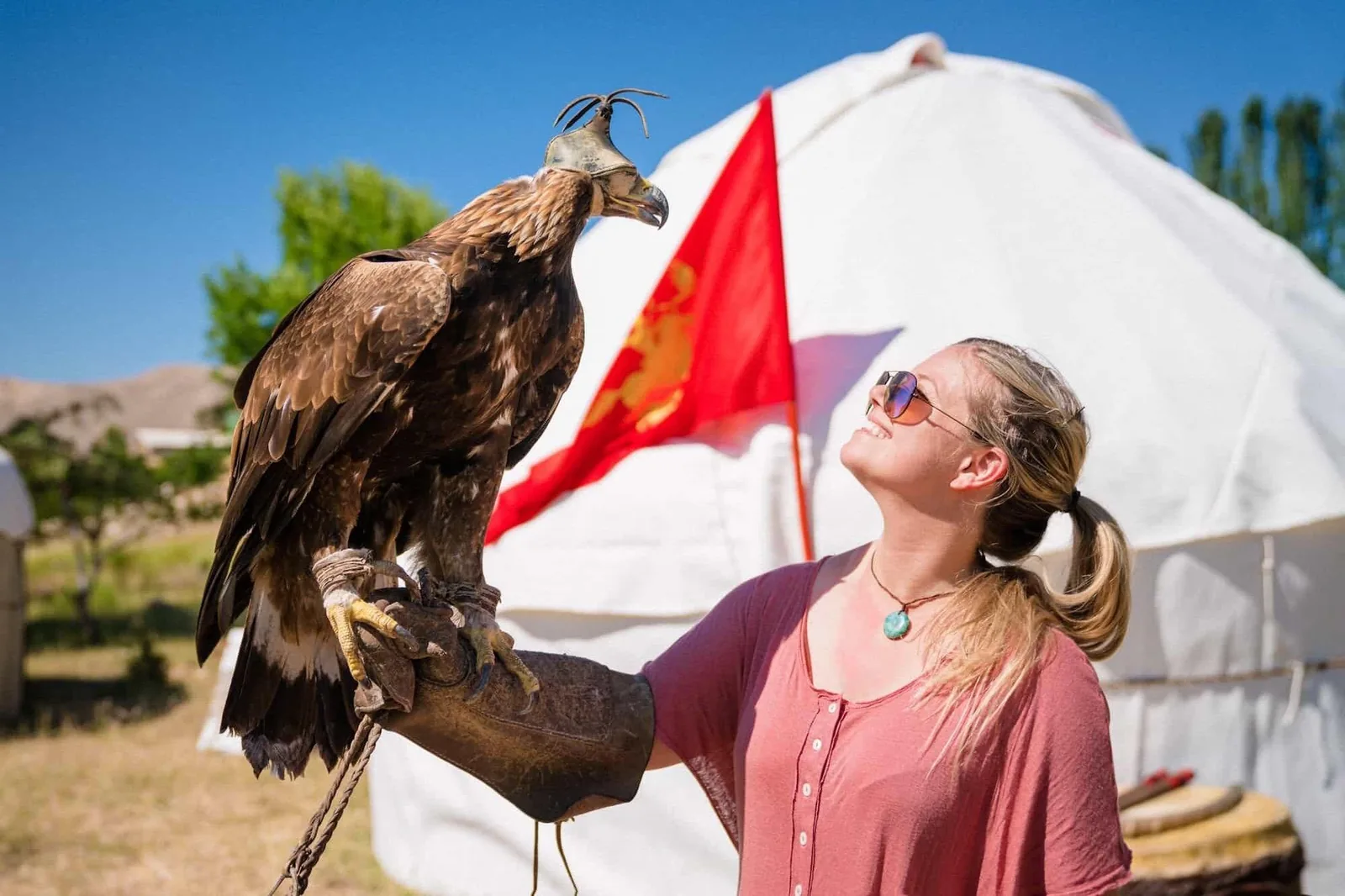
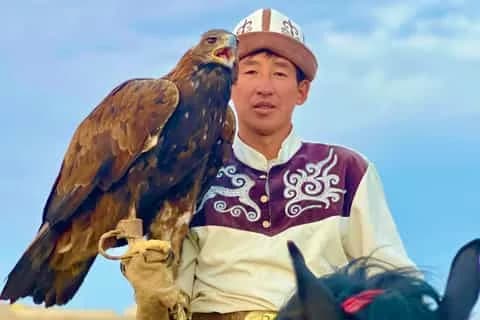
Ask before photographing people, every time, and especially with elders, women, children, and at bazaars and shrines. A gesture at the camera and a smile is usually enough, and Kyrgyz people are often pleased to be asked. Eagle hunters and craftspeople may reasonably charge or decline, and some families limit video of a bird to avoid stressing it, so respect that. Offer to send the photo afterwards and actually do it; WhatsApp and Telegram are both universal here. Never photograph military sites, border posts, police or the border zones with China, Uzbekistan and Tajikistan.
Gifts, shoes and small courtesies
Bring a small gift to any home you stay in. Something modest and practical beats something expensive, which can create a sense of obligation: sweets, chocolate, fruit, good tea, or pens and school supplies for the children all work well. If you give flowers, make it an odd number; even numbers are for funerals. Avoid bringing alcohol to a household you do not know, as many observant families do not drink. Do not tip ostentatiously with cash in a home, which reframes hospitality as a transaction; paying an agreed price promptly, in cash and in som, is the real courtesy. A parting gift from your host is customary too, so accept it graciously.
And take your shoes off on entering any home or yurt, always. There will be slippers, or you go in socks.
Quick dos and don'ts
| Do | Don't |
|---|---|
| Take your shoes off indoors, every time | Step on a threshold; step over it |
| Give and receive with the right hand (or both) | Hand things over with the left hand alone |
| Greet the oldest person first | Seat yourself; wait to be shown the tör |
| Break and honour bread; leave it upright | Put bread on the ground, bin it, or turn it over |
| Take at least a sip of offered kymyz | Refuse food outright with a flat "no" |
| Ask before photographing people | Photograph eagle hunters, elders or border posts uninvited |
| Cover shoulders and head in a mosque | Walk in front of someone praying |
| Decline vodka at the first round, citing health | Whistle indoors, or point your feet at the food |
| Bring an odd number of flowers as a gift | Give money to street children |
Get these few things right and you will be welcomed warmly everywhere from a Bishkek flat to a Song-Köl yurt. For the wider practicalities of a trip, start with our Kyrgyzstan travel guide, or browse culture-focused tours if you want a guide to smooth the introductions and translate the toasts.
Chat with a real person — free
Seif and the team reply on WhatsApp 24/7 — trip questions, custom plans and booking help.
Ask Seif on WhatsAppCommon questions
How do I politely decline food without offending my host?
Decline softly and in stages rather than with a flat no, which reads as coldness. Put your hand on your heart, smile and say "rakmat" (thank you), then "men jedim" (I'm full) with a hand over your bowl. Accepting a token amount and leaving it works well. If you truly cannot eat, give a reason people accept, like a stomach upset or doctor's orders, rather than a preference.
What are the main rules inside a yurt?
Step over the threshold, never on it, and move clockwise once inside. Don't seat yourself; wait to be placed, and if shown the tör (the honour seat opposite the door), take it graciously. Sitting on the floor, never point the soles of your feet at the hearth, the food or other people. Take your shoes off at the door, and treat the central hearth and the tunduk crown above it with care.
Why is bread treated so seriously in Kyrgyzstan?
Bread (nan) is considered sacred, so how you handle it matters. Never place a loaf upside down, never put it on the ground or a chair, and tear it with your hands rather than cutting a round loaf with a knife at the table. Don't throw bread away in front of a host; leftovers go to animals. When bread is set out at the start of a meal, break a piece; it is an invitation, not decoration.
How should I greet people in Kyrgyzstan?
Greet the oldest person first, always. Men shake hands with men, often with the left hand over the heart, especially in the south. Men usually don't shake hands with women; offer a nod and a hand on your own heart and let a woman extend her hand first. Learn "Salamatsyzby" (hello) and "rakmat" (thank you); a Kyrgyz greeting from a foreigner is warmly received even where Russian is more common.
Why is my tea cup only half full?
A half-full bowl is a sign of respect and attention, not meanness. Tea is served in small handleless bowls, and a small pour keeps it hot while giving the host a reason to refill and attend to you repeatedly. A brim-full bowl sends the opposite message, effectively "drink up and go." Take and pass the bowl with your right hand, and never refill your own if a host is pouring.
Is it OK to photograph people, eagle hunters and elders?
Ask first, every time, and especially with elders, women, children, and at bazaars and shrines. A gesture at the camera and a smile is usually enough, and people are often happy to be asked. Eagle hunters and craftspeople may reasonably charge or decline, so respect that. Offer to send the photo and actually do it via WhatsApp or Telegram. Never photograph military sites, police or border zones.
What should I wear to visit a mosque or sacred site?
Dress modestly: long trousers or a long skirt, covered shoulders and no shorts, with a headscarf for women, so carry one. Remove your shoes at the threshold. Don't walk in front of someone praying or enter the prayer hall during the five daily prayers unless invited. At mazars (shrines), don't step on offerings or untie the cloth ribbons on sacred trees, and ask before photographing worshippers.
What gift should I bring for a homestay host?
Bring something modest and practical rather than expensive, which can create obligation. Sweets, chocolate, fruit, good tea, or pens and school supplies for children all work well. If you give flowers, choose an odd number; even numbers are for funerals. Avoid alcohol for a household you don't know. Don't tip ostentatiously with cash in a home; paying the agreed price promptly in som is the real courtesy.
Do I have to drink vodka or kymyz if it's offered?
No, but handle both gently. For vodka, decline at the very first round, citing driving, medication or health, since refusing later rounds is much harder; women face less pressure to drink than men. For kymyz (fermented mare's milk), take at least a sip even if you set the bowl down, as it's offered with ceremony. It's an acquired taste, so ask for a small bowl to start.
Book it on This is Kyrgyzstan
Turn this guide into a trip

Kyrgyzstan's bestsellers
The experiences travelers book most, across the country

Keep reading
Self-Guided Treks in Kyrgyzstan: Routes & How-To
Yes, you can trek Kyrgyzstan without a guide. The best self-guided routes, the ones to skip, and the maps, water and safety logistics that make it work.
By TiK Editors12 min read
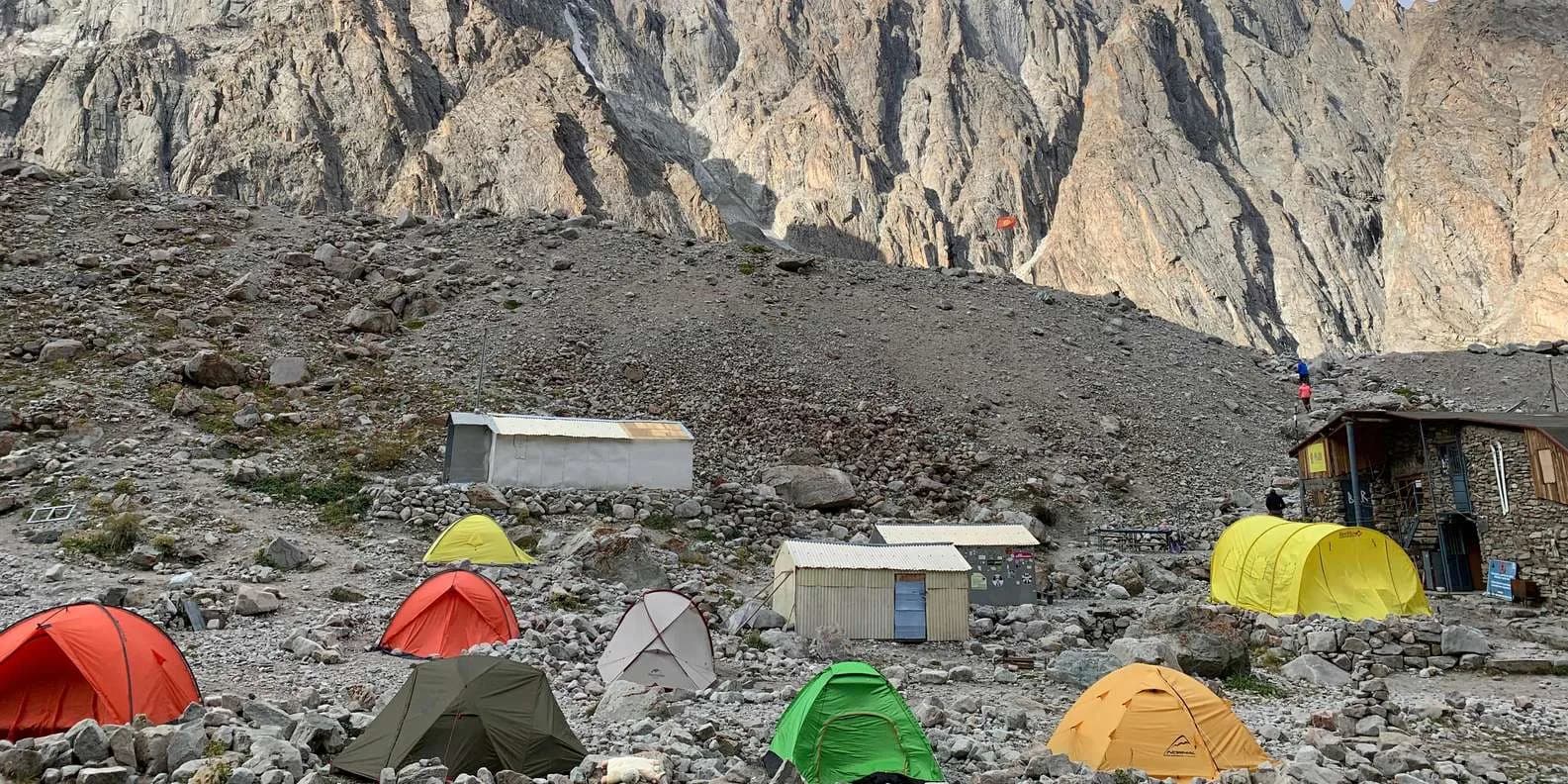
Uchitel Peak: Your First 4,000m Climb (2026)
Pik Uchitel (~4,400-4,600 m) in Ala-Archa is the classic first summit for fit hikers new to mountaineering: route, gear, season and acclimatisation.
By TiK Editors8 min read
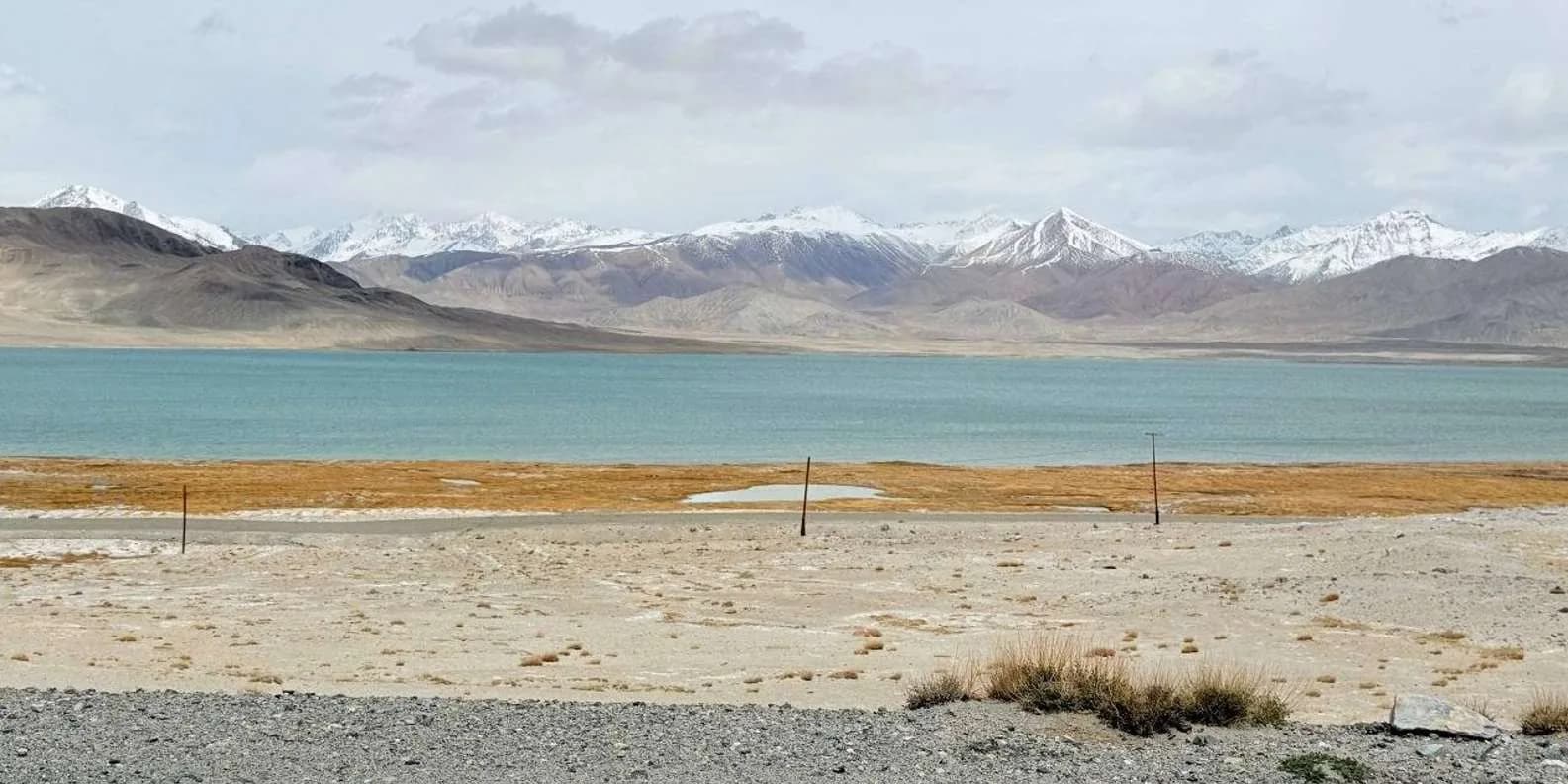
Tian Shan Traverse: Bikepacking Kyrgyzstan
The Tian Shan Traverse is a self-supported, mostly off-road bikepacking route of about 1,000 km across the high Kyrgyz mountains. Here's how to plan it.
By TiK Editors9 min read