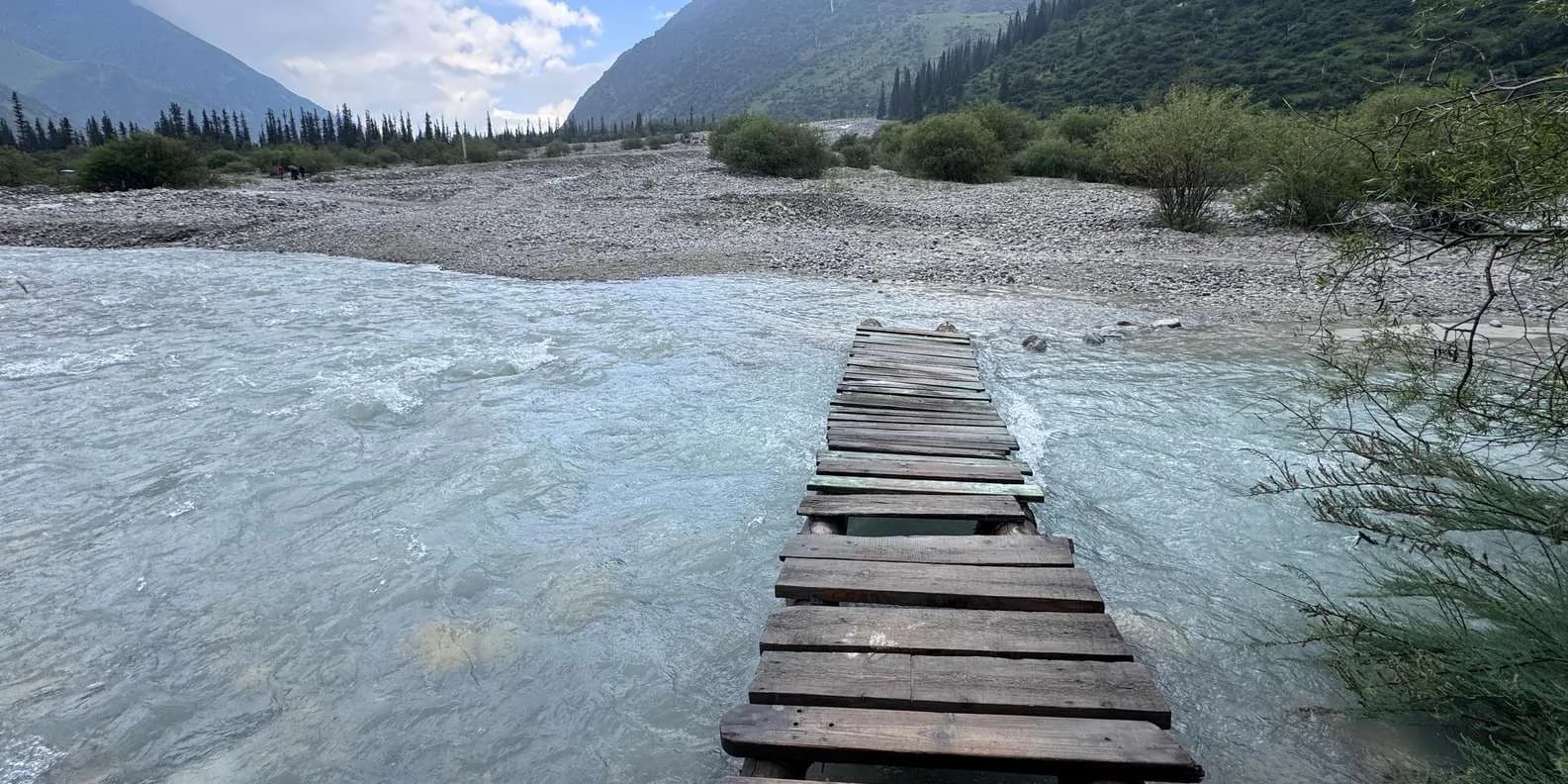
 Image via GetYourGuide
Kyrgyzstan in Autumn: The Shoulder-Season Sweet Spot
September is arguably the best month to visit Kyrgyzstan: warm days, thin crowds, golden forests and the walnut harvest. October is a different, lower trip.
Book it on This is Kyrgyzstan
Turn this guide into a trip
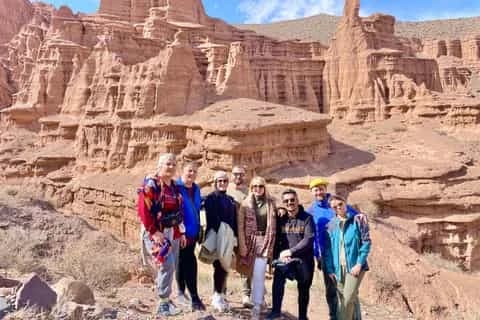
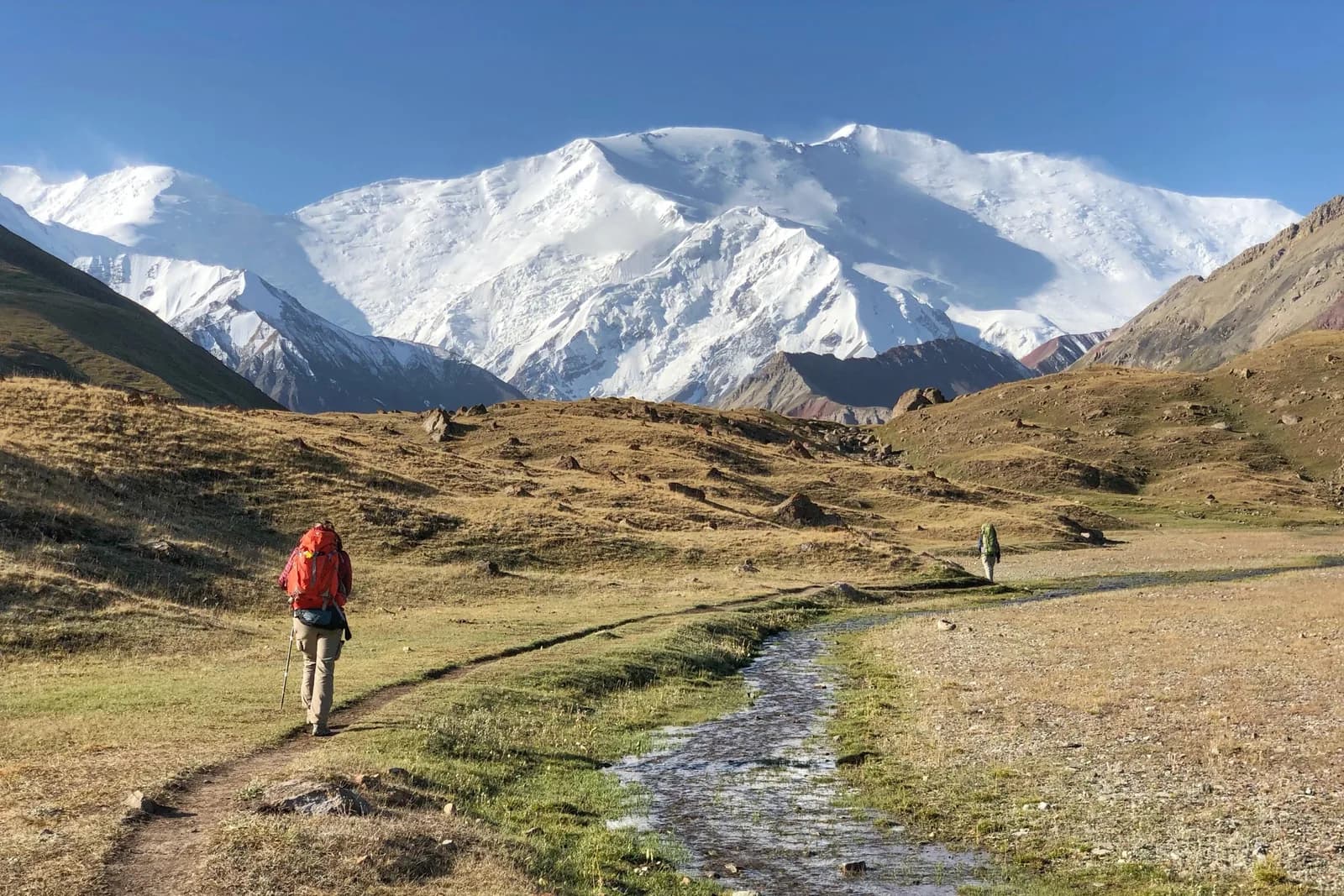
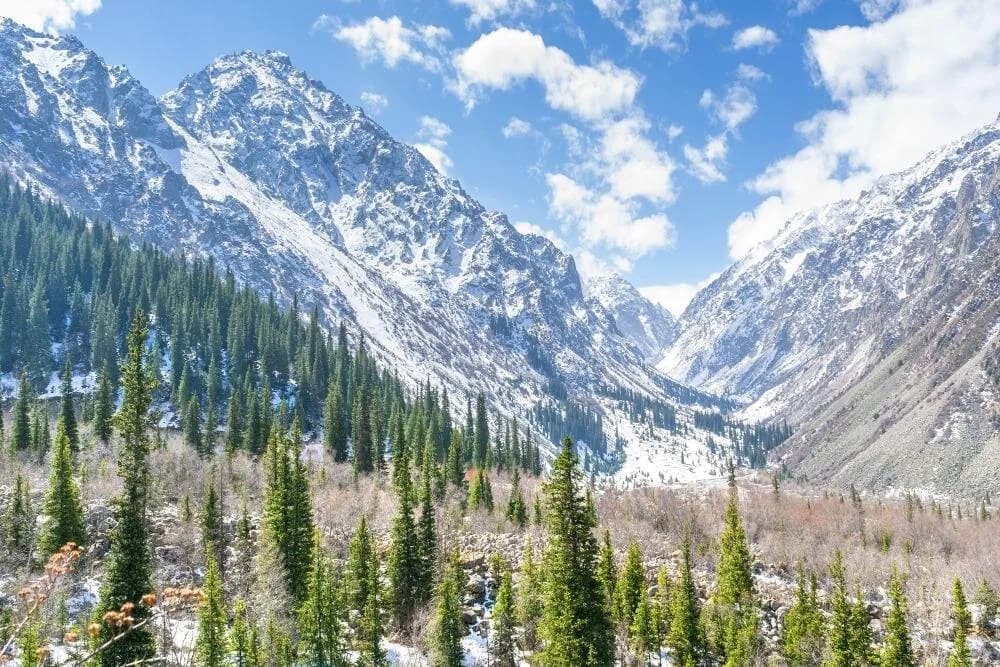
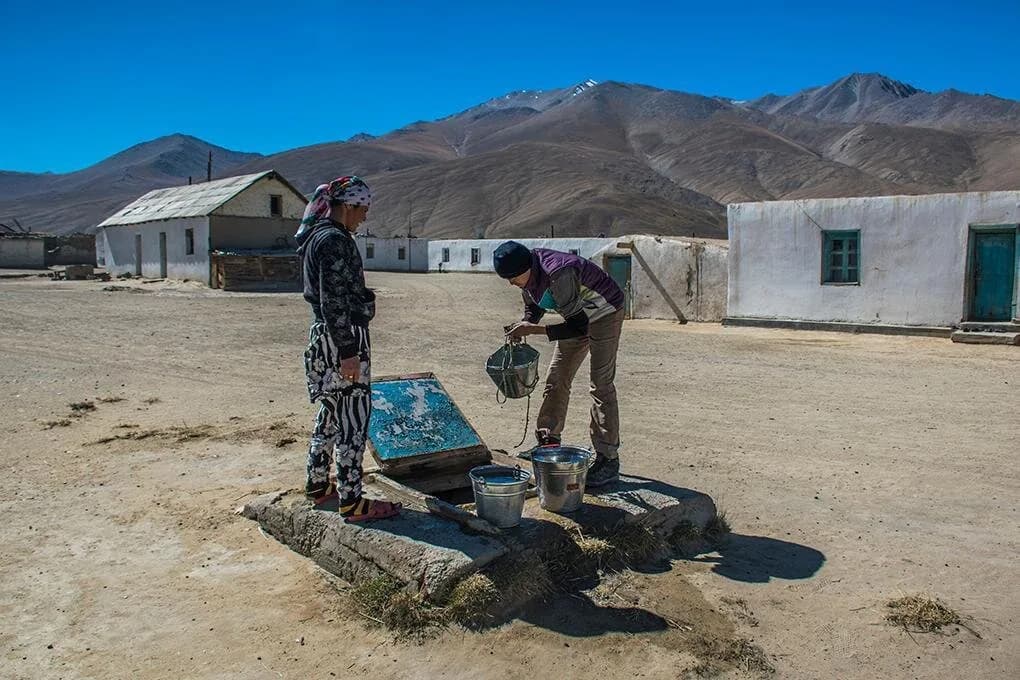
September is, for a lot of people, the best month to visit Kyrgyzstan. Early autumn keeps most of summer's advantages, days still warm high up, the high treks and yurt camps mostly open, and drops the two things that spoil July and August: the crowds and the peak-season prices. Then it turns. By early-to-mid October the passes start closing, the jailoo yurts come down, and the trip becomes a lower-altitude, culture-and-lake affair built around one unmissable event: the walnut harvest at Arslanbob. This guide splits autumn into its two halves so you plan the right one.
The honest caveat first. Some seasoned Kyrgyzstan hands argue that shoulder season is the worst time, because a bad year can shut the high passes before the ski season opens and strand you between two seasons. That is a real risk in October. It is much less of a risk in the first three weeks of September, which is why the timing of your trip matters more here than almost anywhere else. Get the dates right and autumn is superb. Get them wrong and half your itinerary is padlocked.
Why September is arguably the best month
September is the reward for a country that spends July and August rammed. Karakol and Song-Köl carry the heaviest summer tourist volumes in Kyrgyzstan, and by September that pressure lifts. You get quieter trails, easier beds, and guesthouse owners who have time to talk. Prices soften too, though the country never gets expensive.
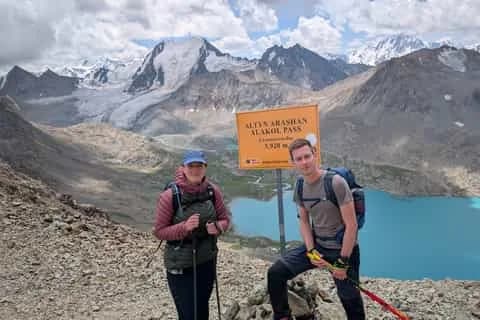
The weather in early September still behaves like late summer at altitude. Song-Köl (3,016 m) runs roughly 5–15C by day with clear golden light, and the classic Ala-Köl trek above Karakol has its most reliable snow-free window from mid-July to mid-September. The lake and its 3,860–3,900 m pass are still crossable early in the month, with the bonus of autumn colour on the descent, set against the fair-weather risk of an earlier first snow. Down at Issyk-Köl (1,607 m), which is slightly saline and never freezes, the shore holds fine light well into the month even as the swimming season fades at the end of August.
There is also a once-every-two-years draw. The 6th World Nomad Games run in Kyrgyzstan from 31 August to 6 September 2026, opening in Bishkek on Independence Day and moving to Cholpon-Ata and the Kyrchyn jailoo above Issyk-Köl. Kok-boru, eagles, horse games and mounted archery, all in the first week of September. If your dates line up, it is the single best reason to travel in early autumn; future editions rotate between the Central Asian hosts, so check ahead.
What turns green meadows to gold here is not larch, which barely grows in the Tien Shan. It is the deciduous stuff lower down: walnut, poplar, aspen, birch and the wild fruit trees, plus the apricot and apple orchards at valley mouths. The dark Schrenk's spruce forests stay green and throw the colour into relief.
The signature autumn experience: the walnut harvest at Arslanbob
If one thing defines a Kyrgyz autumn, it is the harvest at Arslanbob, an Uzbek village at about 1,500–1,600 m on the southern slopes above the Fergana Valley. Above it sits what is universally called the world's largest natural walnut forest, roughly 11,000 hectares of old, spreading, open-canopy trees that read more like managed parkland than wildwood. Ignore the 600,000-hectare figure some sites quote; that covers the whole southern walnut-fruit belt, not this grove.
The harvest runs from September into October, peaking late September into early October. Whole families move up into the forest for weeks and camp under the trees they hold harvesting rights to. Men climb and beat the branches with long poles; women and children gather, husk and sort; donkeys carry the sacks down. The valley smells of walnut husk and everyone's hands stain black-brown with the tannin. Village schools all but empty. It is the best time of year to be there for atmosphere, and the busiest for homestays, so book ahead through CBT Arslanbob, one of the country's model community-tourism offices. Homestays run around 600 som per person (about US$7) with breakfast, dinner roughly 250 som more; a small walnut-oil-pressing tour has been quoted at 100 som. Read the full Arslanbob guide before you go.
Getting there is a southern commitment. Fly Bishkek–Osh (about 45 minutes, US$40–57) rather than grind 10–12 hours by road, then it is a direct daily marshrutka Osh–Arslanbob (around 200 som, 4–5 hours) or a change at Bazar-Korgon coming from Jalal-Abad. Last transport out leaves early, so never plan a late departure.
Early vs late autumn: weather and what's open
Autumn is really two seasons. Early September is near-summer high up; by October the mountains have shut and the trip drops to the lowlands, the lake and the south. This table is the plan.
| Early September | Late September | October | |
|---|---|---|---|
| High passes (Ala-Köl, Tosor) | Open, reliable | Closing, first-snow risk | Mostly shut |
| Song-Köl yurt camps | Mostly open | Packing down mid-month | Gone |
| Ala-Köl trek | Good, cold nights | Marginal, check daily | No |
| Arslanbob walnut harvest | Building | Peak | Peak into early Oct |
| Issyk-Köl shore | Fine light, cool | Cool, quiet | Cold, near-shuttered west end |
| Osh & the south | Warm, ideal | Warm, ideal | Comfortable to November |
| Ski season | No | No | No (starts late Nov) |
Approximate daytime temperatures fill in the rest. Bishkek (~800 m) eases from the July heat to comfortable September days and cool October ones. Song-Köl drops from 5–15C in September to 0–8C as it closes in October, with frost or snow possible any night. Cholpon-Ata on Issyk-Köl runs roughly 7–19C in September and 1–11C in October. Osh and the Fergana fringe stay warm and dry, comfortable well into November. Treat all of these as planning ranges and check conditions on the day; pass openings and road washouts are living facts, not last year's blog dates.
What to do, and what quietly closes
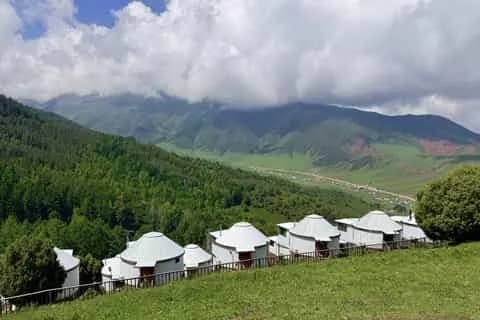
Early autumn still supports the headline mountain trips. The Ala-Köl trek is on if you start before mid-September, accept sub-zero camps and cross the pass before late morning to dodge afternoon storms. Karakol National Park entry is about 250 som plus 100 som per tent, cash only at the gate. A Song-Köl yurt stay is a coin toss by month's end, so confirm the family is still up there before you commit the drive; there is no phone signal at the lake and no public transport, so arrange your ride back before your driver leaves. More broadly, see trekking in Kyrgyzstan for what stays viable as the ground hardens.
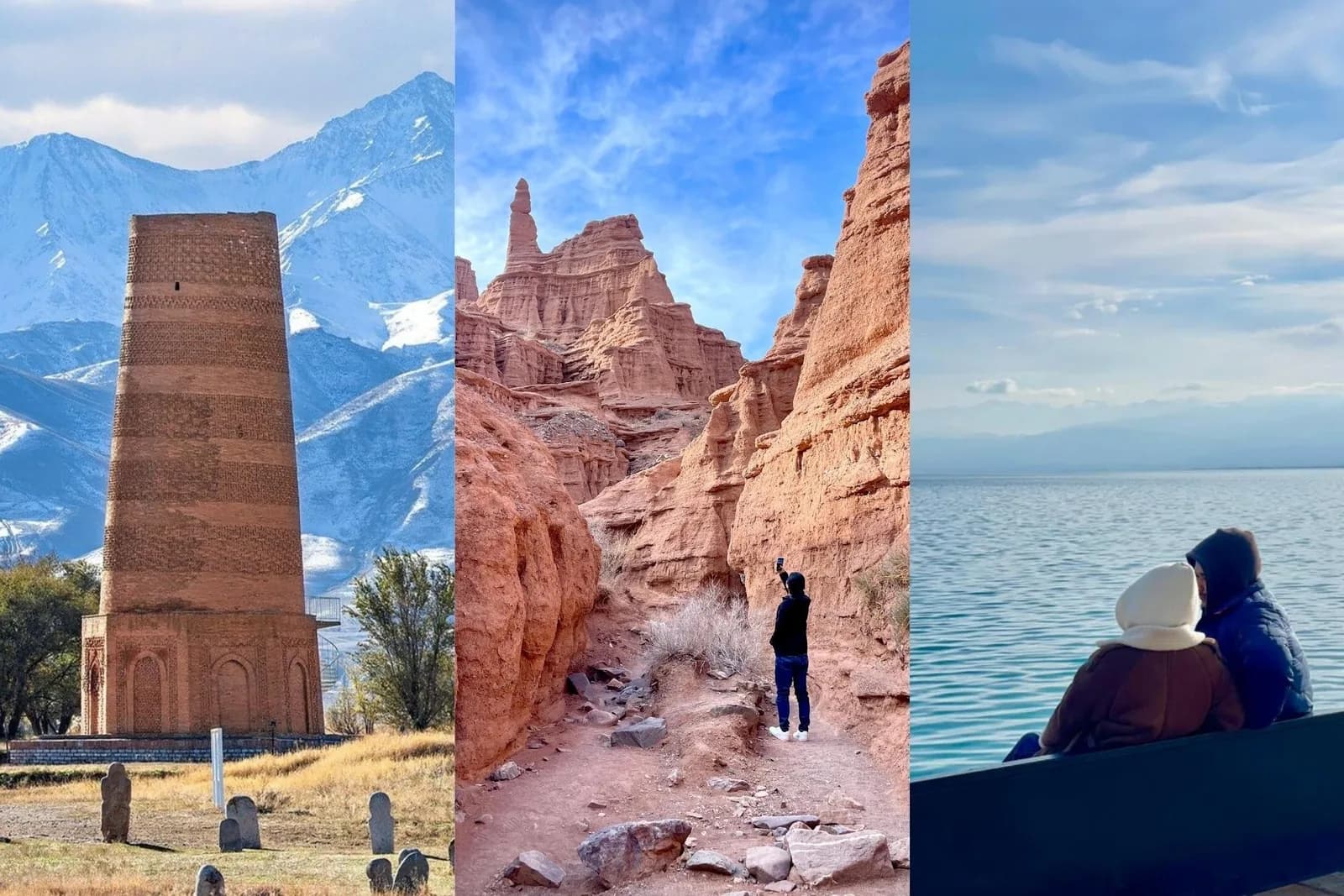
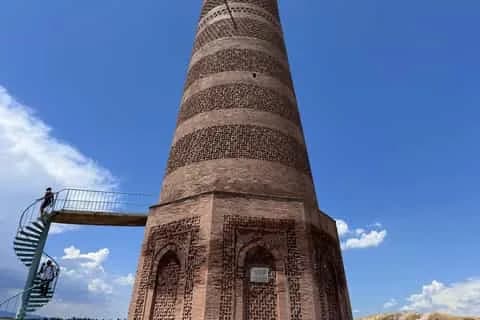
As it cools, the itinerary sensibly slides downhill. The Issyk-Köl ring road, Jeti-Ögüz, the Skazka and Konorchek canyons, Burana Tower and the Chuy-valley sites all keep working into October, and the light on the lake is at its best with nobody there. The south, Osh and Sulaiman-Too, Arslanbob, the bazaars, is comfortable right through. What you should not bank on in October is any jailoo yurt night, any 3,000 m-plus pass, or the Tosor road, which usually shuts in early October. One more honesty note: eagle-hunting displays in autumn are showcases; the real winter hunting season does not begin until November.
What to pack
Autumn packing is about the day-night swing, which is brutal at altitude. Expect 20C in a valley and a sub-zero camp on the same night, with wind the bigger enemy than absolute cold. Bring a proper layered system with a genuine windproof and waterproof shell, and a three-season sleeping bag rated to at least -5C if you are camping or in a yurt, because camps do not supply one and the dung stove dies around midnight. Add broken-in waterproof boots with good tread, trekking poles for the Ala-Köl scree, a warm hat and gloves, high-factor sun cream and sunglasses for fierce high-altitude UV, and a headtorch. Carry a big cash float in som from Bishkek, Osh or Karakol, since bazaars, homestays, yurt camps and park gates are all cash-only. Our packing list covers the rest.
The honest verdict
September, especially its first three weeks, is genuinely one of the best times to see Kyrgyzstan: warm enough high up, the big treks and most yurt camps still open, golden forests, thin crowds and softer prices, plus the Nomad Games in a host year. Treat it as summer with the volume turned down.
October is a different, quieter trip, and a good one if you plan it honestly. Drop the high passes and the jailoo yurts, and build around the walnut harvest, the lake shore in fine light, and the warm south. What does not work is the shoulder-season trap: turning up in October expecting a Song-Köl yurt night, or in a cold year finding the passes already snowed shut with no snow yet to ski. Match your dates to your ambitions and autumn rewards you. For a broader month-by-month view, see our best time to visit guide, then start planning your route with the Kyrgyzstan travel guide or browse autumn-friendly cultural tours.
Chat with a real person — free
Seif and the team reply on WhatsApp 24/7 — trip questions, custom plans and booking help.
Ask Seif on WhatsAppCommon questions
Is September a good time to visit Kyrgyzstan?
Yes, September is arguably the best month. Early autumn keeps warm days at altitude, most high treks and yurt camps stay open, and the forests turn gold, while the July-August crowds thin and prices soften. The Ala-Köl trek is reliable until mid-September and Song-Köl runs a golden 5-15C. Nights are cold, so pack proper layers and a warm sleeping bag.
When is the walnut harvest at Arslanbob?
The Arslanbob walnut harvest runs from September into October, peaking late September into early October. Families camp for weeks under their allocated trees in the world's largest natural walnut forest, beating branches with poles while children husk and sort the nuts. It is the single strongest reason to travel in autumn, and the busiest time for homestays, so book through CBT Arslanbob well ahead.
Can I still do the Ala-Köl trek in autumn?
Yes in early September, marginally by late September, and no in October. The Ala-Köl pass (roughly 3,860-3,900 m) is reliably snow-free from mid-July to mid-September, with autumn colour but an earlier first-snow risk as the month ends. Expect sub-zero camps, cross the pass before late morning to avoid storms, and check conditions in Karakol the day before you start.
Are Song-Köl yurt camps open in autumn?
Mostly in early September, then packing down through mid-September, and gone by October. There is no fixed closing date; families come off the jailoo depending on weather and bookings. In September confirm a camp is still up before committing the drive, and remember there is no phone signal or public transport at the lake, so arrange your return ride before your driver leaves.
September or October for Kyrgyzstan?
Choose September for the mountains and October for culture and the lake. September still supports high treks, yurt stays and the Nomad Games in a host year. October drops the passes and jailoo yurts entirely, so build it around the Arslanbob walnut harvest, the Issyk-Köl shore in fine light and the warm south around Osh. Do not plan an October trip around yurts.
How cold does it get in Kyrgyzstan in autumn?
It depends entirely on altitude. Bishkek stays comfortable, and Osh and the south are warm into November, but Song-Köl at 3,016 m drops from 5-15C by day in September to 0-8C in October, with frost or snow possible any night. Cholpon-Ata runs about 7-19C in September and 1-11C in October. The day-night swing is the real challenge; wind matters more than absolute cold.
Are the World Nomad Games in autumn 2026?
Yes. The 6th World Nomad Games run in Kyrgyzstan from 31 August to 6 September 2026, opening in Bishkek on Independence Day and moving to Cholpon-Ata and the Kyrchyn jailoo above Issyk-Köl. You get kok-boru, eagle displays, mounted archery and horse games in the first week of September. If your dates align it is a superb early-autumn draw; future editions rotate between Central Asian host countries.
What should I pack for Kyrgyzstan in autumn?
Pack for a large day-night temperature swing. Bring a layered system with a windproof, waterproof shell, a three-season sleeping bag rated to at least -5C for yurts and camps, broken-in waterproof boots, trekking poles, a warm hat and gloves, strong sun cream and sunglasses, and a headtorch. Carry plenty of cash in som from a city before any mountain leg, because homestays, yurt camps, bazaars and park gates take cash only.
Is autumn a bad time to visit Kyrgyzstan?
Only if you misjudge the dates. Early September is one of the best windows of the year. The risk is October, when a cold year can close the high passes before the ski season opens, leaving no trekking, no yurts and no snow. Avoid the trap by keeping high-altitude plans to early September and shifting October firmly to the lake, the south and the walnut harvest.
Book it on This is Kyrgyzstan
Turn this guide into a trip
Kyrgyzstan's bestsellers
The experiences travelers book most, across the country

Keep reading
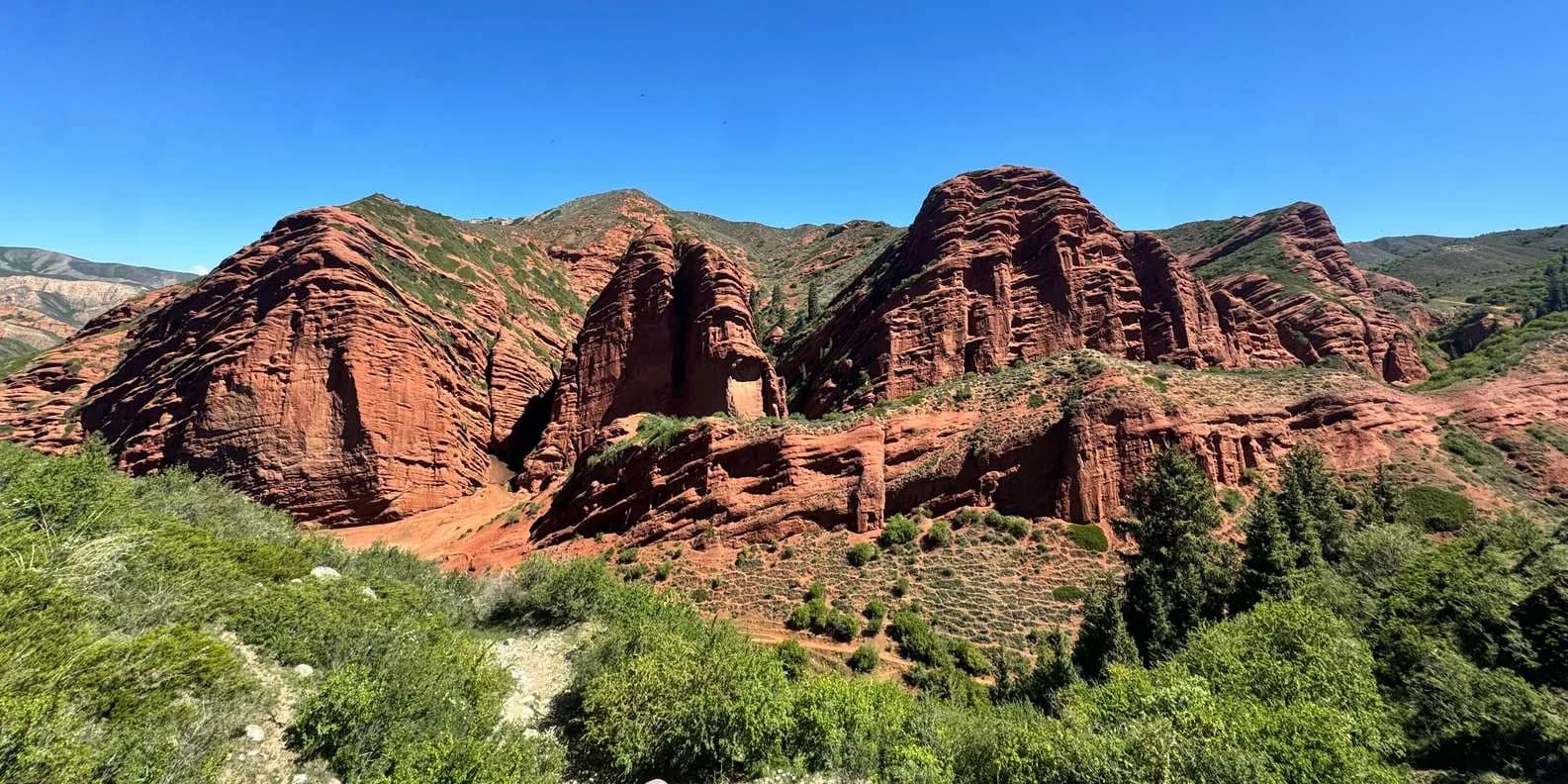
Boz-Uchuk Lakes Trek from Jyrgalan (2026)
A moderate 2–3 day trek to a string of alpine lakes above Jyrgalan — quieter than Karakol's classics, with community yurts, horses and clear DMO rates.
By TiK Editors8 min read
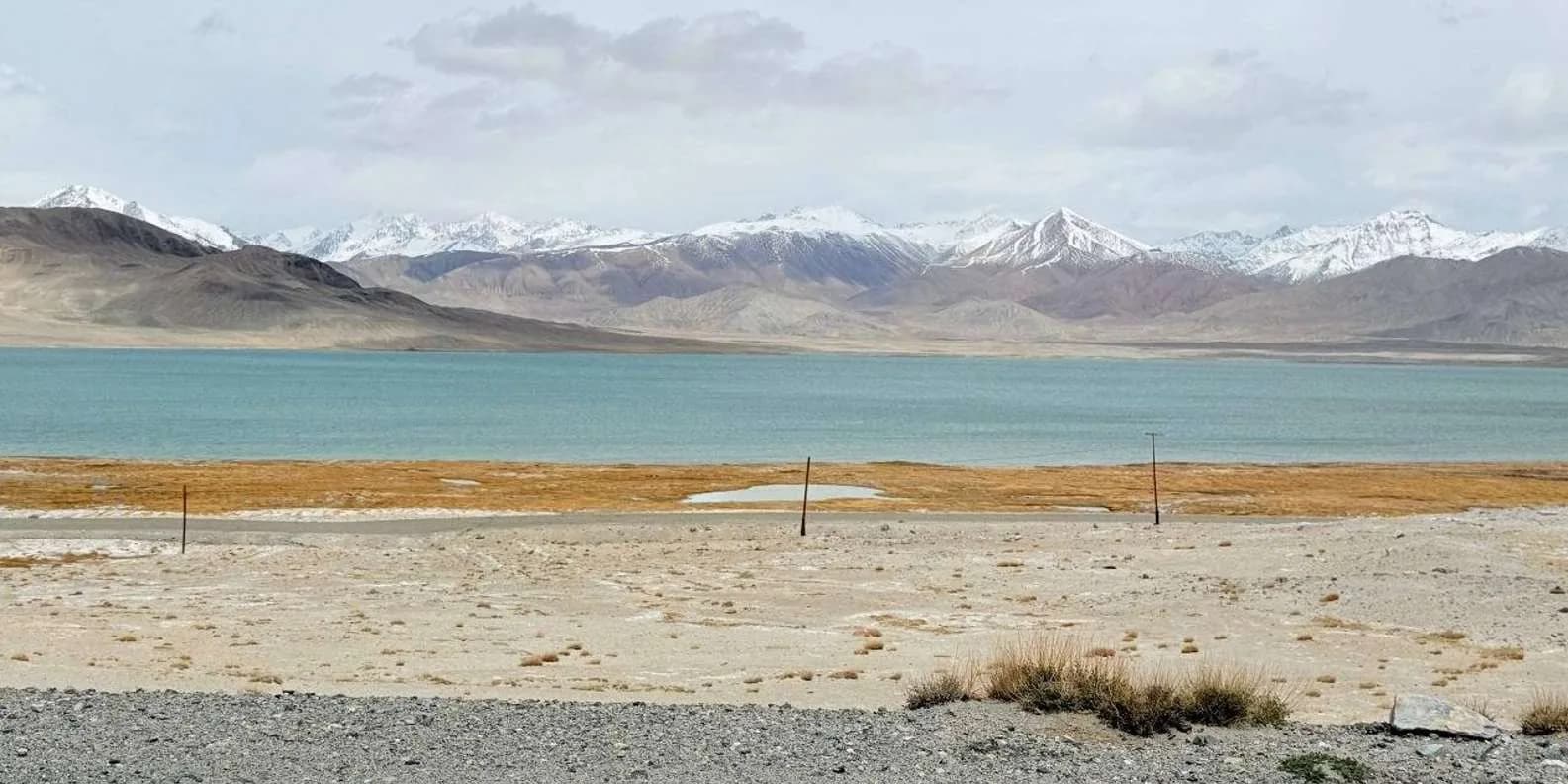
Tian Shan Traverse: Bikepacking Kyrgyzstan
The Tian Shan Traverse is a self-supported, mostly off-road bikepacking route of about 1,000 km across the high Kyrgyz mountains. Here's how to plan it.
By TiK Editors9 min read
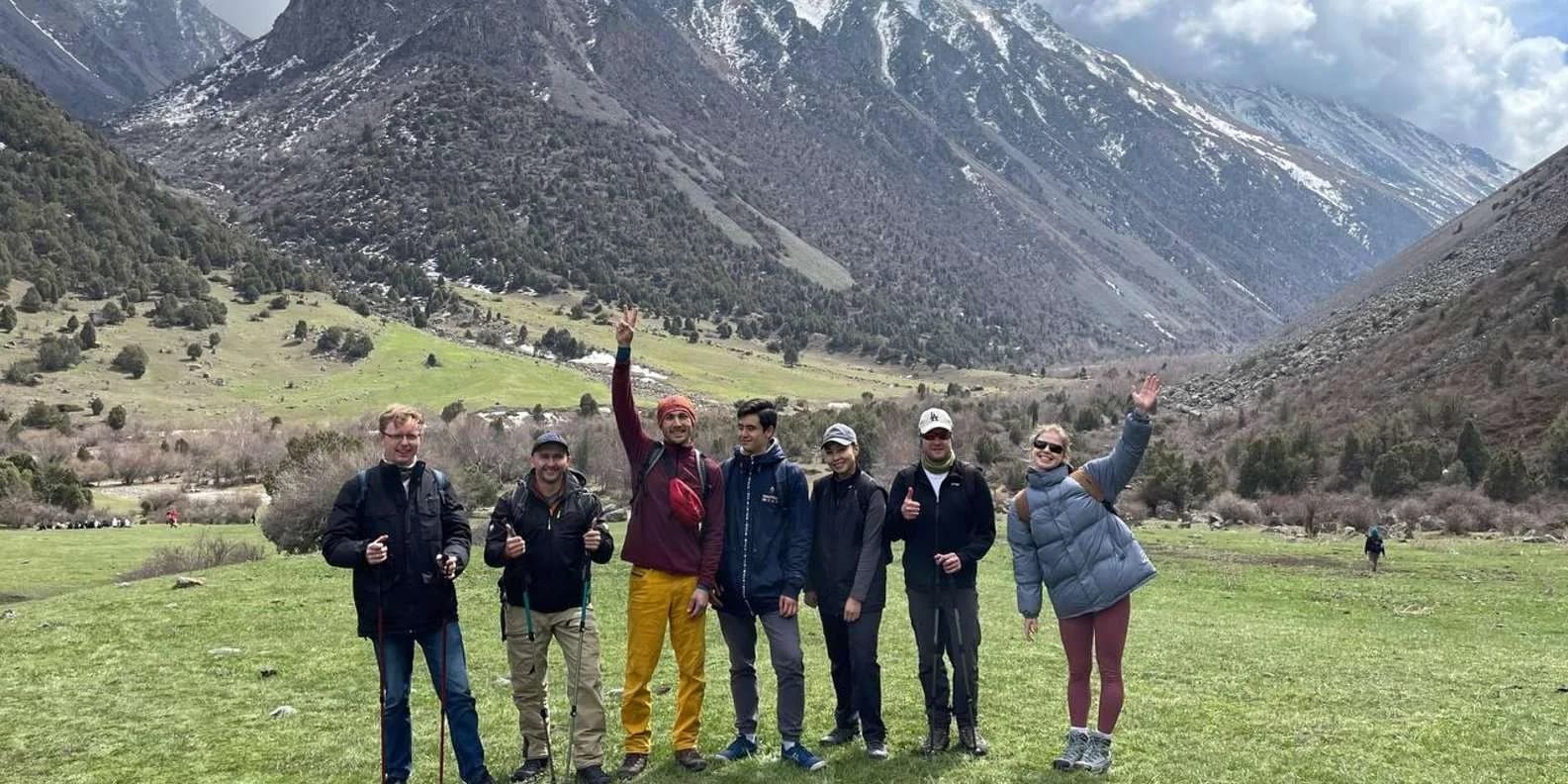
Self-Guided Treks in Kyrgyzstan: Routes & How-To
Yes, you can trek Kyrgyzstan without a guide. The best self-guided routes, the ones to skip, and the maps, water and safety logistics that make it work.
By TiK Editors12 min read