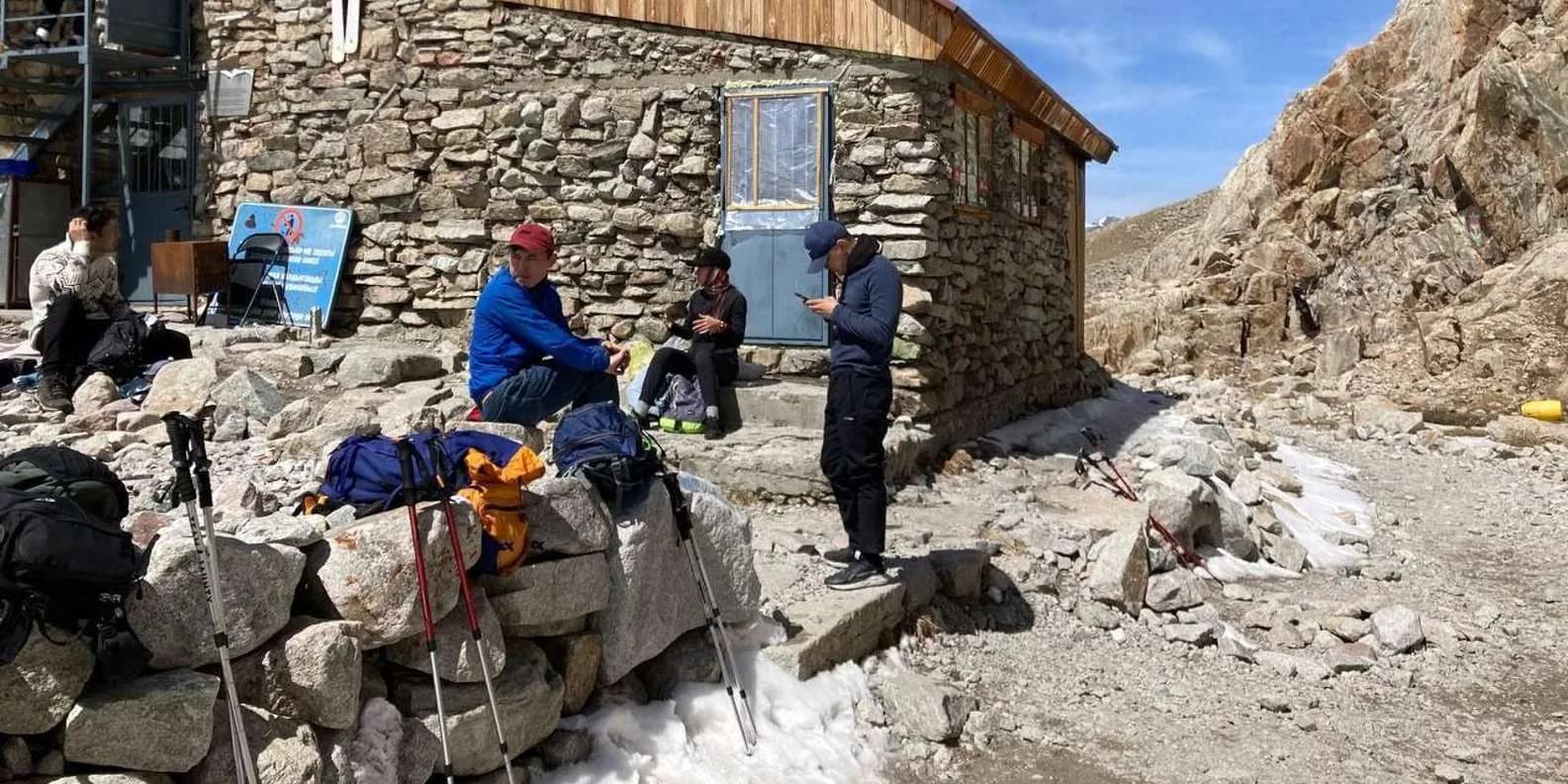
 Image via GetYourGuide
Jalal-Abad Travel Guide: Gateway to the Southwest
Jalal-Abad is Kyrgyzstan's third city, a laid-back spa town on the Fergana rim and the base for Arslanbob and Sary-Chelek. Here's how to use it.
Book it on This is Kyrgyzstan
Turn this guide into a trip
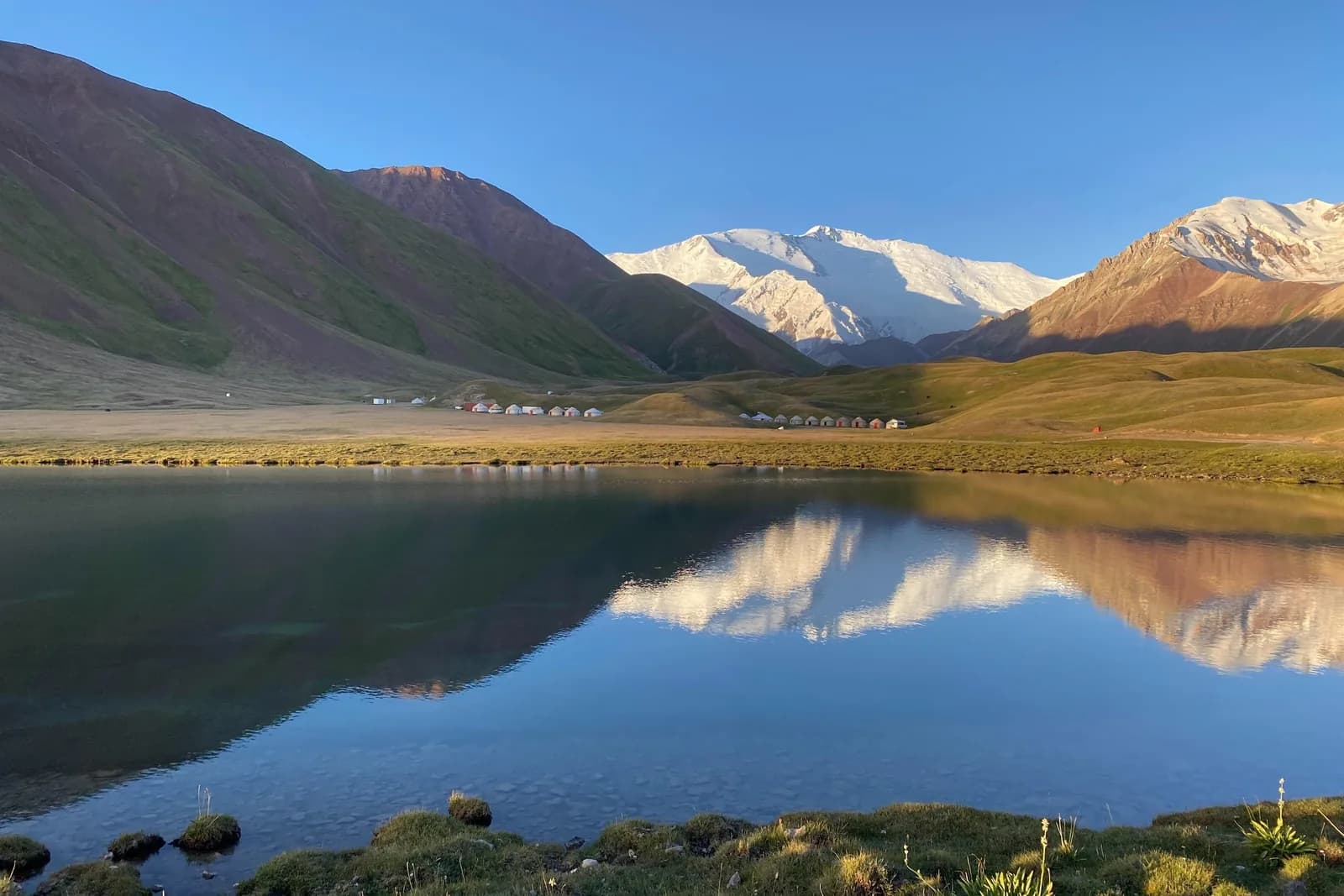
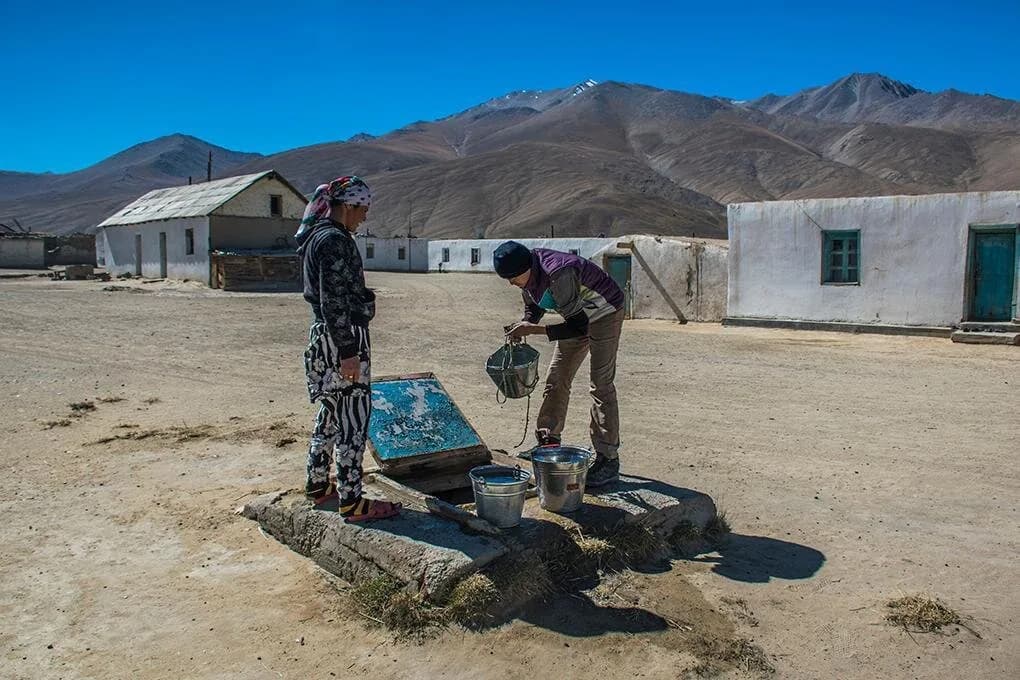
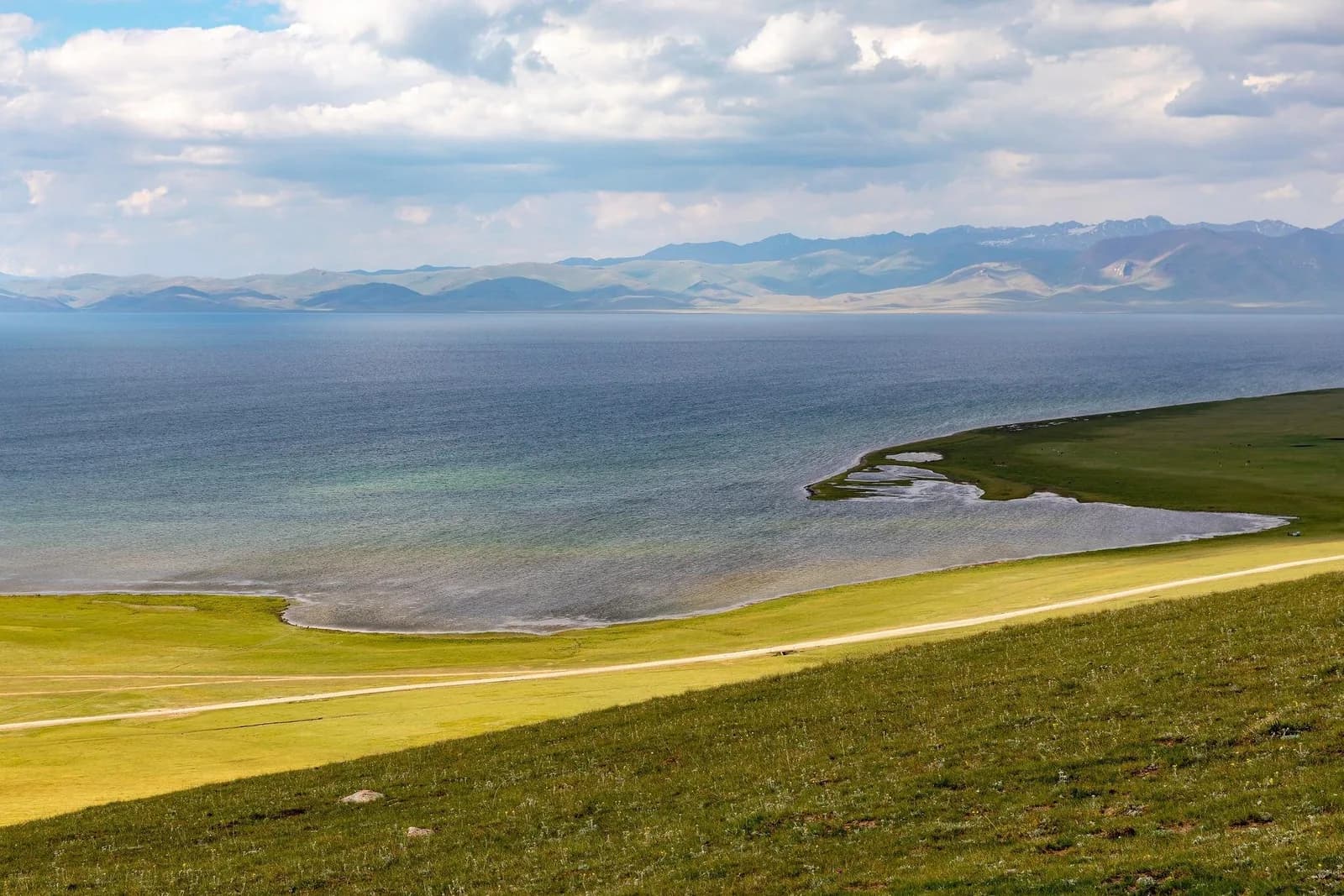
Jalal-Abad is Kyrgyzstan's third-largest city, a warm, unhurried spa town on the Fergana Valley rim about 100 km north-west of Osh. Be honest with yourself before you go: the city is a stopover, not a headline. You come here to sleep, eat, change transport and soak in a mineral bath, then push on to the real draws of the southwest, above all Arslanbob, the world's largest walnut forest, and the Sary-Chelek biosphere reserve. Treat it that way and Jalal-Abad earns its place on a southern loop.
What Jalal-Abad actually is
The resident population is around 123,000 (2021), roughly triple what it was in 1970, and the feel is southern through and through: lower, hotter and denser than Bishkek, closer in spirit to Uzbekistan than to the Tien Shan. This is Fergana country. Expect Uzbek as well as Kyrgyz and Russian on the street, plov and samsa in the cafes, more mosques than you'd see in the north, and a slower, more conservative rhythm. If you've spent time in Osh, Jalal-Abad reads as a smaller, quieter cousin.
The city's long-standing claim to fame is its water. Jalal-Abad grew up as a sanatorium town built around mineral hot springs, and it still works that way. Local tradition holds that the water at the Azreti-Ayup-Paygambar spring once cured lepers, and Soviet-era sanatoriums on the hill above town continue to run mineral-water treatment programmes for chronic complaints. The water is bottled and sold across the country. As a visitor you don't need a two-week health cure to benefit; a bath or a visit to the springs and the shrine above town is a pleasant half-day, and it's the one thing here that feels genuinely of the place.
Beyond that, the day-to-day sights are modest: a large central bazaar that's good for an hour of wandering and cheap food, a couple of mosques, tea houses, and ordinary southern city life. That's the honest picture. Nobody spends three days in Jalal-Abad for its own sake.
Why you're really here: the base for the southwest
Jalal-Abad's value is entirely about position. It's the natural pivot between Osh and two of southern Kyrgyzstan's best experiences, and the road logistics all funnel through it.
Arslanbob is the big one. An hour and a bit north of the city sits an 11,000-hectare walnut forest, universally described as the largest natural walnut grove on Earth, draped across the slopes between roughly 1,500 and 2,000 m below the Babash-Ata wall. The village at its heart is ethnic Uzbek, observant and welcoming, built of mud-brick and poplar beams. You come for the open orchard-forest, two waterfalls (an easy small one near the village, a harder 80 m fall higher up), the multi-day Holy Lakes trek, and, if you time it right, the walnut harvest in late September and October, when whole families move up under their allocated trees to beat the branches with poles. It's the single best time to be there. Full detail is in the dedicated Arslanbob guide; the point for now is that you reach it through Jalal-Abad.
Sary-Chelek is the other. A biosphere reserve established in 1959 and given UNESCO Man and the Biosphere status in 1978, it centres on a long, deep, forest-fringed lake formed by an ancient landslide dam, one of seven lakes in the reserve. It looks nothing like the open high-altitude lakes elsewhere in Kyrgyzstan; think alpine or Balkan rather than bare Kyrgyz steppe. It's reached from Jalal-Abad via Tash-Komur and Kerben to the village of Arkyt, where homestays sit near the reserve headquarters. Roads are slow and a reserve entry fee applies, so build in time and confirm the current fee and season on the day. Many travellers pair it with Arslanbob in a single southern loop.
What to see, in and around Jalal-Abad
| Place | What it is | Distance / time from Jalal-Abad |
|---|---|---|
| Mineral springs & sanatoria | Hot springs, shrine and bath houses above town | In town / on the hill |
| Central bazaar | Everyday Fergana market; food, produce, cheap eats | In town |
| Arslanbob | World's largest walnut forest, waterfalls, Uzbek village | ~1.5 h via Bazar-Korgon |
| Sary-Chelek | Landslide-dammed lake, UNESCO biosphere reserve | Half-day via Tash-Komur / Kerben to Arkyt |
| Osh | Silk Road city, Sulaiman-Too, the south's main hub | ~100 km, ~2 h by shared taxi |
Getting there and away
Most travellers reach the southwest through Osh, which has the region's busy airport and the fastest link from Bishkek (a flight of about an hour, or 10–12 hours by road). From Osh, a shared taxi covers the ~100 km to Jalal-Abad in around 2 hours along the Fergana rim.
Coming straight from Bishkek by land is a long haul: reckon on 8–10 hours by shared taxi from the capital's southern bus station, roughly 1,500 som (about $17). Jalal-Abad does have a small airport with intermittent domestic flights from Bishkek, quoted around $50–70 when they run, but service comes and goes; confirm the current schedule rather than assuming it's flying.
For onward travel, Jalal-Abad is where you change for the forest and the lake:
- To Arslanbob: the usual route is to take a marshrutka or shared taxi to Bazar-Korgon (around 45 minutes, roughly 60 som), then change there for Arslanbob (about an hour). The national tourism board gives the whole Jalal-Abad–Arslanbob run as about 1.5 hours for 200–400 som by shared taxi or marshrutka. There's also one direct marshrutka a day from Osh, leaving around 13:30 for about 200 som and taking 4–5 hours.
- To Sary-Chelek: head north-west via Tash-Komur and Kerben to Arkyt. It's a slow patchwork of shared transport; most people arrange a car or a CBT transfer for the final stretch.
All these prices predate 2026, so treat them as indicative and confirm on the day. One rule holds everywhere in the south: local transport leaves early and thins out by mid-afternoon. Don't plan a late departure out of a village, and never bank on catching the last marshrutka.
Where to stay
Jalal-Abad has straightforward hotels and guesthouses aimed mostly at domestic sanatorium visitors and business travellers, plus the sanatorium accommodation itself if you want the full spa-town experience. It's comfortable and cheap, and a night here breaks up the journey nicely. But if your goal is Arslanbob or Sary-Chelek, sleep at the destination rather than the city: CBT Arslanbob is one of the best-known community tourism offices in the country and coordinates homestays (around 600 som per person with breakfast, dinner extra), guides and horses, while Arkyt has simple homestays near the reserve. Staying in the village puts you in the forest at dawn and dusk, which is the whole point.
When to go
Jalal-Abad sits low on the Fergana rim, so summer here is genuinely hot; July and August afternoons are heavy going. The mineral baths and the city work year-round, but the surrounding attractions are seasonal. For the walnut forest, late September into early October is the standout window, when the harvest is in full swing and the light is good. Spring, from April into early June, is green and mild and pleasant for walking. The high Holy Lakes trek above Arslanbob and the passes around Sary-Chelek are summer propositions, roughly mid-June to mid-September; either side of that, snow and mud shut the higher ground. Winter is quiet, cold and low-key, though Arslanbob does have a small ski-touring scene for the adventurous.
Is it worth stopping at all?
Yes, but keep expectations right. If you're moving between Osh and the walnut forest, a night in Jalal-Abad is convenient, the mineral springs are a real and local pleasure, and the bazaar and southern street life are worth an unhurried morning. What it isn't is a destination you'd cross the country for. Think of it the way locals do: the practical, comfortable hinge of a southern loop. Wondering how the whole region compares to travelling next door? The Kyrgyzstan vs Uzbekistan guide is a useful companion, since the Fergana Valley straddles both. For the bigger picture, start with the Kyrgyzstan travel guide, then plan your southern days around Osh and the walnut forest beyond it.
Ready to build the loop? Browse southern trips and forest treks on our Osh and the south pages and lock in Arslanbob as the centrepiece.
Chat with a real person — free
Seif and the team reply on WhatsApp 24/7 — trip questions, custom plans and booking help.
Ask Seif on WhatsAppCommon questions
Is Jalal-Abad worth visiting?
Jalal-Abad is worth a stop, but as a base rather than a destination. The city itself offers mineral springs and sanatoria, a lively bazaar and easygoing southern life, which fill a comfortable half-day to a night. Its real value is position: it's the transit hub for Arslanbob's walnut forest and the Sary-Chelek biosphere reserve. If you're touring the southwest, one night here is convenient; few people come for the city alone.
How do I get from Osh to Jalal-Abad?
Shared taxis run the roughly 100 km between Osh and Jalal-Abad in about 2 hours along the Fergana rim, and are the standard way to travel. Osh has the south's main airport and the fastest link from Bishkek, so most travellers fly or drive into Osh first and continue by road. Marshrutkas also cover the route. Fares are cheap; confirm the current price with the driver, and travel earlier in the day when departures are frequent.
How do I get to Arslanbob from Jalal-Abad?
The usual route changes at Bazar-Korgon. Take a marshrutka or shared taxi from Jalal-Abad to Bazar-Korgon (around 45 minutes), then change for Arslanbob (about an hour). The national tourism board gives the whole run as roughly 1.5 hours and 200–400 som. There's also one direct marshrutka a day from Osh, leaving around 13:30 and taking 4–5 hours. Local transport thins out by mid-afternoon, so start early and don't plan a late arrival.
What is Jalal-Abad known for?
Jalal-Abad is best known as a spa and sanatorium town built around mineral hot springs. Local tradition holds the water at the Azreti-Ayup-Paygambar spring once cured lepers, and Soviet-era sanatoria still run mineral-water treatment programmes for chronic conditions; the water is bottled and sold nationwide. Beyond the springs it's Kyrgyzstan's third city and the main gateway for the southwest, especially Arslanbob and Sary-Chelek.
How far is Sary-Chelek from Jalal-Abad?
Sary-Chelek is reached from Jalal-Abad by heading north-west via Tash-Komur and Kerben to the village of Arkyt, near the reserve headquarters, where homestays cluster. Roads are slow and it's typically a half-day of patchwork shared transport, so most travellers arrange a car or a community-tourism transfer for the final stretch. A reserve entry fee applies; confirm the current fee and whether the season is open before you set out.
Is Jalal-Abad safe for tourists?
Jalal-Abad is calm and safe for visitors today. It was where the May 2010 unrest first flared before escalating in Osh, but that is not a live conflict and physical traces are largely gone. Locals of all communities generally don't raise the subject with strangers, so don't press it. The everyday risks are the ordinary ones: hot summers, slow mountain roads and early-finishing transport. Dress modestly in this conservative southern city and around shrines.
How many days do you need in Jalal-Abad?
One night is plenty for the city itself. That's enough time for the mineral springs and sanatorium hill, a wander through the central bazaar and a meal or two of Fergana food. Beyond that, plan your days around the surroundings: budget two to three days for Arslanbob, especially in harvest season, and a further one to two for Sary-Chelek. In short, sleep at the destinations and use Jalal-Abad as the hinge between them.
When is the best time to visit Jalal-Abad and Arslanbob?
Late September into early October is the standout window, coinciding with the Arslanbob walnut harvest, when families camp under their trees and the valley smells of husk. Spring, April to early June, is green and mild for walking. High treks around Arslanbob and Sary-Chelek are summer only, roughly mid-June to mid-September. Jalal-Abad's low Fergana position makes July and August very hot, though the mineral baths and the city function year-round.
Does Jalal-Abad have an airport?
Jalal-Abad has a small airport with intermittent domestic flights from Bishkek, quoted at roughly $50–70 when they operate, but service is not reliable and comes and goes. Most travellers instead fly into Osh, which has the south's busy airport and the fastest connection from Bishkek, then continue the roughly 100 km to Jalal-Abad by shared taxi in about 2 hours. Check the current Jalal-Abad flight schedule rather than assuming it's running.
Book it on This is Kyrgyzstan
Turn this guide into a trip

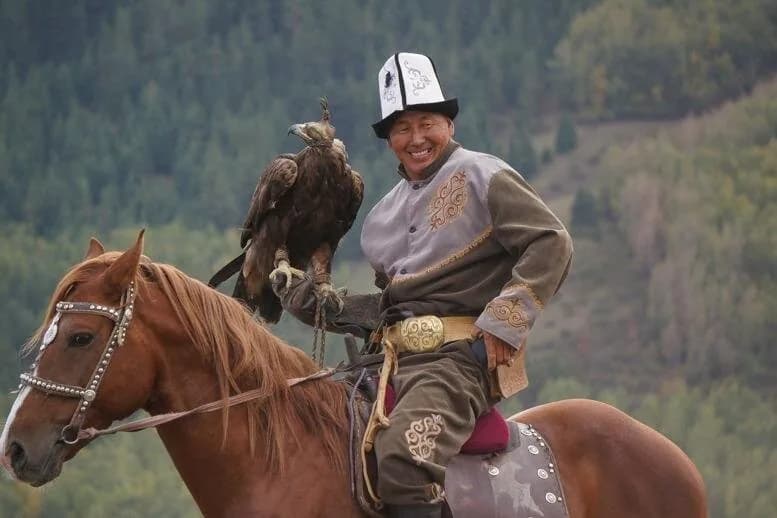

Kyrgyzstan's bestsellers
The experiences travelers book most, across the country
Keep reading
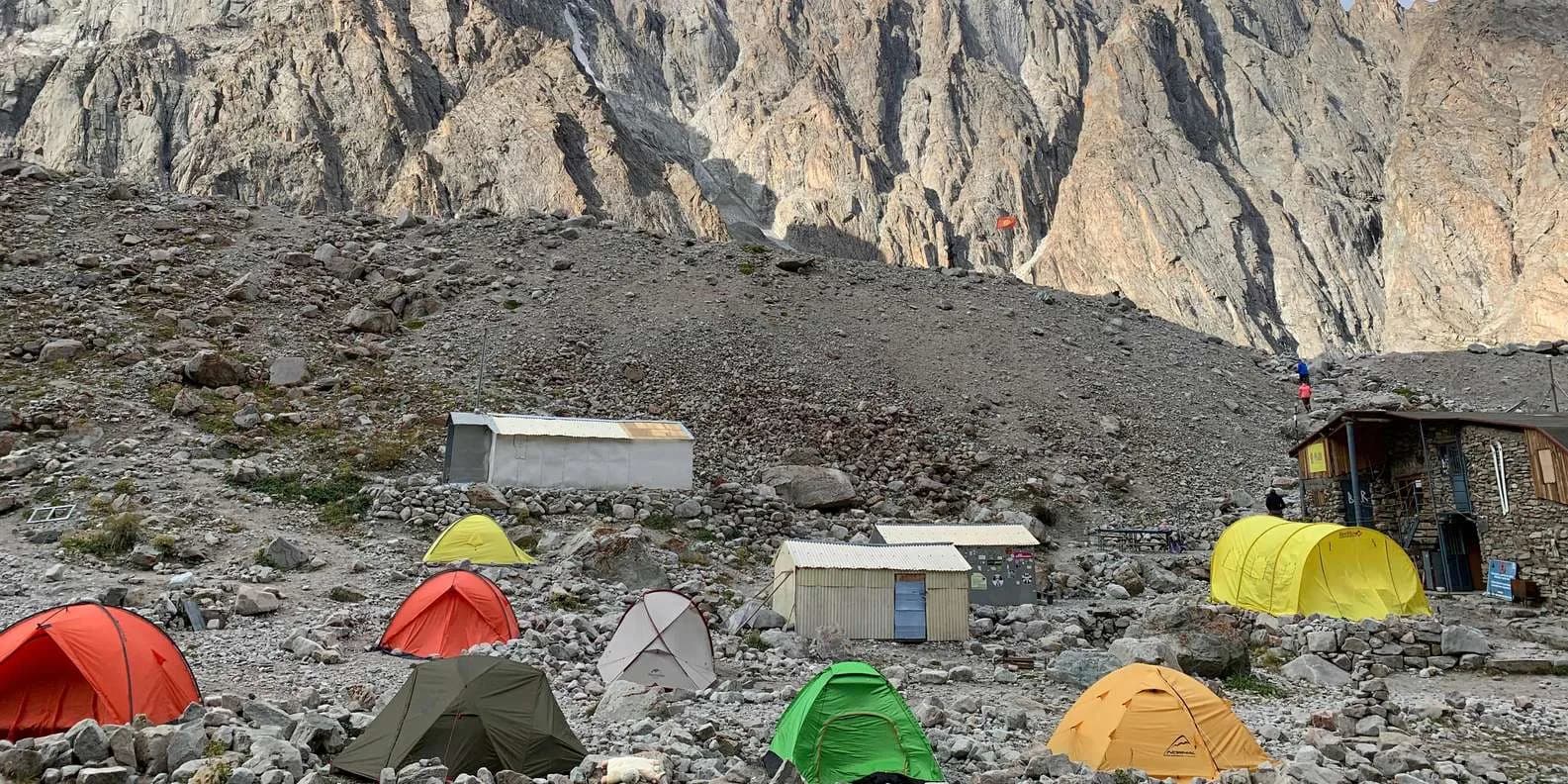
Uchitel Peak: Your First 4,000m Climb (2026)
Pik Uchitel (~4,400-4,600 m) in Ala-Archa is the classic first summit for fit hikers new to mountaineering: route, gear, season and acclimatisation.
By TiK Editors8 min read
Boz-Uchuk Lakes Trek from Jyrgalan (2026)
A moderate 2–3 day trek to a string of alpine lakes above Jyrgalan — quieter than Karakol's classics, with community yurts, horses and clear DMO rates.
By TiK Editors8 min read
Self-Guided Treks in Kyrgyzstan: Routes & How-To
Yes, you can trek Kyrgyzstan without a guide. The best self-guided routes, the ones to skip, and the maps, water and safety logistics that make it work.
By TiK Editors12 min read