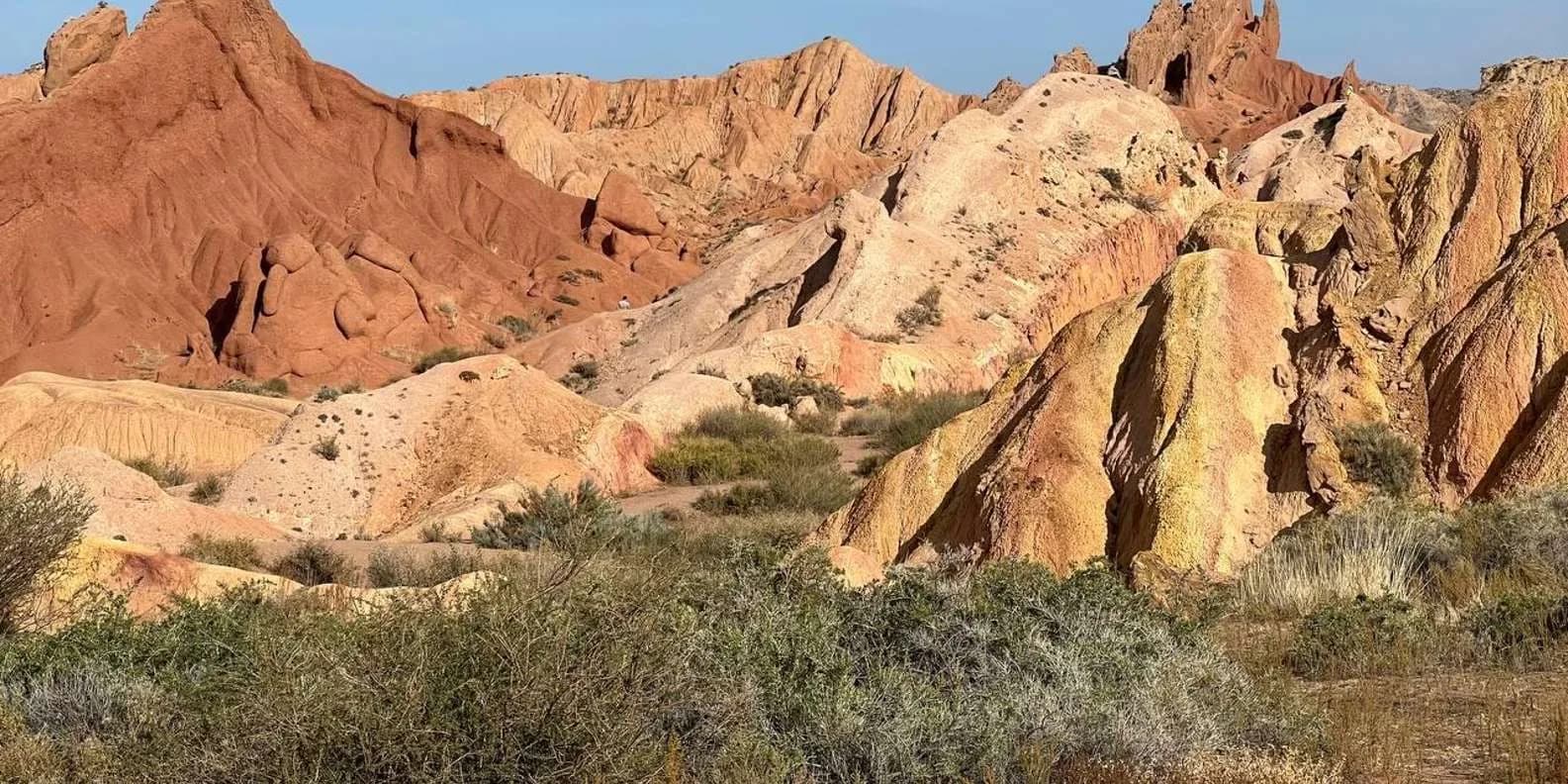
 Image via GetYourGuide
Kyrgyzstan vs Uzbekistan: Which to Visit (2026)
Mountains and yurts or Silk Road cities? An honest Kyrgyzstan vs Uzbekistan comparison, with a side-by-side table, costs, and a combined route.
Book it on This is Kyrgyzstan
Turn this guide into a trip
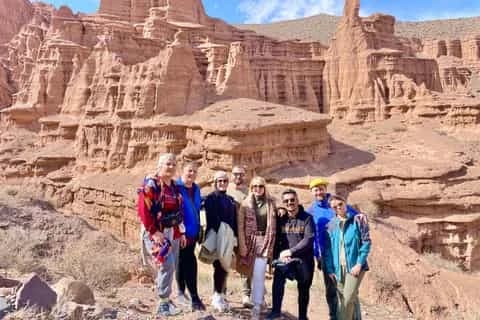
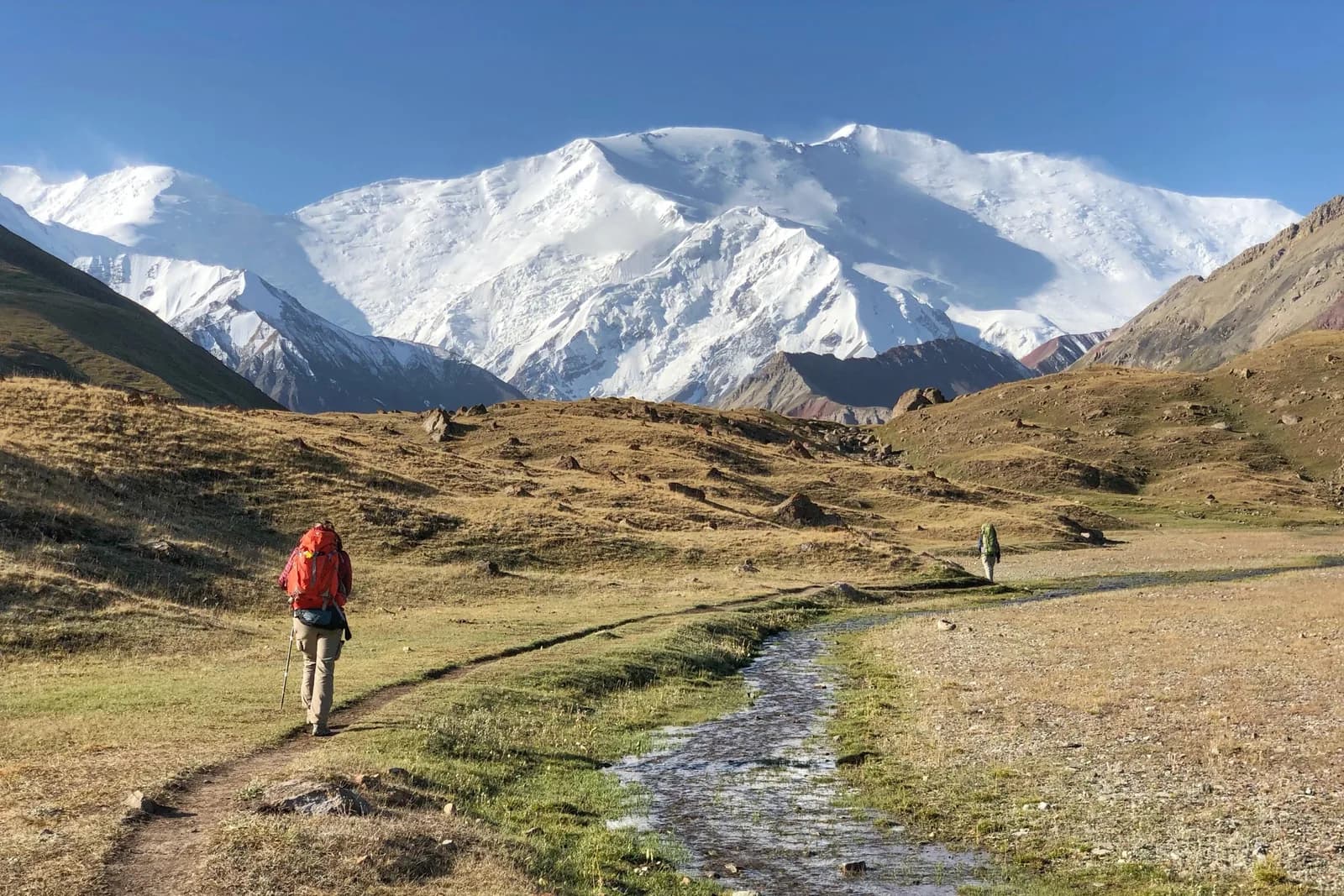
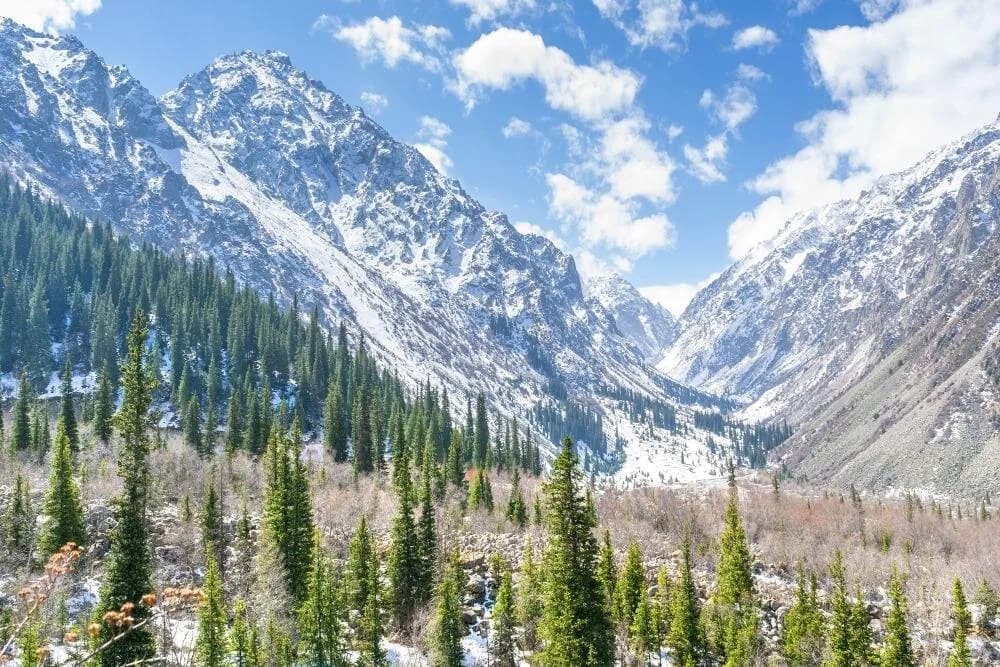
Kyrgyzstan is the mountain country: lakes, high pasture, horses, yurts and trekking, with almost no crowds. Uzbekistan is the Silk Road one: Samarkand, Bukhara and Khiva, blue-tiled madrasas, covered bazaars and the most polished tourism in Central Asia. If you want to be outdoors, ride into a valley and sleep by a fire at 3,000 m, choose Kyrgyzstan. If you want to walk into a 15th-century square and photograph domes at golden hour, choose Uzbekistan. And because they share a border at the Fergana Valley, the honest answer for a lot of people is: do both.
We run trips in Kyrgyzstan, so we know that side best, but this is meant to be a fair comparison. Both are excellent. They are just built for different kinds of travel.
Kyrgyzstan vs Uzbekistan at a glance
| Kyrgyzstan | Uzbekistan | |
|---|---|---|
| The draw | Mountains, alpine lakes, nomad culture | Silk Road cities, Islamic architecture |
| Signature sights | Song-Köl, Issyk-Köl, Ala-Kul, jailoo (summer pasture) | Registan (Samarkand), Bukhara old town, Khiva's walled Itchan Kala |
| Best for | Trekking, horse riding, yurt stays, wild scenery | Architecture, history, museums, bazaars, easy sightseeing |
| Activity level | High — you're on your feet, on a horse, at altitude | Low to moderate — mostly walking flat old towns |
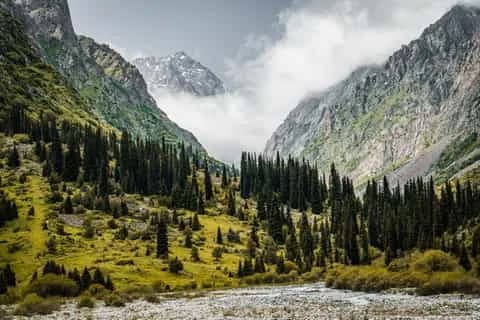
| Landscape | Over 90% above 1,500 m; peaks, gorges, high lakes | Desert, oasis cities, the Fergana Valley, flat and hot |
| When to go | June–September for the mountains; ski Dec–March | March–May and September–October; summer is fierce |
| Comfort & ease | Rustic; shared taxis, homestays, cold yurt nights | More developed; good hotels, high-speed trains |
| Food | Meat, dairy, beshbarmak, kymyz, lagman | Plov, samsa, refined Silk Road cooking, more variety |
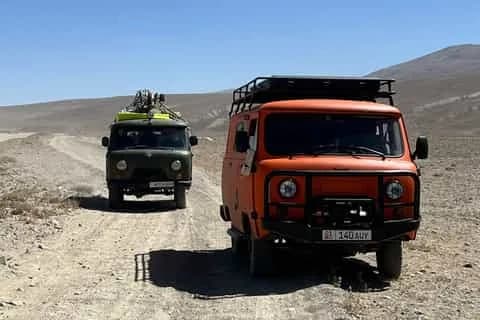
| Getting around | Marshrutkas, shared taxis, 4WD for the passes | Afrosiyob high-speed rail links the main cities |
| Cost | Very cheap, especially independently | Cheap; superb value for the density of sights |
| Crowds | Few, even in peak summer | Busier at the big monuments, still manageable |
| Visa (many nationalities) | 30 days visa-free, per rolling 60-day window | 30 days visa-free for many; some need a quick e-visa |
What Kyrgyzstan is really about
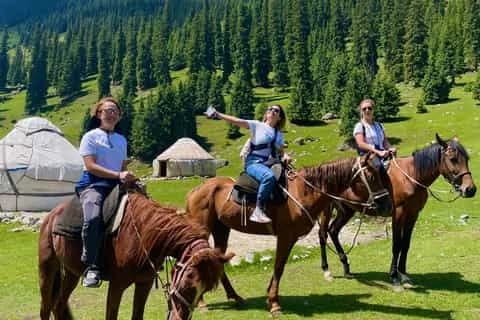
Kyrgyzstan is scenery and movement, not monuments. Over ninety per cent of the country sits above 1,500 metres, and the appeal is getting up into it. You ride or walk to an alpine lake, you sleep in a felt yurt on the summer pasture, you drink fermented mare's milk with the family who set the camp up, and you do it all somewhere very quiet.
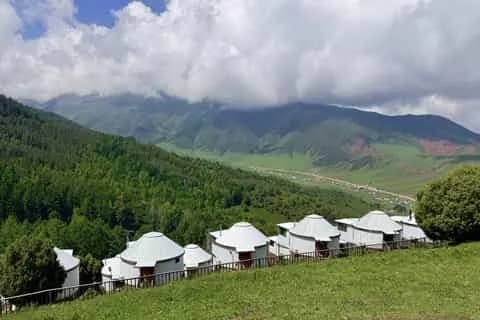
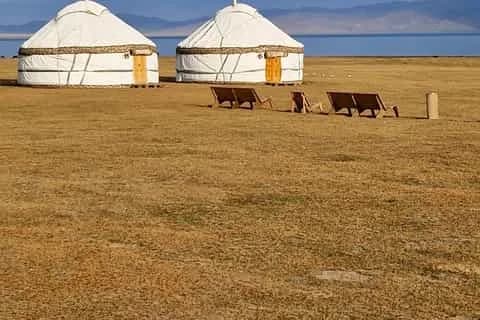
The set pieces are natural. Song-Köl is a shallow lake at 3,016 m ringed by grazing horses and about fifteen yurt camps, reached only by a hired vehicle up a gravel track. Issyk-Köl (Issyk-Kul) is a vast, slightly saline lake at roughly 1,607 m that never freezes, with Karakol at its eastern end as the country's best trekking base. From Karakol you can hike to Ala-Köl lake (around 3,532 m) over the Ala-Kul pass (roughly 3,860–3,900 m; sources differ), or soak in the hot springs at Altyn-Arashan.
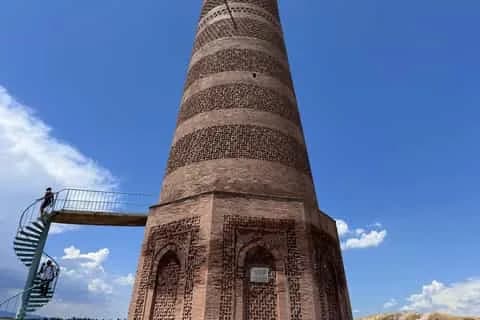
What Kyrgyzstan does not have is grand built heritage. Sulaiman-Too, the sacred mountain above Osh, is its one wholly-in-country UNESCO cultural site, and the old Silk Road towers at Burana and Uzgen are modest. If you came for architecture you'd feel short-changed. If you came for the outdoors, few places on earth give you this much for so little money. Our full Kyrgyzstan travel guide walks through the regions in detail, and a 10-day itinerary shows how the northern loop actually fits together.
There's also timing to think about. The high mountains only really open from mid-June to mid-September; yurt camps at Song-Köl go up with the grass and come down with the first snow, so a May or October trip loses half the country. The 6th World Nomad Games run in Kyrgyzstan from 31 August to 6 September 2026, with events at Cholpon-Ata and the Kyrchyn jailoo — a rare chance to watch kok-boru and eagle handling in their proper setting.
What Uzbekistan is really about
Uzbekistan is the opposite trade: less wilderness, far more built wonder. This is the heart of the Silk Road, and its three great cities are among the best-preserved medieval Islamic ensembles anywhere. Samarkand's Registan — three towering madrasas facing one plaza — is the single most famous sight in Central Asia. Bukhara is a living old town you can wander for days, minarets and trading domes and madrasas packed together. Khiva's Itchan Kala is a small walled city that feels like a film set, best at dawn before the tour groups arrive.
Around the monuments, Uzbekistan is simply easier. Tashkent is a big, modern capital with a metro. The Afrosiyob high-speed train links Tashkent, Samarkand and Bukhara in comfortable hours rather than long road days. Hotels and boutique guesthouses are more polished, English is more widely spoken in the tourist trade, and the sightseeing is mostly flat walking in warm sun. For travellers who want depth of history without roughing it, Uzbekistan is the gentler, more legible country.
The catch is landscape. Uzbekistan is largely desert and oasis, hot and low. There's fine scenery — the Fergana Valley, the Nuratau hills, yurt camps by the Aydarkul lake — but no one goes for alpine trekking. If mountains are your reason to travel, this is the wrong country.
Cost and value
Both are among the cheapest countries you can travel well in, but the money buys different things. In Kyrgyzstan the som runs at about 87–88 to the US dollar. A yurt stay with all meals costs roughly $15–25 at a budget camp and $35–50 mid-range; a bed in a Bishkek hostel is $11–18; a plate of lagman is 300–500 som ($3.50–5.50). Independent travel is dirt cheap because so much of it is homestays, marshrutkas and horse hire, though a hired 4WD to reach the mountains adds up. Confirm all prices on the day.
Uzbekistan is comparable on daily costs and often better value for what you see: a handful of dollars gets you into world-class monuments, intercity trains are inexpensive, and mid-range hotels are affordable. Put simply, your money in Kyrgyzstan buys nature and space; in Uzbekistan it buys history and comfort. For a fuller breakdown of the Kyrgyz side and when the mountains are open, see the best time to visit Kyrgyzstan.
Who should choose which
Choose Kyrgyzstan if you want to trek, ride horses, camp high and see almost no other tourists; if the point of the trip is being outdoors; and if you can travel in the summer window. It rewards flexibility and a bit of hardiness.
Choose Uzbekistan if you want architecture, history and museums; if you'd rather sightsee than hike; if you want reliable comfort, trains and good hotels; and if you're travelling in spring or autumn when the desert cities are pleasant and the Kyrgyz passes are shut.
Families with young children, first-time visitors to Central Asia, and anyone short on time or wary of rough roads usually find Uzbekistan the smoother introduction. Independent hikers, horse people and photographers of wild places lean Kyrgyzstan.
The strong case for doing both
Here's the thing most comparison pieces miss: you don't have to choose. Kyrgyzstan and Uzbekistan aren't rivals so much as two halves of one Central Asian trip — mountains and monuments, nomad and city, the two classic faces of the region back to back. They border each other at the Fergana Valley, and Osh, Kyrgyzstan's southern capital, sits within a couple of hours of Uzbek soil.
The contrast is the reward. After a week of cold yurt nights, high passes and empty valleys, walking into the Registan feels earned; after days of tiled domes and bazaar crowds, a silent lake at 3,000 m is the perfect antidote. Two weeks split between them gives you the fullest sweep of Central Asia you can get in one trip.
A suggested combined route
Roughly two to three weeks, either direction. This version starts high and ends in the cities:
| Days | Where | What |
|---|---|---|
| 1–3 | Bishkek & Chuy valley | Arrive, ease in, Burana Tower, Ala-Archa day hike |
| 4–7 | Issyk-Köl & Karakol | Lake, Jeti-Ögüz, Altyn-Arashan or a short Ala-Kul trek |
| 8–10 | Song-Köl | Two nights in a yurt camp, horse riding on the jailoo |
| 11 | Fly Bishkek–Osh | 45 minutes instead of a 10–12 hour road day |
| 12 | Osh | Sulaiman-Too, the bazaar, then cross to Uzbekistan |
| 13–15 | Fergana → Samarkand | Cross at Dostuk, on to Samarkand's Registan |
| 16–18 | Bukhara & Khiva | Old towns by train; fly home from Tashkent or Urgench |
You can run it in reverse — fly into Tashkent, do Uzbekistan first, then cross into Osh and finish in the Kyrgyz mountains. Our Osh travel guide covers the southern staging point and Sulaiman-Too in detail.
Crossing between them
The practical link is the Dostuk crossing (Dostlik on the Uzbek side) just outside Osh, which puts you into the Uzbek Fergana Valley near Andijan in one to two hours by shared taxi. From Andijan you pick up onward transport or the train network west to Tashkent and Samarkand. Both countries are visa-free for 30 days for many Western nationalities, which makes the overland hop straightforward — but border rules and opening hours in this region do change, so check your own nationality's status and the crossing's current status shortly before you travel. Kyrgyzstan's allowance is specifically 30 days within each rolling 60-day period, so plan the Uzbek leg to sit inside that window if you're doing a long trip.
Verdict by traveller type
- First-timer to Central Asia, wants the "wow": Uzbekistan. The monuments deliver instantly and the logistics are kind.
- Hiker, rider, wild-camper: Kyrgyzstan, no contest.
- Culture and history buff: Uzbekistan for the built heritage; add Osh for a taste of Silk Road bazaar life on the Kyrgyz side.
- Family with kids: Uzbekistan is easier, but a couple of yurt nights in Kyrgyzstan are a hit with older children.
- Photographer: both — Uzbekistan for architecture and light on tile, Kyrgyzstan for landscape and animals.
- Two weeks, only one trip in you: do both, split roughly half and half, and fly the Bishkek–Osh leg to save a day.
If your instinct is already pulling towards the mountains, that's our home ground — start browsing horse-trekking trips and build the wild half of your Central Asia trip around them.
Chat with a real person — free
Seif and the team reply on WhatsApp 24/7 — trip questions, custom plans and booking help.
Ask Seif on WhatsAppCommon questions
Kyrgyzstan or Uzbekistan — which should I visit?
It depends on what you want. Choose Kyrgyzstan for mountains, alpine lakes, trekking, horse riding and yurt stays with almost no crowds. Choose Uzbekistan for Silk Road cities, Islamic architecture, museums and easier, more comfortable sightseeing. If you can, do both: they border each other at the Fergana Valley and together give you the full sweep of Central Asia.
Can you visit both Kyrgyzstan and Uzbekistan in one trip?
Yes, and it's a great combination. The two countries share a border at the Fergana Valley, and Osh in southern Kyrgyzstan sits within a couple of hours of Uzbek soil. A typical plan is two to three weeks: the Kyrgyz mountains first, then cross near Osh into the Uzbek cities. Flying the Bishkek–Osh leg saves a long road day.
How do you cross from Kyrgyzstan to Uzbekistan?
The main overland link is the Dostuk crossing (Dostlik on the Uzbek side) just outside Osh, which puts you into the Uzbek Fergana Valley near Andijan in one to two hours by shared taxi. From there you continue by road or train toward Tashkent and Samarkand. Border rules and hours change in this region, so check the current status before you go.
Which is cheaper, Kyrgyzstan or Uzbekistan?
Both are among the cheapest countries to travel well in, and daily costs are comparable. Kyrgyzstan is especially cheap for independent, outdoors travel — homestays, marshrutkas and yurt stays from around $15–25 a night with meals. Uzbekistan offers superb value for its density of world-class monuments, plus inexpensive trains and affordable hotels. Confirm prices on the day; they move fast.
Which country has better food?
They overlap but differ in character. Kyrgyz food is meat and dairy heavy — beshbarmak, lagman, and fermented mare's milk (kymyz) — reflecting a nomadic past. Uzbek cuisine is more varied and refined, built around plov, samsa, breads and Silk Road spicing. Interestingly, Osh in southern Kyrgyzstan has strongly Uzbek-influenced Fergana Valley food, so you get a preview there.
Which is better for first-time visitors to Central Asia?
Uzbekistan is usually the easier introduction. The headline sights — Samarkand, Bukhara, Khiva — deliver instantly, the high-speed trains are comfortable, hotels are more polished and the sightseeing is mostly flat walking. Kyrgyzstan rewards travellers who want the outdoors and don't mind rustic conditions, cold yurt nights and shared taxis on rough roads.
Do you need a visa for Kyrgyzstan or Uzbekistan?
Many Western nationalities get 30 days visa-free in both countries, which makes an overland trip straightforward. Kyrgyzstan's allowance is 30 days within each rolling 60-day period, so a quick border hop no longer resets the clock. A few nationalities need a simple e-visa for one or both. Always check your own passport's status on the official portals before travelling.
How many days do you need to see both countries?
Two to three weeks is the sweet spot for a combined trip, split roughly half and half. Around 8–10 days in Kyrgyzstan covers the northern lakes and a couple of yurt nights; 6–8 days in Uzbekistan covers Samarkand, Bukhara and Khiva by train. Fly the Bishkek–Osh leg rather than driving it — the road is a 10–12 hour day.
Which is better to visit in winter?
Uzbekistan, if you mean sightseeing: the desert cities are cold but clear and quiet from December to February, and the monuments stay open. Kyrgyzstan's mountains largely close for trekking and yurt stays, but it becomes a genuine ski and freeride destination around Karakol from December to March. For lakes, passes and nomad culture, visit Kyrgyzstan in summer instead.
Book it on This is Kyrgyzstan
Turn this guide into a trip
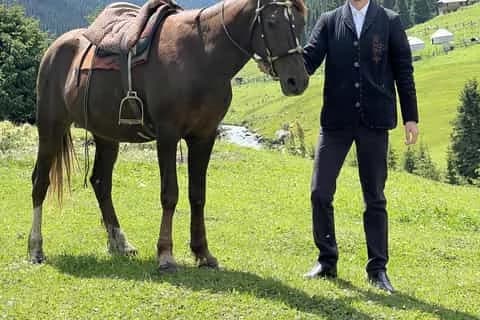
Kyrgyzstan's bestsellers
The experiences travelers book most, across the country
Keep reading
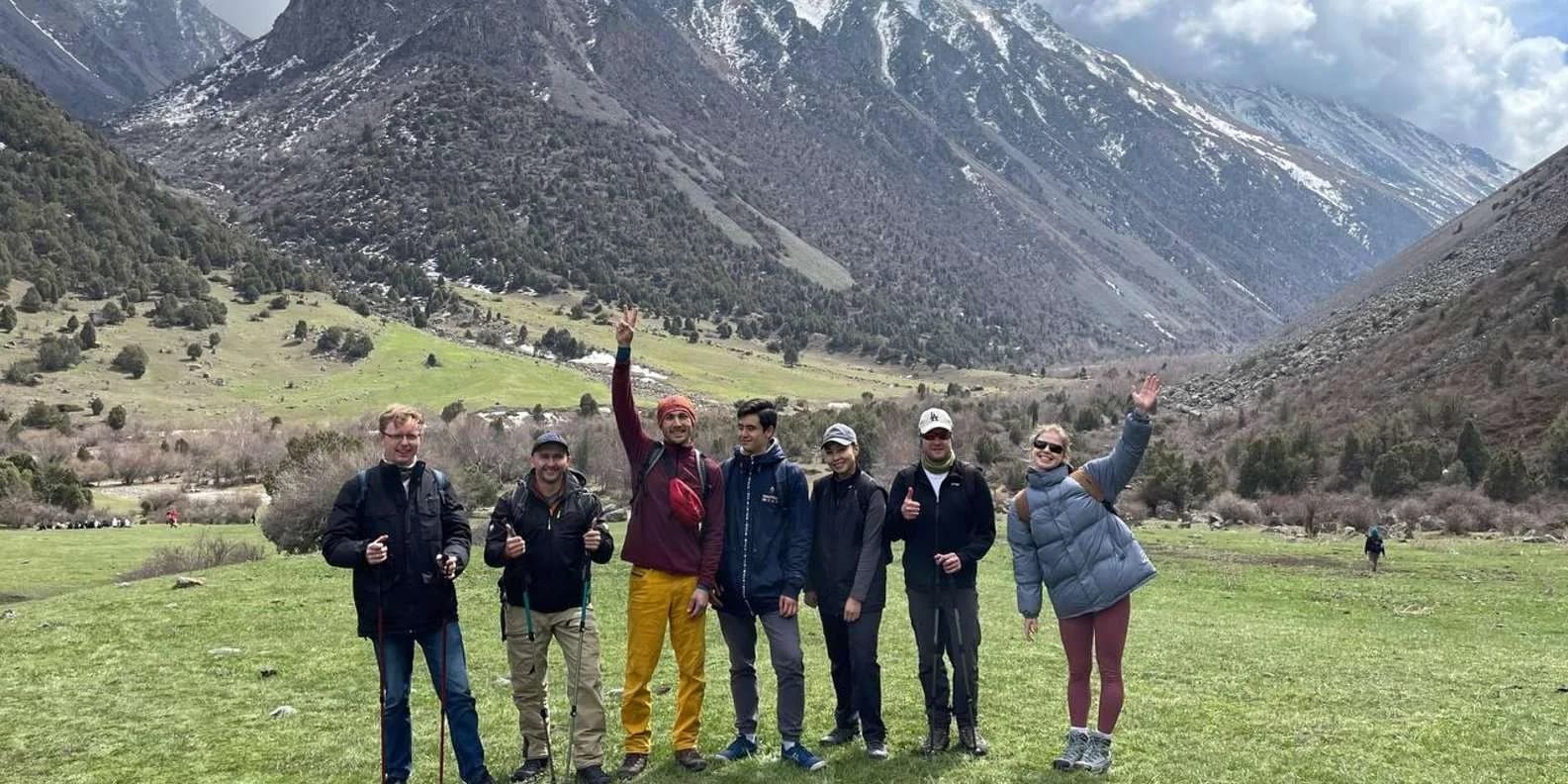
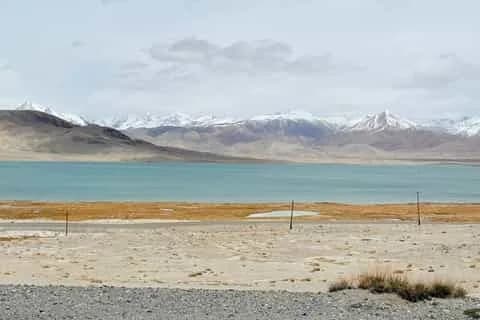
Self-Guided Treks in Kyrgyzstan: Routes & How-To
Yes, you can trek Kyrgyzstan without a guide. The best self-guided routes, the ones to skip, and the maps, water and safety logistics that make it work.
By TiK Editors12 min read
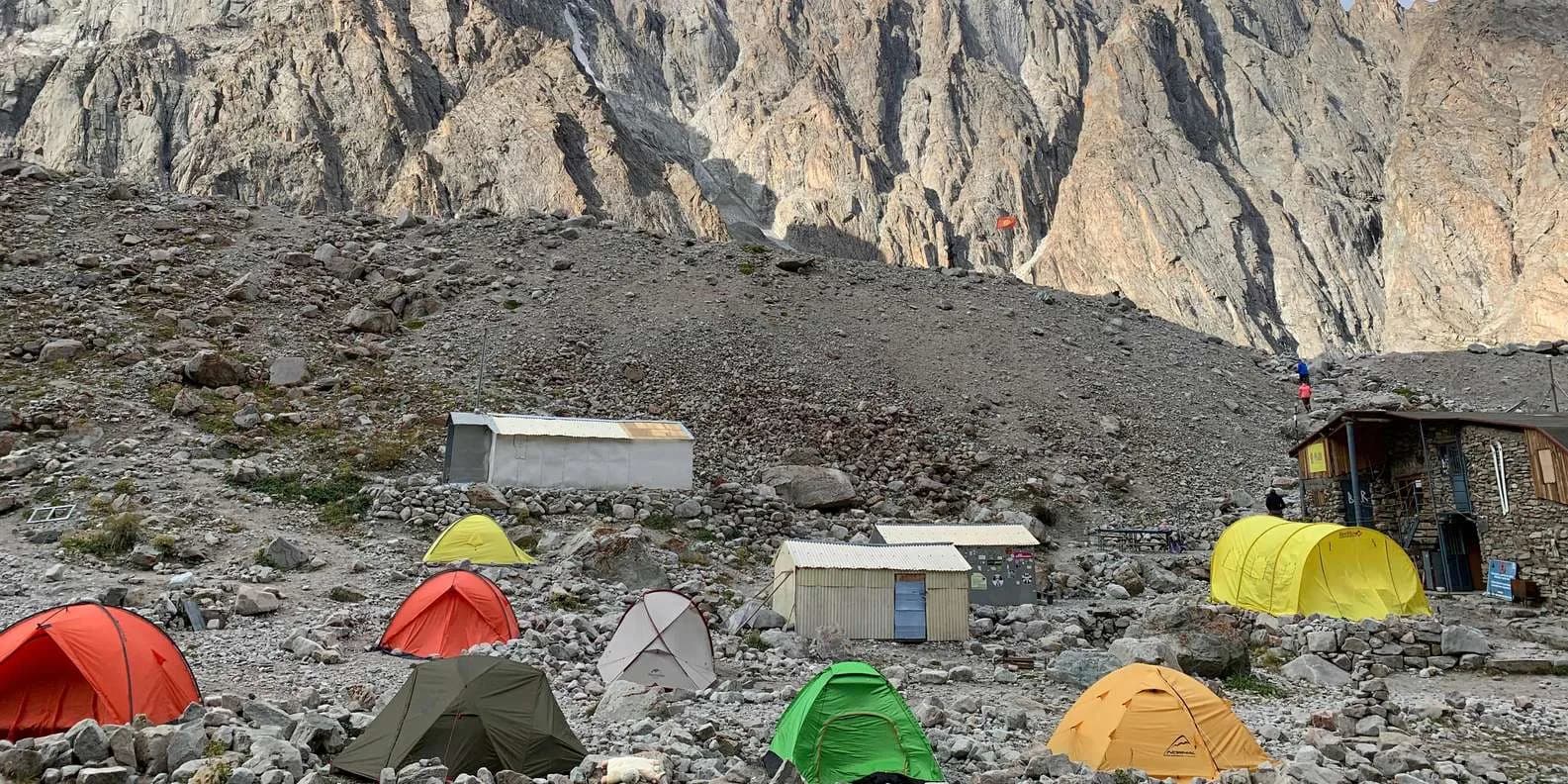
Uchitel Peak: Your First 4,000m Climb (2026)
Pik Uchitel (~4,400-4,600 m) in Ala-Archa is the classic first summit for fit hikers new to mountaineering: route, gear, season and acclimatisation.
By TiK Editors8 min read
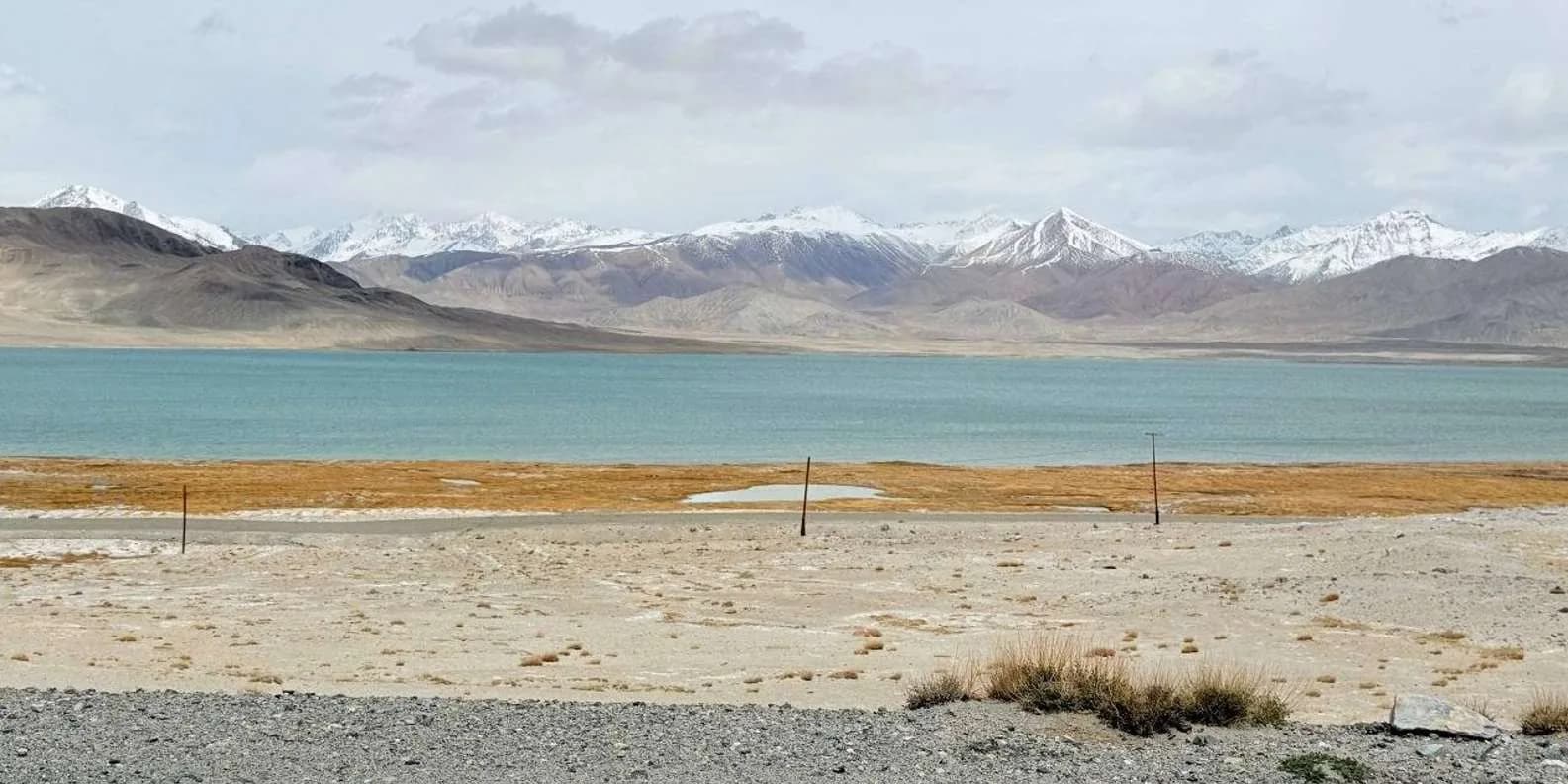
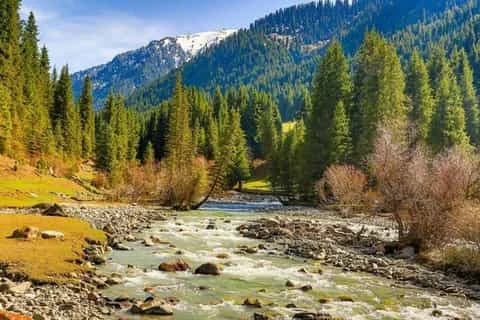
Tian Shan Traverse: Bikepacking Kyrgyzstan
The Tian Shan Traverse is a self-supported, mostly off-road bikepacking route of about 1,000 km across the high Kyrgyz mountains. Here's how to plan it.
By TiK Editors9 min read