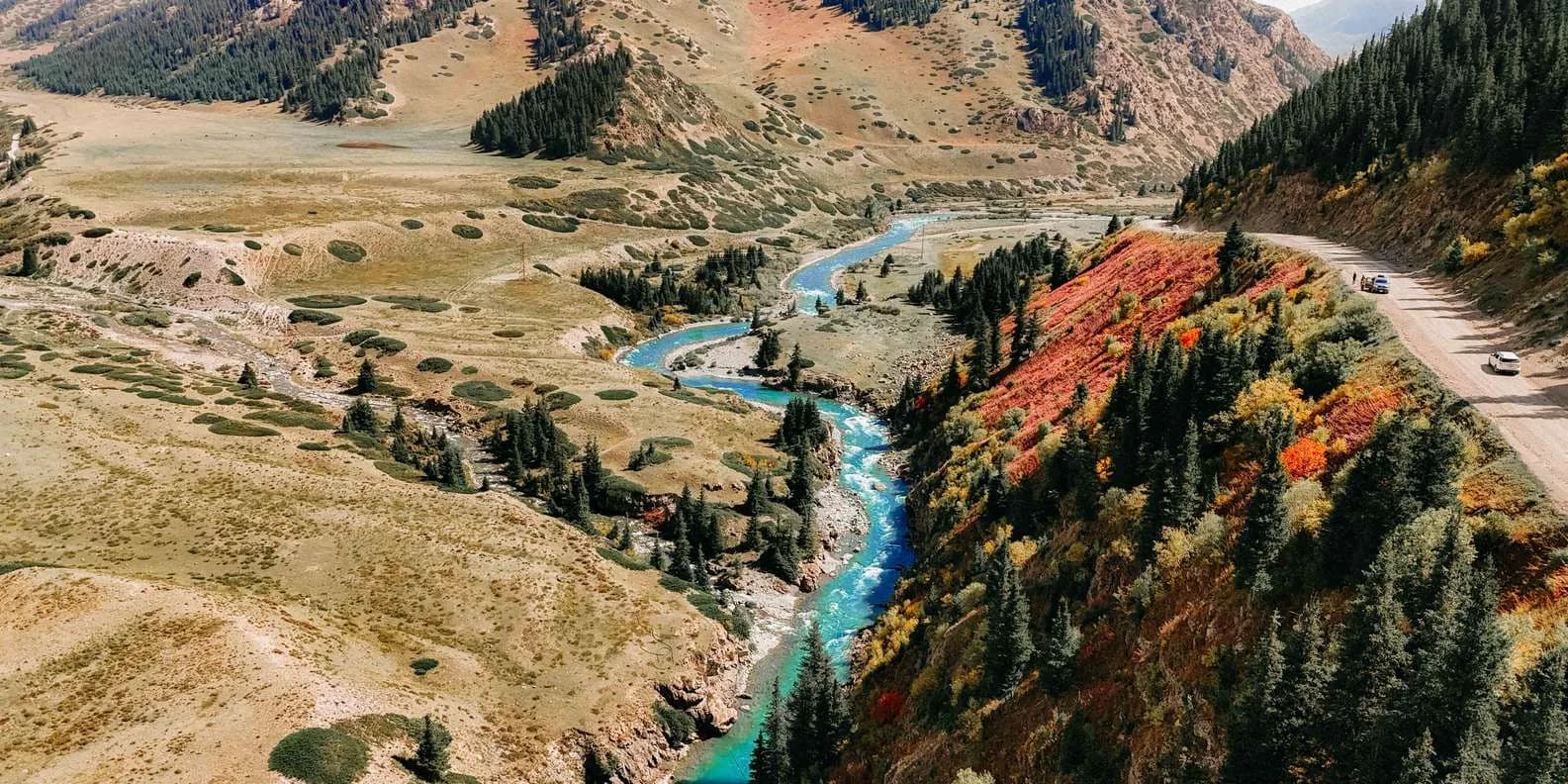
 Image via GetYourGuide
Bishkek to Osh Road Trip: The M41 Drive (2026)
The M41 from Bishkek to Osh is one of Central Asia's great mountain drives — about 600 km and 10–12 hours over the Tian Shan, or a 40-minute flight.
Book it on This is Kyrgyzstan
Turn this guide into a trip
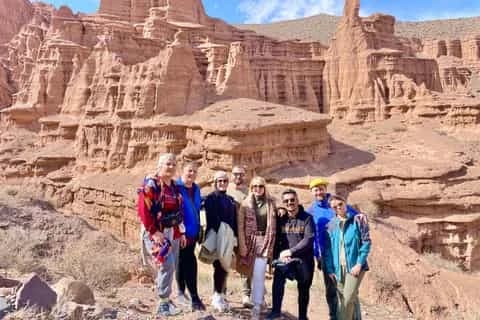
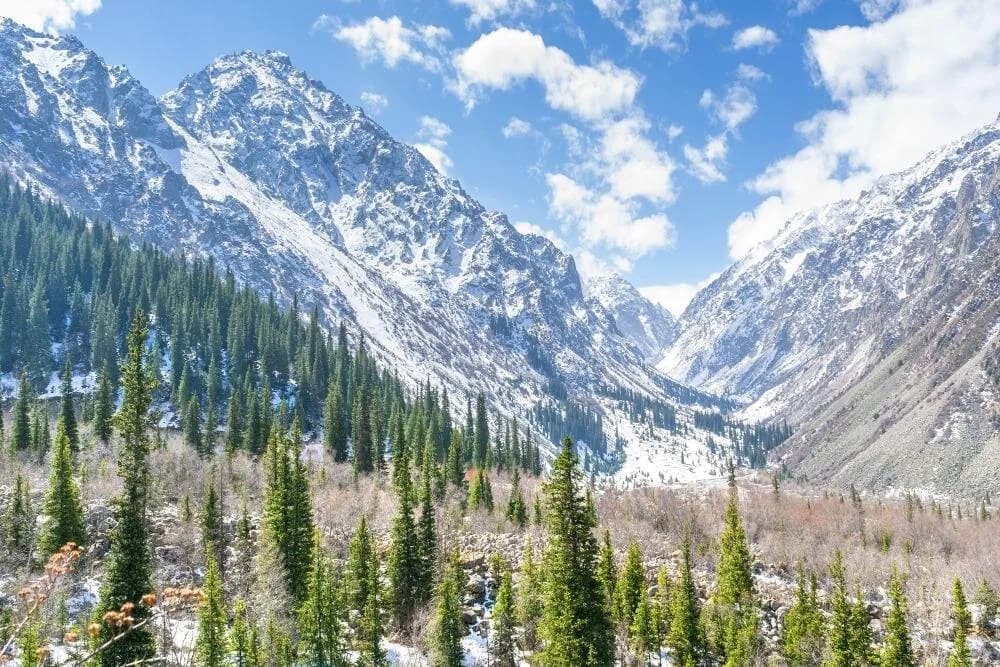
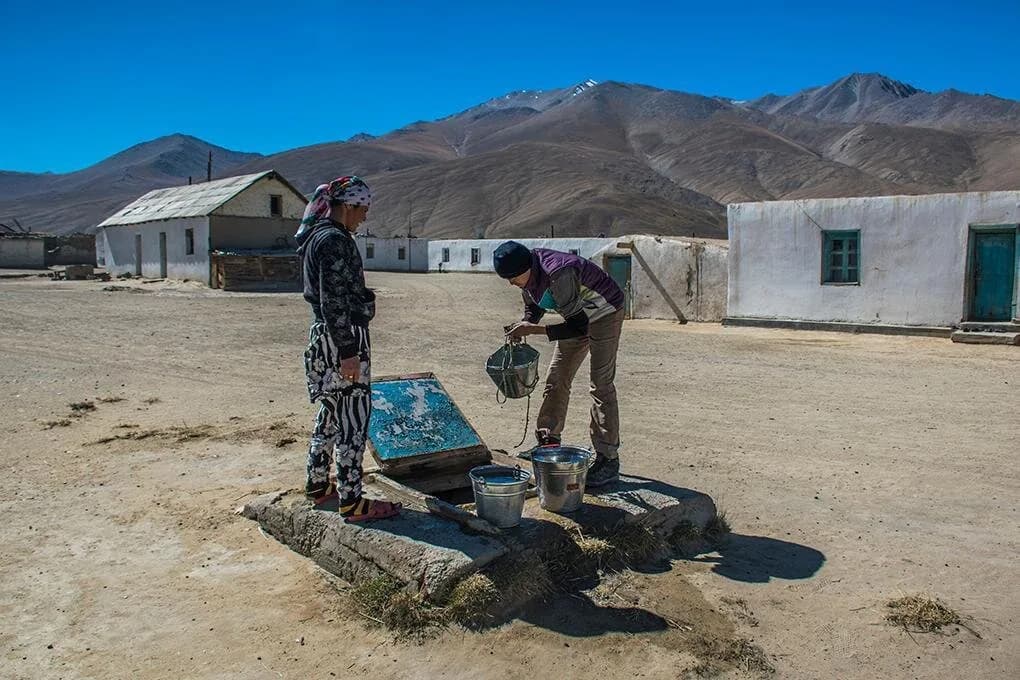
The Bishkek–Osh road, the M41, is one of Central Asia's great mountain drives: roughly 600 km (sources give 600–670 km depending on routing) that climb out of the Chuy plain, cross the Tian Shan from north to south over two passes above 3,100 m, and drop into the hot Fergana fringe at Osh. Count on 10–12 hours by road in good conditions, or a 40-minute flight that often costs about the same as a shared-taxi seat. Do it for the scenery, not to save time. If you only want to be in Osh, fly.
The route at a glance
You leave Bishkek (about 800 m) across the flat, fast Chuy plain to Kara-Balta, then the real drive begins: a long climb to the Töö-Ashuu tunnel, down into the Suusamyr basin, over the Ala-Bel pass, through the Chychkan gorge to the Toktogul reservoir, and along the Fergana rim through Jalal-Abad to Osh (about 1,000 m). It is a full day of driving with no motorway anywhere in the country. The M41 itself is sealed the whole way and needs no 4WD; the challenge is distance, weather and slow trucks, not the surface.
| Set-piece (north to south) | Roughly | What it is |
|---|---|---|
| Töö-Ashuu tunnel & pass | ~120 km / 2.5–3 h from Bishkek | A 2.8 km tunnel bored at about 3,120 m under a pass of about 3,586 m — not a pass you drive over |
| Suusamyr valley | after the tunnel | High grassy summer pasture (jailoo); roadside yurts sell kymyz; the turn for Kyzyl-Oi and the western approach to Song-Köl |
| Ala-Bel pass | ~3,180 m | Gentler, open grassland pass linking Suusamyr to the Chychkan descent |
| Chychkan gorge & Toktogul reservoir | mid-route | A narrow river gorge dropping to a big turquoise reservoir on the Naryn river, below the 215 m Toktogul Dam |
| Kara-Köl hydro town | past the dam | The dam town — not Karakol on Issyk-Köl, 700 km away; a frequent copy mistake |
| Fergana descent to Osh | final third | Tash-Kömür, Jalal-Abad, then hot, dense, Uzbek-inflected valley country into Osh |
The one number people get wrong
Do not call Töö-Ashuu a flat "3,180 m pass". That figure is roughly the tunnel elevation. The tunnel runs at about 3,120 m; the pass above it is about 3,586 m, and the road never crosses the summit — it bores through. The tunnel dates from the 1960s, is unlit, poorly ventilated and potholed, single carriageway each way, and genuinely unpleasant; speeds drop to a crawl on the approaches. Treat it with respect, especially in a hire car.
How to travel it: fly, shared taxi, bus or self-drive
| Option | Time | Cost (indicative) | The honest verdict |
|---|---|---|---|
| Fly Bishkek–Osh | ~40 min | ~$32–68 one way | Six or so flights a day each way; older regional jets; fog and weather cancel them, so never cut an onward connection fine |
| Shared taxi | 11–13 h | 1,500–2,500 som (~$17–29) per seat | The default; four passengers, leaves when full, now booked via a Telegram group the evening before |
| Marshrutka | 10–12 h | around a shared-taxi seat | Caravanistan reports there is effectively no scheduled minibus left on this route — assume shared taxi |
| Overnight sleeper/cargo bus | ~14 h | Reclining seats, leaves late afternoon; the sanest budget overnight option | |
| Self-drive | 10–12 h | car hire from ~$50/day | M41 sealed, no 4WD needed; a 350 som (~$4) toll; you set the stops |
Flying is the pragmatic choice and often no dearer than the taxi. There is no big-bus service; the "GoBus" app runs the comfortable overnight coaches to Karakol, not this road, so on the M41 your budget overnight option is the sleeper/cargo bus, not a proper coach.
If you drive it yourself, the M41 is one of the few Kyrgyz roads that needs no high clearance. Fuel is easy along the corridor. The real hazards are livestock on the carriageway, long solid-white-line stretches that make legal overtaking of trucks nearly impossible (the true reason the trip takes 11 hours), frequent police checks, and a near-zero drink-drive limit. There is more on modes, bus stations and Telegram booking in our guide to getting around Kyrgyzstan.
One rule for the shared taxi: avoid the overnight run. A night departure means crossing two 3,100 m-plus passes and the unlit Töö-Ashuu tunnel in the dark, with a driver who may have been at the wheel all day and is paid by the trip to go fast. The daytime run is materially safer and you actually see the Suusamyr. If you must travel at night, the sleeper bus beats a night taxi.
How long to give it: one day or two
You can do the road in a single day, and most shared-taxi passengers do. It is a hard, beautiful, slightly numbing 11 hours. The trip is better over two days with one overnight, which turns a transit into a proper drive and lets you photograph the passes in decent light instead of racing the dark.
Two natural places to break:
- Toktogul splits the drive close to evenly and sits by the reservoir. Nobody travels for the town itself, but the position is right and beds are easy.
- Suusamyr or Kyzyl-Oi make a shorter, far prettier first day — high pasture, yurts, horse riding — and open the western back-door route to Song-Köl if you want to peel off.
Give it three or four days and you can fold in a real detour rather than just a bed for the night.
Detours the road unlocks
The M41 is also the spine for some of southern Kyrgyzstan's best side-trips.
- Song-Köl. The Suusamyr/Kyzyl-Oi turn is the western approach to the country's most famous high lake (3,016 m), a jailoo of yurt camps with no public transport at all — you arrange a jeep. Worth a night, ideally two. See our Song-Köl yurt stay guide before you commit.
- Sary-Chelek. From the Tash-Kömür area a long dirt approach reaches the landslide-dammed lakes of the Sary-Chelek biosphere reserve — spectacular, but six hours from Osh and a trip in its own right, not a quick stop; our Sary-Chelek guide has the detail.
- Arslanbob. Via Bazar-Korgon you reach the Uzbek village inside the world's largest natural walnut forest — the Arslanbob guide covers homestays and the autumn harvest.
- Jalal-Abad. Kyrgyzstan's third city is on the route anyway and is the change point for both Arslanbob and Sary-Chelek; an hour there among the mineral springs is plenty.
Trying to string all of these onto one drive is a classic mistake. Pick one southern extra, or you spend the trip behind glass.
Season and safety
The M41 is kept open year-round in principle, but from roughly October to May the high sections close at short notice for avalanche control, snow and rockfall — sometimes for hours, occasionally for days. Heavy goods vehicles are restricted first when the risk rises at Töö-Ashuu, and the avalanche danger between Toktogul and Kara-Balta is well documented; people die on this road every winter. Protective galleries shield the worst sections, but they do not remove the risk.
Two practical lines follow from that. First, drive the passes in daylight in any season. Second, never plan a same-day international flight connection off a road journey between October and May — a snow closure can cost you a day. In summer the road is straightforward; the hazards shift to heat, dust, and tired overnight drivers. For the wider picture, see whether Kyrgyzstan is safe and our best time to visit rundown.
Whichever season, remember the altitude. You cross ground above 3,100 m twice in a few hours from a start near 800 m. That is rarely a problem in a moving vehicle, but if you overnight high at Suusamyr or peel off to Song-Köl, expect cold nights and go gently.
Who should drive it, and who should just fly
Drive the M41 if the journey is part of the point: if you like long mountain roads, want the Suusamyr yurts and the Toktogul water, or are heading for Arslanbob, Song-Köl or Sary-Chelek anyway and the road is on your line. Give it two days if you possibly can.
Fly if Osh and the south are the goal and the road is merely in the way — if you are short on time, travelling with small children, prone to car sickness on switchbacks, or moving in the snow months when the passes are unreliable. At roughly $32–68 for 40 minutes, the flight is one of the best-value hops in the region, and choosing it is not a failure of nerve. Plenty of seasoned travellers drive it one way and fly the other, which is the real sweet spot: you see Töö-Ashuu, Suusamyr and Toktogul once, and skip the second long day.
Osh is the reward at the end of the drive — the oldest city in the country and the gateway to the Pamirs. Our Osh travel guide picks up where the M41 stops, and the wider Kyrgyzstan travel guide sets the trip in context. When you are ready to plan, browse trips and transfers from Osh.
Chat with a real person — free
Seif and the team reply on WhatsApp 24/7 — trip questions, custom plans and booking help.
Ask Seif on WhatsAppCommon questions
How long does the Bishkek to Osh drive take?
Budget 10–12 hours by road in good conditions, and 11–13 hours by shared taxi, which stops for food, police checks and slow trucks. Map apps suggest around seven hours; ignore them, because long solid-white-line stretches make overtaking nearly impossible. The alternative is a 40-minute flight. Over two days with a Toktogul or Suusamyr overnight, the drive becomes far more enjoyable than a single hard day.
Is it better to fly or drive between Bishkek and Osh?
Fly if Osh is the goal and time is short: the flight is about 40 minutes and often costs roughly the same as a shared-taxi seat, around $32–68. Drive if the journey itself is the point — the Töö-Ashuu tunnel, the Suusamyr pastures and the Toktogul reservoir are worth seeing. Many travellers do the best of both by driving one way and flying the other.
How much does a shared taxi from Bishkek to Osh cost?
Expect roughly 1,500–2,500 som per seat (about $17–29), with sources disagreeing by up to 65 percent, so confirm on the day and agree whether the price is per seat or per car. Cars take four passengers and leave when full, now usually booked through a Telegram group the evening before. The Bishkek–Osh direction is often slightly dearer than Osh–Bishkek.
How high is the Töö-Ashuu pass?
The pass above the road is about 3,586 m, but the M41 does not cross it — it goes through a 2.8 km tunnel bored at about 3,120 m beneath the summit. The commonly quoted "3,180 m" is roughly the tunnel elevation, not the pass. The tunnel dates from the 1960s and is unlit, poorly ventilated and potholed, so keep your speed low, especially in a hire car.
Is the Bishkek to Osh road safe to drive?
In summer, yes: the M41 is fully sealed, needs no 4WD, and is one of Kyrgyzstan's better roads. The real risks are livestock, tired overnight drivers, hard-to-pass trucks and, from October to May, avalanche and snow closures on the high passes. Drive the passes in daylight, avoid the overnight shared taxi, and never connect a same-day international flight to a winter road journey.
Are there buses from Bishkek to Osh?
There is no big-bus coach service and, in practice, no scheduled marshrutka left either — the route now runs on shared taxis and an overnight sleeper/cargo bus of about 14 hours for roughly 1,000 som. The GoBus app you may have read about serves the comfortable overnight coaches to Karakol, not this road. For a budget overnight on the M41, the sleeper bus is your option, not a proper coach.
Can you stop overnight on the way, and where?
Yes, and it improves the trip a lot. Toktogul splits the drive roughly in half and sits by the reservoir, with easy beds. Suusamyr or Kyzyl-Oi make a shorter, more scenic first day among high pastures and yurts, and open the western approach to Song-Köl. With three or four days you can add a full detour to Song-Köl, Arslanbob or Sary-Chelek rather than just sleeping en route.
What can you see or detour to along the M41?
In order southbound: the Töö-Ashuu tunnel, the Suusamyr jailoo, the Ala-Bel pass, the Chychkan gorge and the Toktogul reservoir, then the descent through Jalal-Abad to Osh. The road is also the spine for detours to Song-Köl (via Kyzyl-Oi), Sary-Chelek, Arslanbob and Jalal-Abad's mineral springs. Pick one southern detour rather than trying to string them all onto a single drive.
Is Kara-Köl on the road the same as Karakol on Issyk-Köl?
No, and confusing them is a common error in travel copy. Kara-Köl is the hydroelectric town below the Toktogul Dam on the Bishkek–Osh road. Karakol is the outdoor-sports base at the eastern end of Lake Issyk-Köl, about 700 km away on the northern circuit. They share a name but nothing else, so double-check which one a booking or a driver means.
Book it on This is Kyrgyzstan
Turn this guide into a trip

Kyrgyzstan's bestsellers
The experiences travelers book most, across the country

Keep reading
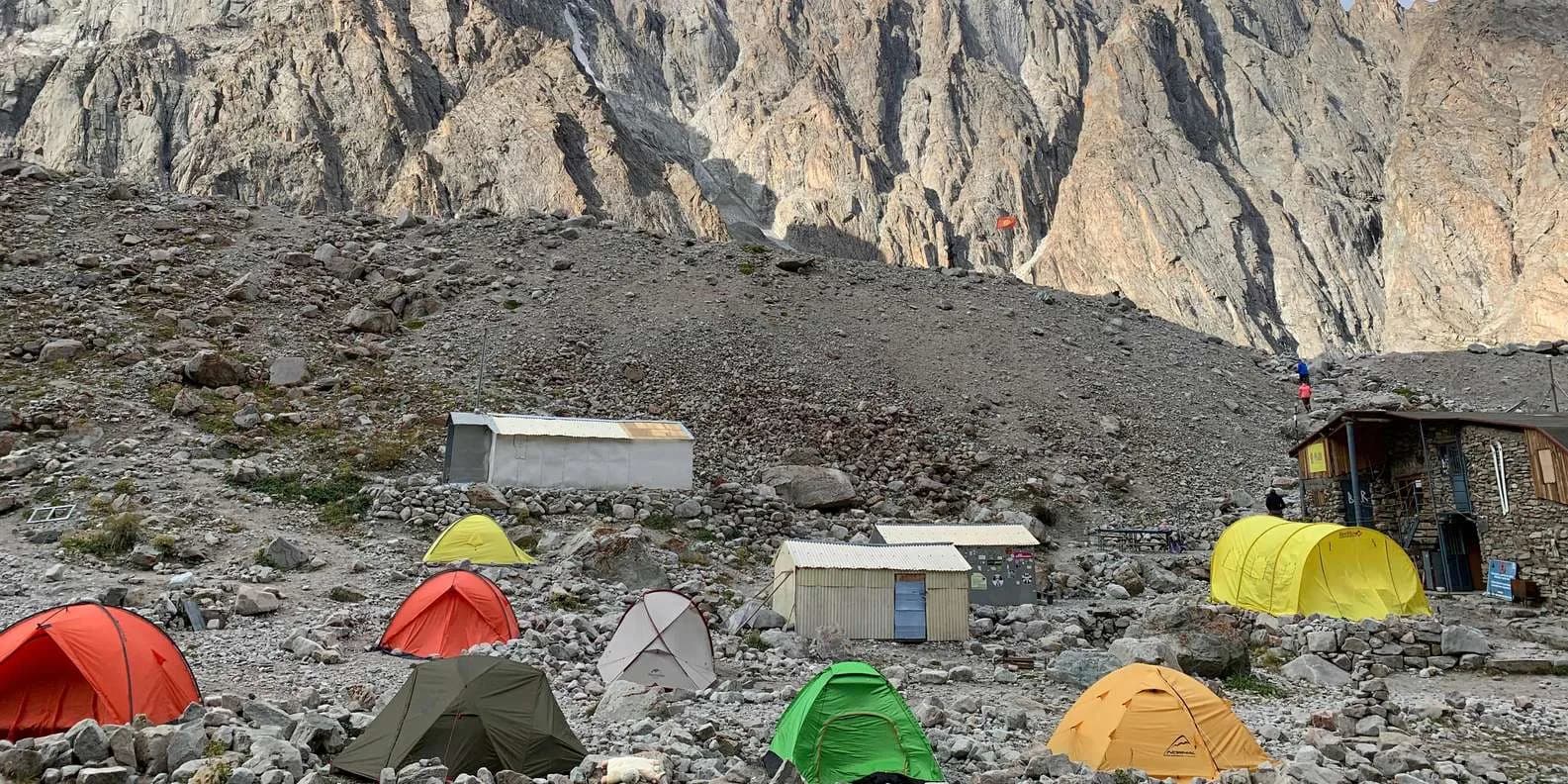
Uchitel Peak: Your First 4,000m Climb (2026)
Pik Uchitel (~4,400-4,600 m) in Ala-Archa is the classic first summit for fit hikers new to mountaineering: route, gear, season and acclimatisation.
By TiK Editors8 min read
Boz-Uchuk Lakes Trek from Jyrgalan (2026)
A moderate 2–3 day trek to a string of alpine lakes above Jyrgalan — quieter than Karakol's classics, with community yurts, horses and clear DMO rates.
By TiK Editors8 min read
Self-Guided Treks in Kyrgyzstan: Routes & How-To
Yes, you can trek Kyrgyzstan without a guide. The best self-guided routes, the ones to skip, and the maps, water and safety logistics that make it work.
By TiK Editors12 min read