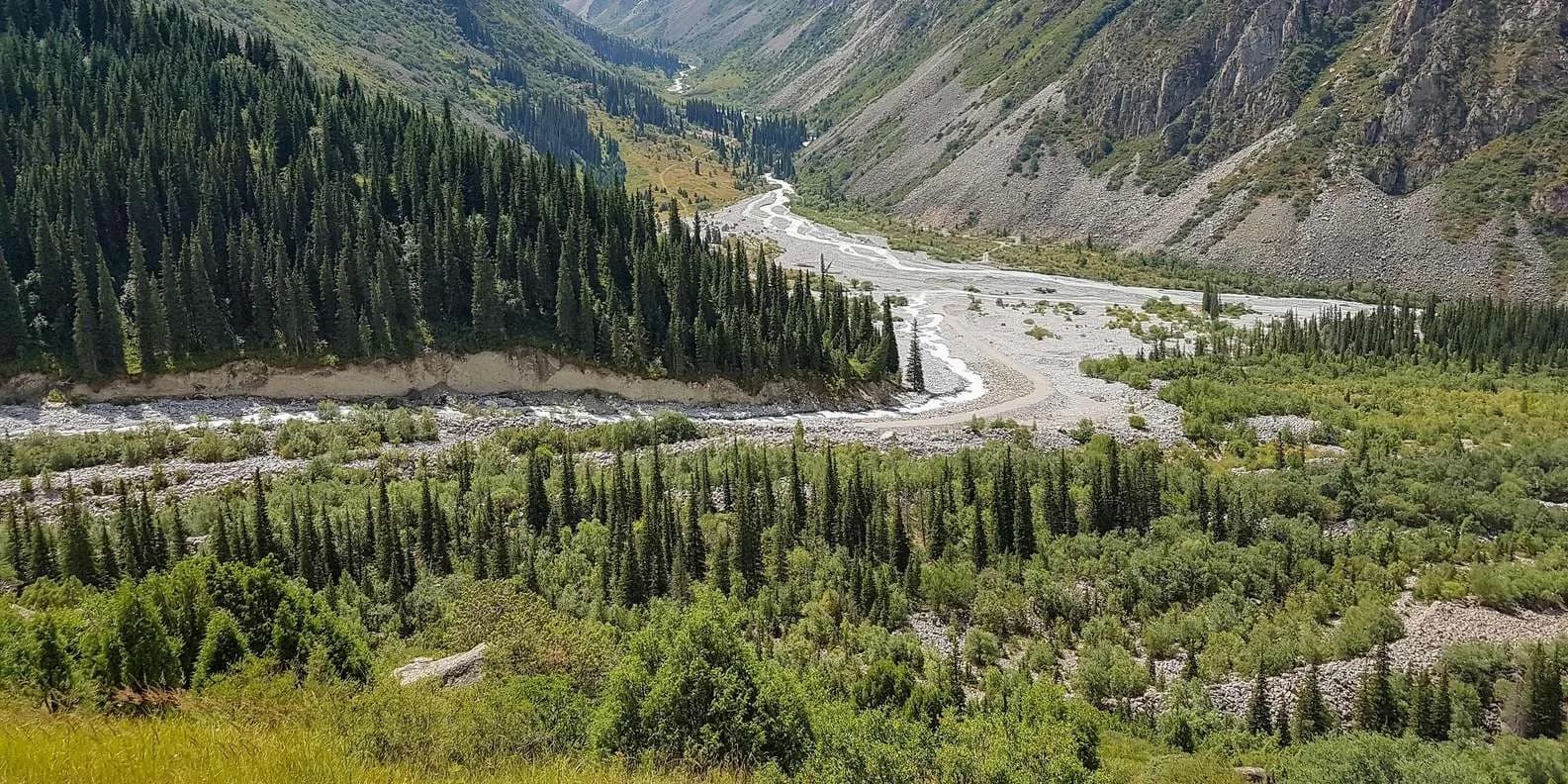
 Image via GetYourGuide
Kyrgyzstan in Summer: The Peak Season (2026)
Summer is the only reliable window for Kyrgyzstan's high passes, Song-Köl yurts and Issyk-Köl swimming. Weather by region, month by month, crowd-beating tips.
Book it on This is Kyrgyzstan
Turn this guide into a trip
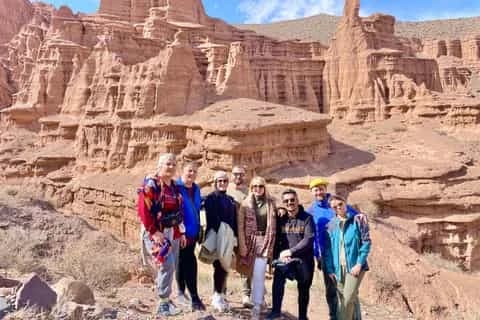
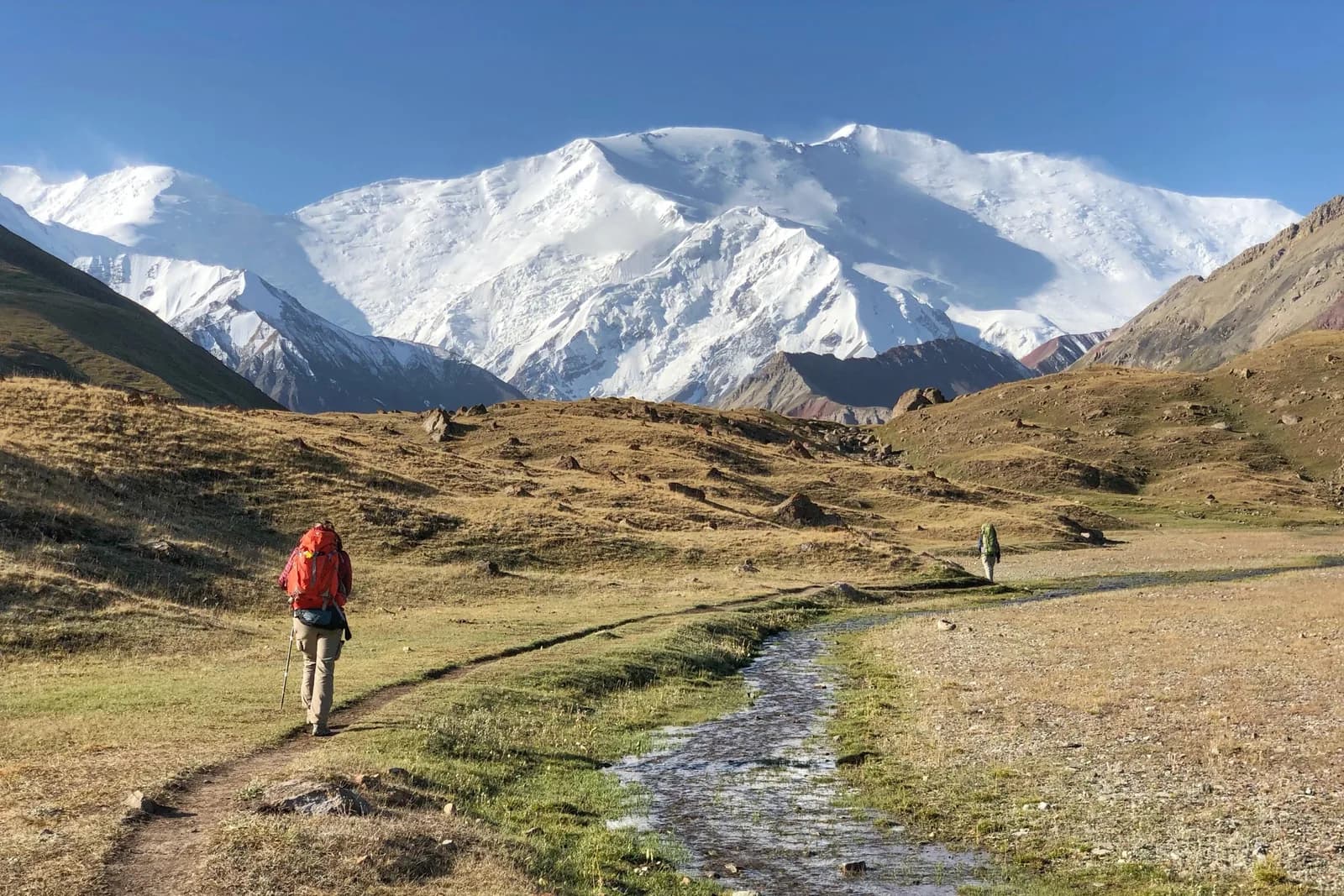
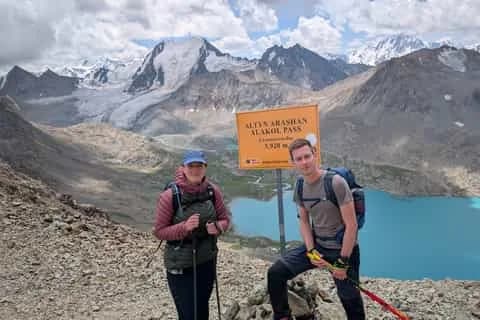
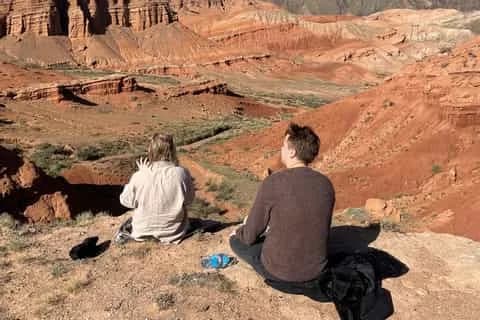
Summer, roughly mid-June to early September, is when Kyrgyzstan is at its best, and for most of what draws people here it is the only season that works. This is the window when the high passes are open, the jailoo yurt camps at Song-Köl are pitched, the classic treks are walkable and Issyk-Köl is warm enough to swim in. It is also the busiest and priciest stretch of the year, with the crush concentrated in the last two weeks of July and the first two of August. If you can travel in June or bump your dates to the shoulder edges, you get most of the payoff with a fraction of the crowds.
For a full year-round breakdown, see our best time to visit Kyrgyzstan guide. This page is about summer specifically: what it unlocks, what the weather actually does at different altitudes, and where the season lets you down.
Why summer is the only reliable window up high
Over 90% of Kyrgyzstan sits above 1,500 metres, and altitude, not the calendar, decides what is open. Above about 3,500 m, summer is the only period when the temperature reliably climbs above freezing during the day. Snow blocks the high passes for most of the year, and the jailoo (summer pasture) yurt camps open and close with the grass and the passes rather than on fixed dates.
That has hard consequences for a trip:
- High passes on the Song-Köl approaches, the Tosor road, Kel-Suu and the Kegen/Karkara crossings are only all open in July and August. Try them in June and you may find one still snowbound.
- The Ala-Kul pass (about 3,860–3,900 m, sources differ) is usually snow-free from mid-July to mid-September. A June crossing needs an ice axe and the judgement to read a snow slope, and fresh snow can fall on it in any month. See the Ala-Kul trek guide for the full route.
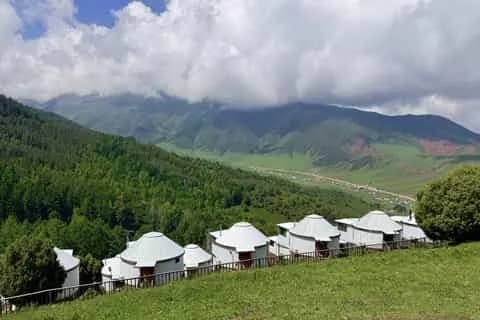
- Song-Köl yurt camps run roughly mid-June to early or mid-September, with the widest reliability in July and August. A few open in late May and a few linger into early October, but half the surrounding routes are shut outside the core window. Our Song-Köl yurt stay guide covers what a night up there is really like.
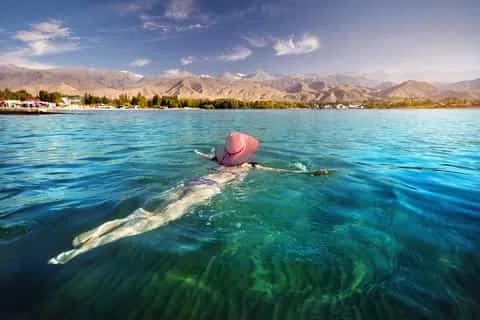
- Issyk-Köl swimming is a late-June-to-late-August affair. The lake is slightly saline and never freezes, but outside those weeks the water is cold. Our Lake Issyk-Köl guide covers the north and south shores in detail.
May and October are shoulder months where half the classic itinerary is closed. April and May are mud season, and calendar optimism about pass openings is regularly defeated by slush and washouts. Summer is not just the nicest time to come; for the mountains, it is essentially the whole season.
Summer weather by region and altitude
The single thing visitors underestimate is the temperature swing. A July afternoon in Bishkek can hit the mid-thirties while a camp at 3,500 m the same night drops below freezing. The valleys and cities are hot; the lakeshore is mild; the high jailoo is cold after dark even in July.
| Place (altitude) | July daytime | Notes |
|---|---|---|
| Bishkek (~800 m) | 17–32°C | Genuinely hot and dusty; 35°C+ spells are normal |
| Osh and the south (~965 m) | 18–31°C | Warmest, lowest, longest season; fierce at midday |
| Issyk-Köl north shore / Cholpon-Ata (~1,650 m) | ~13–23°C | Mild; lake water 18–22°C, semi-arid, resort strip |
| Karakol / east lake (~1,775 m) | ~11–26°C | Greener and wetter; the trekking hub |
| Naryn town (~2,040 m) | ~10–25°C | Dry, high, staging post for Song-Köl and the south |
| Song-Köl jailoo (3,016 m) | 12–22°C | Frost or even snow possible on any summer night |
| High trek camps (~3,500 m) | valleys 25–30°C | Camps drop to −5 to 0°C after dark; wind is the real problem |
Rainfall is low almost everywhere in summer. The mountain weather rhythm is predictable: clear at dawn, cloud building from late morning, convective thunderstorms mid-to-late afternoon, then clearing at dusk. If you are crossing a high pass, be over it before early afternoon.
Month by month within summer
The three summer months are not interchangeable. June is greener and quieter but higher routes may still be locked; July and August are the reliable, warm, expensive peak.
| Month | High country | Feel |
|---|---|---|
| June | Wildflowers out, meadows green, herders starting the migration to the pastures; snow still lingers above 3,800 m and the Ala-Kul pass needs mountaineering kit | Warm days, cold high nights, fewer people, some routes not yet open |
| July | All camps operating, passes open, treks in full swing; Ala-Kul pass snow-free by late July in a normal year | Warmest and busiest; the last fortnight is peak; prices climbing |
| August | Everything open and reliable; horse-game festivals on the jailoo | The busy fortnight is the first half; Issyk-Köl prices double; the World Nomad Games run 31 August–6 September 2026 |
June suits anyone chasing wildflowers and green pastures who is happy to skip the very highest passes. July and August are for the classic treks, the guaranteed yurt camps and lake weather, at the cost of company and money.
The downsides nobody mentions in the brochure
Summer's strength is also its problem. The Issyk-Köl north shore, Cholpon-Ata, Bosteri and Tamchy fill with domestic and Kazakh holidaymakers from mid-June, peaking in late July and early August. Accommodation prices roughly double, the beaches are busy and rooms book out. Restaurant prices rise noticeably in the resort strips over July and August too.
Karakol, the base for the best treks in Kyrgyzstan, gets correspondingly busy. The yurt beds at Sirota and the guesthouses at Altyn-Arashan fill in late July and August; walk-in is not guaranteed, so book ahead or carry a tent. Yurt camps at Song-Köl can be full on peak weekends.
In the south, Osh and the Fergana fringe are fiercely hot at midday in July and August, regularly into the low thirties. Sightseeing there is best done early and late, with the hottest hours spent in the shade of a chaikhana or a bazaar arcade. The upside is that the southern season is the longest in the country, so Osh stays comfortable well into autumn once the peak heat fades.
And a specific 2026 warning: the World Nomad Games (31 August–6 September) coincide with a regional summit, so expect heavy demand, road closures and full hotels around Issyk-Köl and Bishkek in that window. Wonderful if you have come for the Games; a headache if you have not and are trying to move around the north shore.
What to pack for the swings
Pack for two climates at once. You want light, breathable layers and real sun protection for hot valleys and the lakeshore, plus a genuine warm layer and windproof shell for high camps and cold nights. Even a summer night at Song-Köl or an Ala-Kul camp is sub-zero, and yurt stoves usually go out around midnight, so a proper sleeping bag matters if you are trekking or on a budget camp. UV at 3,500 m is fierce; a sun hat and high-factor cream are not optional. Our Kyrgyzstan packing list has the full rundown.
Honest tips for a better summer trip
Go in early July rather than late July if you want the reliable weather without the worst of the crush; the peak fortnight is roughly 20 July to 10 August. Better still, use the shoulder edges: mid-to-late June and the first half of September both give you open passes on most routes, quieter camps and cheaper rooms, with September adding autumn light. Choose the south shore of Issyk-Köl (Bokonbaevo, Kaji-Say, Tosor, Barskoon) over the packed north shore; it is drier, quieter and more interesting culturally. And book your yurt camps and Karakol trek beds in advance for any July or August dates.
A last practical note: the mountains run on cash. Draw a big float in Bishkek, Osh or Karakol before any high leg, because there are no ATMs at Song-Köl, Altyn-Arashan or the jailoo, and the yurt camps, park gates and marshrutkas are cash only.
Ready to build the trip around the season? Browse the trekking tours or start with the Issyk-Köl region for the lake side of summer.
Chat with a real person — free
Seif and the team reply on WhatsApp 24/7 — trip questions, custom plans and booking help.
Ask Seif on WhatsAppCommon questions
Is summer the best time to visit Kyrgyzstan?
Yes, for most travellers. Roughly mid-June to early September is when the high passes are open, the Song-Köl and jailoo yurt camps are pitched, the classic treks are walkable and Issyk-Köl is warm enough to swim. It is the only reliable window for high-mountain travel above 3,000 m. The trade-off is crowds and higher prices at their worst in the last two weeks of July and first two of August.
How hot does Kyrgyzstan get in summer?
It depends entirely on altitude. Bishkek (~800 m) runs 17–32°C in July with 35°C-plus spells, and Osh in the south is similar and fierce at midday. The Issyk-Köl lakeshore is milder at about 13–23°C. But a trek camp at 3,500 m can be 25–30°C in the valley by day and −5 to 0°C at night. Pack for both.
Can you swim in Lake Issyk-Köl in summer?
Yes, from late June to late August. Issyk-Köl is slightly saline, never freezes and warms to around 18–22°C in high summer, which is the beach season on the north shore around Cholpon-Ata. Outside that window the water is cold. The lake moderates the shore climate, so summer days there are mild rather than baking, unlike the hot inland valleys.
Is June a good month to visit Kyrgyzstan?
June is excellent for green meadows, wildflowers and fewer people, and it is warm in the valleys. The catch is up high: snow can still linger above 3,800 m, the Ala-Kul pass may need an ice axe, and some jailoo camps only open from mid-June. If your plans stay below the highest passes, June is one of the nicest and quietest months to come.
When is Kyrgyzstan most crowded and expensive?
The last two weeks of July and the first two of August. That is when the Issyk-Köl north shore fills with domestic and Kazakh holidaymakers, accommodation prices roughly double, and Karakol trek beds and Song-Köl yurt camps book out. Restaurant prices rise in the resort strips too. Travel in early July or the shoulder edges of June and September to avoid the worst of it.
Are the mountain passes and yurt camps open all summer?
In July and August, yes; June is patchier. The highest passes (Song-Köl approaches, Kel-Suu, Tosor) are only all open in July and August. Jailoo yurt camps run roughly mid-June to early or mid-September, with the widest reliability in the two peak months. Pass openings and road conditions are living facts, not last year's dates, so check locally before committing to a high route.
What should I pack for a Kyrgyzstan summer?
Two wardrobes in one bag. Light breathable clothing and strong sun protection for hot valleys and the lakeshore, plus a warm mid-layer, a windproof waterproof shell and a proper sleeping bag for cold high-altitude nights. Even July nights at Song-Köl or an Ala-Kul camp drop below freezing, and yurt stoves die around midnight. UV at altitude is intense, so bring a sun hat and high-factor cream.
Is the World Nomad Games worth planning a summer trip around in 2026?
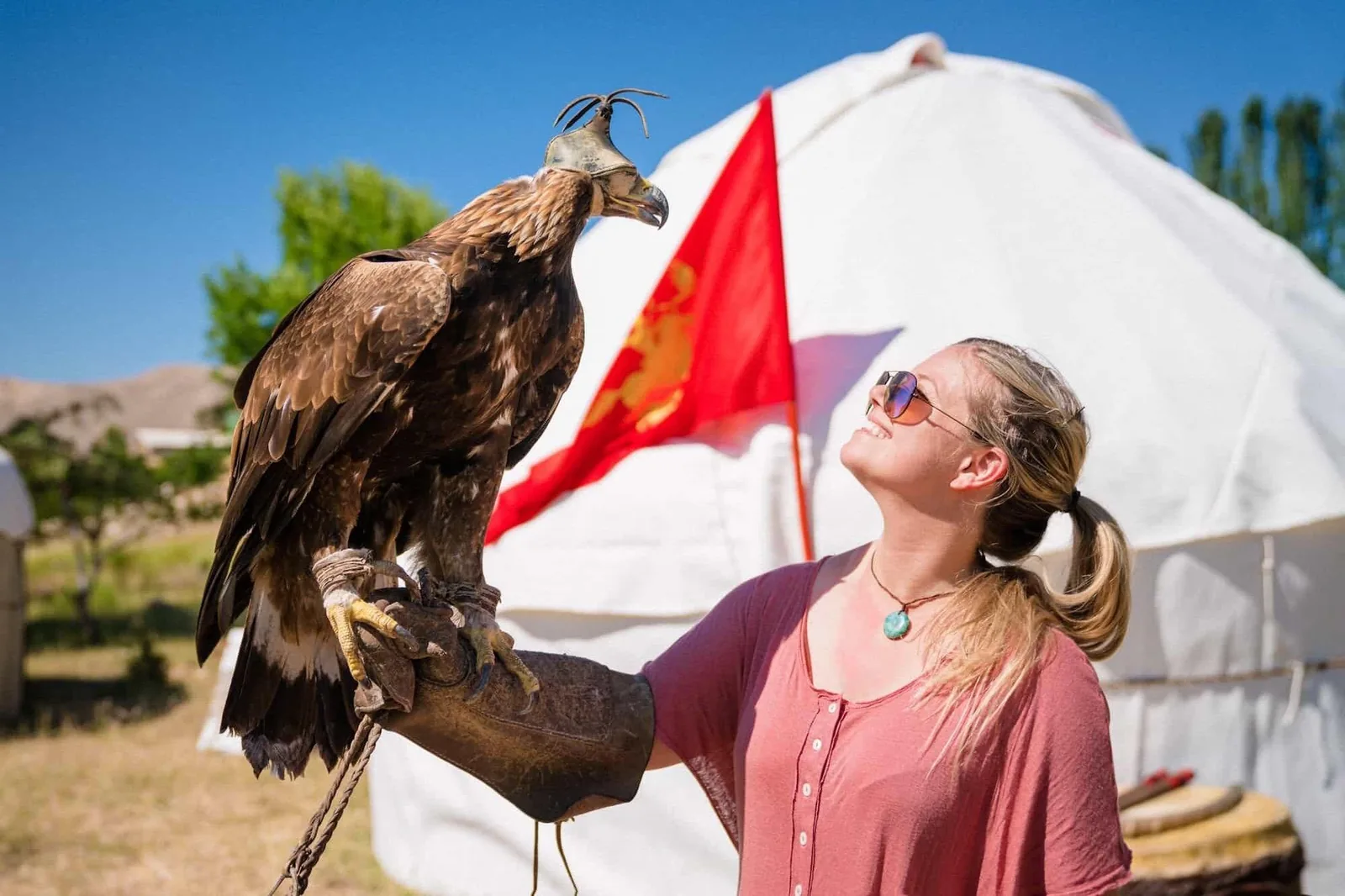
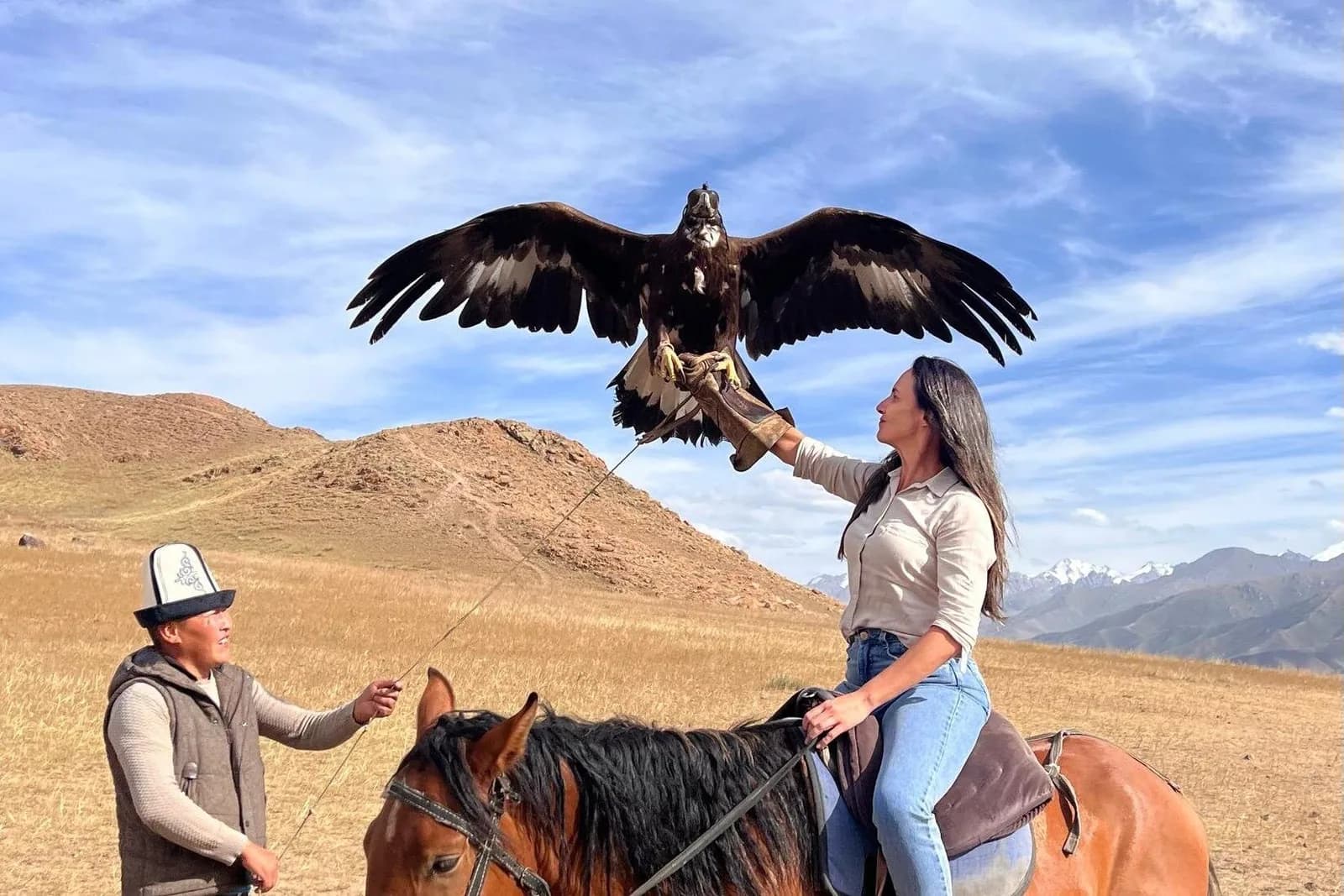
If you want a spectacle of horse games, eagle hunting and nomadic culture, yes. The 6th World Nomad Games run 31 August–6 September 2026, opening in Bishkek on Independence Day with main events around Cholpon-Ata and the Kyrchyn jailoo. Be warned that they coincide with a regional summit, so expect heavy demand, road closures and full hotels around Issyk-Köl and Bishkek that week.
How can I avoid the summer crowds in Kyrgyzstan?
Travel in early July or the shoulder edges of mid-June and early September, when passes are mostly open but camps and rooms are quieter and cheaper. Choose the south shore of Issyk-Köl over the packed north shore. Book yurt camps and Karakol trek beds ahead for any July or August dates, and head to less-visited valleys like Jyrgalan or the Alay for solitude.
Book it on This is Kyrgyzstan
Turn this guide into a trip

Kyrgyzstan's bestsellers
The experiences travelers book most, across the country

Keep reading
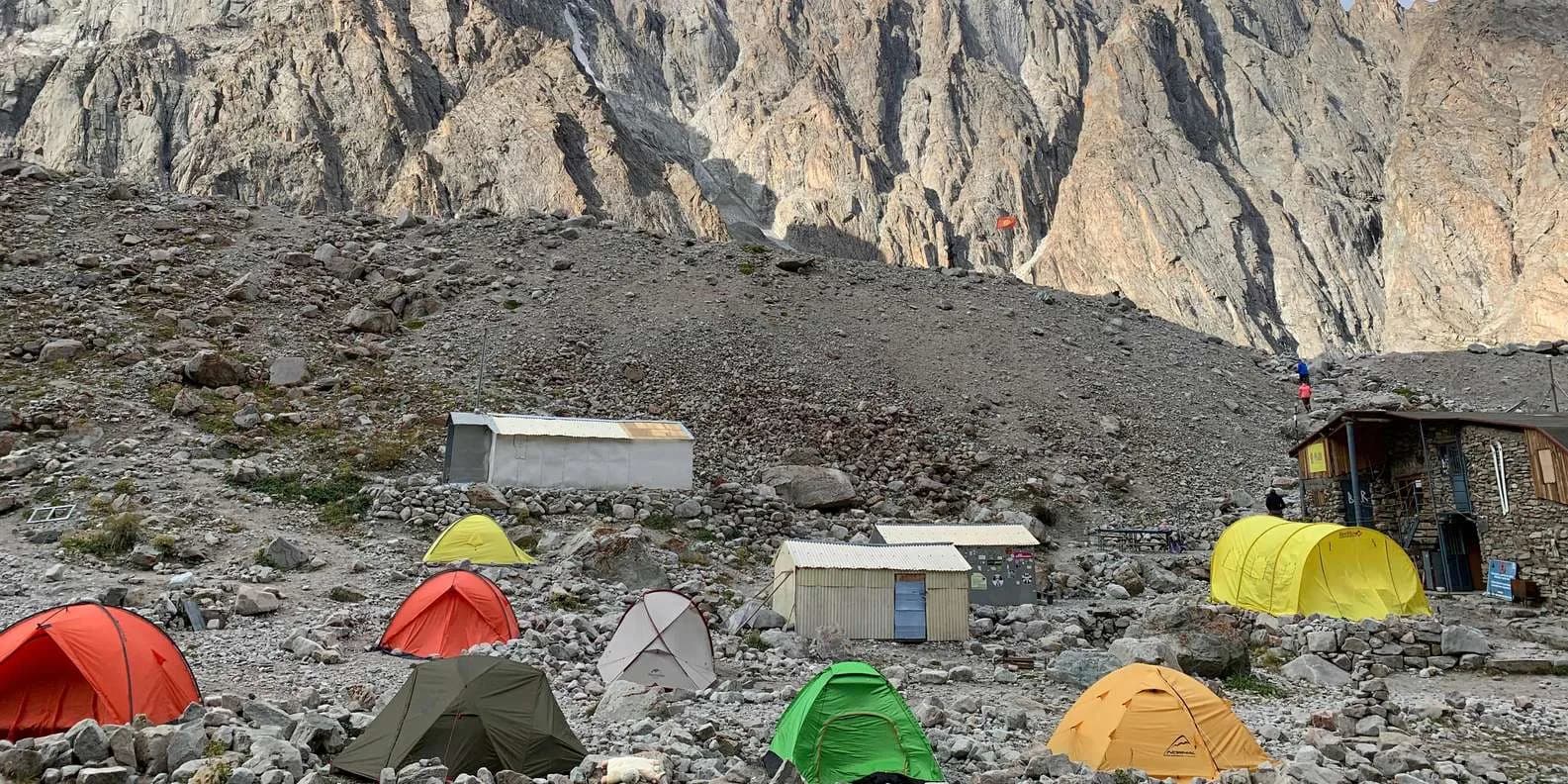
Uchitel Peak: Your First 4,000m Climb (2026)
Pik Uchitel (~4,400-4,600 m) in Ala-Archa is the classic first summit for fit hikers new to mountaineering: route, gear, season and acclimatisation.
By TiK Editors8 min read
Boz-Uchuk Lakes Trek from Jyrgalan (2026)
A moderate 2–3 day trek to a string of alpine lakes above Jyrgalan — quieter than Karakol's classics, with community yurts, horses and clear DMO rates.
By TiK Editors8 min read
Self-Guided Treks in Kyrgyzstan: Routes & How-To
Yes, you can trek Kyrgyzstan without a guide. The best self-guided routes, the ones to skip, and the maps, water and safety logistics that make it work.
By TiK Editors12 min read