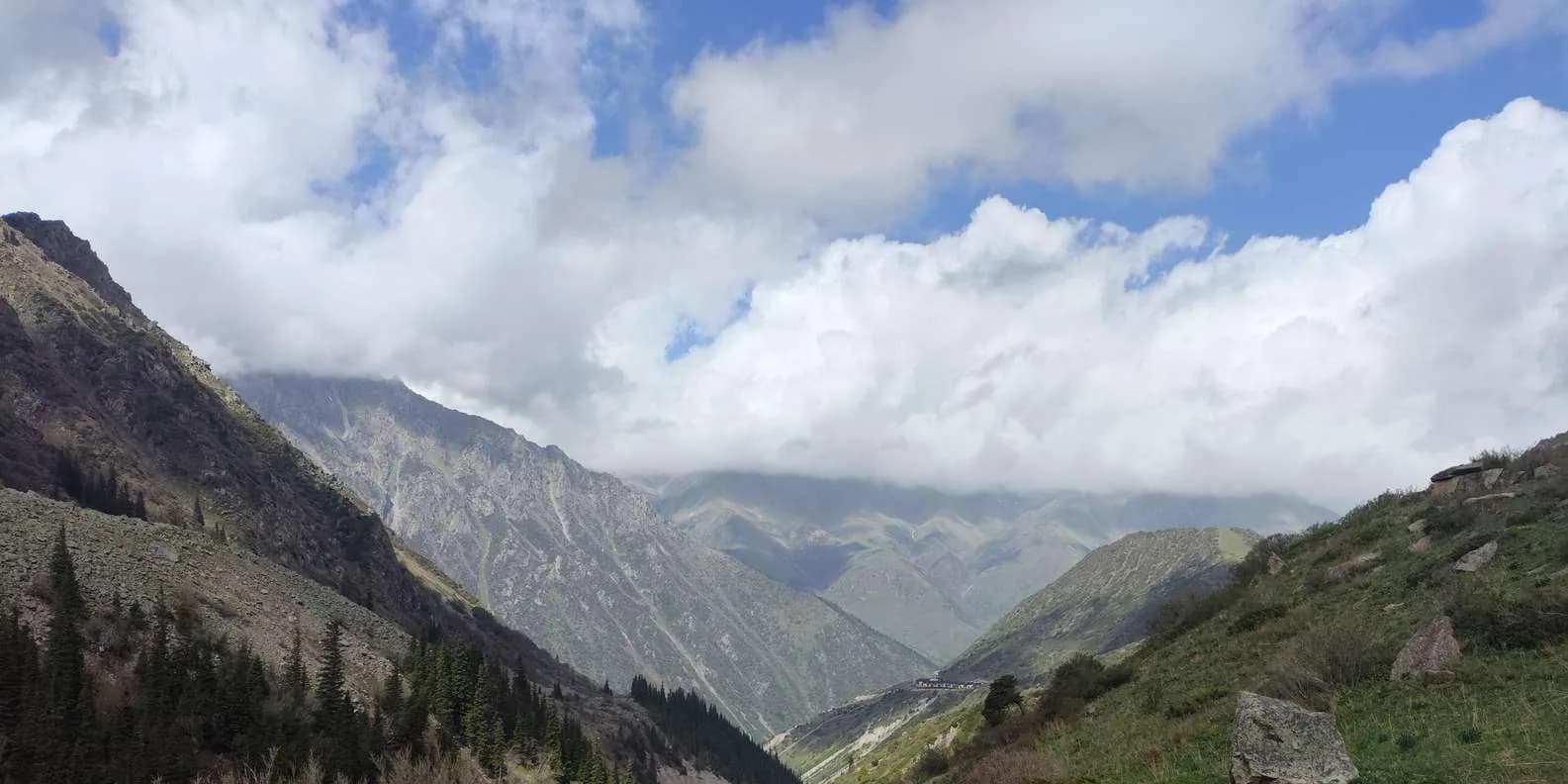
 Image via GetYourGuide
Kochkor Travel Guide: Kyrgyzstan's CBT Hub Town
Kochkor is Naryn province's community-tourism hub: the booking town for Song-Köl, Kol-Ukok and horse treks, and home to a women's felt co-op.
Book it on This is Kyrgyzstan
Naryn · Turn this guide into a trip
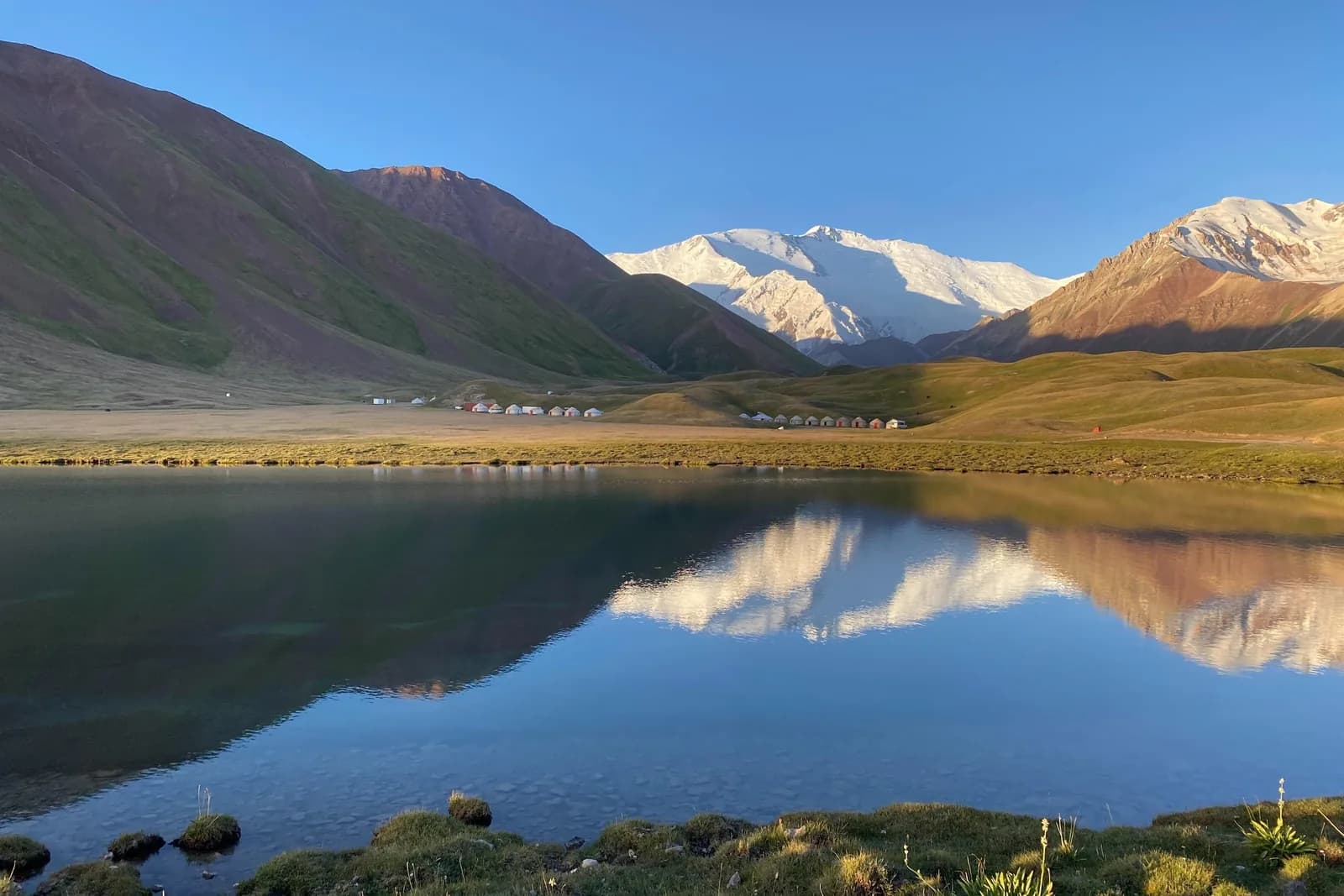
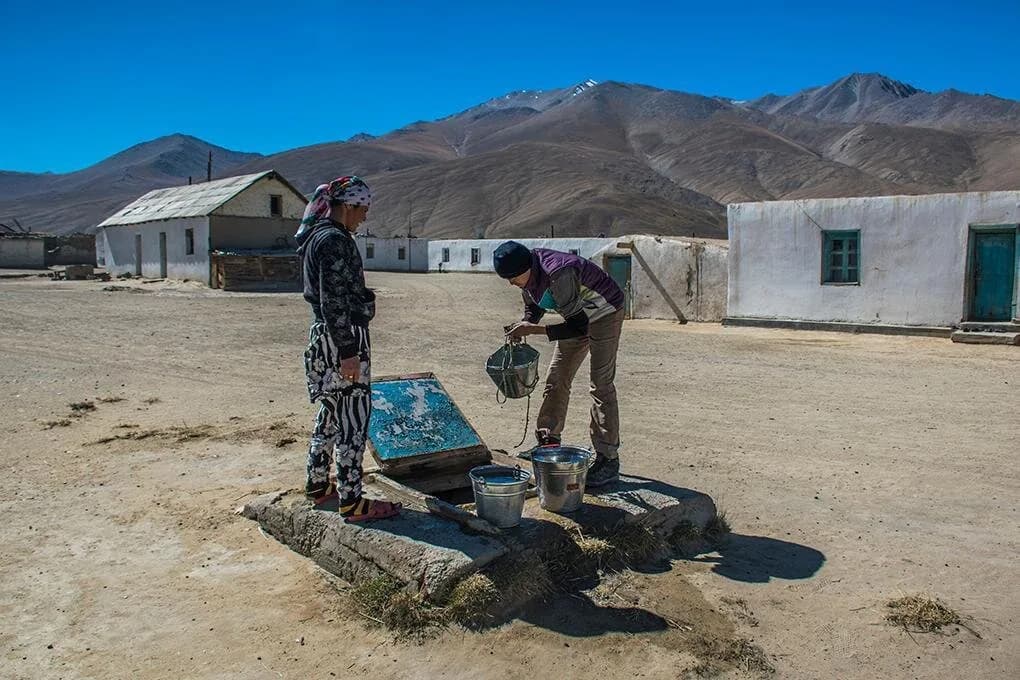
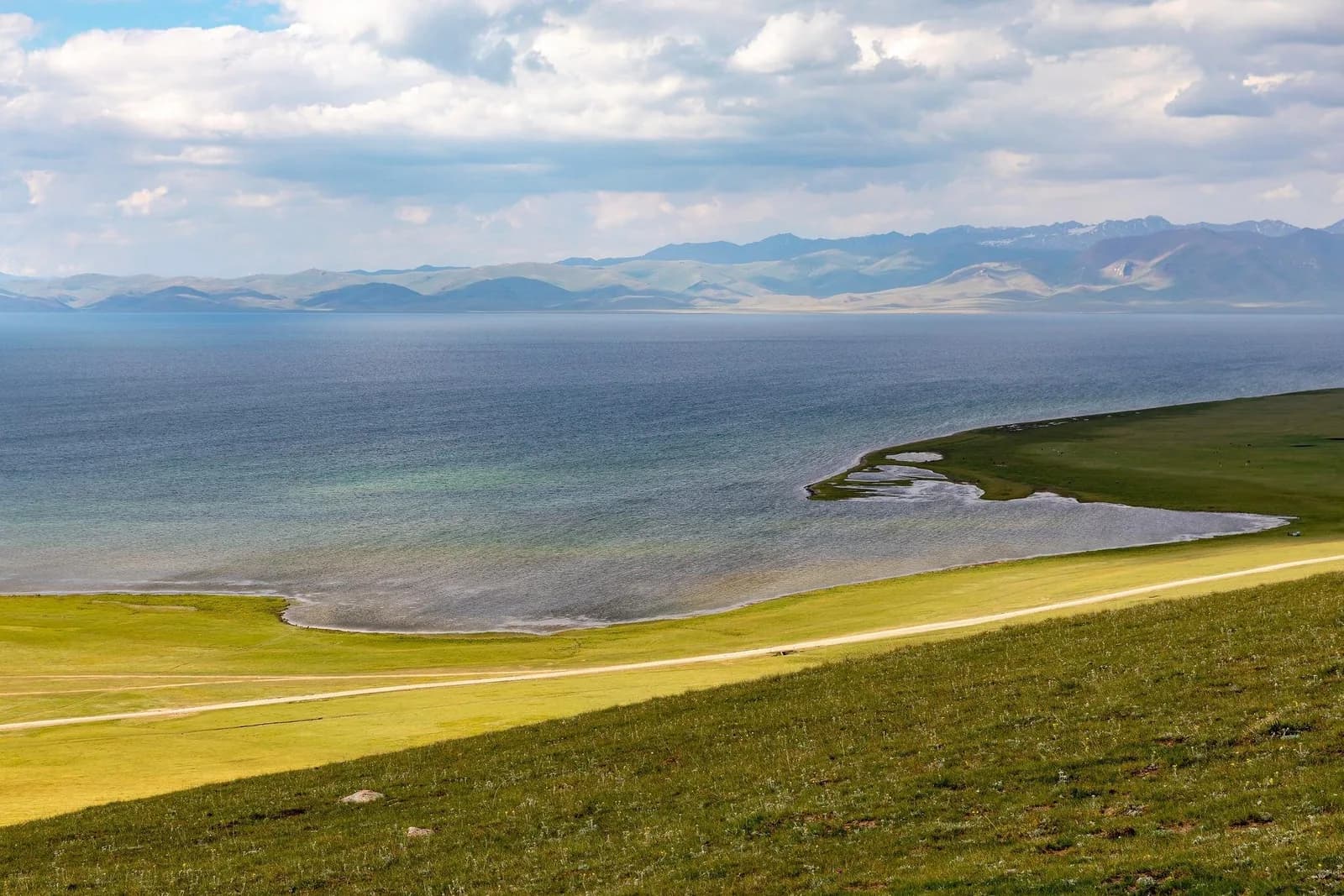

Most travellers see Kochkor for twenty minutes, from the window of a marshrutka that stops to swap passengers before pushing on to Naryn. That is a mistake. This low, dusty market town in Naryn province is the practical launch pad for some of central Kyrgyzstan's best trips: Song-Köl yurt stays and horse treks, the two-day walk up to Kol-Ukok, and the long road south to Naryn and Tash Rabat. It is also the country's community-based-tourism heartland, where a night or two lets you arrange the high country properly instead of paying a Bishkek agency to do it for you. Base here, and do it right.
What Kochkor actually is
Kochkor sits at roughly 1,800 m on the Bishkek–Naryn road, a small grid of single-storey houses, a bazaar, a couple of cafes and a surprising density of tour offices. It is a working nomad market town rather than a sight in itself: people come down from the jailoo (summer pasture) to trade, and in summer the same streets fill with travellers organising trips into the mountains that ring the valley.
The reason to stop is logistics. Kochkor has an active, competitive tourism scene, with homestays and rival companies clustered in the centre, all selling much the same thing: Song-Köl overnights, horse treks and short hikes around the valley. Two names matter. CBT Kochkor is a member group of the national community-based-tourism network, which brokers homestays, yurt camps, guides, horses and drivers and passes most of the money to the host families. Shepherd's Life is a separate, Helvetas-founded association headquartered here in Kochkor, specialising in jailoo yurt stays and horse treks around Song-Köl. Both are real and both still trade, though neither runs a reliable booking website in 2026, so plan to arrange things by WhatsApp or, more commonly, in person on the day you arrive. Turning up and booking on the spot works fine in July and August.
Things to do in Kochkor
Kochkor is a base first and a destination second, but you should not treat it purely as a bus change.
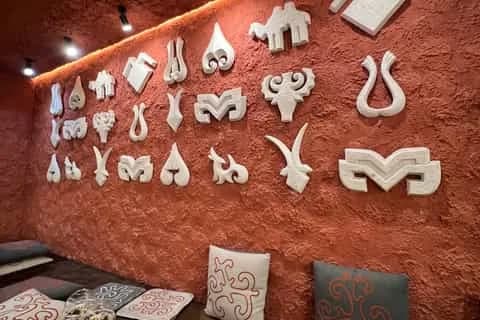
The women's felt cooperative. Kochkor is known for its women's handicraft co-op, where you can watch shyrdak and ala-kiyiz being made — the mosaic-cut appliqué and pressed-wool felt carpets that are the signature Kyrgyz craft. Shyrdak-making sits on UNESCO's list of intangible heritage in need of urgent safeguarding, which is to say the skill is genuinely endangered, so a demonstration here is not a tourist gimmick. A workshop visit, sometimes with a chance to try the cutting and stitching yourself, is usually arranged through CBT or your guesthouse; confirm timing and price on the day rather than assuming a fixed schedule.
The bazaar. Small, unglamorous and entirely for locals, the market is the best free hour in town: felt, horse tack, dried apricots, kurut (hard salty cheese balls), and the general business of a herding economy. Buy a shyrdak here or at the co-op if you want one — this is a better place to do it than the tourist stalls of Bishkek.
Day rides and short walks. Guides in town run half-day and full-day horse rides in the surrounding hills for people who want a taste of the saddle before committing to a multi-day trek. It is the low-stakes way to find out whether your seat bones can take it.
Where to stay
Accommodation is homestay- and guesthouse-dominated: family houses with a handful of rooms, breakfast included, and a shared or simple private bathroom. This is the point of Kochkor — you sleep in someone's home, not a hotel. Budget roughly US$5–15 (about 450–1,300 som) per person for a bed with breakfast, with dinner extra, though rates drift upward each year, so confirm when you book. CBT Kochkor and the town's guesthouses use a rotation system so bookings are shared around member families; you rarely need to reserve ahead, as there is almost always space.
How to get to Kochkor
Kochkor is easy to reach by shared road transport and hard to leave by anything but a hired vehicle once you head into the mountains.
| Route | How | Rough time | Notes |
|---|---|---|---|
| Bishkek → Kochkor | Marshrutka / shared taxi from the western bus station | ~3–4 h | Several daily; it is the Bishkek–Naryn service, so you get off partway |
| Balykchy → Kochkor | Marshrutka / shared taxi | ~1–2 h | The transfer point if you are coming from Issyk-Köl or Karakol |
| Naryn → Kochkor | Marshrutka / shared taxi | ~2–3 h | The same corridor in reverse |
| Kochkor → Kyzart | Shared taxi | short hop | ~200 som per seat; the start of the classic Song-Köl horse trek |
Fares change often and are cheap. Treat any figure as indicative and confirm on the day. Note that shared-car seats in Kyrgyzstan increasingly get booked the evening before through Telegram groups rather than at a fixed taxi stand, so ask your guesthouse to help arrange the next leg. For the bigger picture on marshrutkas, shared taxis and how the system works, see our guide to getting around Kyrgyzstan.
Using Kochkor as a hub
This is why the town exists on the traveller map. Four trips launch from here, and all of them are easier to organise in Kochkor than anywhere else.
Song-Köl. Kyrgyzstan's second-largest lake sits at 3,016 m, an hour or two south, ringed by summer yurt camps from June to September. You can go two ways. The classic is a 2–3 day horse trek in from Kyzart village, climbing over the passes and dropping to the shore with the whole lake appearing at once — beginner-friendly and the reason many people come to Kochkor at all. Alternatively, take a 4WD in for a night. Either way you sleep in a yurt on the jailoo, eat with a herding family and freeze a little before dawn. Read up first on the Song-Köl horse trek and what a Song-Köl yurt stay is actually like.
Kol-Ukok. The valley's own trek: a glacial lake reached on foot (or partly on horseback) over roughly two days from a village near Kochkor, and far quieter than Song-Köl. It is the standard "2-day hike around Kochkor" the town's operators sell, and a good acclimatisation walk. See the Kol-Ukok lake trek for the route and what to carry.
Onward to Naryn and Tash Rabat. Keep going south and the marshrutka runs to Naryn town, the staging post for the deep south-east — Kel-Suu, the Torugart pass and, best of all, the Tash Rabat caravanserai, a 15th-century Silk Road stone shelter with a yurt camp beside it. Kochkor is the first link in that chain.
What it costs to organise here
Community and CBT rates in Kochkor sit well below what a Bishkek agency charges for the same trip. Use these as anchors and confirm on the day, as everything moves upward year to year.
| Service | Rough price | Notes |
|---|---|---|
| Homestay / guesthouse bed | ~US$5–15 (450–1,300 som) | Breakfast in; dinner extra |
| Song-Köl yurt night, all meals | ~US$15–25 budget; US$60–80 CBT/family | Per person; the family camps cost more but more reaches the host |
| Guided horse trek, all-in | ~US$50–80 (4,500–7,000 som)/person/day | Horse, guide, meals and yurt nights bundled |
| Complete 2–3 day Song-Köl trek | ~US$100–150/person | Meals and yurt nights included |
| Kochkor → Kyzart shared taxi | ~200 som/seat | The trek trailhead |
Bring enough cash. Kochkor has ATMs, but Song-Köl, Kol-Ukok and the roads beyond have none, no shops and little or no mobile signal — draw som here in small notes for change on the jailoo. For a fuller breakdown of what a trip costs, see our Kyrgyzstan cost and budget guide.
When to go
Kochkor itself is reachable year-round, but the trips that justify a stop are seasonal. The high-country window is roughly late June to mid-September, when the passes are clear and the yurt camps are up. July and August are the reliable, busy months. Late May and early June bring wildflowers, mud and half-empty pastures, with some yurts not yet pitched; from mid-September the camps thin out and the herders begin coming down. Outside the season the passes close, Song-Köl freezes and you are left with a very cold, very quiet town. Time your visit with the wider picture in when to visit Kyrgyzstan.
If you take one thing from this: do not treat Kochkor as a bus stop. Spend a night, sort your Song-Köl or Kol-Ukok trip with a local family, and let the town do what it does best. Browse horse-trekking trips to see what launches from here.
Chat with a real person — free
Seif and the team reply on WhatsApp 24/7 — trip questions, custom plans and booking help.
Ask Seif on WhatsAppCommon questions
Is Kochkor worth stopping in, or just a transit town?
It is worth a stop of a night or two. Kochkor is the practical booking hub for Song-Köl yurt stays and horse treks, the Kol-Ukok trek and the road south to Naryn and Tash Rabat. It also has a women's felt cooperative where you can watch shyrdak carpets being made. Most travellers rush through; staying lets you arrange the high country properly, and cheaper, through local families rather than a Bishkek agency.
How do I get from Bishkek to Kochkor?
Take a marshrutka or shared taxi from Bishkek's western bus station on the Bishkek–Naryn service and get off partway, roughly 3–4 hours out. Several run daily in summer. Fares are cheap and change often, so treat any quoted figure as indicative and confirm on the day. Coming from Issyk-Köl or Karakol instead, change at Balykchy, from where it is another hour or two south to Kochkor.
Can I organise a Song-Köl trip in Kochkor?
Yes — Kochkor is the standard place to do it. CBT Kochkor, Shepherd's Life and the town's guesthouses all arrange Song-Köl yurt stays, 4WD transfers and 2–3 day horse treks from Kyzart. Neither CBT nor Shepherd's Life runs a reliable booking site in 2026, so book by WhatsApp or, more usually, walk in and arrange it on the spot. In July and August a trip can be set up the same day.
What is Kol-Ukok and how far is it from Kochkor?
Kol-Ukok is a glacial lake in the hills near Kochkor, reached on foot or partly on horseback over roughly two days from a nearby village. It is the classic short hike the town's operators sell and much quieter than Song-Köl, which makes it a good acclimatisation trek. You organise it in Kochkor along with a guide and, if you want, horses to carry packs or ride.
What is the women's felt cooperative in Kochkor?
Kochkor has a women's handicraft cooperative that makes and demonstrates shyrdak and ala-kiyiz — the mosaic-cut and pressed-wool felt carpets that are the signature Kyrgyz craft. Shyrdak-making is on UNESCO's urgent-safeguarding list, so the skill is genuinely endangered. Visits, sometimes with a hands-on try, are usually arranged through CBT or your guesthouse. Confirm timing and price on the day rather than assuming a set schedule.
How much does a homestay in Kochkor cost?
Budget roughly US$5–15 (about 450–1,300 som) per person for a guesthouse or homestay bed with breakfast, with dinner charged separately. Rates drift upward each year, so confirm when you book. Accommodation is family-run rather than hotel-style, and CBT rotates bookings around member households. You rarely need to reserve ahead, as there is almost always space, even in peak summer.
When is the best time to visit Kochkor?
Come between late June and mid-September, when the passes are clear and the Song-Köl and Kol-Ukok yurt camps are up. July and August are the busiest and most reliable months. Late May and early June are green but muddy, with some yurts not yet pitched; from mid-September the camps thin out. Outside the season the passes close and Kochkor becomes a very cold, quiet town with the mountain trips shut.
Are there ATMs in Kochkor?
Yes, Kochkor has ATMs, and you should use them before heading into the mountains. Song-Köl, Kol-Ukok and the roads beyond have no cash machines, no shops and little or no mobile signal, so draw enough som in town, in small notes for change on the jailoo. Community and homestay bookings are paid in cash in som, and paying the agreed price promptly is the real courtesy.
Can I continue from Kochkor to Naryn and Tash Rabat?
Yes. Kochkor is on the Bishkek–Naryn road, so marshrutkas and shared taxis continue south to Naryn town in about two to three hours. From Naryn you organise the deep south-east: Kel-Suu, the Torugart pass and the 15th-century Tash Rabat caravanserai, which has yurt camps beside it. Beyond Naryn almost everything needs a hired 4WD and driver, so sort that there rather than expecting public transport.
Book it on This is Kyrgyzstan
Turn this guide into a trip
Kyrgyzstan's bestsellers
The experiences travelers book most, across the country
Keep reading
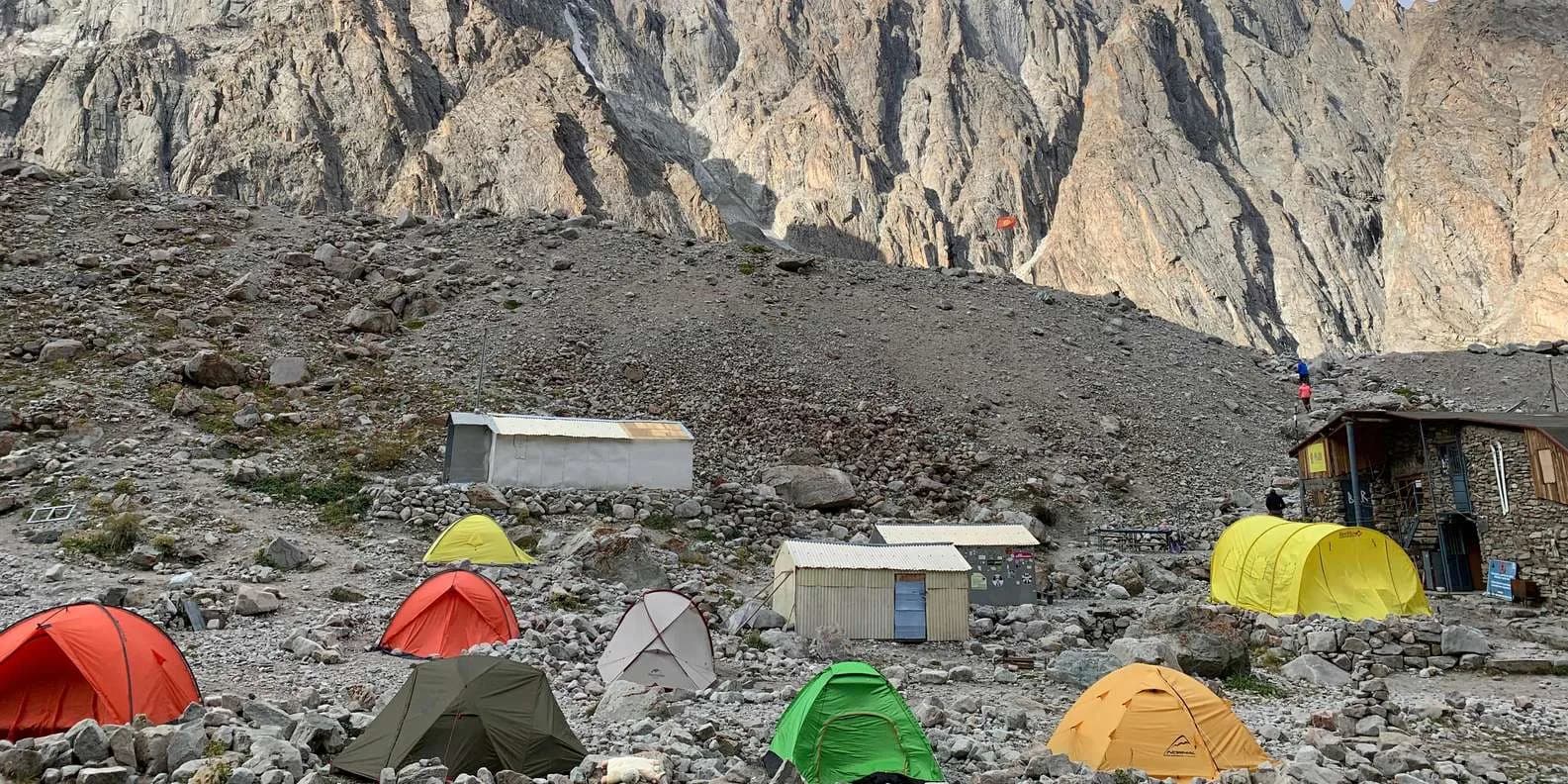
Uchitel Peak: Your First 4,000m Climb (2026)
Pik Uchitel (~4,400-4,600 m) in Ala-Archa is the classic first summit for fit hikers new to mountaineering: route, gear, season and acclimatisation.
By TiK Editors8 min read
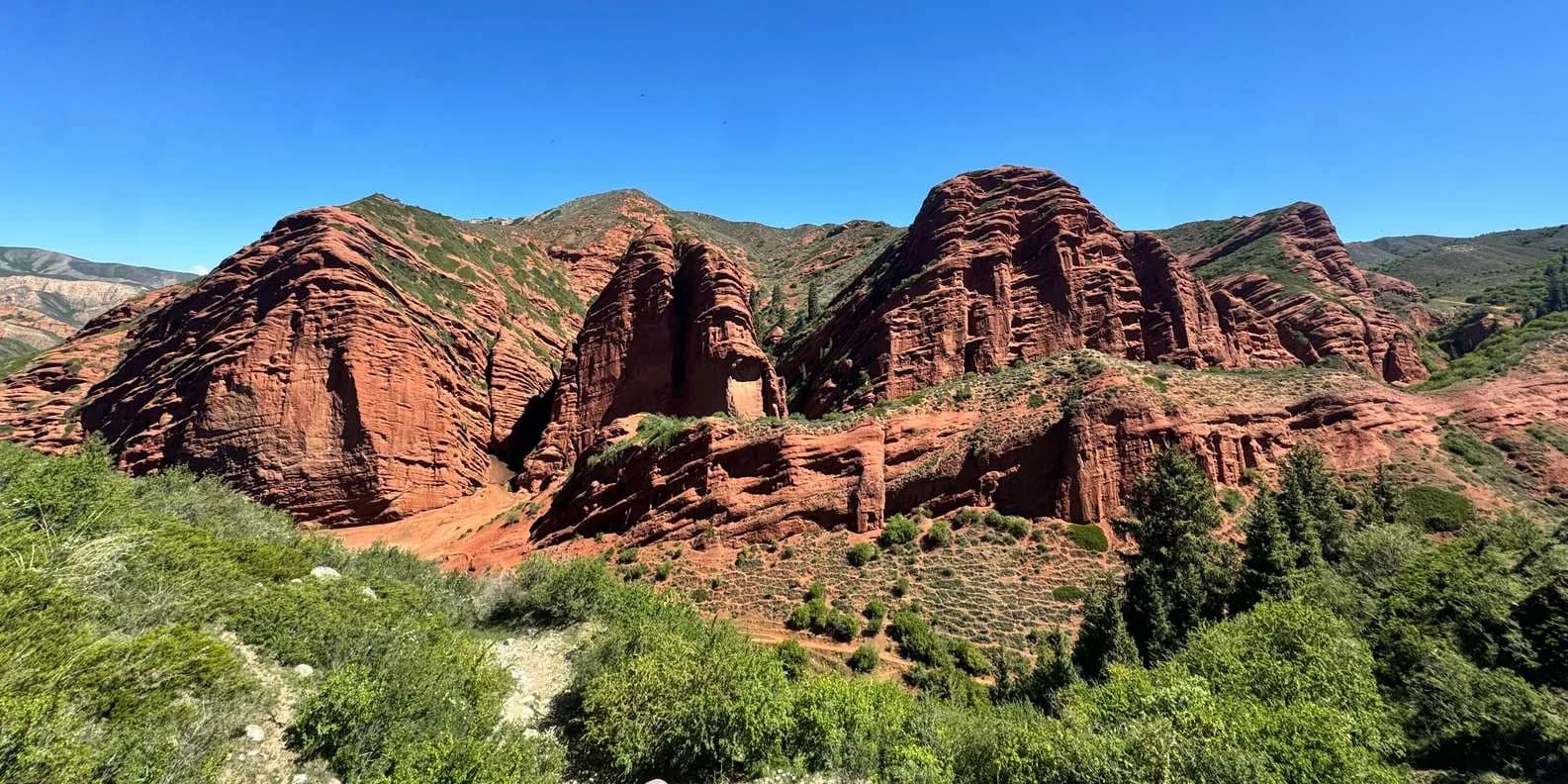
Boz-Uchuk Lakes Trek from Jyrgalan (2026)
A moderate 2–3 day trek to a string of alpine lakes above Jyrgalan — quieter than Karakol's classics, with community yurts, horses and clear DMO rates.
By TiK Editors8 min read
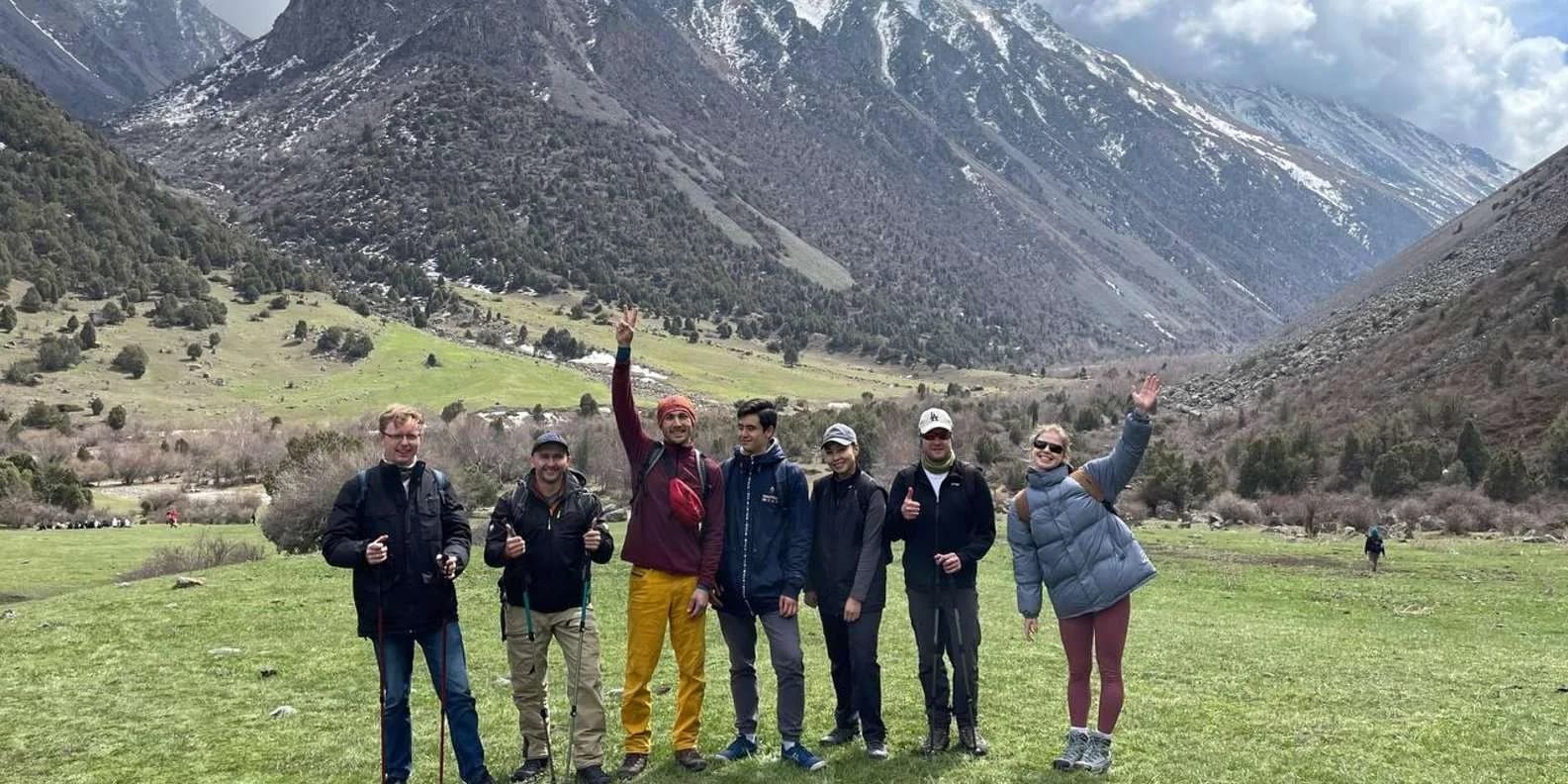
Self-Guided Treks in Kyrgyzstan: Routes & How-To
Yes, you can trek Kyrgyzstan without a guide. The best self-guided routes, the ones to skip, and the maps, water and safety logistics that make it work.
By TiK Editors12 min read