 Image via GetYourGuide
Women's Travel in Kyrgyzstan: A 2026 Guide
Is Kyrgyzstan safe for women, including solo? Broadly yes. An honest, practical guide to dress, homestays, transport, health and social norms.
Book it on This is Kyrgyzstan
Turn this guide into a trip
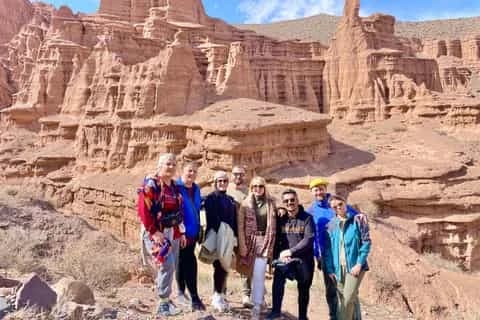
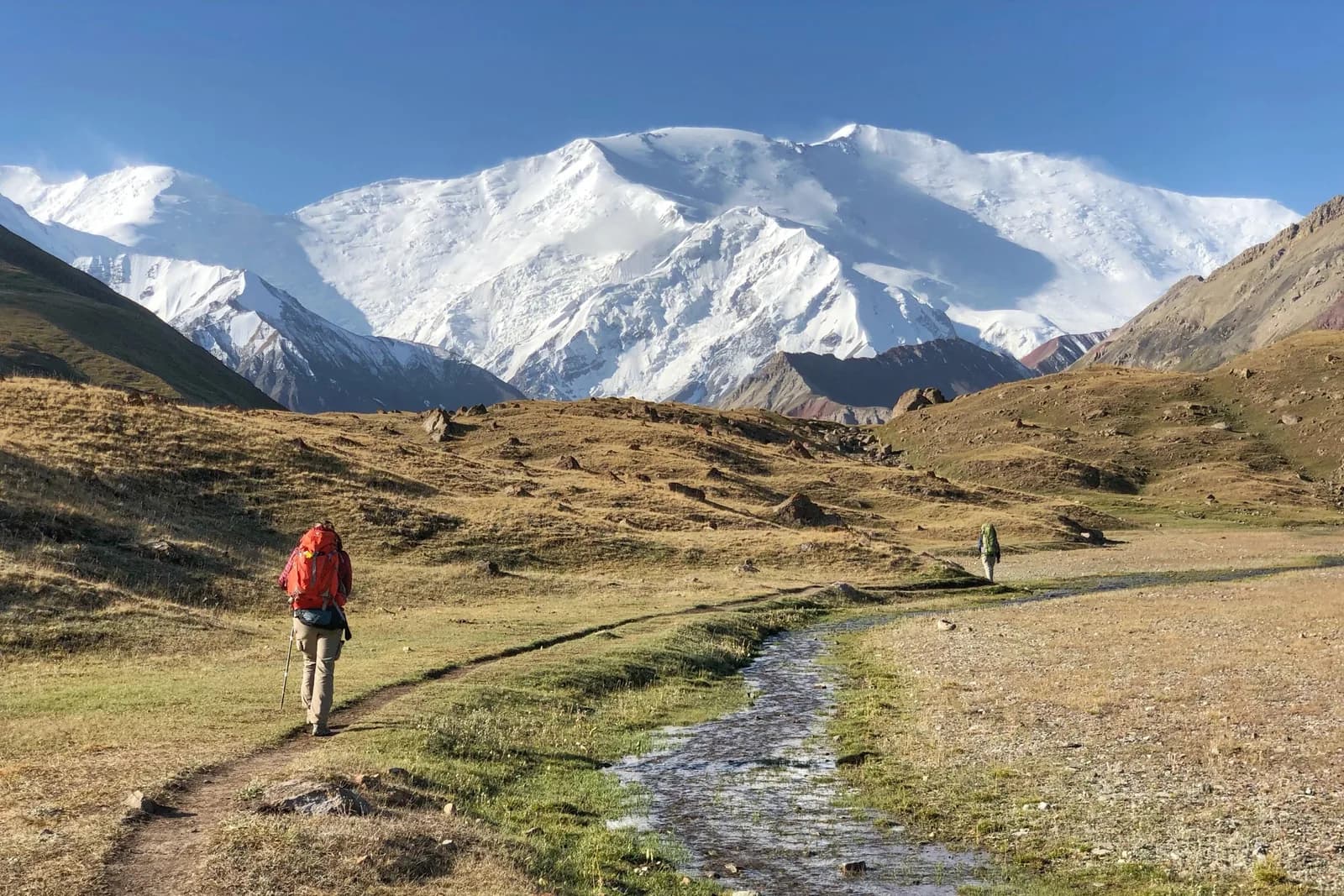
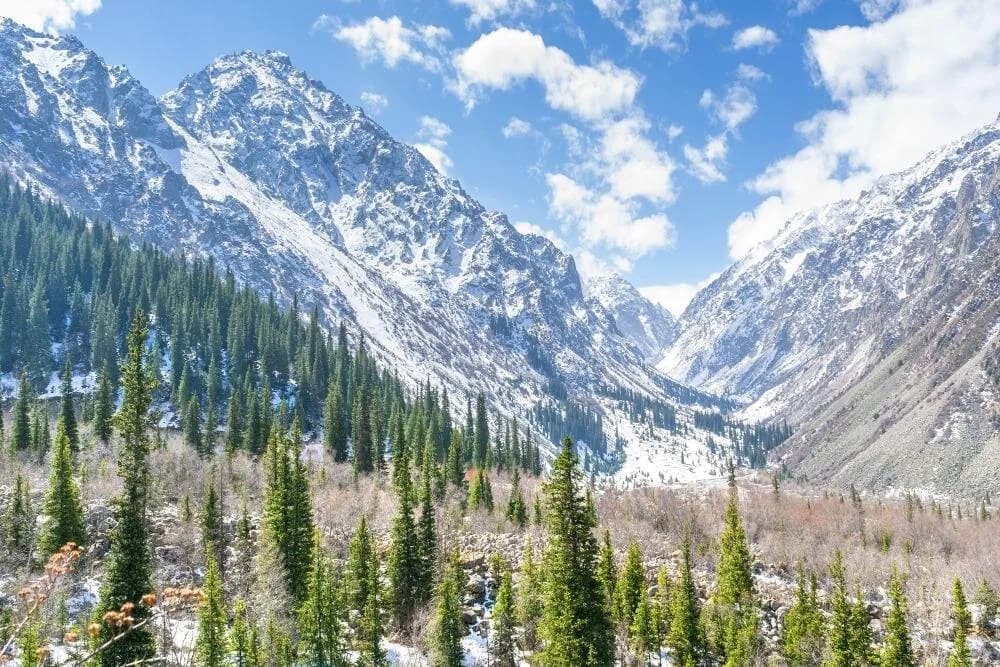
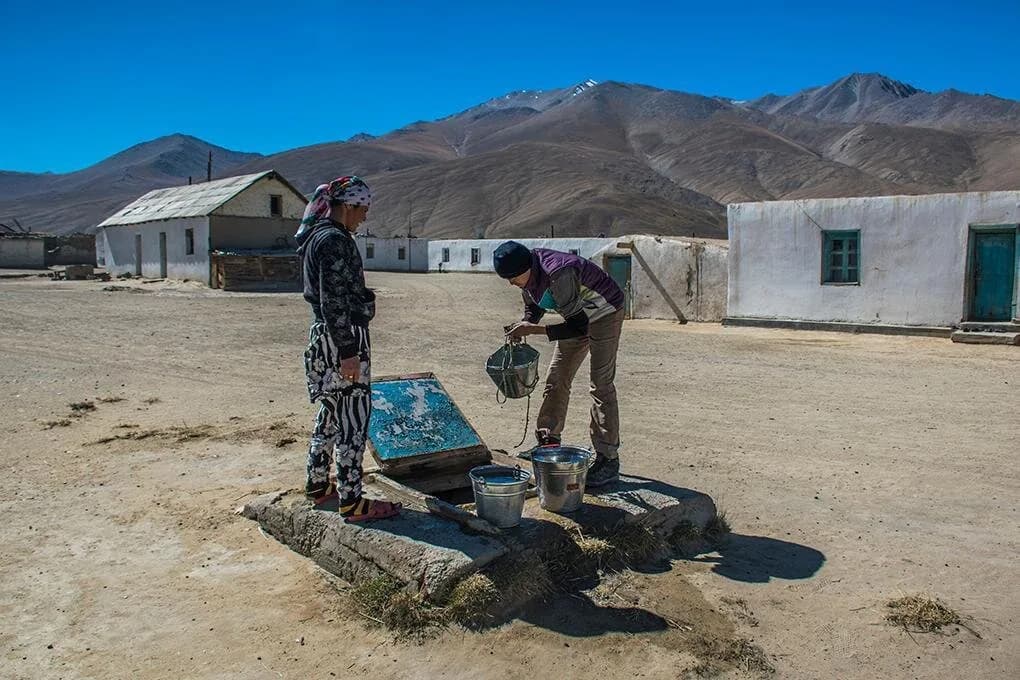
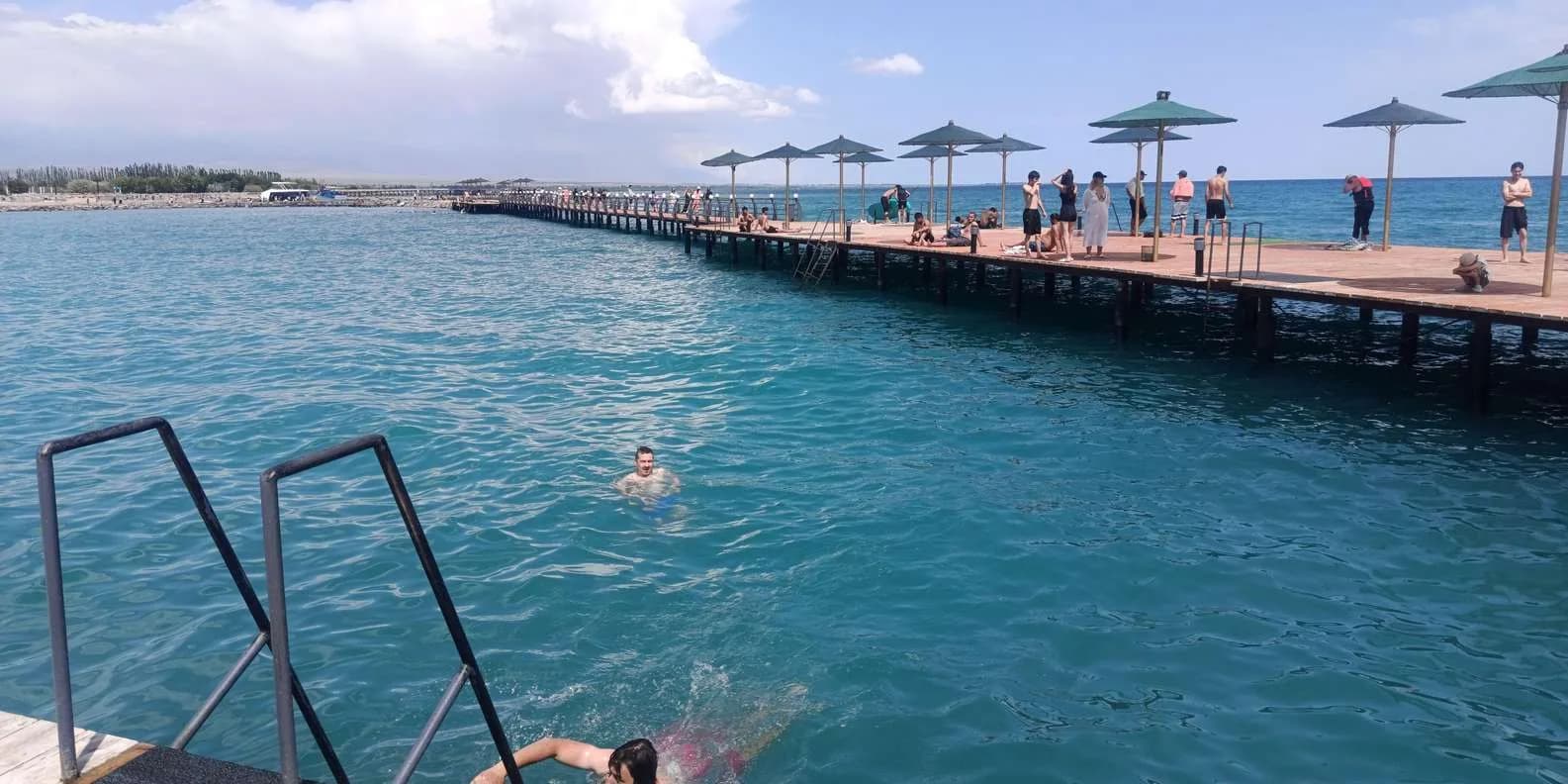
Kyrgyzstan is one of the easier countries in Central Asia for women to travel, including alone. Violent crime against tourists is low, the homestay network puts you in someone's family home rather than an anonymous hotel, and both the UK FCDO and the US State Department rate the country broadly safe as of 2026. The real hazards here are mountain roads, fast-gained altitude and glacier-fed rivers, not men. What women do report is more prosaic: staring, persistent questions and the odd pushy taxi driver, handled with firm politeness rather than fear. This guide covers what to expect socially, how to dress, why homestays are your best friend, and the practical health and transport details worth sorting before you go.
For the gender-neutral version of this advice, read our solo travel in Kyrgyzstan guide alongside this one; there's deliberately little overlap.
Is Kyrgyzstan safe for women, including solo?
Yes, with the same caveats that apply to anyone. Kyrgyzstan is a popular independent and solo destination, especially for trekkers, and the community-based tourism (CBT) homestay network makes solo travel structurally easy. You are usually a guest in a household, not on your own in an empty room, and that changes the whole texture of a trip. Reported experience from women travellers is generally positive, and solo women hitchhiking is common enough to be unremarkable in trekking areas.
Be clear-eyed about what the risk actually is. The realistic ranking for any visitor is: road traffic first by a wide margin, then mountain and altitude accidents, then petty crime and overcharging. Serious crime against tourists is rare. The FCDO carries no Kyrgyzstan-specific warning about harassment of women, though it does flag drink-spiking in Bishkek nightlife venues, with an associated sexual-assault risk. That single, specific warning is worth more of your attention than any vague sense of unease: watch your drink, don't leave it unattended, and be wary of drinking with strangers.
Because the country puts you above 3,000 m fast, more women get caught out by a bad night's sleep at Song-Köl than by anything human. Our dedicated is Kyrgyzstan safe guide breaks the hazards down in full.
What to expect socially: Bishkek vs the south
Kyrgyzstan is a Muslim-majority country (around 90 percent) but a notably relaxed and secular one, and it is not uniform. The difference between north and south is the thing to understand.
Bishkek is cosmopolitan and visibly secular. Women wear what they like, cafés and bars are mixed, and a solo woman drinking coffee or eating out draws no comment. The whole Chuy valley and the Issyk-Köl resort towns feel similar. Karakol, with its Russian and Dungan heritage, is easy-going too.
The south, Osh, Jalal-Abad and Batken, and rural villages everywhere, are more conservative and more observant. You'll see more headscarves, fewer women in bars, and a slightly more formal social code. None of this restricts you, but reading the room, and dressing a notch more modestly, earns goodwill and dodges unwanted attention. One useful piece of etiquette: Kyrgyz men typically don't shake hands with women. A nod, or a hand placed lightly on the heart with a slight bow, is a complete and respectful greeting. Let a woman extend her hand first if she wants to shake.
What to wear
There is no legal dress requirement anywhere in Kyrgyzstan, and no need for a headscarf in daily life. In Bishkek you can wear essentially what you'd wear at home. The adjustments are about context and courtesy, not rules.
| Setting | What works | Notes |
|---|---|---|
| Bishkek, Issyk-Köl towns | Normal Western clothing | Shorts and vests are fine in summer |
| Southern cities, villages | Shoulders and knees covered | A notch more modest earns goodwill |
| Mosques | Long trousers/skirt, covered shoulders, headscarf | Carry a scarf; remove shoes at the threshold |
| Mazars (sacred shrines) | Dress as for a mosque | Don't step on offerings or remove wish-ribbons |
| Trekking / high passes | Layers, sun protection | UV at altitude is fierce; see health below |
Carry a lightweight scarf in your day bag. It covers your head at a mosque or the Sulaiman-Too shrine in Osh, doubles as sun protection on a pass, and adds a layer when a yurt goes cold before dawn. At sacred sites, modest dress is genuine courtesy rather than compulsion; these are active pilgrimage places, not viewpoints.
Homestays and CBT: your best asset
If you take one thing from this guide, make it this: lean on homestays and the community tourism network. They are frequently women-run, warmly hospitable, and the single best way to travel safely and to actually connect with Kyrgyz life. You sleep in a family home, eat with the household, and have a local point of contact who can call a trusted driver, explain a route or flag a problem.
CBT Kyrgyzstan still exists but has faded; most local CBT office websites are dead, and the network is now reachable mainly by WhatsApp (the national number is +996 770 443331), in person, or through third-party listings. In practice the working local organisations are independent destination bodies: Destination Karakol, Destination Jyrgalan and Visit Alay. Walk-in booking is still the norm and still works, especially in a town like Kochkor where operators cluster in the centre selling the same Song-Köl trips.
Expect a yurt stay to be basic and communal: mattresses on the floor around a central stove, a shared dining yurt, and simple washing. Rates are modest, roughly USD 5 to 15 a night for a homestay, and a Song-Köl yurt camp around USD 15 including meals. Ask in advance whether a camp offers beds, seated toilets and a private yurt if those matter to you; it's the biggest comfort variable. Our yurt stays in Kyrgyzstan guide has the full picture.
Practical health and hygiene
A few things are worth sorting before you head anywhere remote, because pharmacies thin out fast once you leave the cities.
Sanitary supplies. Bishkek and Osh pharmacies and supermarkets stock pads and tampons, though tampons are less widely available than pads and choice is limited outside the capital. Stock up before a multi-day trek or any trip into Naryn province or the jailoo, where there are simply no shops. A menstrual cup is worth considering for long treks; just carry enough clean water to manage it. On the trail and at yurt camps, expect squat or pit toilets, or no toilet at all, so pack loo roll, hand sanitiser and a few sealable bags for waste.
Water and stomach. Tap water isn't reliably safe; boil, filter or treat it, and carry a filter or purification tablets for any trek, because clear mountain streams below grazing altitude are contaminated by livestock. Traveller's diarrhoea and giardia are the routine complaints. Bring rehydration salts and a personal medical kit, since rural facilities are basic and the correct response to anything serious is evacuation to Bishkek.
Altitude. This catches more women out than anything else. The standard Bishkek to Song-Köl route takes you from 800 m to sleeping at around 3,016 m in a day, the classic recipe for mild altitude sickness. Build in a night at Kochkor or Naryn first, don't schedule the Ala-Kul pass (about 3,900 m) for the day after arriving from Bishkek, and read our altitude sickness in Kyrgyzstan guide before any high trek.
Sun and cold. UV at 3,000 to 4,000 m with snow reflection is severe. High-factor sunscreen, lip balm, a brimmed hat and proper sunglasses aren't optional on the Ala-Kul pass or at Song-Köl, and snow is possible even in summer. Book travel insurance that explicitly covers trekking to your maximum altitude and helicopter evacuation; standard policies often cap altitude cover at 2,500 to 3,000 m, which excludes most headline Kyrgyz treks.
Getting around: transport for women
Most travel between towns is by marshrutka (shared minibus) or shared taxi, and both are fine with standard precautions. As a woman travelling alone, the front seat of a shared taxi is a reasonable choice, and buying out an extra seat gives you space and control over the pace. Agree the fare before you get in, every time.
In cities, use the Yandex Go app rather than flagging cars off the street. It removes the single most common hassle, taxi overcharging, and gives you a tracked, priced ride. This matters most after dark: walking central Bishkek in the evening is normal, but use an app taxi late at night rather than an unmarked car, and skip unlit side streets. Uneven pavements and open drainage channels are more likely to injure you than any person.
Night intercity travel is a road-safety question more than a personal-safety one. Where you can, travel by day, refuse a driver who is obviously drunk or exhausted, and prefer the 40-minute Bishkek to Osh flight over the 10 to 12-hour, roughly 600 km drive, or the GoBus coach over a night shared taxi. See our getting around Kyrgyzstan guide for routes and current fares.
Handling unwanted attention
Most attention you'll get is curiosity, not menace: staring, questions about whether you're married, and the occasional persistent taxi driver or man in a bazaar. Firm, unsmiling politeness works. A flat, repeated "no", walking on without engaging, and staying in populated areas usually ends it. You don't owe anyone conversation, and wearing a ring or referring to a husband, real or invented, shortens a lot of interactions.
If a situation feels off, step into a shop, café or homestay, or call your guesthouse host; Kyrgyz hospitality means locals will generally help a woman who asks. Save your accommodation's WhatsApp and the emergency numbers (112 unified, 102 police, 103 ambulance) to your phone. The genuinely serious risk is drink-spiking in nightlife, so keep your drink with you and be cautious about invitations from strangers to drink.
Ala-kachuu (bride kidnapping): the facts
You may read alarming things online about ala-kachuu, or "bride kidnapping", so here is the honest position. It is a real and documented practice in Kyrgyzstan, principally rural, that affects some young Kyrgyz women. It is illegal, prohibited since 1997 and carrying a prison penalty, and Kyrgyz activists, lawyers and journalists campaign hard against it. Prevalence figures are contested and unreliable, so treat any single number you see with caution.
Crucially for a visitor: it does not target foreign tourists. Neither the FCDO nor the US State Department lists it as a risk to travellers, because it is embedded in local marriage and kinship structures, not opportunistic abduction of strangers. Sensationalising it as a tourist danger is simply inaccurate, and attributing it to Kyrgyz people in general is both wrong and offensive. Understand it as a serious social issue that belongs to Kyrgyzstan's own public debate, not as something that should shape your travel plans.
Quick do / consider table
| Do | Consider |
|---|---|
| Use Yandex Go, especially after dark | An app taxi over any street-flagged car |
| Stay in women-run homestays and CBT guesthouses | Booking via WhatsApp; walk-in also works |
| Carry a scarf for mosques and shrines | Dressing a notch more modestly in the south |
| Stock up on sanitary supplies before remote treks | A menstrual cup for long trails with no shops |
| Agree taxi fares before getting in | Buying out a seat for space and control |
| Watch your drink in nightlife venues | Declining drinks from strangers outright |
| Insure for your max trekking altitude + evacuation | A satellite messenger for remote treks |
| Learn a Kyrgyz greeting; hand on heart works | Letting elders and women set the greeting |
Travelling empowered, not afraid
Kyrgyzstan rewards women who travel it with confidence. The mountains are extraordinary, the hospitality is genuine, and the practical hazards are the ones you can plan around: sensible transport choices, respect for altitude, and a scarf in your bag. Trust your instincts, lean on the homestay network, and you'll find one of Asia's great trekking countries opens up easily. Start with our Kyrgyzstan travel guide for the big picture, then browse culture and community tours to build a trip around the people who make this country so welcoming.
Chat with a real person — free
Seif and the team reply on WhatsApp 24/7 — trip questions, custom plans and booking help.
Ask Seif on WhatsAppCommon questions
Is Kyrgyzstan safe for solo female travellers?
Broadly yes. Kyrgyzstan is one of the easier Central Asian countries for women, with low violent crime and a homestay network that keeps you within family households rather than alone in hotels. Reported experience is generally positive. The real risks are road traffic, altitude and mountain weather, not crime. Watch your drink in nightlife, use app taxis after dark, and travel by day where you can.
Do I need to wear a headscarf in Kyrgyzstan?
No. There is no legal dress code and no need for a headscarf in daily life, even in the more conservative south. Carry a lightweight scarf only for entering mosques and sacred shrines like Sulaiman-Too, where covered shoulders, long trousers or a skirt, and a covered head are expected. In Bishkek you can dress essentially as you would at home; in villages and the south, covering shoulders and knees is courtesy.
How should I handle staring or unwanted attention?
Firm, unsmiling politeness works. Most attention is curiosity rather than menace: staring, questions about marriage, or a persistent taxi driver. A flat, repeated "no" and walking on without engaging usually ends it. Stay in populated areas, and step into a shop, café or homestay if something feels off. Referring to a husband, real or invented, shortens many interactions. Serious incidents against tourists are rare.
Are homestays a good option for women?
Yes, they are your best asset. Homestays and community tourism guesthouses are often women-run, warmly welcoming, and the safest, most connected way to travel. You sleep in a family home with a local contact who can arrange a trusted driver or explain a route. Book by WhatsApp or simply walk in. Expect basic, communal facilities; rates run around USD 5 to 15 a night, or roughly USD 15 for a Song-Köl yurt with meals.
Can I buy tampons and sanitary products in Kyrgyzstan?
Pads are widely sold in Bishkek and Osh pharmacies and supermarkets; tampons are available but less common and choice is limited outside the capital. Stock up before any multi-day trek or trip into Naryn province and the jailoo, where there are no shops at all. Many women bring a menstrual cup for long trails. Expect squat or pit toilets, or none, on treks, so carry loo roll, hand sanitiser and sealable waste bags.
Is night travel safe for women in Kyrgyzstan?
In cities, use the Yandex Go app rather than flagging street cars, and avoid unlit side streets late at night; walking central Bishkek in the evening is normal. For intercity trips, night travel is mainly a road-safety concern. Travel by day where possible, prefer the 40-minute Bishkek to Osh flight over the long night drive, and choose a GoBus coach over a night shared taxi on longer routes.
Should I worry about bride kidnapping as a tourist?
No. Ala-kachuu (bride kidnapping) is a real, illegal and serious social issue affecting some rural Kyrgyz women, but it does not target foreign tourists. Neither the FCDO nor the US State Department lists it as a risk to travellers, because it is embedded in local kinship structures, not random abduction of strangers. Understand it as part of Kyrgyzstan's own public debate, which local activists campaign against, rather than a reason to alter your plans.
What health items should women pack for Kyrgyzstan?
Bring your own sanitary supplies for remote areas, a water filter or purification tablets, rehydration salts, and a personal medical kit, since rural facilities are basic. Add high-factor sunscreen, lip balm and sunglasses for fierce altitude UV. Buy insurance covering your maximum trekking altitude and helicopter evacuation. Sort altitude acclimatisation into your itinerary, as the fast climb to Song-Köl or the Ala-Kul pass is where most travellers feel unwell.
Is it different travelling in southern Kyrgyzstan?
Yes, somewhat. The south, Osh, Jalal-Abad and Batken, and rural villages generally, are more conservative and observant than secular Bishkek and the Issyk-Köl area. You'll see more headscarves and a slightly more formal social code. Nothing restricts you, but dressing a notch more modestly and reading the room earns goodwill. Kyrgyz men often don't shake hands with women; a nod or a hand on the heart is a complete, respectful greeting.
Book it on This is Kyrgyzstan
Turn this guide into a trip
Kyrgyzstan's bestsellers
The experiences travelers book most, across the country
Keep reading
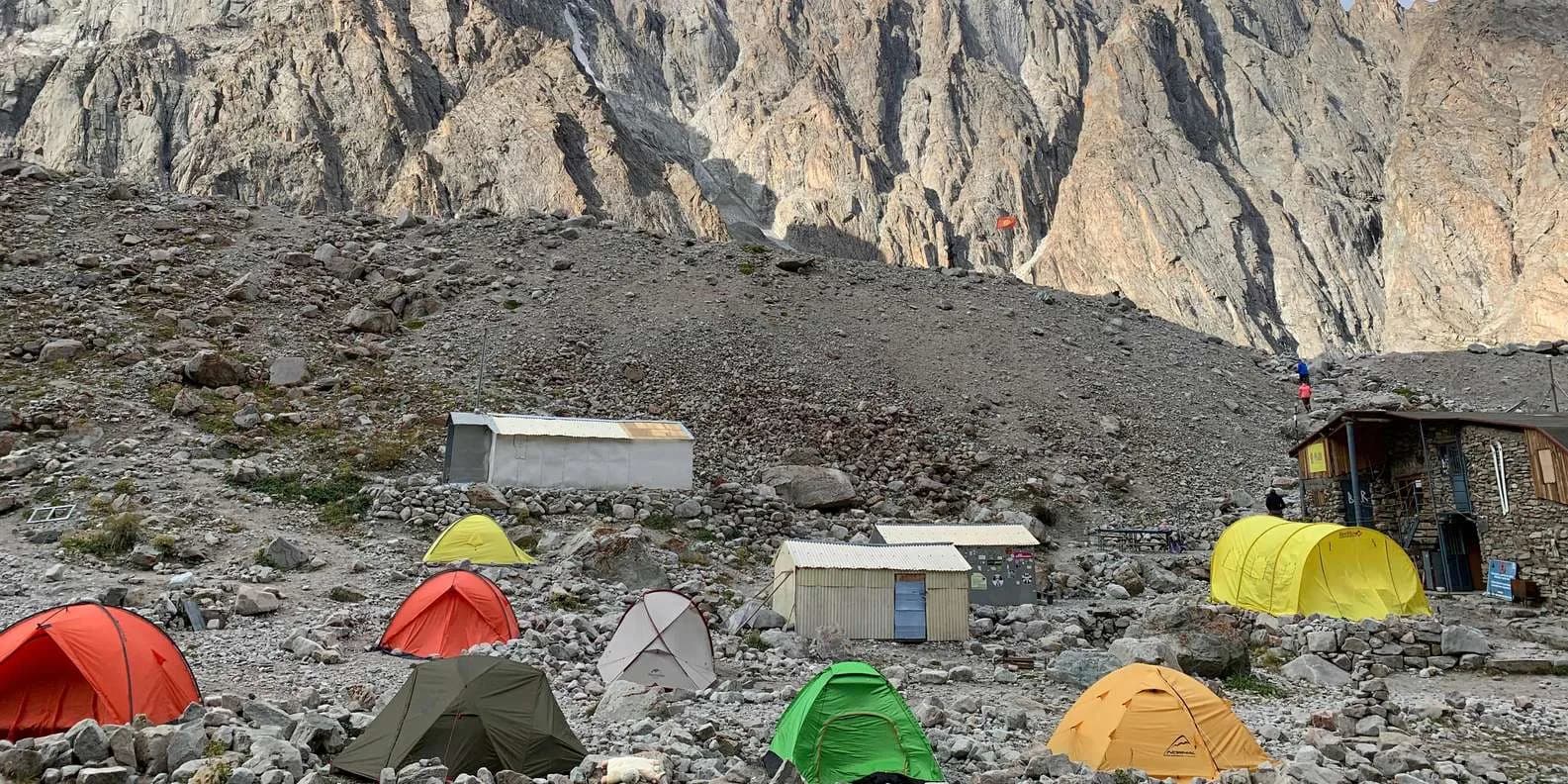
Uchitel Peak: Your First 4,000m Climb (2026)
Pik Uchitel (~4,400-4,600 m) in Ala-Archa is the classic first summit for fit hikers new to mountaineering: route, gear, season and acclimatisation.
By TiK Editors8 min read
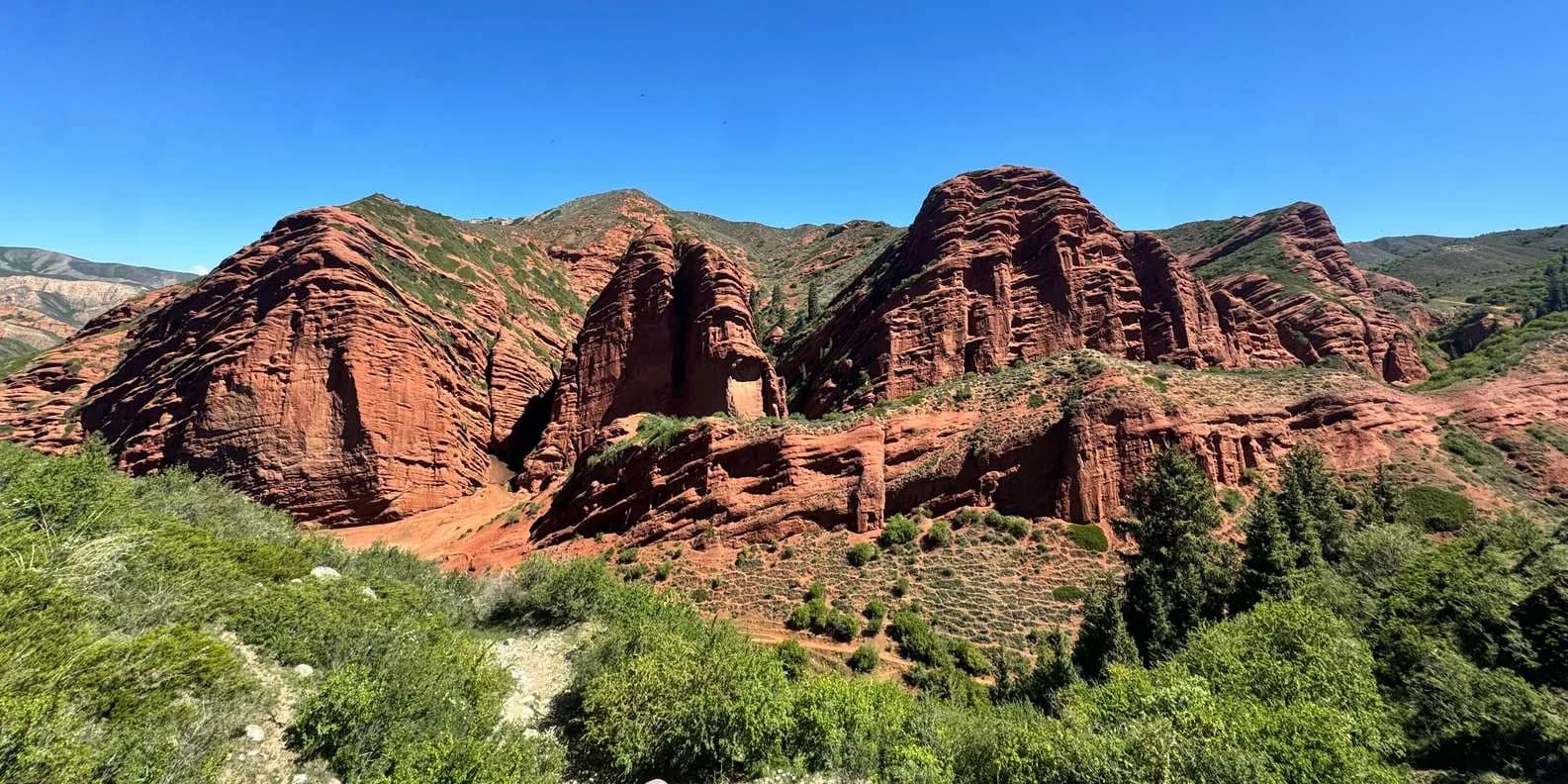
Boz-Uchuk Lakes Trek from Jyrgalan (2026)
A moderate 2–3 day trek to a string of alpine lakes above Jyrgalan — quieter than Karakol's classics, with community yurts, horses and clear DMO rates.
By TiK Editors8 min read
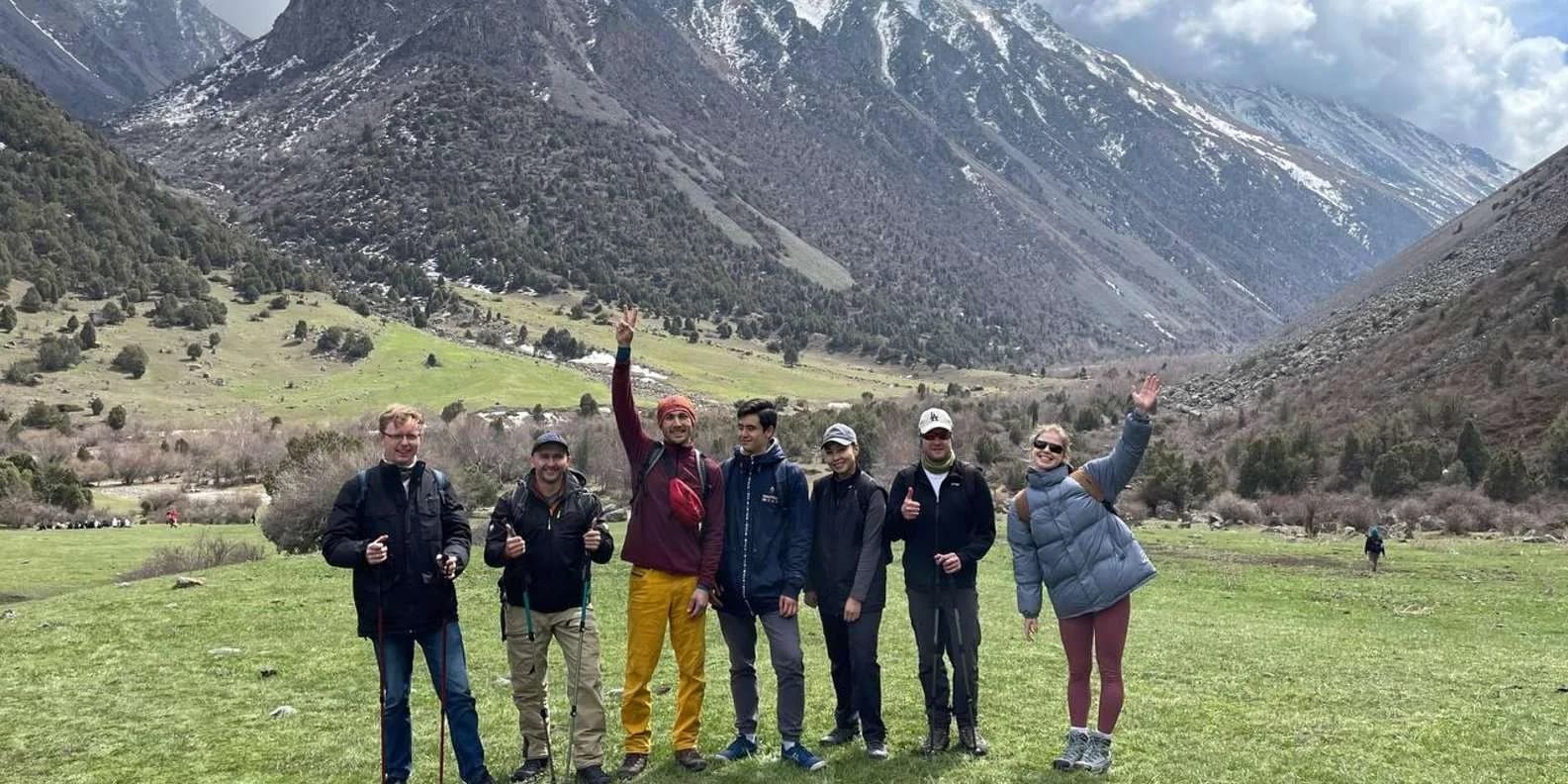
Self-Guided Treks in Kyrgyzstan: Routes & How-To
Yes, you can trek Kyrgyzstan without a guide. The best self-guided routes, the ones to skip, and the maps, water and safety logistics that make it work.
By TiK Editors12 min read