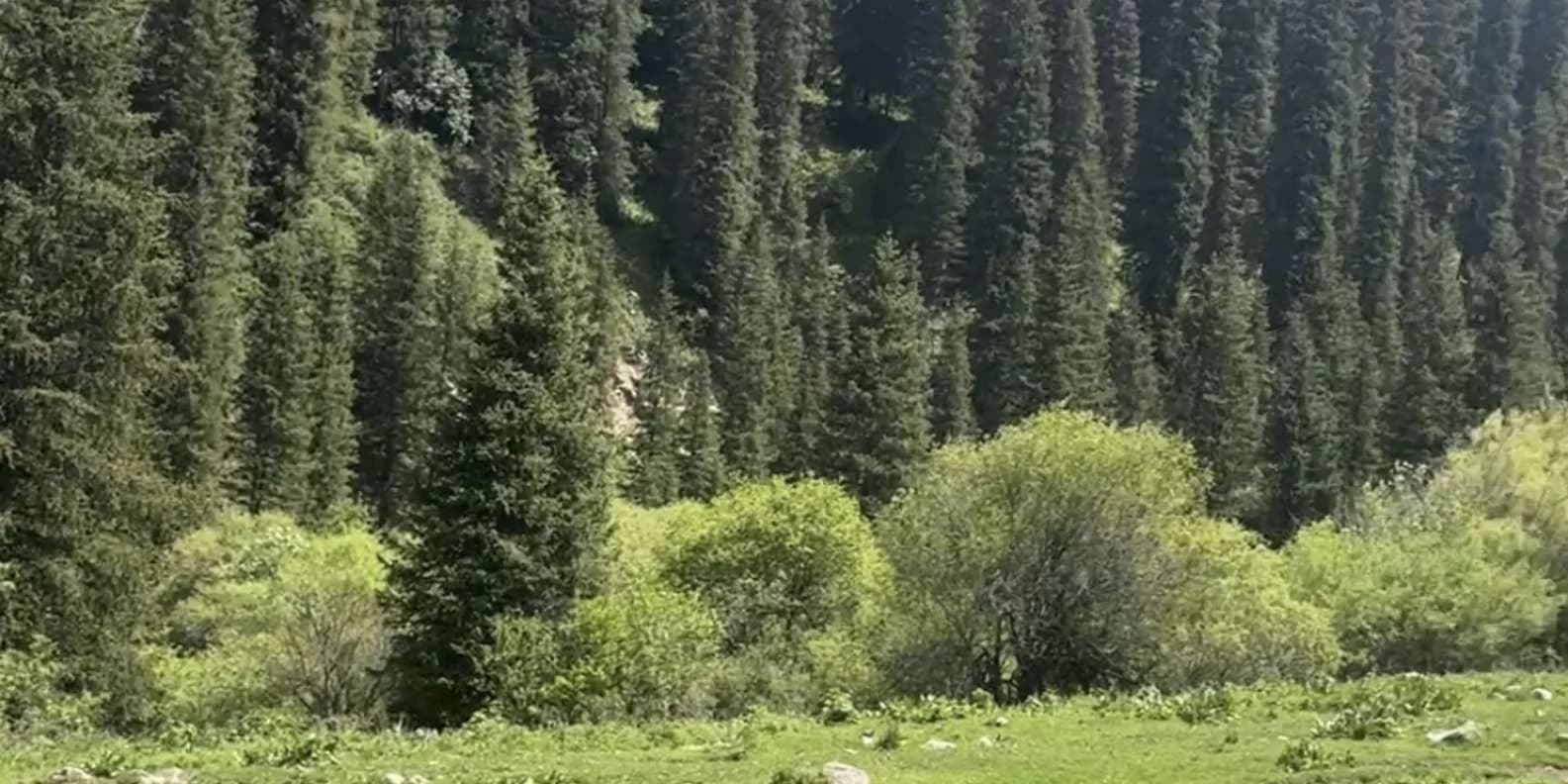
 Image via GetYourGuide
Solo Travel in Kyrgyzstan: A Practical Guide
Is Kyrgyzstan good for solo travel? Yes, and here's how to stay safe, meet people, join Ala-Kol and Song-Kol treks, share costs and get around alone.
Book it on This is Kyrgyzstan
Turn this guide into a trip
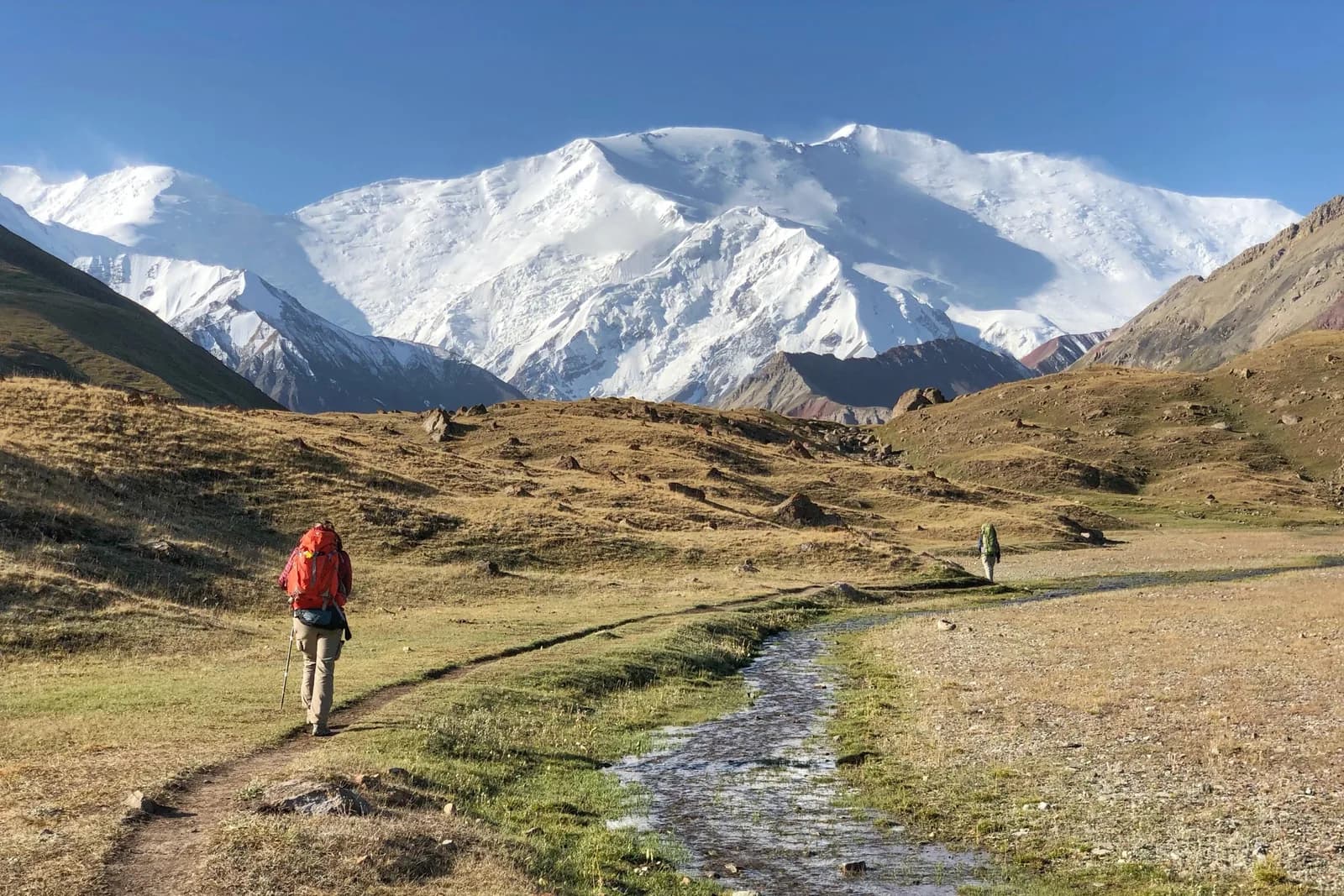
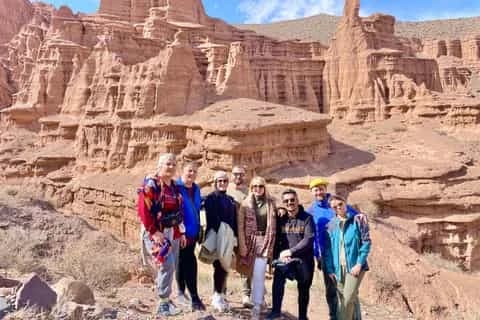
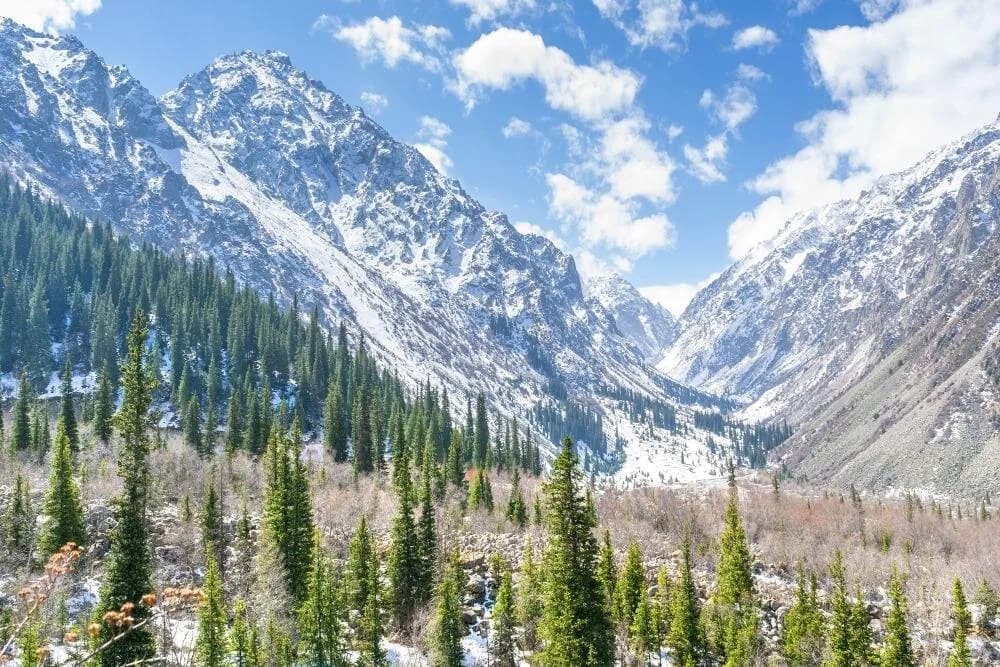
Kyrgyzstan is one of the easier countries in Central Asia to travel alone, and one of the more rewarding. Crime against tourists is low, the homestay network means you are rarely truly by yourself, and trekkers, hitchhikers and first-time solo travellers turn up here every summer without incident. The real risks are not people: they are mountain roads, fast-gained altitude and changeable weather. Plan around those and solo travel here is straightforward, sociable and cheaper than you might fear.
This guide covers whether it is safe, how to meet people, when to join an organised trek versus going independent, how to keep solo costs down, staying connected, language, and a specific advice section for women travelling alone.
Is Kyrgyzstan safe for solo travellers?
Broadly, yes. Both the UK FCDO and the US State Department rate Kyrgyzstan as a normal-precautions destination in 2026, with no "advise against travel" zone anywhere in the country after the March 2025 border settlement with Tajikistan. The US keeps a lower-level caution only for a strip within 30 km of the Tajik frontier in Batken, which is nowhere near any standard route. For the detail, read our dedicated guide to how safe Kyrgyzstan is.
What you actually need to manage is more mundane. Petty crime exists, chiefly bag-snatching and pickpocketing in crowded bazaars, and Osh Bazaar in Bishkek gets named specifically. Taxi overcharging at Manas airport and from street-flagged cars is the most common annoyance, solved entirely by using the Yandex Go app. After dark, use an app taxi rather than walking home alone through unlit side streets, and watch your footing: open drainage channels and broken pavements injure more visitors than any criminal does.
The genuine hazards are environmental. Kyrgyzstan's roads are dangerous by European standards, with a road-death rate several times higher, and 40% of those deaths are pedestrians. Travel by day where you can, wear the seatbelt even if the driver laughs, and refuse to ride with anyone visibly drunk or exhausted. In the mountains, the country puts ordinary tourists above 3,000 m within a day or two of an 800 m capital, which is exactly the profile that causes altitude sickness.
You are rarely actually alone
The structural reason solo travel works here is accommodation. Outside the two big cities you mostly stay in family guesthouses, community homestays and yurt camps, not anonymous hotels. You end up sharing a dinner table, a dining yurt or a shared jeep with other travellers and with the host family, so lone evenings are the exception rather than the rule.
The Community Based Tourism (CBT) network built this. It has shrunk from its 2010s peak to around 15 to 18 local groups and most of its town-level websites are now dead, but the model still works on the ground: you turn up, or message a WhatsApp number, and get matched with a homestay, a driver, a guide or a horse. In Karakol and the Jyrgalan valley the better-funded successor bodies, Destination Karakol and Destination Jyrgalan, have effectively taken over as the front door, and Jyrgalan even has a real online booking cart.
For company on a budget, the practical bases are:
- Bishkek and Karakol hostels and guesthouses — the two towns with a genuine backpacker scene, dorm beds from roughly $8 to $15, and noticeboards and common rooms where people pair up for onward trips.
- Kochkor — the small-town booking hub for Song-Köl, with competing agencies clustered in the centre "all trying to sell you the same tours", which makes it easy to join a filling jeep or a group horse trek on the spot in summer.
- Song-Köl and other jailoo yurt camps — shared sleeping yurts of five to nine people and one communal dining yurt, so you meet everyone over beshbarmak and endless bowls of tea.
Joining an organised trek versus going independent
Kyrgyzstan's headline treks split neatly for a solo traveller, and the choice is mostly about altitude support and cost-sharing rather than crime.
Song-Köl (3,016 m) is the sociable one. No public transport reaches the lake, so almost everyone arrives by shared jeep arranged in Kochkor or Naryn, or on a two-to-three-day horse trek in from Kyzart. A guided ride with yurt nights and all meals runs roughly $50 to $80 a day, and the classic Kyzart–Kilemche–Song-Köl route is a genuine beginner trip: the horses carry total novices over the passes every week of the season. Because camps and jeeps fill with other people, going solo costs you very little extra here.
Ala-Köl (the lake, about 3,500 m; the pass at 3,900 m) is the one to treat with respect. It is where Kyrgyzstan's altitude-sickness cases concentrate, because people cross the pass on day two after arriving in Karakol from Bishkek only a day earlier. You can do the roughly 55 km route fully independently — the trail is well trodden, marshrutka 101 reaches the national-park gate, the park fee is 250 som and no border permit is needed — but do not schedule the pass for the day after you arrive. Give yourself two nights in Karakol first. If you would rather have a guide, group and pack horse, Destination Karakol books them. Either way, see our trekking in Kyrgyzstan guide before you commit to a route.
Going fully independent is realistic on marked routes like Ala-Köl, Altyn-Arashan and the Jyrgalan loops. It is not realistic where you need a horse (you cannot rent one without its owner), where a border permit and local knowledge are required (Kel-Suu, Inylchek, Lenin Peak), or on remote tracks where traffic is a handful of vehicles a day. The FCDO's standard advice holds: do not trek alone in the high mountains, tell someone your return time, and carry insurance that explicitly covers your maximum altitude and helicopter evacuation, because standard policies often cap cover at 2,500 to 3,000 m.
Solo budgeting: where going alone costs more, and how to share
Kyrgyzstan is cheap, but a few costs are built for groups and sting the lone traveller. Anything priced per vehicle — a private driver, a 4x4 to a trailhead, a taxi to Tash Rabat — is the same whether one person or four is in it. The fix is to share.
| Cost | Solo / private | Shared, per person |
|---|---|---|
| Bishkek–Karakol | Shared taxi 1,000–1,500 som | Marshrutka from 500 som; GoBus night coach from 500 som |
| Bishkek–Osh | Shared taxi 1,500–2,500 som per seat | Same, but daytime and buy the front seat |
| Naryn–Tash Rabat | Private taxi ~3,000 som per car | Split the car three or four ways |
| Song-Köl yurt night | Private yurt $35–50 | Shared yurt with three meals $15–25 (budget) |
| Song-Köl access | Charter a jeep | A seat in a filling jeep from Kochkor |
The moves that actually save money: take marshrutkas and the GoBus night coach on the trunk routes; buy a single seat in a shared taxi or jeep that is filling up rather than chartering the whole car; and choose the per-person yurt camps, which have no single supplement, over hotels that do. Homestays and yurt stays run from around $5 to $15 a night at the family end, and a night at a Song-Köl camp including three meals can be as little as $15. For the full breakdown of transport, permits and where money is shared versus solo, our getting around Kyrgyzstan guide goes deeper.
Staying connected
Buy a local SIM or eSIM before you leave the arrivals hall at Manas — remember the airport code changed from FRU to BSZ in August 2025, so check your booking shows the right one. Data is what powers the Yandex Go taxi app and 2GIS, the offline-capable map app locals actually use, and having it is your main defence against airport taxi touts.
Coverage is good in Bishkek, Osh, Karakol and along the main roads and the Issyk-Köl shore, and effectively absent in the valleys where you will do the interesting things. There is no reception, no shop and no cash machine at Song-Köl. Shared long-distance rides are increasingly arranged through Telegram groups rather than at a physical taxi stand, so it helps to have the app. For any multi-day trek off the road network — Ala-Köl, Jyrgalan, the Alay — a satellite messenger such as an inReach is the only reliable way to raise an alarm, since the volunteer mountain-rescue service is basic and phone signal is gone.
Language
Kyrgyz and Russian are both widely used: Russian dominates in Bishkek and the towns, Kyrgyz in the rural south and on the jailoo. English is common in Karakol's tourist scene and in Bishkek hostels, and rare elsewhere. The single most useful preparation is learning to read your destination in Cyrillic, because marshrutka windscreens are labelled in Cyrillic only.
A translation app with the Russian and Kyrgyz packs downloaded for offline use covers most gaps. A few words of Kyrgyz buy real goodwill: salamatsyzby (hello), rakhmat (thank you), jakshy (good). One phrase earns its keep when hitching or taking an informal lift — bez akcha?, "without money?" — because most drivers expect a marshrutka-rate payment and failing to agree it first is the usual cause of arguments.
Solo female travel
Kyrgyzstan is generally comfortable for women travelling alone, and many do, including hitchhiking, which is commonly and safely done here. There is no authoritative safety-score data, so treat any number you see elsewhere as invented, but no government advisory carries a Kyrgyzstan-specific warning about harassment of women. Staring and persistent questions from taxi drivers or in bazaars are reported anecdotally; serious incidents against tourists are not.
The precautions that matter more than anything else are the ordinary ones. Use Yandex Go rather than street cars, especially after dark. The FCDO does flag drink-spiking in nightlife venues, so do not leave a drink unattended or accept one from a stranger. Stay in homestays and guesthouses rather than isolated accommodation — the homestay network is genuinely welcoming to solo women, and being in a family's home is safer and less lonely than a hotel. Agree the price before you get into any car.
On dress, there is no legal requirement and Bishkek is secular and cosmopolitan. Osh and the rural south are noticeably more conservative, and covering your shoulders and knees in villages, in the south and at religious sites such as Sulaiman-Too is simple courtesy. You may hear about ala kachuu, bride kidnapping: it is a real and serious social issue affecting young Kyrgyz women in rural areas, but it does not target foreign tourists and no advisory lists it as a traveller risk. Do not let sensationalist coverage put you off a trip.
A solo itinerary shape
Ten days makes a comfortable first solo loop that builds altitude sensibly and keeps you among other travellers. Land in Bishkek and give yourself a day for a SIM, cash and the bazaars. Head east to Karakol on the GoBus night coach or a shared taxi, spend two nights acclimatising and arranging things, then trek Ala-Köl or the gentler Altyn-Arashan valley. Come back along Issyk-Köl, then cut south via Kochkor to a night in a Song-Köl yurt camp, sharing a jeep in and out. Return to Bishkek with a day in hand as a buffer against a weather-closed road. For a fuller day-by-day version you can adapt, see our 10-day Kyrgyzstan itinerary, and for the accommodation that makes solo travel sociable, our yurt stays guide explains what to expect and how to pick a camp.
Kyrgyzstan rewards the solo traveller who leans into the homestay-and-shared-jeep way of moving. Browse trekking tours if you would rather join a group for the mountain days, and keep the rest independent.
Chat with a real person — free
Seif and the team reply on WhatsApp 24/7 — trip questions, custom plans and booking help.
Ask Seif on WhatsAppCommon questions
Is Kyrgyzstan safe to travel alone?
Yes, for most travellers. Crime against tourists is low and there is no advise-against-travel zone anywhere in the country as of 2026. The real risks are road traffic, altitude and mountain weather, not people. Use the Yandex Go app instead of street taxis, take an app taxi after dark, watch your bag in bazaars, and manage altitude carefully on high treks. Solo travellers turn up here every summer without incident.
How do I meet people if I travel Kyrgyzstan solo?
Base yourself in hostels and guesthouses in Bishkek and Karakol, where dorms and common rooms make it easy to pair up for onward trips. Kochkor is the small-town hub where you can join a filling jeep or a group horse trek to Song-Köl on the spot. Homestays and shared yurt camps put you at a communal table with other travellers and the host family, so lone evenings are rare.
Can I join a trek in Kyrgyzstan as a solo traveller?
Easily. Song-Köl horse treks and Ala-Köl hikes are both booked solo all season, and camps and shared jeeps fill with other people. A guided Song-Köl ride with yurt nights and meals runs about $50 to $80 a day. Ala-Köl can be done fully independently on a marked trail, but give yourself two nights in Karakol first because its 3,900 m pass is where altitude sickness concentrates.
Does solo travel in Kyrgyzstan cost more?
Only for anything priced per vehicle, like a private driver, a 4x4 to a trailhead or a taxi to Tash Rabat, which costs the same whether one or four people ride. Share it: buy a single seat in a filling shared taxi or jeep rather than chartering, take marshrutkas and the GoBus night coach, and choose per-person yurt camps, which have no single supplement. Homestays run from roughly $5 to $15 a night.
Is Kyrgyzstan safe for solo female travellers?
Generally yes, and many women travel here alone, including hitchhiking. No government advisory carries a Kyrgyzstan-specific harassment warning, though the FCDO flags drink-spiking in nightlife. Use Yandex Go rather than street cars, do not leave drinks unattended, stay in the welcoming homestay network, and agree car prices in advance. Dress modestly in the conservative south, in villages and at religious sites; there is no legal dress requirement.
What language do I need to travel Kyrgyzstan alone?
Russian dominates in Bishkek and the towns, Kyrgyz in the rural south and on the jailoo, and English is common only in Karakol's tourist scene and Bishkek hostels. Learn to read Cyrillic, because marshrutka signs use it exclusively. Download offline Russian and Kyrgyz translation packs, and a few Kyrgyz words like rakhmat (thank you) go a long way with hosts.
Will I have phone signal and internet as a solo traveller?
In Bishkek, Osh, Karakol and along the main roads and Issyk-Köl, yes; buy a SIM or eSIM at Manas airport (now coded BSZ, not FRU). Coverage disappears in the mountain valleys, and there is no signal, shop or cash machine at Song-Köl. For multi-day treks like Ala-Köl or Jyrgalan, carry a satellite messenger, because mountain rescue is basic and you cannot rely on a phone to call for help.
Should I book treks in advance or arrange them on arrival?
For most trips you can arrange things on the ground, and it is often cheaper. Kochkor and Karakol have agencies you can walk into and join a group within a day in summer, and yurt camps rarely fill. Book ahead for peak July and August horse-trek weeks, for anything needing a border permit (allow about two weeks), and for car or motorbike hire, which does sell out.
Is hitchhiking a realistic way to get around solo?
On trunk roads, yes, and it is socially normal and reported as viable for solo women, with waits often shorter than for a marshrutka to fill. But most drivers expect a marshrutka-rate payment, so agree it first by asking bez akcha? (without money?). On remote tracks to places like Song-Köl or Kel-Suu, traffic can be a few vehicles a day, so treat hitching there as a gamble, not a plan.
Book it on This is Kyrgyzstan
Turn this guide into a trip
Kyrgyzstan's bestsellers
The experiences travelers book most, across the country
Keep reading
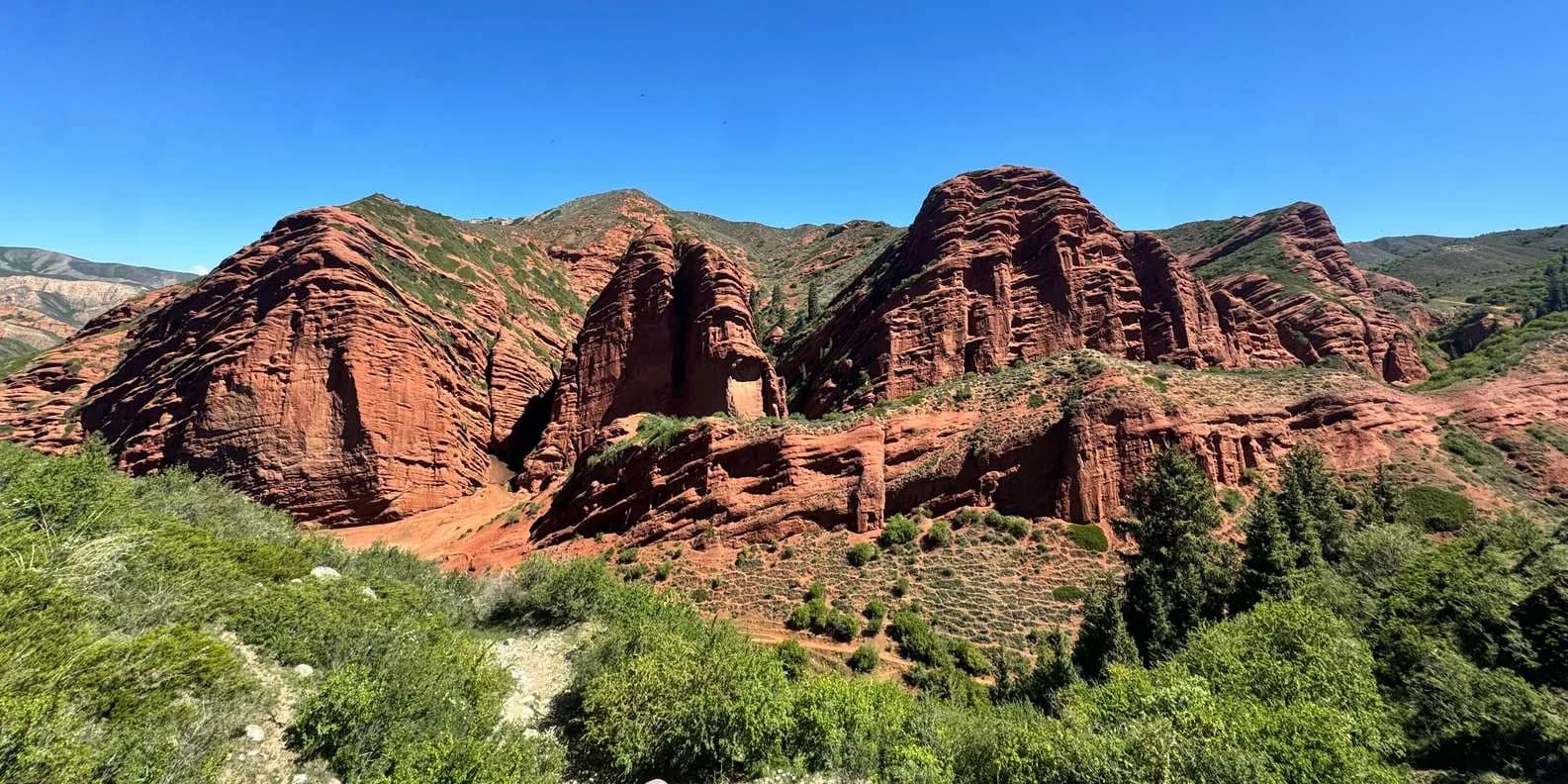
Boz-Uchuk Lakes Trek from Jyrgalan (2026)
A moderate 2–3 day trek to a string of alpine lakes above Jyrgalan — quieter than Karakol's classics, with community yurts, horses and clear DMO rates.
By TiK Editors8 min read
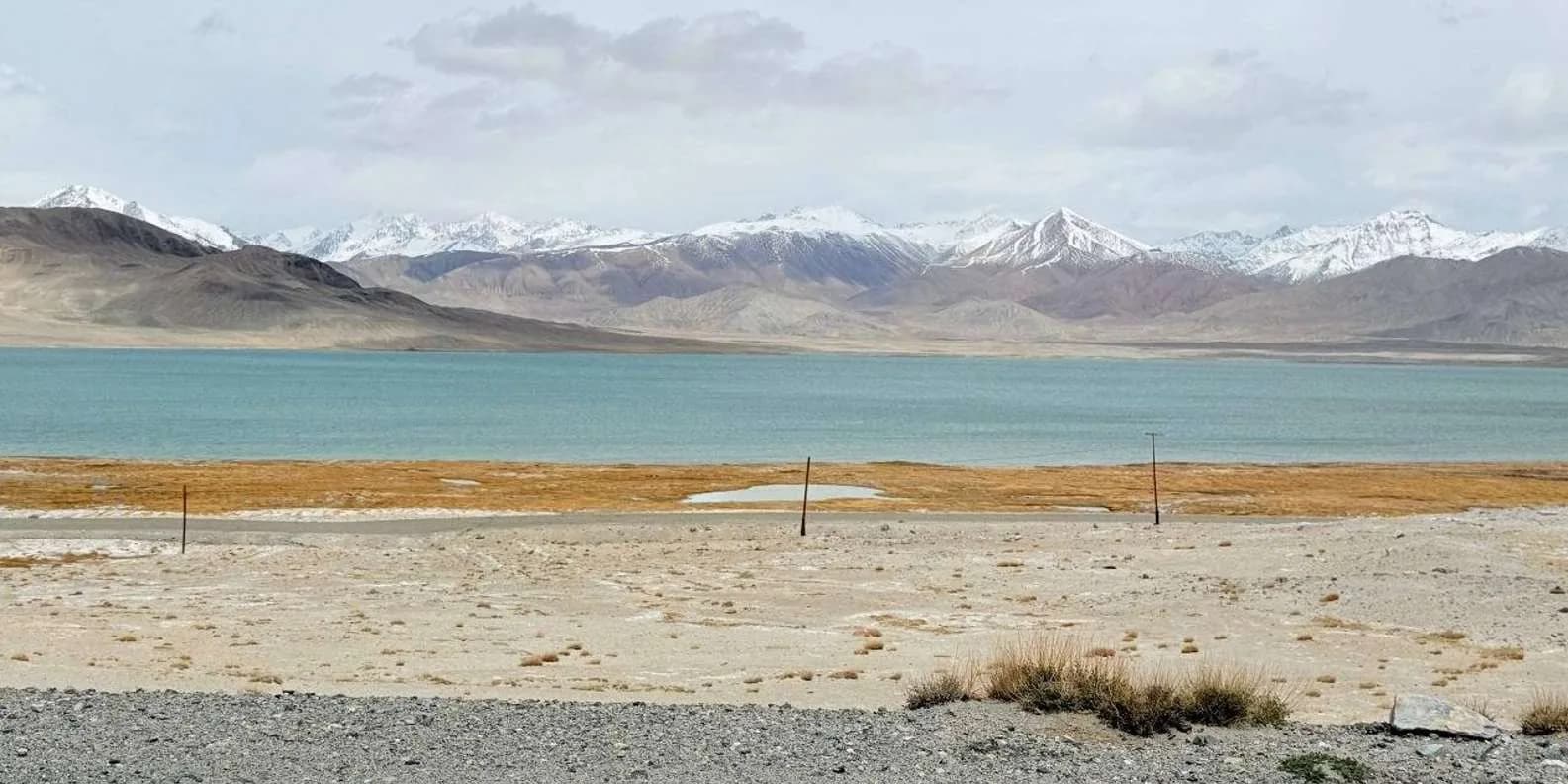
Tian Shan Traverse: Bikepacking Kyrgyzstan
The Tian Shan Traverse is a self-supported, mostly off-road bikepacking route of about 1,000 km across the high Kyrgyz mountains. Here's how to plan it.
By TiK Editors9 min read
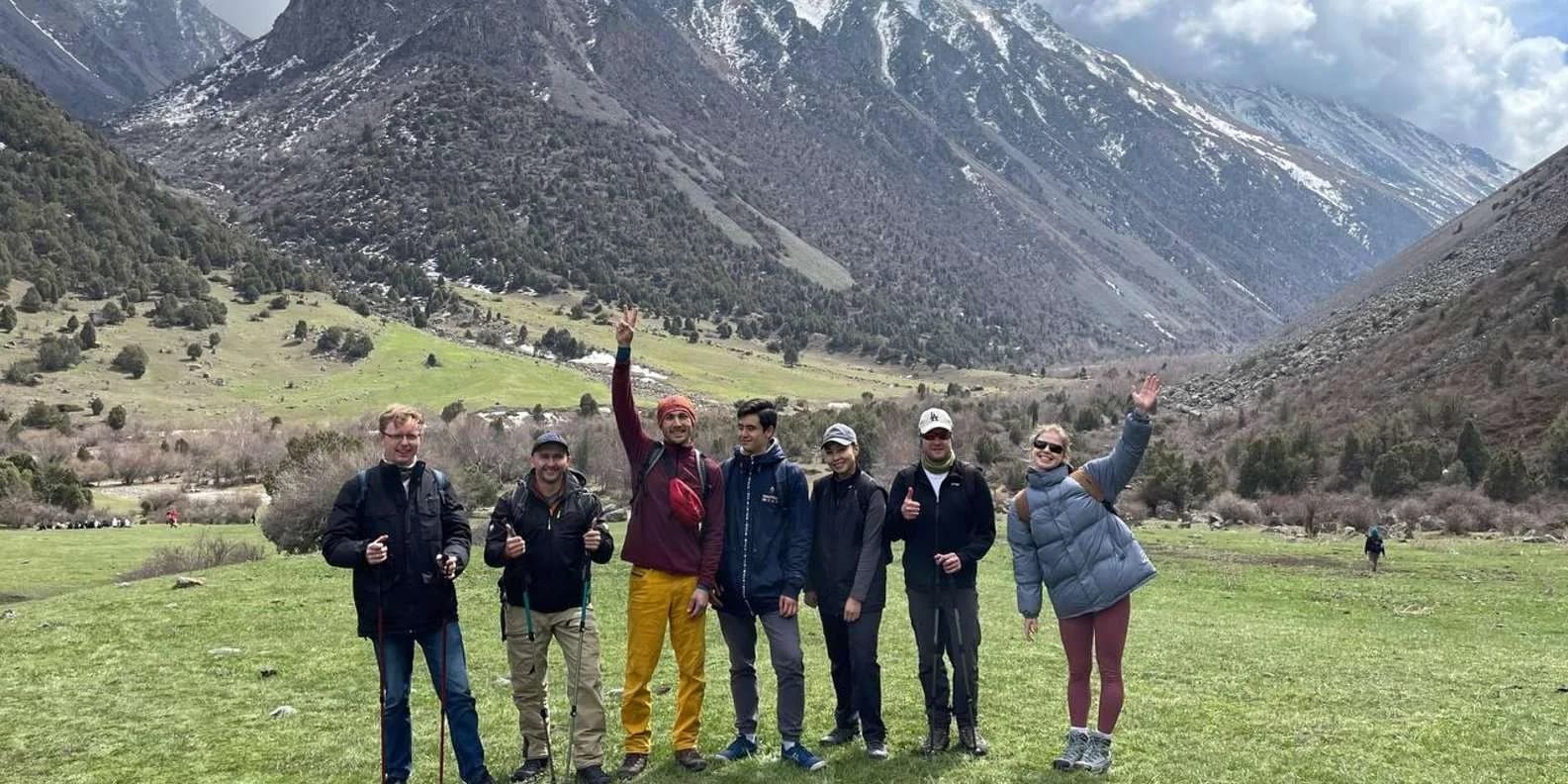
Self-Guided Treks in Kyrgyzstan: Routes & How-To
Yes, you can trek Kyrgyzstan without a guide. The best self-guided routes, the ones to skip, and the maps, water and safety logistics that make it work.
By TiK Editors12 min read