 Image via GetYourGuide
Skiing in Kyrgyzstan: Resorts, Season & Costs (2026)
Where to ski and snowboard in Kyrgyzstan — Karakol, Suusamyr freeride, Jyrgalan touring and Bishkek's beginner hills, plus season, costs and safety.
Book it on This is Kyrgyzstan
Turn this guide into a trip
Kyrgyzstan is Central Asia's best-value winter mountain destination: cold, dry Tien Shan powder, empty pistes and prices a fraction of the Alps or Japan. The season runs roughly from late November to late March, with January and February the reliable heart of it. Karakol is the main resort — the best lifts, the most terrain and the natural base — while Suusamyr and Jyrgalan draw freeriders and ski tourers, and a couple of small hills near Bishkek serve beginners. This is a trip for adventurous intermediates and powder hounds, not for families wanting polished, resort-village convenience.
If you already know the country in summer, you'll recognise the trade-off: raw, uncrowded mountains in exchange for rough edges. Winter sharpens both. For the wider picture, start with our Kyrgyzstan travel guide; this page is about the snow.
Why ski Kyrgyzstan
The pitch is simple. A day on the lifts at Karakol costs less than a coffee-and-cake stop in Chamonix, the terrain up top is genuinely steep, and the snow is light continental powder because the air is so dry. Lines are short, lift queues are usually non-existent, and a guided backcountry or cat-skiing day here costs what a single lift ticket does in Europe.
The honest counterweight: lifts are older and slower, grooming is patchy, on-mountain food and English are limited, and the whole thing feels more like a mountaineering base than a ski resort. Piste marking and avalanche control are not Alpine-standard. You come for the terrain and the value, not for the polish. If you want ski-in ski-out hotels, kids' clubs and reliable après, Kyrgyzstan will frustrate you.
The resorts and areas at a glance
| Area | Near | Type | Top elevation | Lifts | Best for |
|---|---|---|---|---|---|
| Karakol Ski Base | Karakol (7 km) | Lift resort | ~3,040 m | Chairs + drags | Everyone; the all-rounder |
| Suusamyr valley | Bishkek (over Töö-Ashuu) | Freeride / cat-ski | High valley | Snowcat / minimal | Powder, off-piste, cat-skiing |
| Jyrgalan | Karakol (~60 km) | Ski touring | Backcountry | None | Splitboard & touring |
| Boz-Uchuk | Karakol area | Ski touring | Backcountry | None | Quiet touring lines |
| Töö-Ashuu | Bishkek (M41) | Off-piste | ~3,100 m+ | Simple lift | Steep, snow-sure off-piste |
| ZiL / Chunkurchak | Bishkek (~40 km) | Beginner / day | ~2,200 m | Drags + chair | Learners, day trips |
Karakol — the main event
The Karakol Ski Base sits about 7 km above Karakol town (itself around 1,700 m), on the forested northern flank of the Terskey Ala-Too above the eastern end of Lake Issyk-Köl. It's the country's most developed resort, with more than 20 marked runs and a top station near 3,040 m. The lower runs are mellow blues through spruce; higher up you get open bowls and steeper, tree-lined pitches that hold cold snow well into the afternoon. The off-piste and short hikes from the top lift are the real draw for confident skiers.
Karakol works as a year-round mountain town — a trekking hub in summer, a ski town from December to March — so you get proper guesthouses, cafés, gear shops and a walkable centre, which no other Kyrgyz ski area offers. It's the only place here you could plan a week around.
Suusamyr — freeride and cat-skiing
The Suusamyr valley, reached from Bishkek over the Töö-Ashuu pass (the road tunnel beneath it sits at about 3,120 m), is the freeride and powder destination. There's little in the way of lifts; the terrain is accessed by snowcat, on foot, or on longer trips by helicopter. This is where Kyrgyzstan's reputation for waist-deep, feather-light powder is earned. It's remote, weather-dependent and best organised as a guided multi-day trip rather than a day out — plan it as an expedition.
Jyrgalan and Boz-Uchuk — ski touring country
Jyrgalan, a former coal-mining village roughly 60 km east of Karakol, has reinvented itself as Kyrgyzstan's ski-touring and splitboard hub. There are no alpine lifts: you earn your turns, usually with a local guide, on open alpine bowls and through birch and spruce. Guided freeride days run around US$40–60. The nearby Boz-Uchuk valley offers similar quiet touring lines. Both need avalanche awareness, kit and, realistically, a guide who knows the aspects.
Töö-Ashuu — steep off-piste
Near the Töö-Ashuu tunnel on the Bishkek–Osh highway, a simple lift and snowcat serve steep, high, snow-sure off-piste slopes. It's a favourite quick hit for Bishkek locals chasing powder on a clear day. There's no resort infrastructure to speak of — it's terrain, not a village.
ZiL, Chunkurchak and Toguz-Bulak — the Bishkek hills
Closest to the capital are the small hills in and around the Chunkurchak valley, about 40 km south of Bishkek. ZiL, at roughly 1,850–2,200 m, is the classic beginners' and day-tripper's hill; Toguz-Bulak and other Chunkurchak slopes add a few more gentle runs and a rope-tow-and-chair mix. These are where Bishkek families learn and where you'd spend a low-key afternoon, not where you'd base a ski holiday.
When to go
Ski season is roughly late November to late March, occasionally stretching with dry powder into April at altitude. The sweet spot is January and February.
| Period | Conditions | Notes |
|---|---|---|
| Late Nov–Dec | Base building, cold, dry powder | Early season; some upper terrain not open |
| January | Best powder month, coldest | Deep cold snow; short days, dress for −20 °C |
| February | Peak season, deepest base (~2–4 m) | Most reliable all-round conditions |
| March | Softening, corn snow arriving | Sunnier, longer days; spring snow lower down |
January delivers the driest, deepest powder but the fiercest cold — Karakol's January runs from roughly −14 °C at night to −5 °C by day, and it's colder up on the mountain. February brings the deepest base and the most dependable conditions. March turns sunnier and softer, better for cruising and beginners than for powder. Snow and conditions change fast, so check locally before you commit. Our best time to visit Kyrgyzstan guide sets the winter window in the context of the whole year.
What it costs
Everything is cheap by global standards, but bring cash: lift tickets, rental shops, guesthouses and mountain cafés are cash-only, and there are no ATMs at the ski bases. Draw a float of som in Karakol or Bishkek first. Rates below are indicative planning figures — confirm on the day, as prices move and weekend pricing wasn't reliably published.
| Item | Som | USD (≈87–88 KGS/$1) |
|---|---|---|
| Karakol lift pass, weekday | ~1,400 KGS | ~$15–20 |
| Ski or snowboard + boots + poles, per day | ~600–1,300 KGS | ~$7–15 |
| Jyrgalan guided freeride day | — | ~$40–60 |
| Guesthouse, Karakol, per night | ~3,000–4,800 KGS | ~$35–55 |
| Instruction (Karakol) | varies | ask on the day |
Lessons are available at Karakol but published rates are thin — agree a price before you book. Cat-skiing in Suusamyr and any heliskiing cost far more than a lift day and are quoted per group or per run by specialist operators; get a written quote rather than trusting a ballpark. For how these figures fit a wider trip budget, and how som and cards work here, see getting around Kyrgyzstan.
Ski touring, cat-skiing and heliskiing
Beyond the lifts, Kyrgyzstan is a serious backcountry destination. Ski touring and splitboarding centre on Jyrgalan and Boz-Uchuk, where guided operators run day tours and multi-day hut-to-hut trips through untracked terrain. Cat-skiing is the Suusamyr speciality, a snowcat hauling you up for repeated powder laps without the cost of a helicopter. Heliskiing exists too, run by a handful of operators in the Suusamyr and wider Tien Shan ranges, and it's the priciest option by a wide margin.
For all three, book through an established operator with local avalanche knowledge. This is not terrain to freelance: slopes are unpatrolled, there's no piste control, and rescue is limited. A guide, avalanche transceiver, probe and shovel are the minimum, and your guide should be checking the snowpack, not just the map.
Gear and rental standards
You can rent skis, snowboards, boots and poles at Karakol and, more limitedly, at the Bishkek hills, for roughly 600–1,300 KGS a day. The gear is serviceable rather than shiny — expect older skis and a limited spread of sizes, especially in larger boots. If you have particular boots or a specific setup you rely on, bring your own; if you're a casual skier, the rental fleet is fine.
For backcountry, don't count on hiring avalanche safety kit locally. Bring your own transceiver, probe and shovel, or confirm in advance that your guide or operator supplies them. Pack for real cold: January on the mountain is brutal, and Kyrgyzstan's high, dry sun means goggles, high-factor sunscreen and lip balm even on grey days. Layers, spare gloves and hand warmers earn their place.
Getting there and where to stay
Fly into Bishkek's Manas airport (its code changed from FRU to BSZ in 2025), then travel overland. There are no ski trains and no resort transfers of the Alpine kind.
For Karakol, it's a 6–7 hour road trip east from Bishkek along the north shore of Issyk-Köl. The GoBus express coach is the comfortable budget pick at around 450 KGS ($5); shared marshrutkas and taxis also run the route. Base yourself in Karakol town, not at the ski base — the guesthouses, food and atmosphere are all in town, and a short taxi or shuttle links you to the lifts each morning. Budget rooms start around €16–20, comfortable guesthouses run $35–55. The town also puts Jyrgalan, Boz-Uchuk and the frozen-lake scenery of Issyk-Köl within reach.
For the Bishkek hills and Suusamyr, base in Bishkek and day-trip (ZiL, Chunkurchak) or join an organised multi-day trip (Suusamyr). Suusamyr has limited, basic lodging, usually arranged as part of a guided package.
Is it safe?
Kyrgyzstan is a safe country for travellers, and the winter risks are environmental, not human. The two that matter are avalanches and road conditions. The FCDO flags a high risk of avalanches, landslides and rockfall in the mountains, and mountain rescue is a limited, volunteer service with basic equipment — there is no Alpine-style helicopter rescue on call (the 24-hour mountain rescue line is +996 312 651 404). Off-piste and backcountry skiing here demand avalanche training, the right kit and a competent guide.
Buy travel insurance that explicitly covers off-piste and backcountry skiing to your intended altitude, plus helicopter evacuation and repatriation — standard ski policies often exclude exactly the terrain you've come for. Roads can be snowbound and drivers hurried, so travel by day and don't rush the transfer. Our is Kyrgyzstan safe guide covers the wider picture.
Who Kyrgyzstan skiing suits
This is a trip for adventurous intermediates and advanced skiers, powder-seekers, ski tourers and splitboarders happy to trade comfort for terrain and value. If you can ski a red confidently, handle cold, and don't need everything laid on, you'll have a brilliant, cheap week with the mountain largely to yourself.
It suits families and nervous beginners far less well. The learning terrain is thin, lessons and English are limited, and the infrastructure isn't built around keeping children entertained off the snow. First-timers can find their feet at ZiL or on Karakol's lower runs, but a family wanting a polished, all-inclusive week is better served elsewhere. Come to Kyrgyzstan for the snow and the adventure, and take the rough edges as part of the deal.
Ready to build a winter trip around it? Browse what's on around the lake and the Karakol mountains on our Issyk-Köl destination hub and start planning.
Chat with a real person — free
Seif and the team reply on WhatsApp 24/7 — trip questions, custom plans and booking help.
Ask Seif on WhatsAppCommon questions
When is the ski season in Kyrgyzstan?
The ski season runs roughly from late November to late March, sometimes stretching into April at altitude. January is the best powder month, with the driest, deepest and coldest snow, while February brings the deepest base (around 2–4 m) and the most reliable all-round conditions. March turns sunnier and softer, with spring corn snow. Always check conditions locally before you travel, as snowfall varies year to year.
Is Karakol a good ski resort?
Karakol is Kyrgyzstan's best ski resort and the natural base for a trip. It has more than 20 marked runs, a top station near 3,040 m, and genuinely steep off-piste and tree lines that hold cold powder. Lifts are older and grooming is patchy by Alpine standards, but the terrain, the light snow, the near-empty slopes and the low prices more than compensate. It's the only Kyrgyz ski area with a proper town of guesthouses and cafés attached.
How much does skiing in Kyrgyzstan cost?
Skiing here is very cheap by global standards. A Karakol weekday lift pass is around 1,400 KGS (about $15–20), and a full ski or snowboard rental runs roughly 600–1,300 KGS ($7–15) a day. A Jyrgalan guided freeride day is about $40–60. Cat-skiing and heliskiing in Suusamyr cost far more and are quoted by operators. Bring cash: the ski bases are cash-only with no ATMs, so draw som in town first.
Can you go heliskiing or cat-skiing in Kyrgyzstan?
Yes. The Suusamyr valley, reached from Bishkek over the Töö-Ashuu pass, is the country's freeride hub, offering cat-skiing (a snowcat shuttling you up for powder laps) and, through a few specialist operators, heliskiing across the Tien Shan. Both access untracked, unpatrolled terrain and are best arranged as guided multi-day trips. Heliskiing is the most expensive option by a wide margin. Always book through an established operator with local avalanche knowledge and get a written quote.
Is Kyrgyzstan good for beginners and families?
Less so than it is for confident skiers. First-timers can learn at ZiL and the Chunkurchak hills near Bishkek, or on Karakol's lower blue runs, but instruction, English and family infrastructure are all limited. There are no kids' clubs or ski-in lodges, and much of the appeal is steep off-piste. Adventurous intermediates and powder-seekers thrive here; families wanting a polished, all-inclusive resort week will be happier in the Alps.
Is backcountry skiing in Kyrgyzstan safe?
The backcountry is world-class but demands respect. Avalanche risk is high, slopes are unpatrolled, and there is no Alpine-style helicopter rescue — mountain rescue is a limited volunteer service (24-hour line +996 312 651 404). Never ski off-piste without avalanche training, a transceiver, probe and shovel, and a competent local guide. Buy insurance that explicitly covers off-piste skiing to your altitude plus helicopter evacuation, since standard ski policies often exclude it.
How do you get to Karakol for skiing?
Fly into Bishkek's Manas airport (code BSZ since 2025), then travel overland about 6–7 hours east along the north shore of Lake Issyk-Köl. The GoBus express coach is the comfortable budget option at around 450 KGS ($5); shared marshrutkas and taxis also run the route. Base yourself in Karakol town rather than at the ski base, and take a short taxi or shuttle up to the lifts each morning. There are no direct resort transfers.
Can you rent ski gear, and is it any good?
Yes, you can rent skis, snowboards, boots and poles at Karakol and, more limitedly, at the Bishkek hills, for roughly 600–1,300 KGS a day. The gear is serviceable rather than new — expect older equipment and a limited range of sizes, especially in larger boots. Casual skiers will be fine; if you rely on a specific setup or boots, bring your own. Don't count on hiring avalanche safety kit locally — bring or pre-arrange it.
Where should you stay for a Karakol ski trip?
Stay in Karakol town, not at the ski base. The base has almost no lodging, whereas the town has guesthouses, cafés, gear shops and a walkable centre, with the lifts a short taxi ride away. Budget rooms start around €16–20 and comfortable guesthouses run $35–55 a night. Staying in town also puts Jyrgalan, Boz-Uchuk and the frozen shoreline of Issyk-Köl within easy reach for touring and days off.
Book it on This is Kyrgyzstan
Turn this guide into a trip
Kyrgyzstan's bestsellers
The experiences travelers book most, across the country
Keep reading
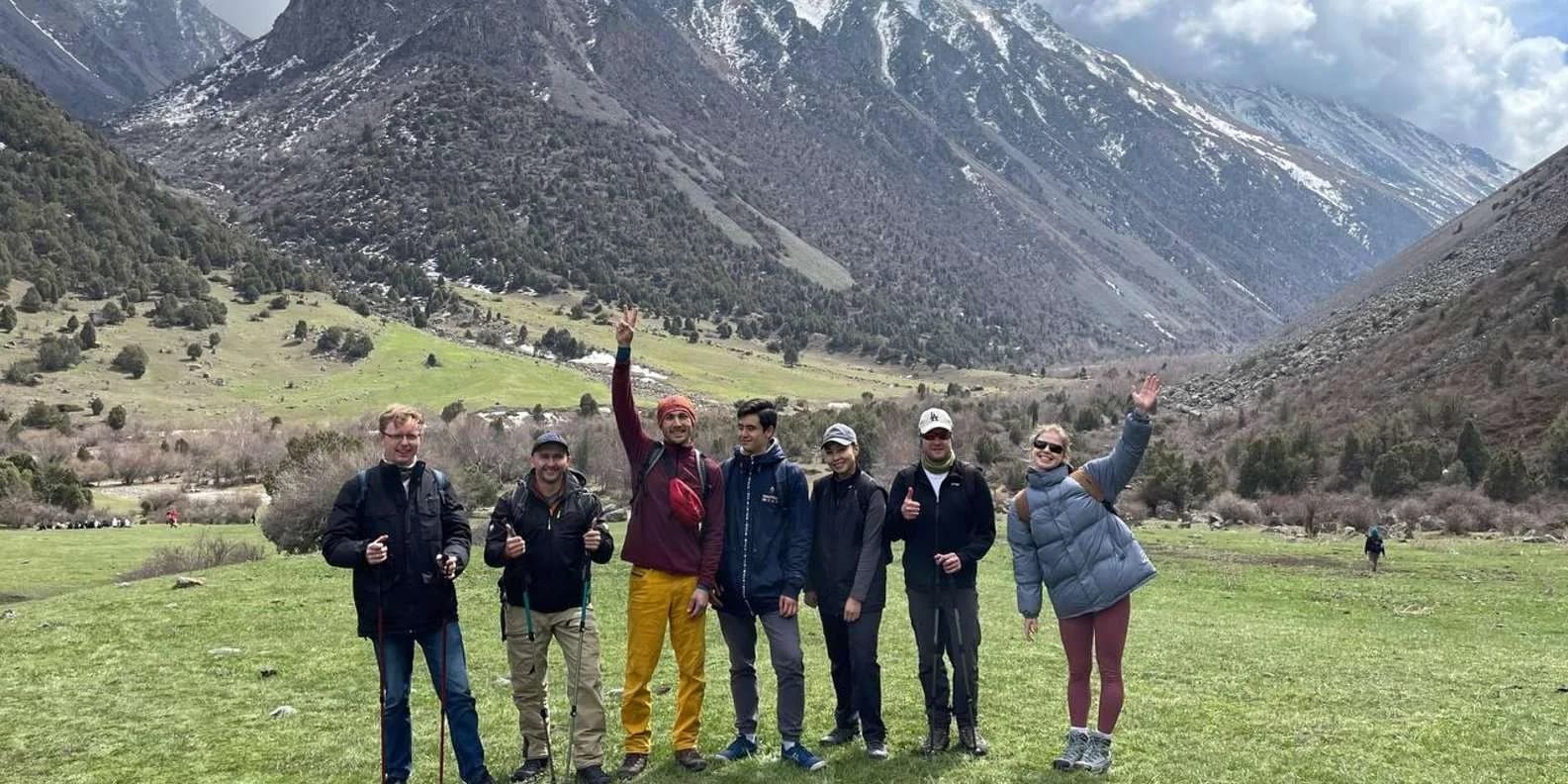
Self-Guided Treks in Kyrgyzstan: Routes & How-To
Yes, you can trek Kyrgyzstan without a guide. The best self-guided routes, the ones to skip, and the maps, water and safety logistics that make it work.
By TiK Editors12 min read
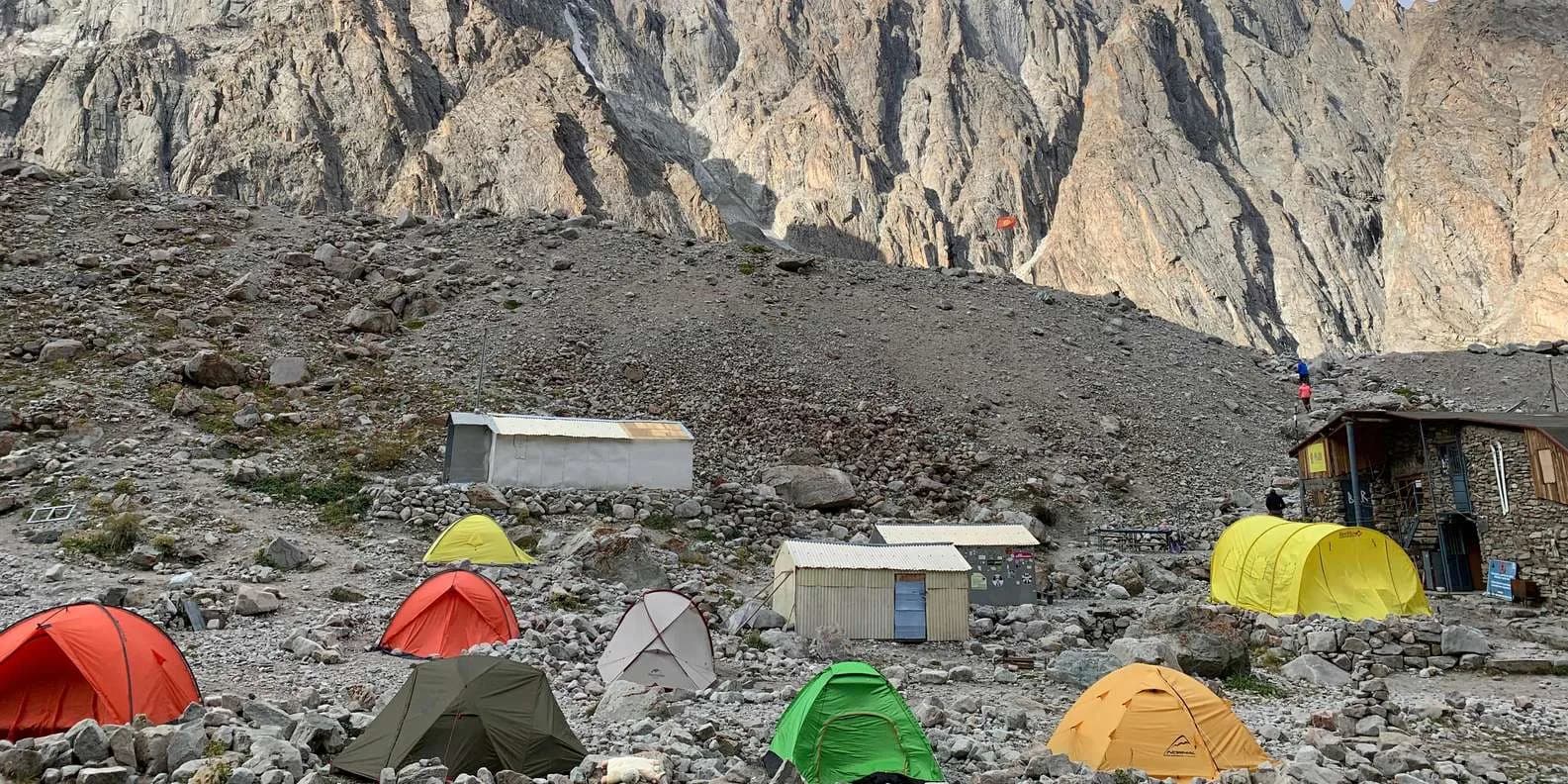
Uchitel Peak: Your First 4,000m Climb (2026)
Pik Uchitel (~4,400-4,600 m) in Ala-Archa is the classic first summit for fit hikers new to mountaineering: route, gear, season and acclimatisation.
By TiK Editors8 min read
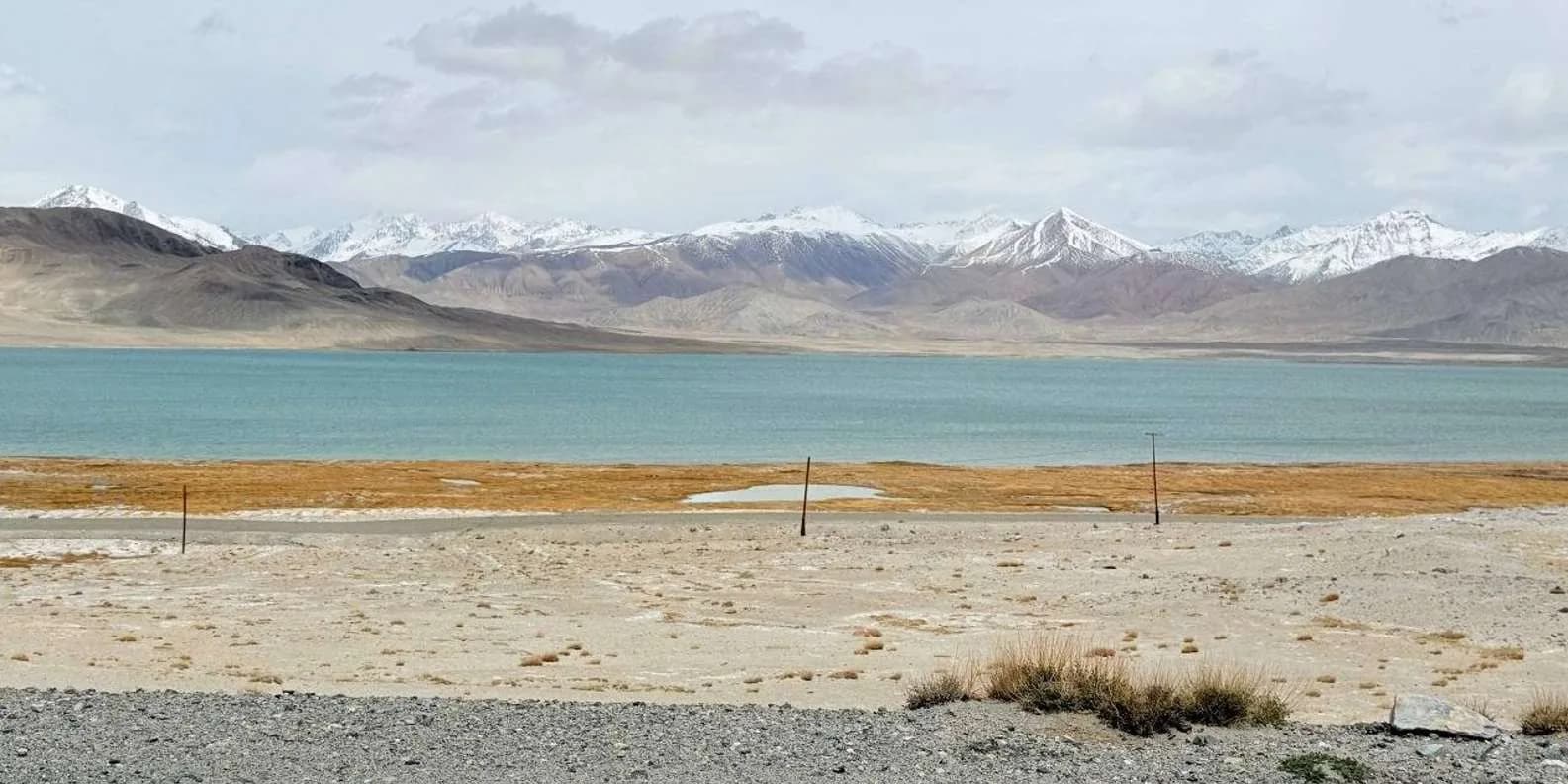
Tian Shan Traverse: Bikepacking Kyrgyzstan
The Tian Shan Traverse is a self-supported, mostly off-road bikepacking route of about 1,000 km across the high Kyrgyz mountains. Here's how to plan it.
By TiK Editors9 min read