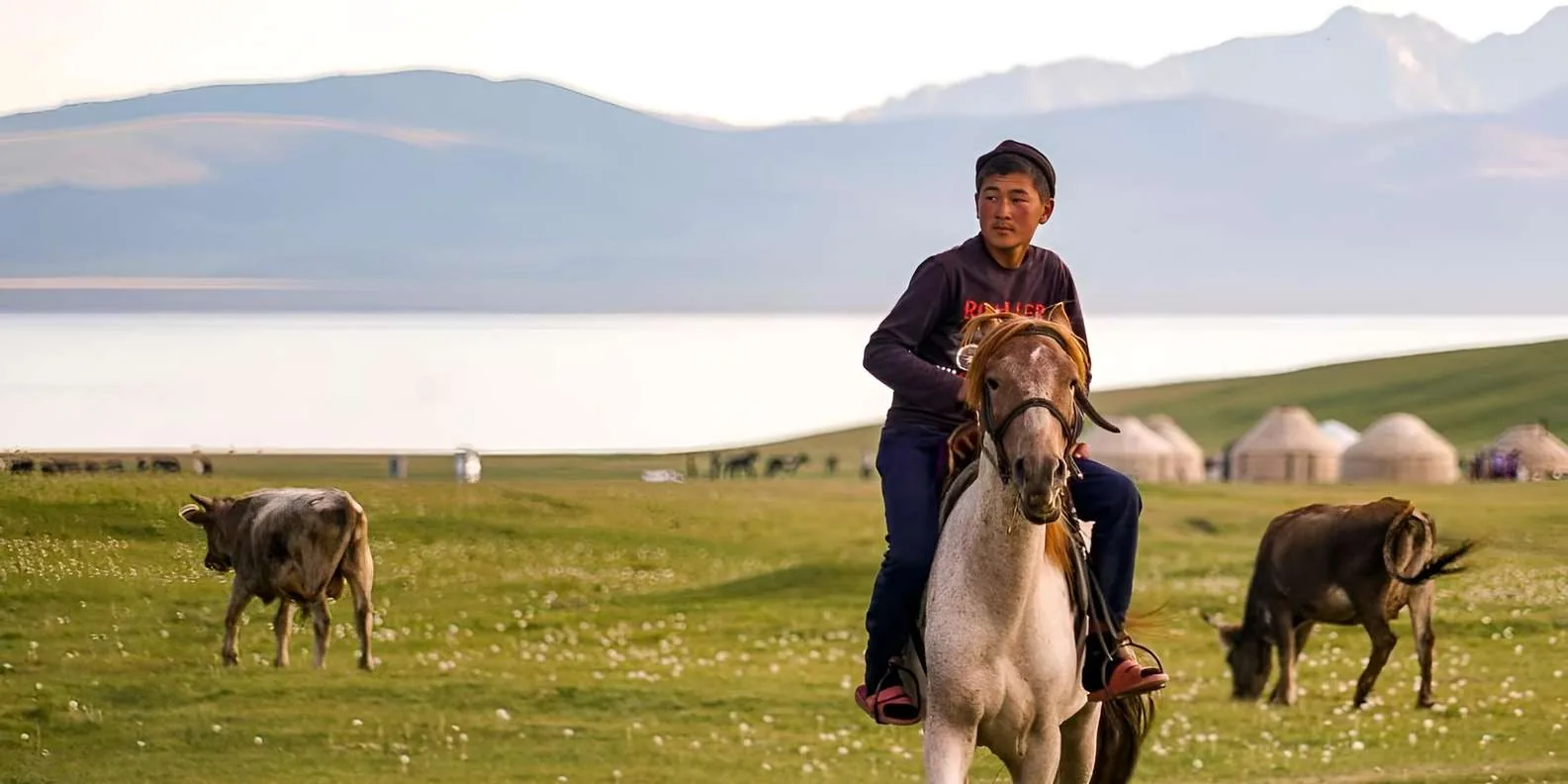
 Image via GetYourGuide
Nowruz in Kyrgyzstan: Nooruz Spring Festival
Nowruz (Nooruz) is Kyrgyzstan's 21 March spring new year: overnight sümölök, kok-boru, yurts on the square and a warm, family-centred festival.
Book it on This is Kyrgyzstan
Turn this guide into a trip
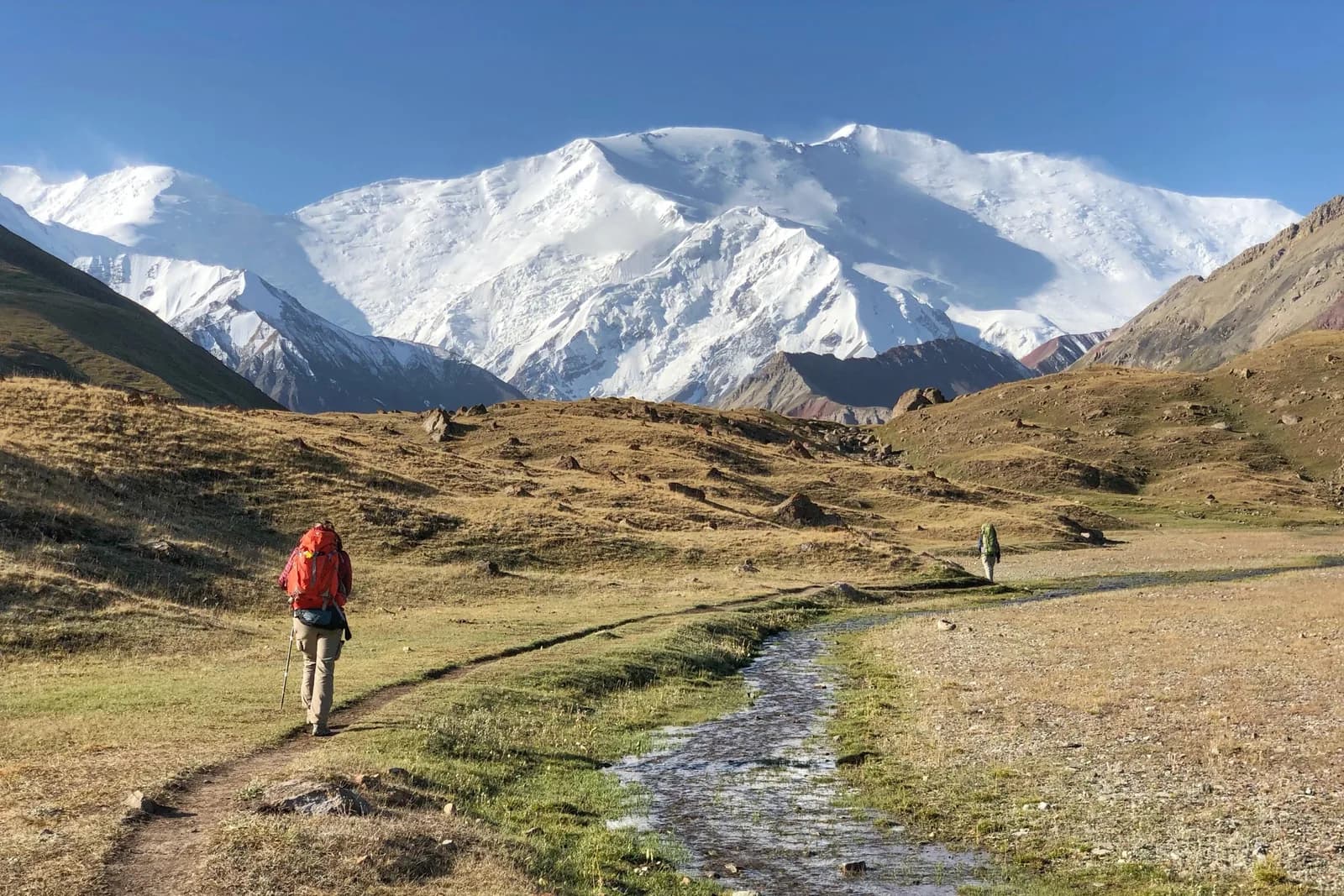
Nowruz (Nooruz in Kyrgyz) is the spring-equinox new year, celebrated across Kyrgyzstan on 21 March as a national public holiday and one of the biggest folk festivals of the year. Cities close their central squares for concerts, raise yurts on the pavement and stage horse games, while families clean the house, settle old quarrels and stir cauldrons of sümölök (sumolok) through the night. It is warm, generous and deeply family-centred rather than a ticketed spectacle. Come for the culture, not the mountains: late March is still cold, and the high treks and jailoo yurt camps are months from opening.
What Nowruz actually is
Nowruz marks the astronomical spring equinox, when day and night fall equal and the agricultural year turns. It is old — the tradition goes back several thousand years to the pre-Islamic, Zoroastrian Persian world, and the name means "new day" (Persian nau/now = new, ruz = day). From Iran it spread across the Turkic and Central Asian world, which is why you will find versions of it from the Balkans to western China. In Kyrgyzstan it is written and pronounced Nooruz.
It is not a religious festival. Kyrgyzstan is majority Muslim but constitutionally secular, and Nooruz sits alongside the Islamic calendar rather than inside it — a seasonal, humanist celebration of renewal, fertility and the return of green to the pastures. UNESCO recognises Nowruz as an element of the intangible cultural heritage of humanity (a multinational listing, first inscribed in 2009 and extended since, with Kyrgyzstan among the participating states). For a fuller picture of the country's festival calendar and customs, see our Kyrgyzstan travel guide.
How Kyrgyzstan celebrates it
Sümölök — the dish stirred overnight
If Nooruz has a single defining ritual, it is the making of sümölök. Wheat is sprouted for days until it grows a sweet green shoot, then ground and slow-cooked in a huge cast-iron kazan with flour, water and a little oil. No sugar goes in — the sweetness is drawn entirely from the malted wheat over ten to twenty hours of cooking. Because the pot must never catch or stop moving, women take it in shifts through the night, stirring, singing and telling stories, and neighbours drift in and out. It is as much a gathering as a recipe.
The finished sümölök is a dark, glossy, faintly caramel paste, ladled into bowls and shared out — with neighbours, guests and anyone who passes. It is a gift, not a product; you will rarely see it sold. Some cooks drop small clean pebbles or walnuts into the cauldron, and finding one in your bowl counts as a good omen or a granted wish. The whole thing stands for abundance and the rebirth of the earth after winter.
Nooruz köje and the feast
Alongside the sweet sümölök comes nooruz köje (also köjö), a savoury ceremonial soup traditionally built from seven ingredients — water, meat, salt, fat and a mix of grains such as wheat, barley, rice, millet and corn. Seven is the symbolic number, and the pot is cooked in quantity and shared. The wider Nooruz table (the dastorkon) fills with boorsok fried dough, dried fruit and nuts, kymyz (fermented mare's milk) in season, and plenty of tea. If you want to understand what lands on that cloth, our Kyrgyz food guide walks through the dishes dish by dish.
National dress, music and the square
Nooruz is when Kyrgyz national dress comes out with pride. Men wear the ak-kalpak, the four-panelled white felt hat whose peaks are said to echo the mountains and whose craftsmanship is UNESCO-listed (2019); women wear bright dresses and, increasingly, the elechek turban. Ak-Kalpak Day on 5 March, two weeks earlier, sets the tone. On the main squares, temporary yurts (boz-üy) go up, and a stage runs folk music on the komuz (the three-stringed lute), aitysh — improvised sung poetry duels between akyns — plus dance troupes and craft stalls selling felt shyrdak, honey and food.
Horse games
Nooruz is one of the traditional seasons for kok-boru, the headline nomad sport, and village and city grounds stage matches through the holiday. Two mounted teams fight for a headless goat carcass and try to drop it into the opponents' raised goal, the tai kazan; it is physical, bloody and taken entirely seriously (it has been on UNESCO's Representative List since 2017). You may also see er enish (wrestling on horseback), at chabysh long-distance racing and kyz kuumai, the "catch the girl" chase. If the ethnosport side pulls you in, the World Nomad Games guide covers the full programme and where to see it done at scale.
The family side: cleaning, forgiveness, renewal
The public events are only half of it. In the run-up, households clean the home top to bottom, clear debts, mend fences with people they have fallen out with, and put on new clothes — the year should begin settled and clean. On the day itself people visit relatives and, crucially, the eldest members of the family first, exchanging good wishes for the year. This renewal-and-reconciliation strand is the real heart of Nooruz, and it is the part a passing tourist can most easily miss.
Where to experience it
| What | Detail | Where to catch it |
|---|---|---|
| Sümölök | Sprouted-wheat paste stirred overnight, shared free | Homestays, village squares, city cauldrons |
| Nooruz köje | Seven-ingredient ceremonial soup | Family tables, festival food stalls |
| Kok-boru & horse games | Mounted goat-carcass game, racing, er enish | Hippodromes, village fields, city fairgrounds |
| Komuz & aitysh | Folk music and sung poetry duels | Ala-Too Square stage; Osh squares |
| Ak-kalpak & elechek | National dress worn with pride | Everywhere; buy at any bazaar |
| Yurts on the square | Boz-üy raised in the city centre | Ala-Too Square, Osh central squares |
Bishkek — Ala-Too Square. The capital's central square is the big, easy, open-to-all Nooruz: yurts, a concert stage, food and craft stalls, folk performances and a crowd of families in their best clothes. It is the most convenient version for a first-time visitor and needs no arranging — just turn up. Read up on the city first in our Bishkek destination guide.
Osh — the southern celebration. Osh, the Uzbek-influenced Ferghana Valley city in the south, arguably keeps the most fervent Nooruz in the country, with big communal cauldrons, bazaar life and gatherings around the sacred mountain of Sulaiman-Too. The south's Central Asian melting-pot character shows strongly here. See the Osh destination page for context.
Villages and homestays — the authentic version. The truest Nooruz happens in villages and family homes: the overnight sümölök stir, the visiting of elders, the small-scale horse games on a muddy field. You cannot really buy your way into this, but a community-based tourism homestay or a Kyrgyz host who invites you over the holiday will show you far more than any city square. Ask ahead — hospitality at Nooruz is genuine, but the family side runs on invitation.
What a traveller can expect
Daytime public events — concerts, games, food stalls on the main squares — are open to everyone and easy to join; nobody minds a visitor watching kok-boru or trying sümölök. The private, family half is warmer still but happens behind front doors, so the depth of your Nooruz depends heavily on whether you have a local host.
Practicalities: 21 March is a public holiday, so banks, government offices and many shops close, and intercity transport fills as families travel — book ahead and expect a slower-moving few days. Some restaurants close or run short hours; markets are variable. This is a time to relax the itinerary rather than pack it. A note on courtesy: accept food and tea with your right hand, greet the oldest person in the room first, and treat an ak-kalpak with respect (there is actually a law about mishandling it). Our etiquette and customs guide has the full set of do's and don'ts.
Other spring celebrations
Nooruz sits in a busy patch of the calendar. Ak-Kalpak Day (5 March) celebrates the national hat, and International Women's Day (8 March) is a major, warmly observed public holiday, preceded by Defender of the Fatherland Day (23 February). The moveable Islamic feast of Orozo Ait (Eid al-Fitr, the end of Ramadan) sometimes falls close to Nooruz — in 2026 it landed on 20 March, the day before — but its date shifts each year and is confirmed only shortly beforehand, so check the current year. Later comes a long 1–9 May spring-holiday block spanning Labour Day and Victory Day, when the country largely stops again.
Visiting Kyrgyzstan in late March — an honest note
Come to Kyrgyzstan for Nooruz for the culture, and be realistic about everything else. This is early spring, not summer. Bishkek sits at around 800 m and can be cold, grey and muddy in late March, with snow still lingering on the passes and in the mountains. Weather is unsettled and changes fast.
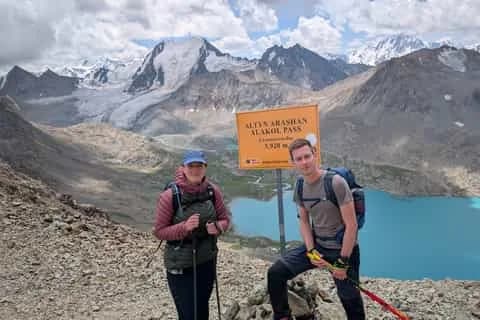
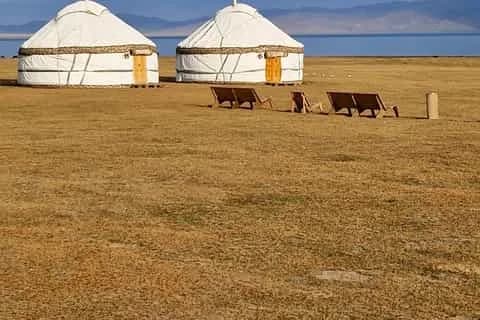
Crucially, the country's headline landscapes are shut. High-mountain travel runs roughly mid-June to mid-September; the jailoo yurt camps at Song-Köl and Tash Rabat are closed and their access roads snowbound, Song-Köl itself is still frozen, and the classic treks to Ala-Köl and Altyn-Arashan are firmly out of season. If your dream of Kyrgyzstan is alpine lakes and horse treks, that is a summer trip — see our best time to visit guide to plan it. What March does offer is the cities, the bazaars, the food, the museums, lower-altitude day trips when the weather cooperates, and a front-row seat at the most important festival in the Kyrgyz year. Treat Nooruz as the reason to come, and the rest as a bonus.
Ready to build a culture-first spring trip? Browse cultural tours and experiences to pair Nooruz with Bishkek, the bazaars and the south.
Chat with a real person — free
Seif and the team reply on WhatsApp 24/7 — trip questions, custom plans and booking help.
Ask Seif on WhatsAppCommon questions
When is Nowruz in Kyrgyzstan?
Nowruz (Nooruz) falls on 21 March, the spring equinox, and is a national public holiday in Kyrgyzstan. Celebrations cluster on and immediately around that date, with public square events, concerts and horse games during the day. Because it is a fixed public holiday, banks, offices and many businesses close, so plan any travel or errands around it.
What is sümölök?
Sümölök (sumolok) is the defining Nooruz dish: a sweet, dark paste made from sprouted wheat slow-cooked overnight in a huge cauldron with flour, water and oil, with no added sugar. Women stir it in shifts through the night, and it is shared free with neighbours and guests. Some cooks drop pebbles or walnuts in the pot, and finding one is a good omen.
Where is the best place to see Nowruz?
For the easy, open-to-all version, Bishkek's Ala-Too Square hosts yurts, concerts, food stalls and folk performances that any visitor can join. Osh in the south keeps arguably the most fervent celebration. But the most authentic Nooruz happens in villages and family homes, which you generally need a homestay or a local host to reach.
Is Nowruz a religious holiday?
No. Nowruz is a pre-Islamic, seasonal new-year festival rooted in the ancient Persian and Central Asian world, marking the spring equinox and the renewal of nature. Kyrgyzstan is a secular state, and Nooruz is a cultural rather than religious observance. UNESCO lists Nowruz as intangible cultural heritage, with Kyrgyzstan among the participating countries.
Can tourists take part in Nowruz celebrations?
Yes. The public daytime events — square concerts, kok-boru and horse games, craft and food stalls — are open to everyone, and locals are happy for visitors to watch and try sümölök. The family side of the day, with home visits and shared feasts, runs on invitation, so a community-based homestay or a Kyrgyz host greatly deepens the experience.
Will shops and transport be affected on 21 March?
Expect closures. As a public holiday, Nooruz sees banks, government offices and many shops shut, and some restaurants close or shorten hours. Intercity buses and shared taxis fill up as families travel to relatives, so book transport and accommodation ahead. Keep some cash on hand, and plan a lighter itinerary for the holiday itself.
What is the difference between sümölök and nooruz köje?
Sümölök is the sweet sprouted-wheat paste stirred overnight and shared as the signature Nooruz treat. Nooruz köje (köjö) is a savoury ceremonial soup, traditionally made from seven ingredients — water, meat, salt, fat and several grains. One is a sweet ritual dish, the other a hearty communal soup; both appear on the Nooruz table together.
Is late March a good time to visit Kyrgyzstan overall?
For culture, yes; for mountains, no. Late March is early spring — Bishkek can be cold and muddy, and high-mountain travel does not really begin until mid-June. Song-Köl, Tash Rabat and the Ala-Köl and Altyn-Arashan treks are closed and snowbound. Come for Nooruz, the cities, bazaars and food, and save the alpine trekking for summer.
What should I wear for Nowruz?
Dress warmly. Late March is cold and often wet, so bring layers, a waterproof and proper shoes for muddy squares and fields. There is no strict dress code for public events, but modest, tidy clothing is appreciated, especially in the more traditional south. If you buy an ak-kalpak, carry it in your hand rather than crushing it into a bag.
Book it on This is Kyrgyzstan
Turn this guide into a trip
Kyrgyzstan's bestsellers
The experiences travelers book most, across the country
Keep reading
Self-Guided Treks in Kyrgyzstan: Routes & How-To
Yes, you can trek Kyrgyzstan without a guide. The best self-guided routes, the ones to skip, and the maps, water and safety logistics that make it work.
By TiK Editors12 min read
Uchitel Peak: Your First 4,000m Climb (2026)
Pik Uchitel (~4,400-4,600 m) in Ala-Archa is the classic first summit for fit hikers new to mountaineering: route, gear, season and acclimatisation.
By TiK Editors8 min read
Tian Shan Traverse: Bikepacking Kyrgyzstan
The Tian Shan Traverse is a self-supported, mostly off-road bikepacking route of about 1,000 km across the high Kyrgyz mountains. Here's how to plan it.
By TiK Editors9 min read