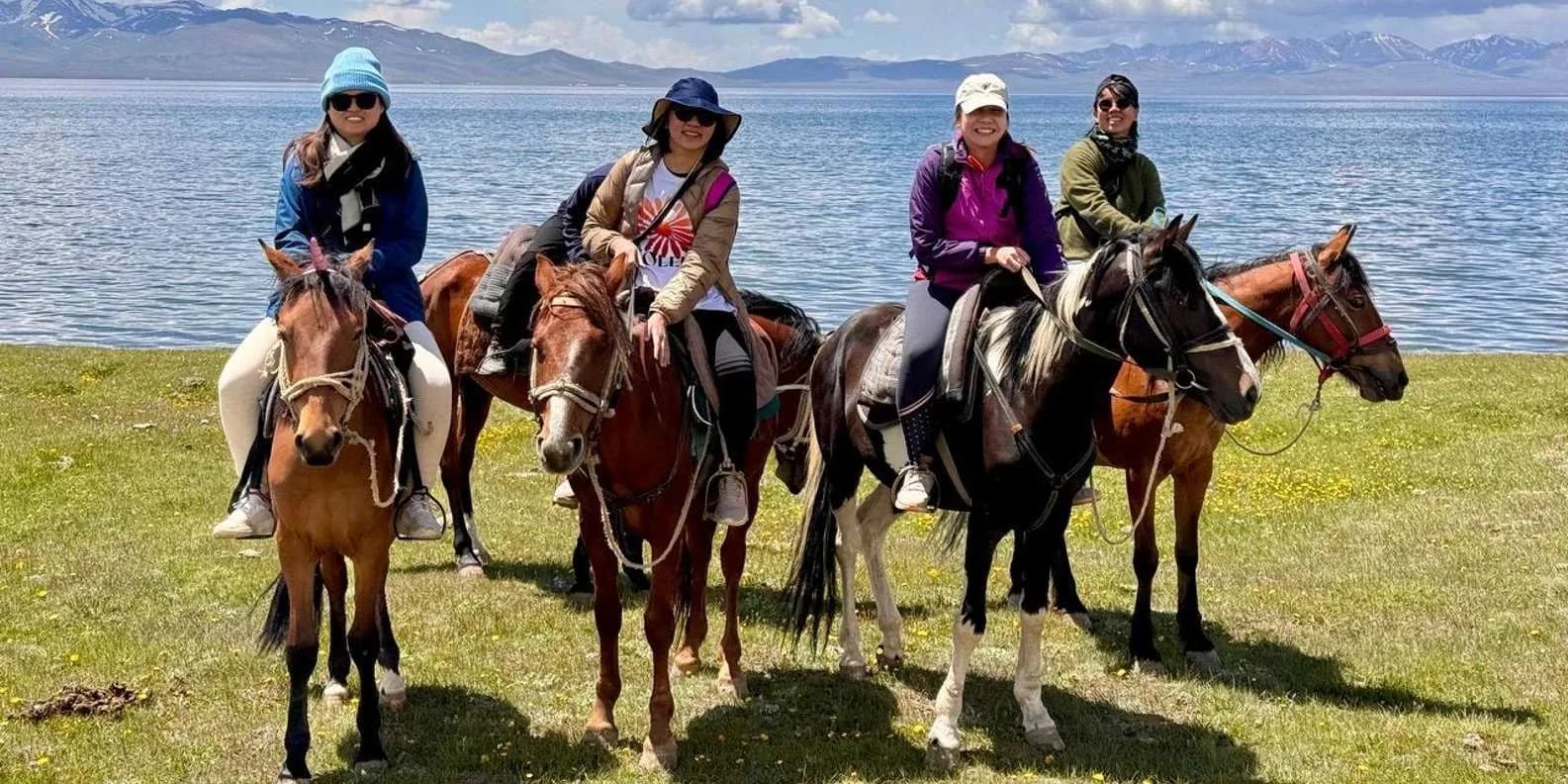
 Image via GetYourGuide
Kyrgyzstan vs Tajikistan for Trekking (2026)
Kyrgyzstan is the accessible, homestay-backed choice; Tajikistan is higher and wilder. A candid trekking comparison, plus how to combine both overland.
Book it on This is Kyrgyzstan
Turn this guide into a trip
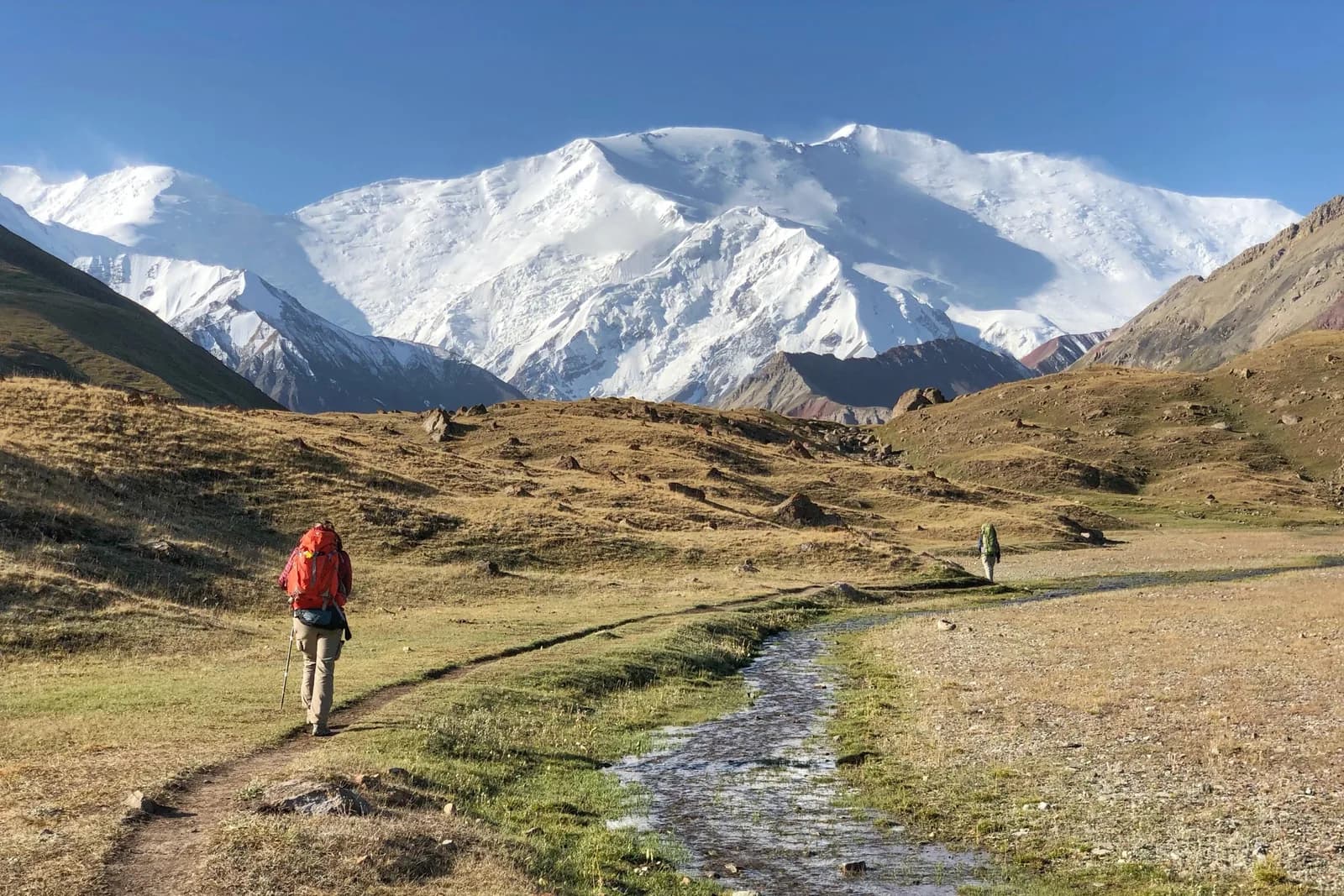

Trek in Kyrgyzstan if you want the more accessible of the two great trekking "-stans": a dense homestay and community-tourism network, short logistics, and classic routes over passes mostly between 3,000 and 4,000 m. Trek in Tajikistan if you want higher, wilder and more remote mountains — the Pamirs and the turquoise lakes of the Fann Mountains — and you are willing to trade comfort and paperwork for a bigger, more expedition-like feel. Both share the same Tien Shan and Pamir-Alay backbone and meet at the Kyrgyz south, so the honest answer for a lot of people is "start in Kyrgyzstan, and add a Pamir leg if you have the time and the appetite." We plan and run trips in Kyrgyzstan, so treat this as a candid comparison rather than a sales pitch for one side.
The short version
Kyrgyzstan is the softer landing. Bishkek and Karakol put you within a day or two of superb trekking; the Community Based Tourism homestay system means you can walk hut-to-yurt without carrying a tent; passes on the headline routes top out around 3,860–3,900 m; and most nationalities enter visa-free. Tajikistan is the bigger mountain country. The Pamirs are a high, dry, thin-aired plateau where roads are rough, passes cross 4,000–4,700 m, distances are long and the sense of remoteness is total. The Fann Mountains, tucked into the northwest near Panjakent, are the compromise: alpine turquoise lakes at a friendlier altitude, without the Pamir Highway's punishing logistics.
Kyrgyzstan vs Tajikistan for trekking, side by side
| Kyrgyzstan (Tian Shan) | Tajikistan (Pamirs & Fann Mountains) | |
|---|---|---|
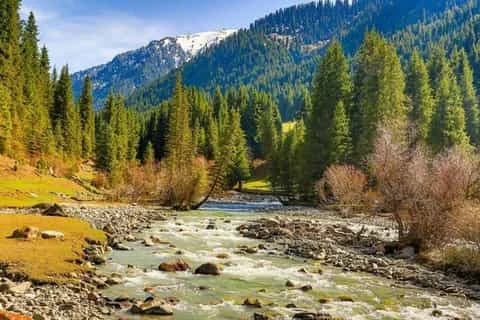
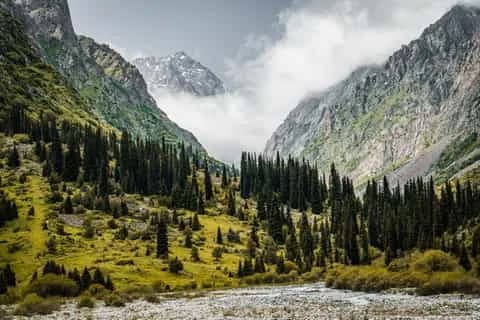
| Terrain & scenery | Green alpine valleys, spruce forest, turquoise glacial lakes, summer jailoo (pasture) yurt camps | Fann: sharp peaks over jewel-blue lakes; Pamirs: high, dry, treeless plateau, the "Roof of the World" |
| Accessibility & logistics | Easy. Karakol and Bishkek are close to trailheads; good shared transport | Harder. Long drives on rough roads; the Pamir Highway is a multi-day journey in itself |
| Typical trek altitude | Passes roughly 3,000–4,000 m; Ala-Kul pass ~3,860–3,900 m; Song-Köl 3,016 m | Fann passes commonly 3,000–4,700 m; Pamir routes routinely above 4,000 m |
| Trekking support / CBT | Strong. Working DMOs in Karakol and Jyrgalan, dense homestay network | Thinner but real. CBT/PECTA in Khorog and Murghab; guides advisable for the Pamirs |
| Signature treks | Ala-Kul, Song-Köl, Jyrgalan loops, Altyn-Arashan | Fann Mountains (Kulikalon, Alaudin, Iskanderkul, Seven Lakes); Pamir routes near Murghab and the Wakhan |
| Difficulty | Moderate to hard; short and sharp | Hard; higher, longer, more self-reliant |
| Season | Mid-June to mid-September | July–August for the high Pamirs; Fann roughly June–September |
| Permits & visa | Visa-free (30 days) for many; no trek permit for Ala-Kul/Altyn-Arashan | E-visa for most, plus a GBAO permit for the Pamirs; Fann needs no GBAO permit |
| Cost (guided trek) | From ~US$150–250 for the classic Ala-Kul group trek | Broadly similar per day; totals rise with long Pamir transfers |
Treat every altitude and price as approximate and confirm on the day — figures move, and sources genuinely disagree on some of these passes.
Kyrgyzstan: the case for the easier -stan
Kyrgyzstan's trekking is concentrated and well-oiled. From Karakol you can reach the trailheads for the country's most famous route on a 10-som marshrutka, and the local destination management organisation has the whole thing organised — guides, horses, homestays and marked routes.
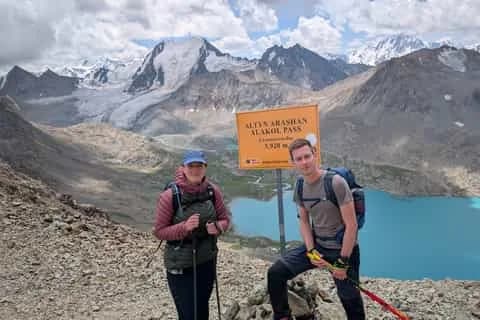
The Ala-Kul trek is the poster route: three days from the Karakol valley up to a milky-turquoise lake at about 3,530–3,560 m, over the Ala-Kul pass at roughly 3,860–3,900 m, then down a loose scree slope to the Altyn-Arashan hot springs. You can do it without a tent, sleeping in yurts at Sirota and a guesthouse at Altyn-Arashan, and there is no trekking permit — just a small national-park fee (around 250 som per person, plus 100 som per tent) paid in cash at the gate.
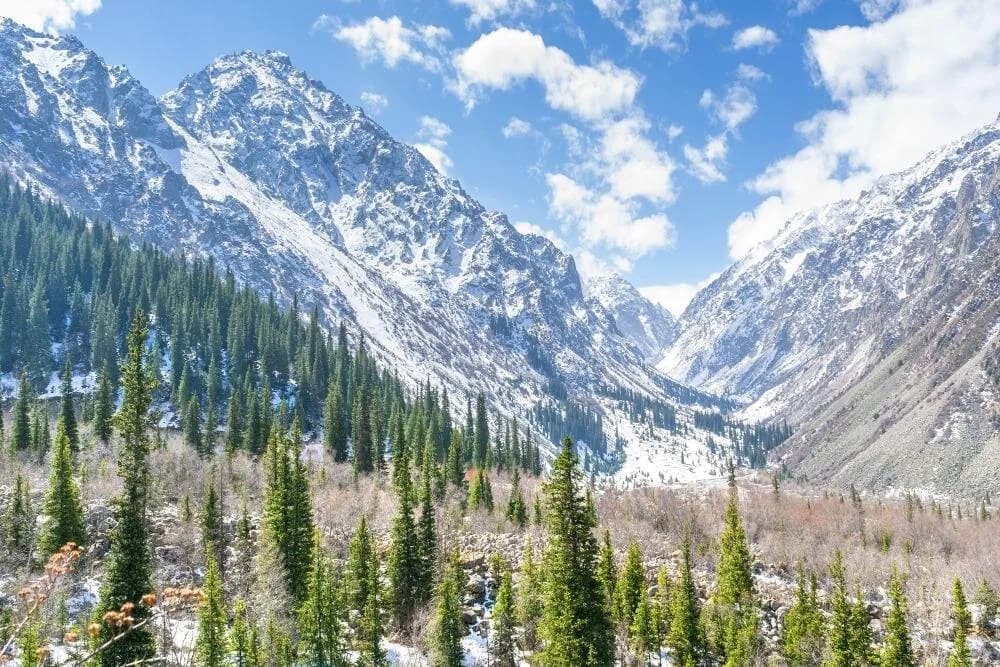
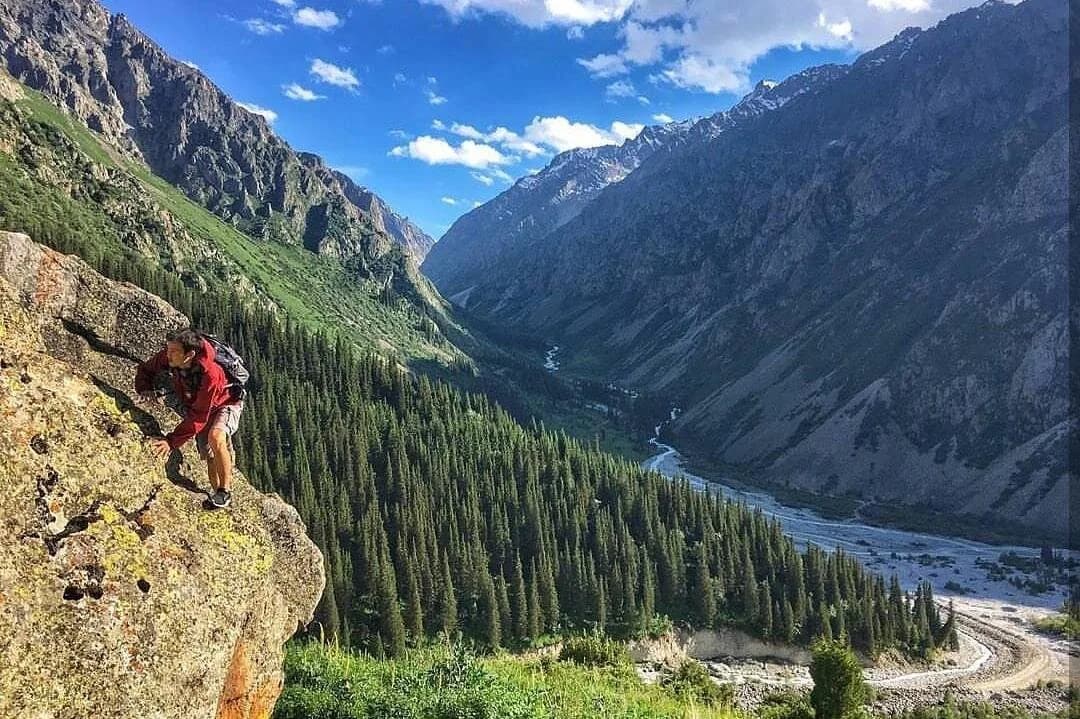
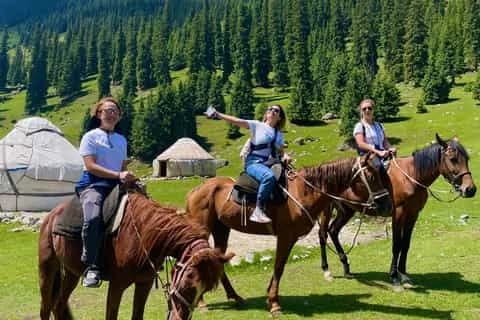
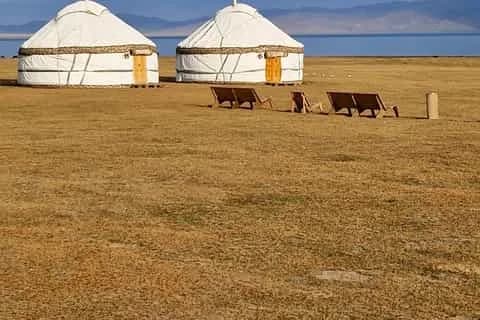
Beyond Ala-Kul, the range is deep. Song-Köl (3,016 m) is the summer-pasture lake where you sleep in a yurt among horse herders; the Jyrgalan valley has the best-marked, quietest loops in the country; and Altyn-Arashan is a soak-and-stroll base in its own right. The genuine advantage is the support system: the homestay network makes solo and independent trekking structurally easy, because you are usually in someone's home rather than alone in the hills.
The catch is altitude gain. Kyrgyzstan puts ordinary walkers above 3,000 m faster than almost anywhere — you can be on a 3,900 m pass within 48 hours of an 800 m capital. That profile is exactly what causes altitude sickness, so build in an acclimatisation night and read our guide to altitude sickness in Kyrgyzstan before you go. For the full picture of routes, seasons and grades, start with our Kyrgyzstan travel guide.
Tajikistan: the case for the wilder -stan
Tajikistan is the higher, harder, more remote choice, and it comes in two very different flavours.
The Fann Mountains sit in the northwest, reached from Panjakent (near the Uzbek border) or from Dushanbe. This is the region of postcard lakes: Kulikalon and the Alaudin lakes ringed by granite, the broad blue of Iskanderkul, and the Seven Lakes (Haft Kul) strung up a single valley. The Fanns sit at a friendlier altitude than the Pamirs, need no special border permit, and give you the sharp-peaks-over-turquoise-water scenery that draws climbers and trekkers back year after year. They are the best answer for a first serious Tajik trek.
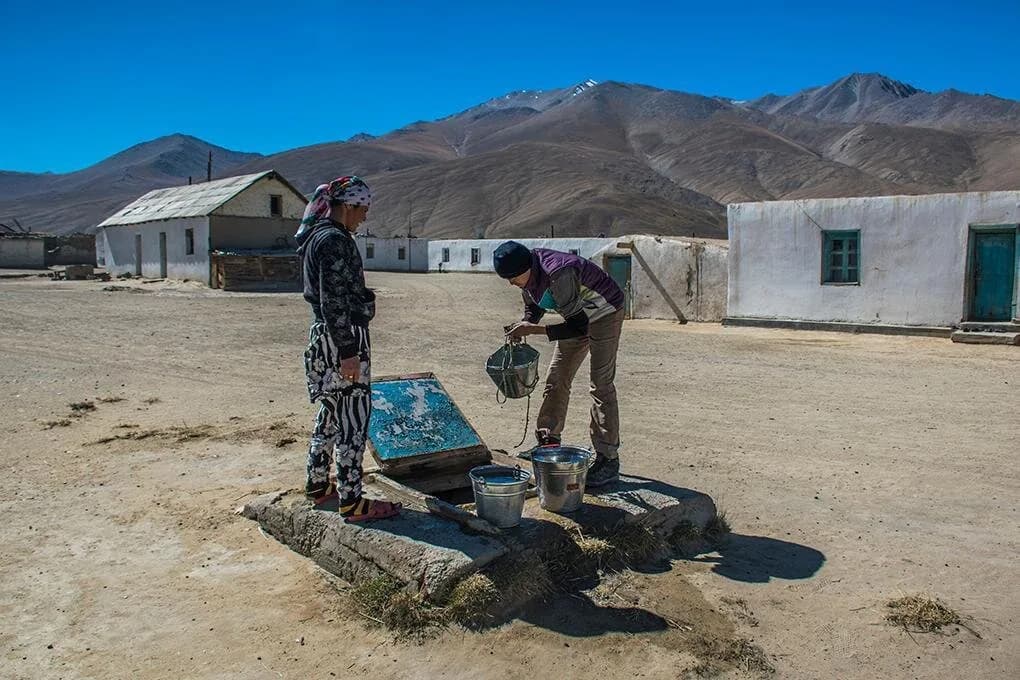
The Pamirs are a different order of remoteness. The Pamir Highway (the M41) runs the length of Gorno-Badakhshan, a high desert plateau where the classic trekking is out of Murghab and along the Wakhan corridor beneath the Hindu Kush. The scale is enormous, the air is thin, and the infrastructure is minimal — this is expedition territory. Crucially, Gorno-Badakhshan requires a GBAO permit on top of your visa, and the region's access status has fluctuated in recent years, so check the current position before committing. The Fann Mountains do not need this permit; the confusion is common and worth avoiding.
Logistics are the real difference. Where a Kyrgyz trek starts a short drive from town, a Pamir trek can involve a two- or three-day overland journey just to reach the mountains. That is part of the appeal — but budget the time, the fuel and the patience honestly.
Who each suits
Choose Kyrgyzstan if you have one to two weeks, want your first Central Asian trek to go smoothly, like the idea of yurts and homestays over full self-support, and prefer passes in the 3,000–4,000 m band. It is also the stronger pick for solo trekkers and for anyone who wants the money to stay in local communities.
Choose Tajikistan if you are chasing altitude and remoteness, are comfortable with rougher logistics and paperwork, and want either the alpine lakes of the Fanns or the raw plateau of the Pamirs. Experienced trekkers who have already done the Kyrgyz classics often go to Tajikistan next for the step up in scale.
The case for combining them
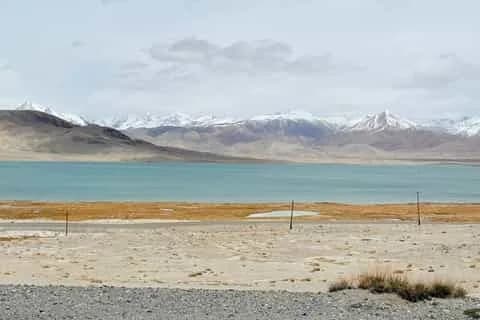
You do not have to choose. The two countries meet at Kyrgyzstan's southern edge, and Osh — Kyrgyzstan's ancient second city and the practical gateway to the south — is the northern head of the Pamir Highway. From Osh you drive over the Taldyk pass to Sary-Tash, the crossroads village in the Alay valley, then on to the Bor-Döbö border post and across the Kyzyl-Art pass (about 4,280 m) into Tajikistan, running down to Karakul lake and Murghab.
This overland route has become markedly easier since the March 2025 Khujand border treaty between the two countries, which settled the long-disputed frontier, reopened crossings and ended the clashes of recent years. As of 2026 there is no UK FCDO advise-against-travel zone anywhere in Kyrgyzstan, though residual unexploded-ordnance risk is still noted near the Batken border, and Central Asian border status can change quickly — always confirm crossings and the GBAO permit before you travel.
A natural trip, then, is the Kyrgyz classics first — Karakol, Ala-Kul, Song-Köl — for acclimatisation and easy wins, then south through Osh and over the Kyzyl-Art into the Pamirs once your body is used to altitude. It is one of the great overland journeys in Asia.
An honest verdict
For most trekkers, most of the time, Kyrgyzstan is the better first choice: more accessible, better supported, cheaper to organise, and packed with world-class routes that do not demand expedition logistics. Tajikistan is the mountaineer's and the seasoned trekker's country — higher, wilder, more remote, and more rewarding precisely because it asks more of you. Neither is "better" in the abstract; they suit different trips and different stages of a trekking life.
We specialise in Kyrgyzstan, and we think it is the smarter place to begin — but if the Pamirs are calling, the cleanest way to answer is to walk the Tian Shan first and cross the border overland when you are ready. Browse our trekking trips to see what a Kyrgyz itinerary can look like before you decide.
Chat with a real person — free
Seif and the team reply on WhatsApp 24/7 — trip questions, custom plans and booking help.
Ask Seif on WhatsAppCommon questions
Is Kyrgyzstan or Tajikistan better for trekking?
For most people Kyrgyzstan is the better first choice: it is more accessible, has a stronger homestay and community-tourism network, and its classic routes sit on passes between 3,000 and 4,000 m. Tajikistan is higher, wilder and more remote — ideal once you want a bigger, more expedition-like challenge in the Pamirs or the Fann Mountains. Experienced trekkers often do Kyrgyzstan first, then Tajikistan.
Which country has higher trekking altitudes?
Tajikistan, clearly. The Pamirs routinely put you above 4,000 m, and Pamir passes cross 4,000–4,700 m on a high, dry plateau. Kyrgyzstan's headline routes are lower: the Ala-Kul pass reaches roughly 3,860–3,900 m and Song-Köl sits at 3,016 m. Kyrgyzstan still gains altitude fast, so acclimatise carefully even there; the Pamirs demand it as a rule, not an option.
Do I need permits to trek in each country?
Kyrgyzstan needs no trekking permit for the popular Ala-Kul and Altyn-Arashan routes — just a small national-park fee at the gate. Tajikistan is stricter: most visitors need an e-visa, and the Pamirs (Gorno-Badakhshan) also require a separate GBAO permit. The Fann Mountains do not need a GBAO permit. Border-zone permits apply to some remote frontier routes in both countries; confirm current rules before you go.
What are the Fann Mountains, and how do they compare?
The Fann Mountains are in northwest Tajikistan, near Panjakent, and are famous for turquoise alpine lakes — Kulikalon, the Alaudin lakes, Iskanderkul and the Seven Lakes — ringed by granite peaks. They sit at a friendlier altitude than the Pamirs and need no GBAO permit, which makes them the easiest serious trekking in Tajikistan and the closest Tajik equivalent to Kyrgyzstan's alpine-lake routes.
Can I combine Kyrgyzstan and Tajikistan in one trip?
Yes. The two countries meet at Kyrgyzstan's south, and Osh is the northern start of the Pamir Highway. From Osh you cross the Taldyk pass to Sary-Tash, then the Kyzyl-Art pass (about 4,280 m) into Tajikistan toward Murghab. The March 2025 Khujand treaty reopened crossings and calmed the border. Confirm crossing status and your GBAO permit before travelling, as details change quickly.
When is the trekking season in each country?
Both share a summer window. Kyrgyzstan's high routes are best from mid-June to mid-September, with July and August most reliable. Tajikistan's high Pamirs are really only July and August; the Fann Mountains run roughly June to September. Shoulder months bring snow to the passes and shut many yurt camps and guesthouses, so plan the headline high-altitude sections for peak summer.
Is trekking in Kyrgyzstan and Tajikistan safe?
Both are safe for trekkers from a crime standpoint; the real risks are environmental — altitude, weather, river crossings and mountain roads. As of 2026 there is no UK FCDO advise-against-travel zone in Kyrgyzstan, and the 2025 border treaty has calmed the frontier. Buy insurance covering trekking to your maximum altitude and helicopter evacuation, and carry a satellite messenger for the high valleys.
Which is cheaper for trekking?
They are broadly comparable day to day, but Kyrgyzstan is usually cheaper to organise overall because trailheads are close and the homestay network keeps costs low — a classic guided Ala-Kul trek starts around US$150–250. Tajikistan's totals climb with the long overland transfers the Pamirs require. In both countries, booking through local community operators is cheaper than going via a foreign agency.
I've never trekked at altitude — where should I start?
Start in Kyrgyzstan. The support network makes it forgiving, routes like Song-Köl and Jyrgalan are moderate, and you are rarely far from help or a homestay. Even so, Kyrgyzstan gains altitude quickly, so build an acclimatisation night into any trek that crosses a high pass. Save Tajikistan's Pamirs for once you have altitude experience and are comfortable with rougher, more self-reliant travel.
Book it on This is Kyrgyzstan
Turn this guide into a trip
Kyrgyzstan's bestsellers
The experiences travelers book most, across the country
Keep reading
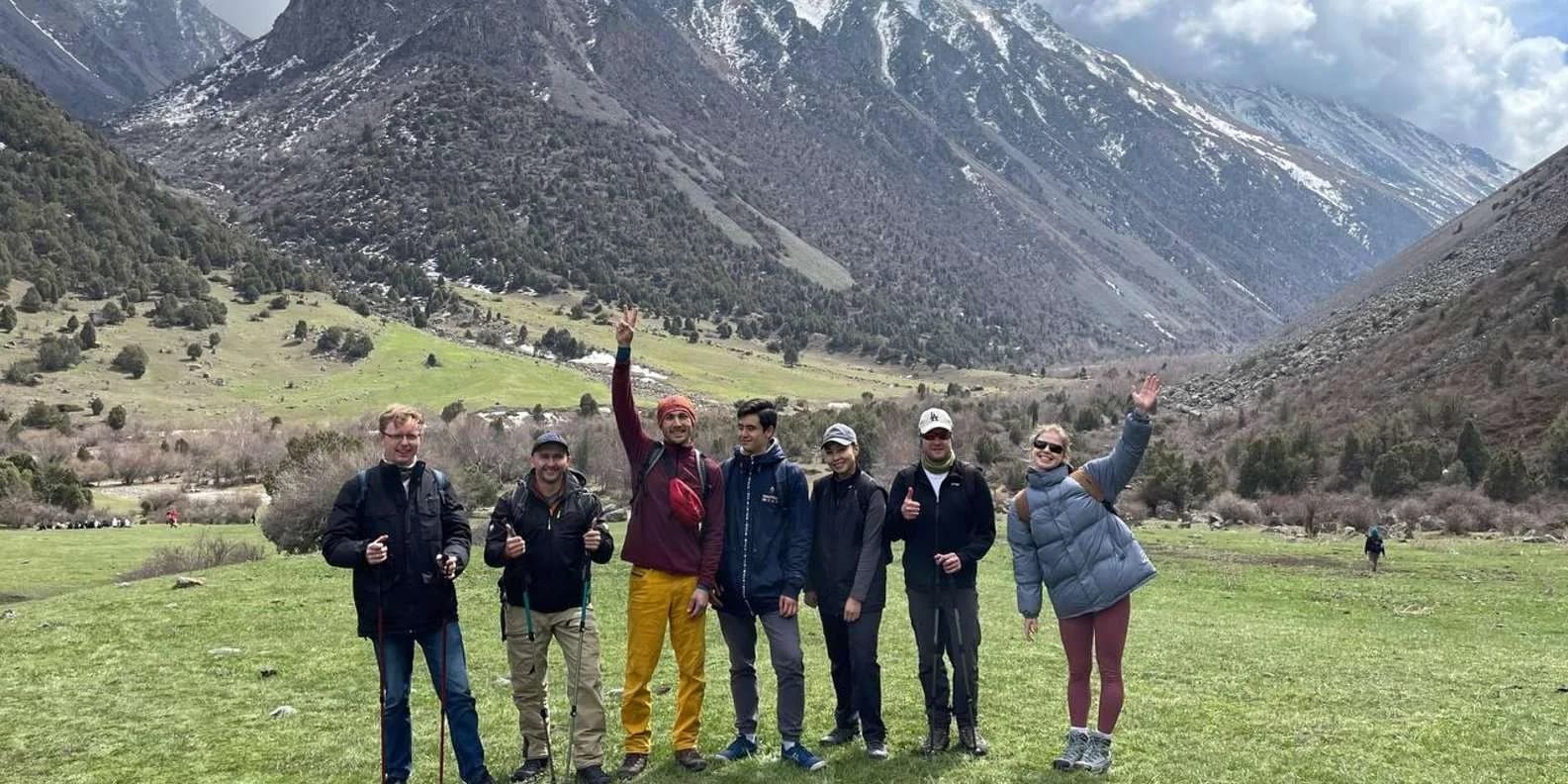
Self-Guided Treks in Kyrgyzstan: Routes & How-To
Yes, you can trek Kyrgyzstan without a guide. The best self-guided routes, the ones to skip, and the maps, water and safety logistics that make it work.
By TiK Editors12 min read
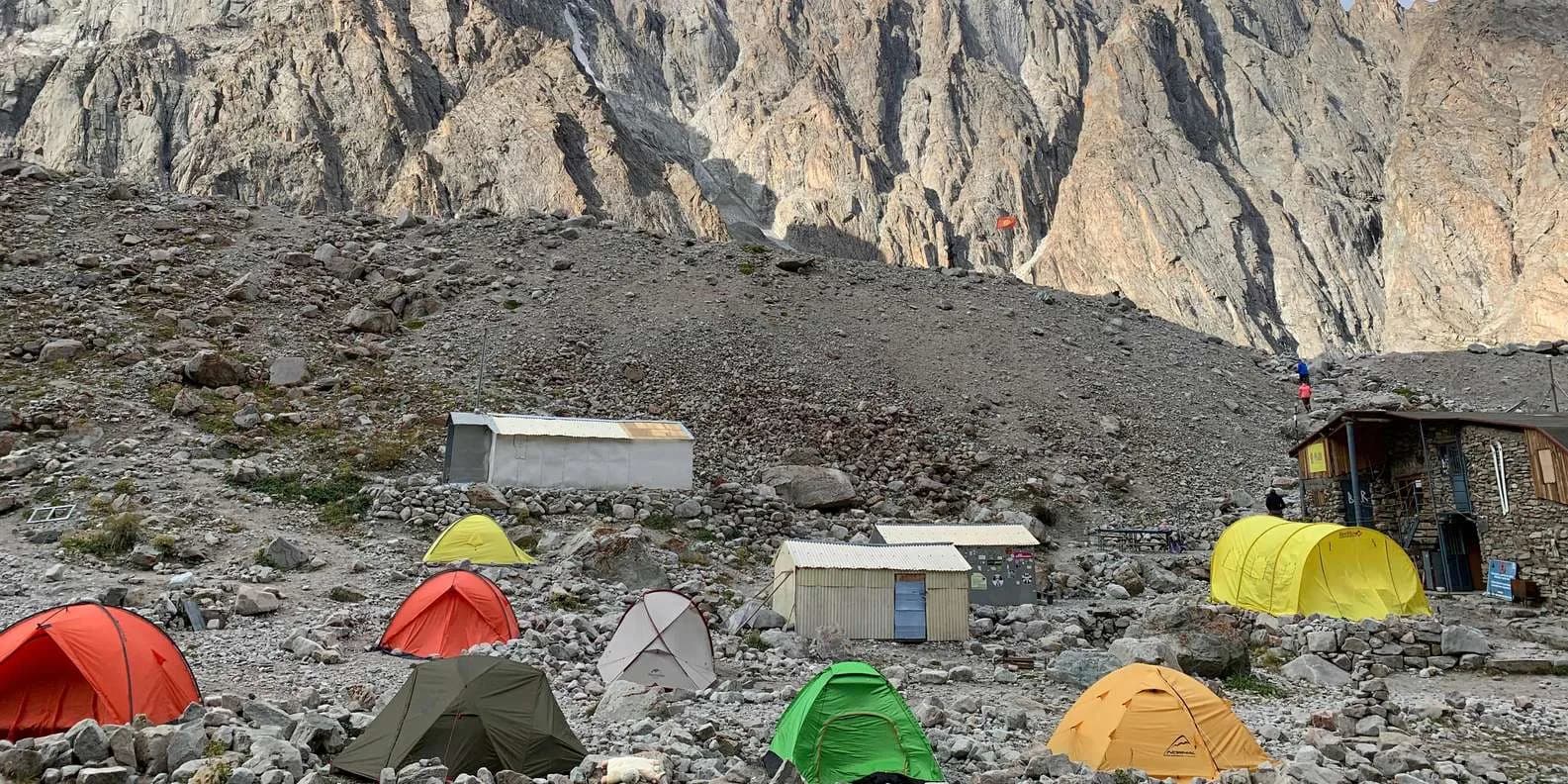
Uchitel Peak: Your First 4,000m Climb (2026)
Pik Uchitel (~4,400-4,600 m) in Ala-Archa is the classic first summit for fit hikers new to mountaineering: route, gear, season and acclimatisation.
By TiK Editors8 min read
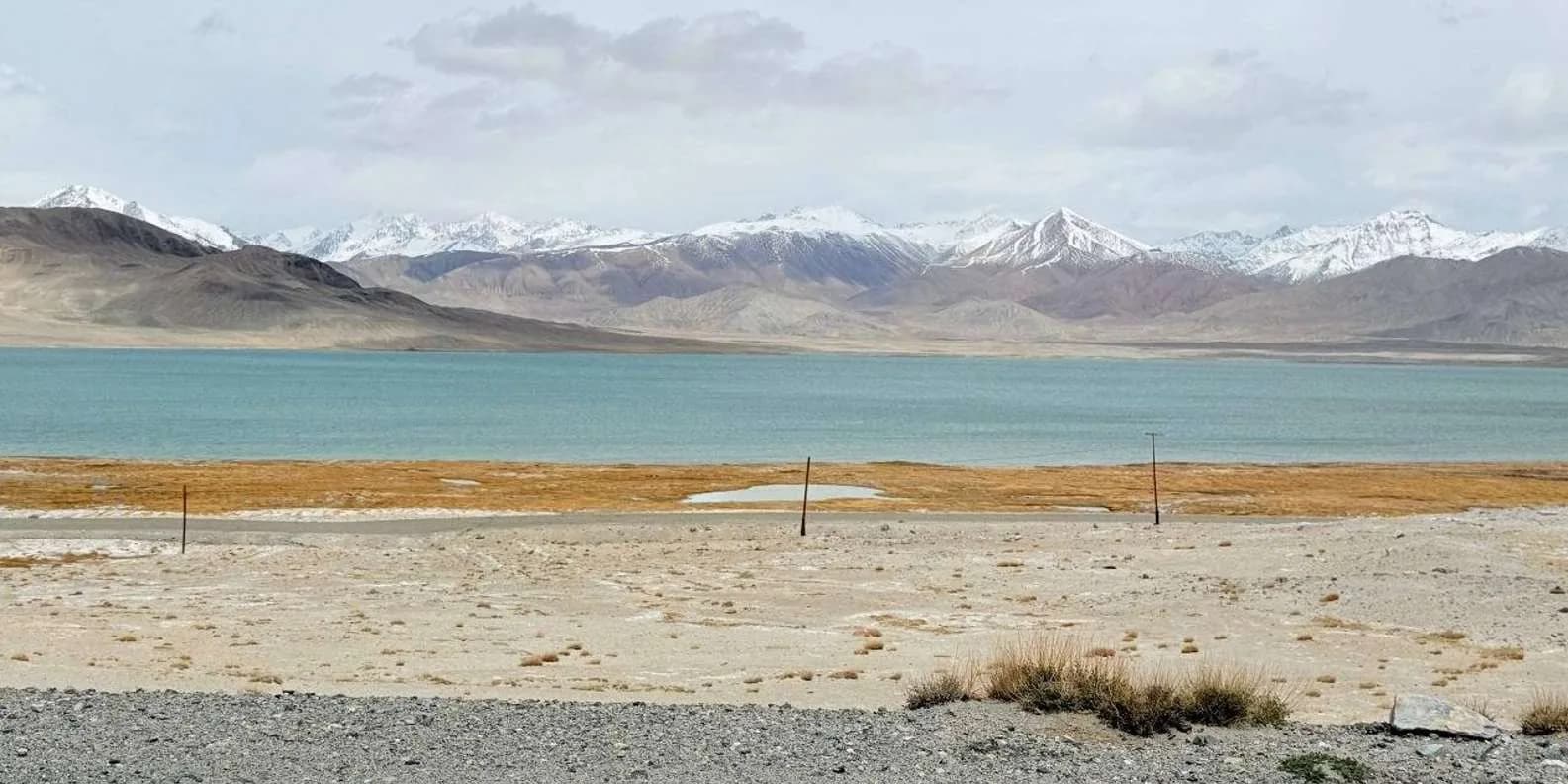
Tian Shan Traverse: Bikepacking Kyrgyzstan
The Tian Shan Traverse is a self-supported, mostly off-road bikepacking route of about 1,000 km across the high Kyrgyz mountains. Here's how to plan it.
By TiK Editors9 min read