 Image via GetYourGuide
Kyrgyzstan in Winter: Skiing and the Quiet Season
What Kyrgyzstan is good for in winter: bargain Karakol skiing, the real eagle-hunting season and snowy day hikes, plus the classic yurt trips that are shut.
Book it on This is Kyrgyzstan
Turn this guide into a trip
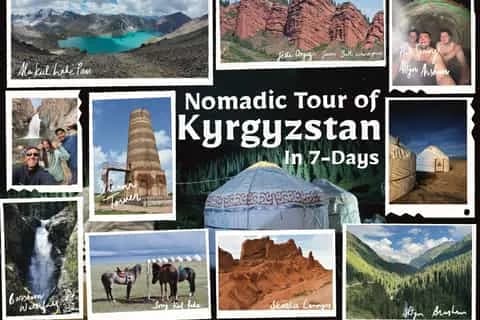
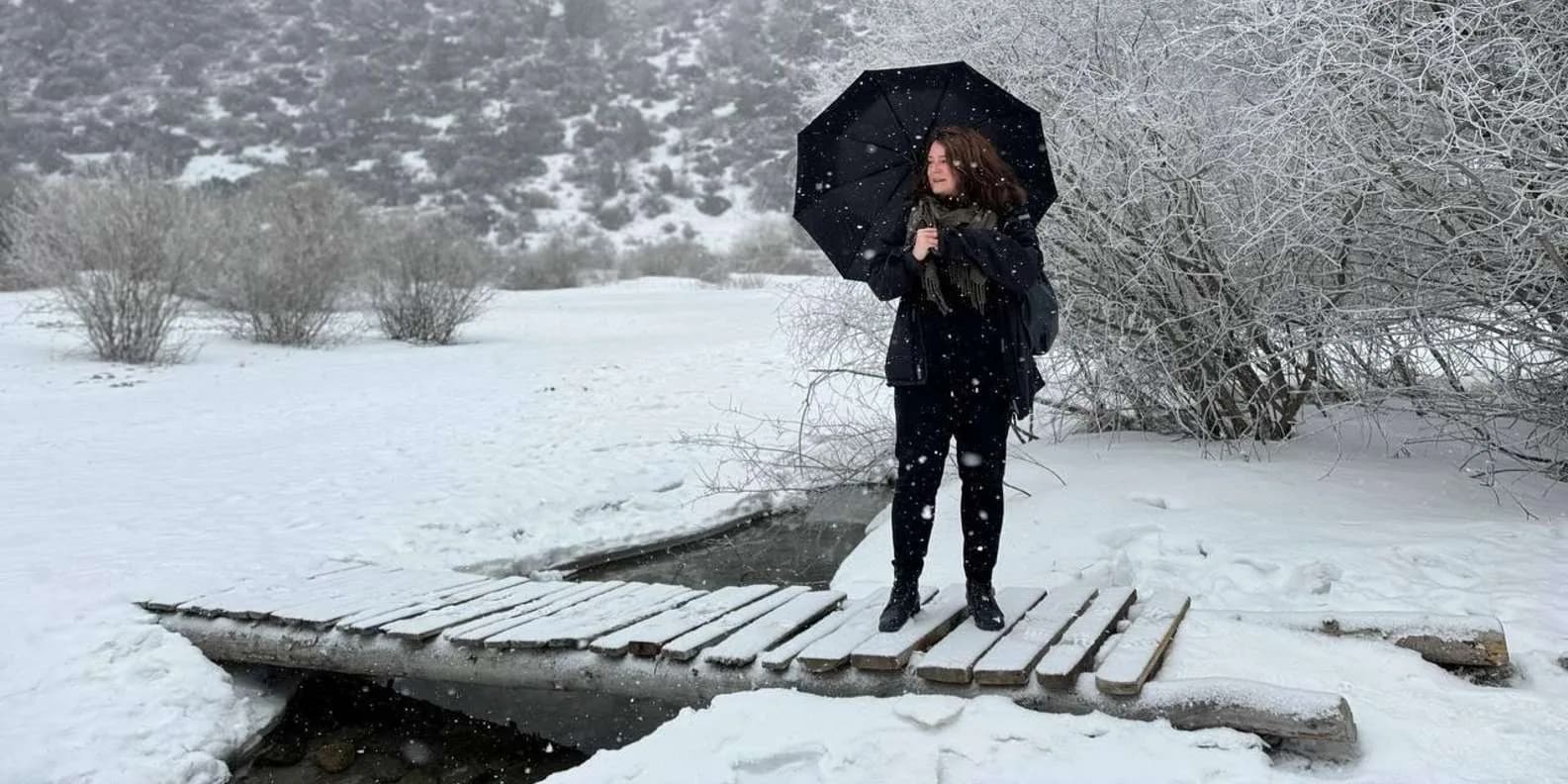
Kyrgyzstan in winter is a specialist trip. From December to March the country turns cheap, quiet and deep in snow, and what it does well narrows to a short list: skiing and ski touring at prices that undercut the Alps many times over, the genuine eagle-hunting season, snowy day hikes near Bishkek, and a couple of festive dates worth catching. The classic yurt-and-lake circuit that pulls people here in summer is closed. If that is what you came for, travel between June and September instead. If you want powder and empty valleys, winter is yours.
Skiing and ski touring: the headline draw
Skiing is the single best reason to come in winter, and it is astonishingly good value. The season runs roughly late November to late March. January is the best powder month; February is peak, with a two-to-four-metre base; corn snow arrives in March. Dry, light snow is the norm through the cold months, and lift queues barely exist.
Karakol Ski Base is the country's main resort, 7 km above the town of Karakol at the east end of Lake Issyk-Köl. Its runs spread between about 1,800 and 3,040 m across 20-plus marked pistes, from gentle blues to steep tree lines and off-piste bowls. A weekday lift pass is around 1,400 som (about $15-20), and a full ski or snowboard rental with boots and poles runs roughly 600-1,300 som a day. For an alpine resort with real vertical, that is close to free by European standards.
Jyrgalan, 60 km east of Karakol, is where tourers and freeriders go. There are no alpine lifts here at all; it is backcountry ski touring and guided freeride, with a guided day costing roughly $40-60. Come with a splitboard or touring skis, avalanche kit and the fitness to earn your turns.
Near Bishkek, ZiL (40 km out, 1,850-2,200 m) is the beginners' hill, and Chunkurchak, up in the foothills below Ala-Archa, is the other day-trip option. Neither is a destination in its own right, but both work for a morning on the snow when you are based in the capital. Suusamyr, the high valley reached over the Töö-Ashuu tunnel a few hours south of Bishkek, is the freeride and cat-skiing country: wide open faces and deep, dry snow, with the caveat that the pass road above it is avalanche-prone and can shut. Our skiing in Kyrgyzstan guide has the resort-by-resort detail.
Winter weather, region by region
Altitude drives everything. Bishkek and Osh are cold but functional; the high country is snowbound and shut. Treat the January figures below as indicative ranges, as local sources differ.
| Place | Elevation | January (low to high) | Winter character |
|---|---|---|---|
| Osh | ~965 m | -3 to +3 C | Mildest and lowest; a workable staging post |
| Bishkek | ~800 m | -5 to +3 C | Functional but grey; smog and inversions, intermittent snow |
| Cholpon-Ata (Issyk-Köl north shore) | ~1,650 m | around -14 to -6 C | Milder by the water than the interior; resorts largely shut |
| Karakol / east Issyk-Köl | ~1,775 m | -14 to -5 C | Reliable snow; the ski town, open all winter |
| Naryn | ~2,040 m | -16 to -9 C | Hard cold; gateway to the closed high country |
| Song-Köl | 3,016 m | -25 to -5 C | Snowbound; camps closed, access passes shut |
Bishkek in winter has a genuine downside worth flagging: coal heating and a natural inversion give the city severe seasonal air pollution, so asthmatic travellers should factor that in. The mountains are unaffected.
Beyond the slopes
Issyk-Köl never fully freezes. The lake is slightly saline and enormously deep, so its open water stays ice-free even in a hard Kyrgyz winter; only shallow bays and river mouths ice over at the edges. Out of season the shore is quiet to the point of desolate, but the air is clear, the views across to the snow-capped Terskey Ala-Too are at their sharpest, the Cholpon-Ata petroglyph field is empty, and Skazka Canyon on the south shore is sometimes free to enter. Sell it to yourself as scenery and cold light, not as a beach.
Ala-Archa is the easy winter day out. The national park sits about 40 minutes from Bishkek, entry is around 250 som, and the lower gorge stays open for day walks and snowshoeing under the pines. The higher routes to the waterfall and the huts turn into proper winter mountaineering, so know your limits and turn back at the snow line unless you are equipped and experienced.
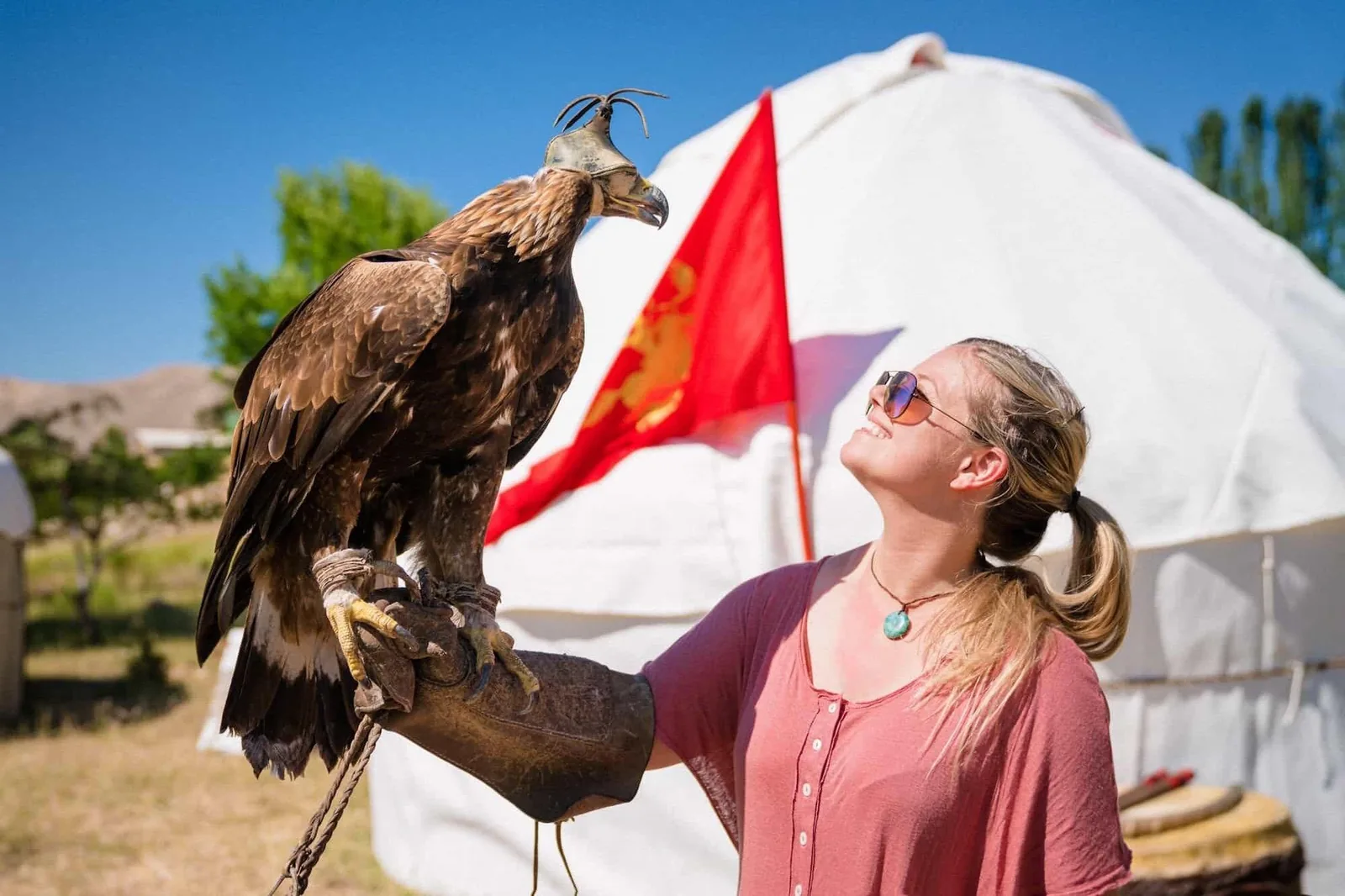
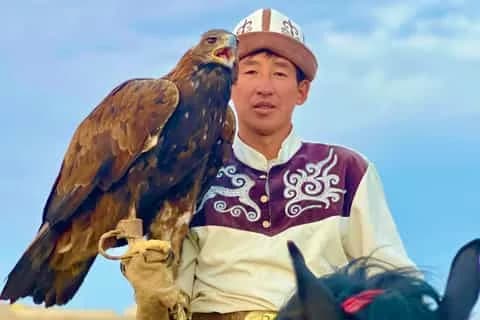
This is the real eagle-hunting season. The demonstrations sold to summer tourists are genuine but staged; actual hunting with a golden eagle happens in winter, roughly November to February, when there is snow to track on and the fox and hare are in prime coat. Bokonbaevo, on the south shore of Issyk-Köl, is the hub, with several resident berkutchi families. A year-round demonstration costs about $20-40 per person; joining a working hunt must be arranged in advance, costs roughly $50-80 a day, and means long cold hours on a hillside, frequently with no kill. Book through a guesthouse or community group so the money reaches the hunter, and read our eagle-hunting guide before you go.
The festive dates. New Year is the big secular celebration, with an extended holiday running 1-12 January, fireworks and a yurt-lined Ala-Too Square in Bishkek. Orthodox Christmas follows on 7 January. Neither reshapes a trip on its own, but they add colour if your dates fall right.
What is closed
Most of the postcard Kyrgyzstan is shut from October to May, and no amount of optimism reopens it:
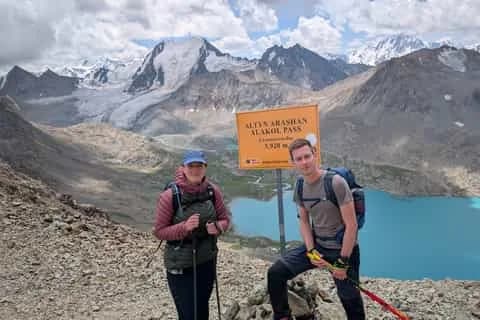
- Song-Köl yurt camps. The lake sits at 3,016 m and the access passes (Kalmak-Ashuu and Moldo-Ashuu) are snowbound; camps close entirely. This is the single trip people most often assume they can do in winter, and they cannot.
- The high treks. The Ala-Köl pass (about 3,900 m) is under deep snow, and Altyn-Arashan and the Ala-Köl basin become winter mountaineering, not trekking.
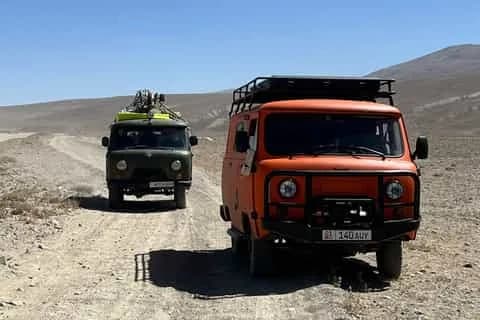
- Tash Rabat and the remote 4WD roads. The Naryn back-country, Kel-Suu and the unpaved passes (Kegeti ~3,785 m, Tosor ~3,893 m) are impassable.
- Most CBT jailoo homestays and the summer pasture camps, which open and close with the grass.
- Cholpon-Ata and the north-shore resorts, which mostly shutter from October to April.
Getting around in winter
Travel by day and keep your schedule loose. Roads ice up, and the Bishkek-Osh highway crosses Töö-Ashuu, which closes for avalanche control after heavy snow (heavy vehicles are held back first). The dependable way south is the flight: Bishkek to Osh is about 45 minutes against 10-12 hours and 600 km by road, with promo fares from roughly 3,500-5,000 som (about $40-57). Around Issyk-Köl the north-shore highway stays open, and GoBus coaches and marshrutkas still run to Karakol in six to seven hours. Draw a decent cash float before any mountain leg: cards fail outside Bishkek, Osh and Karakol, ATMs are scarce in smaller towns, and everything rural, from guesthouses to lift tickets and eagle-hunting fees, is effectively cash only.
What to pack
Bring real winter kit, not shoulder-season layers. A proper down jacket, thermal base layers, waterproof insulated boots, a warm hat and gloves are the baseline for a country where January nights drop well below -15 C at altitude. Just as important and routinely underestimated: high-factor sunscreen, lip balm and category 3-4 sunglasses. UV at 1,800-3,000 m bouncing off fresh snow is brutal, and snow blindness is a real risk on a bright piste day. A power bank helps, as cold flattens phone batteries fast. Our what-to-wear guide covers the full list.
The honest verdict
Winter suits two kinds of traveller. The first is the skier chasing cheap, uncrowded powder, who will find Karakol and Jyrgalan hard to beat on value anywhere in the world. The second is the off-season seeker who wants the country emptied out and does not mind that half of it is closed. If you are a first-timer picturing the yurt-and-lake Kyrgyzstan of the brochures, come in summer instead and check our best time to visit guide to time it well. Come in winter for the slopes, a genuine eagle hunt and clean cold light, and plan your base around the one place that stays fully open: browse what is on around Karakol.
Chat with a real person — free
Seif and the team reply on WhatsApp 24/7 — trip questions, custom plans and booking help.
Ask Seif on WhatsAppCommon questions
Is Kyrgyzstan worth visiting in winter?
Yes, if you ski or specifically want the off-season; no, if you came for the classic yurt-and-lake trip. Winter (December to March) delivers superb bargain skiing at Karakol and Jyrgalan, the real eagle-hunting season and quiet, snow-covered scenery. But Song-Köl, the high treks and most jailoo camps are shut, so first-timers wanting that experience should travel between June and September.
When is ski season in Kyrgyzstan?
The ski season runs roughly late November to late March. January is the best powder month, February is peak with a two-to-four-metre base, and corn snow arrives in March. The snow is typically dry and light through the cold months, and the resorts are far less crowded than comparable European hills. Conditions change fast, so check locally before you commit to a day.
Where is the best skiing in Kyrgyzstan?
Karakol Ski Base is the main resort, with 20-plus marked runs between about 1,800 and 3,040 m near the east end of Issyk-Köl. Jyrgalan, 60 km east, is backcountry ski touring and guided freeride with no lifts. Near Bishkek, ZiL and Chunkurchak are beginner day hills, while the Suusamyr valley offers open freeride and cat-skiing terrain in deep, dry snow.
How much does skiing in Kyrgyzstan cost?
It is cheap by international standards. A weekday lift pass at Karakol Ski Base is around 1,400 som (about $15-20), and a full ski or snowboard rental with boots and poles costs roughly 600-1,300 som a day. A guided freeride day at Jyrgalan runs about $40-60. Prices move, and lift tickets and rentals are usually cash only, so carry som.
Does Lake Issyk-Köl freeze in winter?
No. The open lake never fully freezes, because it is slightly saline and extremely deep, holding too much thermal mass to lose. Only shallow bays and river mouths ice over at the edges in a hard winter. This is why it is called the warm lake. The shore resorts, however, largely close from October to April, so treat a winter visit as scenery rather than a beach break.
Can you see eagle hunting in Kyrgyzstan in winter?
Yes, and winter is the only time you see the real thing. Actual hunting with a golden eagle happens roughly November to February, when snow lets the berkutchi track fox and hare. Bokonbaevo on the south shore of Issyk-Köl is the hub. A staged demonstration costs about $20-40 year-round; joining a working winter hunt is roughly $50-80 a day and must be arranged in advance.
What is closed in Kyrgyzstan in winter?
Most of the summer highlights. Song-Köl's yurt camps close as the access passes snow up, the high treks including the Ala-Köl pass are under deep snow, Tash Rabat and the remote 4WD roads are impassable, most community homestays on the jailoo shut, and the Cholpon-Ata north-shore resorts close from October to April. If your plan centres on sleeping in a high-mountain yurt, that is a summer trip.
How do you get around Kyrgyzstan in winter?
Travel by day and keep buffers. Roads ice over, and the Bishkek-Osh highway can close at Töö-Ashuu for avalanche control after heavy snow. The reliable way south is the 45-minute Bishkek-Osh flight (promo fares from about 3,500-5,000 som) rather than the 10-12 hour drive. Around Issyk-Köl the north-shore road stays open with buses to Karakol. Carry cash, as cards fail outside the main cities.
How cold does Kyrgyzstan get in winter?
It depends heavily on altitude. January in Bishkek (~800 m) runs about -5 to +3 C and Osh is similar; Karakol is roughly -14 to -5 C; Naryn drops to around -16 to -9 C; and Song-Köl at 3,016 m sits between about -25 and -5 C. Pack a proper down jacket, insulated waterproof boots and strong sun protection, since UV off fresh snow is fierce.
Book it on This is Kyrgyzstan
Turn this guide into a trip
Kyrgyzstan's bestsellers
The experiences travelers book most, across the country
Keep reading
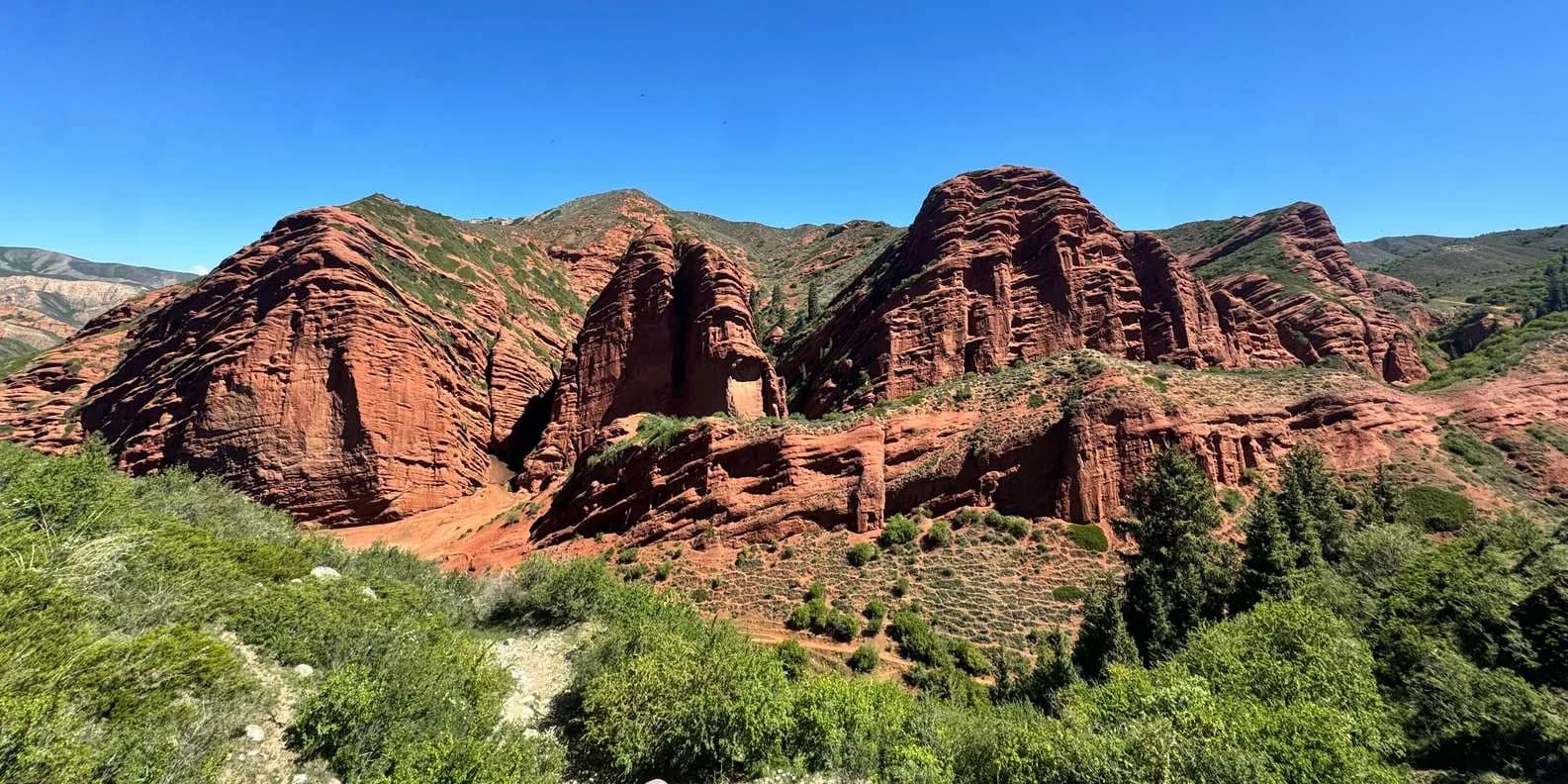
Boz-Uchuk Lakes Trek from Jyrgalan (2026)
A moderate 2–3 day trek to a string of alpine lakes above Jyrgalan — quieter than Karakol's classics, with community yurts, horses and clear DMO rates.
By TiK Editors8 min read
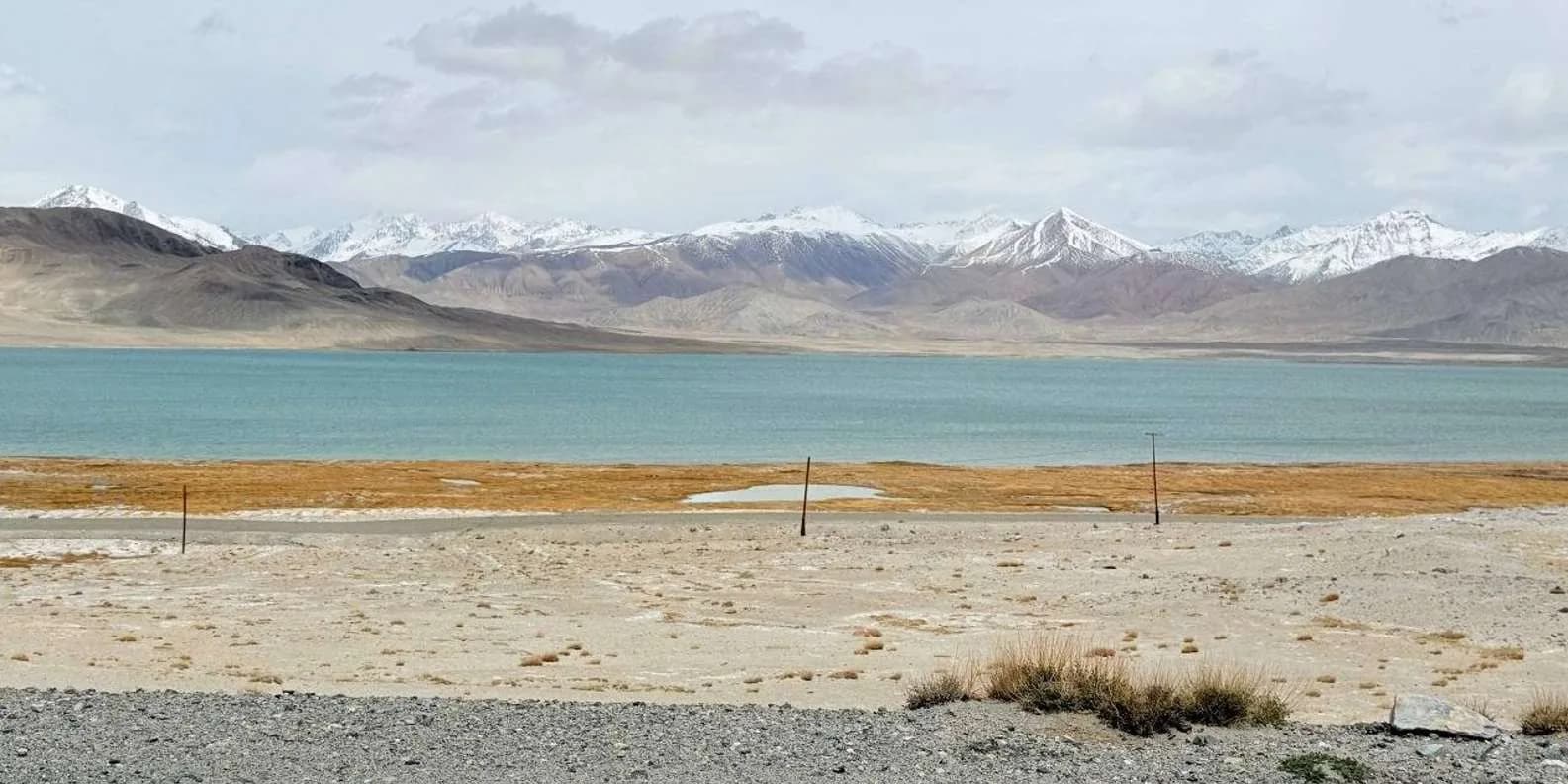
Tian Shan Traverse: Bikepacking Kyrgyzstan
The Tian Shan Traverse is a self-supported, mostly off-road bikepacking route of about 1,000 km across the high Kyrgyz mountains. Here's how to plan it.
By TiK Editors9 min read
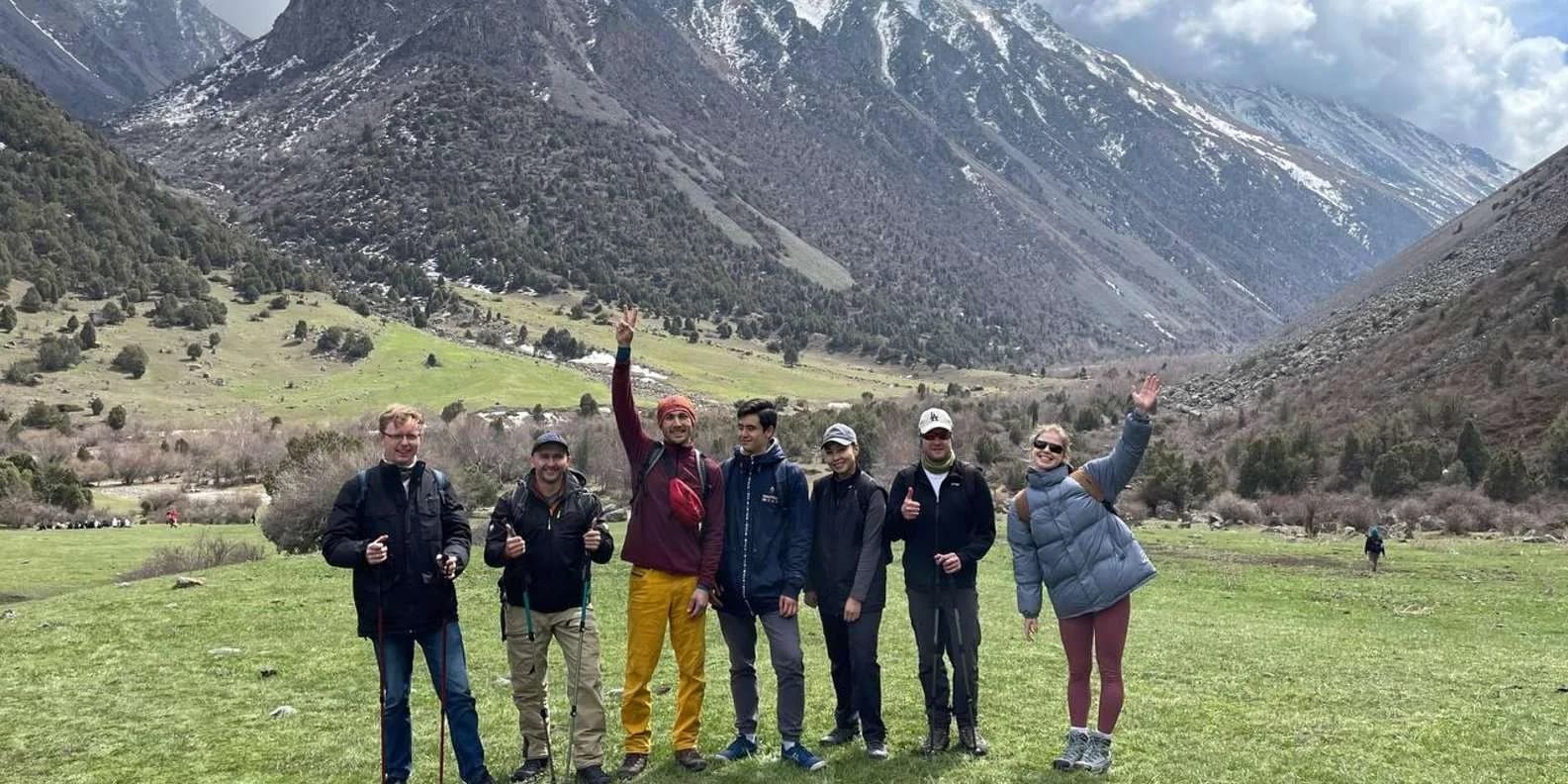
Self-Guided Treks in Kyrgyzstan: Routes & How-To
Yes, you can trek Kyrgyzstan without a guide. The best self-guided routes, the ones to skip, and the maps, water and safety logistics that make it work.
By TiK Editors12 min read