 Image via GetYourGuide
What to Wear in Kyrgyzstan: Dress by Season & Place
How to dress for Kyrgyzstan: the layering rule for 30°C valleys and freezing 3,000 m nights, plus what to wear in cities, mosques, villages and on the trail.
Book it on This is Kyrgyzstan
Turn this guide into a trip
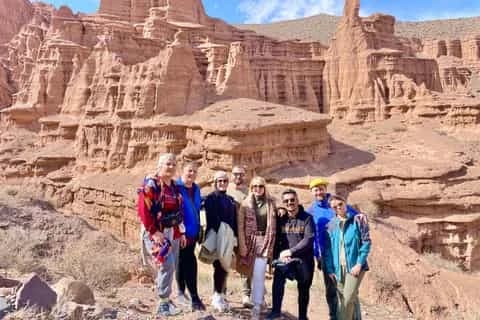
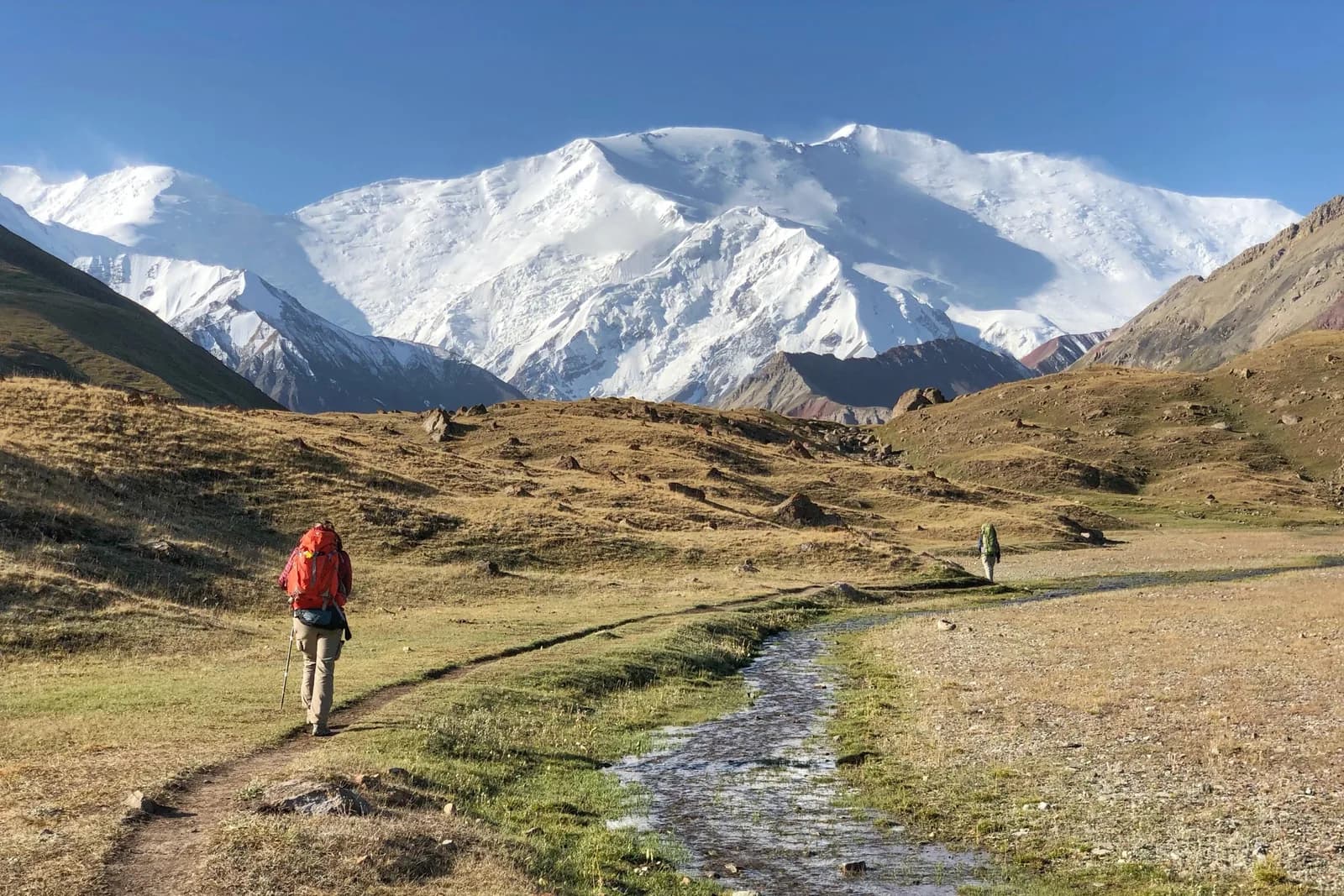
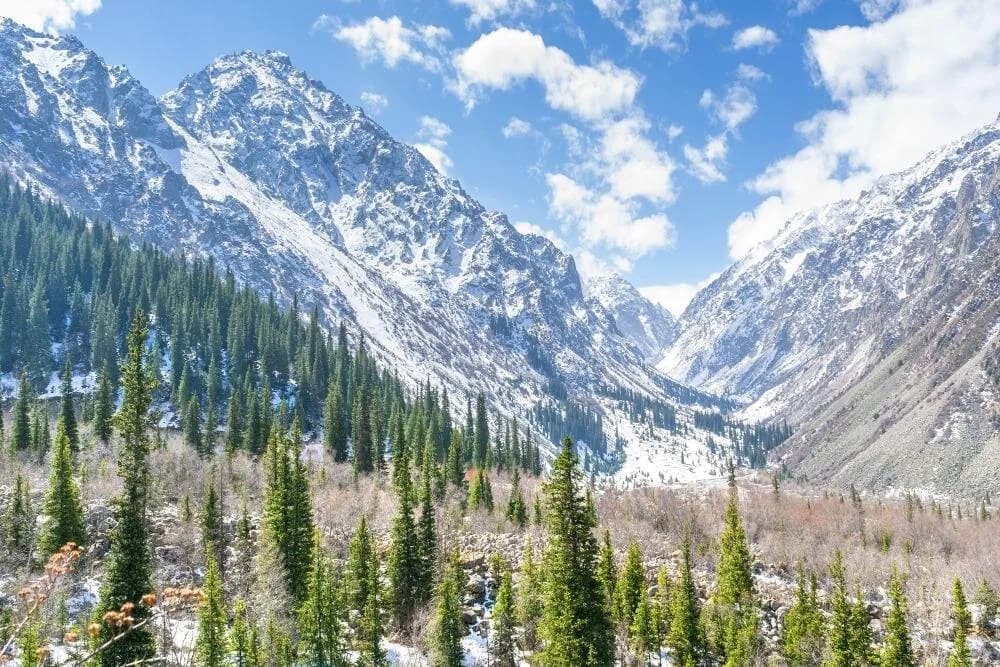
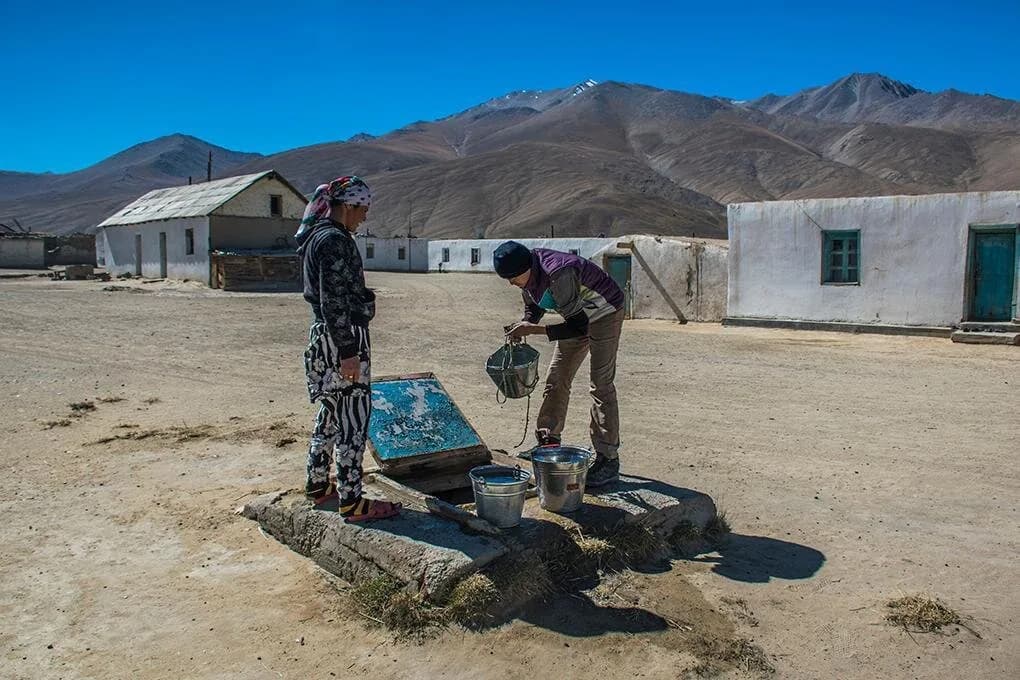
Dress in layers you can add and shed through the day, keep it relaxed and Western-casual in Bishkek, and carry one thing to cover shoulders, knees and (for women) your head at mosques and sacred sites. That is the whole answer. Kyrgyzstan is the least restrictive dress environment in Central Asia, with no legal clothing rules for foreigners and no headscarf obligation outside religious sites. The real challenge here is not modesty, it is temperature: a single day can run from a hot, dusty valley to a snow-flecked pass, and getting the layers right matters far more than getting the etiquette perfect.
This is about clothing and dress choices. For the full kit checklist, boots to first-aid, see the Kyrgyzstan packing list; this guide is about what to actually put on, and when.
The layering principle
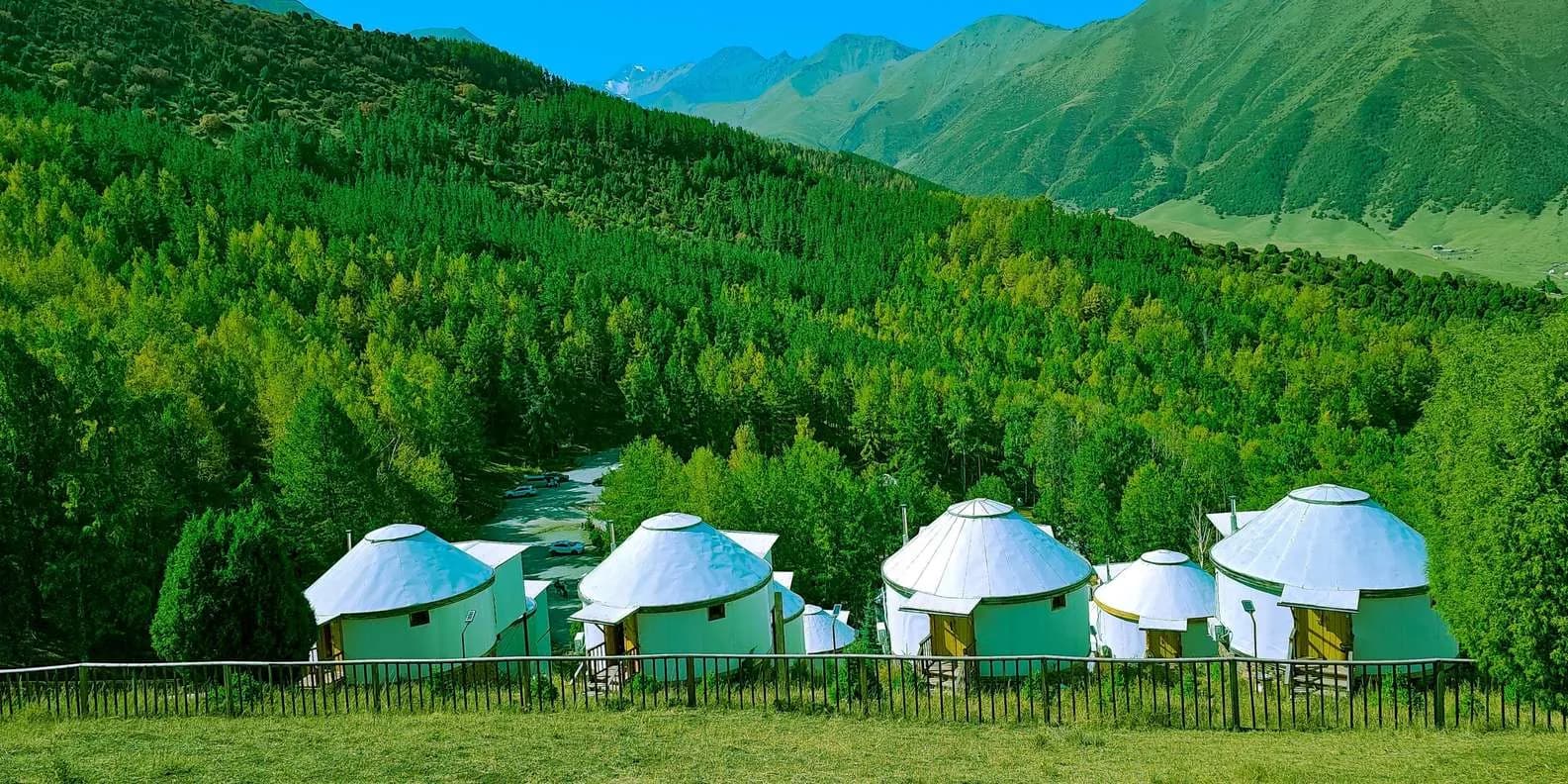
Altitude, not the calendar, drives what you wear. Over 90% of Kyrgyzstan sits above 1,500 m, and the standard traveller's day can take you from an 800 m capital to a 3,016 m lake in a few hours. In midsummer Bishkek regularly tops 32°C and can spike past 35°C, yet a yurt night at Song-Köl or Tash Rabat can drop close to freezing, and frost or even snow is possible on any summer night above 3,000 m. That is a swing of 30°C in a single 24 hours.
The fix is a classic three-layer system you carry with you rather than choose between:
- A base layer that wicks: merino or synthetic, not cotton. Cotton holds sweat, chills you on a climb and takes forever to dry.
- A mid layer for warmth: a fleece or light down jacket that packs small.
- A shell for wind and rain: a light waterproof. Mountain weather turns fast, and wind on an exposed pass does more than the thermometer suggests.
Even a hot summer sightseeing day should have a fleece and a shell in the daypack the moment you leave the lowlands. People get caught out precisely because it was 30°C when they set off.
What to wear by season
Green-season travel (roughly June to September) is when most visitors come, but the country is a year-round destination if you dress for it. See the best time to visit Kyrgyzstan for the wider seasonal picture.
| Season | Cities & valleys | Mountains, lakes & passes | Don't forget |
|---|---|---|---|
| Summer (Jun–Aug) | Light, breathable clothes; 30–35°C in Bishkek and Osh | Cool to cold above 3,000 m; 12–22°C days, near-freezing nights at Song-Köl | Fleece + shell in the daypack every day; strong sun protection |
| Shoulder (May, Sep–Oct) | Mild days, cold mornings; layers | Snow lingers on high passes; camps opening or closing; mud in May | Warm mid-layer, waterproof, gloves and a hat for high nights |
| Winter (Nov–Mar) | Cold, often −5 to +3°C in Bishkek; snow and city smog | Deep cold; ski season late Nov–late Mar, −25°C possible at altitude | Proper down coat, insulated boots, thermals, hat and gloves |
A few season-specific notes. In summer, the heat in the cities is genuine, so pack for hot days as well as cold nights, not one or the other. In the shoulder months, half the high-mountain itinerary may be shut and the weather is unsettled, so waterproofs and a warm layer earn their place. For a winter or ski trip, treat it as a serious cold-weather destination: Karakol's slopes run to over 3,000 m and January is the coldest, driest powder month, so bring insulated, waterproof outerwear, thermal base layers, a warm hat, proper gloves and goggles. Bishkek's winter air quality is poor, which asthmatic travellers should factor in.
What to wear by context
What is normal changes sharply between secular Bishkek and the conservative south, and between a city street and a family's home. Match the setting.
| Setting | Women | Men |
|---|---|---|
| Bishkek & the north | Anything you'd wear in a European city — jeans, dresses, skirts | Casual; shorts fine in summer, though less common than at home |
| Osh & the south | Cover shoulders and knees; loose trousers or long skirt; scarf handy | Long trousers rather than shorts |
| Villages & homestays | Cover shoulders and knees; no vest tops or short shorts indoors | Trousers; modest layers for the evening meal |
| Mosques & Sulaiman-Too | Shoulders, knees and head covered; shoes off | Long trousers, covered shoulders, no shorts; shoes off |
| Trekking & jailoo | Practical technical wear; trousers for a herder's yurt in the evening | Same; swap hiking shorts for trousers at the family meal |
Bishkek and the north are essentially European. The city dresses up, and you are far more likely to feel under-dressed than over-dressed. Short skirts, crop tops and dresses are unremarkable on young women, and the whole place is visibly secular.
Osh and the south are noticeably more conservative. There is no rule and you will not be challenged, but covering shoulders and knees, and keeping a scarf to hand, changes how warmly you are treated. Men wearing long trousers rather than shorts fit in better. Osh itself is calm and welcoming; it is simply a more traditional register, which the wider is Kyrgyzstan safe picture backs up.
Villages and homestays anywhere lean conservative, north or south. In a family home, don't wander about in a vest top or short shorts, don't undress to wash in a shared space, and bring something to sleep in that you'd be comfortable being seen in. Remember shoes come off at the door every time — slip-on footwear you can shed without sitting down is quietly useful.
Mosques, mazars (shrines) and Sulaiman-Too call for real modesty: shoulders and knees covered, no shorts, shoes off at the threshold, and women covering their head with a scarf. Sulaiman-Too in Osh is an active pilgrimage site rather than a viewpoint, even though most of it is open hillside — dress for it as you would for a mosque. Don't sunbathe, picnic loudly or fly a drone at a shrine.
On the trail and at a jailoo (summer pasture), practical clothing is fine and nobody minds technical gear. The one courtesy: if you're staying in a herder's yurt, change out of hiking shorts into trousers for the evening meal. For the trekking in Kyrgyzstan essentials, warm layers and a waterproof are non-negotiable even in July.
At Issyk-Köl's beaches, swimwear is normal along the resort strips of the north shore in the late-June-to-late-August season, when the lake is warm enough to swim. Away from the resort areas, cover up between the water and your accommodation. And note the local custom at banyas and hot springs: single-sex, naked and entirely normal — bring flip-flops.
Footwear
Split your feet between two jobs. For any trek — Ala-Kul, Altyn-Arashan, Song-Köl — bring broken-in hiking boots with ankle support and grip; new boots on a multi-day route are a blister guarantee, and Kyrgyz trails are rocky, with river crossings where you'll want shoes you can wade in or a spare pair of sandals. For towns, a pair of comfortable trainers or walking shoes handles Bishkek's uneven pavements and open drainage channels, which are a genuine trip hazard after dark. Because you'll be removing shoes constantly — homes, mosques, yurts — slip-on or quick-lace styles save endless fiddling.
Women travellers, specifically
Kyrgyzstan is a relatively liberal, secular country and a popular destination for solo women. There is no legal dress requirement and no need for a headscarf in day-to-day travel. In Bishkek you can dress exactly as you would at home. The adjustments are situational, not constant: cover shoulders and knees in the south, in villages and at religious sites, and carry a lightweight scarf. That single scarf is the most useful item you'll pack — it covers your head at a mosque or Sulaiman-Too, shields your neck from fierce mountain sun, and reads as respect in a conservative bazaar. Covering up in these settings is courtesy, not compulsion, and it tends to make interactions warmer rather than more restricted.
Fabrics, sun and the wind
Choose fabrics for a dry, high, sunny climate. Quick-drying synthetics or merino beat cotton for anything active, since you'll sweat on climbs and want it dry by evening. Loose, breathable weaves handle the valley heat and give coverage without cooking you.
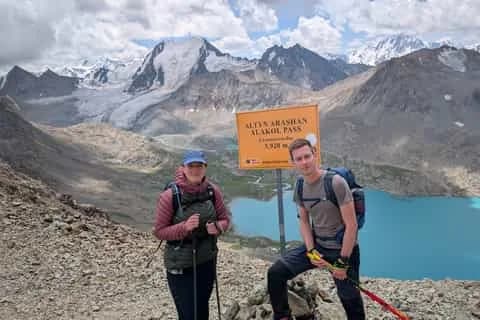
Don't underestimate the sun. UV at 3,000–4,000 m, especially with snow reflecting it back at you on a high pass, is severe, and sunstroke and serious sunburn are real risks at altitude. A brimmed hat, high-factor sunscreen, lip balm with SPF and category 3–4 sunglasses are not optional gear on the Ala-Kul pass or at Song-Köl; snow blindness genuinely happens on snow-covered passes. Long, light sleeves often protect better than repeated sunscreen.
What locals actually wear
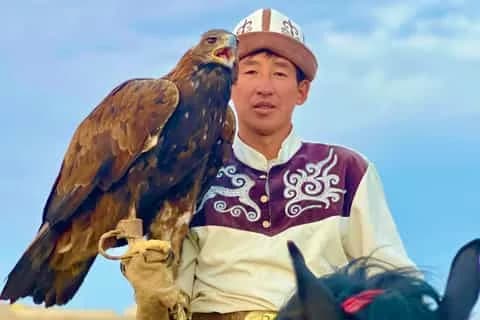
Day to day, urban Kyrgyz dress much like Europeans — jeans, trainers, jackets, and a fondness for dressing sharply for any occasion. The traditional garment you'll still see, particularly on older and rural men and at ceremonies, is the ak-kalpak, the white four-panelled felt hat whose shape is said to echo the mountain peaks. It carries real cultural weight — there's an Ak-Kalpak Day on 5 March and even a 2019 law protecting how it's treated — so admire it, and if you buy or are given one, handle it respectfully rather than tossing it about. In the conservative south, older women often wear headscarves and modest dress, though this is far from universal and younger women in Bishkek rarely do. Reading the register of the place you're in, and dressing a notch toward it, is all that's asked.
For more on customs beyond clothing — greetings, the home, hospitality — the Kyrgyzstan travel guide sets the wider scene, and if you're heading for the high country, browse trekking tours to match your kit to the route before you pack.
Chat with a real person — free
Seif and the team reply on WhatsApp 24/7 — trip questions, custom plans and booking help.
Ask Seif on WhatsAppCommon questions
Do women need to cover their hair in Kyrgyzstan?
No, not in everyday travel. Kyrgyzstan is secular and there is no legal headscarf requirement; in Bishkek women dress as they would in any European city. The exception is religious sites — inside mosques and at Sulaiman-Too in Osh, women should cover their head with a scarf. Carry a lightweight scarf and you're covered for those moments as well as for sun protection.
What should I wear in Bishkek?
Normal Western casual clothing. Bishkek is secular and cosmopolitan, and if anything it dresses up, so you're more likely to feel under-dressed than over-dressed. Jeans, dresses, skirts and shorts are all fine in summer. The city gets hot and dusty, often 32°C or more in July, so pack light, breathable clothes, but keep a layer handy for cooler evenings.
How cold does it get at Song-Köl and the high passes?
Cold, even in midsummer. Song-Köl sits at 3,016 m, and while July and August days reach 12–22°C, nights can drop close to freezing, with frost or snow possible any time. Yurts are stove-heated but the stove usually goes out around midnight. Bring a warm sleeping bag, thermal base layers, a fleece or down jacket, a hat and gloves, whatever the valley temperature was when you left.
Is it OK to wear shorts in Kyrgyzstan?
In Bishkek and the north, yes — shorts are acceptable for both men and women in summer, though slightly less common on men than back home. In the conservative south, in villages, in family homes and at any religious site, cover your knees instead: loose trousers or a long skirt for women, long trousers for men. Nobody will confront you, but it changes how you're received.
What do I wear to visit a mosque or Sulaiman-Too?
Cover shoulders and knees, wear long trousers or a long skirt, no shorts, and take your shoes off at the threshold. Women should cover their head with a scarf. Sulaiman-Too in Osh is an active pilgrimage site rather than a scenic viewpoint, so dress for it as you would for a mosque even though much of it is open hillside. Ask before photographing anyone praying.
What footwear should I bring?
Two pairs cover most trips. Bring broken-in hiking boots with ankle support and grip for any trek, plus comfortable trainers or walking shoes for towns. Never break in new boots on a Kyrgyz trail. A pair of sandals or wading shoes helps for river crossings and hot springs. Because shoes come off constantly indoors, slip-on or quick-lace styles save a lot of fiddling.
How do I dress for a winter or ski trip?
Treat Kyrgyzstan as a serious cold destination in winter. Bishkek runs around −5 to +3°C and the ski areas near Karakol reach over 3,000 m, with January the coldest, driest powder month. Bring an insulated waterproof coat, thermal base layers, a warm hat, proper gloves, goggles and insulated boots. Layering still applies — you'll want to shed a layer skiing hard and add it back on the lift.
What fabrics work best for Kyrgyzstan's climate?
Quick-drying merino or synthetics for anything active, since you'll sweat on climbs and want kit dry by evening — avoid cotton for base layers. Loose, breathable weaves handle valley heat. Add strong sun protection: UV above 3,000 m, especially with snow reflection, is severe, so pack a brimmed hat, high-factor sunscreen, SPF lip balm and category 3–4 sunglasses for high passes and lakes.
Can I wear swimwear at Issyk-Köl?
Yes, along the resort strips of the north shore, where swimwear is normal during the late-June-to-late-August swimming season when the lake is warm enough. Cover up on the walk between the beach and your accommodation, and be more modest away from the developed resort areas. Hot springs and banyas elsewhere are single-sex and typically enjoyed naked, so bring flip-flops.
Book it on This is Kyrgyzstan
Turn this guide into a trip
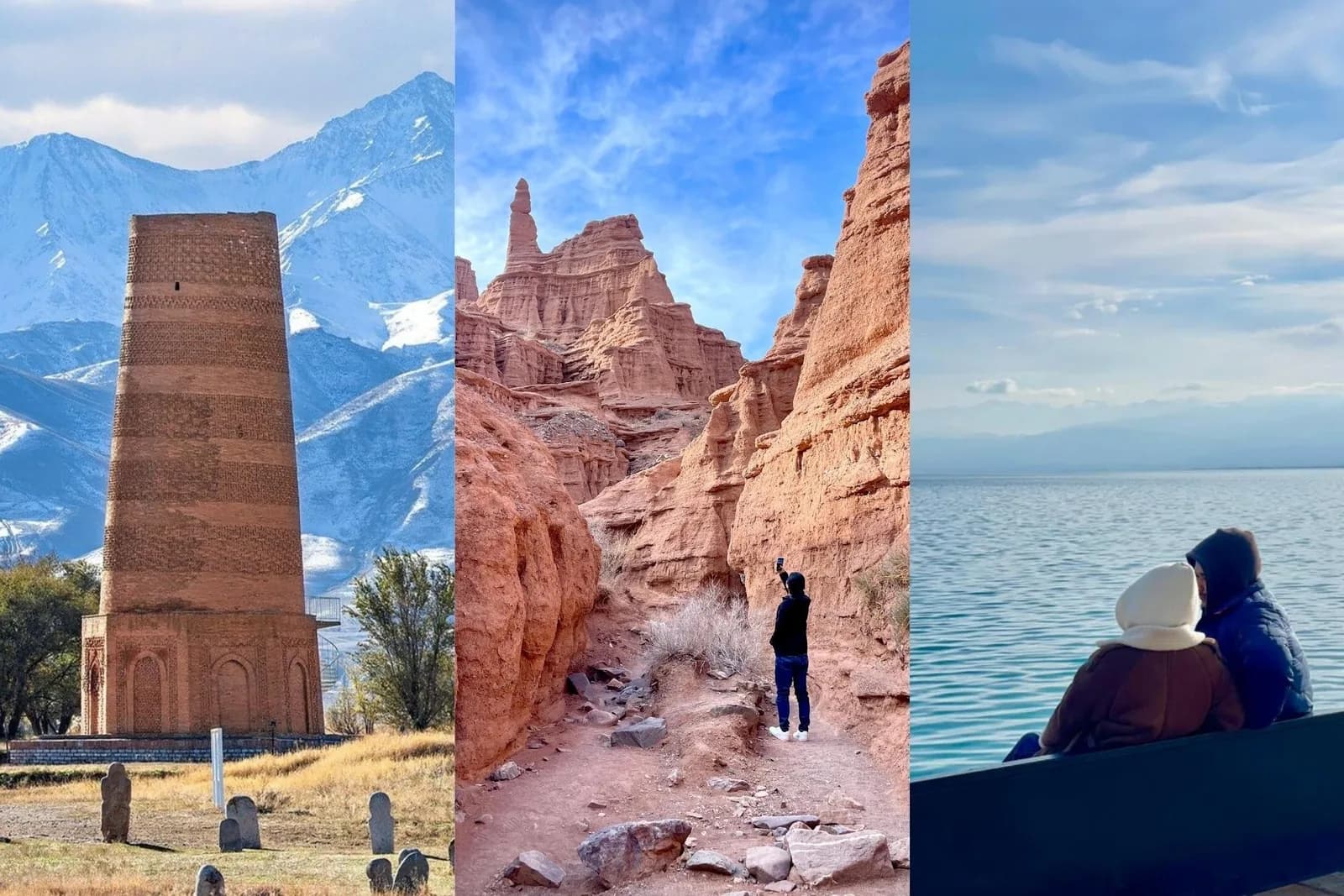
Kyrgyzstan's bestsellers
The experiences travelers book most, across the country

Keep reading
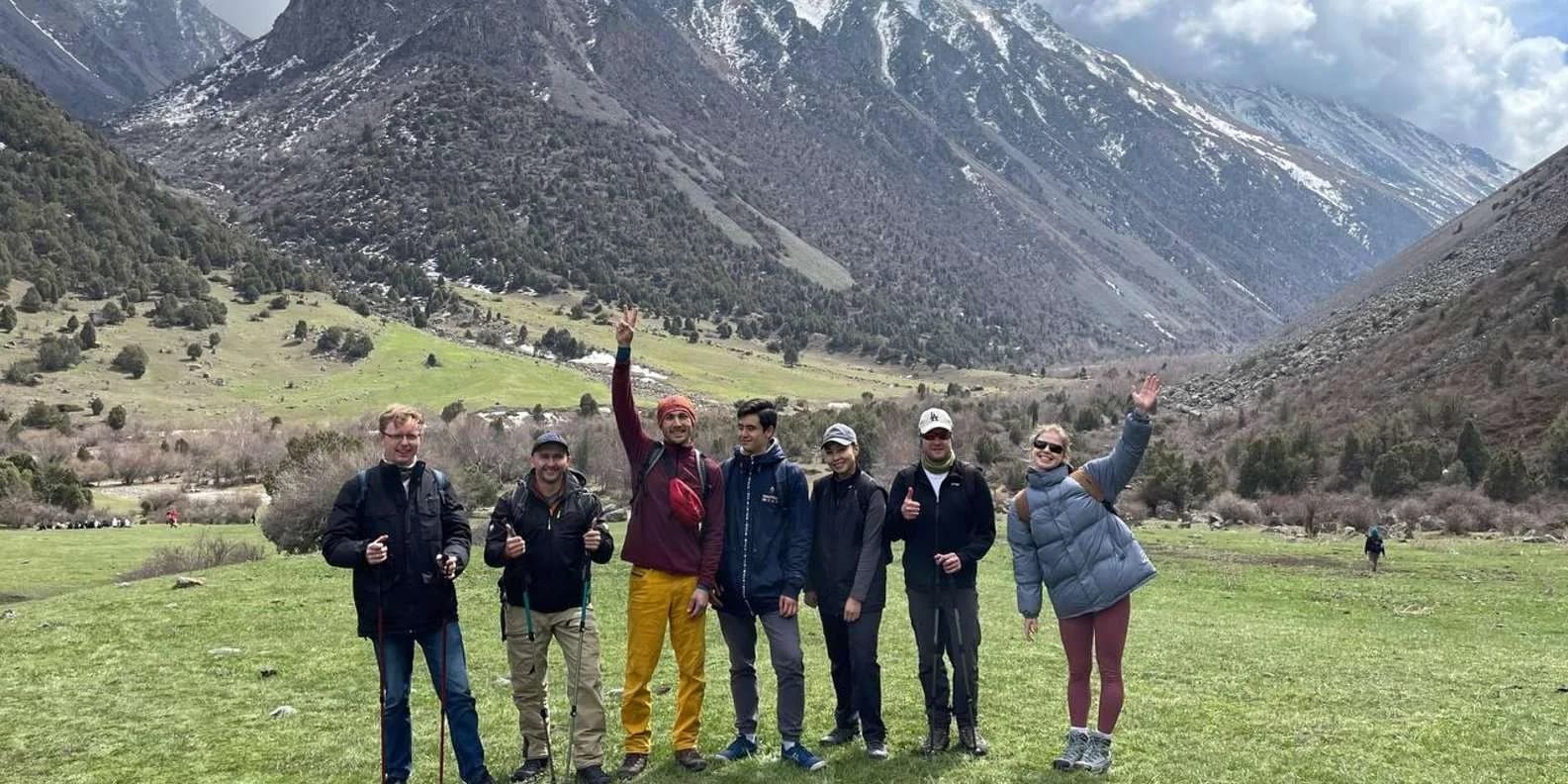
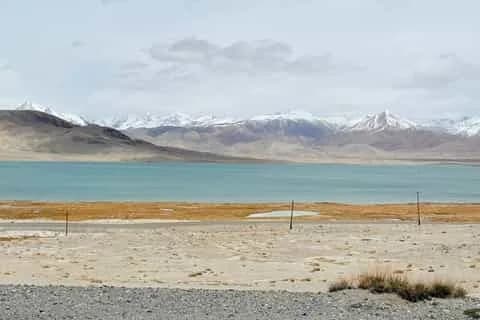
Self-Guided Treks in Kyrgyzstan: Routes & How-To
Yes, you can trek Kyrgyzstan without a guide. The best self-guided routes, the ones to skip, and the maps, water and safety logistics that make it work.
By TiK Editors12 min read
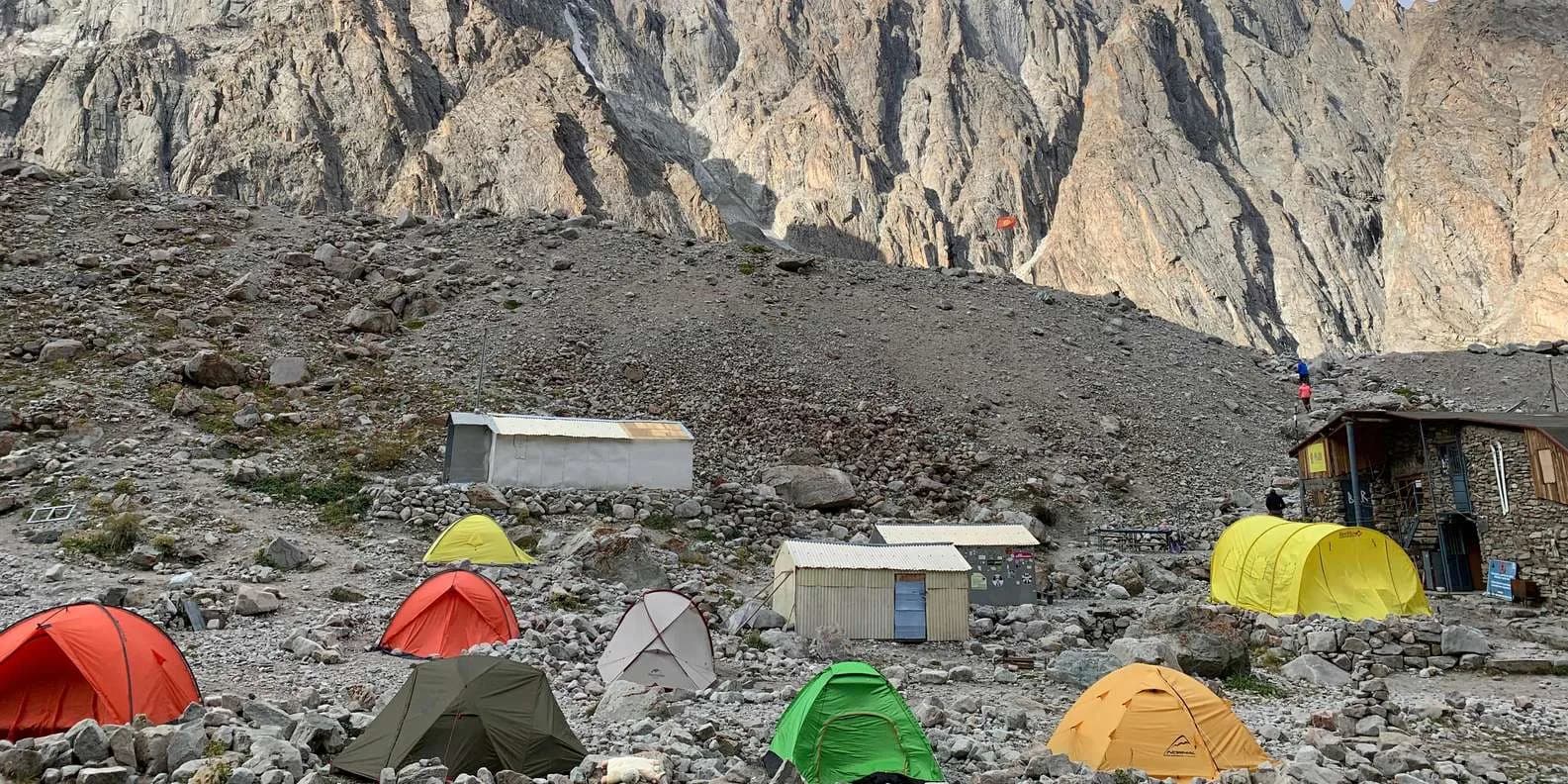
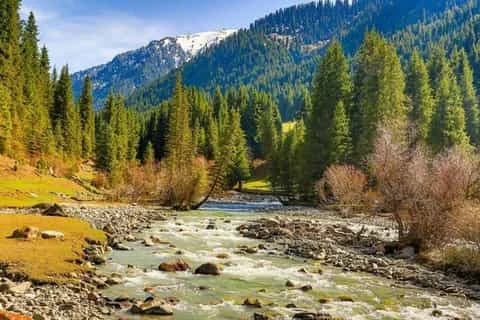
Uchitel Peak: Your First 4,000m Climb (2026)
Pik Uchitel (~4,400-4,600 m) in Ala-Archa is the classic first summit for fit hikers new to mountaineering: route, gear, season and acclimatisation.
By TiK Editors8 min read
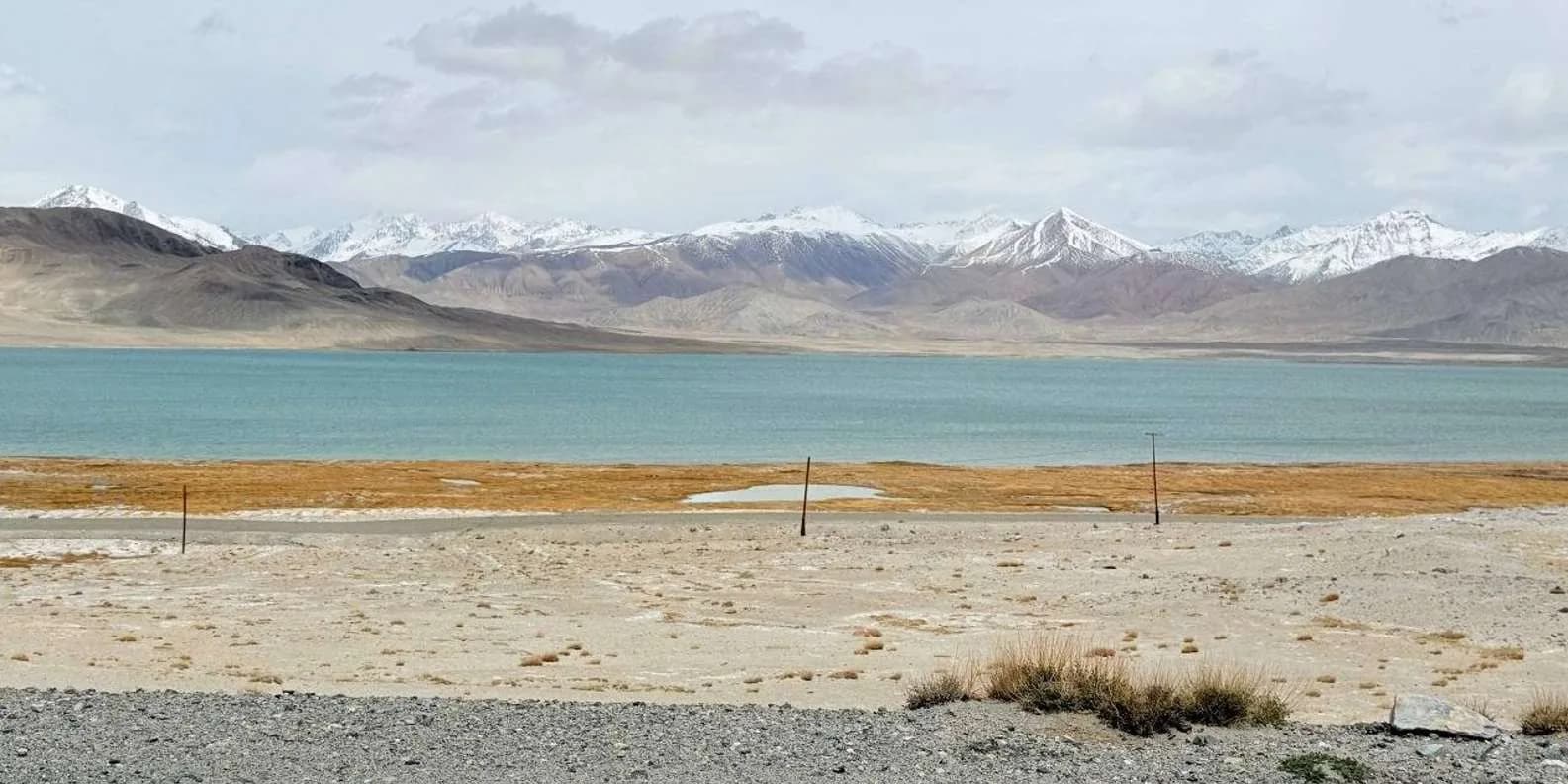
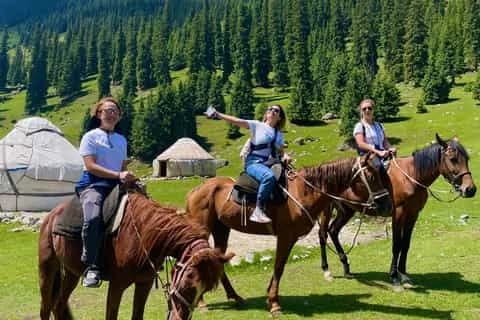
Tian Shan Traverse: Bikepacking Kyrgyzstan
The Tian Shan Traverse is a self-supported, mostly off-road bikepacking route of about 1,000 km across the high Kyrgyz mountains. Here's how to plan it.
By TiK Editors9 min read