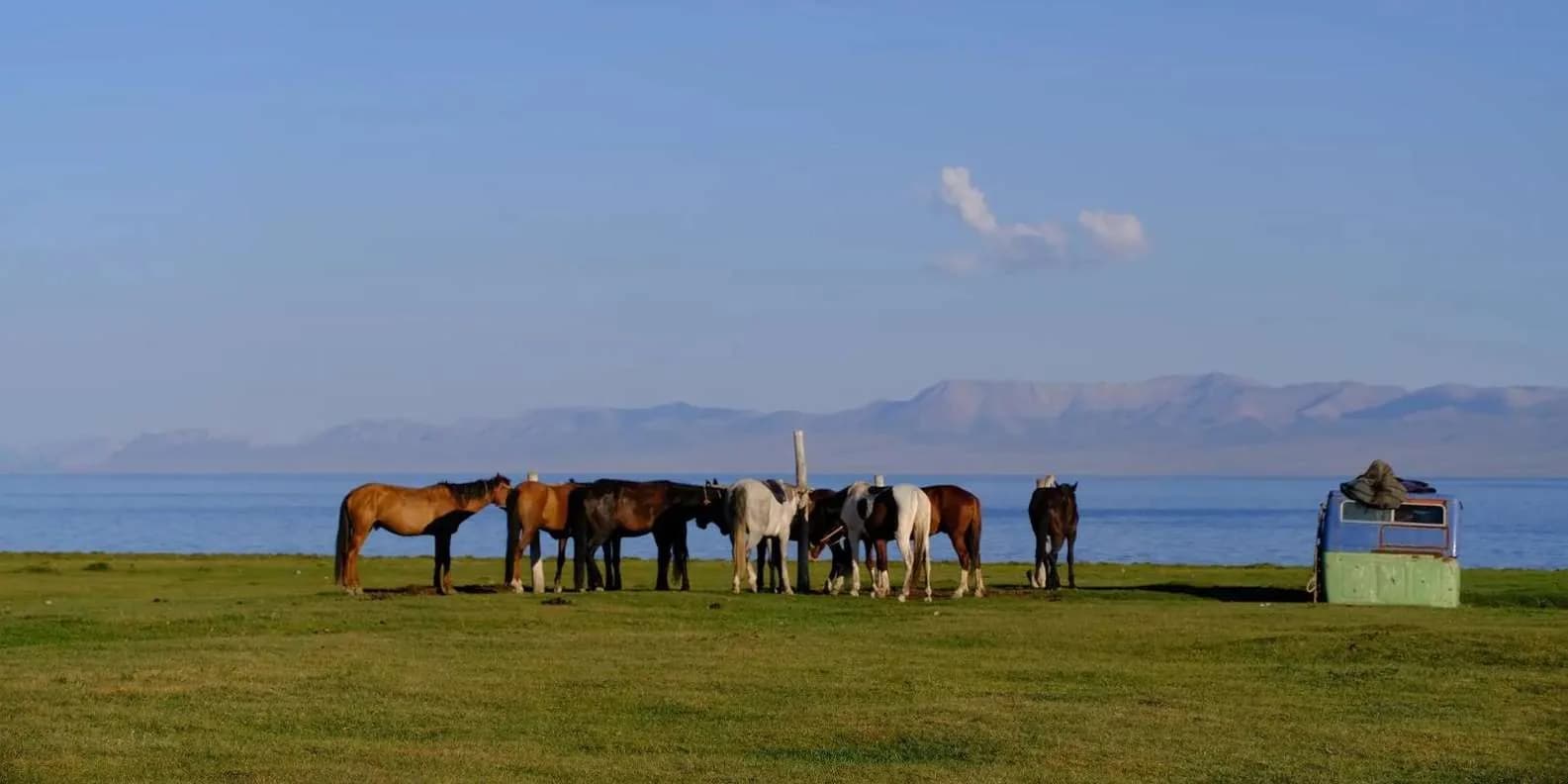
 Image via GetYourGuide
Kochkor to Song-Köl: How to Get There (2026)
The two real ways from Kochkor to Song-Köl — a 2–3 day horse trek over a pass, or a half-day 4WD transfer — with prices, passes and season.
Book it on This is Kyrgyzstan
Naryn · Turn this guide into a trip

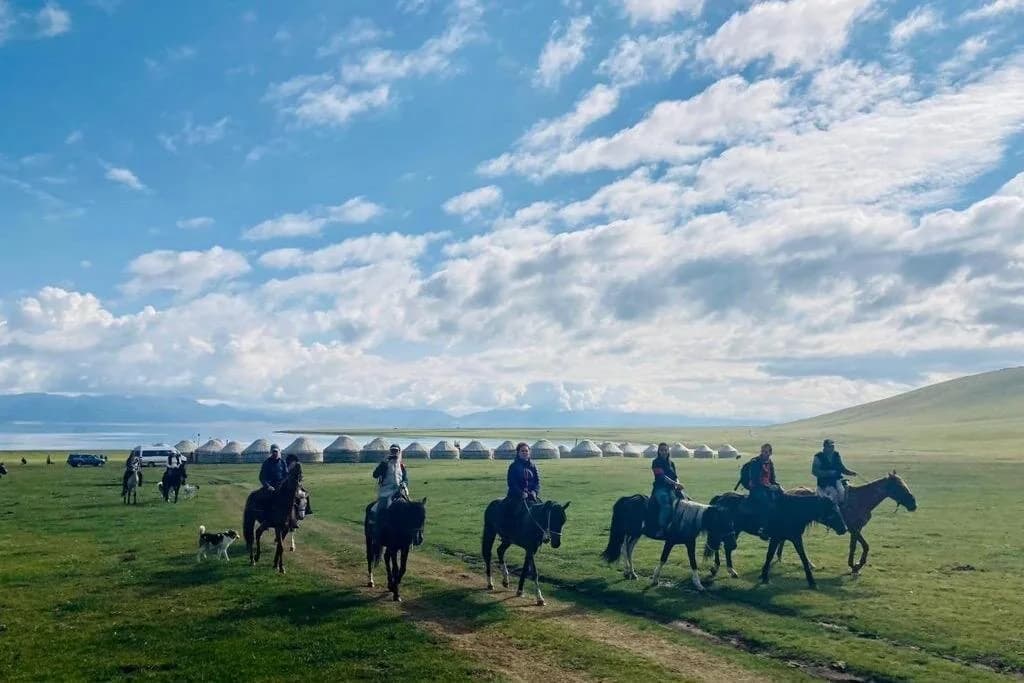
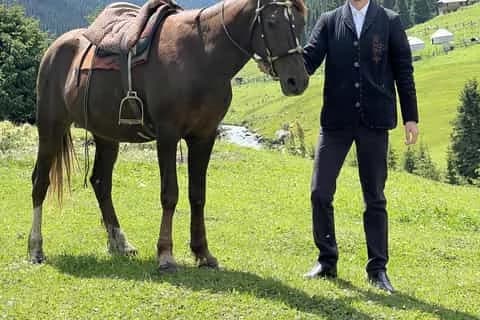

Kochkor is the launch pad for Song-Köl (Song-Kul), and almost every traveller reaches the lake through it. This dusty little town on the Bishkek–Naryn road is where you book the yurt camp, hire the horse or the jeep, draw your cash and buy the last of your snacks. There are two genuine ways to make the trip: ride in over a mountain pass on a 2–3 day horse trek, or drive in by 4WD in about half a day. Both drop you at the same 3,016 m shore. The route is only open roughly mid-June to mid-September — snow closes the passes the rest of the year.
This is a logistics guide: how to arrange the trip in Kochkor, which pass you cross, what it costs, and how to carry on to Naryn, Tash Rabat or back to Bishkek afterwards.
Why almost everyone routes via Kochkor
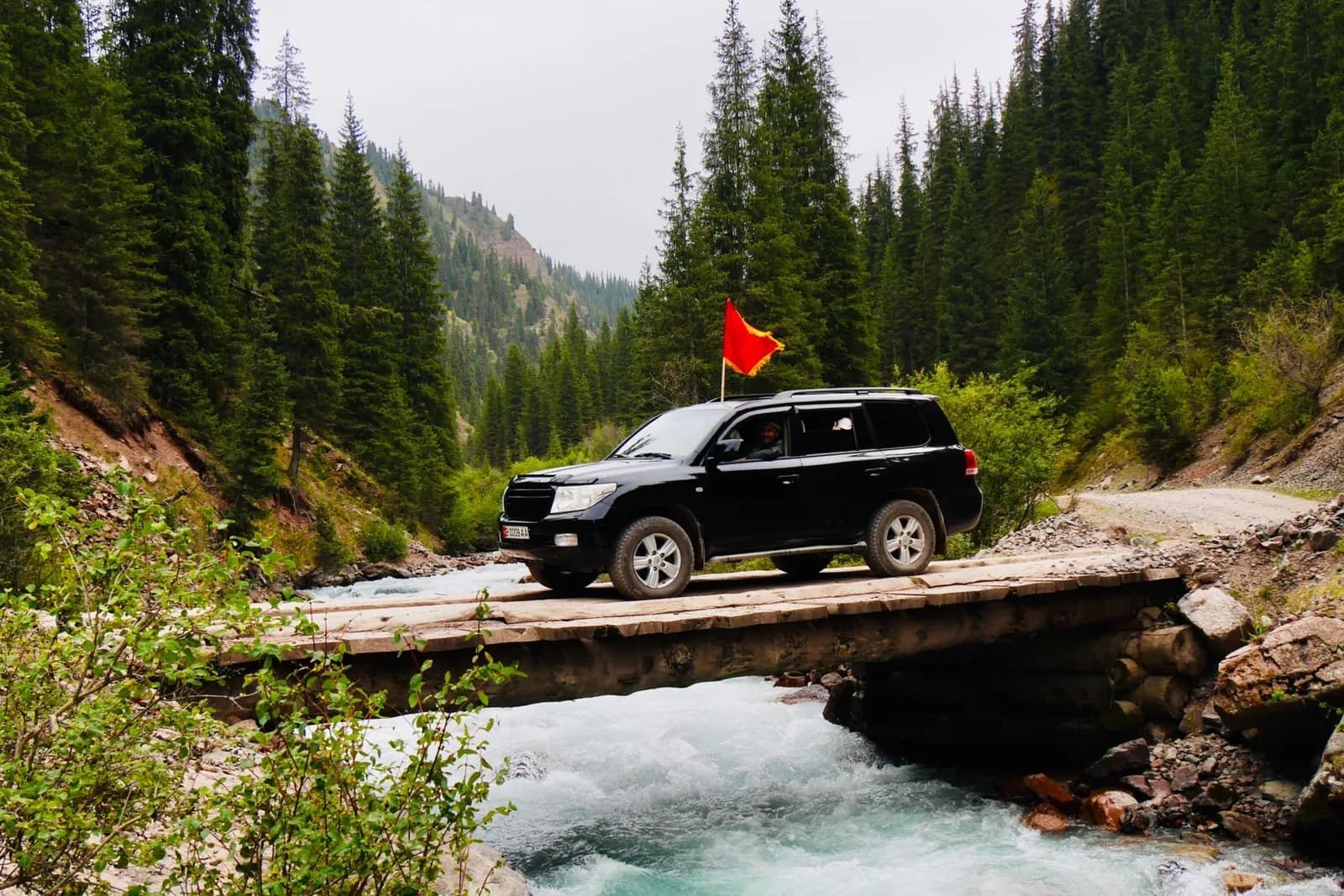
Song-Köl is a summer jailoo (high pasture), not a settlement. No public transport of any kind reaches the lake, and no road runs to it that an ordinary car should attempt. What you need — a driver with a proper 4x4, a horse and a guide, a bed in a yurt — is all arranged locally, and Kochkor is the town set up to do exactly that. It sits about 4 hours from Bishkek by marshrutka or shared taxi, with several departures a day, so it is easy to reach and the natural place to break the journey.
Two community outfits do most of the arranging: CBT Kochkor, part of the national community-based tourism network, and the Kochkor-based Shepherd's Life association. Both match you with local drivers at fixed rates, fill shared jeeps to the lake, book horses and guides, and reserve yurt-camp nights so the money reaches the herding families directly. Walk in, tell them your dates and budget, and they build the trip. Naryn, on the far side of the lake, is the other possible base, but Kochkor is closer to Bishkek and better set up for Song-Köl specifically. Our full Kochkor travel guide covers the town itself.
Your options at a glance
| Way in | Time | Rough cost | What you see |
|---|---|---|---|
| Horse trek (Kyzart start) | 2–3 days | ~$100–150 pp, all-in with meals & yurt nights | Passes, side-valley jailoos, the lake arriving on horseback |
| Shared jeep / 4WD transfer | Half a day (≈2–4 h) | Seat ~1,500–3,000 som ($17–34); confirm with CBT | The pass views, fast and dry, luggage carried |
| Private CBT driver | Half a day | Whole 4WD, negotiated | Your own timing, door-to-yurt-camp |
| Self-drive 4WD | Half a day | Rental ~$80–140/day + fuel | Total freedom, all the risk on you |
| Ride in, drive out (combo) | 2–3 days | Trek price + one-way jeep out | The best of both — trek the scenery, skip the retrace |
Prices move upward yearly and vary by season and group size. Treat these as orders of magnitude and get the current number from CBT Kochkor before you commit.
The horse-trek route
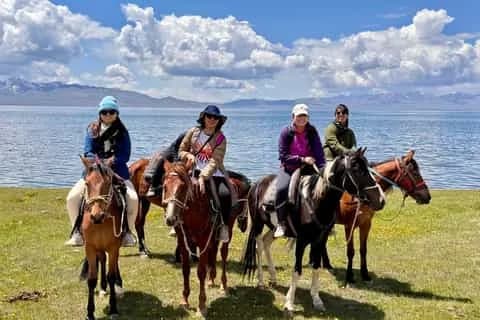
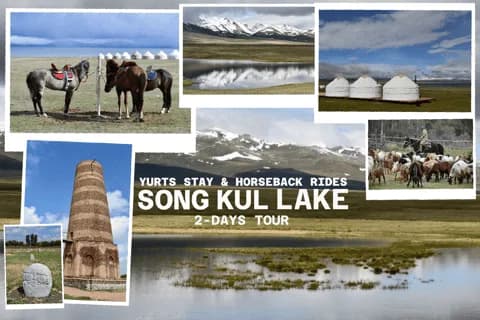
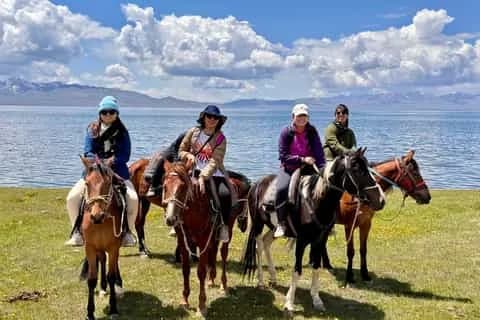
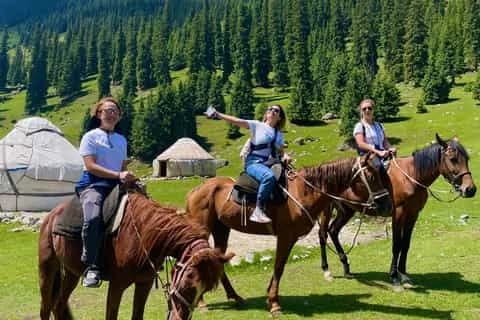
The classic ride is the Kyzart–Kilemche–Song-Köl route, and it is a proper beginner trek — the calm mountain horses carry total novices over 3,000 m passes every week of the summer. It runs three days: a first day from the road head above Kyzart village over the Kyzart pass to a yurt camp at Kilemche; a big second day over a high pass down to the Song-Köl shore, where the lake opens up all at once; and a lakeside third day before a vehicle takes you out to Kochkor.
Expect 5–8 hours in the saddle on the riding days and no more than 25–30 km covered — mountain horses walk, and on steep or boggy ground the guide dismounts everyone to lead the horses on foot, so bring boots you can actually walk in. Saddle soreness is the near-universal complaint; padded shorts and a folded fleece over the wooden saddle help. A complete 2–3 day Song-Köl trek with all meals and yurt nights runs roughly $100–150 per person. See our dedicated Song-Köl horse trek and Kyzart to Song-Köl trek guides for the day-by-day detail.
The drive-in route
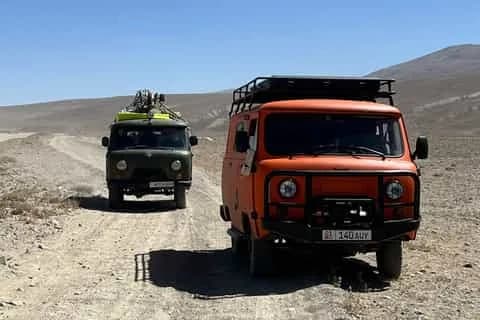
If you have not got the time or the appetite for the saddle, a 4WD gets you there in an afternoon. The standard method is a seat in a filling shared jeep arranged through CBT Kochkor, or the whole vehicle hired privately if you want to set your own timing. Any Song-Köl approach needs high clearance — ordinary cars overheat and puncture on the passes — so this is a job for a driver who knows the track. A CBT-set seat is usually in the low thousands of som one way; a private car costs more but drops you at the door of your yurt camp and waits.
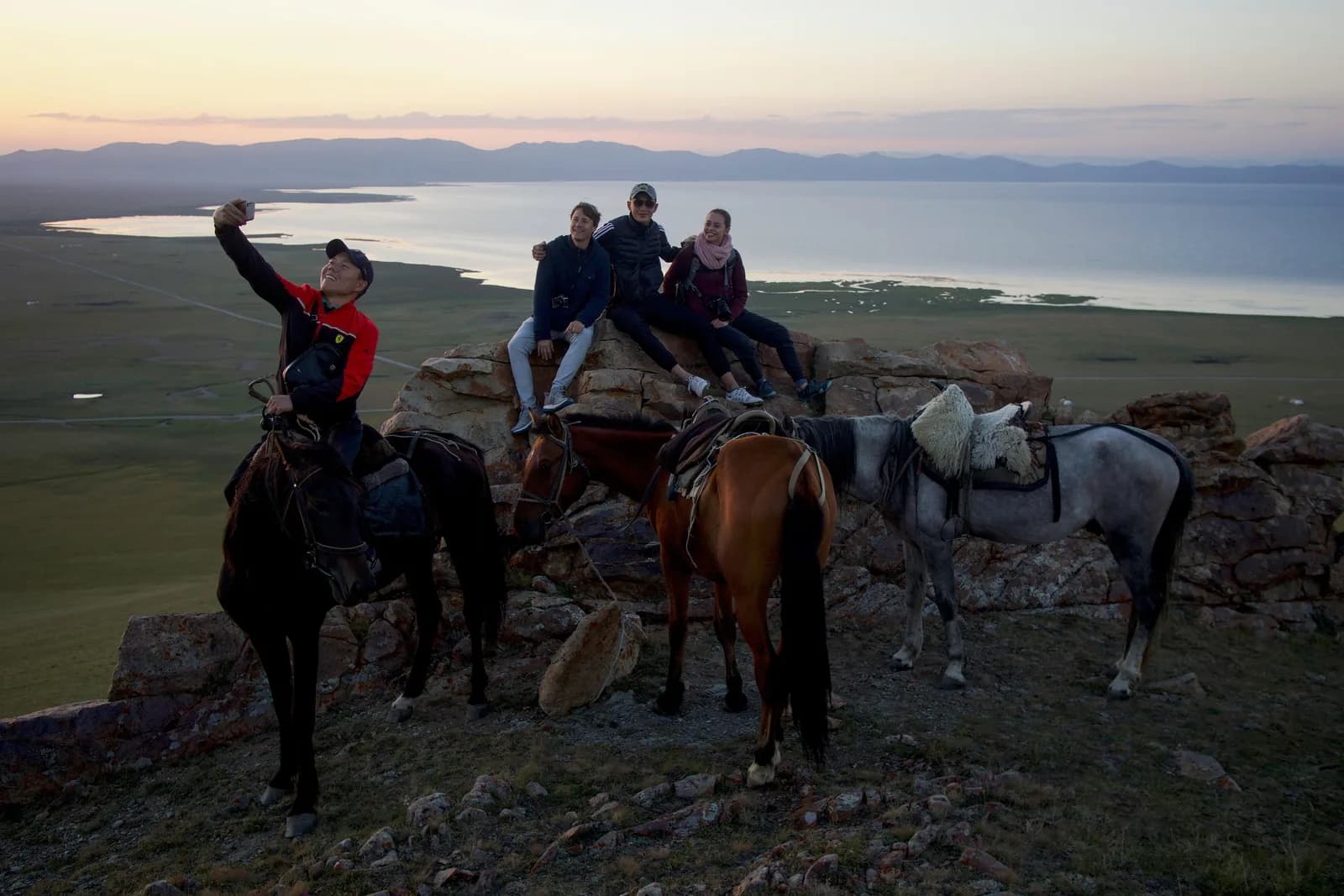
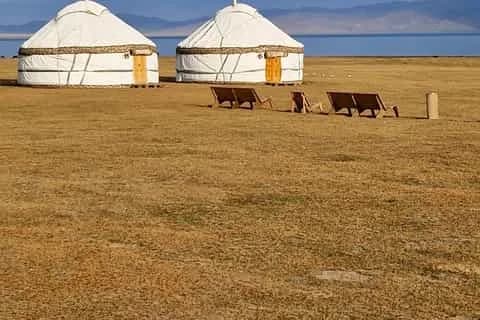
Most people spend one or two nights at a lakeside camp and drive back the way they came. If you can only give it a single night, be honest with yourself and take a comfortable commercial camp rather than a remote family yurt.
Combining: ride in, drive out
The smartest itinerary for many people is to ride in and drive out (or the reverse). You trek the Kyzart route for the scenery and the arrival on horseback, then have a jeep collect you at the lake and run you back to Kochkor in a couple of hours — no retracing two days of trail on a sore backside. CBT Kochkor and Shepherd's Life set this up as a matter of routine; say so when you book so the vehicle is waiting on the right day.
The passes and the road
Several passes drop into the Song-Köl basin, and which one you cross depends on your direction:
- Kalmak-Ashuu — the main driving pass from the Bishkek/Kochkor side, with the best views down over the lake.
- Teskey-Torpok, the "33 Parrots" — the eastern approach, a serpentine with 33 hairpins and the most photographed way in.
- Kyzart — the north-western entry and the standard start for horse treks in.
- Moldo-Ashuu — the southern pass, the route from the Naryn side.
- Karakeche — a western approach past the coal-mining area.
All of them cross 3,000–3,400 m and all are rough. There is no fast tarmac to the lake. A note on a common error: Tuz-Ashuu is not a Song-Köl pass — it is the tunnel on the Bishkek–Osh highway, sometimes wrongly listed here.
One reassurance: Song-Köl needs no border permit. That requirement applies to Kel-Suu, Chatyr-Köl and the Torugart zone, not here.
When the route is open
Song-Köl freezes solid in winter and lies under snow for 180–200 days a year. The yurt camps and herders come up with the grass and go down with it: the practical window is roughly June to late September, with July and August the reliable peak. Late May and early June bring wildflowers but mud, lingering snow on the passes and half the yurts not yet pitched; from mid-September camps start packing up, and a late arrival can find an empty pasture. Outside the season the passes simply close. For the bigger picture see when to visit Kyrgyzstan.
Sort this before you leave Kochkor
Beyond Kochkor the services stop. Draw all the cash you will need here — there are no ATMs at the lake and camps are cash-only in som. Fill the tank and, if self-driving, carry a jerrycan: there is no fuel on the Song-Köl approaches. Expect no phone signal at the lake, so tell someone your plan and confirm your pick-up before you lose coverage. Bring warm layers even in July — nights at 3,016 m drop to around freezing, and the stove goes out by dawn. This is the single thing visitors most often get wrong.
Carrying on afterwards
Song-Köl sits between two good onward routes. Drive out the Moldo-Ashuu side and you come down towards Naryn, the staging town for the Silk Road south — from there it is about two hours on to the Tash Rabat caravanserai, a 15th-century stone way-station below the Torugart pass. Our Naryn travel guide and the Naryn destination hub cover that leg. Alternatively, loop back to Kochkor and Bishkek the way you came, or continue east towards Issyk-Köl. However you go on, plan the connection before you leave signal — nothing here runs to a timetable, and details on the wider network are in our getting around Kyrgyzstan guide.
Ready to build the trip? Browse organised horse-trekking tours that arrange the Kochkor end for you.
Once you reach the lake, see the yurt stays, or ride in on a horse trek.
Book it: the Kochkor–Kilemche–Song-Köl circuit.
Chat with a real person — free
Seif and the team reply on WhatsApp 24/7 — trip questions, custom plans and booking help.
Ask Seif on WhatsAppCommon questions
How do you get from Kochkor to Song-Köl?
Two ways. You either ride in on a 2–3 day horse trek over a mountain pass (usually starting from Kyzart), or you take a 4WD transfer that reaches the lake in about half a day. No public transport reaches Song-Köl, so both are arranged in Kochkor through CBT Kochkor or the Shepherd's Life association, who match you with drivers, horses and a yurt-camp bed.
How long does the drive from Kochkor to Song-Köl take?
Roughly 2–4 hours by 4WD, depending on which pass you cross and the state of the track. There is no fast tarmac — the road climbs a rough 3,000 m-plus pass and any ordinary car risks overheating and punctures. Allow half a day, especially if you are sharing a jeep that fills up and leaves on its own schedule rather than to a timetable.
What does it cost to get to Song-Köl from Kochkor?
A complete 2–3 day horse trek with meals and yurt nights runs roughly $100–150 per person. A seat in a shared 4WD is usually in the low thousands of som one way (around $17–34), or you can hire the whole vehicle privately for more. Prices rise yearly and vary by group size, so confirm the current rate with CBT Kochkor before you commit.
When is the Kochkor–Song-Köl route open?
Roughly June to late September, with July and August the reliable peak. Song-Köl is a summer pasture that freezes in winter and lies under snow 180–200 days a year, so the passes close and the yurt camps come down outside the season. Late May and mid-September are risky shoulder times — mud, lingering snow, and camps not yet up or already packing away.
Do you need a permit for Song-Köl?
No. Song-Köl needs no border-zone permit — you can travel there freely on a standard visa-free entry. That permit requirement applies to Kel-Suu, Chatyr-Köl and the Torugart border area near China, not to Song-Köl. It is a common mix-up. The only thing you organise in Kochkor is the transport, horses and yurt booking, all of which CBT can handle in a day.
Is the horse trek to Song-Köl suitable for beginners?
Yes. Most people who ride the Kyzart–Song-Köl route are complete beginners, and the calm, sure-footed mountain horses carry novices over the passes every week in summer. You need reasonable fitness and a tolerance for discomfort rather than riding skill. Expect 5–8 hours in the saddle on riding days, some walking on steep ground, and saddle soreness — padded shorts and a fleece over the saddle help a lot.
Can you visit Song-Köl as a day trip from Kochkor?
It is possible but not worth it. The drive is 2–4 hours each way over a rough pass, so a day trip means most of your time in the vehicle. Song-Köl is about the light, the silence and the night sky — sleeping in a lakeside yurt is the whole point. Stay at least one night; two is better. If you have only one night, pick a comfortable camp.
Should you go to Song-Köl from Kochkor or from Naryn?
Kochkor for most people. It is closer to Bishkek (about 4 hours), better set up for Song-Köl bookings, and the start of the classic Kyzart horse trek. Naryn works if you are already heading south for Tash Rabat or Kel-Suu, and you can drive out of Song-Köl towards Naryn via the Moldo-Ashuu pass. Many travellers arrive from Kochkor and leave towards Naryn.
What should you sort out before leaving Kochkor?
Draw all your cash — there are no ATMs at the lake and yurt camps take only som in cash. Fill the fuel tank and carry a jerrycan if self-driving, as there is no petrol on the approaches. Expect no phone signal at Song-Köl, so confirm your pick-up first. Pack warm layers even in July; nights at 3,016 m drop to around freezing and the stove goes out by dawn.
Book it on This is Kyrgyzstan
Turn this guide into a trip

Kyrgyzstan's bestsellers
The experiences travelers book most, across the country
Keep reading
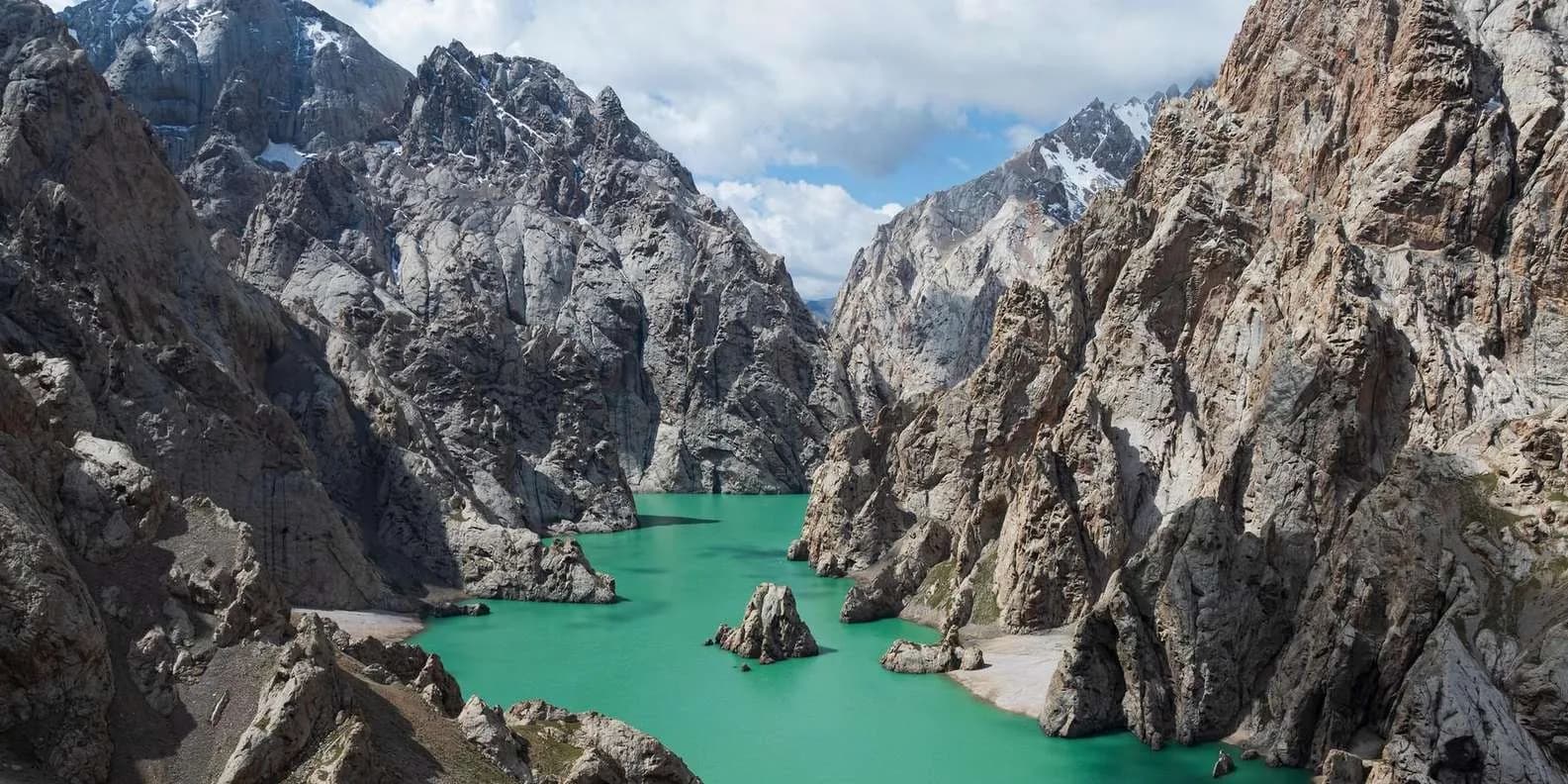
Kyzart to Song-Köl Trek: The Classic Route
The Kyzart to Song-Köl trek in 2–3 days on foot or horseback: day-by-day stages over the pass to the lake, yurt nights, costs and how to book it.
By TiK Editors8 min read
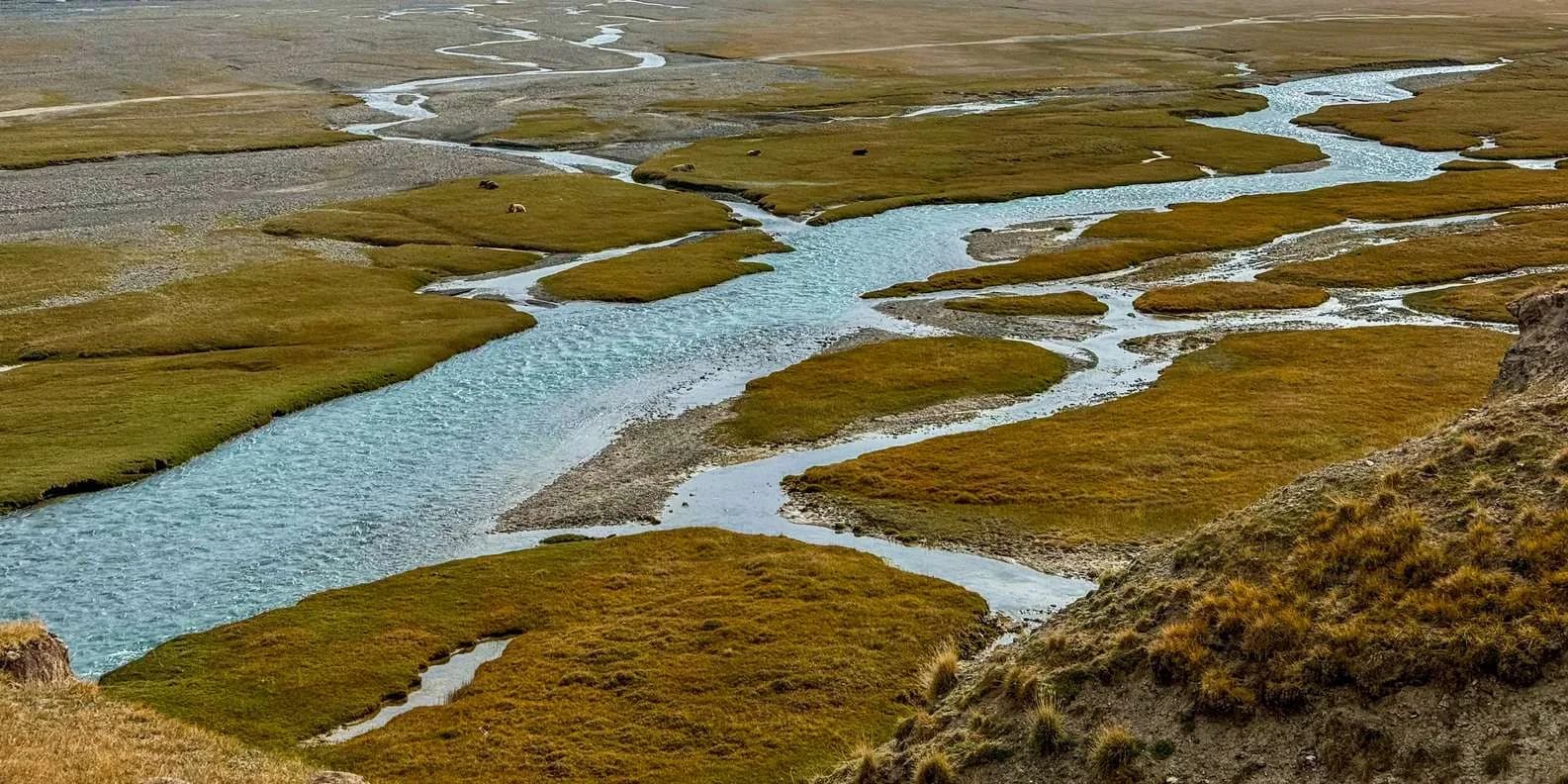
Song-Köl Horse Trek: The Classic 2-3 Day Ride
The classic beginner-friendly ride from Kochkor over a pass to Song-Köl (3,016 m) and back: day-by-day, costs, what to bring and how to book it.
By TiK Editors9 min read
Song-Köl vs Issyk-Köl: Which Lake to Visit?
Song-Köl is a remote summer yurt lake at 3,016 m; Issyk-Köl a huge year-round resort lake. How they compare — and why you should do both.
By TiK Editors7 min read