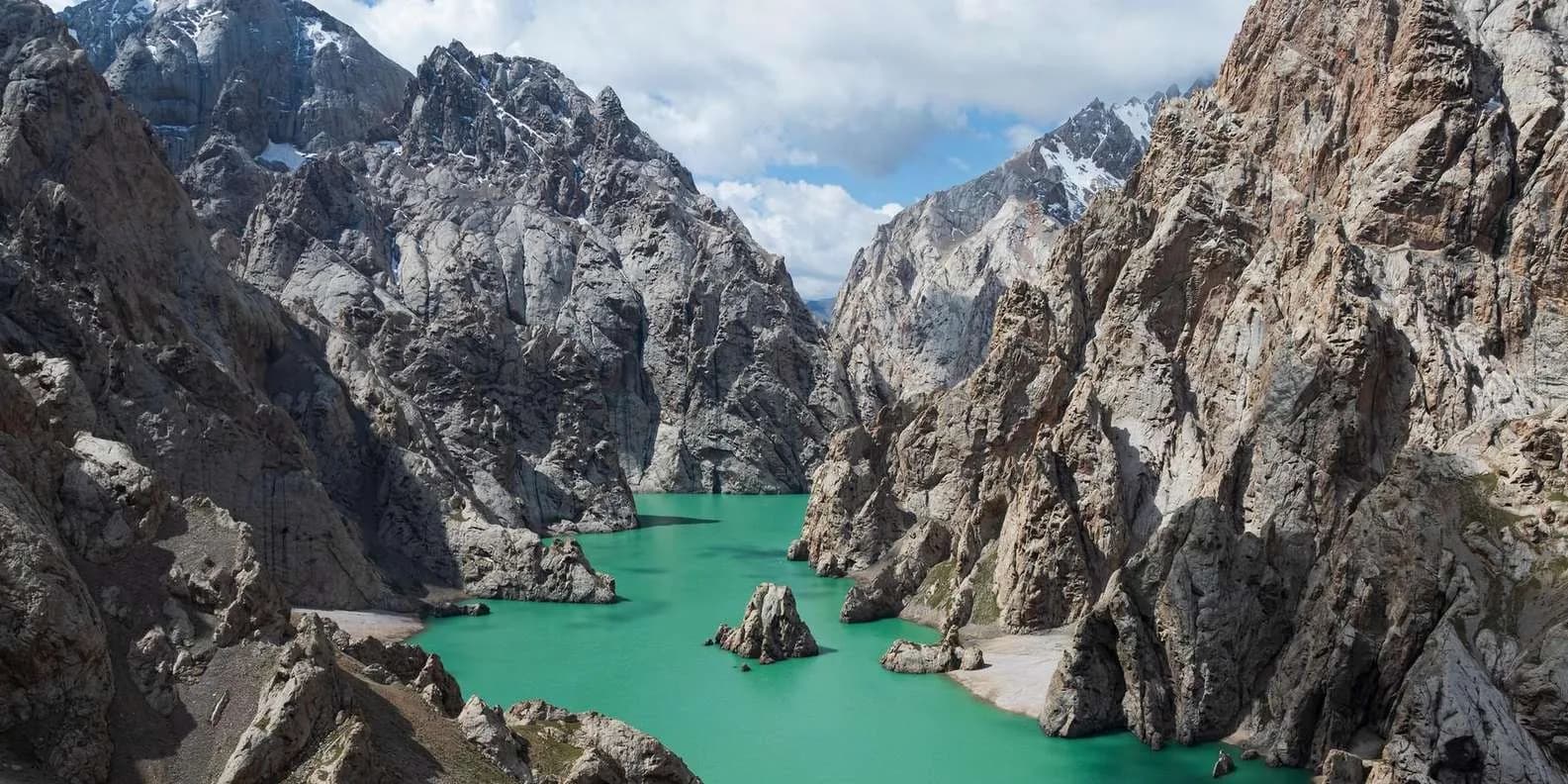
 Image via GetYourGuide
Kyzart to Song-Köl Trek: The Classic Route
The Kyzart to Song-Köl trek in 2–3 days on foot or horseback: day-by-day stages over the pass to the lake, yurt nights, costs and how to book it.
Book it on This is Kyrgyzstan
Naryn · Turn this guide into a trip
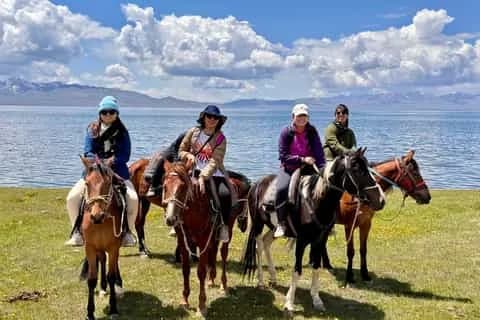
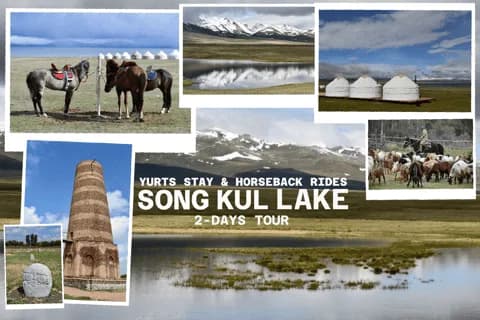
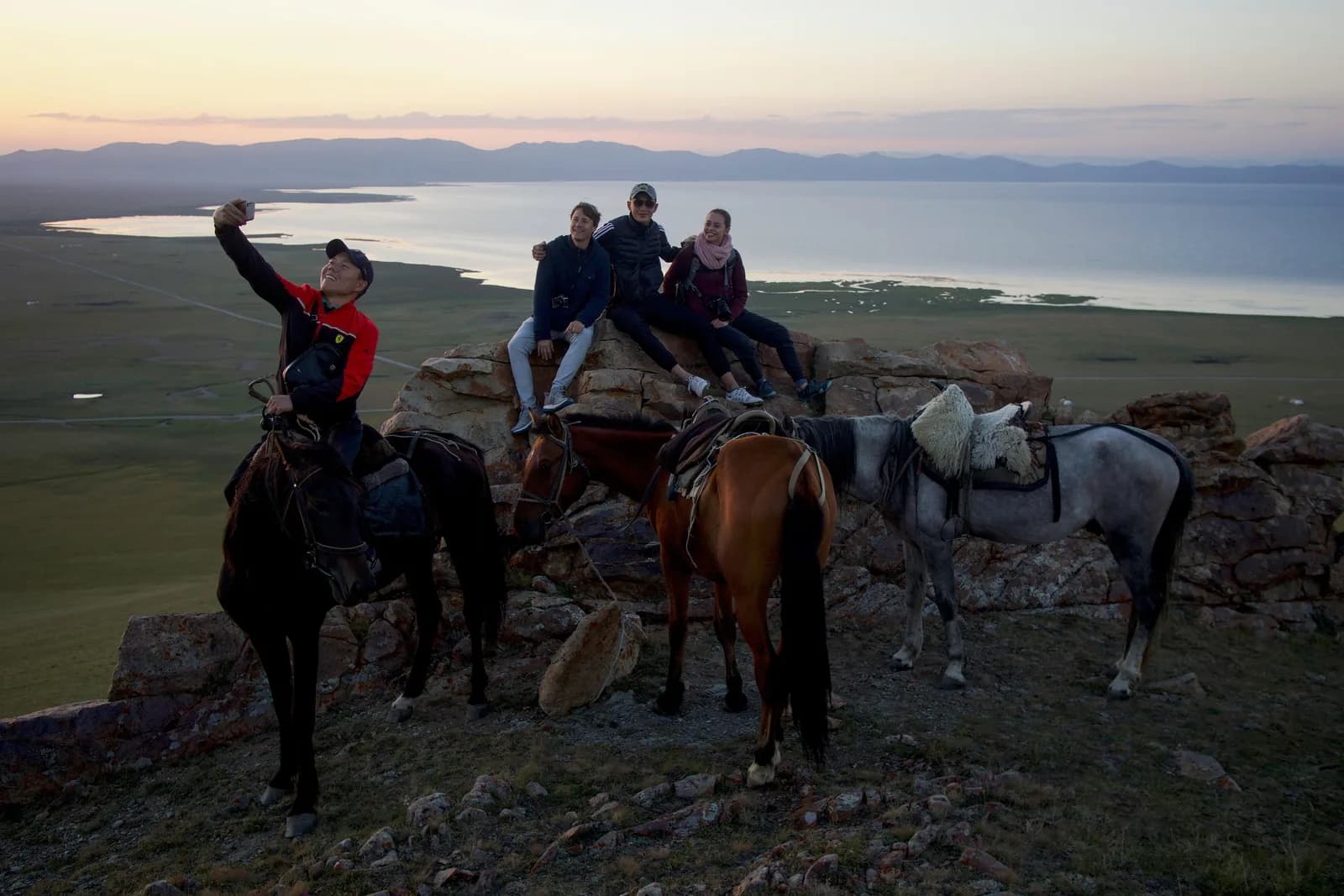
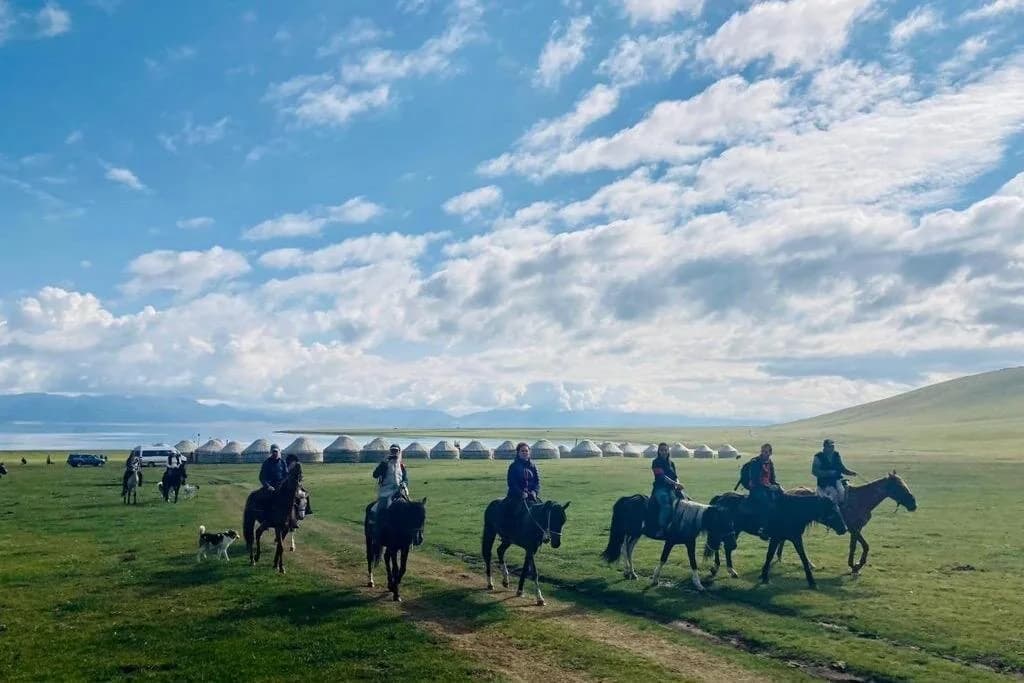
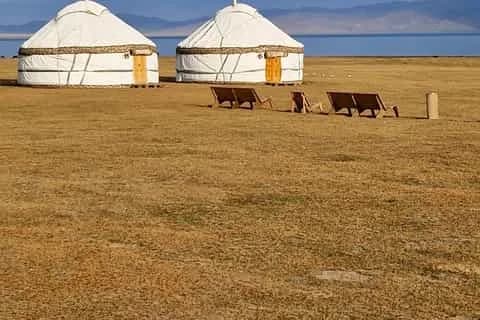
The Kyzart to Song-Köl trek is the most popular way to reach Song-Köl (Song-Kul) under your own steam: a 2–3 day route that starts at Kyzart village, climbs over a pass into the high jailoo, and drops you on the shore of a lake at 3,016 m ringed with yurt camps. You can walk it or ride it, and most people ride. It is a beginner-friendly route, arranged in a morning through CBT Kochkor, and it delivers the thing Song-Köl is famous for: nights in a felt yurt on an empty high pasture, with the Milky Way overhead and horses grazing outside the door.
This is the route guide. If you want the wider picture of riding Song-Köl, read the Song-Köl horse trek guide; for what a night in a camp is actually like, the Song-Köl yurt stay guide goes deeper. Here we stick to the Kyzart approach specifically.
At a glance
| Route | Kyzart village → over the pass → Kilemche jailoo → Song-Köl shore |
| Duration | 2–3 days (2 nights is the norm) |
| Distance | Roughly 45–55 km total; rarely more than 25–30 km on a riding day |
| Max altitude | The Kyzart / Jalgyz-Karagai pass, around 3,000–3,300 m (sources differ) |
| Lake altitude | 3,016 m |
| Difficulty | Easy to moderate; no experience needed |
| On foot or horse | Either — ride is standard, walk with pack horses also possible |
| Best months | Mid-June to mid-September |
| Base town | Kochkor (book and stage from here) |
| Nights | Yurt camps at Kilemche and on the Song-Köl shore |
Treat the pass altitude as a range. Operators give different names and heights for the crossing, and the bank could not fix a single canonical figure. What matters is that you cross a pass a little above the lake, then descend to it.
Why Kyzart, and the three common start points
Riders reach Song-Köl from several directions, but three start points come up again and again: Kyzart, Kilemche and Jaman-Echki. Kyzart is a proper village at the road head with several herding families running riding operations, which means you can turn up, get fed, get a horse and a guide, and set off the same day. Kilemche is a side-valley jailoo rather than a village, so it works better as a first-night camp than a starting gate. Jaman-Echki is the shorter, steeper alternative some operators prefer, but it has less infrastructure and fewer families to arrange things.
Kyzart wins because it is set up for this. It is the standard, best-serviced approach, it splits the climb sensibly over two days rather than one brutal one, and the scenery on the way in — over the pass, along the Kilemche valley, then the moment the whole lake opens up beneath you — is the best of the lot. If someone quotes you a "Kyzart to Song-Köl" trek, this is what they mean.
How to get to Kyzart
Everything stages through Kochkor, the small town that is the booking hub for Song-Köl. From Bishkek, take a shared taxi or marshrutka to Kochkor (roughly 3–4 hours). From Kochkor it is a short transfer by car up to the Kyzart road head, usually included in the trek price. See the Kochkor travel guide for getting there and staging, and the Kochkor to Song-Köl guide for the driving alternatives if you would rather not ride the whole way.
Do your cash, food shopping and any last device charging in Kochkor. Once you are on the trail there are no ATMs, no shops and no reliable signal until you come out the other side. Pay in som, in cash, and settle the price before you leave.
Day by day
Day 1 — Kyzart over the pass to Kilemche
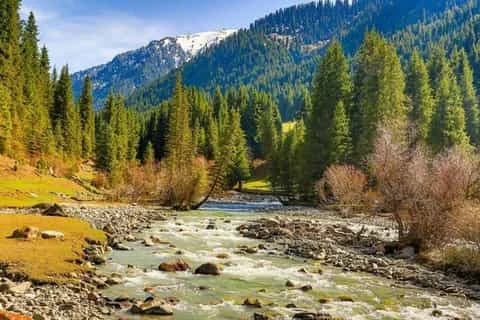
A transfer takes you from Kochkor to the road head above Kyzart, where the horses are caught, saddled and loaded. A pack horse carries tents, food and duffels; your day pack rides with you. You climb steadily to the Kyzart pass — the high point of the route, somewhere around 3,000–3,300 m depending on whose map you trust — then drop into the Kilemche valley, a broad green side-jailoo where herding families summer. Reckon on 4–6 hours in the saddle with a long lunch stop where the horses are unsaddled and grazed.
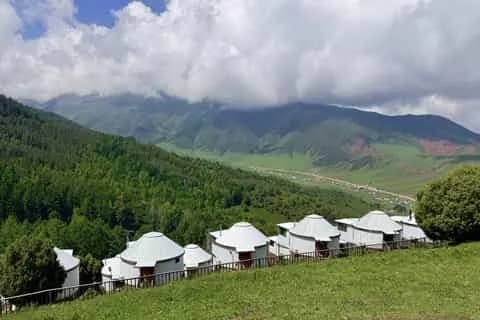
The Kilemche camps are the softer of the two nights. Several are reported with electricity, a hot shower and proper toilets, which the lakeside camps generally lack. You sleep on a stack of thin mattresses under heavy quilts, a dung stove is lit in the evening, and it goes out overnight.
Day 2 — Kilemche to the Song-Köl shore
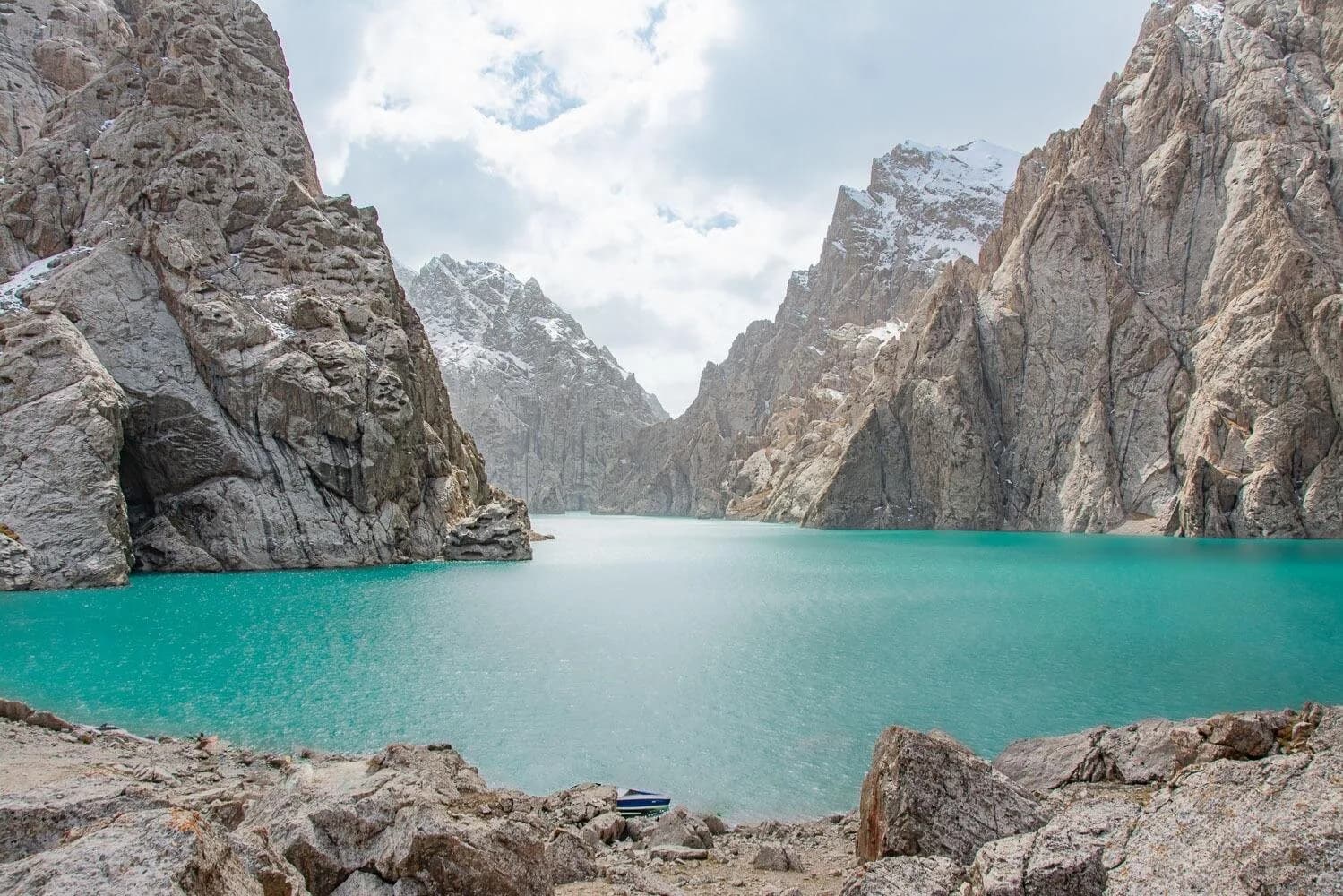
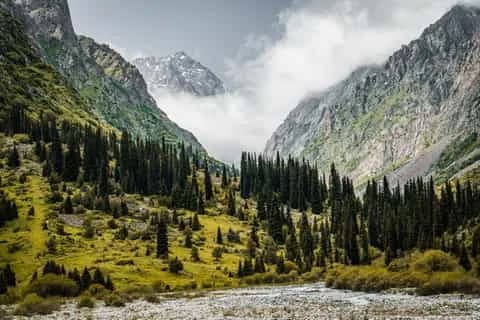
The big day. From Kilemche you climb again — over the Jalgyz-Karagai (Chaar-Archa) pass, names and spellings vary by operator — and then the descent delivers the payoff: Song-Köl appears all at once, an enormous pale sheet of water in a treeless bowl with snow peaks behind it. From there it is a long, gentle ride across the pasture to a lakeside yurt camp. Expect 5+ hours riding, sometimes more, and expect to dismount and walk on steep or boggy ground.
The lakeside camps are more basic than Kilemche: generator power for two or three hours in the evening if you are lucky, pit latrines, usually no shower. This is the authentic jailoo night — and the cold one.
Day 3 — the shore, then out
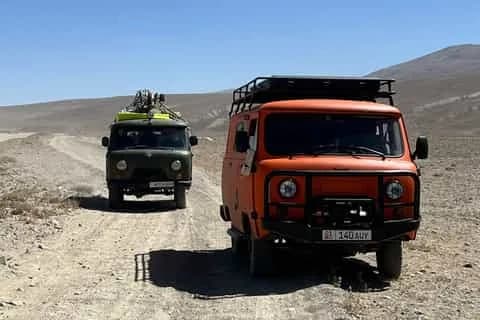
Many itineraries add a short third day: a walk along the shore, time with the herders, maybe a final short ride, then a 4WD transfer back out to Kochkor over one of the vehicle passes. If you are tight on time you can compress the trek to a single night, but two nights is the sweet spot — one at Kilemche, one on the lake.
Walk it or ride it
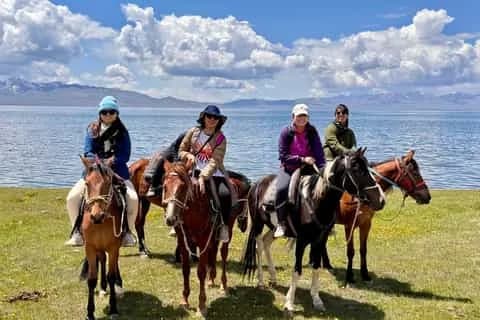
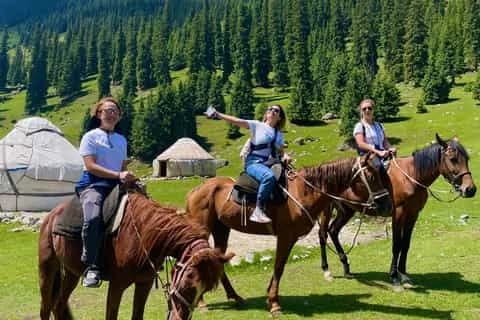
Most people ride, and you do not need experience. The horses are calm, sure-footed mountain animals that carry total beginners over these passes every week of the summer; the guide chooses your horse, loads it and decides when it rests. What beginners underestimate is not danger but discomfort. Saddle soreness is the single most common complaint. Wear padded cycling shorts under seamless trousers, get out of the saddle to walk regularly, and know that a working day here is 5–8 hours in a hard saddle.
You can also walk the route with pack horses carrying your gear, which suits people who would rather trek than ride. It is the same stages at a slower pace, and it is a gentler introduction to Kyrgyz horse trekking if the idea of a full day mounted puts you off. Either way, bring boots you can actually walk several kilometres in — on steep descents everyone leads their horse on foot. For the wider context on trekking here, the trekking in Kyrgyzstan guide is worth a read.
What the days feel like — cold nights and no signal
Song-Köl sits at 3,016 m, and night temperatures drop to around freezing or below even in July. The yurt is genuinely warm at bedtime and genuinely cold at 05:00 when the stove has died. Bring a warm layer, a hat and socks to sleep in; this is the thing visitors get wrong most often. There is no light pollution at all, which is why people remember the stars more than the ride.
There is no mobile signal on the pasture and no way to charge devices reliably. Carry a power bank, tell people at home you will be offline for a couple of days, and lean into it. Meals are served family-style on a low cloth — bread, kaymak and eggs for breakfast, laghman or plov at lunch, beshbarmak or shorpo at night, and endless tea. Declare vegetarian or other dietary needs when you book, not at the table; the kitchen will manage, but grudgingly and with a lot of potato.
What it costs and how to book it
Arrange the trek through CBT Kochkor, the community-based tourism office that coordinates the Kyzart families, guides, horses and camps and fixes prices so more of your money reaches the host household. A complete 2–3 day Kyzart to Song-Köl trek including horse, guide, meals and yurt nights runs roughly $100–150 per person, more for a private small group. As a rule of thumb, a guided horse trek with all meals and yurt nights budgets at $50–80 per person per day. Book a week or two ahead for peak July and August.
| Item | Rough cost (2026) |
|---|---|
| Full 2–3 day guided trek, all in | $100–150 per person |
| Guided riding, per day | ~2,500–4,000 som ($28–45) |
| Yurt night with three meals | ~1,500–2,500 som and up, often bundled |
| Kochkor–Kyzart transfer | usually included |
Prices move upward each year and CBT rates are often below marketplace tour prices, so confirm the figure on the day. You cannot really do this unguided — you cannot rent a horse without its owner, and the pass route is not one to navigate alone.
Go between mid-June and mid-September. Earlier and the passes still hold snow and the yurts are not up; from mid-September the camps thin out fast and a late arrival can reach an empty pasture. For timing the whole trip, see when to visit Kyrgyzstan. When you are ready to lock in a ride, browse the horse-trekking tours and book the Kyzart approach.
Verdict
The Kyzart to Song-Köl trek is the right first horse trek in Kyrgyzstan: short enough to fit a normal trip, easy enough for beginners, and scenic enough to justify the sore seat. Two nights, one pass, one unforgettable lake. Come warm, come with cash, and let the guide run the horses.
Find this route and others on our horse treks page, and the Song-Köl yurt stays it ends at.
Book it: ride the 3-day Kyzart–Song-Köl route or the 4-day loop.
Chat with a real person — free
Seif and the team reply on WhatsApp 24/7 — trip questions, custom plans and booking help.
Ask Seif on WhatsAppCommon questions
How many days is the Kyzart to Song-Köl trek?
Two to three days, with two nights the norm — one at a Kilemche jailoo camp and one on the Song-Köl shore. Day one climbs from Kyzart over the pass to Kilemche; day two crosses a second pass down to the lake; an optional third day is a shore walk and the transfer out to Kochkor. You can compress it to a single night if time is tight, but two nights is the sweet spot.
Do I need horse-riding experience for this route?
No. Most people who ride to Song-Köl are beginners, and the horses are calm, sure-footed mountain animals that carry first-timers over the passes all summer. The guide picks and loads your horse. What you need is reasonable fitness and a tolerance for 5–8 hours a day in a hard saddle. You can also walk the route with pack horses if you would rather not ride.
Why start at Kyzart rather than Kilemche or Jaman-Echki?
Kyzart is a proper village at the road head with several herding families set up for riding, so you can arrange a horse, guide and food and start the same day. Kilemche is a side-valley jailoo that works better as a first-night camp than a start point, and Jaman-Echki is a shorter, steeper alternative with less infrastructure. Kyzart splits the climb sensibly over two days and has the best scenery in.
How high is the Kyzart pass?
Around 3,000–3,300 metres — sources and operators genuinely differ, and pass names and spellings vary too. It is the high point of the route, a little above Song-Köl itself at 3,016 m. The second-day crossing (often called Jalgyz-Karagai or Chaar-Archa) is similar. Treat the altitude as a range and take it slowly, as you are climbing from around 2,000 m in a couple of days.
What is the best time to do the trek?
Mid-June to mid-September. Before then the passes hold snow and the yurt camps are not yet up; from mid-September the camps thin out fast and a late traveller can arrive at an empty pasture. July and August are the warmest and busiest weeks — book a week or two ahead. Even in July, nights at the lake drop to around freezing.
How cold does it get at Song-Köl at night?
Cold enough to catch people out. At 3,016 m, night temperatures fall to around freezing or below even in July. The yurt is warm at bedtime thanks to a dung stove, but the fire dies overnight and it is genuinely cold by dawn. Bring a warm layer, a hat and socks to sleep in. There is no mobile signal and no reliable charging, so carry a power bank.
How much does the Kyzart to Song-Köl trek cost?
A complete 2–3 day guided trek with horse, guide, meals and yurt nights runs roughly $100–150 per person, more for a small private group. Budget about $50–80 per person per day for a fully guided ride. Book through CBT Kochkor, which fixes fair prices and sends more of the money to the host families. Prices rise yearly, so confirm on the day and pay in som, in cash.
How do I get to Kyzart to start the trek?
Everything stages through Kochkor. From Bishkek, take a shared taxi or marshrutka to Kochkor (about 3–4 hours), then a short transfer up to the Kyzart road head, usually included in the trek price. Sort cash, food and charging in Kochkor — there are no ATMs, shops or signal once you are on the trail until you come out the far side.
Can I walk the route instead of riding?
Yes. The same stages can be trekked on foot with pack horses carrying your gear, at a slower pace over the two passes. It suits people who would rather hike than spend all day mounted. Either way you will walk parts of the ride too — on steep or boggy ground everyone dismounts and leads their horse — so bring boots you can cover several kilometres in, not riding boots alone.
Book it on This is Kyrgyzstan
Turn this guide into a trip



Kyrgyzstan's bestsellers
The experiences travelers book most, across the country
Keep reading
Kochkor to Song-Köl: How to Get There (2026)
The two real ways from Kochkor to Song-Köl — a 2–3 day horse trek over a pass, or a half-day 4WD transfer — with prices, passes and season.
By TiK Editors8 min read
Song-Köl Horse Trek: The Classic 2-3 Day Ride
The classic beginner-friendly ride from Kochkor over a pass to Song-Köl (3,016 m) and back: day-by-day, costs, what to bring and how to book it.
By TiK Editors9 min read
Song-Köl vs Issyk-Köl: Which Lake to Visit?
Song-Köl is a remote summer yurt lake at 3,016 m; Issyk-Köl a huge year-round resort lake. How they compare — and why you should do both.
By TiK Editors7 min read