 Image via GetYourGuide
Rafting in Kyrgyzstan: Rivers, Grades & Season
White-water rafting and kayaking in Kyrgyzstan: the Chu, Chong-Kemin, Naryn and Kökömeren rivers, grades, the snowmelt season and how to raft safely.
Book it on This is Kyrgyzstan
Turn this guide into a trip
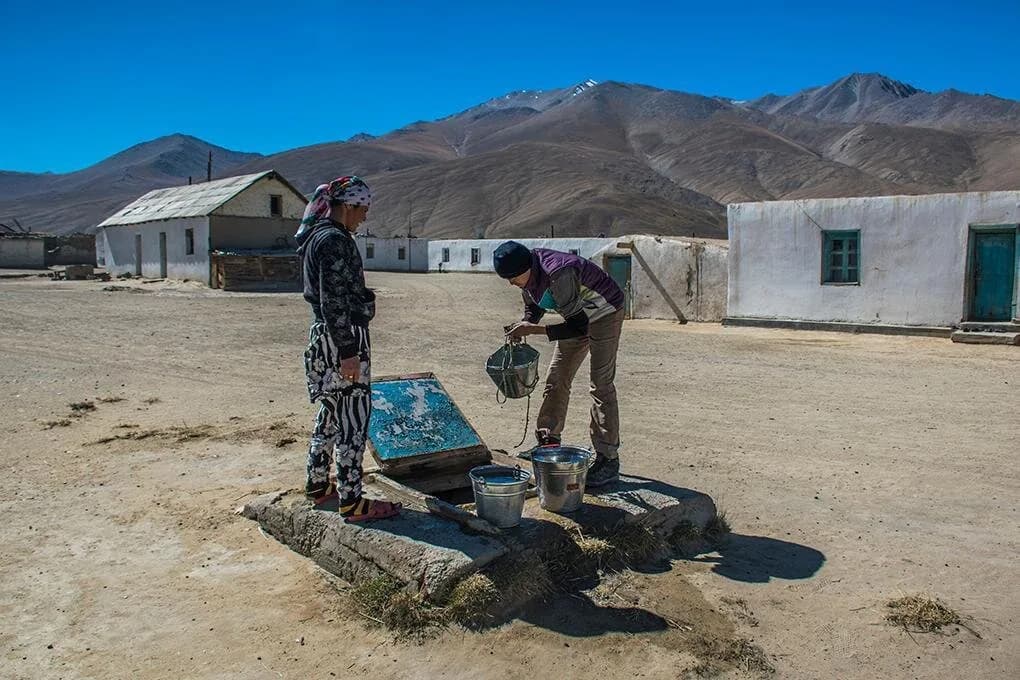
White-water rafting is one of Kyrgyzstan's most underrated summer activities, and almost nobody flies in for it. Cold, fast rivers pour off the Tian Shan all season, from gentle grade II floats within an hour of Bishkek to the steep, expert-only Kökömeren. The scene is small, seasonal and still developing, so treat rafting as an add-on to a trekking or lakes trip rather than the reason for the journey. This guide covers which rivers to run, when the water is best, how the grades work and how to pick a safe operator.
Why Kyrgyzstan's rivers are worth a day (or a week)
Kyrgyzstan is one of the most mountainous countries on earth, and its rivers are born high in the Tian Shan from snow and glacier melt. That gives them two qualities rafters care about: volume and cold. Even in August the water comes off ice and snowfields, so it runs clear, powerful and genuinely cold. Add near-empty rivers, huge canyon scenery and a fraction of the crowds you would meet on famous runs elsewhere, and the appeal is obvious.
Be realistic about what you are joining, though. This is a young, niche scene. There is no dense industry of rafting bases the way there is in Nepal or the Alps, guiding is concentrated in a handful of Bishkek-based operators, and most rivers are only run for a few months a year. That means booking ahead, being flexible about dates, and accepting that a trip can be moved or cancelled if water levels are wrong. For the full picture of how a summer itinerary fits together, start with our Kyrgyzstan travel guide.
The main rivers at a glance
The grades below are a general guide only. On glacier-fed rivers the difficulty swings sharply with water level: a section that is a friendly grade III in June can push into grade IV after a hot spell or heavy rain. Distances and drive times are approximate, and mountain roads are always slower than a map suggests, so confirm everything with your operator on the day.
| River | Where and access | Typical grades | Trip type | Rough window |
|---|---|---|---|---|
| Chu (Chüy), Boom Gorge | Under ~2 h east of Bishkek, on the Issyk-Köl road | II–III (higher in big water) | Half-day to day trip | Roughly June–September |
| Chong-Kemin | ~1.5–2 h east of Bishkek | II–III | Day trip, some multi-day | Roughly June–August |
| Naryn | Central Kyrgyzstan, from Naryn town (~7 h from Bishkek) westward | III–IV and up | Multi-day expedition | Roughly July–September |
| Kökömeren | Suusamyr / Kyzyl-Oi, ~4–5 h from Bishkek | IV–V | Expert multi-day | Roughly July–September |
The Chu, running through the Boom Gorge between the Chuy valley and Lake Issyk-Köl, is the most accessible white water in the country. You can raft it and be back in Bishkek the same day, which makes it the standard introduction for first-timers and for anyone short on time.
The Chong-Kemin (Chon-Kemin) flows down a beautiful valley toward the Kazakh border before joining the Chu. It is another easy reach from the capital and pairs naturally with a first-night stop on the classic northern loop. Note that the upper valley sits in a border strip that needs a permit, so any trip stays well below that.
The Naryn is Kyrgyzstan's biggest river and the country's classic multi-day expedition. It carves west through remote central canyons before its flow is eventually captured by the Toktogul reservoir and the dam cascade on the way to the Ferghana valley. Expeditions run the free-flowing upstream sections over several days, camping on the banks, and this is committing, remote water rather than a taster.
The Kökömeren, formed where the Suusamyr and West Karakol rivers meet near Kyzyl-Oi, is the one experienced paddlers travel for. It is steep, continuous and technical, firmly in expert territory, and it has a serious reputation among kayakers. If you are not already a strong white-water boater, this is a river to watch from the bank.
What drives the season
Everything on a Kyrgyz river follows the melt. Through spring the snowpack starts to release, and rivers rise fast; the highest, pushiest water generally runs from roughly late May into August, when snowmelt is at its peak. As summer wears on, glacier melt takes over and keeps the bigger rivers full into the autumn, which is why some operators quote a season stretching toward October for glacier-fed runs. Broadly, expect a rafting window from around June to September, longer on the biggest rivers.
The shoulders and the cold months are the flip side. Early spring water can be too low and unstable, and by deep winter the rivers are low or frozen and commercial rafting simply stops, even though horse riding, skiing and other mountain activities carry on. If you want to line up water levels, weather and open yurt camps, read our guide to the best time to visit Kyrgyzstan alongside your operator's advice. One constant across the whole season: the water is cold whatever the calendar says.
Day trips from Bishkek
Bishkek is the natural base. Both easy rivers, the Chu through the Boom Gorge and the Chong-Kemin, sit within about two hours of the city, so a rafting day needs no change of accommodation. A typical outing is a morning drive out, a safety briefing and kit fitting on the bank, a couple of hours on the water split across several runs, and a return the same afternoon. These sections are usually grade II to III, which suits fit beginners and families with older children under a competent guide. If you are building a few urban days around it, our Bishkek city guide covers where to stay and how to get around.
Multi-day expeditions
The Naryn and the harder Kökömeren are a different proposition. These are expedition rivers: multi-day, remote, largely self-supported, with the rafts carrying tents, food and gear and nights spent camping on gravel bars. There is no phone signal for long stretches, no roadside rescue and no shop, so you are relying entirely on your guiding team's judgement and equipment. Trips like these are for people with prior white-water experience, or at minimum a solid grade III day or two behind them, and they need booking well in advance because operators run them only a handful of times a season.
Difficulty grades explained
White water is graded on the international I–VI scale. It is worth understanding before you book, because "rafting" covers everything from a splashy float to genuinely dangerous water.
| Grade | What it means | Who it suits |
|---|---|---|
| I–II | Small waves, easy moves, low consequences | Anyone, including first-timers and families |
| III | Moderate rapids needing some manoeuvring | Fit beginners with a good guide |
| IV | Powerful, technical rapids, real hazards | Experienced rafters |
| V | Violent, continuous water, serious consequences | Experts only |
In practice, the Chu and Chong-Kemin day runs sit in the II–III band and are where nearly all visitors start. The Naryn's expedition sections push into grade IV, and the Kökömeren is the IV–V river that draws specialist kayakers and rafters. Grade VI is considered effectively unrunnable and is not a commercial product anywhere. Because levels shift the difficulty, always take the guide's grading on the day over any number printed in advance.
Safety and choosing a reputable operator
The biggest hazard is not the rapids themselves but the cold. Kyrgyz rivers are glacier- and snow-fed, and a swim in that water is a serious event: cold shock and fast-onset hypothermia are the real risks, not just wet clothes. A proper operator gives you a wetsuit or drysuit, a helmet, a fitted buoyancy aid and a paddle, runs a real safety briefing, carries throw-lines and a first-aid kit, and ideally has a safety kayaker on harder water. If any of that is missing, walk away.
Judge an operator on their guides and their gear rather than their price. Ask what qualifications and river-specific experience the guides hold, what the group-to-guide ratio is, and what the plan is if the water is too high. Remember that formal mountain rescue in Kyrgyzstan is limited and volunteer-staffed, and helicopter evacuation, where it happens at all, is commercial, expensive and weather-dependent. Buy travel insurance that explicitly names white-water rafting and covers evacuation and repatriation, because standard policies often exclude it. Kyrgyzstan is a genuinely safe country to travel in, with road traffic and mountain conditions the real risks rather than crime; our guide on whether Kyrgyzstan is safe puts that in context.
What to bring
The operator supplies the technical kit. You bring:
- Swimwear to wear under the wetsuit, plus quick-dry shorts or a rash top.
- Secure footwear that will not come off in the water: river shoes, or old trainers you can strap on. No flip-flops.
- A full change of dry clothes and a towel for afterwards, left in the vehicle.
- Sun protection: high-factor sunscreen, lip balm, and sunglasses on a retainer strap. UV is fierce at altitude and reflects off the water.
- A warm layer and a waterproof for before and after, because valleys turn cold fast when the sun drops.
- Any personal medication, in a dry bag.
Leave phones, wallets and anything valuable behind unless it is genuinely waterproof and leashed; things lost overboard in a glacial river are gone.
Combining rafting with a wider trip
Rafting slots neatly into the standard northern circuit. A Chu or Chong-Kemin day trip works at the very start of a trip while you are still near Bishkek, or on the way out to Lake Issyk-Köl, since the Boom Gorge is on that road anyway. The Kökömeren sits in the Suusamyr and Kyzyl-Oi area, which is also the western approach to Song-Köl and lies just off the Bishkek–Osh road, so experienced paddlers can fold it into a central-Kyrgyzstan leg. The Naryn expedition suits travellers already heading into the central Tian Shan.
Because the season overlaps with trekking, horse riding and yurt stays, the easiest way to plan is to build your route around the mountains first and drop a rafting day or expedition into the window where the rivers are running. For the seasonal timing that makes or breaks that plan, come back to our best time to visit Kyrgyzstan guide before you lock in dates.
Chat with a real person — free
Seif and the team reply on WhatsApp 24/7 — trip questions, custom plans and booking help.
Ask Seif on WhatsAppCommon questions
Is Kyrgyzstan good for white-water rafting?
Yes, for the right traveller. Kyrgyzstan has cold, powerful snow- and glacier-fed rivers off the Tian Shan, from easy grade II day runs near Bishkek to the expert-only Kökömeren. The catch is that it is a small, seasonal and still-developing scene with only a handful of operators, so it works best as a summer add-on to a trekking or lakes trip rather than a rafting-focused holiday in its own right.
When is the rafting season in Kyrgyzstan?
Roughly June to September, driven entirely by melt. Snowmelt brings the highest, pushiest water from about late May into August, then glacier melt keeps the bigger rivers full toward the autumn, so some glacier-fed runs are offered into October. Early spring is often too low and unstable, and by deep winter the rivers are low or frozen and commercial rafting stops. Always confirm current levels with your operator.
Which rivers can beginners raft?
Beginners stick to the gentler sections of the Chu (Chüy) through the Boom Gorge and the Chong-Kemin, both within about two hours of Bishkek and usually graded II–III. These are splashy but manageable with a competent guide and suit fit first-timers and families with older children. Save the Naryn expeditions and the steep Kökömeren for experienced rafters; they are grade IV and V water with real consequences.
What is the hardest river to raft in Kyrgyzstan?
The Kökömeren, formed where the Suusamyr and West Karakol rivers meet near Kyzyl-Oi, is the country's serious expert run: steep, continuous and technical, in the grade IV–V range, and a magnet for specialist kayakers. The upper Naryn also pushes into grade IV on its multi-day expedition sections. Neither is suitable unless you already have solid white-water experience. Grades shift with water level, so trust the guide's call on the day.
How cold is the water, and do I need a wetsuit?
Very cold, all season. Kyrgyz rivers run off snow and ice, so even in August the water is frigid and a swim risks cold shock and hypothermia. A wetsuit or drysuit is essential, not optional, and a reputable operator provides one along with a helmet and buoyancy aid. Cold water is the single biggest hazard on these rivers, more than the rapids themselves, so treat any operator who skips the wetsuit as a red flag.
How do I choose a safe rafting operator?
Judge them on guides and gear, not price. A good operator provides a wetsuit or drysuit, helmet, fitted buoyancy aid and paddle, runs a proper safety briefing, carries throw-lines and first aid, and has a safety kayaker on harder water. Ask about guide qualifications, river-specific experience and group ratios, and what happens if levels are unsafe. Formal mountain rescue is limited here, so equipment and judgement matter enormously.
Can I do rafting as a day trip from Bishkek?
Yes. The Chu through the Boom Gorge and the Chong-Kemin both sit within roughly two hours of Bishkek, so a rafting day needs no change of accommodation. A typical trip is a morning drive out, kit fitting and briefing on the bank, a couple of hours on grade II–III water, and a same-afternoon return. Multi-day expeditions on the Naryn and Kökömeren are a separate, remote and more committing undertaking.
Do I need travel insurance for rafting in Kyrgyzstan?
Yes, and check the wording carefully. Standard travel policies frequently exclude white-water rafting, so buy cover that explicitly names the activity and includes emergency evacuation and repatriation. Mountain rescue in Kyrgyzstan is basic and volunteer-run, and helicopter lift, where available, is commercial, weather-dependent and costly. Insurance that only covers ordinary sightseeing will not help you on a remote river, so read the small print before you book.
What should I bring on a rafting trip?
The operator supplies the technical kit, so you bring swimwear, quick-dry clothing and secure footwear that will not come off in the water, plus a full change of dry clothes and a towel for afterwards. Add high-factor sunscreen, lip balm and strapped sunglasses for the fierce altitude sun, and a warm layer and waterproof for before and after. Leave phones and valuables behind unless they are genuinely waterproof and leashed.
Book it on This is Kyrgyzstan
Turn this guide into a trip
Kyrgyzstan's bestsellers
The experiences travelers book most, across the country



Keep reading
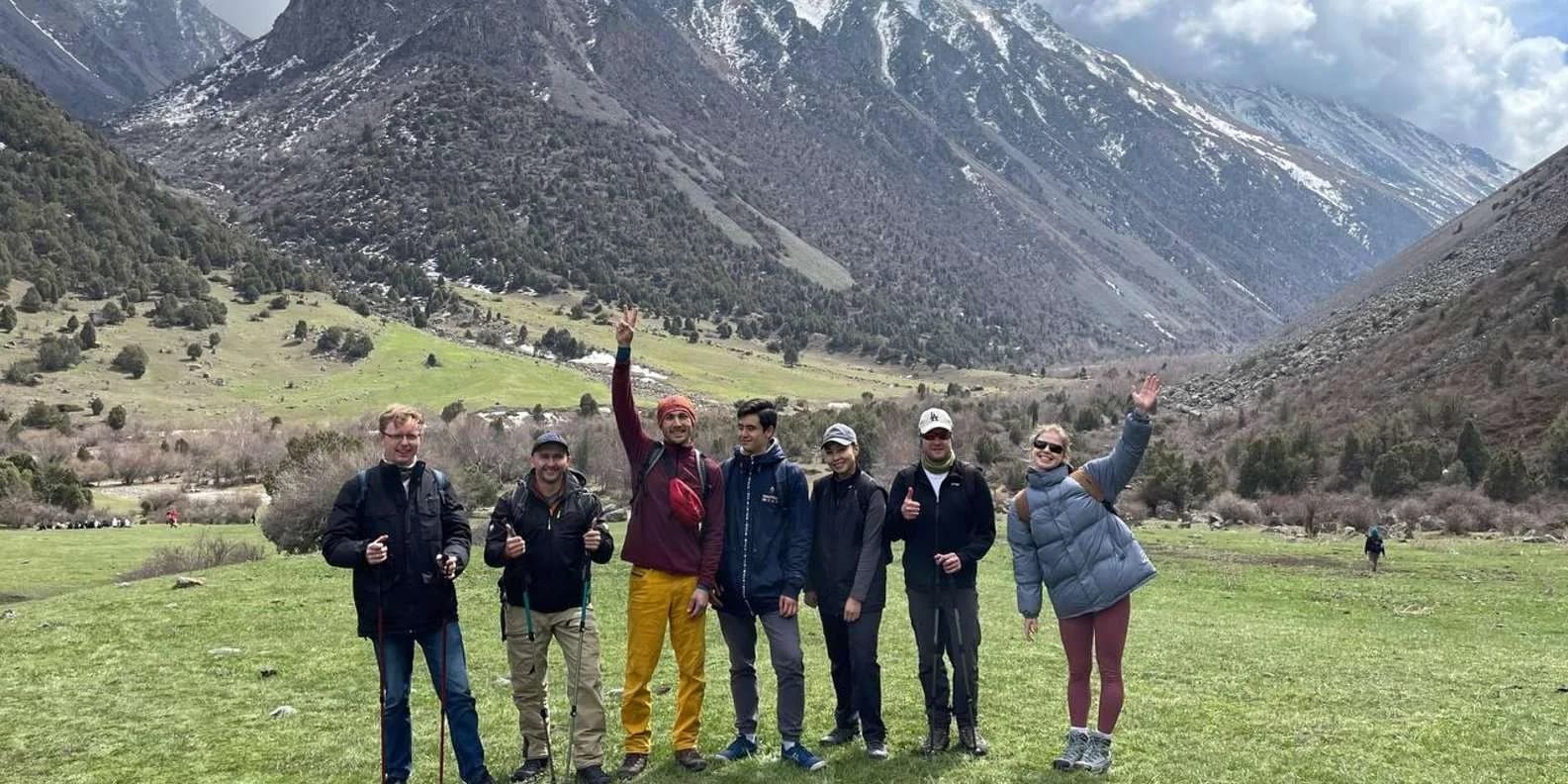
Self-Guided Treks in Kyrgyzstan: Routes & How-To
Yes, you can trek Kyrgyzstan without a guide. The best self-guided routes, the ones to skip, and the maps, water and safety logistics that make it work.
By TiK Editors12 min read
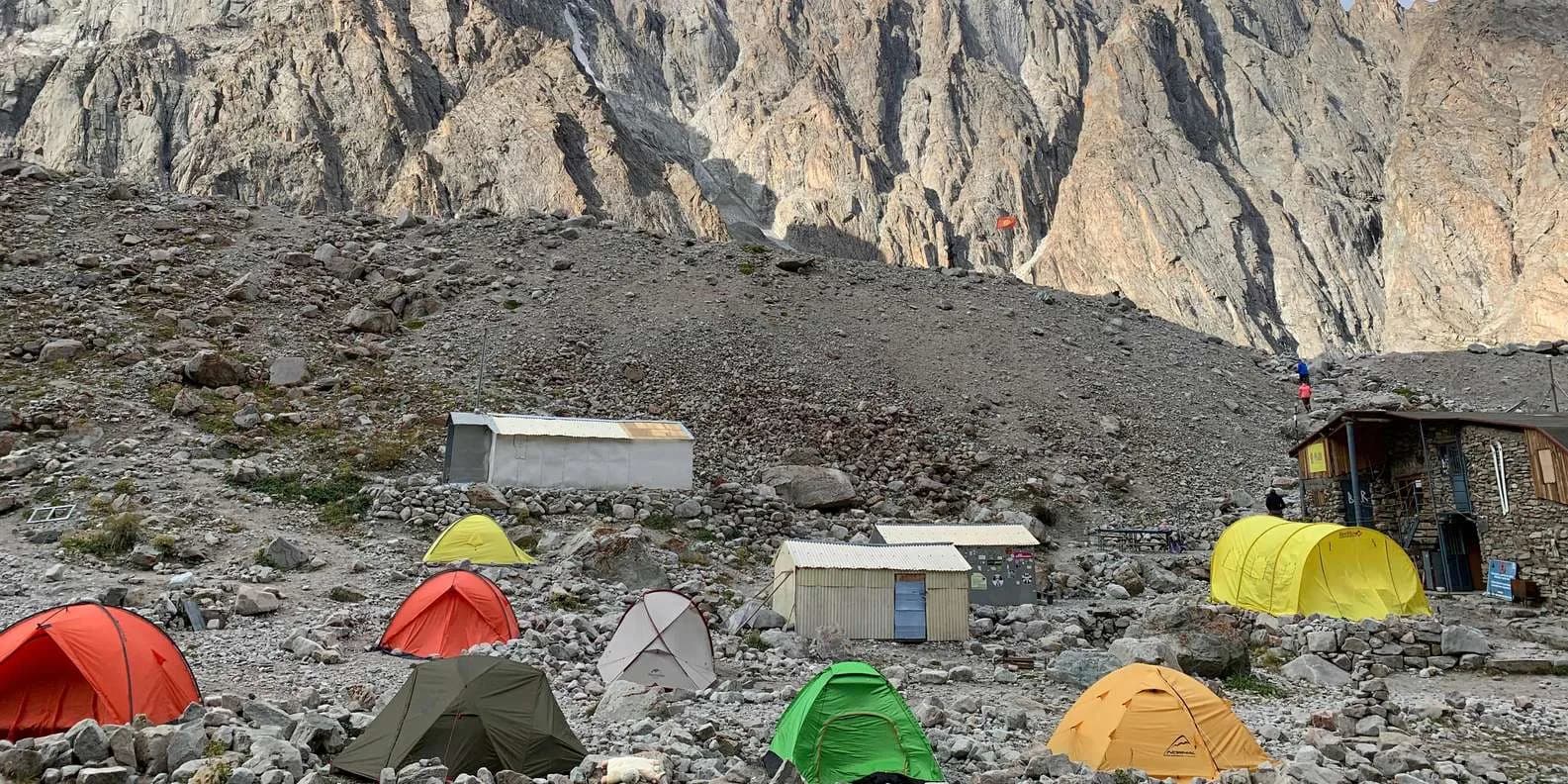
Uchitel Peak: Your First 4,000m Climb (2026)
Pik Uchitel (~4,400-4,600 m) in Ala-Archa is the classic first summit for fit hikers new to mountaineering: route, gear, season and acclimatisation.
By TiK Editors8 min read
Tian Shan Traverse: Bikepacking Kyrgyzstan
The Tian Shan Traverse is a self-supported, mostly off-road bikepacking route of about 1,000 km across the high Kyrgyz mountains. Here's how to plan it.
By TiK Editors9 min read