 Image via GetYourGuide
Kyrgyzstan SIM Cards & eSIMs: Traveller's Guide
Which operator to pick, where to buy a SIM, real data-package prices in som and USD, eSIM trade-offs, and where the signal simply stops.
Book it on This is Kyrgyzstan
Turn this guide into a trip
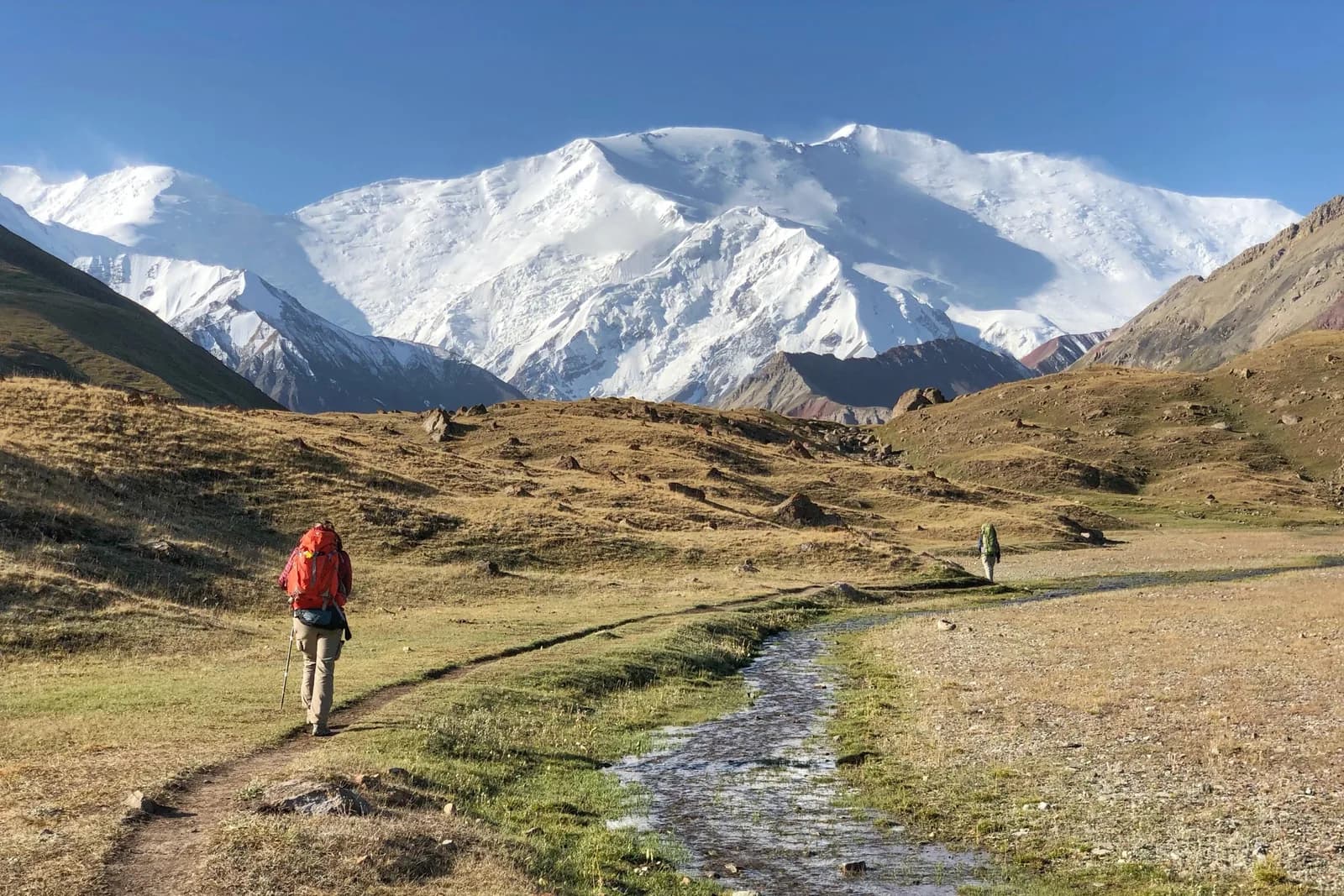
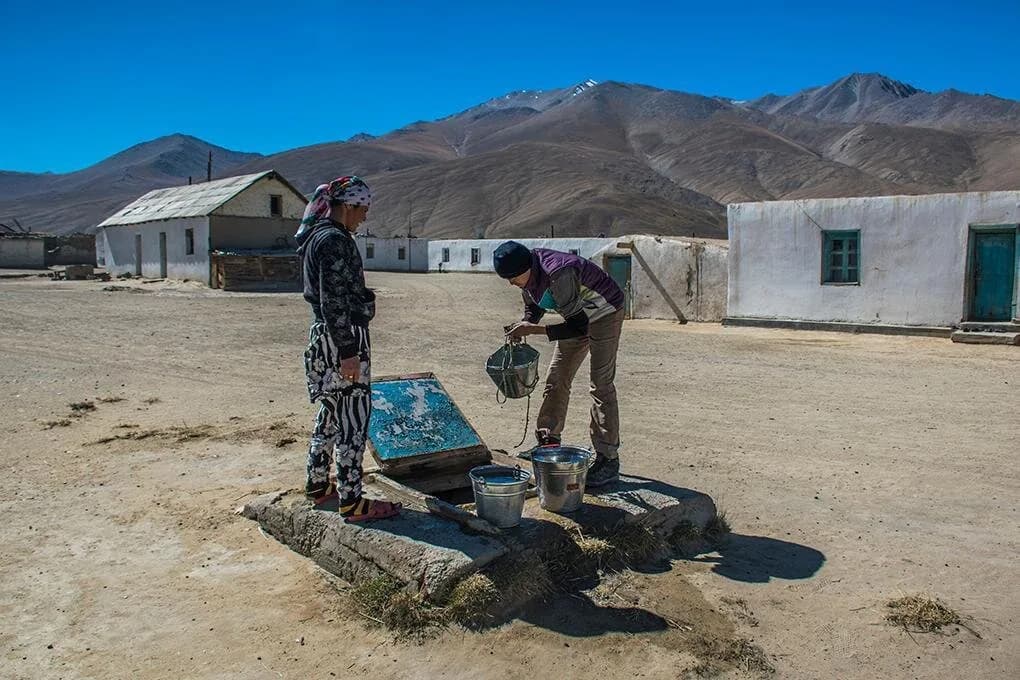
Buy a local prepaid SIM from O!, Beeline or MegaCom at Bishkek's Manas airport (now coded BSZ, not FRU) or a city shop, bring your passport for mandatory registration, and expect to pay roughly 200–300 som (about $2.30–3.40) for 20–30 GB valid a month. That single SIM is cheaper per gigabyte and faster than a travel eSIM, and it gives you data for taxi apps the moment you land. An eSIM from Airalo or Saily is the neat backup for a trip under a week or for anyone who does not want to hunt for a shop. Either way, none of it matters above the treeline: at Song-Köl, in the Ala-Kul basin and across the high jailoo, there is simply no signal, and the honest plan is to treat your phone as a camera.
This guide covers the three operators and how they really compare, where and how to buy, current package prices, the eSIM-versus-local-SIM decision, the registration rules, and where coverage disappears. Prices move fast in Kyrgyzstan, so treat every figure as a planning range and confirm on the day.
The three operators at a glance
Kyrgyzstan has three mobile networks and they are genuinely competitive on price, so your choice comes down to where you are going rather than what you will pay.
- O! (run by Nur Telecom) is the network travellers most often rate best in the mountains and across the south. If your trip leans towards Osh, the Alay and remote valleys, O! is the safe first pick.
- Beeline is strongest in the cities and around Issyk-Köl (Issyk-Kul), the lake most visitors circle. For a Bishkek–Issyk-Köl–Karakol loop it is hard to beat.
- MegaCom is the state-owned operator and has the widest rural footprint, which makes it a sensible choice if your route wanders through small towns off the main tourist spine.
Those claims partly contradict each other on who truly wins in the countryside, O! for mountains against MegaCom for rural breadth, and both are defensible. The takeaway is blunt: no single operator covers everything, so pick for your main region and accept that dead spots are a fact of Kyrgyz travel, not a fault in your SIM.
Comparison table
| Option | Rough data price | Coverage strength | Best for |
|---|---|---|---|
| O! | Mountains and the south | Osh, the Alay, remote southern routes | |
| Beeline | Cities and Issyk-Köl | Bishkek, the lake, Karakol | |
| MegaCom | Widest rural reach (state operator) | Small-town, off-spine itineraries | |
| Travel eSIM (Airalo, Saily, Nomad) | from ~$5 per GB | Rides on a local network; same physical coverage | Trips under a week, instant setup, a backup line |
Prices are indicative and verified to mid-2026; packages and promotions change, so confirm the current bundle in the shop. A generic tourist SIM with a data bundle is quoted elsewhere at $5–10, and a 10 GB plan at around $8, which lines up with the som figures above once you add the SIM itself. At roughly 87–88 som to the dollar, none of this dents a travel budget.
Where and how to buy a local SIM
You have two sensible options, and they suit different travellers.
At the airport. All three operators run desks in the arrivals area at Manas (Bishkek) and at Osh airport. This is the fastest route to being connected, and it matters more than it sounds: taxi apps and 2GIS, the map app locals actually use, both need data, and having a working connection before you leave the terminal is your best defence against the airport taxi touts who are the most-reported minor rip-off in the country. If you land at Manas, sorting a SIM before the 25 km run into Bishkek is worth the five minutes.
At a city shop the next day. Operator shops in Bishkek, Osh and Karakol are everywhere, and staff there have the time to explain packages properly, register you correctly and sell you the right bundle rather than an airport-priced convenience deal. If you arrive late, tired or after the desks have closed, grab a small airport bundle or lean on an eSIM for the first night and buy properly in town in the morning.
Either way, bring your passport. Registration is not optional.
Registration: passport required
Every SIM in Kyrgyzstan is registered to a passport at the point of sale, and this is mandatory. The shop assistant scans or copies your passport and ties the number to you before it activates. It is quick and routine, there is no charge for it, and you cannot buy an anonymous SIM off a market stall the way you once could in parts of Central Asia. Practically, that means one thing for you: do not leave your passport in the hotel safe on the day you plan to sort a SIM. This registration is separate from any immigration registration you may need for a longer stay, which hotels normally handle.
eSIM options for travellers
If your phone supports eSIM, a travel eSIM is the low-friction alternative. Airalo, Saily and Nomad all sell Kyrgyzstan data plans that you install before you fly and activate on landing, from around $5 per GB. The appeal is obvious: no shop, no passport queue, no language gap, and you keep your home number live for messages and two-factor codes.
The trade-offs are just as real. A travel eSIM is typically more expensive per gigabyte than a local bundle, and often slower, because it rides on a host network as a roaming guest rather than a home subscriber. For a two-week trip where you will use a lot of data, uploading photos, running maps, video calls home, the local SIM wins on both cost and speed by a wide margin. For a short stay of a few days, a transit stopover, or as a second line that keeps you online while you get around to buying a proper SIM, the eSIM is the sensible call.
One caveat worth knowing: we could not confirm that the Kyrgyz operators themselves sell true prepaid tourist eSIMs directly in 2026. Assume the eSIM route means an international provider, not O! or Beeline handing you a QR code. And whichever you choose, a travel eSIM sits on the same physical masts as everyone else, so it will not conjure a signal where the local networks have none.
Coverage reality: great in the corridors, gone in the mountains
This is the part most connectivity guides gloss over, and it is the part that actually shapes your trip.
Where it works well. 4G is solid in Bishkek, Osh, Karakol and Cholpon-Ata, and along the main Chui valley and Issyk-Köl road corridors. For the classic north-shore lake loop and the towns, you will barely notice you are in a remote country. Maps, ride apps, bookings and messaging all behave.
Where it thins. Coverage follows the roads and the valleys with people in them. Get onto a mountain track or a high pasture and bars vanish fast.
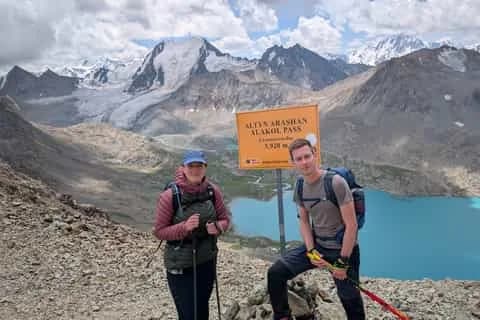
Where there is genuinely nothing. Expect no usable signal at Song-Köl (patchy to none at the lakeshore), throughout the Ala-Kul basin and the Altyn-Arashan valley, across most of the Kel-Suu and Chatyr-Köl area, on the high jailoo generally, and along long stretches of the Pamir Highway approach beyond Sary-Tash. If your itinerary includes a Song-Köl yurt stay or the Ala-Kul trek, plan as if you will be offline for the duration, because you will be. Download offline maps before you leave the last town, tell someone your route and expected return, and do not rely on a phone to summon help in the backcountry. For anyone heading up, our trekking in Kyrgyzstan guide and Kyrgyzstan packing list both assume this offline reality.
Wifi, and why it is not the answer
Hotels, hostels, cafés and restaurants in Bishkek, Osh, Karakol and the resort strips along Issyk-Köl generally have wifi, and in the cities it is fine for evening admin. It is not a substitute for mobile data. Guesthouses in villages, CBT homestays, jailoo camps and anywhere rural often have weak wifi, shared satellite, or none at all, and the whole point of being connected in Kyrgyzstan is to have data when you are moving, hailing a taxi, checking a marshrutka route or finding a trailhead, not when you are already sitting in a café. Buy data for the road and treat wifi as a bonus.
A quick recommendation by traveller type
- First-timer on the lake loop (Bishkek, Issyk-Köl, Karakol): a Beeline SIM bought at the airport or in town. Cheap, strong where you will be, done.
- Trekker heading to Ala-Kul, Altyn-Arashan or Song-Köl: any local SIM for the towns, but budget for being fully offline in the mountains. O! if you are also going south.
- South-focused trip (Osh, the Alay, Arslanbob): O!, which travellers rate best in the mountains and the south.
- Short stay or stopover (under a week): a travel eSIM (Airalo or Saily). Instant, no passport queue, and the price premium barely matters over a few days.
- Digital nomad or long stay: a local SIM as your primary line, topped up monthly, plus an eSIM as a backup for network outages. Fixed home internet, for comparison, runs about $12 a month.
Whatever you pick, getting online is the small first job that makes every other part of the trip smoother, from splitting a shared taxi to reading a Cyrillic bus sign through a translation app. Sort it at the airport if you can, in town if you cannot, and plan your mountain days around the gaps. For the rest of the logistics, our getting around Kyrgyzstan guide and the wider Kyrgyzstan travel guide pick up where this one leaves off.
Chat with a real person — free
Seif and the team reply on WhatsApp 24/7 — trip questions, custom plans and booking help.
Ask Seif on WhatsAppCommon questions
Which Kyrgyzstan SIM card is best for tourists?
It depends on your route. Beeline is strongest in the cities and around Issyk-Köl, so it suits the classic lake-and-Karakol loop. O! is rated best in the mountains and the south, making it the pick for Osh and the Alay. MegaCom, the state operator, has the widest rural reach. There is little to separate them on price, so choose for your main region rather than for the cost.
How much does a SIM card and data cost in Kyrgyzstan?
Data is cheap. Indicative monthly bundles run about 250 som (around $2.85) for 30 GB on O!, 300 som (around $3.40) for 30 GB on Beeline, and 200 som (around $2.30) for 20 GB on MegaCom, plus a small charge for the SIM itself. A generic tourist SIM with data is quoted at $5–10. Prices change often, so confirm the current package in the shop.
Do I need my passport to buy a SIM card in Kyrgyzstan?
Yes. Registration is mandatory and every SIM is tied to a passport at the point of sale, so bring your passport when you buy. The assistant scans or copies it and activates the number against your details. It is free and takes a few minutes, but you cannot buy an anonymous SIM, so do not leave your passport locked in the hotel on the day you plan to get connected.
Where can I buy a SIM at Bishkek airport?
All three operators (O!, Beeline and MegaCom) run desks in the arrivals area at Manas airport, now coded BSZ rather than the old FRU. Buying there gets you online before you leave the terminal, which matters for taxi apps and the 2GIS map app and helps you avoid the airport taxi touts. Alternatively, buy at a city shop the next day, where staff have more time to set you up properly.
Is an eSIM or a local SIM better for Kyrgyzstan?
A local SIM is cheaper per gigabyte and usually faster, so it wins for any stay of a week or more with real data use. A travel eSIM from Airalo, Saily or Nomad, from about $5 per GB, is more expensive and often slower, but it installs before you fly with no shop or passport queue. Use an eSIM for short trips or as a backup line, and a local SIM as your main data.
Does mobile data work in the Kyrgyz mountains?
Often not. Coverage follows the roads and inhabited valleys, so 4G is solid in Bishkek, Osh, Karakol, Cholpon-Ata and along the main corridors, but drops away fast at altitude. Expect no usable signal at Song-Köl, in the Ala-Kul basin, the Altyn-Arashan valley, around Kel-Suu, on the high jailoo, and beyond Sary-Tash. Download offline maps and treat trekking days as fully offline.
Can I use a travel eSIM to get connected the moment I land?
Yes, that is the main advantage. Install a Kyrgyzstan eSIM from Airalo, Saily or Nomad before you fly, and it activates on arrival with no shop visit, keeping your home number live for messages and two-factor codes. It rides on a local network, so it shares the same physical coverage and will not work where the ground networks have no signal. Expect to pay from around $5 per gigabyte.
Do I need mobile data for taxis in Bishkek?
Effectively yes. The taxi apps locals use, Yandex Go and Namba Taxi, both need data to book a ride, show the driver and fix the price, which is your best protection against being overcharged. The 2GIS navigation app also needs data and is more reliable here than Google Maps. Getting a SIM or eSIM working before you leave the airport is the simplest way to avoid haggling with touts.
Is there wifi in Kyrgyzstan?
In the cities, yes. Hotels, hostels and cafés in Bishkek, Osh, Karakol and the Issyk-Köl resort strips generally have usable wifi. It is patchy to absent in villages, homestays and jailoo camps, and it is no substitute for mobile data, since you most need to be online while moving rather than while sitting in a café. Buy data for the road and treat any wifi you find as a bonus.
Book it on This is Kyrgyzstan
Turn this guide into a trip

Kyrgyzstan's bestsellers
The experiences travelers book most, across the country


Keep reading
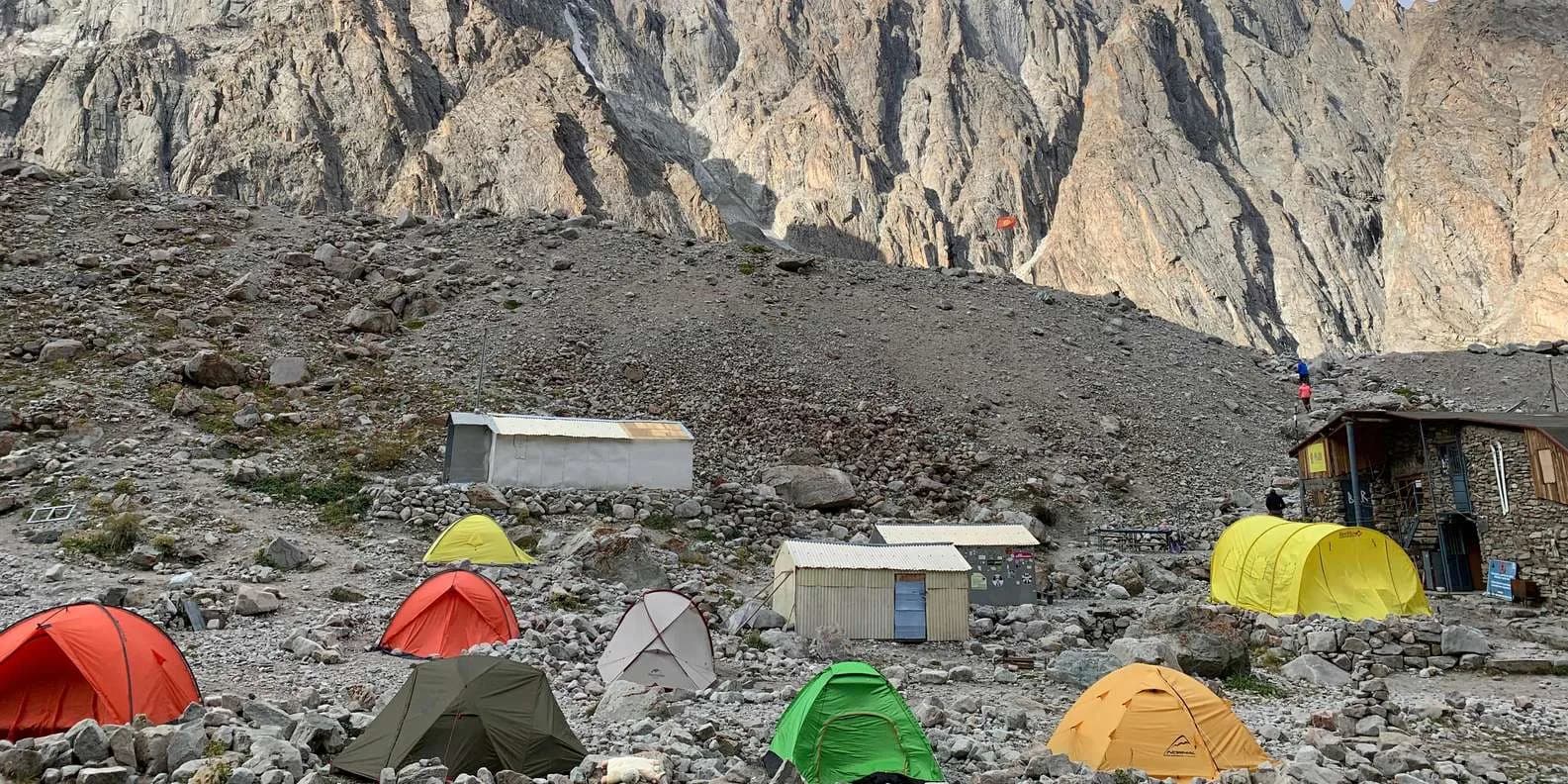
Uchitel Peak: Your First 4,000m Climb (2026)
Pik Uchitel (~4,400-4,600 m) in Ala-Archa is the classic first summit for fit hikers new to mountaineering: route, gear, season and acclimatisation.
By TiK Editors8 min read
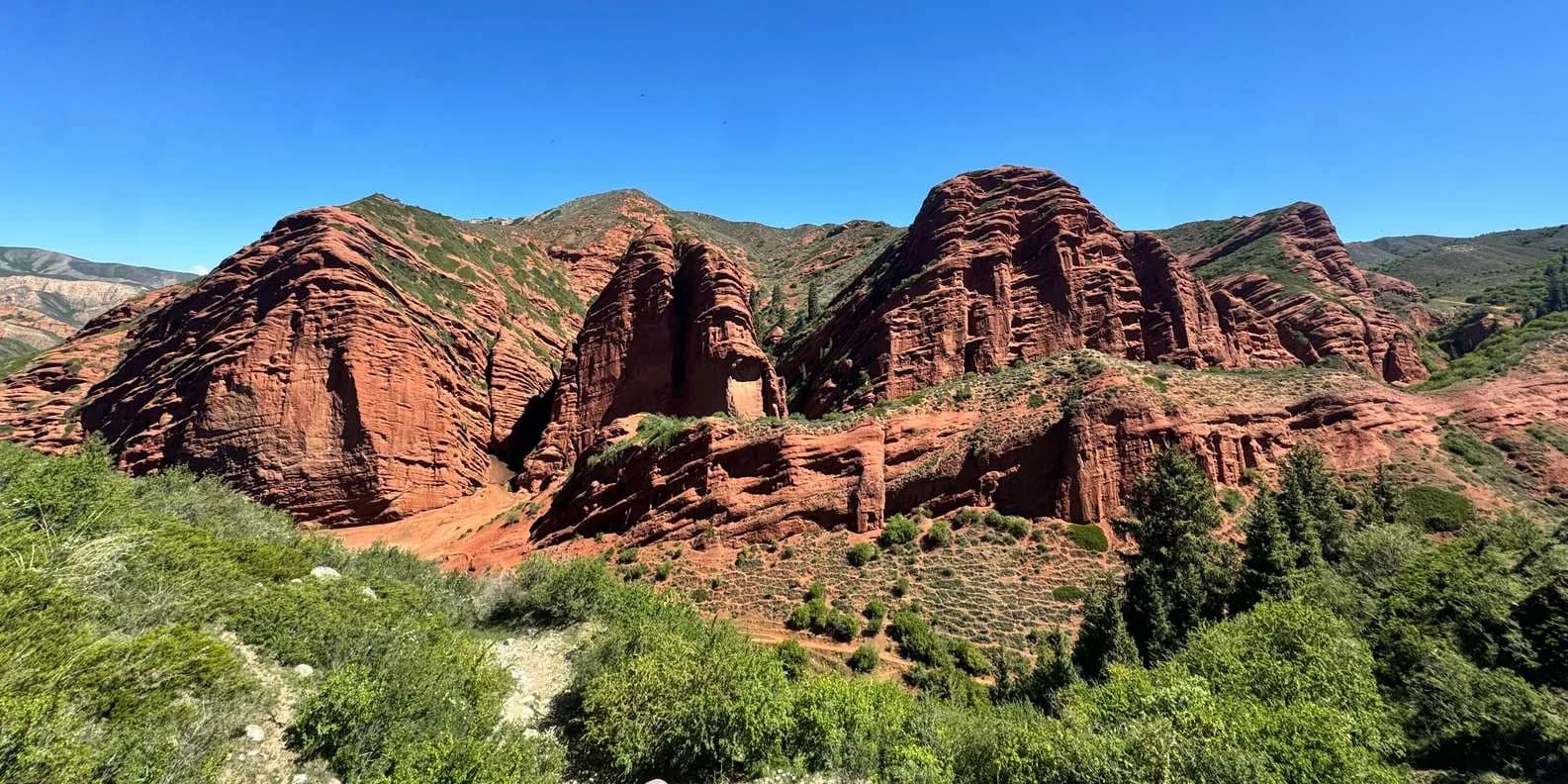
Boz-Uchuk Lakes Trek from Jyrgalan (2026)
A moderate 2–3 day trek to a string of alpine lakes above Jyrgalan — quieter than Karakol's classics, with community yurts, horses and clear DMO rates.
By TiK Editors8 min read
Self-Guided Treks in Kyrgyzstan: Routes & How-To
Yes, you can trek Kyrgyzstan without a guide. The best self-guided routes, the ones to skip, and the maps, water and safety logistics that make it work.
By TiK Editors12 min read