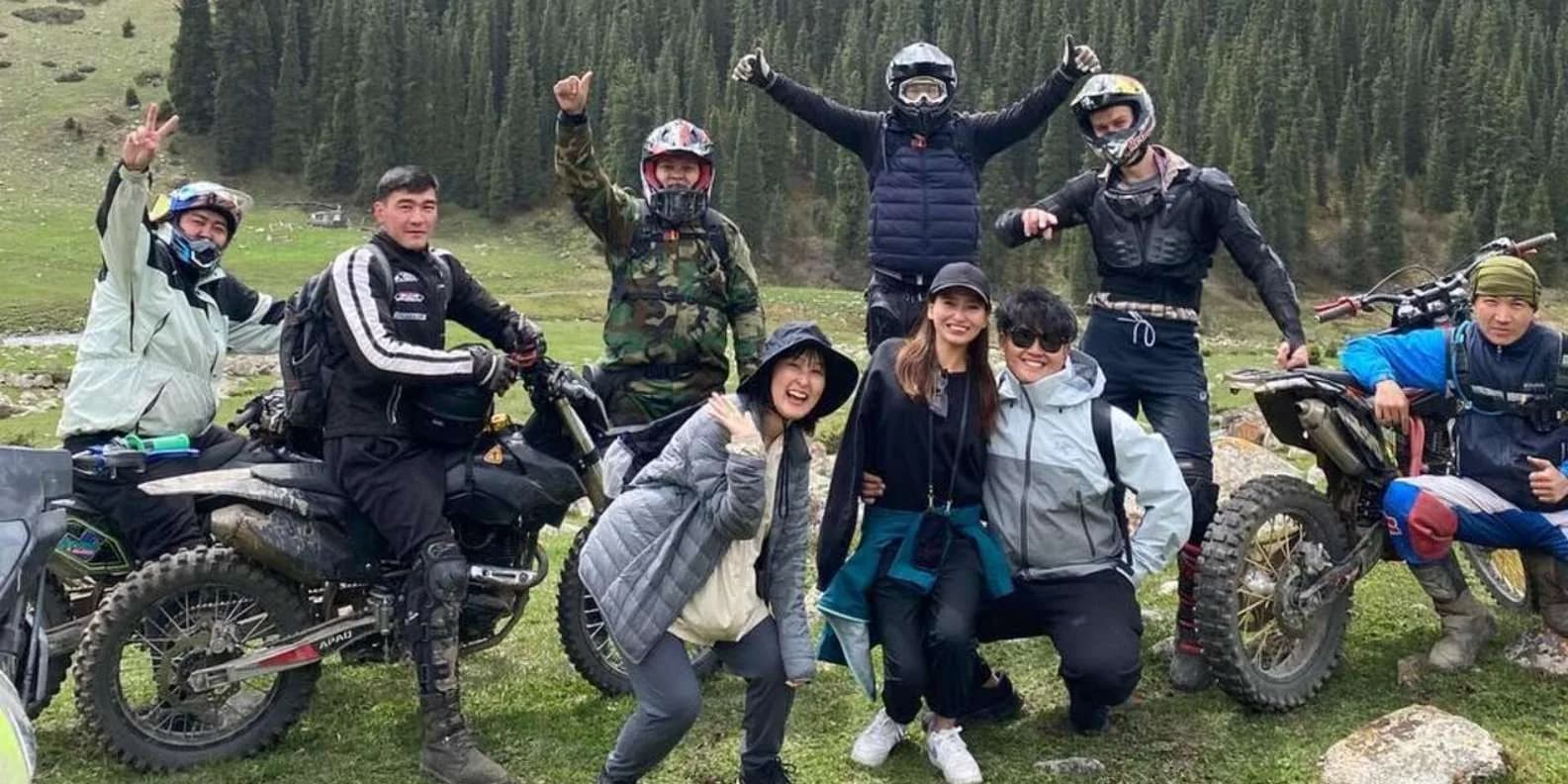
 Image via GetYourGuide
Kirgisistan-Reiseführer: die erste Reise planen (2026)
Ein Überblick für Erstbesucher: warum Kirgisistan, wann hinfahren, die Regionen, Geld und Sicherheit – und wie sich eine erste Reise durch die Berge sinnvoll zuschneiden lässt.
Jetzt buchen auf This is Kyrgyzstan
Mach aus diesem Reiseführer deine Reise

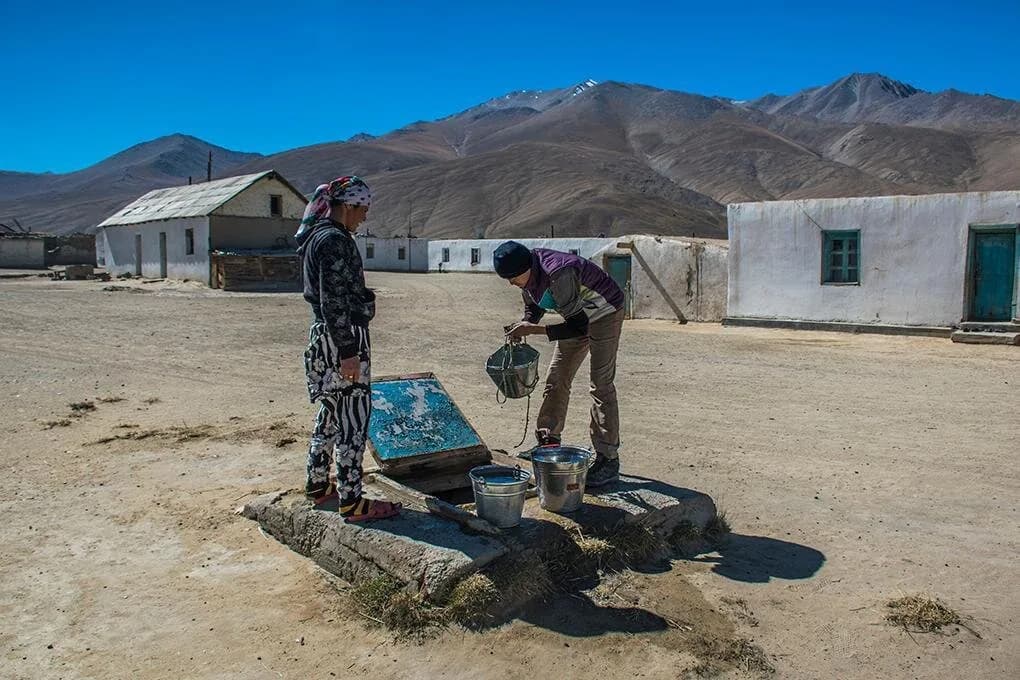
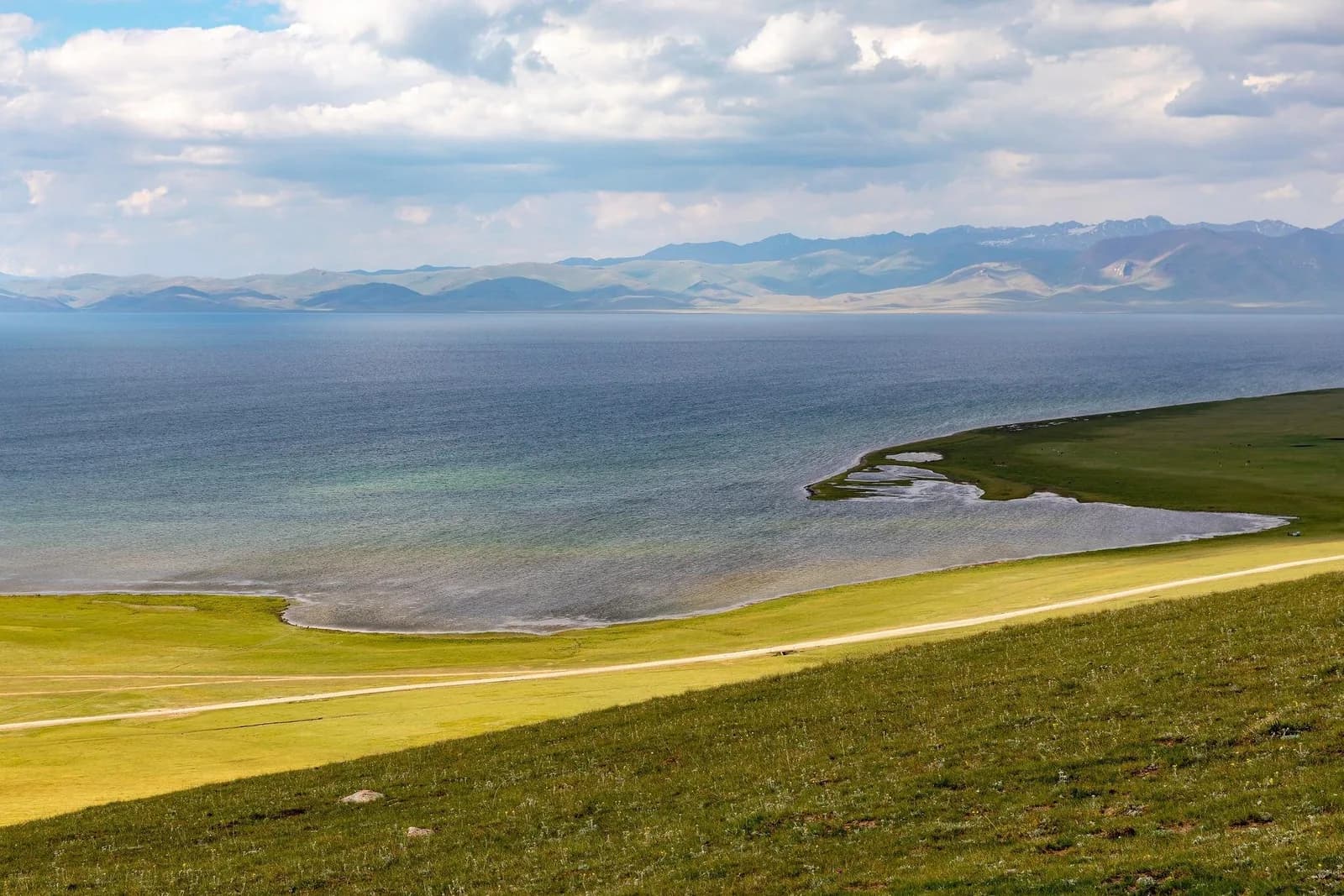

Kirgisistan ist eine der letzten großen Bergreisen Asiens, die sich noch unkompliziert organisieren lassen. Reisende aus Großbritannien, der EU, den USA, Kanada, Australien und Japan kommen meist visumfrei für bis zu 30 Tage ins Land, die Sicherheitslage ist wirklich gut, die Preise sind niedrig, und einen Tag nach der Landung in Bishkek kann man schon in einer Filzjurte am Seeufer auf 3.000 Metern schlafen. Dieser Leitfaden bündelt das Gesamtbild an einem Ort: warum sich der lange Flug lohnt, wann man kommen sollte, wie die Regionen zusammenpassen, was es kostet und welcher Zuschnitt für eine erste Reise sinnvoll ist. Er ist ein Überblick, und jeder Abschnitt verweist auf einen ausführlicheren Guide, sobald es ins Detail gehen soll.
Warum hinfahren
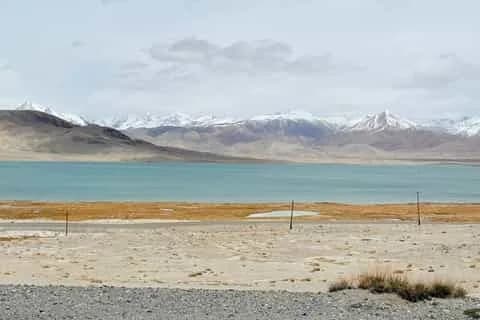
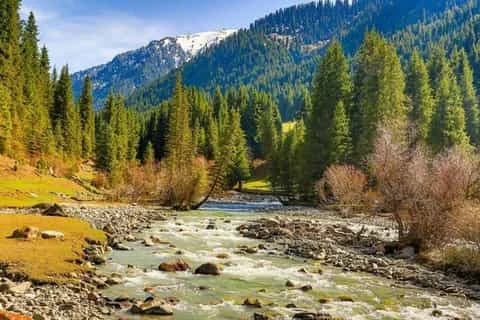
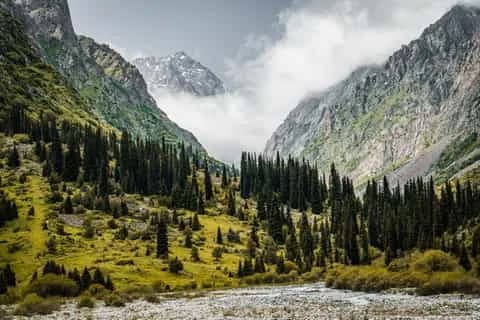
Rund 90 % Kirgisistans sind Gebirge, ein großer Teil davon liegt über 3.000 Metern. Tian Shan und Pamir-Alai liefern gletschergespeiste Seen, hohe Pässe und grüne Sommerweiden, die den Vergleich mit den Alpen nicht scheuen, zu einem Bruchteil des Andrangs und der Kosten. Das ist das landschaftliche Argument.
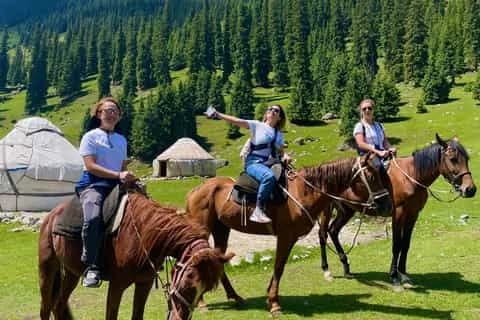
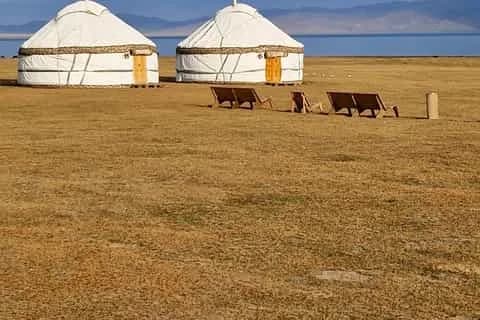
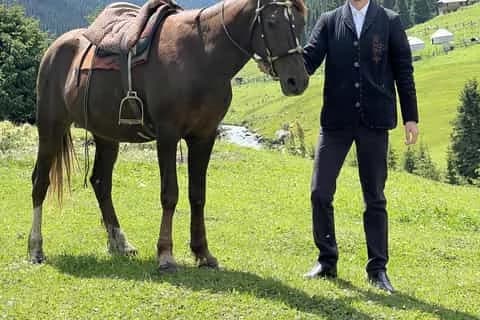
Das kulturelle wiegt schwerer. Kirgisistan hat eine lebendige nomadische Tradition bewahrt, die dem übrigen Zentralasien weitgehend abhandengekommen ist. Jeden Sommer ziehen Hirtenfamilien mit ihren Tieren hinauf auf die Jailoo (Hochweide) und leben in Jurten. Über den gemeindebasierten Tourismus kann man bei ihnen übernachten, ausreiten und Kymyz (vergorene Stutenmilch) trinken, geschöpft aus dem hauseigenen Fass. Gastfreundschaft ist hier eine Verpflichtung, keine Inszenierung: Ein Gast ehrt das Haus, und gegessen wird ohnehin, ob der Halt geplant war oder nicht.
Unter all dem liegt die Seidenstraße. Der Burana-Turm bei Tokmok ist das erhaltene Minarett von Balasagun aus dem 11. Jahrhundert, Tash Rabat eine steinerne Karawanserei an der alten Route nach China, und Osh ist seit weit über tausend Jahren Handelsstadt. 2026 ist zudem ein besonderes Jahr: Die 6. Weltnomadenspiele werden am 31. August in Bishkek eröffnet und laufen bis zum 6. September, mit Wettbewerben in Cholpon-Ata und auf der Kyrchyn-Jailoo. Wer sie verpasst, muss nicht ewig warten, denn die Spiele finden etwa im Zweijahresrhythmus statt.
Ist Kirgisistan sicher?
Ja. Nach der veröffentlichten Datenlage gehört das Land zu den sichereren Zielen Zentralasiens. Stand 2026 führt das britische FCDO nirgendwo im Land eine Zone mit dem Hinweis „von Reisen wird abgeraten“, nachdem im März 2025 der Grenzkonflikt um Chudschand mit Tadschikistan beigelegt wurde. Die USA stufen Kirgisistan insgesamt auf Level 1 ein, mit einem Level-2-Hinweis nur im 30-km-Streifen entlang der tadschikischen Grenze in Batken, also weit ab von jeder normalen Touristenroute.
Die tatsächlichen Risiken sind weder Kriminalität noch Politik. Der Reihe nach: Straßenverkehr, Berg- und Höhenunfälle, kleinere Abzockereien. Die Zahl der Verkehrstoten liegt um ein Vielfaches über westeuropäischem Niveau, und 40 % der Getöteten sind Fußgänger. Die echten Gefahren heißen also Straße überqueren und nächtliche Sammeltaxifahrt. Besser die App Yandex Go nutzen, statt Autos am Straßenrand heranzuwinken, lange Strecken bei Tageslicht fahren und den Gurt anlegen, auch wenn der Fahrer darüber lacht. In den Bergen drohen Höhe, schnelle Wetterumschwünge und gletschergespeiste Flussquerungen, nicht die Menschen. Unser ausführlicher Guide Ist Kirgisistan sicher? behandelt Alleinreisende und Frauen, Verkehrssicherheit und Gesundheit im Detail.
Wann hinfahren
Die kurze Antwort für eine erste Reise: zwischen Mitte Juni und Mitte September kommen, und Juli oder August wählen, wenn Hochgebirge und Jurtenübernachtungen der eigentliche Grund sind. Nur in diesen beiden Monaten sind alle hohen Pässe, Jailoo-Camps und Trekkingrouten verlässlich offen.
Frühling und Herbst sind heikler, als der Kalender vermuten lässt. Mai und früher Oktober klingen auf dem Papier verlockend, doch die Hirtenjurten stehen noch nicht oder nicht mehr, die hohen Pässe liegen unter Schnee, und die Hälfte einer klassischen Route ist schlicht geschlossen. Die ehrliche Ausnahme ist der Walnusswald von Arslanbob, dessen Ernte und Herbstfarben von Ende September bis in den Oktober ihren Höhepunkt erreichen und der beste Grund sind, im Herbst in den Süden zu fahren. Der Winter (Dezember bis März) ist ebenfalls eine echte Saison, aber eine für Spezialisten: Karakol hat eine wachsende Skiszene, und am Song-Köl gibt es sogar ein eigenes Winter-Jurtencamp.
| Monat | Hochgebirge & Jurten | See & Stadt | Hinweise |
|---|---|---|---|
| Mai | Meist geschlossen | Offen | Pässe verschneit; Jurten stehen noch nicht |
| Juni | Öffnet | Gut | Grüne Wiesen; auf manchen Pässen noch Schnee |
| Jul–Aug | Voll offen | Hochsaison (heiß, voll) | Beste Zeit für Song-Köl, Trekking, Nomadenspiele |
| September | Schließt | Gut | Goldenes Licht; oben Gefahr von frühem Schnee |
| Oktober | Oben geschlossen | Arslanbob am schönsten | Walnussernte; Jurtencamps abgebaut |
| Dez–März | Ski & Winterjurten | Nur Städte | Skifahren in Karakol; Issyk-Köl im Winterschlaf |
Die goldene Regel: Wann die Pässe öffnen und wie lange die Jurtencamps stehen, ist eine lebende Auskunft und keine Blogangabe vom Vorjahr. Vor jeder verbindlichen Buchung also nachfragen. Unser Guide zur besten Reisezeit für Kirgisistan schlüsselt das Region für Region auf.
Wie viel Zeit man braucht
Entfernungen sind auf der Karte kurz und auf der Straße lang, weil fast jede interessante Strecke eine Bergstraße ist. Eine Woche reicht für den Norden, sonst für nichts. Zehn Tage sind der ideale Zuschnitt für die klassische Nordrunde in menschlichem Tempo. Zwei Wochen können den Süden ergänzen, aber nur, wenn eine Etappe geflogen wird, statt das Land von einem Ende zum anderen zu durchfahren.
- 7 Tage: nur der Norden. Bishkek, Issyk-Köl, Karakol, eine Nacht am Song-Köl. Osh besser nicht noch dranhängen.
- 10 Tage: die komplette Nordrunde mit einer zweiten Nacht am Song-Köl und Tash Rabat, ohne Hetze. Das ist die Reise, mit der die meisten anfangen sollten.
- 14 Tage: die Nordrunde plus ein eingeflogener Vorgeschmack auf den Süden (Osh, Arslanbob), oder der Norden in echter Tiefe mit einer dreitägigen Ala-Köl-Trekkingtour.
- 21 Tage: die gesamte Runde mit dem Auto, inklusive Sary-Chelek und Alai-Tal.
Der häufigste Planungsfehler ist zu viel Fahrerei. Von Bishkek nach Osh sind es rund 600 km und 10 bis 12 Stunden auf der Straße, nicht die 7, die eine Karten-App verspricht. Also lieber weniger Stopps einplanen als schnellere Tage. Unsere 10-tägige Kirgisistan-Reiseroute ist der natürliche Ausgangspunkt.
Die Regionen im Überblick
Am einfachsten denkt man sich Kirgisistan als fünf Reisezonen, die von der Hauptstadt ausstrahlen.
Bishkek und Tschui ist der Ankunftsort: eine tief gelegene, grüne, sowjetisch geplante Hauptstadt auf etwa 800 m, im Sommer heiß, mit dem Burana-Turm und dem Nationalpark Ala-Archa in Tagesausflugsnähe. Issyk-Köl ist der riesige, leicht salzige See auf rund 1.600 m, der nie zufriert; das Nordufer ist Ferienstreifen und Petroglyphenfeld, das Südufer ruhiger, mit Schluchten und Adlerjägern. Karakol am Ostende des Sees ist die beste Outdoor-Basis des Landes, Startpunkt für die Trekkingtouren zum Ala-Köl und nach Altyn-Arashan, für Jeti-Ögüz und Jyrgalan, und im Winter eine richtige Skistadt. Naryn und Zentralkirgisistan sind das hohe, leere Herz: die Jurtencamps am Song-Köl, die Karawanserei Tash Rabat und, mit Genehmigung, der Kel-Suu. Osh und der Süden sind die warme, tiefer gelegene Hälfte am Rand des Ferghanatals, älter und usbekischer geprägt, mit dem Sulaiman-Too und dem Walnusswald von Arslanbob.
| Region | Ausgangsort | Bekannt für | Ideal für | Ab Bishkek |
|---|---|---|---|---|
| Tschui | Bishkek | Burana, Ala-Archa | Ankunft, Tagesausflüge | — |
| Issyk-Köl | Cholpon-Ata | Der See, Petroglyphen | Strand, ruhige Tage | ~4 Std. |
| Ostufer | Karakol | Trekking, Ski, Moschee | Wanderbasis | ~5–7 Std. |
| Zentral | Naryn / Kochkor | Song-Köl, Tash Rabat | Jurten, Hochsteppe | ~4–7 Std. |
| Süden | Osh | Sulaiman-Too, Arslanbob | Kultur, Herbst | 40-Minuten-Flug |
Am besten mit unseren Hubs zu Bishkek, Issyk-Köl, Karakol, Naryn und Osh starten, oder mit dem Guide zum Issyk-Köl, der Region, um die die meisten Erstbesucher ihre Reise herum bauen.
Anreise und Fortbewegung
Fast alle fliegen nach Manas International bei Bishkek. Wichtig: Der Flughafencode wurde im August 2025 von FRU auf BSZ geändert, und viele Buchungsseiten zeigen noch den alten. Direktflüge aus Westeuropa oder Nordamerika gibt es nicht, umgestiegen wird in Istanbul, Dubai oder an einem GUS-Drehkreuz. Osh (OSS) ist das südliche Tor. Nach der Landung gleich am Flughafen eine lokale SIM-Karte holen (O!, Beeline oder MegaCom, Registrierung nur mit Reisepass), damit Taxi- und Karten-Apps funktionieren.
Vor Ort ist der Verkehr günstig, gesellig und improvisiert:
- Marschrutkas (Sammelkleinbusse) verbinden fast jede Stadt, fahren los, wenn sie voll sind, statt nach Fahrplan, und kosten ein paar Dollar. Es lohnt sich, das eigene Ziel in kyrillischer Schrift auf der Windschutzscheibe lesen zu können.
- Sammeltaxis sammeln sich an Basaren und Busbahnhöfen, nehmen vier Fahrgäste mit und kosten für die schnellere Fahrt etwa das Doppelte einer Marschrutka. Preis vorher aushandeln und klären, ob er pro Platz oder pro Wagen gilt.
- Inlandsflüge lohnen sich auf genau einer Strecke: Bishkek–Osh in etwa 40 Minuten für rund US$40–57, statt 10–12 Stunden über Land.
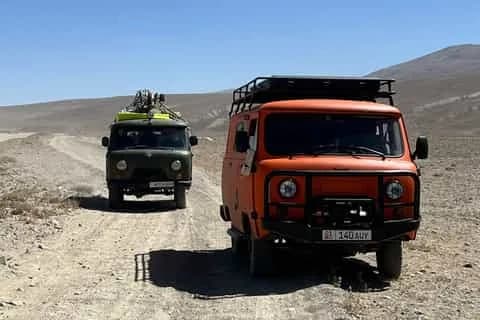
- Fahrer und Geländewagen sind der einzige Weg zu Orten ganz ohne öffentlichen Verkehr, allen voran Song-Köl, Tash Rabat und Kel-Suu. Teilt man den Jeep mit ein paar Mitreisenden, bleibt es bezahlbar.
App-Taxis (Yandex Go, Namba) funktionieren in Bishkek und Osh. Außerhalb der großen Städte ist man wieder auf ausgehandelte Fahrten und Fahrer aus dem Ort angewiesen. Die Straßen sind rau und Pässe schließen bei Wetterumschwung, deshalb den Plan flexibel halten und nie einen internationalen Flug am selben Tag an eine lange Bergfahrt hängen. Der Guide zur Fortbewegung in Kirgisistan hat die Details Strecke für Strecke.
Zu den Einreiseregeln: Die visumfreie Zeit beträgt 30 Tage innerhalb eines beliebigen 60-Tage-Zeitraums (nicht die 60 Tage, die viele ältere Guides noch nennen), und ein kurzer Grenzübertritt setzt die Uhr nicht mehr zurück. Längere Aufenthalte erfordern eine Registrierung, um die sich meist das Hotel kümmert. Vor der Buchung die eigene Staatsangehörigkeit auf dem offiziellen Portal prüfen; die Einzelheiten stehen in unserem Guide zu Visum und Einreise.
Geld und Budget
Die Währung ist der kirgisische Som, 2026 bei etwa 87–88 pro US-Dollar. Kirgisistan ist ausgesprochen günstig, für Reisende aber ein Bargeldland: Einheimische zahlen per Handy-App, und diese Apps bleiben Kurzzeitgästen verschlossen. Das Land wirkt bargeldlos und ist für Besucher trotzdem bar. Vor jeder Bergetappe in Bishkek, Osh oder Karakol großzügig abheben, denn hinter den Städten verschwinden die Geldautomaten, und Jurtencamps, Privatunterkünfte, Marschrutkas und Parkkassen nehmen ausschließlich Bargeld. Visa ist die am zuverlässigsten akzeptierte Karte; am besten zwei Karten von verschiedenen Banken mitnehmen.
| Was | Kosten (Som) | ca. USD |
|---|---|---|
| Hostel-Schlafsaal, Bishkek | 950–1.600 | $11–18 |
| Gästehaus / Privatunterkunft | 1.750–4.800 | $20–55 |
| Jurtennacht mit allen Mahlzeiten | 2.000–4.400 | $25–50 |
| Teller Lagman oder Plov | 250–500 | $3–5.50 |
| Marschrutka, ~3 Std. | ~500 | ~$5 |
| Eintritt Nationalpark Ala-Archa | 250 | ~$3 |
Mit deutlich unter US$40 pro Tag kommt man als Budgetreisender aus, wobei private Transfers zu den Ausgangspunkten und geführtes Trekking die größten Einzelposten sind. Preise der Gemeinden und von CBT liegen meist unter denen der Buchungsplattformen. Die vollständige Aufschlüsselung inklusive Pferdemiete, Guides und Genehmigungen steht im Guide zu Kosten und Budget in Kirgisistan.
Essen
Die kirgisische Küche ist deftig, fleischbetont und für ein kaltes Klima gemacht. Überall begegnen einem Beshbarmak (gekochtes Fleisch auf breiten Nudeln, das Nationalgericht), Lagman (handgezogene Nudeln in würziger Brühe), Manty (gedämpfte Teigtaschen), Plov (Reispilaw), im Tandoor gebackene Samsa und Schaschlik vom Grill. Brot ist beinahe heilig: Das Erste, was ein Gast im Haus bekommt, ist ein Stück davon, und man legt es nie mit der Oberseite nach unten. Auf der Jailoo kommen Milchprodukte und Hammelfleisch direkt von den Tieren ringsum, dazu endlos Tee und Kymyz.
Eine faire Warnung für Vegetarier: In Bishkek gibt es Alternativen, in den Dörfern werden sie schnell dünn, und „kein Fleisch“ wird auf Russisch oft als „kein rotes Fleisch“ verstanden. Also ausdrücklich auch Hühnchen und Fisch ausschließen. Unser Guide zur kirgisischen Küche geht Gericht für Gericht vor, mit Etikette und Preisen.
Die erste Reise, im Zuschnitt
Wer zum ersten Mal kommt, hält es einfach und bleibt im Norden. In Bishkek landen und am Ankunftstag nicht mehr weiterfahren. Einen Tag den Seidenstraßen-Stätten im Tal von Tschui widmen und in den Bergrhythmus finden, dann gegen den Uhrzeigersinn um den Issyk-Köl, damit die leichten Seetage zuerst kommen und die Höhe zuletzt, was der Akklimatisierung hilft. Zwei Nächte Karakol als Basis für die Trekkingtouren und für die hölzerne orthodoxe Kathedrale und die pagodenförmige Dunganen-Moschee, dann über die Steppe zum Song-Köl für zwei Jurtennächte, nicht eine. Erst in der zweiten Nacht wird geritten, der Grat erwandert und wirklich mit der Familie geredet; eine einzige Nacht ist nur eine kalte Durchreise.
Mehr Zeit einplanen, als die Karte nahelegt, Bargeld und warme Schichten auch im Juli mitnehmen und Einladungen annehmen. Kirgisistan belohnt alle, die langsamer werden und den Bergen das Tempo überlassen. Wer aus diesem Überblick einen Tagesplan machen möchte, schaut in unseren Trekking-Guide und in das gesamte Angebot an Kirgisistan-Touren, um die Reise um das herum zu bauen, was man wirklich sehen will.
Chatte mit einem echten Menschen — kostenlos
Seif und das Team antworten rund um die Uhr auf WhatsApp — Reisefragen, individuelle Pläne und Buchungshilfe.
Seif auf WhatsApp fragenHäufige Fragen
Brauche ich ein Visum für Kirgisistan?
Die meisten westlichen Reisenden nicht. Angehörige von rund 55 Staaten, darunter Großbritannien, die EU-Länder, die USA, Kanada, Australien, Neuseeland und Japan, reisen visumfrei für bis zu 30 Tage innerhalb eines beliebigen 60-Tage-Zeitraums ein. Andere Nationalitäten beantragen ein unkompliziertes E-Visum. Wer über die visumfreie Frist hinaus bleibt, muss sich registrieren, worum sich in der Regel das Hotel kümmert. Die Regeln ändern sich, deshalb vor der Buchung die eigene Staatsangehörigkeit auf dem offiziellen E-Visa-Portal prüfen.
Ist Kirgisistan für Touristen sicher?
Ja. Es gehört zu den sichereren Ländern Zentralasiens: 2026 gibt es nirgendwo im Land eine FCDO-Zone mit Reisewarnung, und die USA stufen es insgesamt auf Level 1 ein. Kriminalität gegenüber Besuchern beschränkt sich meist auf überhöhte Preise. Die echten Risiken sind Straßenverkehr, Höhe und Bergwetter, nicht die Menschen. Am besten App-Taxis statt Autos von der Straße nutzen, lange Strecken bei Tageslicht fahren und eine Versicherung abschließen, die Trekking in großer Höhe einschließt.
Wann ist die beste Reisezeit für Kirgisistan?
Mitte Juni bis Mitte September für Berge und Jurten, wobei nur im Juli und August jeder hohe Pass und jedes Jailoo-Camp verlässlich geöffnet ist. Juni und September sind ruhiger und wunderschön, weiter oben aber ein Risiko. Im Mai und Oktober sind die Pässe zu und die Jurten weg, ausgenommen die Walnussernte in Arslanbob im Herbst. Der Winter gehört den Skifahrern, mit Karakol als wichtigster Basis.
Wie viele Tage braucht man für Kirgisistan?
Zehn Tage sind ideal für eine erste Reise und reichen für die klassische Nordrunde über Issyk-Köl, Karakol, Song-Köl und Tash Rabat in menschlichem Tempo. Eine Woche deckt nur den Norden ab. Zwei Wochen können den Süden um Osh ergänzen, dann aber eine Etappe fliegen, statt das Land von einem Ende zum anderen zu durchfahren, denn Bishkek–Osh bedeutet je 10 bis 12 Stunden auf der Straße.
Wie kommt man in Kirgisistan von Ort zu Ort?
Marschrutkas (Sammelkleinbusse) und Sammeltaxis verbinden die Städte günstig und fahren los, wenn sie voll sind, statt nach Fahrplan. Zu abgelegenen Zielen wie Song-Köl und Tash Rabat fährt gar kein öffentlicher Verkehr, dort mietet man einen Fahrer oder Geländewagen und teilt die Kosten. Der eine wirklich nützliche Flug ist Bishkek–Osh: rund 40 Minuten statt 10 bis 12 Stunden über Land. App-Taxis funktionieren nur in Bishkek und Osh.
Was kostet eine Reise nach Kirgisistan?
Das Preis-Leistungs-Verhältnis ist hervorragend. Budgetreisende kommen mit deutlich unter US$40 pro Tag aus: Hostel-Schlafsäle kosten etwa US$11 bis 18, Gästehäuser US$20 bis 55 und eine Jurtennacht mit allen Mahlzeiten rund US$25 bis 50. Eine Mahlzeit kostet wenige Dollar. Die größten Posten sind private Transfers zu den Ausgangspunkten und geführtes Trekking. Bargeld mitnehmen, denn außerhalb der größeren Städte versagen Karten.
Sollte man sich in Kirgisistan Gedanken über die Höhe machen?
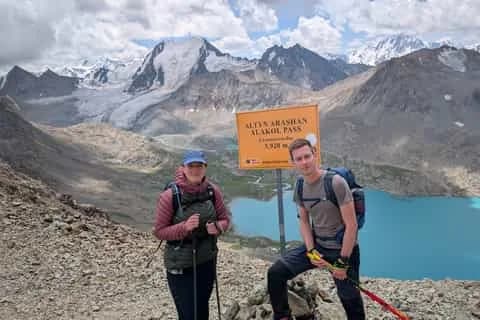
Das wird am häufigsten unterschätzt. Kirgisistan bringt einen schneller über 3.000 Meter als fast jedes andere Land: Der Song-Köl auf etwa 3.016 m ist von Bishkek auf 800 m an einem Tag erreichbar. Leichte Höhenkrankheit (Kopfschmerzen, schlechter Schlaf) ist verbreitet. Am besten zuerst eine Nacht in Kochkor oder Naryn einplanen, den Ala-Köl-Pass nicht direkt nach der Ankunft in Bishkek angehen und bei zunehmenden Symptomen absteigen.
Braucht man Bargeld oder funktionieren Karten in Kirgisistan?
Bargeld mitbringen. Hotels in Bishkek, bessere Restaurants und Supermärkte nehmen Visa-Karten, und in Osh und Karakol wächst die Akzeptanz, doch Basare, Privatunterkünfte, Jurtencamps, Marschrutkas und Parkkassen nehmen nur Bargeld. Lokale Bezahl-Apps stehen kurzzeitigen Gästen aus dem Ausland nicht offen. Vor jeder Bergtour in einer Stadt großzügig abheben, um kleine Scheine bitten und zwei Karten von verschiedenen Banken dabeihaben.
Welche Sprache spricht man in Kirgisistan?
Kirgisisch ist Staatssprache, Russisch hat offiziellen Status, und beide sind im Alltag präsent. Mit Russisch kommt man in Bishkek, Karakol sowie in Verkehr und Gastronomie am weitesten, Kirgisisch ist in den Dörfern und im Süden nützlicher, und eine kirgisische Begrüßung kommt immer gut an. Englisch ist begrenzt, nimmt aber bei Gästehauspersonal, Guides und Studierenden zu. Eine Übersetzungs-App und ein paar gelernte Sätze bringen einen weit.
Jetzt buchen auf This is Kyrgyzstan
Mach aus diesem Reiseführer deine Reise

Kirgisistans Bestseller
Die meistgebuchten Erlebnisse im ganzen Land
Weiterlesen
Trekking ohne Guide in Kirgisistan: Routen & Praxis
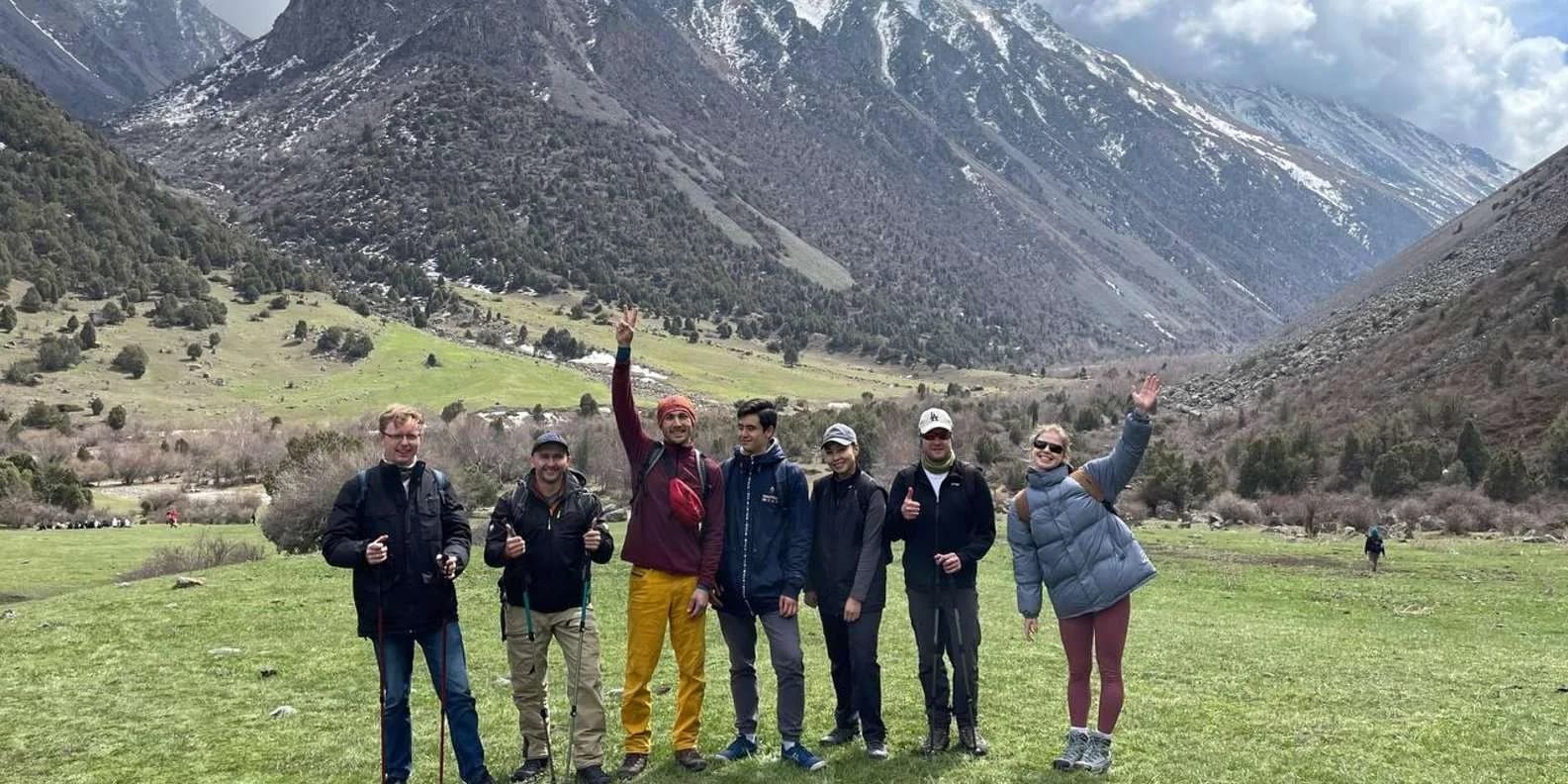
Ja, Kirgisistan lässt sich ohne Guide durchwandern. Die besten Routen für Selbstgeher, die man auslassen sollte, und die Logistik aus Karten, Wasser und Sicherheit dahinter.
Von TiK Editors12 Min. Lesezeit
Pik Uchitel: die erste 4.000er-Besteigung (2026)
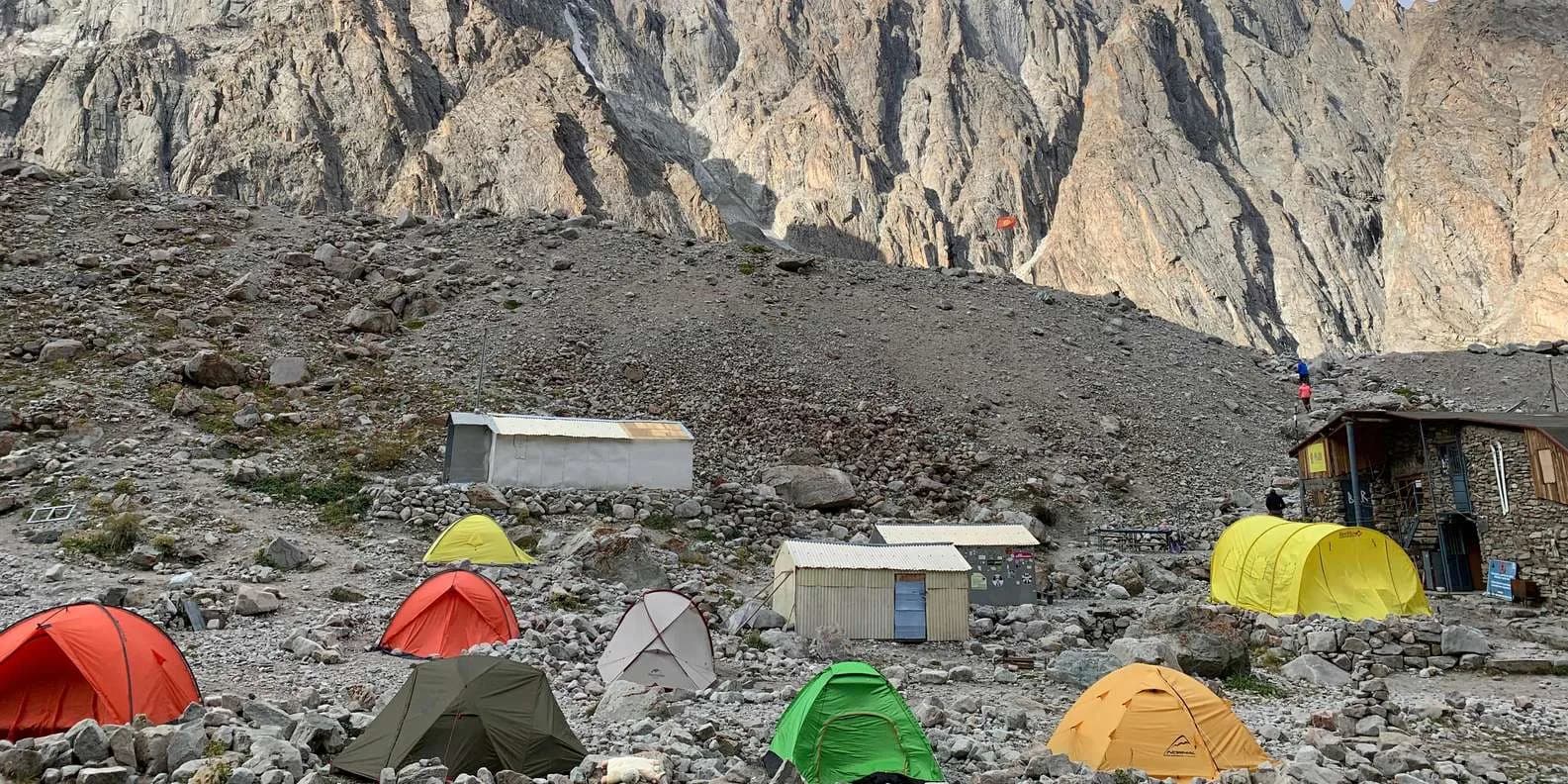
Der Pik Uchitel (ca. 4.400–4.600 m) in Ala-Archa ist der klassische erste Gipfel für konditionsstarke Wanderer ohne Alpinerfahrung: Route, Ausrüstung, Saison und Akklimatisierung.
Von TiK Editors8 Min. Lesezeit
Tian Shan Traverse: Bikepacking in Kirgisistan
Die Tian Shan Traverse ist eine selbstversorgte, überwiegend abseits des Asphalts verlaufende Bikepacking-Route von rund 1.000 km durch die kirgisischen Hochgebirge. So plant man sie.
Von TiK Editors9 Min. Lesezeit